September 20, 2026 · 4 min read
Morocco often conjures images of bustling souks, vibrant cities, and the vast Sahara. But beneath the surface of these popular attractions lies a country teeming with untold stories, ancient secrets, and landscapes that defy expectation. It's a land where every turn reveals a new layer of history, culture, and natural wonder, inviting those with a curious spirit to look a little closer.
For the traveler eager to venture beyond the well-trodden paths, Morocco truly is a place where you can keep discovering new things every day. From remote desert oases sustained by ancient engineering to sacred mountain towns with unique traditions, these lesser-known gems offer a profound connection to Morocco's authentic heart. Prepare to uncover narratives etched in stone, woven into fabric, and passed down through generations.

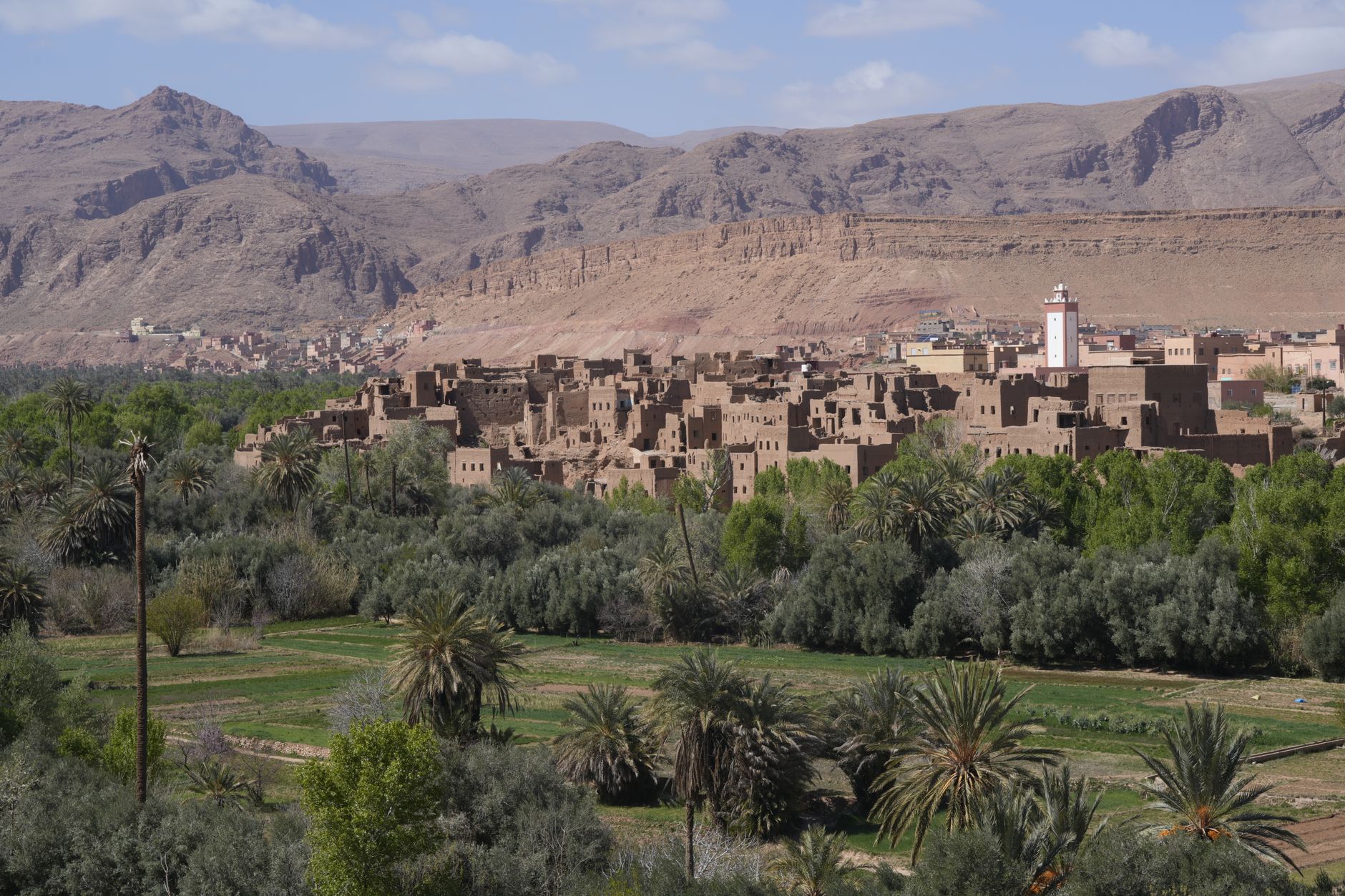
1. The Secret Library of Tamegroute
Tamegroute, Morocco
Deep in the Draa Valley lies a Sufi lodge housing one of Morocco's oldest libraries, preserving ancient wisdom for centuries.
In the remote village of Tamegroute, a 17th-century Sufi zaouia (religious school) safeguards a remarkable library. Its shelves hold over 4,000 ancient manuscripts, some dating back to the 13th century, covering astronomy, medicine, law, and theology. This collection, painstakingly copied and preserved by generations of scholars, offers a rare glimpse into the intellectual heritage of the Sahara and North Africa.
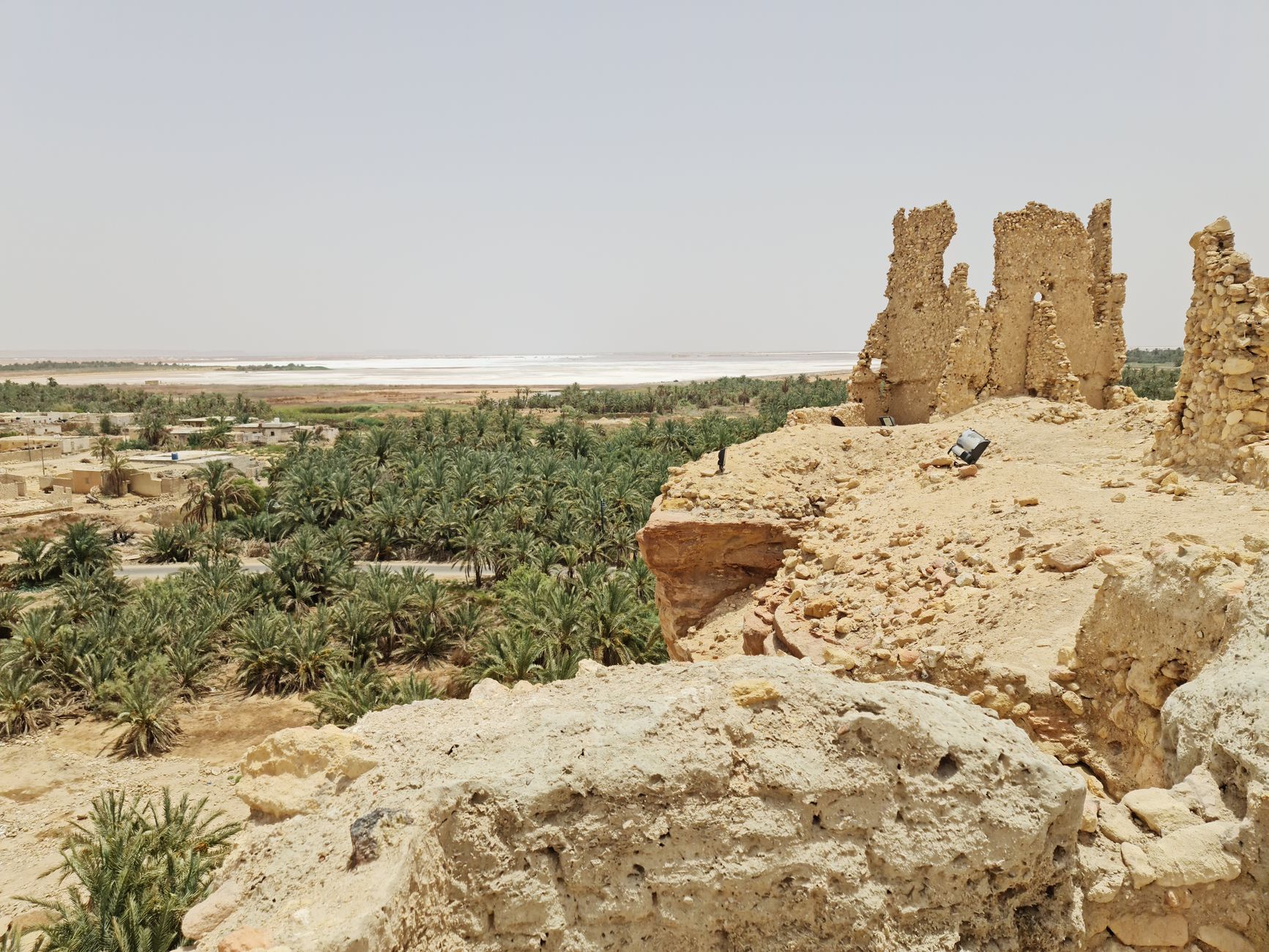
2. Figuig's Seven Fortified Ksours
Figuig Oasis, Morocco
This remote oasis town on the Algerian border is an architectural marvel, built as seven independent, fortified villages.
The Figuig Oasis is a stunning example of human ingenuity in the desert. Its seven ancient ksour – fortified villages, each with its own gate and community – rise dramatically from a vast palm grove. For centuries, these communities have thrived using an intricate system of khettaras (underground irrigation canals) and strict water-sharing laws, a testament to sustainable living in an arid environment.
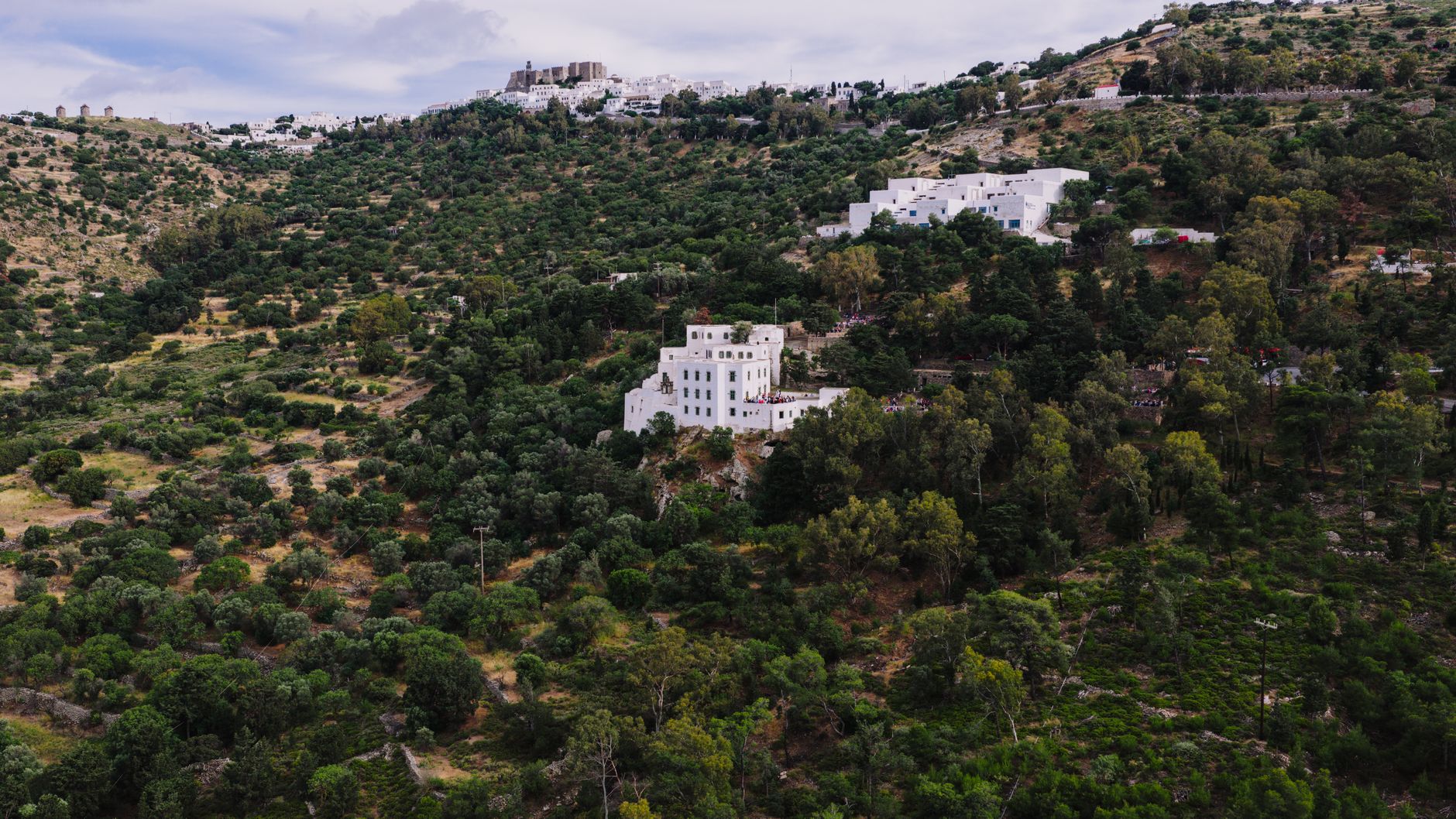
3. Moulay Idriss Zerhoun: The Holy City
Moulay Idriss Zerhoun, Morocco
Morocco's holiest town, founded by the great-grandson of Prophet Muhammad, historically restricted overnight stays for non-Muslims.
Perched on a hillside overlooking the ancient Roman ruins of Volubilis, Moulay Idriss Zerhoun is a profoundly spiritual place. It is named after Idris I, who fled Mecca and founded the first Arab dynasty in Morocco in 789 AD, making it a pivotal site in Moroccan history. The town's unique conical minaret, adorned with green ceramic tiles, stands as a beacon for pilgrims and a symbol of its enduring sanctity.
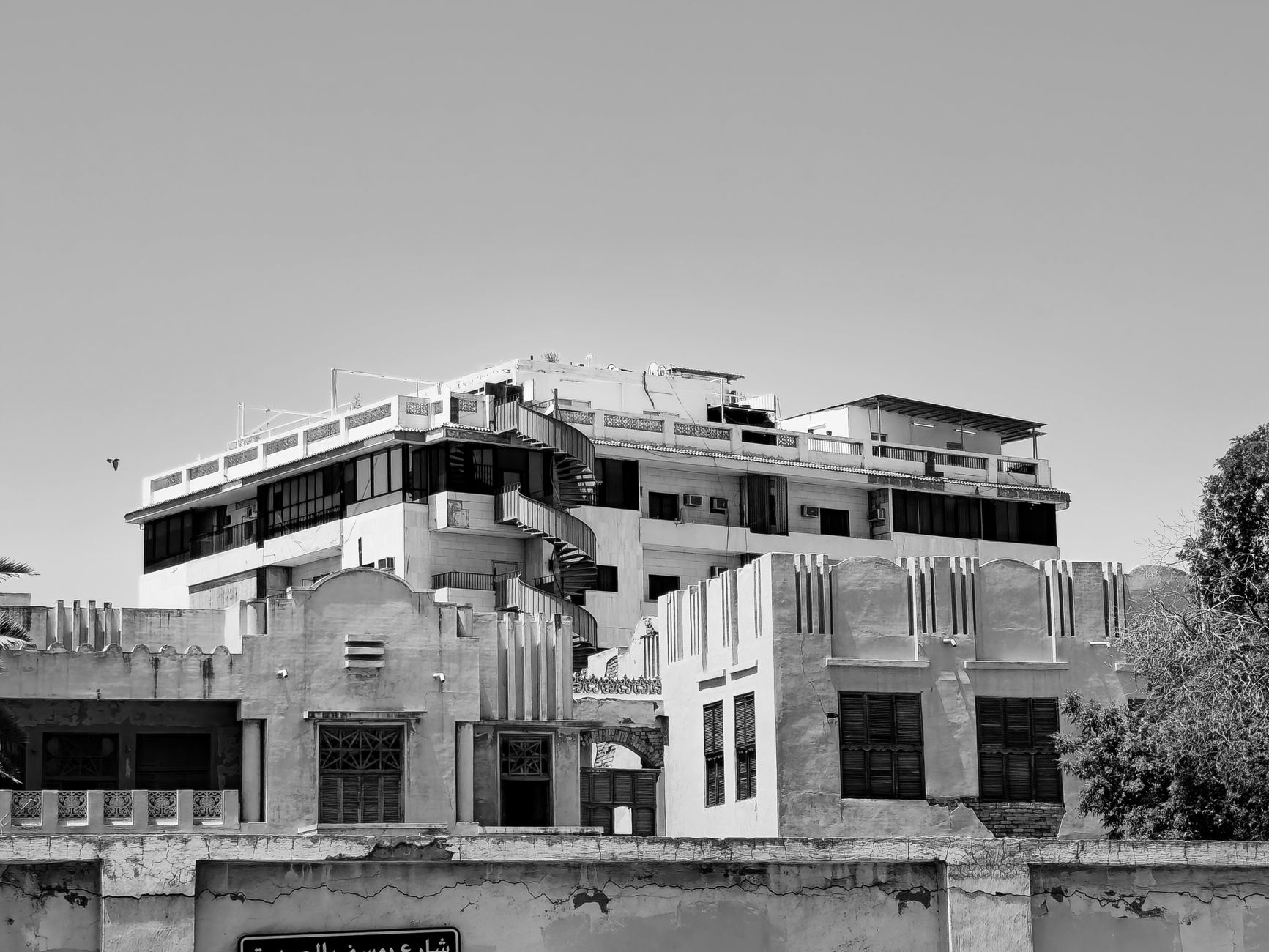
4. The Art Deco Coast of Sidi Ifni
Sidi Ifni, Morocco
Discover a unique blend of Spanish colonial history and Art Deco architecture on Morocco's rugged Atlantic coast.
Sidi Ifni, a picturesque coastal town, stands apart with its striking Art Deco buildings, a direct legacy of its Spanish colonial past. From its former airport terminal to government buildings and private residences, the town's architecture features rounded corners, geometric patterns, and vibrant colors. This unusual aesthetic creates a captivating visual contrast against the dramatic cliffs and the crashing waves of the Atlantic.
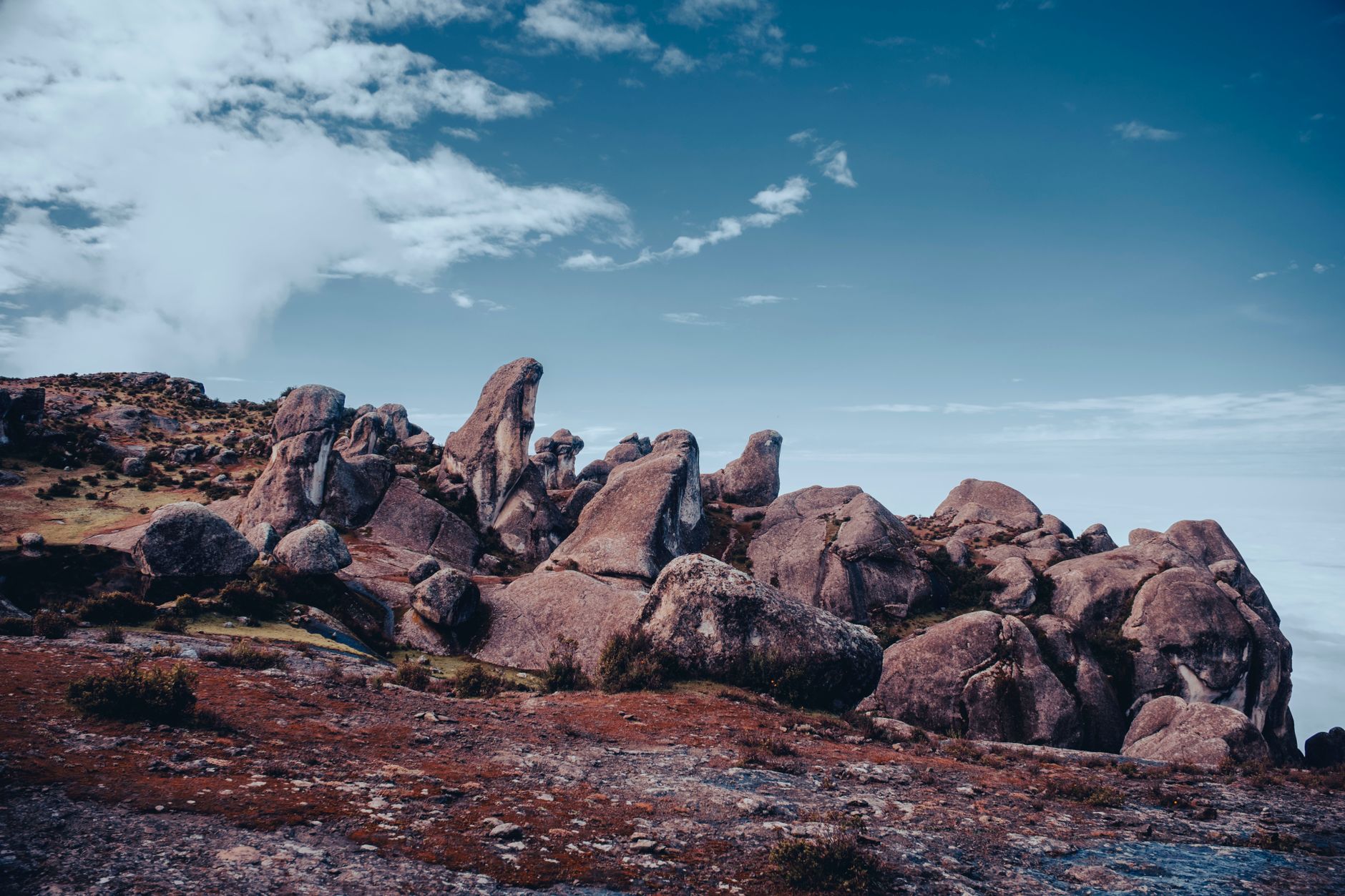
5. Jbel Saghro's Dragon's Teeth
Jbel Saghro, Anti-Atlas Mountains, Morocco
This rugged volcanic massif is home to dramatic 'dragon's teeth' rock formations and ancient transhumance routes of nomadic tribes.
The Jbel Saghro mountain range, often overlooked for the High Atlas, is a geological wonderland. Its stark, lunar landscapes are characterized by jagged peaks, deep gorges, and towering rock pillars, earning some formations the nickname 'dragon's teeth.' This challenging terrain is also a vital winter grazing ground for the Ait Atta Berber nomads, whose ancient paths crisscross the range, connecting isolated villages and seasonal pastures.
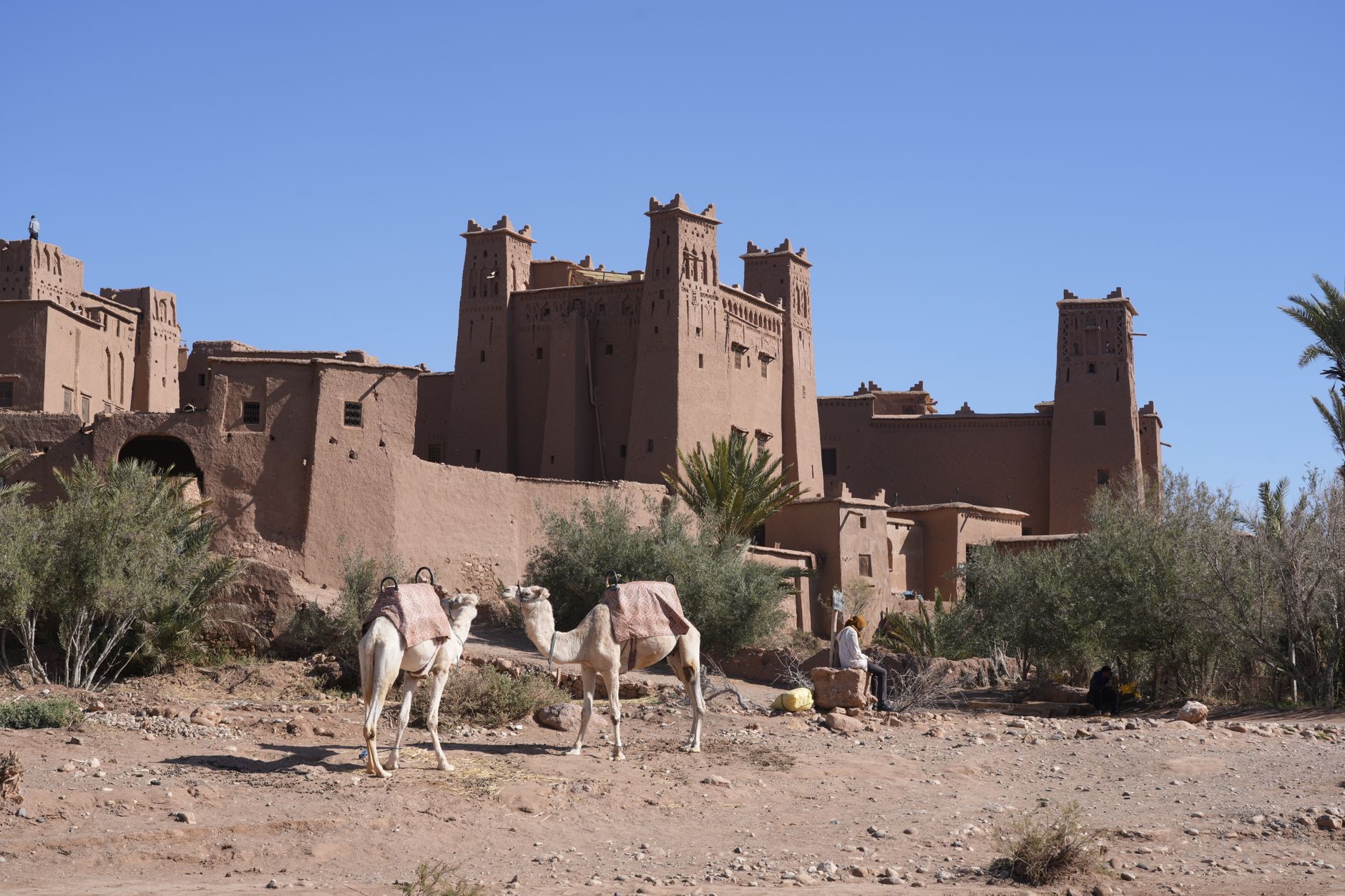
6. Skoura Oasis and its Hundred Kasbahs
Skoura Oasis, Morocco
Amidst sprawling palm groves, hundreds of ancient mud-brick kasbahs rise, some still inhabited, revealing centuries of traditional Berber life.
The Skoura Oasis, a vast and verdant expanse, is renowned for its remarkable concentration of kasbahs. These elaborate, fortified mud-brick homes, some dating back hundreds of years, are scattered throughout the palm groves, many now crumbling into beautiful ruins while others remain active family dwellings. They represent a unique architectural heritage and an ingenious adaptation to the desert climate, providing shelter and defense.
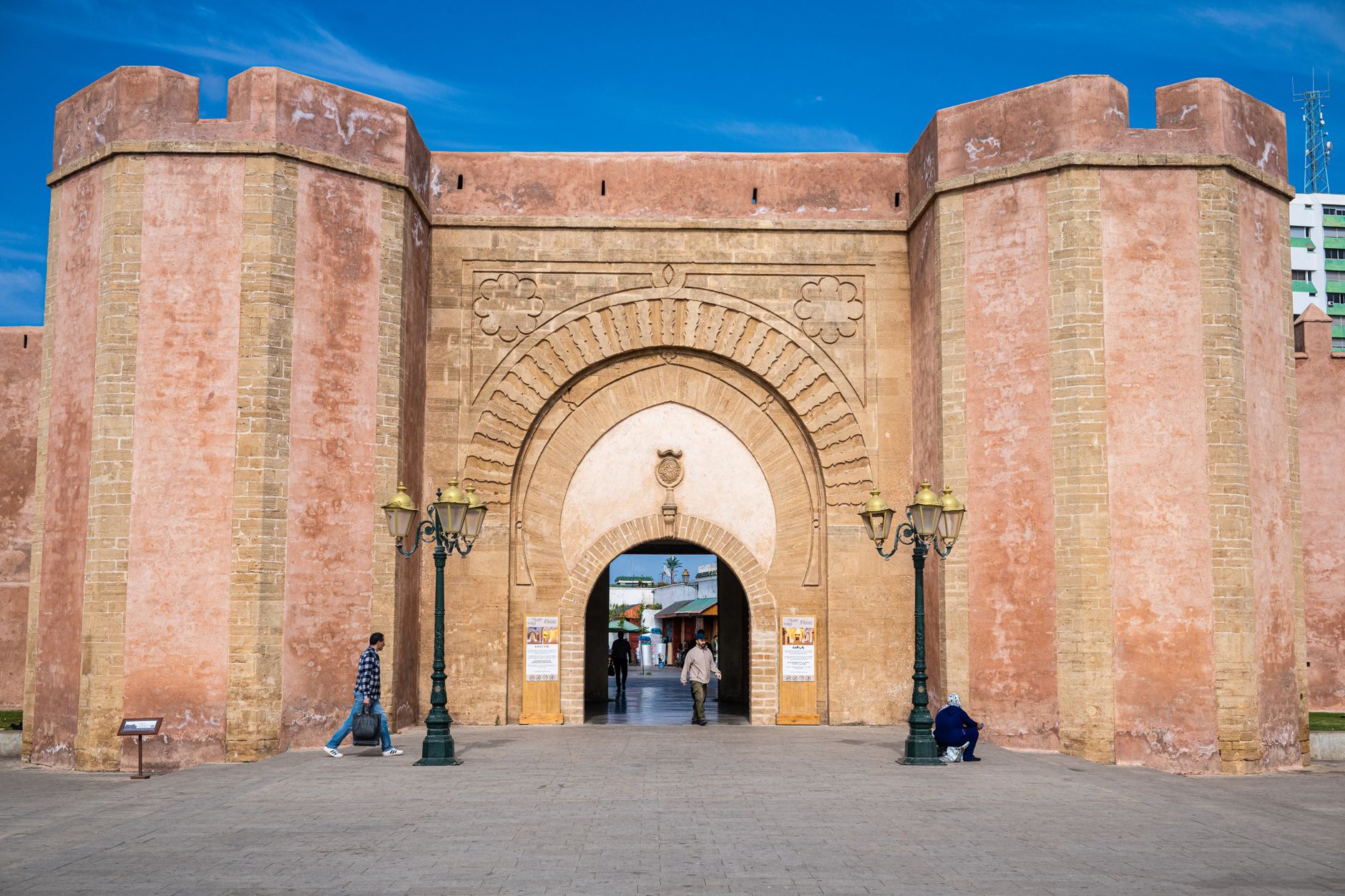
7. Taroudant's Ancient Ramparts
Taroudant, Morocco
Often called 'Little Marrakech,' this ancient city boasts incredibly preserved 16th-century ramparts, once the capital of a powerful dynasty.
Taroudant, nestled in the Souss Valley, served as the capital of the Saadian dynasty before Marrakech. Its most striking feature is its magnificent red-mud ramparts, stretching for several kilometers, punctuated by nine gates. These formidable walls, remarkably well-preserved, offer a journey back in time, encircling a bustling town known for its vibrant souks, argan oil production, and a more relaxed pace than its larger counterpart.
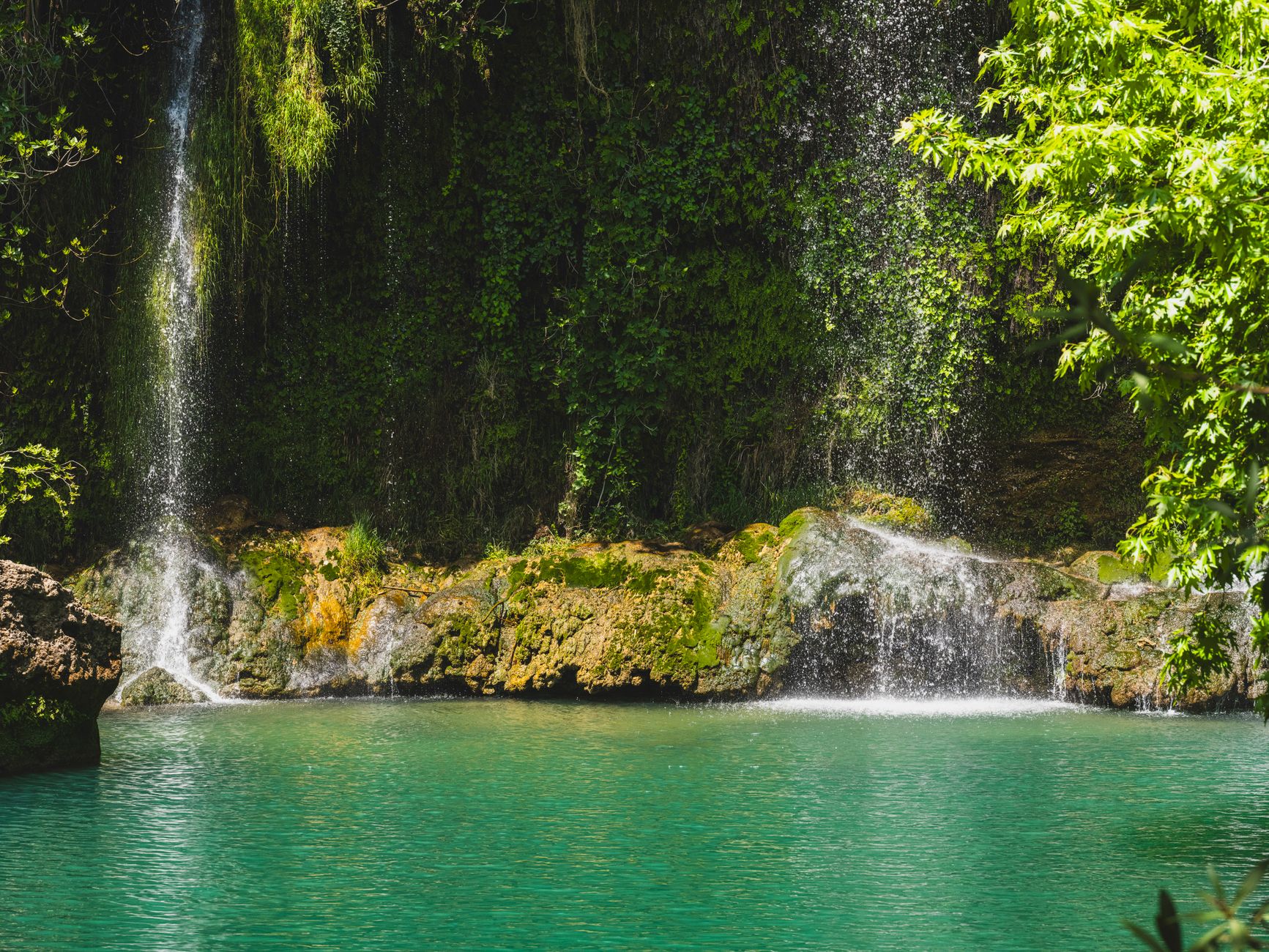
8. Akchour's God's Bridge
Akchour, Talassemtane National Park, Morocco
Hidden in a national park, a stunning natural rock arch known as 'God's Bridge' spans a river, a testament to nature's artistry.
Within the lush Talassemtane National Park, near the town of Akchour, lies a spectacular natural wonder: Pont de Dieu, or 'God's Bridge.' This colossal rock arch, carved over millennia by the force of water, creates a breathtaking natural spectacle. The area offers invigorating hikes through verdant valleys, past cascading waterfalls, leading to this impressive geological formation that feels like a sacred space.
Frequently asked questions
What's the best time to visit Morocco's lesser-known spots?
The ideal time to explore these off-the-beaten-path locations is during spring (March to May) or autumn (September to November). The weather is mild and pleasant, perfect for hiking in the mountains or exploring desert oases, avoiding the intense summer heat and the cooler, sometimes wet, winter months.
Is it safe to explore remote areas of Morocco?
Generally, Morocco is a very safe country for travelers, even in remote areas. However, it's always wise to exercise caution, inform others of your itinerary, and consider hiring a local guide, especially for challenging terrain like Jbel Saghro. Local guides offer invaluable insight into culture, navigation, and safety.
How do I get around these hidden Moroccan gems?
Public transport can be limited to these more remote locations. Renting a 4x4 vehicle provides the most flexibility, especially for mountain and desert regions. Alternatively, you can arrange private transfers or join guided tours that specialize in Morocco's hidden treasures, ensuring a smoother and more informative journey.
How can AllTours.ai help me discover these places?
AllTours.ai enhances your exploration by turning your phone into an AI audio tour guide. Simply point your camera at any landmark, landscape, or even a local craft you encounter in these unique Moroccan spots, and the app narrates its history, geology, and culture in your preferred language, offering deeper context and surprising stories on demand.
Photography via Pexels. AllTours.ai is an AI audio tour guide — point your camera at any landscape and hear its story.