September 8, 2026 · 4 min read
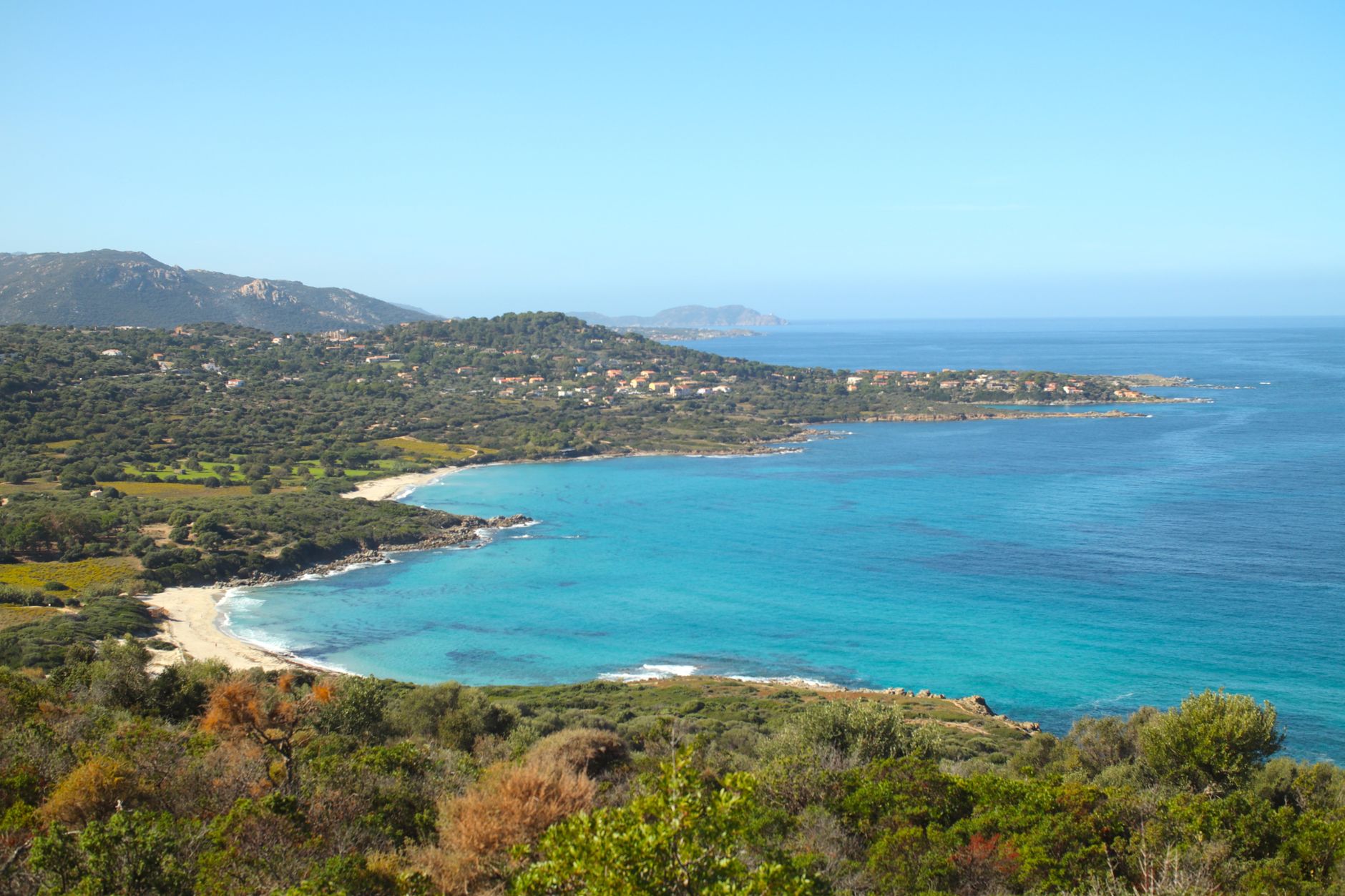
Corsica, the 'Island of Beauty,' consistently tops lists for summer travel, drawing countless visitors to its sun-drenched beaches, dramatic coastlines, and charming port towns. Its allure is undeniable, promising crystalline waters and vibrant Mediterranean culture.
But for those seeking to understand Corsica beyond the postcard views and avoid the peak season bustle, the island offers a deeper, more intriguing narrative. Venture beyond the usual tourist trails to discover ancient mysteries, geological wonders, and cultural tales that few ever encounter.
1. The Menhir Mystique of Filitosa
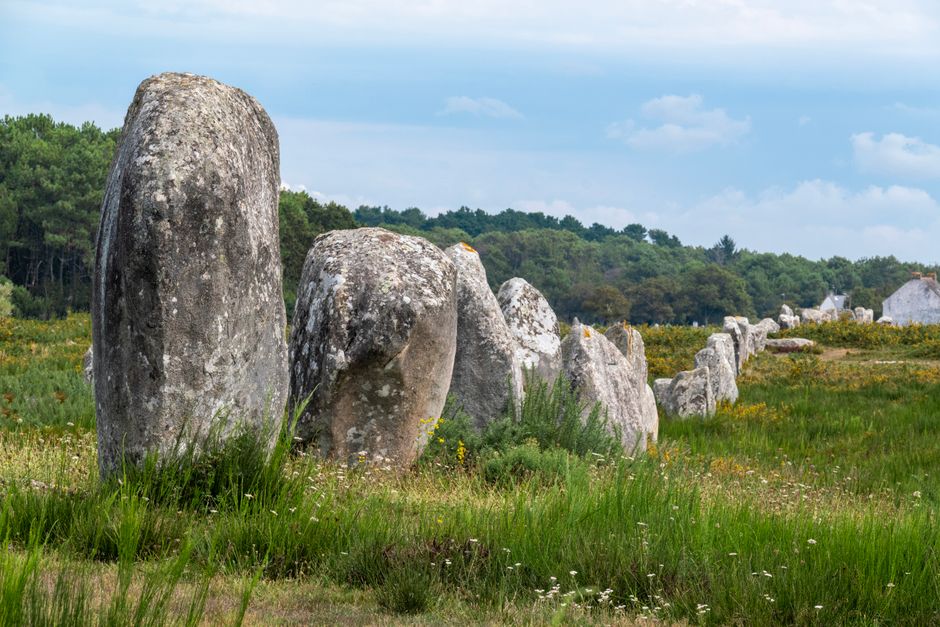
Filitosa, Corsica
This prehistoric site features ancient menhirs uniquely carved with human faces, their original purpose still a subject of intense archaeological debate.
Before recorded history, a sophisticated megalithic culture thrived in Corsica. Filitosa, dating back as far as 6000 BCE, showcases impressive granite statues sculpted with faces, armor, and weapons. These anthropomorphic menhirs, some over two meters tall, stand in a landscape that feels ancient and sacred, offering a powerful glimpse into Bronze Age rituals and beliefs that predate Roman or Greek influence.
2. Nonza's Striking Black Beach
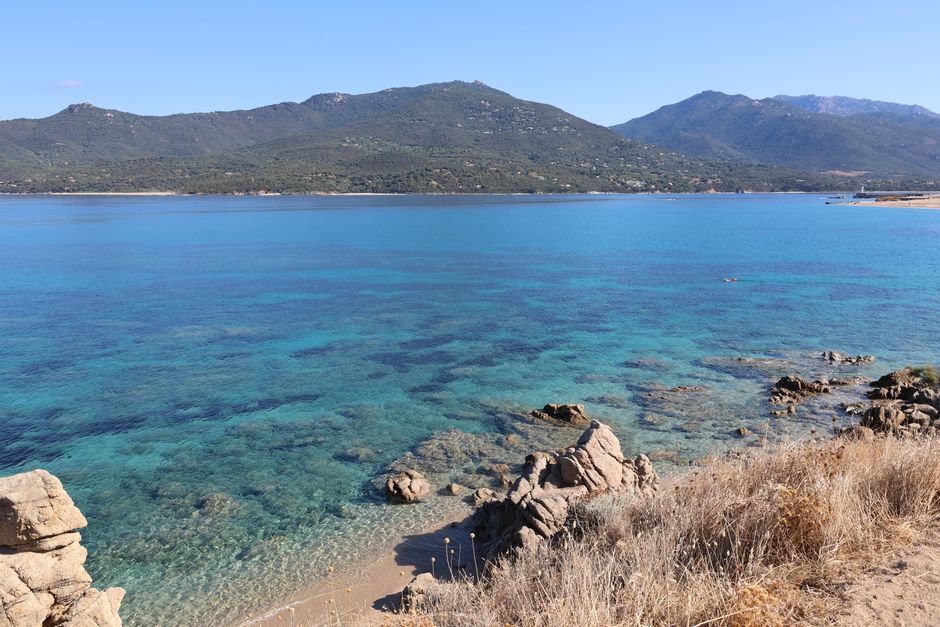
Nonza, Cap Corse, Corsica
Beneath the dramatic clifftop village of Nonza lies a unique black pebble beach, a striking geological anomaly formed by an abandoned asbestos mine.
The village of Nonza, perched precariously on a cliff in Cap Corse, is famous for its Genoese tower and breathtaking views. Below it, however, is a secret: a long stretch of coarse black pebbles that shimmer under the sun. This distinctive hue isn't volcanic, but rather a legacy of the Canari-Amiante asbestos mine, which operated nearby for decades. Though the mine is long closed and the beach is safe, its stark, dark beauty against the turquoise sea creates a truly unforgettable and historically resonant landscape.
3. The 'Desert' of Agriates
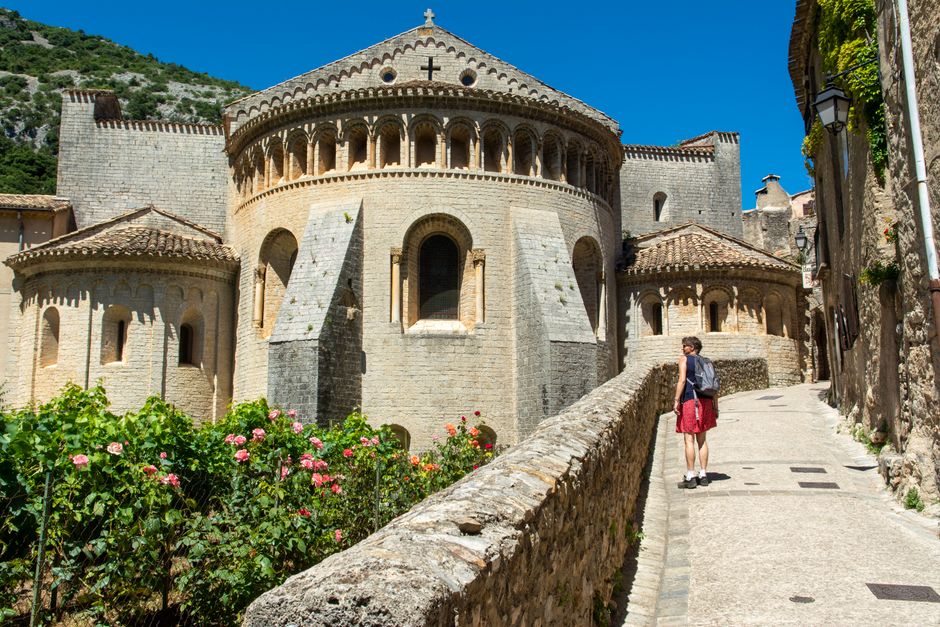
Désert des Agriates, Corsica
Despite its name, the 'Désert des Agriates' is not a true desert, but a wild, arid landscape shaped by centuries of human activity, including extensive deforestation for shipbuilding.
This vast, protected natural area stretches along Corsica's northwest coast, a rugged expanse of maquis, rocky hills, and pristine beaches like Saleccia and Lodo. Its 'desert' moniker comes from its historical past as a fertile agricultural region that was largely deforested to supply timber for ship construction. Today, it remains one of the wildest and least developed parts of Corsica, accessible by boat or rough tracks, offering a glimpse into the island's untamed heart and its complex ecological history.
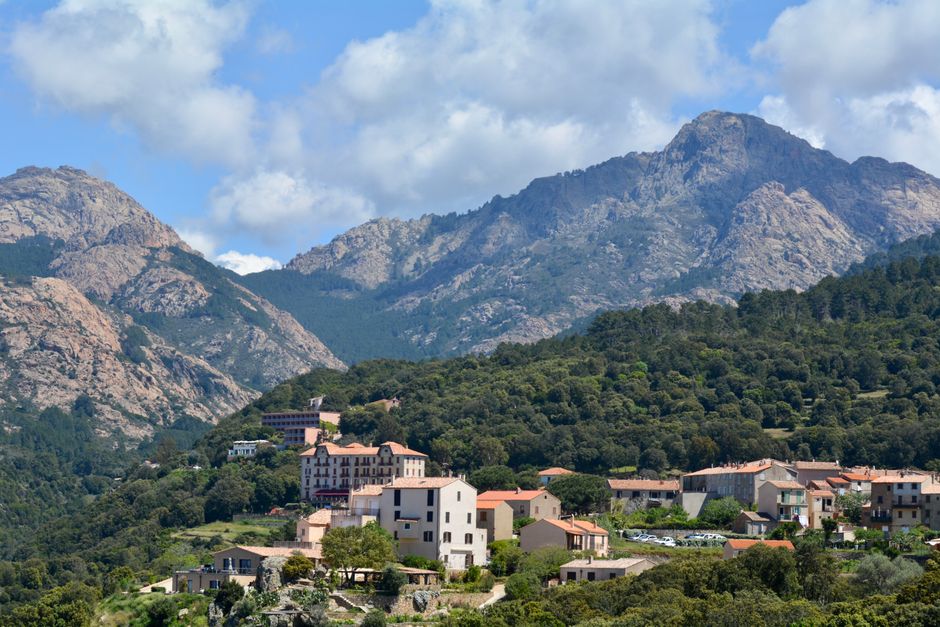
4. Tavignano Valley's Pozzines
Tavignano Valley, near Corte, Corsica
Deep in the Tavignano Valley, high-altitude glacial cirques hide 'pozzines' – unique, naturally irrigated peat bogs resembling perfectly circular, emerald-green lawns.
While Corte is known as Corsica's historic capital, the rugged Tavignano Valley stretching beyond it offers a different kind of beauty. Following ancient shepherd paths, hikers can discover a landscape of granite gorges, crystal-clear rivers, and glacial lakes. The most striking features are the pozzines: peculiar, spongy grasslands formed over millennia in ancient glacial basins. These natural 'water gardens,' often crisscrossed by tiny streams, are a rare geological phenomenon found in high Corsican mountains, providing a startling contrast to the surrounding rock.
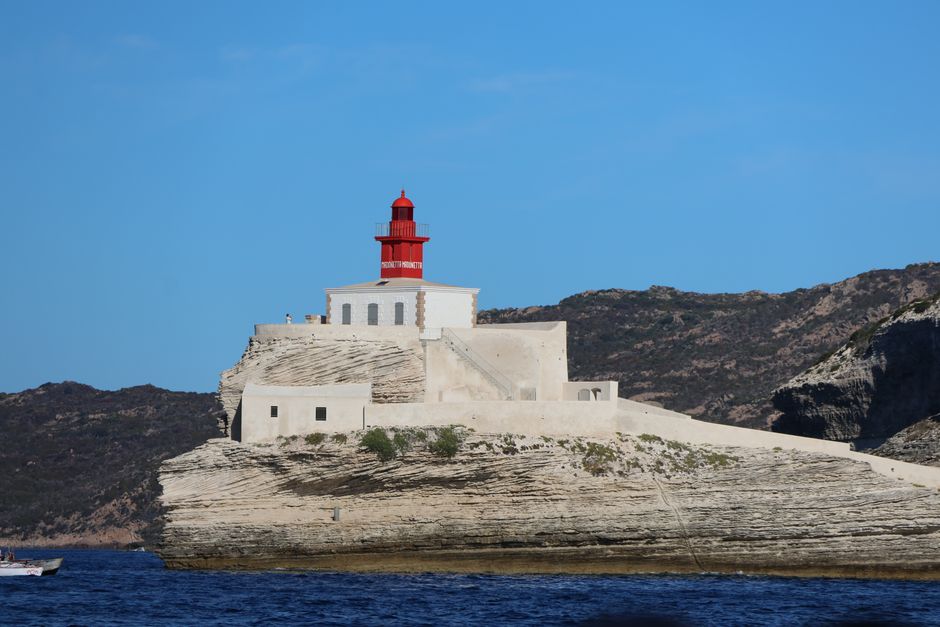
5. Bonifacio's Corsica-Shaped Cave
Grottes de Bonifacio, Corsica
Among Bonifacio's dramatic sea caves, one known as 'Sdragonato' (Dragon's Mouth) features a natural opening in its ceiling uncannily shaped like the island of Corsica itself.
The sheer limestone cliffs of Bonifacio are spectacular from above, but even more so from the sea. Boat tours explore a series of marine grottoes carved by centuries of wind and waves. The highlight is often the Grotte de Sdragonato. Inside, looking up, visitors are treated to a remarkable sight: a large, naturally formed hole in the cave ceiling that perfectly mirrors the outline of Corsica. It's a whimsical geological coincidence that adds a touch of magic to the island's already stunning southern tip.
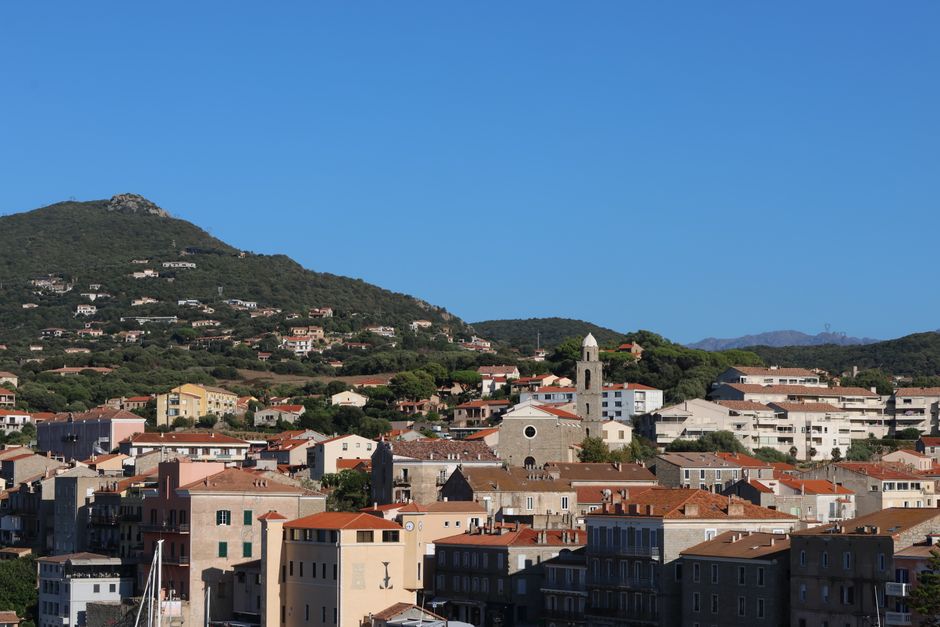
6. Alta Rocca: Land of Lords and Megaliths
Alta Rocca region (Zonza/Quenza), Corsica
The Alta Rocca, known as 'the land of the Lords,' is steeped in ancient feudal history and dotted with lesser-known megalithic sites, far from the coastal bustle.
Away from the bustling coast, the Alta Rocca is a region of high mountain valleys, chestnut forests, and granite peaks, including the famous Aiguilles de Bavella. This area was historically home to powerful feudal lords and has preserved much of its ancient character. Explore charming villages like Zonza or Quenza, and seek out hidden dolmens and menhirs that testify to a deep, mysterious past. The region offers a taste of authentic Corsican pastoral life, strong traditions, and breathtaking mountain scenery often overlooked by beach-goers.
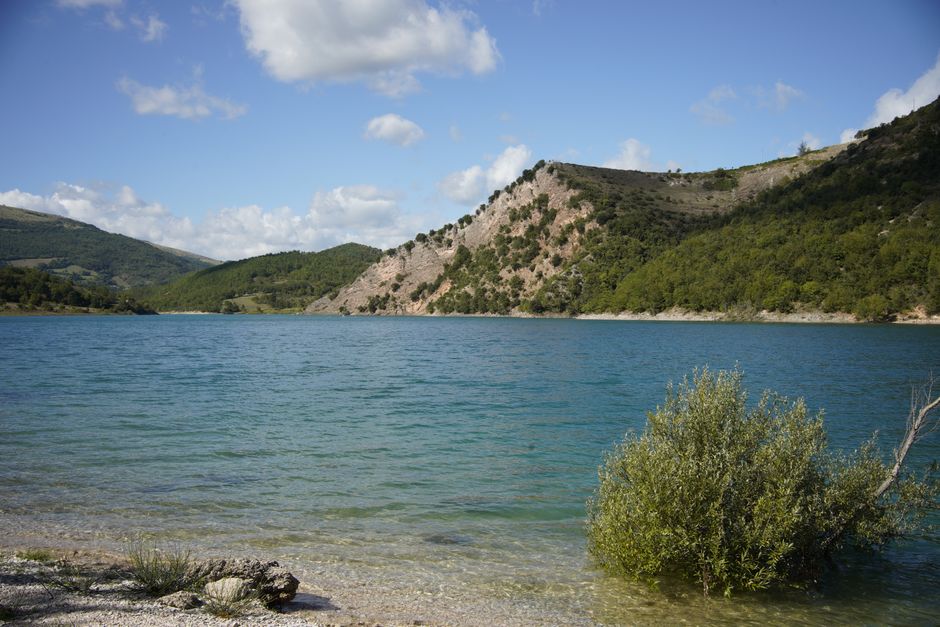
7. Lago di Creno: Pines and Water Lilies
Lago di Creno, Corsica
Lago di Creno is Corsica's only natural lake surrounded by an ancient forest of giant laricio pines, its surface often covered with floating water lilies.
Nestled at an altitude of just over 1300 meters, Lago di Creno is a jewel of the Corsican interior, accessible via a relatively easy hike. What makes it unique is its setting: a serene, dark-blue lake completely encircled by a dense, old-growth forest of towering laricio pines, an endemic species. In late spring and summer, its tranquil waters become adorned with vibrant green lily pads and white water lilies, creating a picturesque and surprisingly gentle mountain landscape, a refreshing contrast to Corsica's rugged peaks.
Frequently asked questions
What's the best time to visit Corsica to avoid crowds but still enjoy good weather?
The shoulder seasons, specifically May-June and September-October, offer the perfect balance. The weather is warm and pleasant for swimming and hiking, but the beaches, towns, and roads are significantly less crowded than in the peak summer months of July and August.
Is Corsica expensive in the summer?
Yes, Corsica can be quite expensive during the summer peak season (July and August). Accommodation, flights, and car rentals see substantial price increases due to high demand. Booking well in advance can help secure better rates, but expect premium pricing for many services.
What's the best way to get around Corsica to discover its hidden spots?
Renting a car is highly recommended as public transport can be limited, especially to lesser-known, remote areas. A car provides the flexibility to explore winding mountain roads, access secluded beaches, and visit charming villages at your own pace. Be prepared for narrow, winding roads in some regions.
How can AllTours.ai enhance my visit to Corsica's unique places?
AllTours.ai brings the stories of Corsica's landscapes to life. Simply point your phone camera at any landmark, ancient ruin, or natural wonder, and the app will provide immersive audio narrations about its history, geology, and cultural significance, all in your preferred language. It's like having a local expert guide in your pocket, revealing the hidden depths of every place you visit.
Photography via Pexels. AllTours.ai is an AI audio tour guide — point your camera at any landscape and hear its story.