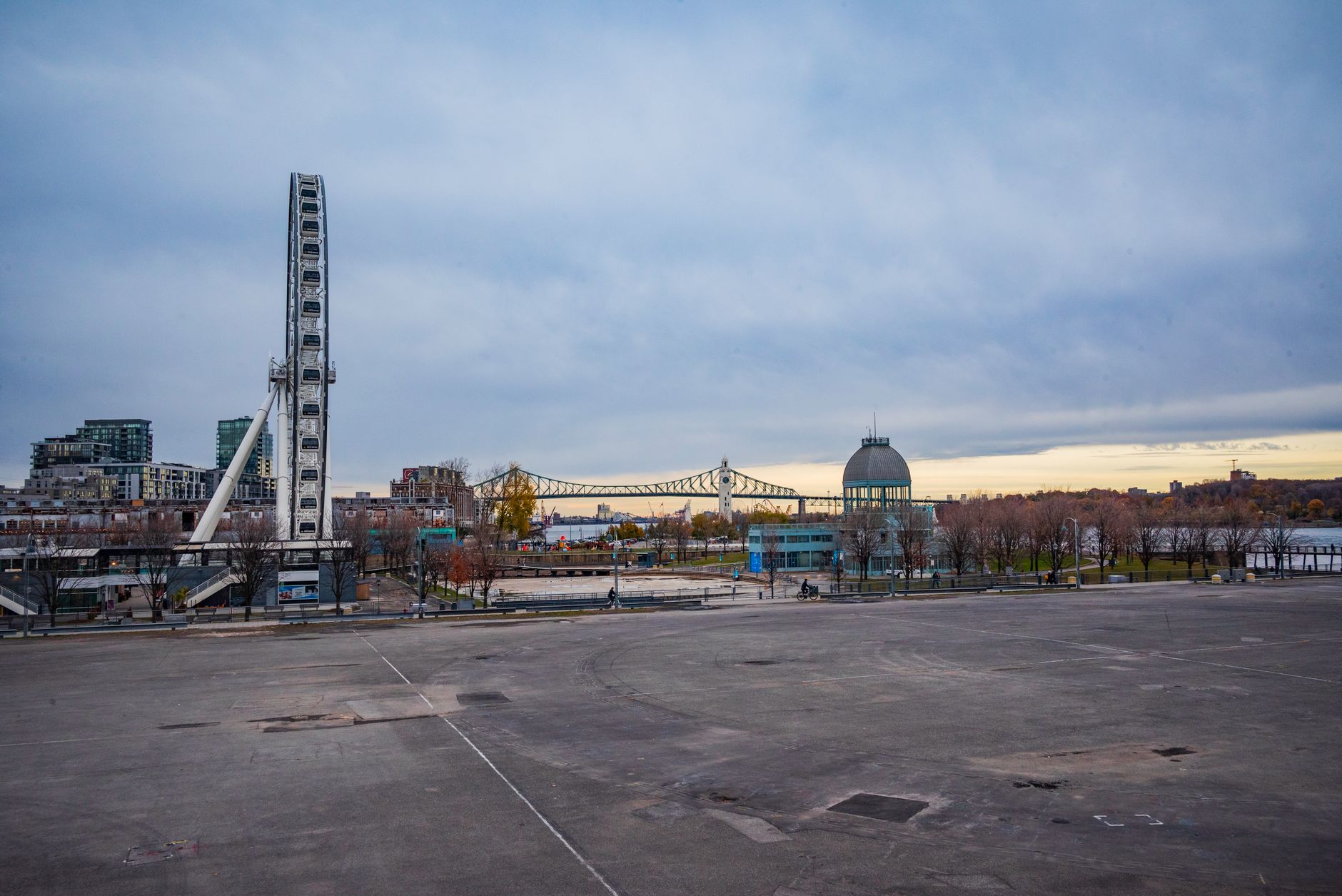
September 5, 2026 · 5 min read
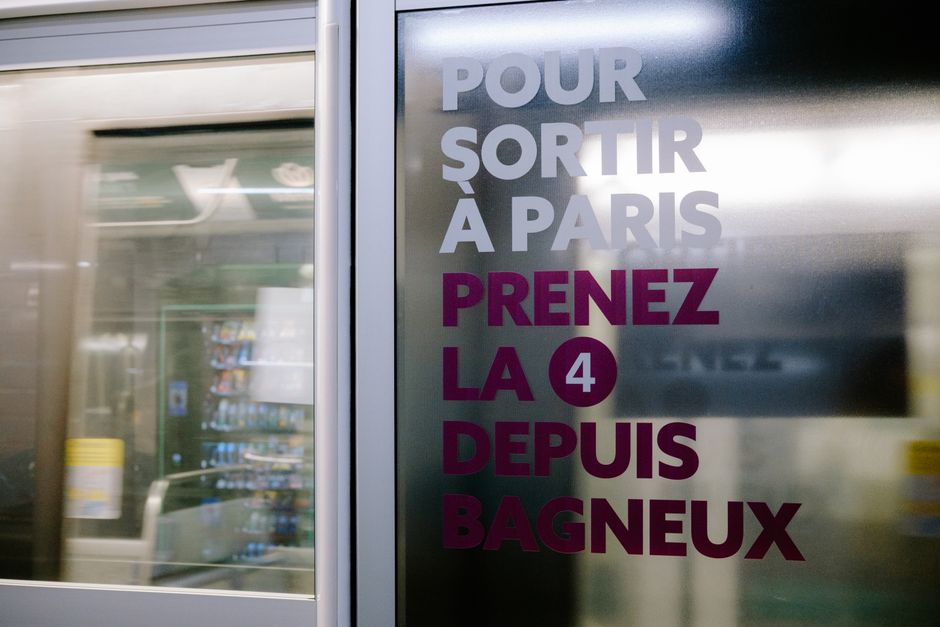
It's a common question for visitors, especially from English-speaking Canada and the United States: Why doesn’t the map of the Montreal metro also have the station names and auto announcements in English and Spanish? You’ll quickly notice that all official signage and public transit announcements are predominantly, if not exclusively, in French. This isn't an oversight, but a reflection of Quebec's linguistic laws, specifically Bill 101, which designates French as the official language of the province and aims to protect and promote its use.
While Montreal is a vibrant, multicultural city where English and many other languages thrive, especially in commercial and cultural spheres, the public domain operates under these specific linguistic guidelines. But beyond the language you hear on the metro, Montreal holds countless stories, often hidden in plain sight, that transcend any single tongue. To truly understand this city, you need to dig deeper than the usual tourist routes, into the unique history, geology, and culture that shapes its character.
1. The Abstract Light of Champ-de-Mars Station
Montreal, Canada
This metro station houses an enormous, abstract stained-glass masterpiece by a celebrated Automatiste artist, turning a transit hub into a gallery.
Step off the metro at Champ-de-Mars and look up. You'll be bathed in light filtering through Marcelle Ferron's monumental stained-glass work, a vibrant, non-representational composition that spans the length of the station. Ferron was a key figure in Quebec's Automatiste movement, a group of artists who championed spontaneous, abstract expression. This installation, created in 1967, was one of the first non-figurative stained-glass works integrated into public architecture, making it a pioneering piece of art history hidden within daily commutes.
2. St-Louis Square: A Parisian Echo
Montreal, Canada
Once a public reservoir, this charming square became a bohemian enclave, lined with Victorian houses and graced by an iconic fountain.
Tucked away east of Saint-Laurent Boulevard, St-Louis Square (Carré Saint-Louis) feels like a slice of Paris transported to Montreal. Originally built over a city reservoir in the 1870s, it quickly became a fashionable address for Montreal's francophone elite, then later attracted artists and intellectuals. The square is famed for its ornate Victorian houses, their vibrant facades and intricate details reflecting a bygone era. At its center, a beautiful fountain with a cherubic statue stands as a focal point, offering a tranquil escape from the urban bustle.
3. Lachine Canal's Industrial Ghost
Montreal, Canada
This historic canal, once a vital artery for Canadian industry, features a series of locks that tell a tale of economic boom and decline.
The Lachine Canal National Historic Site, a UNESCO World Heritage site nominee, was the birthplace of Canadian industry. Completed in 1825, it allowed ships to bypass the Lachine Rapids, transforming Montreal into a major port. While many focus on the recreational path today, the numerous locks along its length, particularly the impressive Côte Saint-Paul Lock, showcase a marvel of 19th-century engineering. These locks once buzzed with activity, powering factories along its banks, whose skeletal remains still stand as silent witnesses to Montreal's industrial might and its eventual shift away from heavy manufacturing.
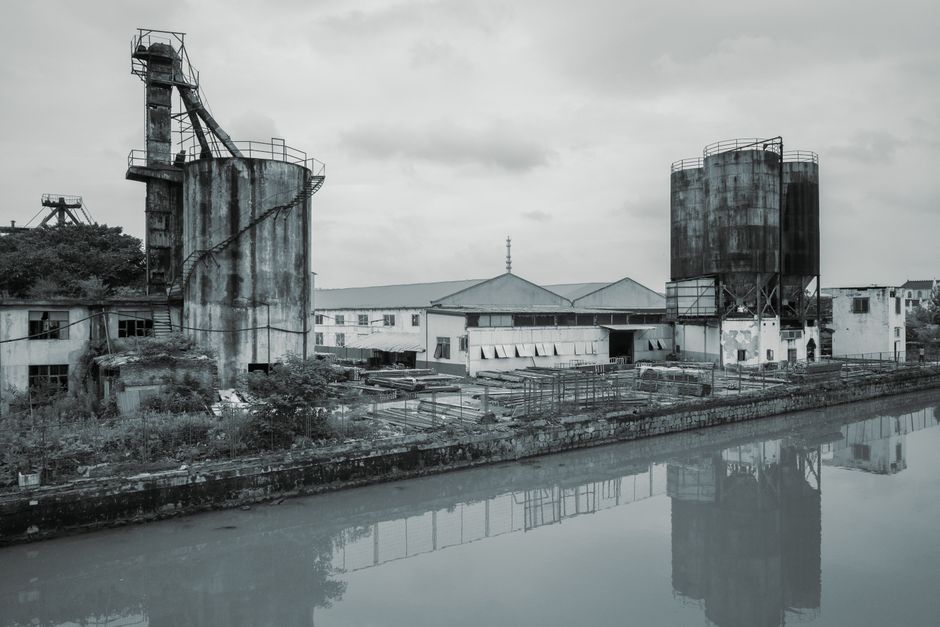
4. Silo No. 5: Montreal's Abandoned Giant
Montreal, Canada
Dominating the city's skyline from the port, this massive, abandoned grain elevator stands as a stark monument to Montreal's past as a global grain hub.
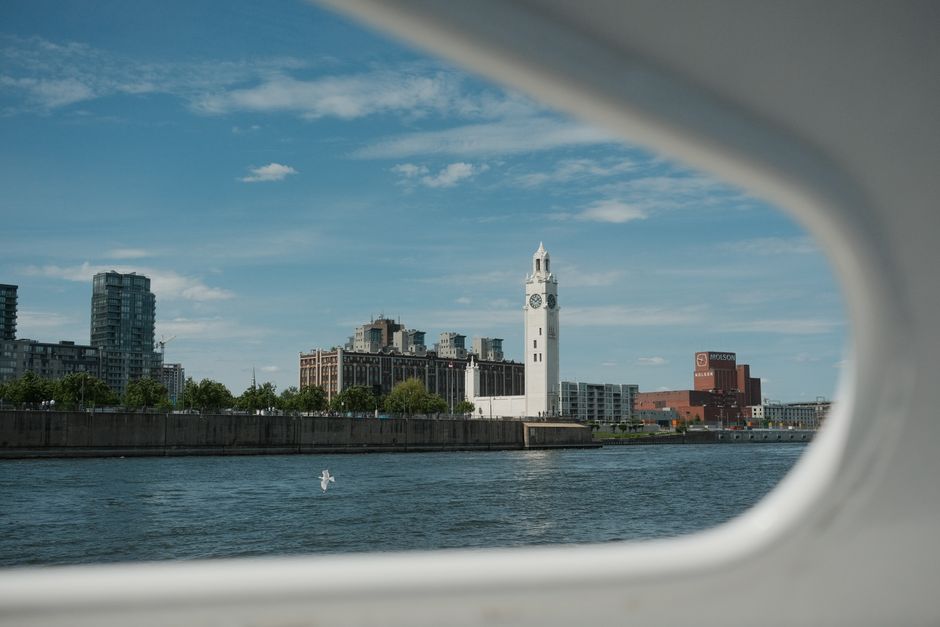
Gazing from the Old Port, the colossal concrete structure of Silo No. 5 looms large, an imposing yet beautiful ruin. Built between 1903 and 1958, it was once a cornerstone of Montreal's port, processing vast quantities of grain for export. After decades of operation, it closed in 1996, left to the elements. Its stark, Brutalist architecture and sheer scale evoke a sense of forgotten grandeur, a tangible link to a time when Montreal was a bustling gateway for international commerce and a vital stop on the global food supply chain.
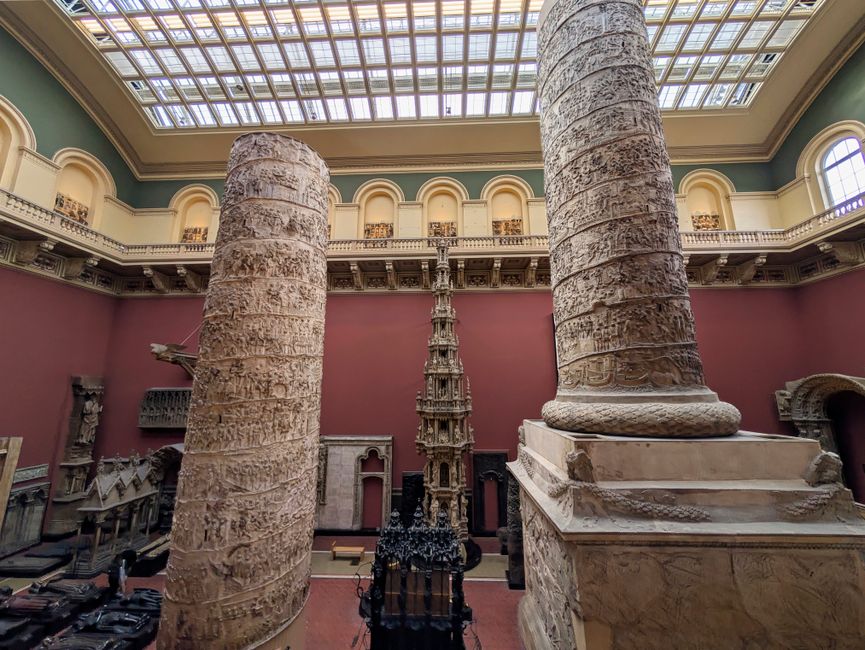
5. The Redpath Museum's Victorian Cabinets of Curiosity
Montreal, Canada
Nestled on McGill University's campus, this natural history museum is a time capsule of Victorian scientific exploration, complete with a dinosaur skeleton.
Often overlooked for larger institutions, McGill University's Redpath Museum is a charming anachronism. Opened in 1882, it's one of Canada's oldest purpose-built museums, designed in the Victorian-Gothic style. Its collections, from ancient Egyptian artifacts to a remarkably complete Gorgosaurus skeleton, are displayed in original wooden cabinets, evoking the 'cabinets of curiosity' from which modern museums evolved. It offers a glimpse into how science was presented centuries ago, a stark contrast to contemporary interactive exhibits.
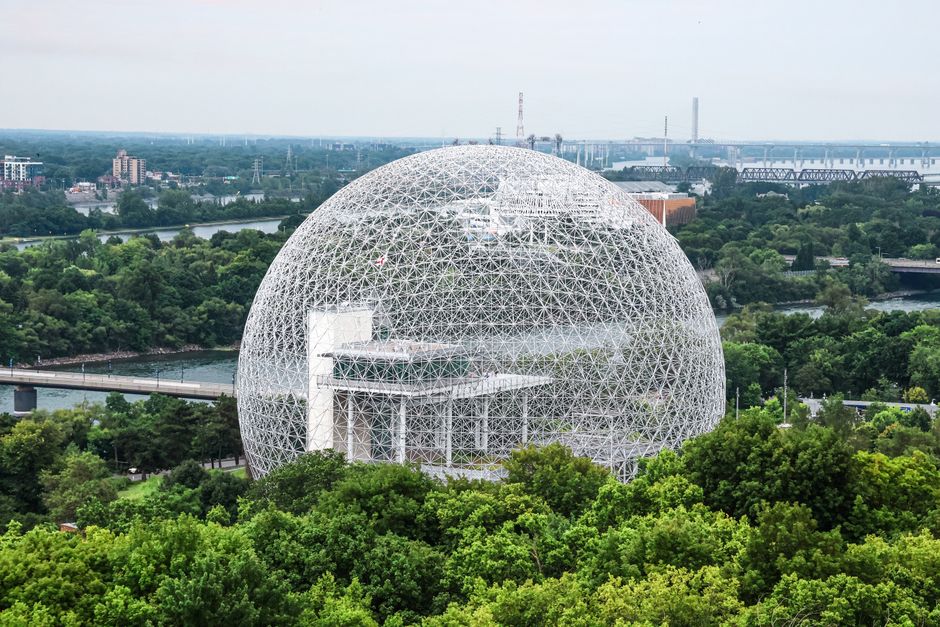
6. Habitat 67: An Experimental Vision
Montreal, Canada
This iconic residential complex, built for Expo 67, was a radical experiment in modular housing, challenging conventional urban living.
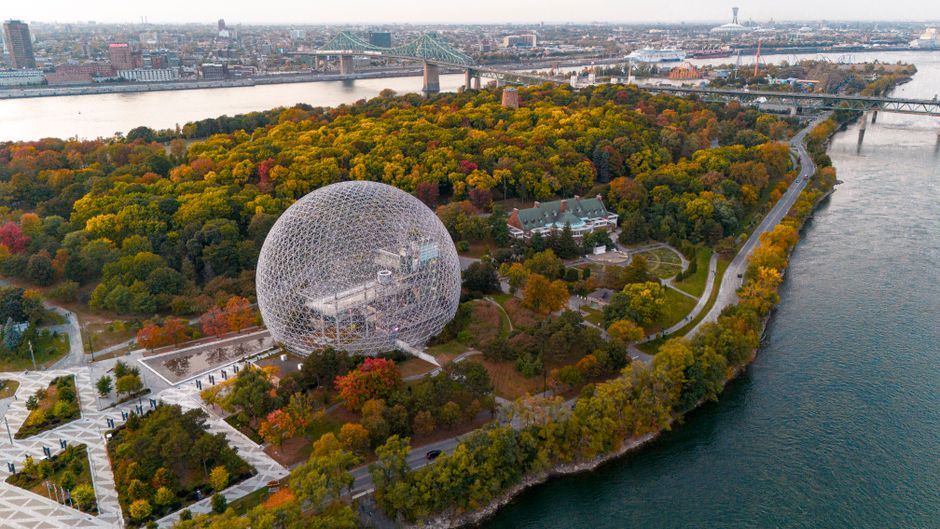
Designed by then-young architect Moshe Safdie for Expo 67, Habitat 67 is not just an apartment complex, but a groundbreaking architectural statement. Composed of 354 identical pre-fabricated concrete boxes stacked and interlocked in various configurations, it aimed to combine the benefits of suburban homes (gardens, privacy) with the density of urban apartments. Each unit has its own terrace garden, offering stunning views of the city and Saint Lawrence River. Though initially intended as affordable housing, its unique design made it a luxury landmark, demonstrating a bold vision for future cities that remains influential today.
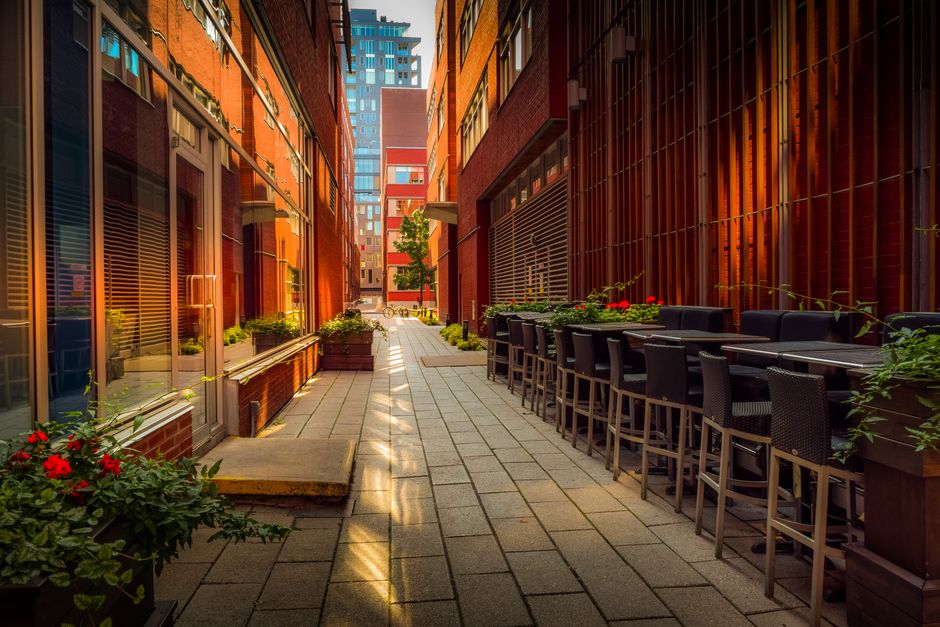
7. Le Plateau's Green Alleys (Ruelles Vertes)
Montreal, Canada
Hidden behind the colorful facades of Le Plateau, residents have transformed neglected back alleys into vibrant, eco-friendly community spaces.
Beyond the bustling streets and iconic spiral staircases of Le Plateau Mont-Royal lie the 'ruelles vertes' – green alleys. These once-drab service lanes, traditionally used for waste collection and parking, have been collectively transformed by residents into beautiful, ecological corridors. Neighbors plant gardens, install art, and create gathering spaces, fostering community and biodiversity. Each ruelle verte is unique, reflecting the creativity of its inhabitants, offering a charming, verdant surprise and a quiet haven away from the city's main arteries.
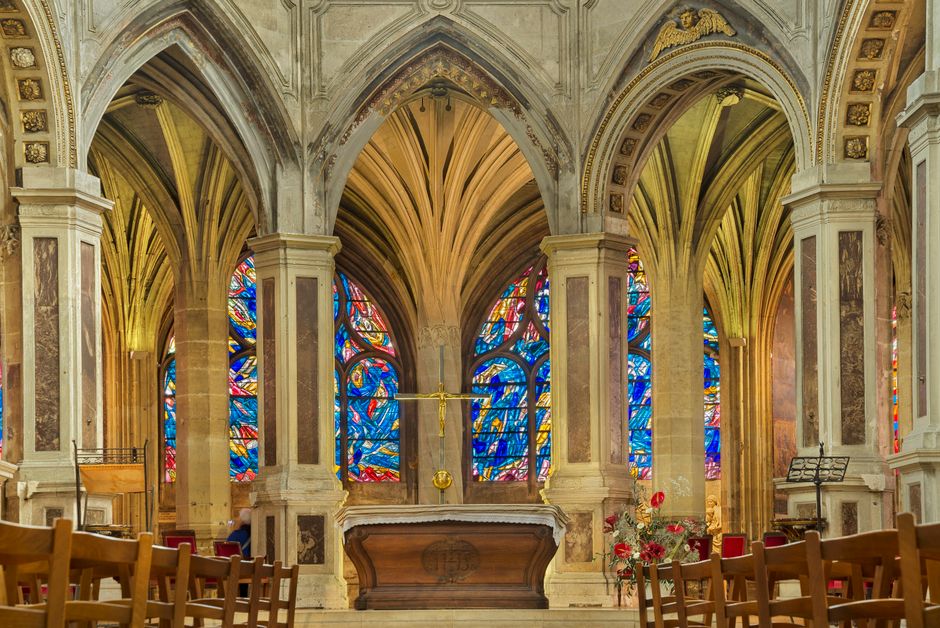
8. Église Saint-Léon de Westmount: Art Deco Sanctuary
Montreal, Canada
This parish church in Westmount boasts a surprisingly opulent and intact Art Deco interior, a rare architectural gem in religious design.
While Montreal is famous for its grand Gothic Revival churches, Église Saint-Léon de Westmount offers a stunning departure. Built between 1928 and 1929, its interior is an extraordinarily preserved example of Art Deco design. From its geometric patterns and rich materials to the intricate stained glass and ornate altar, every detail reflects the elegance and modernity of the era. Stepping inside feels like entering a different world, a testament to a period when religious architecture embraced contemporary artistic movements, creating a truly unique spiritual space.
Frequently asked questions
Why is French the primary language on Montreal's metro maps and announcements?
French is the official language of Quebec, and provincial laws, notably Bill 101, mandate its predominant use in public services and signage. This policy aims to protect and promote the French language and culture within the province, ensuring its vitality amidst other languages.
Are there English-speaking neighborhoods or areas in Montreal?
Yes, Montreal is a bilingual city with a significant English-speaking population. Neighborhoods like Westmount, Notre-Dame-de-Grâce (NDG), the West Island, and parts of the Plateau Mont-Royal have strong English-speaking communities and services. You'll find that many Montrealers are functionally bilingual, especially in service industries.
What are some unique cultural experiences in Montreal beyond Old Montreal?
Beyond the historic charm of Old Montreal, explore the vibrant street art and unique shops of Le Plateau Mont-Royal, delve into the diverse culinary scene of Jean-Talon Market, or experience the architectural marvels of Habitat 67. The city also hosts numerous festivals throughout the year, celebrating everything from jazz to comedy.
How can the AllTours.ai app enhance my visit to Montreal?
AllTours.ai bridges the language gap and enriches your exploration by narrating the history, geology, and culture of any landmark or landscape you point your camera at. Even if a sign is only in French, the app can provide instant audio commentary in your preferred language, unlocking deeper stories about Montreal's hidden gems and renowned sites.
Photography via Pexels. AllTours.ai is an AI audio tour guide — point your camera at any landscape and hear its story.