June 30, 2026 · 4 min read
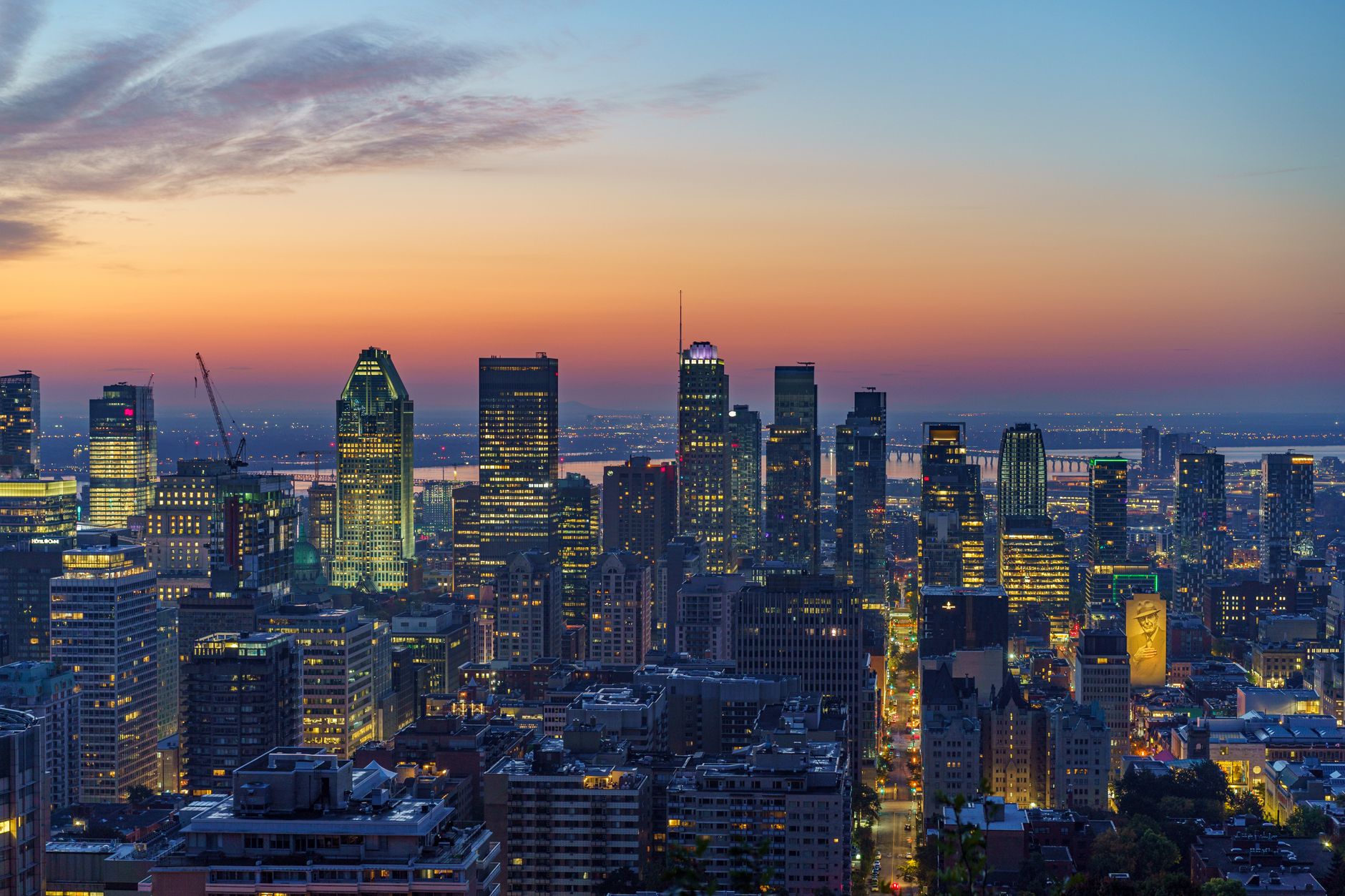
Montreal's Pierre Elliott Trudeau International Airport, universally known by its code YUL, often sparks curiosity. Why 'YUL' and not 'YMTL' or something more obvious? The answer lies in a fascinating piece of aviation history, tied to early weather station identifiers. But just like its airport code, Montreal and the surrounding Quebec region are full of unexpected stories, hidden in plain sight beyond the familiar tourist paths.
Quebec is a land rich with layers of history, geology, and culture waiting to be discovered. From ancient Indigenous lands to pivotal moments in New France and the industrial age, every street and landmark holds a secret. This guide bypasses the typical hotspots to reveal some truly unique and underrated places, each with a specific, vivid tale that will change how you see this remarkable province.
1. The Black Rock and Famine History
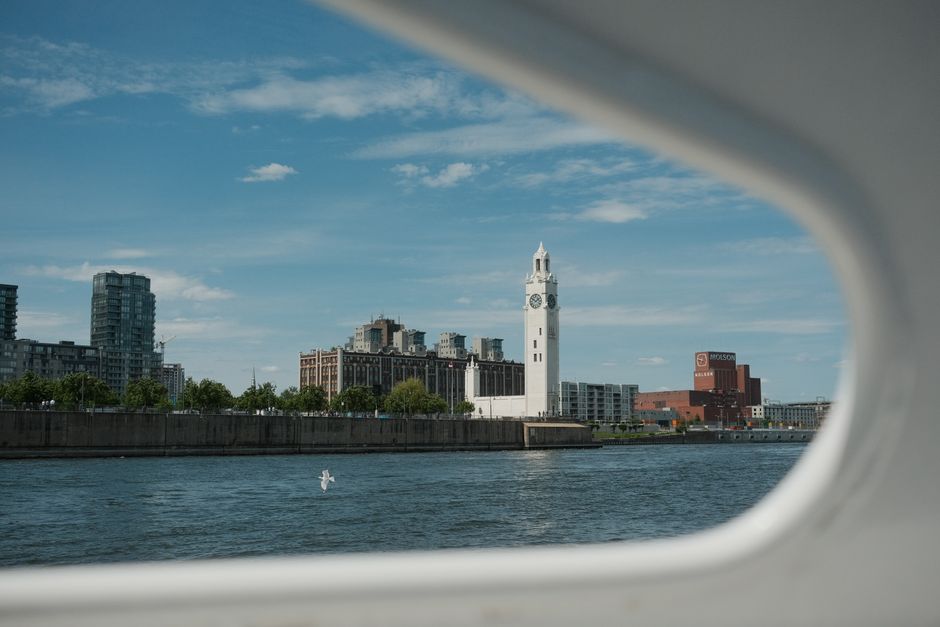
Lachine Canal National Historic Site, Canada
Beneath the recreational paths of the Lachine Canal lies a poignant memorial to a forgotten tragedy: the Irish famine immigrants.
While the Lachine Canal is known for its industrial heritage and cycling trails, few realize it's also the site of one of Canada's most significant famine memorials. In 1847, thousands of Irish immigrants fleeing the Great Famine arrived in Montreal, many sick with typhus. A quarantine station was set up near the canal, and an estimated 6,000 people died, buried in mass graves marked by the 'Black Rock,' a boulder originally placed by canal workers.
2. Montreal's Ancient Foundations
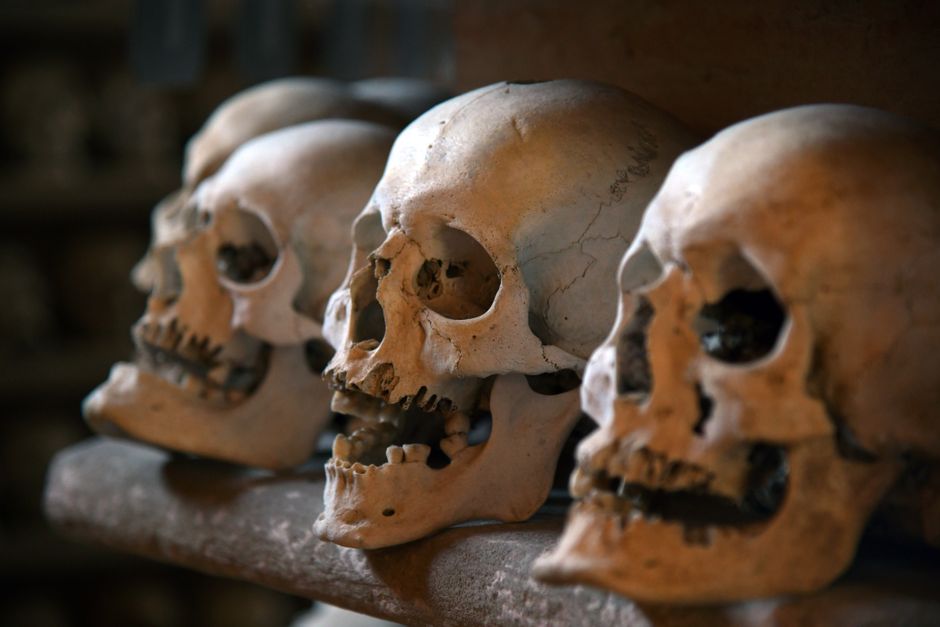
Pointe-à-Callière Museum, Canada
Walk directly through the archaeological remains of Montreal's original 17th-century settlement, revealing centuries of history beneath your feet.
Pointe-à-Callière isn't just a museum about Montreal; it's built directly over its birthplace. Visitors descend into an archaeological crypt where they can explore the authentic foundations of Ville-Marie, the first permanent French settlement established in 1642, alongside older Indigenous encampments. Seeing the original stone walls, a former customs house, and even an ancient sewer system offers an unparalleled, tangible connection to the city's origins.
3. McGill's Cabinet of Curiosities
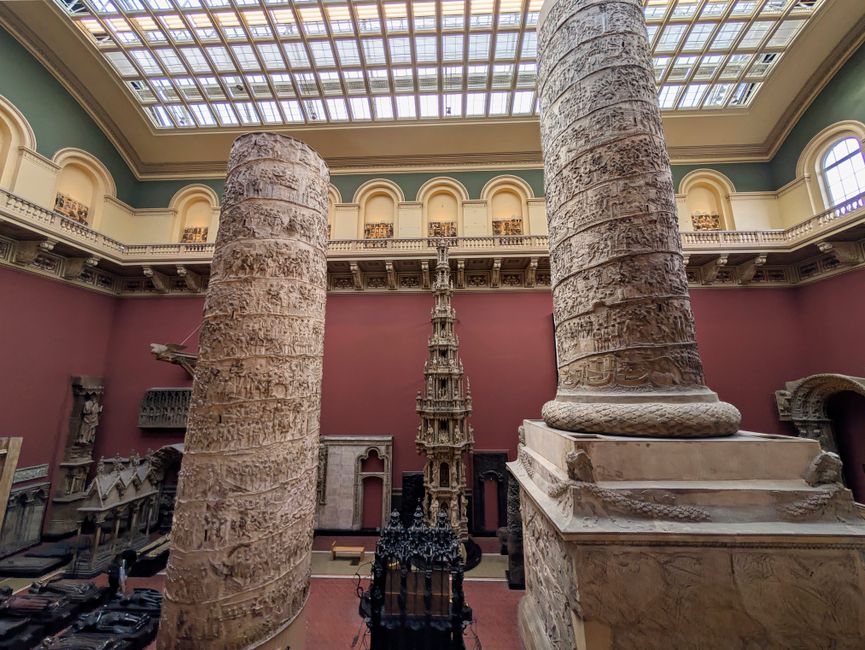
Redpath Museum, McGill University, Canada
Step into a remarkably preserved Victorian natural history museum, complete with an Egyptian mummy and dinosaur skeletons, feeling like a time capsule.
Opened in 1882, McGill University's Redpath Museum is one of Canada's oldest museums and a charming anachronism. Its original architecture and display cases evoke a bygone era, housing an eclectic collection that includes a genuine Egyptian mummy, a Gorgosaurus dinosaur skeleton, and extensive mineral and zoological specimens. It offers a quieter, more intimate glimpse into natural science and history than larger, more modern institutions.
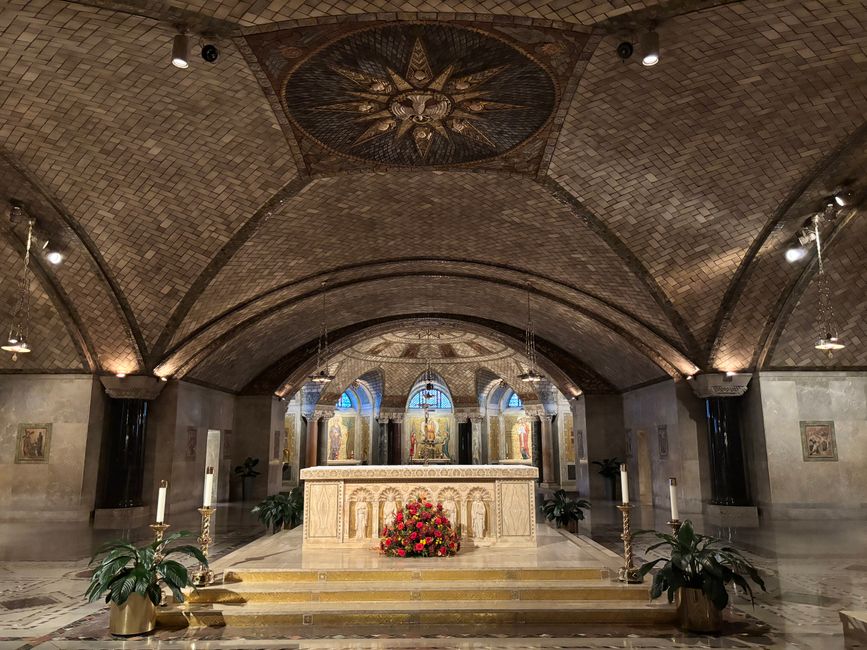
4. The Original Crypt Church
Saint Joseph's Oratory of Mount Royal, Canada
Beyond the grand basilica, discover the humble, yet historically crucial, Crypt Church where Brother André performed his earliest healing miracles.
While the monumental dome of Saint Joseph's Oratory dominates the skyline, the true heart of its spiritual history lies in the Crypt Church. This much smaller, simpler church was begun in 1917 by Brother André himself and served as his primary place of ministry and healing for decades. It's here that countless pilgrims sought his intercession, making it a powerful and often overlooked space within the vast complex, predating the grand basilica above.
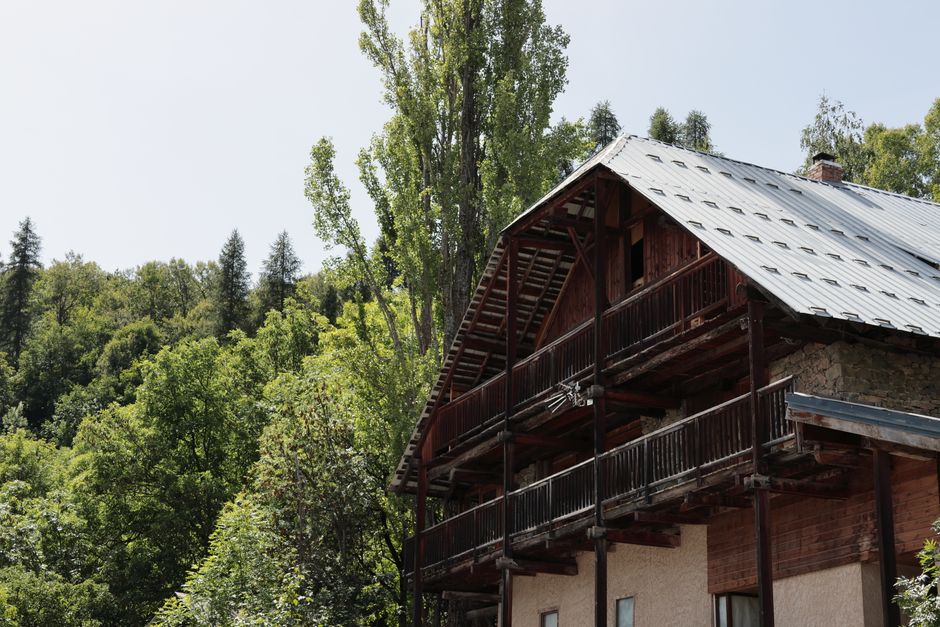
5. Home of the King's Daughters
Maison Saint-Gabriel, Canada
Explore a 17th-century farmstead where the 'Filles du Roi' (King's Daughters) lived, revealing the intimate stories of early New France settlers.
Maison Saint-Gabriel is a rare, beautifully preserved stone farmhouse dating back to 1698, offering a tangible link to life in early New France. Managed by the Congrégation de Notre-Dame, it famously served as a transitional home and school for the Filles du Roi. These young women, sent by King Louis XIV, played a crucial role in populating the colony. The site provides a vivid, personal glimpse into their lives and the challenges of settling a new world.
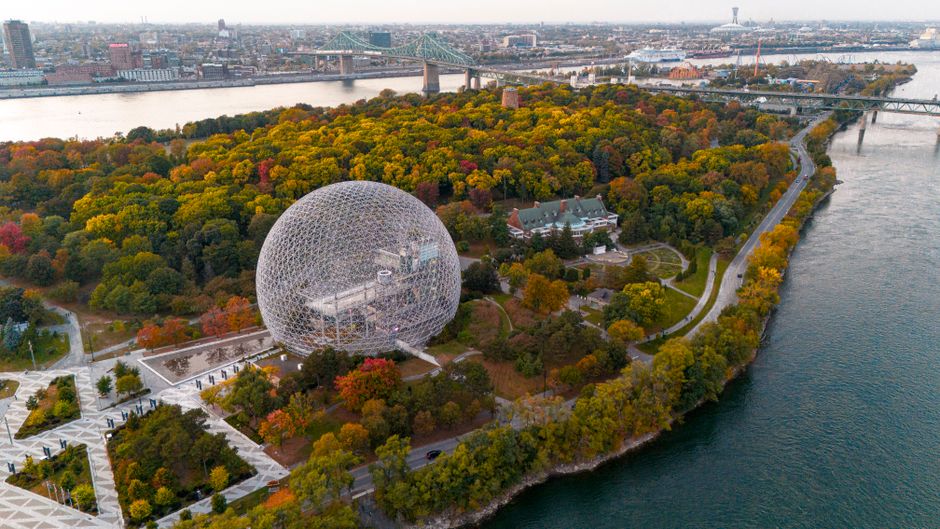
6. The Dome's Fiery Past
Biosphere, Parc Jean-Drapeau, Canada
The iconic geodesic dome on Île Sainte-Hélène was designed by Buckminster Fuller, but its original acrylic skin dramatically burned away in a 1976 fire.
Originally the United States Pavilion for Expo 67, the Montreal Biosphere is a striking example of geodesic architecture. Its innovative transparent acrylic skin, designed by Buckminster Fuller, made it a futuristic marvel. However, a devastating fire in 1976 destroyed the entire exterior, leaving only the steel framework. Today, it stands as an environmental museum, its skeletal structure a powerful testament to both its groundbreaking design and its dramatic, destructive past.
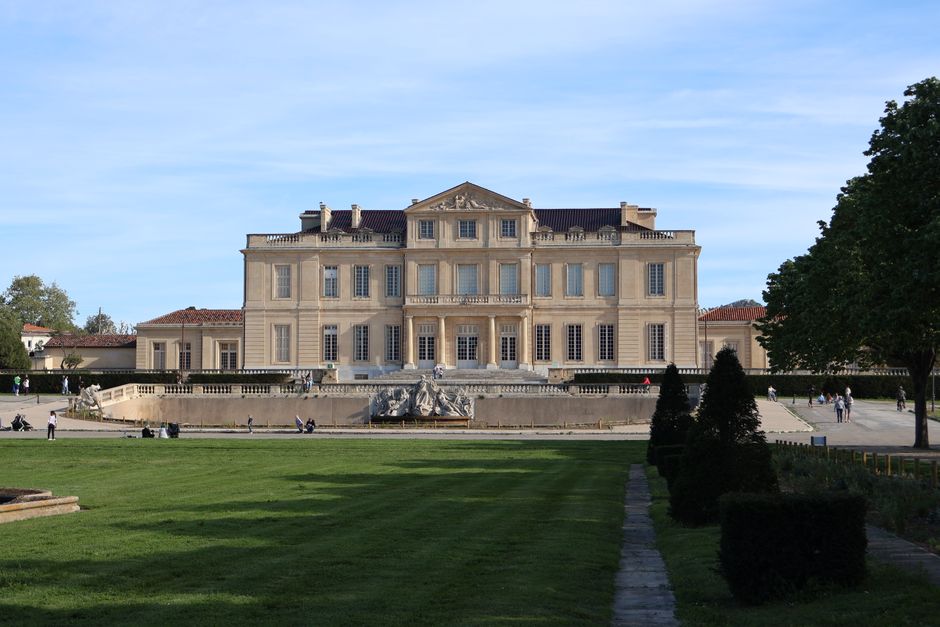
7. Twin Mansions of Industry
Château Dufresne Museum, Canada
Discover twin Beaux-Arts mansions built for two wealthy brothers, showcasing opulent early 20th-century life with distinct architectural styles.
The Château Dufresne is a magnificent Beaux-Arts building completed in 1918, originally conceived as two separate residences for brothers Oscar and Marius Dufresne, prominent businessmen of the era. The museum now occupies the east wing, while the west wing features a remarkable collection of art deco and art nouveau objects. It offers a captivating window into the extravagant lifestyles and artistic tastes of Montreal's industrial elite during a period of immense growth and prosperity.
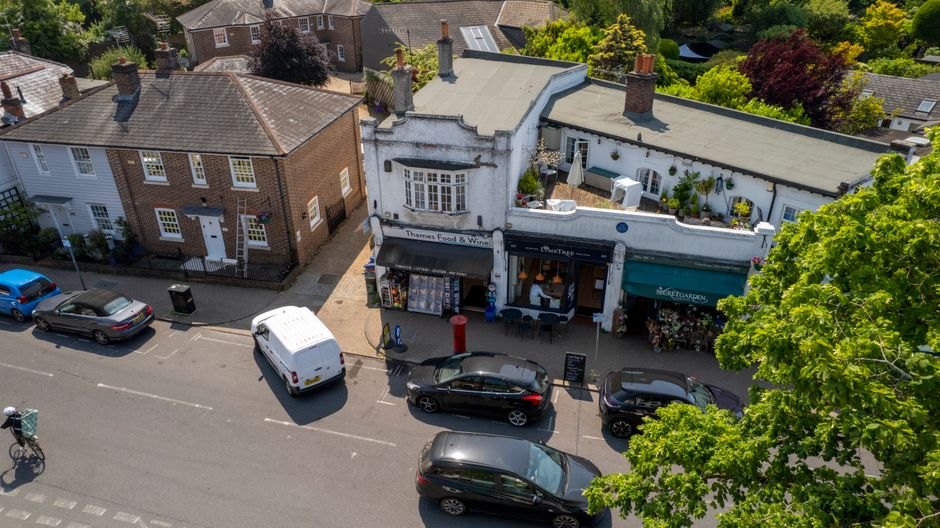
8. Montreal's First Suburban Village
Monkland Village, Notre-Dame-de-Grâce, Canada
Explore a charming, tree-lined commercial street that was once Montreal's pioneering suburban shopping district, built for the burgeoning middle class.
Monkland Village, nestled within the Notre-Dame-de-Grâce (NDG) borough, evolved in the early 20th century as one of Montreal's first planned suburban commercial areas. As the city expanded, middle-class families sought homes outside the dense urban core, and Monkland Avenue became their vibrant, self-contained hub for shopping and community life. Its unique architecture, independent boutiques, and mature trees still evoke a distinct village atmosphere, reflecting a key period in Montreal's urban development.
Frequently asked questions
Why is Montreal Airport called YUL?
Montreal's airport code, YUL, originates from an old system for Canadian airports. The 'Y' prefix indicates a Canadian airport. The 'UL' part comes from the original two-letter code for the Dorval weather reporting station, which was located at the site of the airport before it became a major air travel hub.
What does the 'Y' in YUL stand for?
The 'Y' in YUL, and in many other Canadian airport codes (like YYZ for Toronto or YVR for Vancouver), doesn't stand for a specific word. It's a prefix designated by IATA (International Air Transport Association) to identify airports located in Canada. This system evolved from earlier meteorological station codes.
Are there other Canadian airports with 'Y' codes?
Yes, almost all major and many smaller Canadian airports use the 'Y' prefix in their IATA codes. For example, Toronto Pearson International Airport is YYZ, Vancouver International Airport is YVR, and Calgary International Airport is YYC. This consistent prefix helps travelers and aviation professionals quickly identify Canadian locations.
How can AllTours.ai help me explore places like these?
AllTours.ai transforms your phone into an AI-powered audio tour guide. Simply point your camera at any landmark, landscape, or historical site mentioned in this guide—or any other place you discover—and the app will instantly narrate its history, geology, and culture in your preferred language. It's like having a personal expert sharing vivid stories about every corner of Quebec, bringing hidden gems to life.
Photography via Pexels. AllTours.ai is an AI audio tour guide — point your camera at any landscape and hear its story.