September 9, 2026 · 4 min read
Montreal's skyline, dotted with hundreds of spires, hints at a deeper truth: this city, known for its vibrant festivals and culinary scene, carries a profound spiritual history. It's often called "The City of Saints," a moniker that conjures images of ancient chapels and devout communities. But beyond the famous basilicas, what truly earned Montreal this distinctive nickname?
The answer lies in centuries of faith, the dedication of pioneering religious orders, and countless hidden corners where history whispers tales of devotion, charity, and resilience. To truly understand why Montreal is the City of Saints, you need to look beyond the obvious. Join us on a journey to uncover lesser-known sites, each with a surprising story, that collectively paint a vivid picture of Montreal's spiritual heritage.
1. The Founding Mother's Grand Home
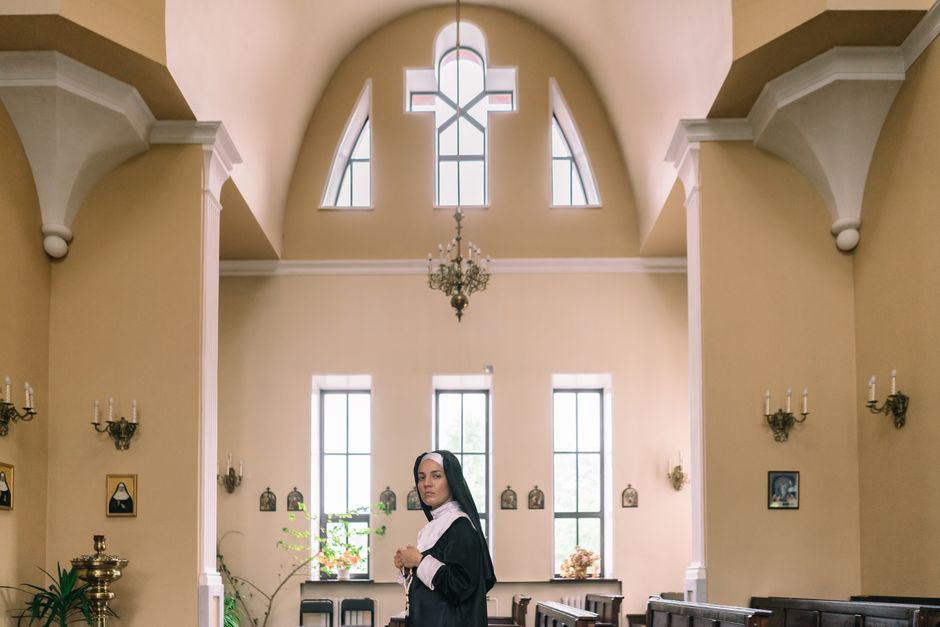
Grey Nuns Motherhouse, Montreal, Canada
This massive former convent, once a hub of care for the sick and orphaned, now serves as a dynamic university campus.
Founded by Saint Marguerite d'Youville, Canada's first canonized saint, the Grey Nuns played a pivotal role in Montreal's early social fabric. Their imposing motherhouse, completed in the 19th century, was a self-sufficient complex housing hospitals, orphanages, and a chapel. Today, it's part of Concordia University, its grand halls and vaulted ceilings repurposed, yet still echoing with a legacy of compassion.
2. Montreal's Oldest Stone Structure
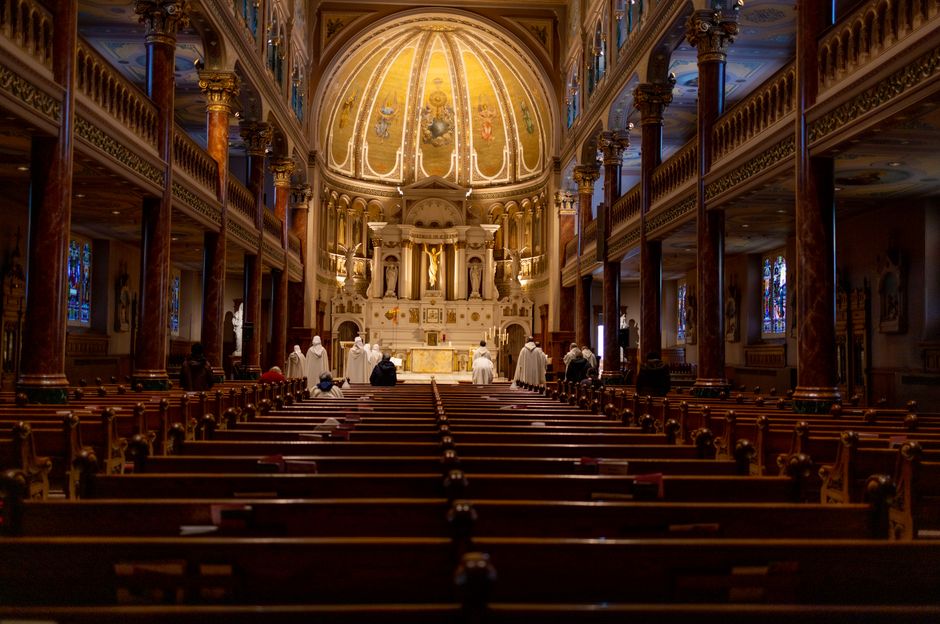
Saint-Sulpice Seminary, Montreal, Canada
The oldest building in Montreal, still owned by its founding religious order, hides a relic from the city's earliest days.
Predating the famous Notre-Dame Basilica, the Saint-Sulpice Seminary dates back to the late 17th century. This remarkably preserved building was home to the Sulpician Fathers, who were instrumental in the very founding of Ville-Marie (Montreal). Its original clock, installed in 1701, still chimes, and within its walls are historical artifacts that connect directly to the first European settlers and the initial spiritual mission of the city.
3. The Sailors' Sanctuary
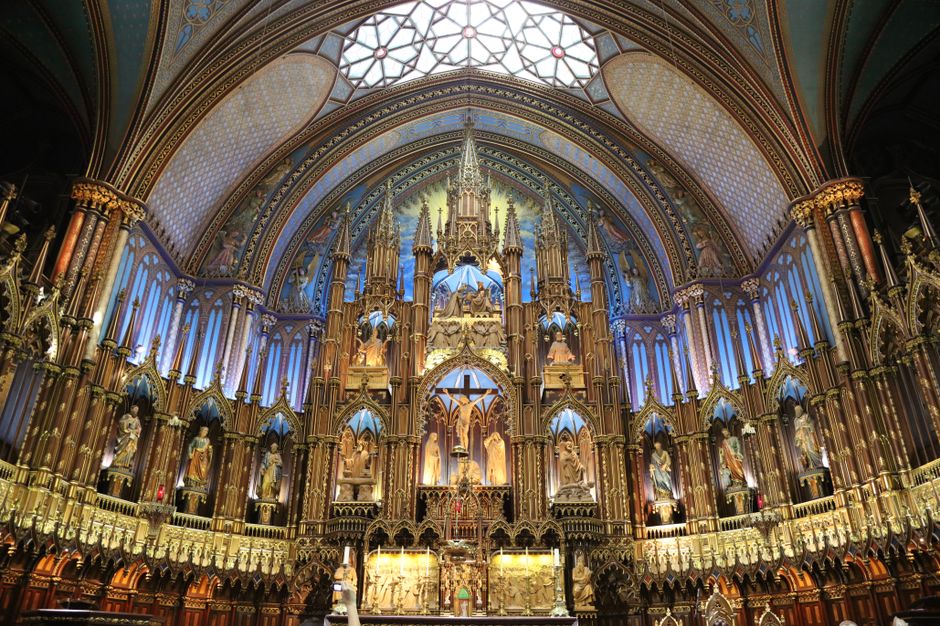
Notre-Dame-de-Bon-Secours Chapel, Montreal, Canada
This small chapel near the port offered solace and safe passage prayers for sailors, even housing a unique 'flying angel' statue.
Known affectionately as the 'Sailors' Church,' this chapel was built by Saint Marguerite Bourgeoys, Montreal's first teacher. Perched overlooking the St. Lawrence River, it became a pilgrimage site for sailors and merchants who would offer votive models of ships in gratitude for safe journeys. Its crypt reveals archaeological layers from earlier structures, and a viewing platform allows visitors to see the river that brought so many to Montreal's shores.
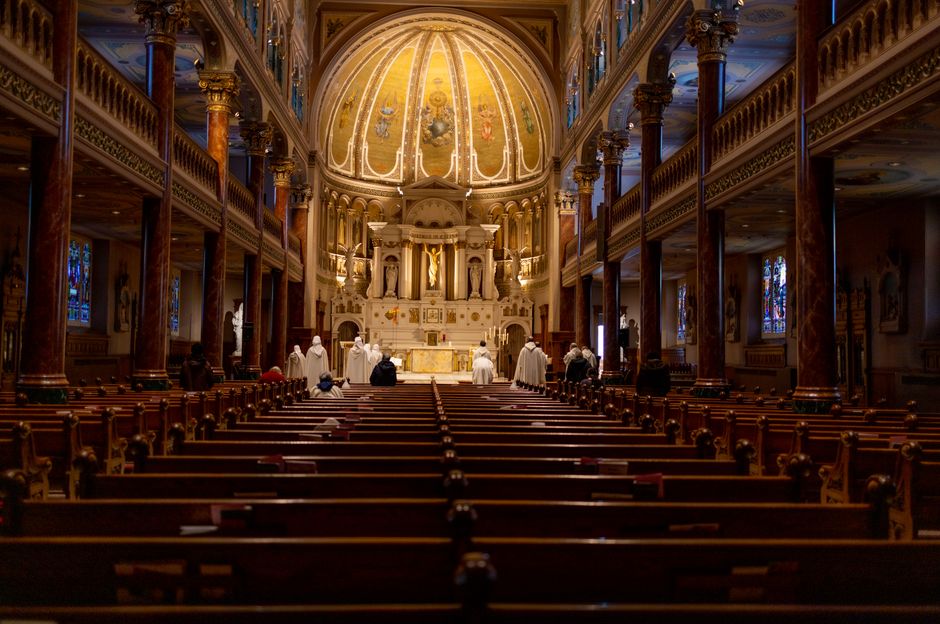
4. Brother André's Humble Beginnings
Saint-Louis-du-Parc Chapel, Montreal, Canada
Tucked away on Mount Royal, this unassuming chapel holds a unique spiritual significance as a precursor to a much larger, famous sanctuary.
Before the grand St. Joseph's Oratory became a global pilgrimage destination, Brother André Bessette, Canada's first male saint, often prayed and ministered in this small, quiet chapel on Mount Royal. It served as a spiritual haven and a starting point for his healing ministry, drawing countless visitors seeking solace and miraculous cures. Its simplicity contrasts sharply with the monumental oratory, highlighting the humble roots of a profound spiritual movement.
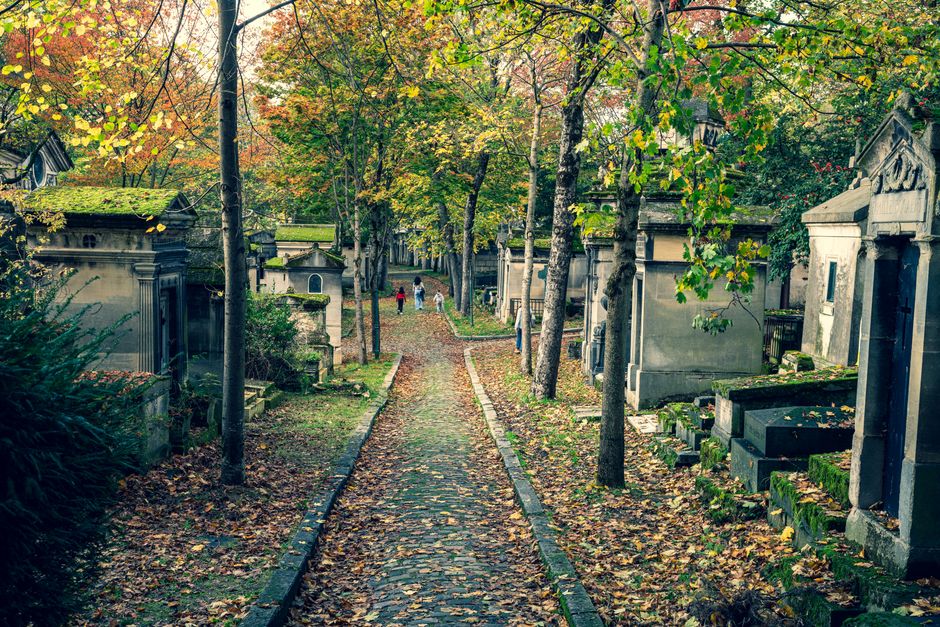
5. A City of Silent Stories
Notre-Dame-des-Neiges Cemetery, Montreal, Canada
Beyond its vast size, this historic cemetery is a silent city of ornate tombs and forgotten stories, mirroring Montreal's diverse religious heritage.
Established in 1854, Notre-Dame-des-Neiges is one of North America's largest cemeteries, a sprawling landscape of monuments and mausoleums on the slopes of Mount Royal. It is the final resting place for over a million people, including many prominent Montrealers and religious figures. Its distinct sections for various Christian denominations and ornate statues offer a profound, somber reflection of the city's multicultural and deeply religious past.
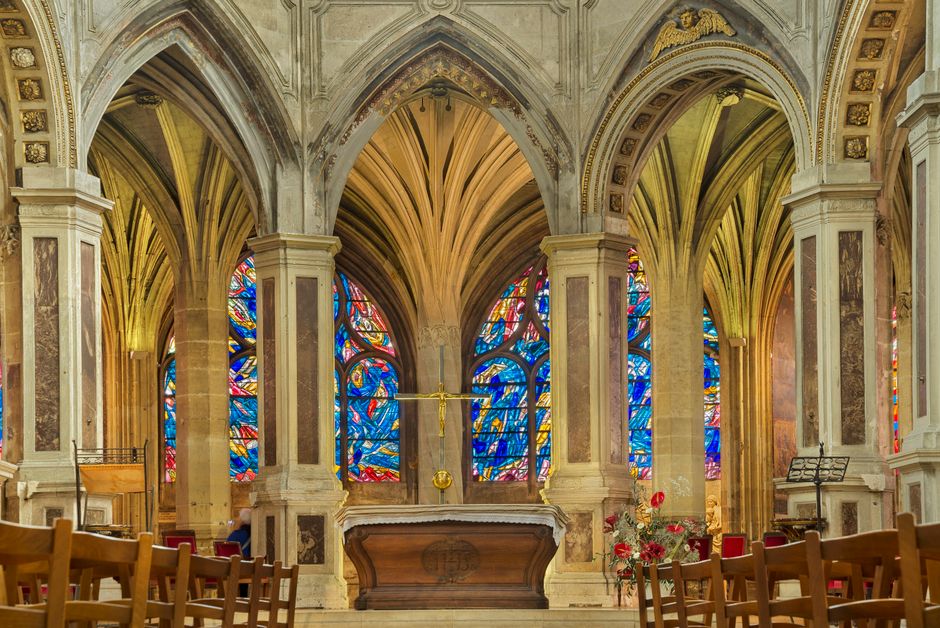
6. The Island's Oldest Parish Church
Église de la Visitation de la Bienheureuse Vierge Marie, Montreal, Canada
The oldest church on the island of Montreal still sits on its original foundations, a testament to the city's earliest French colonial mission.
Nestled in the Sault-au-Récollet borough, far from the downtown bustle, this beautiful stone church dates back to 1749, though its history traces even earlier missions. It served the original French colonial settlement and the Jesuit mission established there. Its serene interior, with original wooden altars and intricate carvings, offers a rare, undisturbed glimpse into the city's deep religious roots and architectural styles from nearly three centuries ago.
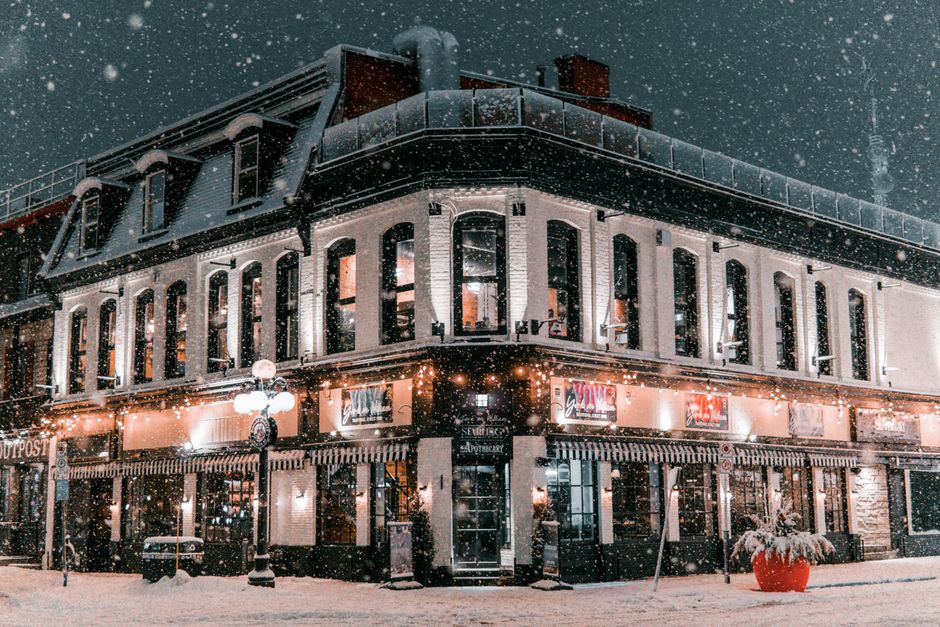
7. Pioneer Women's Farmstead
Maison Saint-Gabriel, Montreal, Canada
This preserved 17th-century farmstead tells the story of early pioneer women, the Filles du Roy, who shaped Montreal's foundation through their faith and labor.
Acquired by Saint Marguerite Bourgeoys for the Congrégation de Notre-Dame in 1668, Maison Saint-Gabriel was more than just a farm. It served as a crucial training school and home for the 'Filles du Roy' – young women sent from France to populate and build New France. Here, they learned essential skills for colonial life, deeply rooted in the religious community's values, contributing directly to the spiritual and social fabric of early Montreal.
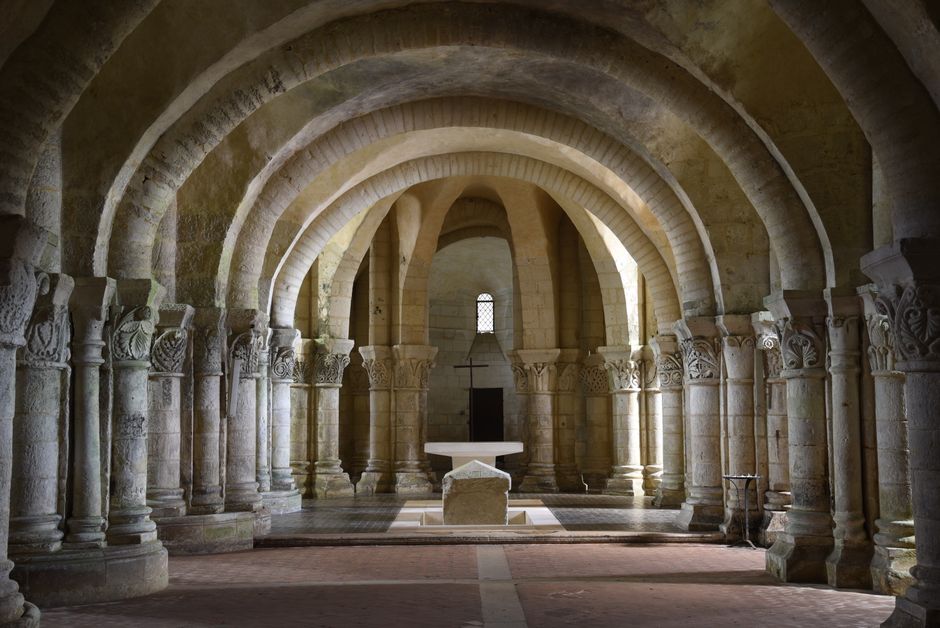
8. The Irish Heart's Crypt
Saint Patrick's Basilica Crypt, Montreal, Canada
Beneath the grand Irish basilica lies a crypt that whispers the stories of Montreal's early Catholic immigrants and their enduring faith.
While Saint Patrick's Basilica itself is a stunning example of Gothic Revival architecture and a beacon for Montreal's Irish community, its crypt holds a particularly poignant history. Opened in 1847, the basilica became a spiritual refuge for Irish immigrants, many fleeing the Great Famine. The crypt beneath the main altar serves as the final resting place for bishops and prominent Irish Montrealers, a solemn testament to their contributions and the profound role faith played in their new lives.
Frequently asked questions
Why is Montreal called the City of Saints?
Montreal earned its nickname due to its strong Catholic heritage, the historical abundance of religious institutions like churches, convents, and hospitals founded by religious orders, and the many streets named after saints. This deep spiritual foundation shaped its early development and cultural identity.
How many churches are in Montreal?
While an exact, up-to-date number is difficult to pinpoint due to closures and conversions, Montreal historically boasted hundreds of churches, chapels, and other places of worship. This high concentration is a key reason for its 'City of Saints' moniker, reflecting centuries of diverse Christian communities.
Is Montreal still a religious city today?
While attendance at religious services has declined, Montreal retains a significant religious presence and its spiritual heritage remains a vital part of its identity. Many historic churches are active, and religious festivals and traditions continue, reflecting a diverse and evolving spiritual landscape.
How can I discover more of Montreal's hidden histories?
The AllTours.ai app is designed for exactly this. Simply point your phone camera at a landmark, building, or even a natural landscape in Montreal, and the app will instantly narrate its history, geology, and cultural significance in your preferred language, revealing stories you might otherwise miss.
Photography via Pexels. AllTours.ai is an AI audio tour guide — point your camera at any landscape and hear its story.