July 20, 2026 · 4 min read
The Notre Dame Basilica in Montreal is an undeniable icon, its towering spires and dazzling blue and gold interior drawing millions. Its fame seems self-evident, rooted in its sheer grandeur and spiritual significance. Yet, to truly understand why this majestic structure holds such a profound place in Canadian history and the hearts of Montrealers, one must look beyond its immediate magnificence.
The Basilica isn't an isolated marvel; it's a cornerstone of a city rich with layered stories, many of which lie hidden in plain sight. From the very ground upon which Montreal was founded to the elegant homes of its early leaders and the humble churches of its diverse communities, these lesser-known spots paint a more complete picture of the vibrant tapestry that makes Notre Dame so famous.
1. Beneath the City's Birthplace
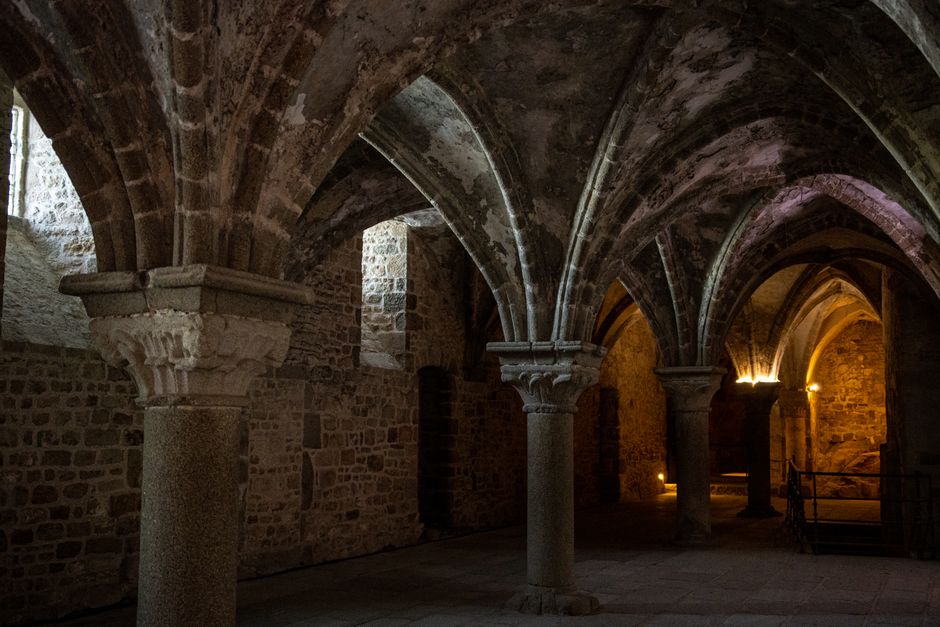
Pointe-à-Callière, Cité d'archéologie et d'histoire de Montréal, Canada
Deep beneath a modern museum lies the exact ground where Montreal was founded, revealing 1,000 years of habitation.
The Pointe-à-Callière Museum stands over the very spot where Paul de Chomedey de Maisonneuve and Jeanne Mance founded Ville-Marie in 1642. Descending into its crypt is a journey through time, traversing original foundations, sewers, and even traces of Indigenous encampments predating European arrival. This multi-layered archaeological site vividly illustrates the continuous human story that led to the city's establishment and the eventual rise of landmarks like Notre Dame.
2. The Founders' Enduring Legacy
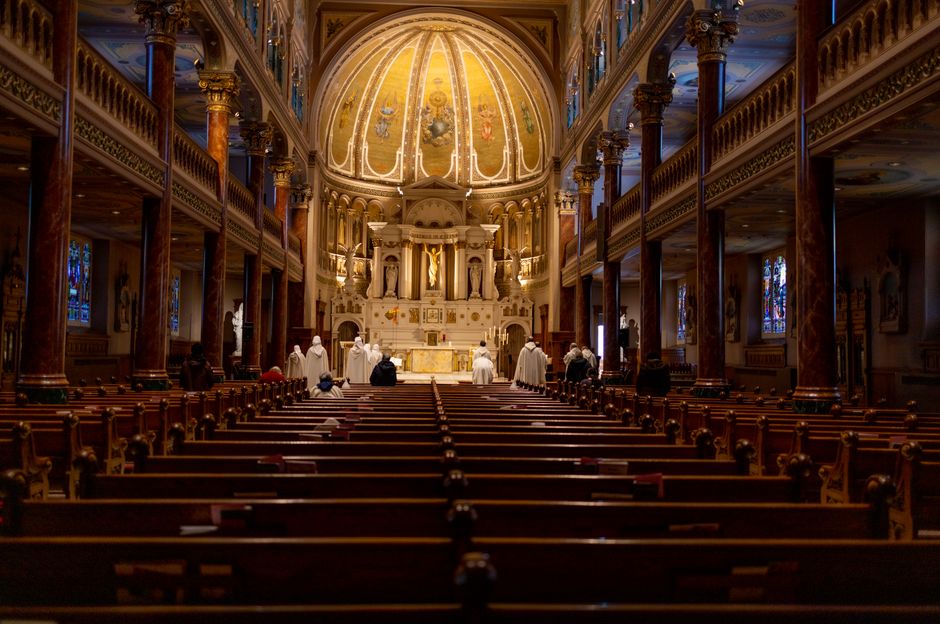
Saint-Sulpice Seminary, Montreal, Canada
Right beside the famous Basilica stands Montreal's oldest surviving building, still owned by the French priests who founded the city.
Completed in 1687, the Saint-Sulpice Seminary is a quiet architectural marvel often overlooked by those visiting Notre Dame. It was home to the Sulpicians, the seigneurs of Montreal, who were instrumental in the city's early development, governance, and religious life. Its austere stone walls and clock, dating back to 1701, offer a tangible link to the city's origins and the powerful religious order that shaped its foundations for centuries.
3. The Sailor's Sacred Haven
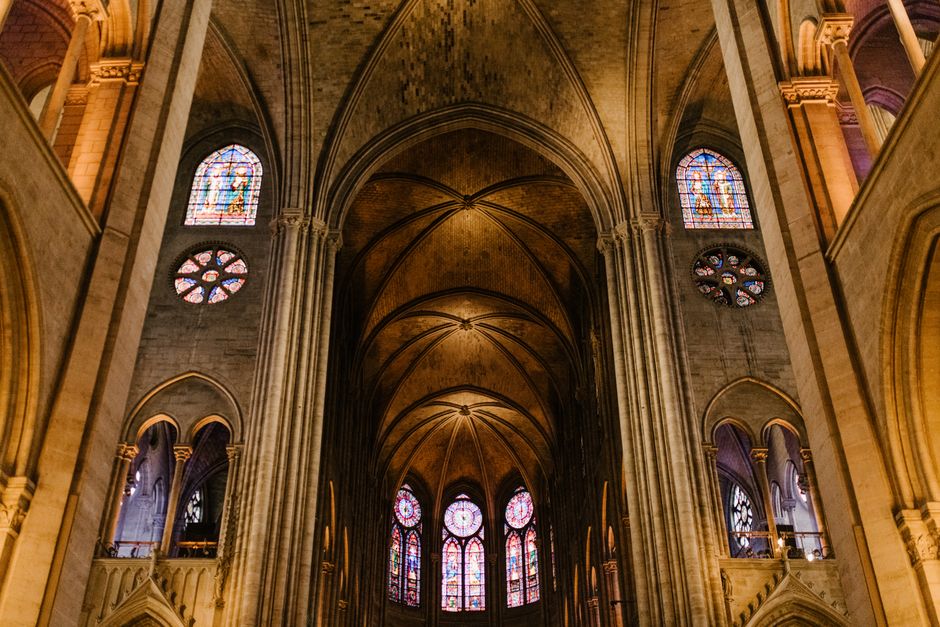
Chapelle Notre-Dame-de-Bon-Secours, Montreal, Canada
This "Sailors' Church" holds the tomb of Montreal's first teacher and a unique connection to the city's maritime past.
Just a short walk from Notre Dame, the Chapelle Notre-Dame-de-Bon-Secours, often called the Sailors' Church, features ship models suspended from its ceiling, a testament to its protective role for sailors. More profoundly, its crypt houses the tomb of Saint Marguerite Bourgeoys, Montreal's first teacher and the founder of the Congrégation de Notre-Dame, who established schools and cared for the city's early settlers. Her story is a vital thread in Montreal's social and educational fabric, predating and complementing the grandeur of the Basilica.
4. A Victorian Elite's Private World
Square Saint-Louis, Montreal, Canada
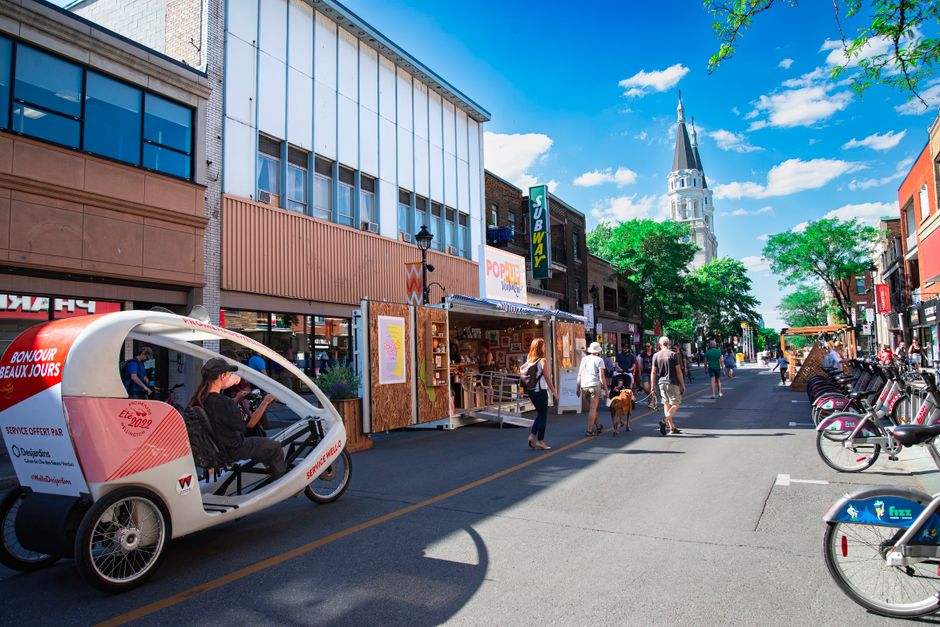
This picturesque square was once the exclusive domain of Montreal's wealthy French-Canadian professionals, a stark contrast to the city's English financial hub.
North of Old Montreal, Square Saint-Louis offers a glimpse into a different facet of the city's historical prosperity. Lined with beautifully preserved Victorian mansions, it became the preferred address for successful French-Canadian families and artists in the late 19th and early 20th centuries. The square's distinct architecture and tree-lined promenades tell a story of cultural identity and economic success, showcasing a parallel elite to the predominantly English-speaking Golden Square Mile, highlighting Montreal's dual heritage.
5. Gateway to a Nation's Commerce
Old Custom House (Vieux-Port), Montreal, Canada
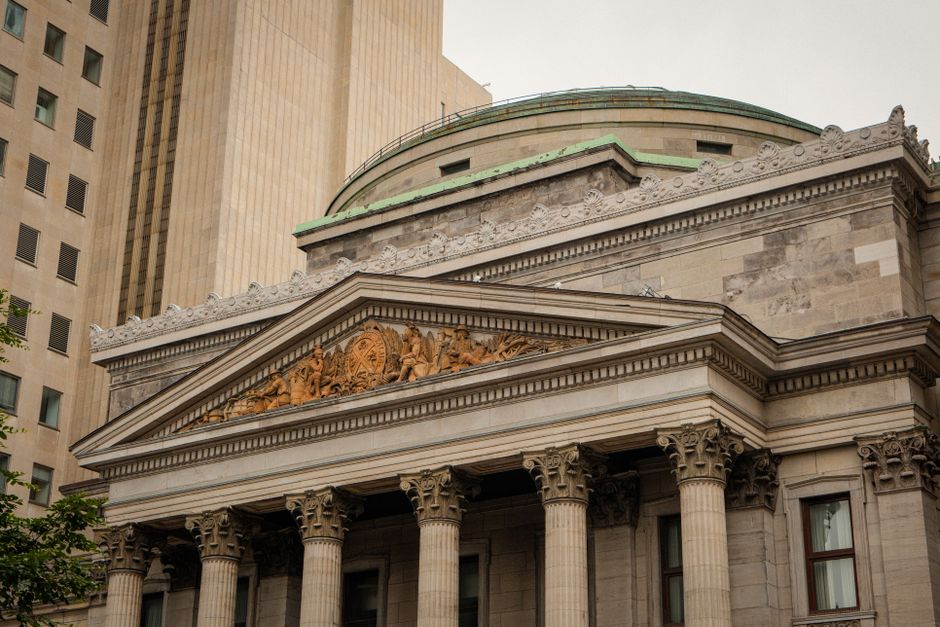
This grand neoclassical building, now home to a museum, once controlled nearly all goods entering Canada, shaping the nation's economy.
Standing majestically in the Old Port, the Old Custom House, built in 1836, played a pivotal role in Montreal's rise as a major economic center. Before modern customs facilities, this building was the nerve center for all imports and exports, collecting duties that funded the growing colony. Its imposing architecture reflects the immense power and responsibility it wielded, symbolizing Montreal's deep connection to trade and its critical function as Canada's primary port city for centuries.
6. The Grey Nuns' Self-Sufficient City
Grey Nuns Motherhouse, Montreal, Canada
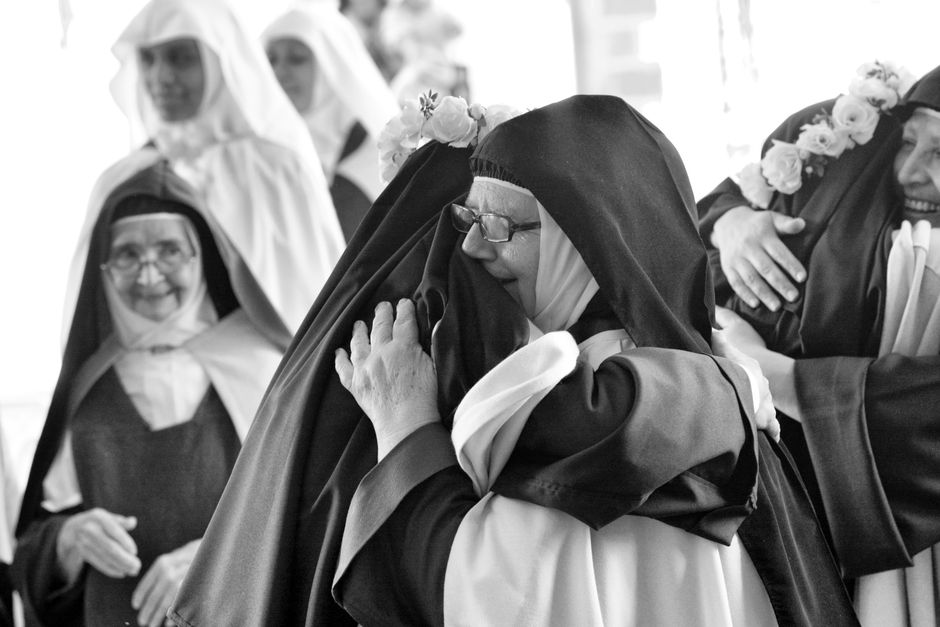
This massive stone complex was once a self-sufficient "city within a city," founded by a remarkable woman dedicated to Montreal's poor and vulnerable.
Now part of Concordia University, the former Grey Nuns Motherhouse is an imposing structure that once housed hundreds of nuns, orphans, and the sick. Founded by Saint Marguerite d'Youville in the 18th century, the Grey Nuns were pioneers in social welfare, establishing hospitals and caring for the destitute. The sheer scale of the building and its self-contained functions — including farms, laundries, and workshops — highlight the profound impact of religious orders on Montreal's social infrastructure long before government services existed.
7. The Irish Heart of Point Saint-Charles
Saint Gabriel's Parish, Montreal, Canada
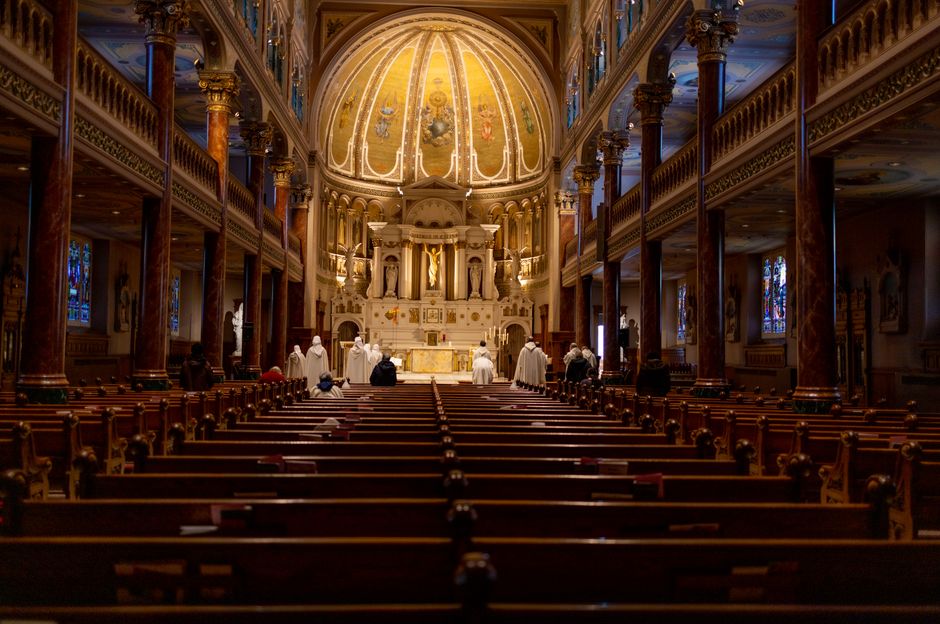
This unassuming church holds the distinction of being Canada's oldest continuously operating English-speaking Catholic parish, a testament to Montreal's vibrant Irish community.
Nestled in the historic working-class neighborhood of Point Saint-Charles, Saint Gabriel's Parish, established in 1847, served as a spiritual and social hub for generations of Irish immigrants. While Notre Dame represents the French Catholic heritage, Saint Gabriel's embodies the significant contribution of the Irish to Montreal's diverse religious and cultural tapestry. Its enduring presence tells a story of resilience, community building, and the deep roots of various Catholic traditions within the city.
8. A Father of Confederation's Grand Home
Sir George-Étienne Cartier National Historic Site, Montreal, Canada
Explore the meticulously restored twin homes of Sir George-Étienne Cartier, a key architect of Canada's confederation, revealing 19th-century Montreal elite life.
This national historic site preserves the lavish Victorian residences of Sir George-Étienne Cartier, a prominent lawyer, politician, and one of the Fathers of Canadian Confederation. Stepping inside offers a detailed look at the domestic life of a powerful French-Canadian figure during a pivotal era. The homes not only showcase intricate period decor but also tell the story of the political machinations and social aspirations that shaped a nascent nation, all from the heart of Montreal's historic Golden Square Mile.
Frequently asked questions
What is the historical significance of Notre Dame Basilica in Montreal?
Notre Dame Basilica stands as a monumental symbol of Montreal's French Catholic heritage and its colonial past. Built between 1824 and 1829, it replaced an earlier parish church and quickly became a central spiritual and architectural landmark, reflecting the Sulpician order's influence and the city's religious identity. Its grandeur played a crucial role in establishing Montreal as a prominent North American city.
What makes Notre Dame Basilica's architecture unique?
The Basilica is renowned for its stunning Gothic Revival architecture, a rare style for churches in North America at the time of its construction. Its intricate blue and gold interior, vast pipe organ, and the towering twin spires set it apart. The detailed craftsmanship and scale aimed to inspire awe and symbolize the city's prosperity and strong Catholic faith.
Are there other significant historical sites near Notre Dame Basilica?
Absolutely. Old Montreal, surrounding the Basilica, is rich with history. You can find the Pointe-à-Callière Museum revealing the city's founding site, the Saint-Sulpice Seminary (Montreal's oldest building), and the charming Notre-Dame-de-Bon-Secours Chapel, dedicated to sailors and home to the tomb of Saint Marguerite Bourgeoys. These sites collectively narrate Montreal's multifaceted past.
How can I discover more hidden stories and historical facts in Montreal?
To truly immerse yourself in Montreal's rich history and uncover its lesser-known tales, consider using an AI audio tour guide. Apps like AllTours.ai allow you to simply point your phone camera at landmarks or even natural landscapes. It then narrates their fascinating history, geology, and culture in your preferred language, offering a personalized and informative exploration beyond the guidebooks.
Photography via Pexels. AllTours.ai is an AI audio tour guide — point your camera at any landscape and hear its story.