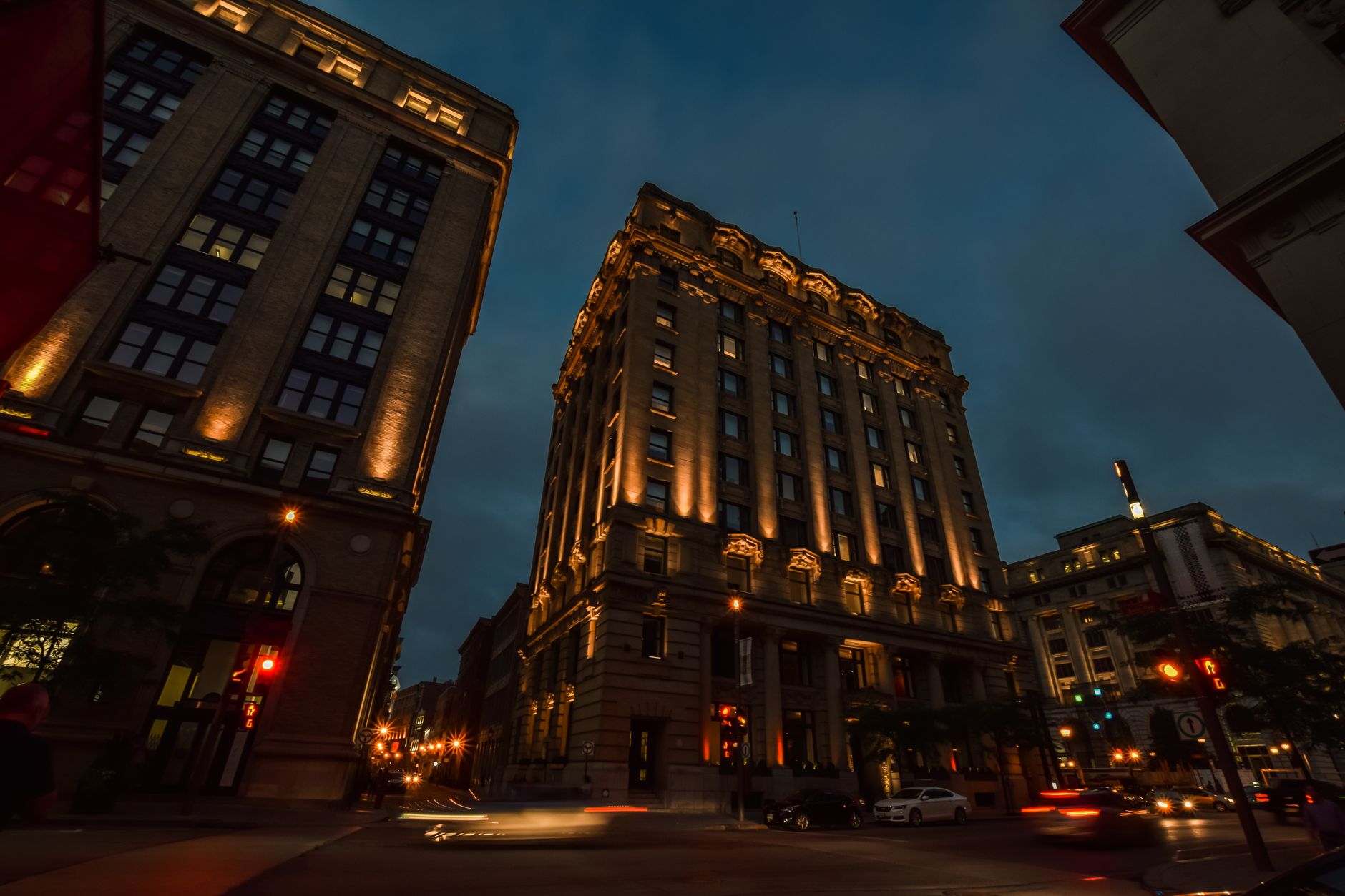
September 5, 2026 · 4 min read
Many newcomers to Canada are quickly struck by the cost of living in major cities like Toronto and Vancouver. This often leads to a common question: "Why are Montreal rents cheaper compared to other major Canadian cities, and is it really affordable for newcomers?" The short answer is yes, relatively speaking, Montreal offers more bang for your buck, but the reasons are complex, rooted in its unique history, language, and economic landscape.
While factors like a larger rental market, lower average incomes, and provincial rent control policies play a role, Montreal also offers a lifestyle rich in culture and history without the same price tag. Beyond the postcard views, the city thrives with countless fascinating, lesser-known spots that tell the real story of its past and present. Let's explore some of these vibrant corners, proving that affordability doesn't mean sacrificing depth or discovery.
1. Where Industry Met Innovation
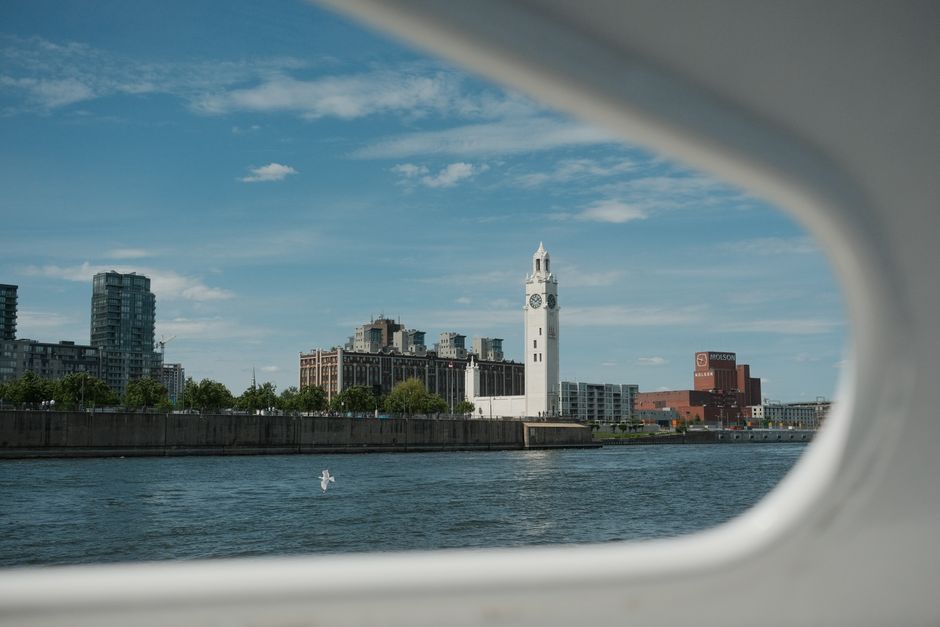
Lachine Canal National Historic Site, Montreal, Canada
The Lachine Canal, once a vital bypass for rapids, pioneered industrial development in Canada.
The canal's series of locks, particularly those near the city center, facilitated shipping past the treacherous Lachine Rapids. This engineering feat, completed in the 19th century, attracted factories and mills, transforming Montreal into a major industrial hub and shaping its working-class neighborhoods. Its strategic importance was so great that it occasionally led to conflicts and social unrest among workers vying for jobs.
2. The People's Bathhouse
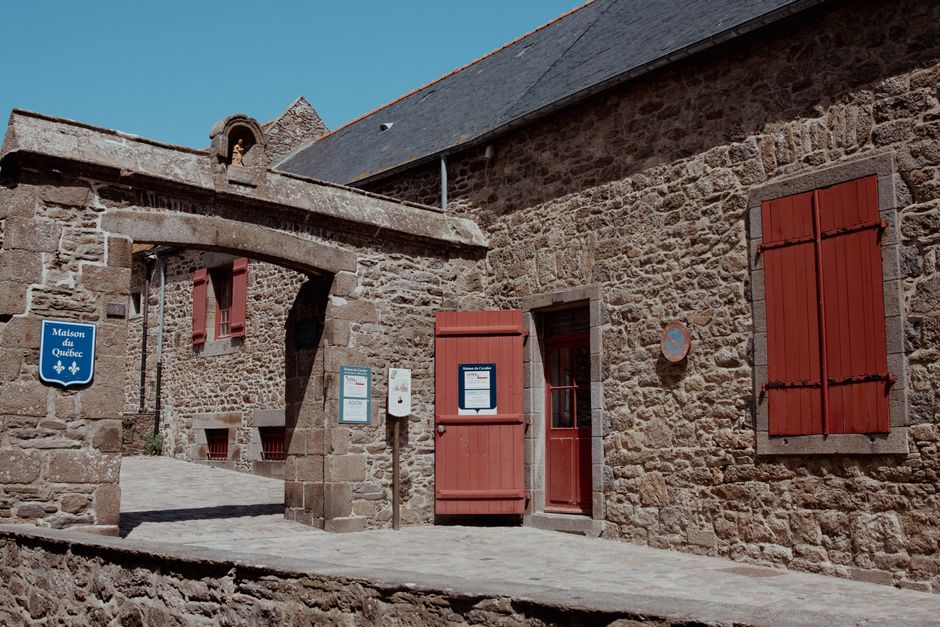
Écomusée du fier monde, Montreal, Canada
This museum was once a grand public bathhouse, offering essential hygiene to Montreal's working-class families.
Before widespread indoor plumbing, public bathhouses like Bain Généreux were vital community centers. Families would visit weekly for hot showers and laundry facilities, transforming mundane chores into social gatherings. The building, with its striking architecture, now tells the story of Montreal's industrial and labor history, highlighting the daily lives and struggles of ordinary citizens.
3. Montreal's Iconic Spirals
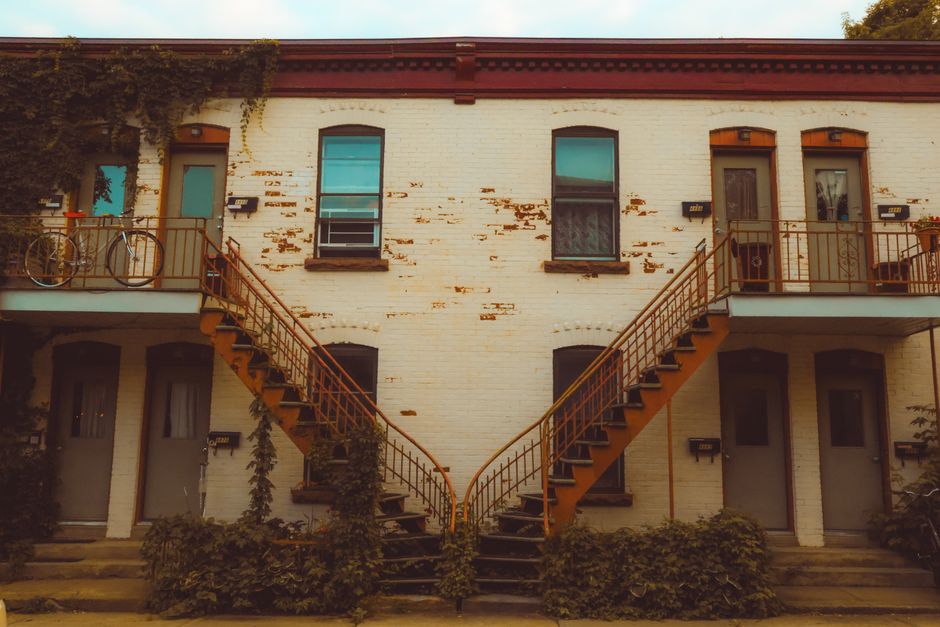
Plateau Mont-Royal, Montreal, Canada
The distinctive outdoor spiral staircases of Montreal were a clever architectural response to old property tax laws.
These elaborate wrought-iron staircases, a hallmark of Plateau architecture, allowed builders to maximize interior living space by moving entryways outside. This design choice was partly influenced by antiquated property tax rules that based assessments on building frontage, making narrow, deep lots more appealing. They also fostered a unique sense of community, serving as informal gathering spots and observation decks for neighborhood life.
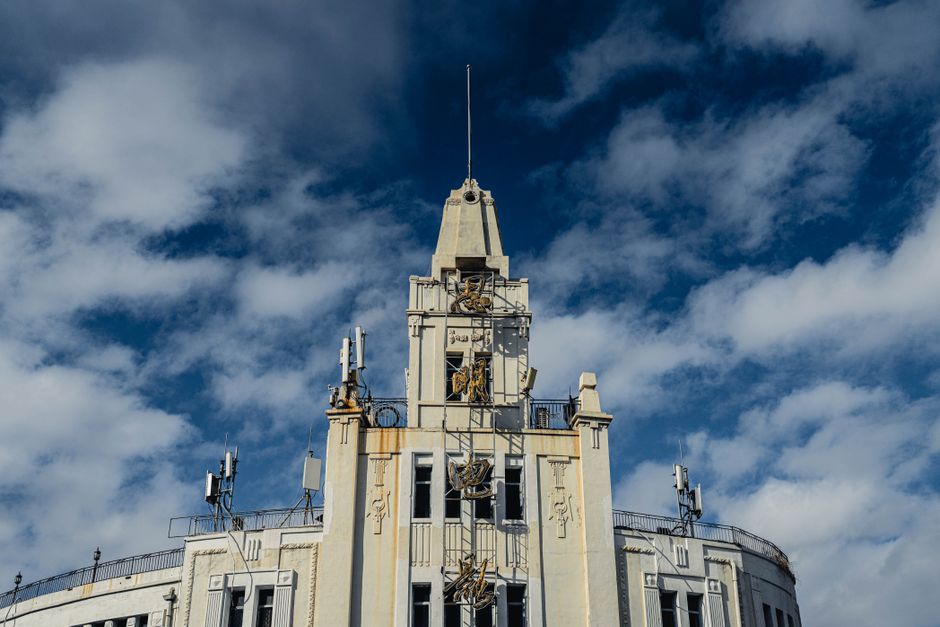
4. Market's Modernist Landmark
Marché Atwater, Montreal, Canada
The Art Deco tower at Marché Atwater was originally designed to serve a dual purpose beyond just market aesthetics.
Built in the 1930s, the market's distinctive tower wasn't merely decorative; it was intended to house a water tank for the facility, though it never fully served that function. Its streamlined Art Deco design reflected the era's modern sensibilities, standing as a proud symbol of progress and public health. Today, it remains a beloved landmark, anchoring one of the city's most vibrant public markets along the Lachine Canal.
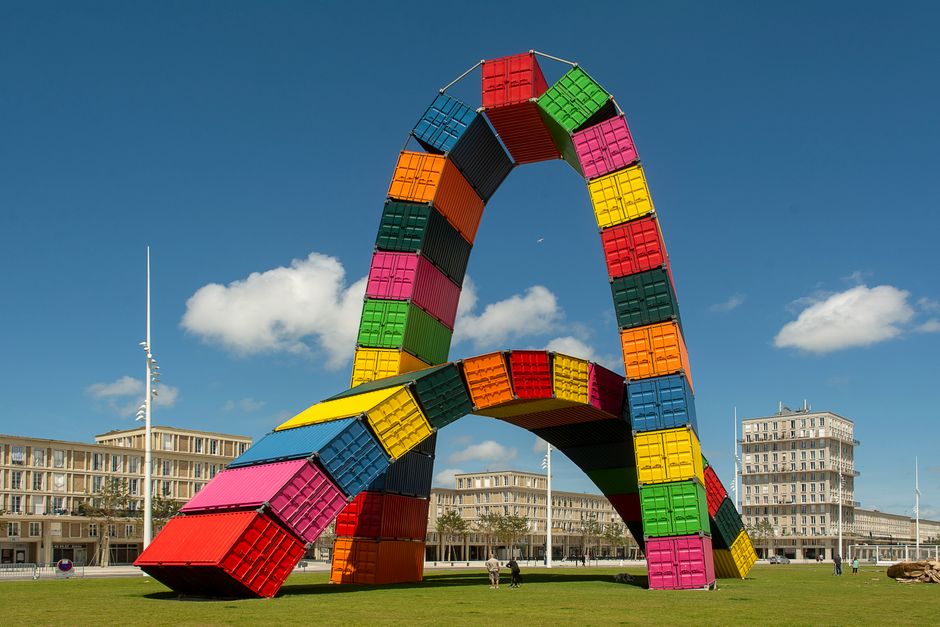
5. The Island That Rose From Rubble
Cité du Havre, Montreal, Canada
The Cité du Havre peninsula, home to Habitat 67, was entirely created from the rubble of Montreal's ambitious metro system and other construction projects.
This narrow strip of land extending into the Saint Lawrence River is a testament to resourceful urban planning. Vast quantities of excavated material from the construction of the Montreal Metro and other major infrastructure projects in the 1960s were used to build it up. What began as a dumping ground was transformed into a site for Expo 67 and later became home to the iconic Habitat 67, showcasing a unique chapter in the city's development.
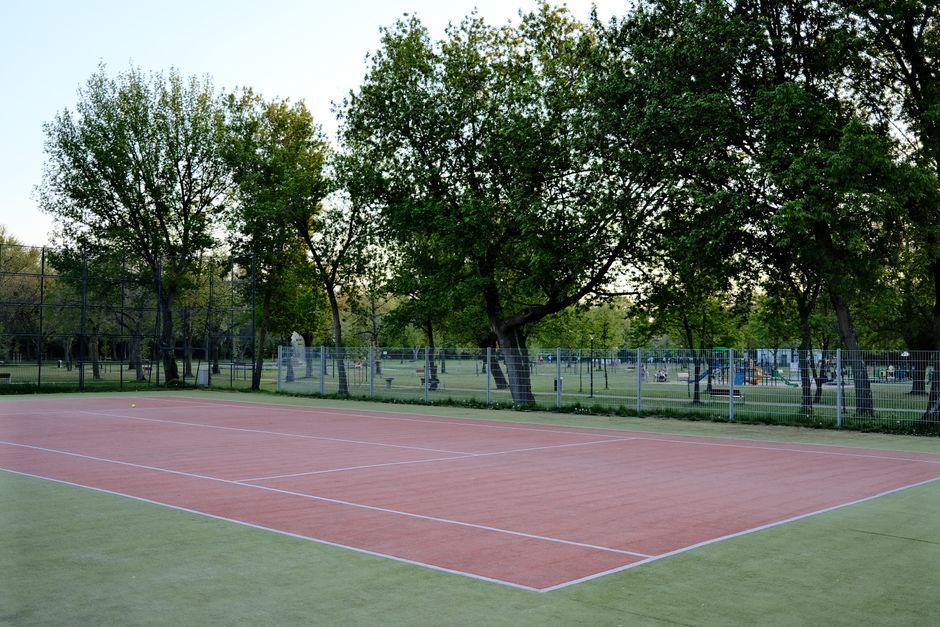
6. Grand Slam's Humble Beginnings
Parc Jarry, Montreal, Canada
Before the Olympic Park, Parc Jarry was the original home of Canada's most prestigious tennis tournament, attracting legendary players.
From 1970 to 1979, Parc Jarry hosted the Canadian Open, then known as the Rothmans International. Tennis giants like Rod Laver, Björn Borg, and John McEnroe graced its courts, making it a significant stop on the professional circuit. The park, primarily a green space for local recreation, holds a quiet but important place in Canadian sports history, a reminder of a time when major international events happened in neighborhood settings.
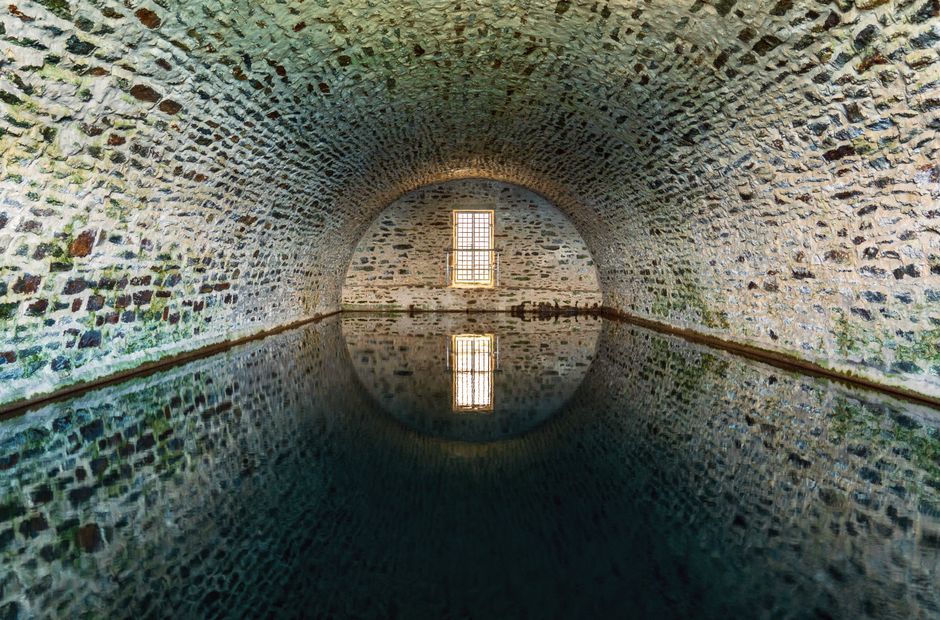
7. McGill's Hidden Passageways
McGill University Campus, Montreal, Canada
Beneath the historic campus of McGill University lies a practical network of tunnels connecting buildings, primarily for student and staff convenience in winter.
Unlike the sprawling public "Underground City," McGill's tunnels are a more private, functional system. Built to allow students and faculty to move between buildings without braving Montreal's harsh winter weather, these utilitarian passages are a hidden artery of campus life. They underscore a practical solution to a recurring environmental challenge, offering a glimpse into the university's adaptation to its northern climate.
8. The Sky's Pink Canopy
Sainte-Catherine Street East, Le Village, Montreal, Canada
Each summer, hundreds of thousands of vibrant pink balls transform Sainte-Catherine Street East into an ephemeral, open-air art installation.
Known as "18 Shades of Pink," this annual installation by Claude Cormier + Associés has become a beloved symbol of Montreal's Gay Village. Suspended overhead for several blocks, the brightly colored spheres create a festive, celebratory atmosphere, drawing visitors and locals alike. It's a striking example of urban placemaking, turning a commercial street into a dynamic public art space that fosters community and joy.
Frequently asked questions
What makes Montreal rents generally lower than Toronto or Vancouver?
Several factors contribute to Montreal's more affordable rental market. These include a larger supply of rental units, a lower average household income compared to other major Canadian cities, and provincial rent control measures that, while not perfect, offer some protection to tenants. The city's unique linguistic and cultural context also influences its economic dynamics.
Is it easy for English speakers to find work and live comfortably in Montreal?
While Quebec's official language is French, Montreal is a highly bilingual city, especially in business and tourism sectors. English speakers can certainly find work, particularly in tech, finance, and creative industries. Many services are available in both languages, and integration into the city's vibrant culture is very possible, though learning some French is always appreciated and beneficial.
What's the average cost of living in Montreal for a single person?
The average cost of living can vary widely, but generally, a single person might expect to spend around $1,800 to $2,500 CAD per month, excluding rent. This estimate covers groceries, transportation, utilities, and some discretionary spending. Rent for a one-bedroom apartment can range from $1,200 to $1,800 or more, depending on the neighborhood and amenities.
How can AllTours.ai help me explore Montreal's hidden gems?
AllTours.ai uses your phone's camera to identify landmarks, landscapes, and even subtle architectural details around you. Simply point your device, and the app will narrate the history, geology, and culture of what you're seeing in your preferred language. It's like having a local expert in your pocket, guiding you to the untold stories of Montreal's most fascinating places, both famous and lesser-known.
Photography via Pexels. AllTours.ai is an AI audio tour guide — point your camera at any landscape and hear its story.