September 5, 2026 · 4 min read
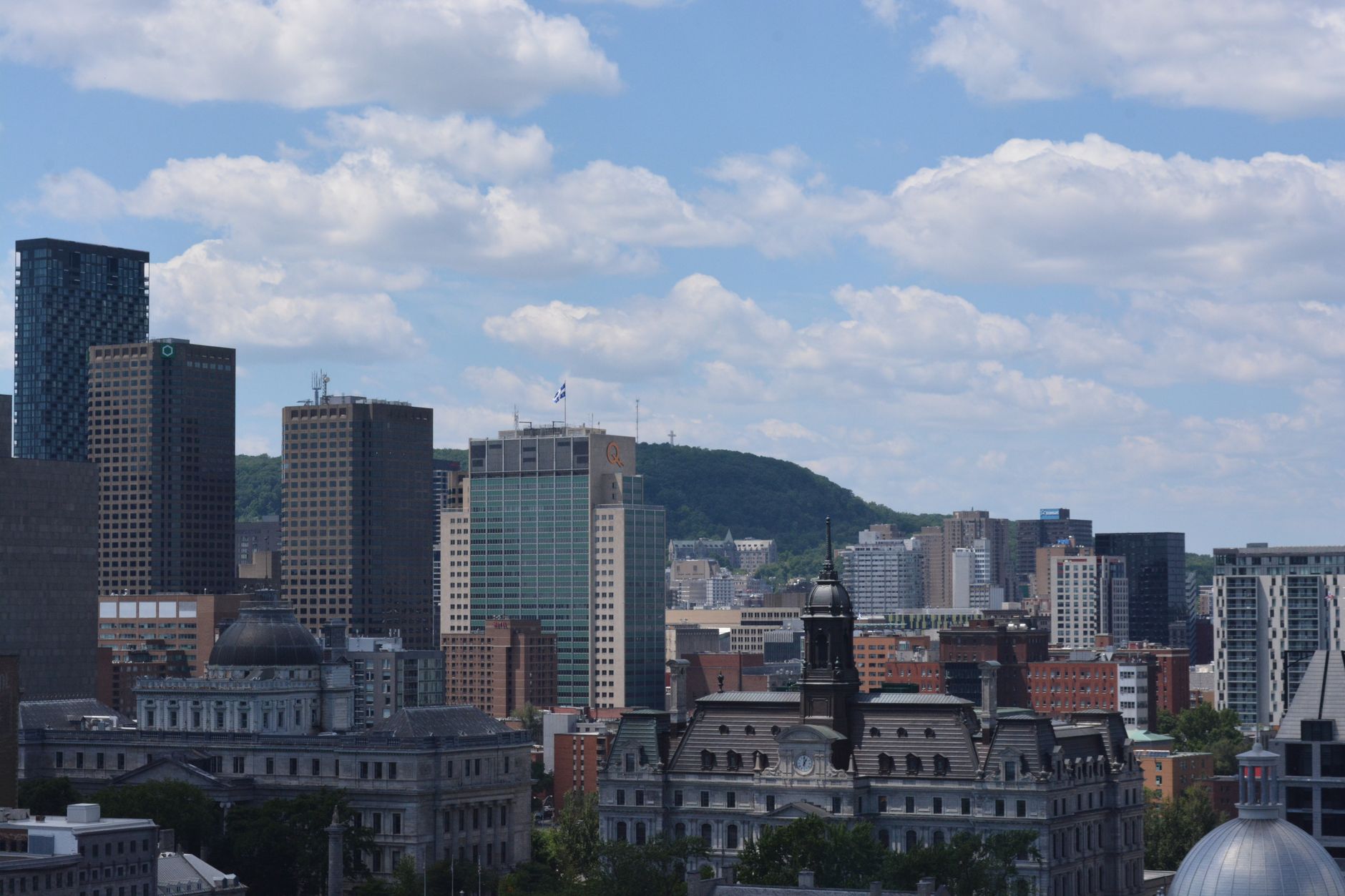
The linguistic landscape of Quebec is a fascinating tapestry, often sparking the question: why do people in Montreal speak English a lot more than Quebec City? While both are historic Canadian cities in a French-majority province, their everyday sounds tell vastly different stories.
This divergence isn't accidental; it's etched into centuries of settlement, industry, and culture. To truly understand this, we must peel back the layers of history, not through grand monuments, but through the overlooked corners and forgotten tales of specific places that reveal the surprising forces at play.
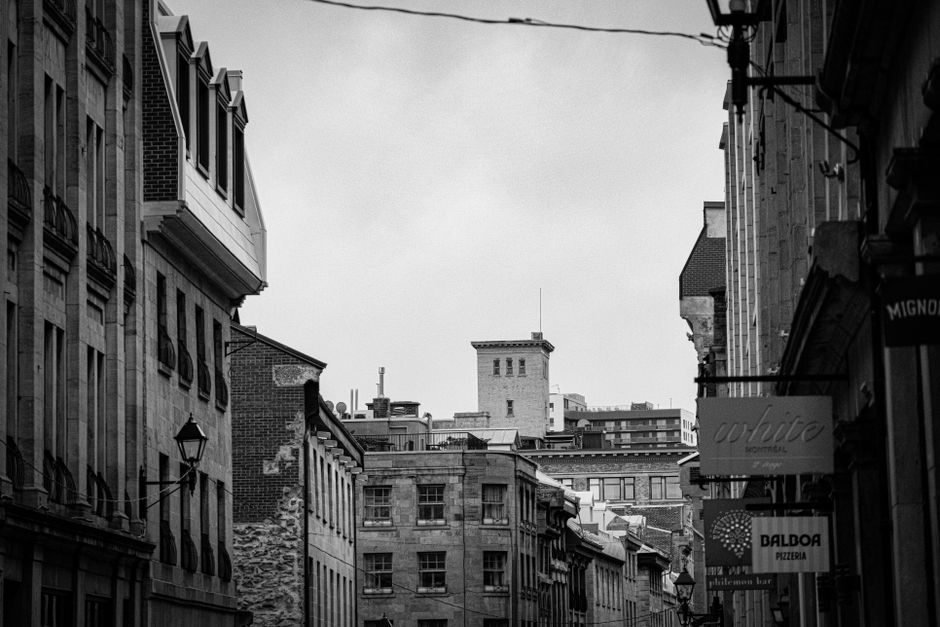
1. The Vanished Village of Griffintown
Montreal, Canada
Once a bustling Irish-Anglophone hub, this district's memory holds clues to Montreal's unique linguistic tapestry.
From the mid-19th century, Griffintown became a landing spot for thousands of Irish immigrants, many of whom were English-speaking. Its factories and proximity to the Lachine Canal offered work, cementing English as a language of industry and labor in this rapidly growing part of Montreal. Today, little remains of its original character, but its history highlights the distinct role of immigration in shaping the city's linguistic split compared to Quebec City.
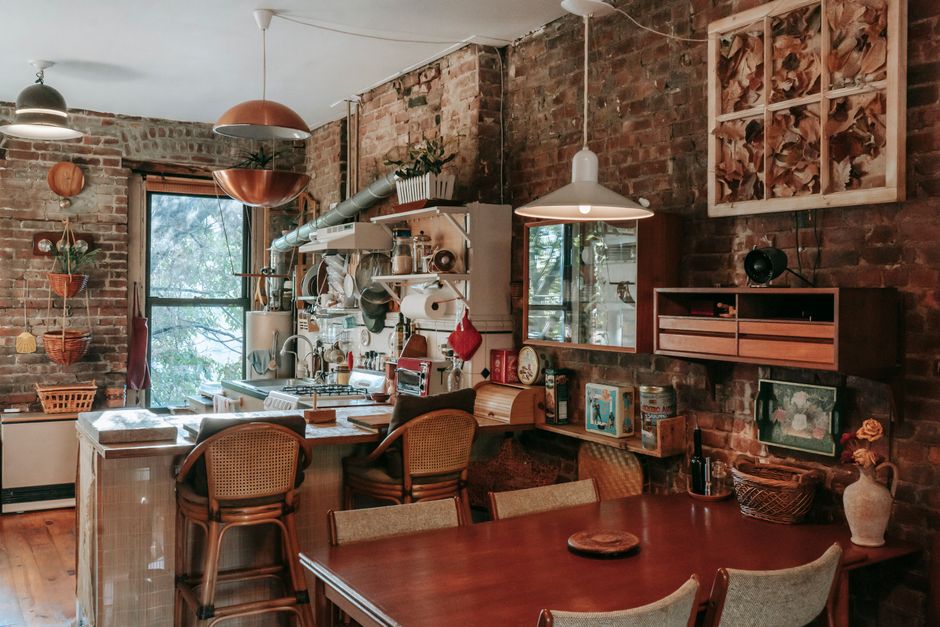
2. Canada's First Tech Incubator
Montreal, Canada
This grand Victorian mansion, built by a Scottish-Canadian photography pioneer, became a surprising early hub for English-speaking innovation.
William Notman, a Scottish immigrant, established his photography empire from this Golden Square Mile residence in the mid-1800s. The Notman House was a nexus of Anglophone business and artistic endeavor, reflecting Montreal's role as a major economic center where English capital and entrepreneurship thrived. It now serves as a modern tech incubator, a testament to the city's enduring spirit of innovation, often spearheaded by its English-speaking communities.
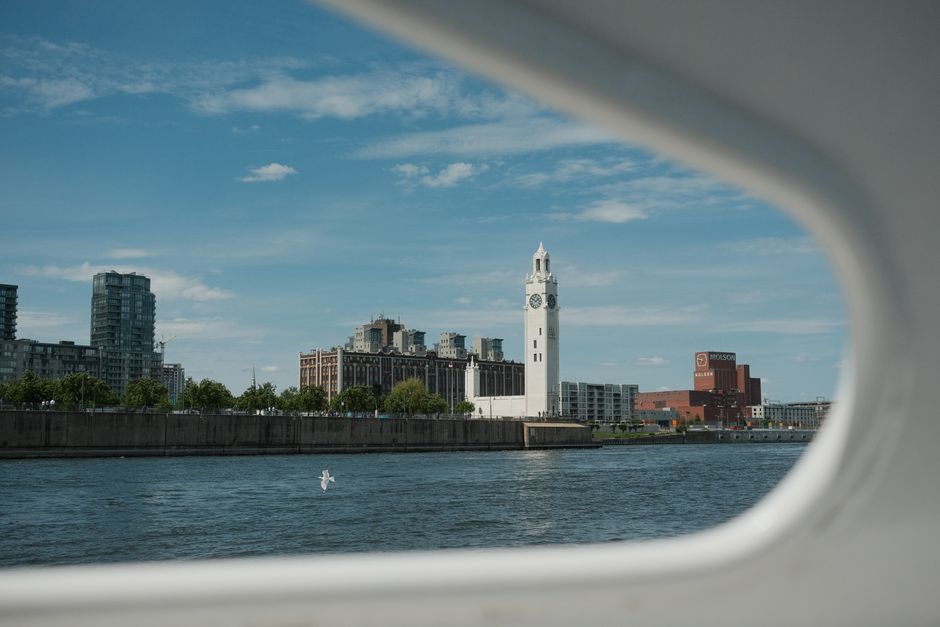
3. The Waterway That Built a Bilingual City
Montreal, Canada
The Lachine Canal, often called the cradle of Canadian industry, drew English-speaking workers and capital, profoundly shaping Montreal's linguistic identity.
Opened in 1825, the Lachine Canal revolutionized commerce and industry in Montreal, attracting a massive influx of English-speaking entrepreneurs, engineers, and laborers, especially from Ireland and Scotland. The factories and shipping companies along its banks operated predominantly in English, establishing a powerful Anglophone presence in the city's economic engine. This industrial boom created a distinct linguistic dynamic, contrasting sharply with Quebec City's more administrative and religious focus.
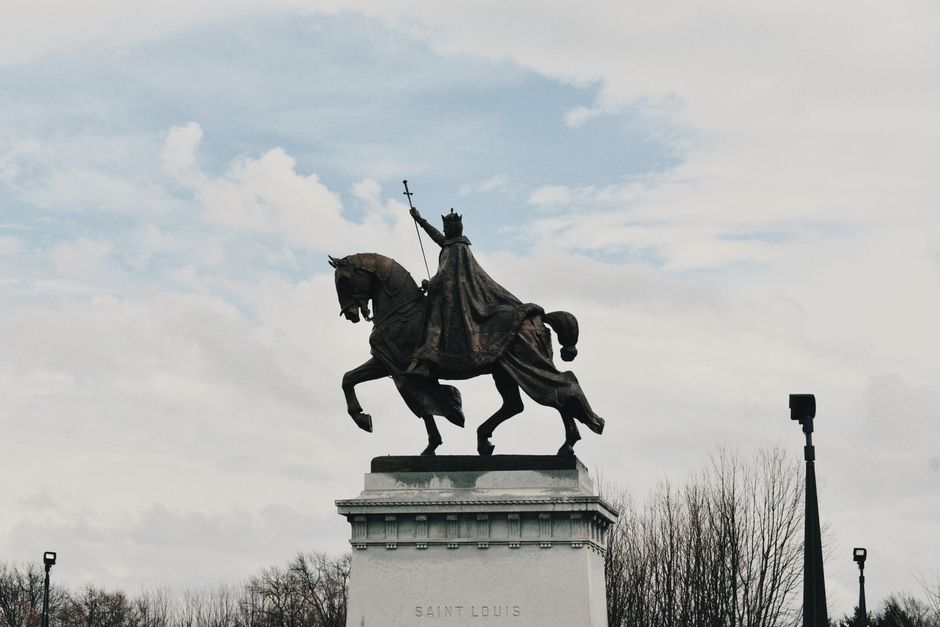
4. The Gaslight Haven of Montreal's Forgotten Authors
Montreal, Canada
This elegant square, the last in Montreal lit by gas lamps, was once a vibrant gathering place for the city's English-speaking intellectual and artistic elite.
Before the early 20th century, Square Saint-Louis was a prestigious address for Montreal's wealthier citizens, many of whom were prominent Anglophone writers, poets, and artists. Its grand Victorian homes and central fountain fostered a distinct cultural milieu, where English literary societies flourished, and conversations often flowed in English. This Anglophone intellectual heart further diversified Montreal's cultural landscape, a feature less pronounced in the predominantly French-speaking Quebec City.
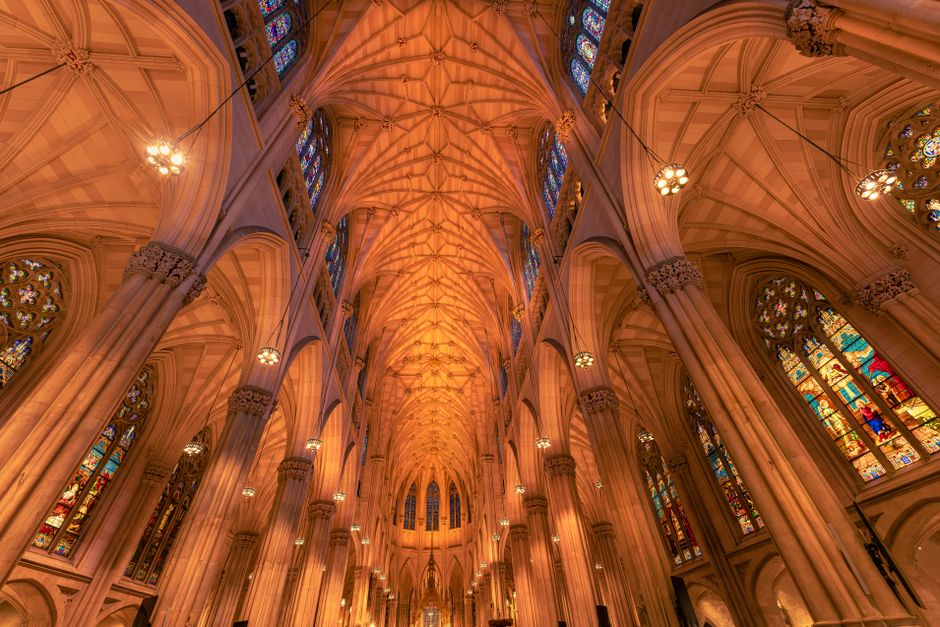
5. The Emerald Heart of Montreal
Montreal, Canada
While Quebec City built grand French-speaking cathedrals, St. Patrick's Basilica stands as a powerful symbol of Montreal's distinct, English-speaking Irish Catholic community.
Consecrated in 1847, St. Patrick's became the spiritual home for Montreal's rapidly growing Irish immigrant population. Unlike the French-speaking Catholic majority, these newcomers often spoke English, creating a separate but significant Anglophone Catholic presence in the city. Its construction reflected the community's size and influence, contributing to the city's unique dual-language Catholic identity, a demographic factor largely absent in Quebec City.
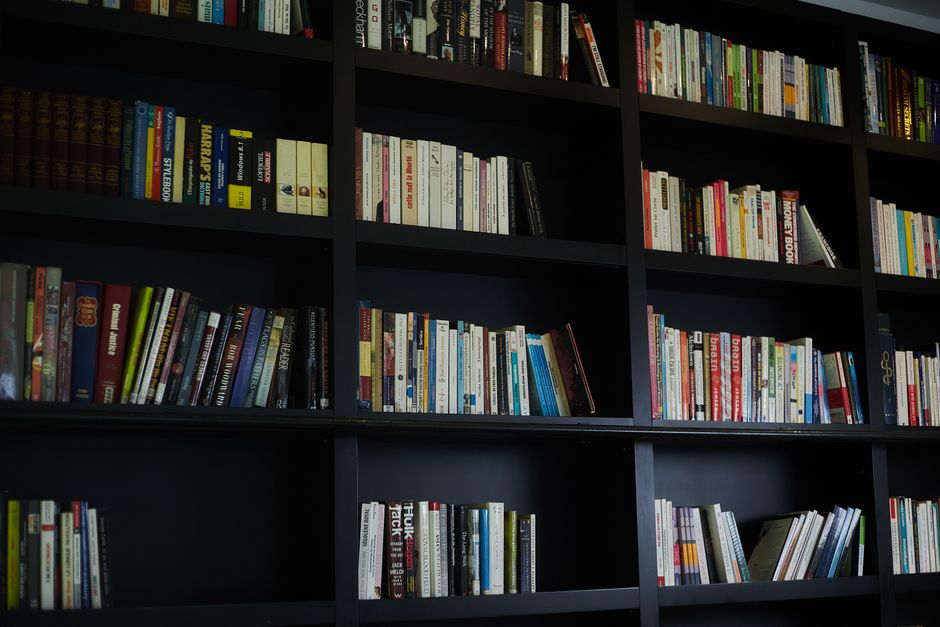
6. The English Bastion in a French Citadel
Quebec City, Canada
This former jail and military barracks transformed into a unique library and cultural center, standing as a testament to Quebec City's enduring, albeit smaller, English-speaking community.
Founded in 1824 as the Literary and Historical Society of Quebec, the Morrin Centre is one of Canada's oldest learned societies. Housed in an imposing building that once served as a prison, it became a focal point for English intellectual life in a predominantly French city. It provided a crucial space for English education and cultural preservation, demonstrating how Anglophones in Quebec City maintained their identity in a different environment than their Montreal counterparts.
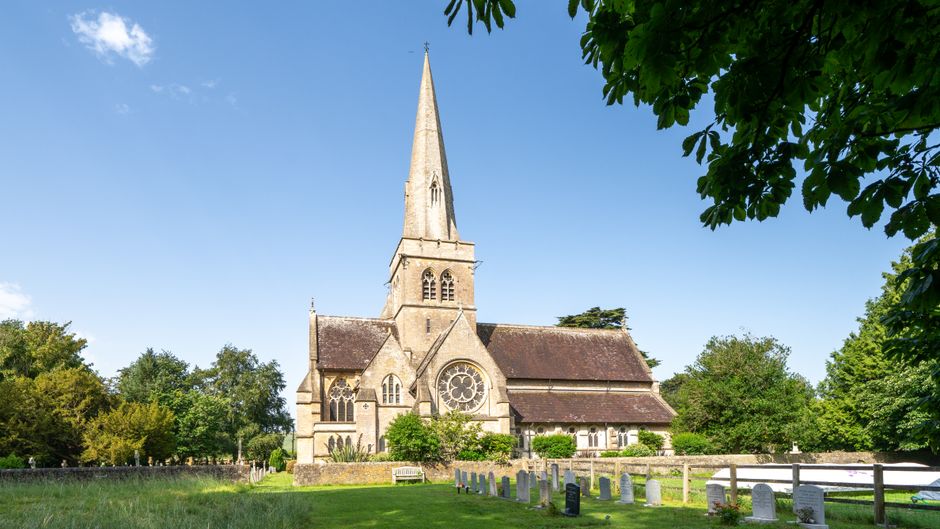
7. A Quiet English Echo in Sillery
Quebec City, Canada
Beyond Quebec City's walls, the modest St. Michael's Anglican Church in Sillery reveals an early English gentry presence, quite distinct from the city's dominant French character.
Built in the mid-19th century, St. Michael's served the Anglophone population of Sillery, a wealthy suburb of Quebec City. Many of its parishioners were British merchants and officials who preferred to live outside the bustling, French-speaking lower town. This church, with its quiet graveyard, stands as a subtle reminder of the early English elite who settled near Quebec City, forming a community that, while influential, remained smaller and more concentrated than Montreal's diverse Anglophone population.
Frequently asked questions
Why is Montreal often considered a bilingual city?
Montreal's status as a bilingual city stems from its history as a major port and industrial center, attracting diverse waves of English-speaking immigrants, alongside its established French population. This created a unique urban environment where both languages are widely spoken, especially in commerce and culture.
Is it difficult to get by in Quebec City if you only speak English?
While Quebec City is predominantly French-speaking, especially outside tourist areas, most people in the tourism and service industries are bilingual. You can generally get by with English, but knowing some basic French phrases will greatly enhance your experience and interactions with locals.
What historical events most influenced the language difference between Montreal and Quebec City?
The British conquest in 1759-1760 set the stage, but the subsequent industrialization and immigration waves of the 19th and 20th centuries were crucial. Montreal's economic boom attracted many English-speaking immigrants and capital, while Quebec City remained more of an administrative and religious center, preserving its French character more intensely.
How does the AllTours.ai app help me explore these places?
The AllTours.ai app transforms your phone into a personal AI audio tour guide. Simply point your camera at any landscape or landmark mentioned in this post, or any other you discover, and the app will narrate its history, geology, and culture in your preferred language, bringing these stories to life.
Photography via Pexels. AllTours.ai is an AI audio tour guide — point your camera at any landscape and hear its story.