June 20, 2026 · 4 min read
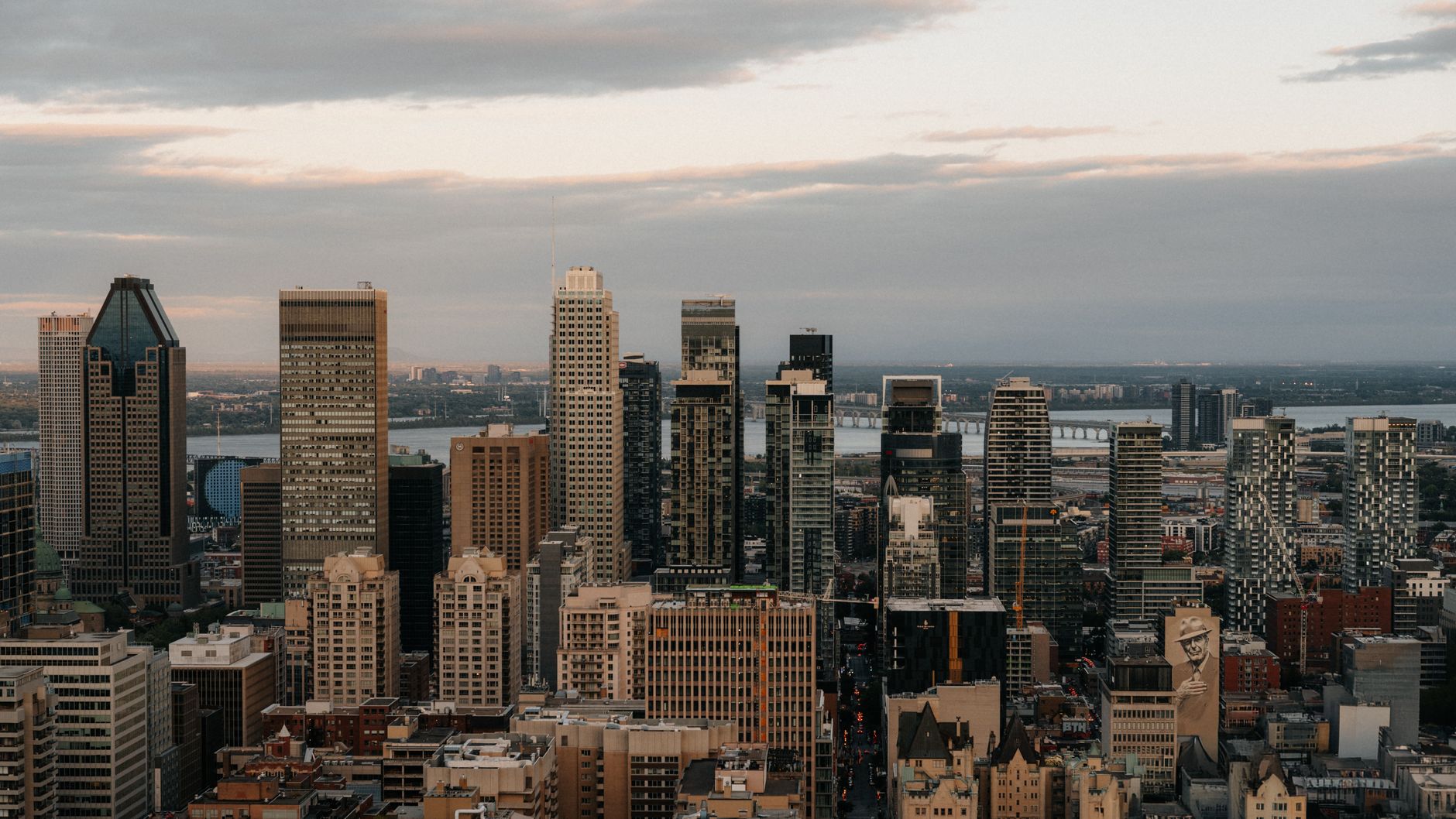
Montreal, Quebec, often lauded for its European charm and vibrant culture, isn't always everyone's cup of tea. For every visitor enchanted by its cobblestone streets and lively festivals, another might find themselves questioning its unique quirks. Perhaps it's the sometimes-unpredictable weather, the construction that feels perpetually underway, or the distinct blend of French and English that can occasionally feel like navigating two worlds at once.
But what if these very aspects, often cited as reasons why people might dislike Montreal, Quebec, are actually gateways to its most profound and fascinating stories? Beyond the postcard views lie layers of history, ingenuity, and community spirit waiting to be discovered. Let’s look at some lesser-known spots that might just change your mind, revealing the hidden depths beneath Montreal's surface.
1. The Subterranean Time Capsule
Passage Ruelle des Fortifications, Montreal, Canada
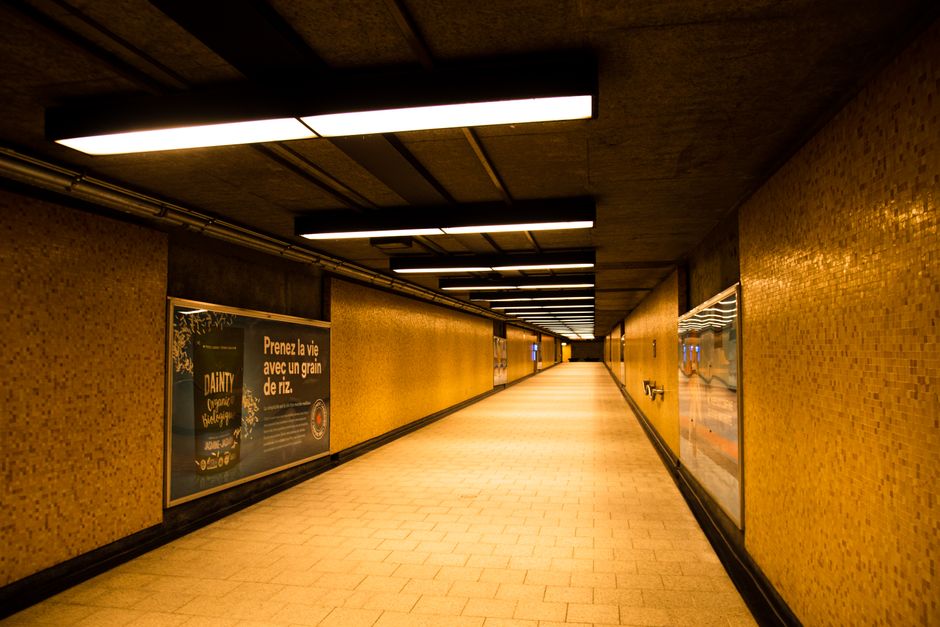
What if escaping the weather means stepping into a hidden passage where Montreal's ancient city walls are still visible, underground?
Beneath the sleek glass of the World Trade Centre lies the Passage Ruelle des Fortifications. This often-overlooked section of Montreal's Underground City (RESO) incorporates a remarkably preserved stretch of the original 18th-century fortifications, complete with a fountain featuring a statue of Amphitrite. It’s a surreal experience, walking alongside history literally buried beneath modern commerce, revealing the city's layers in an unexpected way.
2. Where New France Took Root
Maison Saint-Gabriel, Montreal, Canada
What if the roots of Montreal's French identity are best understood through the hands-on lives of the 'King's Daughters' who literally built its foundations?
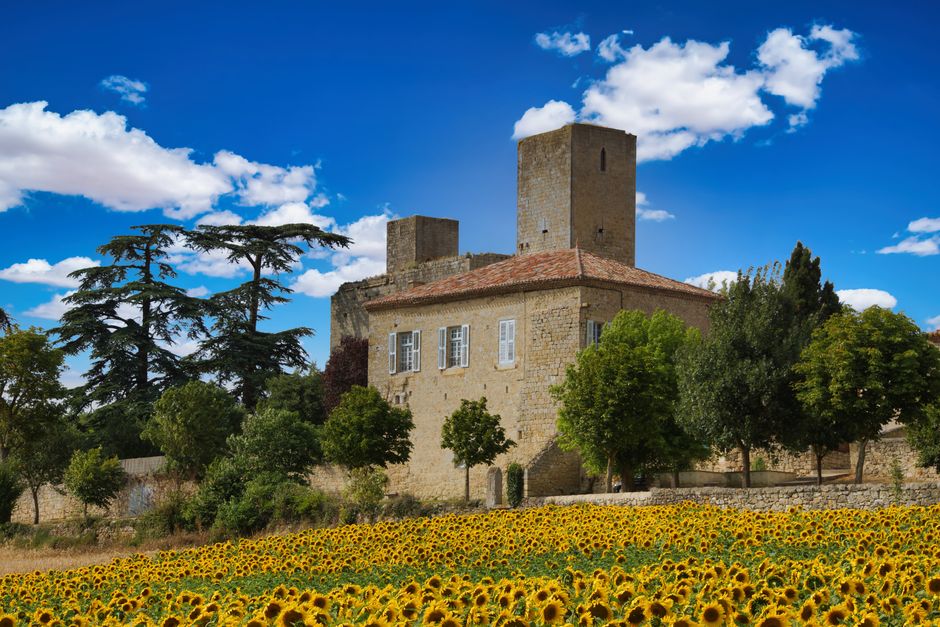
In Pointe-Saint-Charles, Maison Saint-Gabriel stands as a living testament to the Filles du Roy, the young women sent from France in the 17th century to populate New France. This meticulously preserved farm and school offers a glimpse into their daily struggles and resilience, from tending crops to learning trades. It’s a powerful connection to the individual stories behind the grand narratives, showing how a unique French-Canadian culture was forged through practical labor and community.
3. A Vision of Future Living, Decades Ago
Habitat 67, Montreal, Canada
What if Montreal's architectural landscape isn't just charming old buildings, but a daring, modular experiment from the future that never quite arrived?
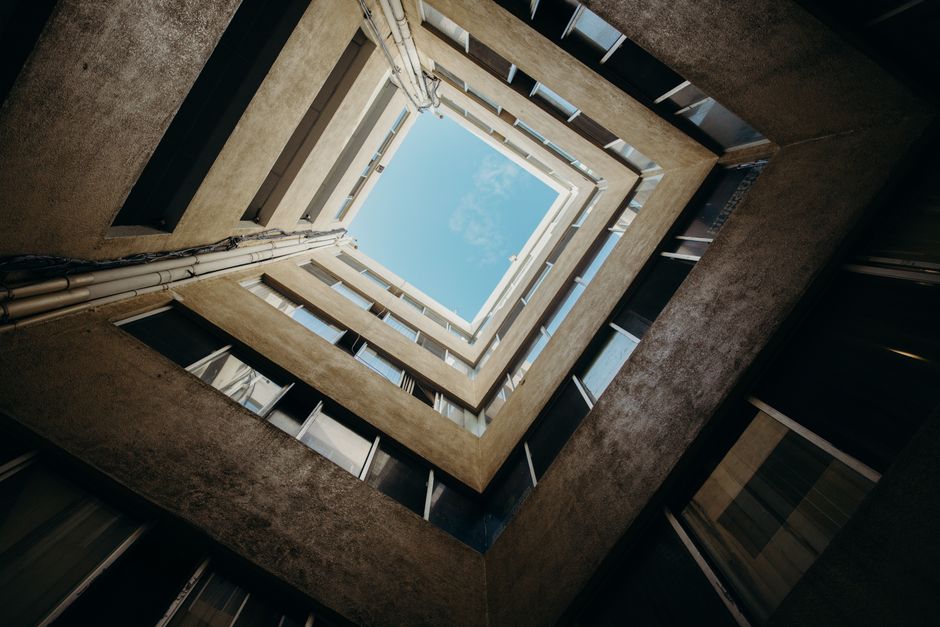
Habitat 67, designed by architect Moshe Safdie for Expo 67, remains a radical statement on urban living. Composed of 354 pre-fabricated concrete cubes stacked in an unconventional manner, it aimed to combine the privacy and gardens of suburban homes with the density of city apartments. Walking around this unique complex feels like visiting a utopian vision, reminding visitors of Montreal's bold ambitions and its pivotal role in shaping architectural thought, far beyond its historic core.
4. The Man-Made Island's Faded Glory
Île Notre-Dame, Parc Jean-Drapeau, Montreal, Canada
What if the very ground you walk on was created from the city's subway excavations, holding echoes of a spectacular, fleeting world's fair?
Île Notre-Dame, now a serene park and home to the F1 Grand Prix track, is entirely man-made, constructed from 15 million tons of rock excavated for the Montreal Metro. It was built specifically for Expo 67, a monumental world's fair that transformed the city. Today, amidst the greenery, one can still discover subtle architectural remnants and infrastructure from the Expo, offering a poignant glimpse into a futuristic vision that once flourished on this artificially formed island.
5. Echoes of Industry Along the Waterway
Lachine Canal National Historic Site, Montreal, Canada
What if a quiet, scenic canal was once the roaring heart of Montreal's industrial might, with forgotten ruins hinting at its powerful past?
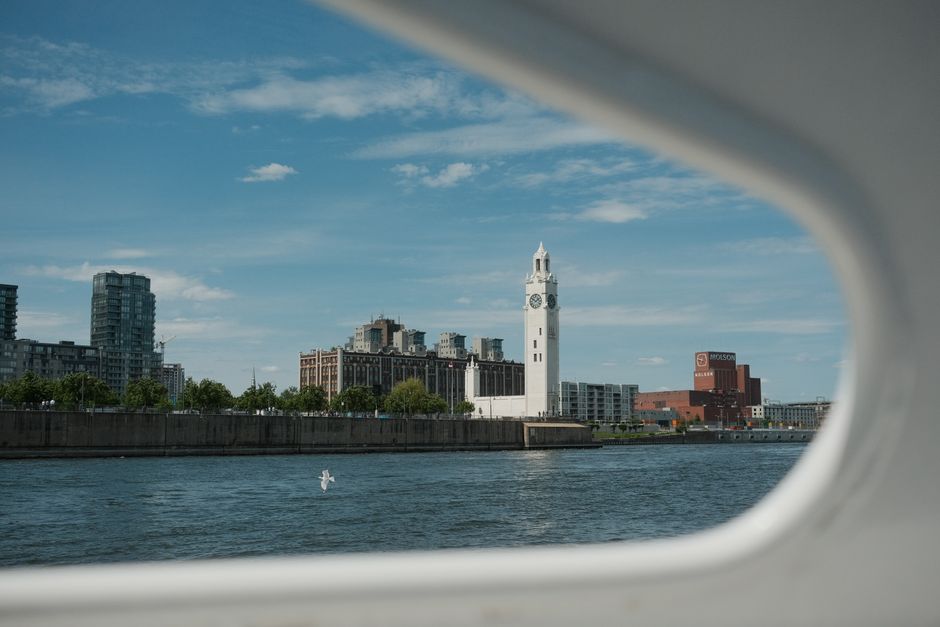
The Lachine Canal, now a peaceful recreational path, was once a crucial industrial artery that propelled Montreal to economic dominance in the 19th century. Along its banks, you can still find the weathered brick shells of old factories and mills, ghostly reminders of a time when the canal's waters powered a bustling manufacturing hub. These ruins offer a stark contrast to the modern tranquility, inviting reflection on the intense labor and innovation that built the city's foundations.
6. The Great Bagel Rivalry of Mile End
St-Viateur Bagel & Fairmount Bagel, Mile End, Montreal, Canada
What if Montreal's most iconic food isn't just a snack, but a delicious, decades-old cultural battle baked into every hand-rolled, wood-fired bite?
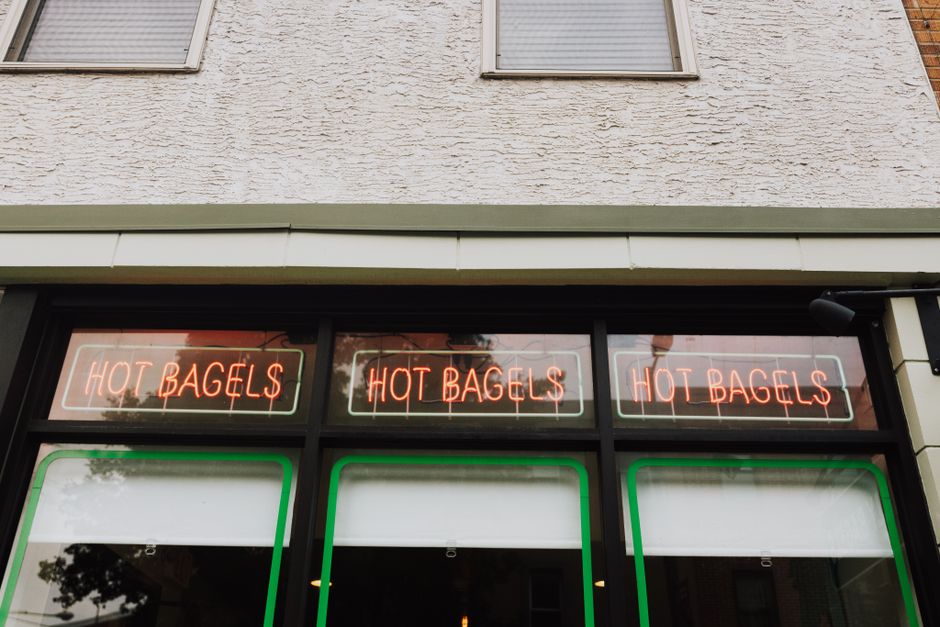
In the vibrant Mile End neighborhood, the legendary "bagel war" between St-Viateur Bagel and Fairmount Bagel is a culinary institution. Both bakeries, established in the 1950s, use traditional wood-fired ovens and a unique hand-rolling method that gives Montreal bagels their distinct chew and flavor. This friendly yet fierce rivalry isn't just about personal preference; it's a deeply ingrained part of local identity, where debating the "best" bagel is a delicious ongoing cultural conversation that defines the neighborhood.
7. The Biosphère: A Dome's Environmental Redemption
Biosphère, Parc Jean-Drapeau, Montreal, Canada
What if a futuristic geodesic dome, once a symbol of American ingenuity, now stands as a powerful beacon for environmental protection and water conservation?
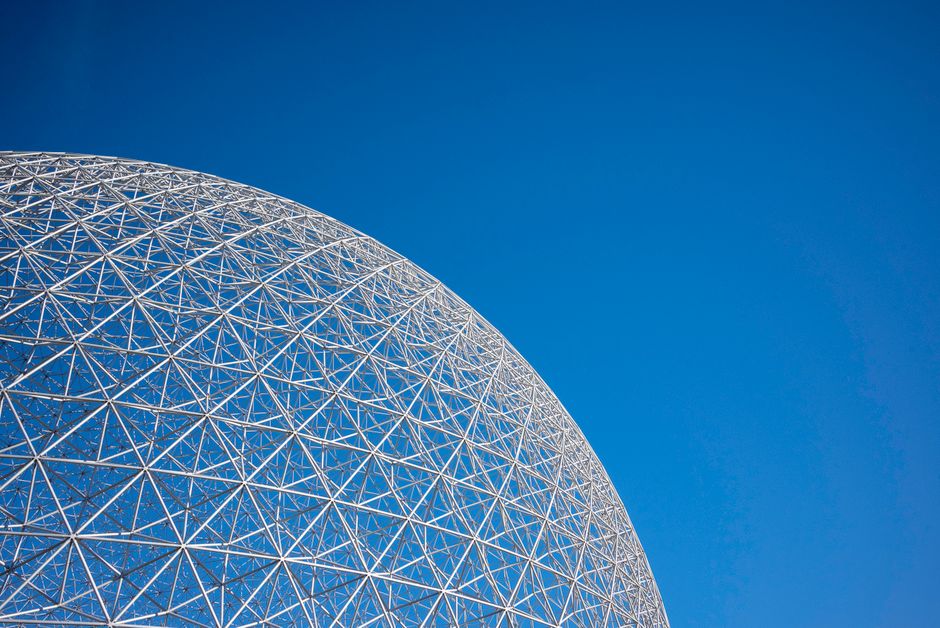
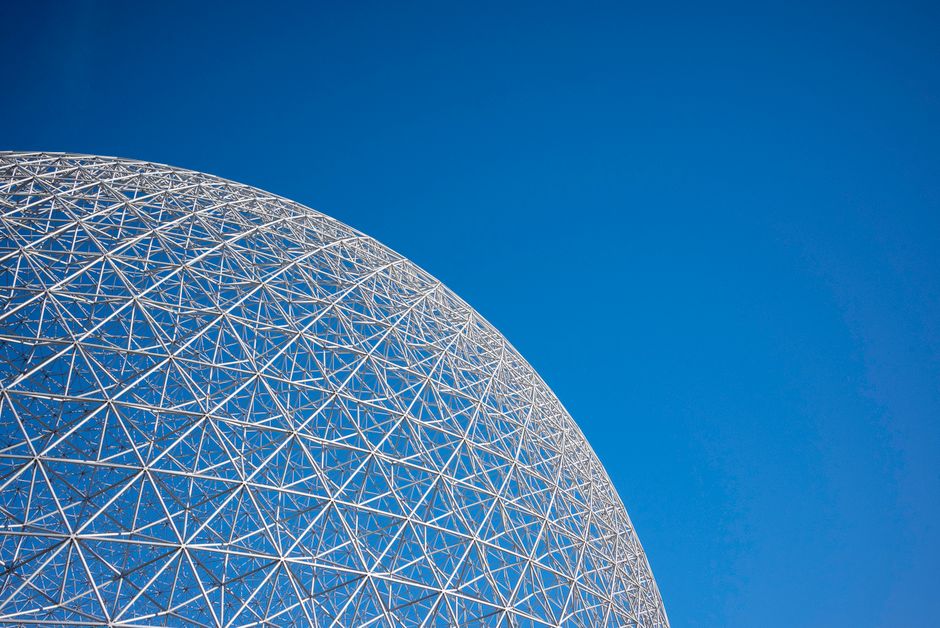
Originally the American Pavilion for Expo 67, Buckminster Fuller's iconic geodesic dome, the Biosphère, suffered a devastating fire in 1976. Reimagined, it now functions as an environmental museum dedicated to water and ecosystems. Its striking, skeletal structure houses interactive exhibits exploring climate change and sustainable development. This unique landmark, born from a world's fair and reborn from disaster, offers a compelling narrative about our planet's future, amidst a city known for its vibrant present.
Frequently asked questions
Is Montreal a walkable city?
Yes, many of Montreal's vibrant neighborhoods like Old Montreal, Plateau Mont-Royal, and Mile End are highly walkable, featuring charming streets, parks, and easy access to shops and cafes. The city also boasts an extensive underground pedestrian network, the RESO, which connects metro stations, shopping centers, and attractions, offering refuge during colder months.
What is the best time of year to visit Montreal?
Montreal is beautiful year-round, but many find late spring (May-June) and early fall (September-October) ideal. These seasons offer pleasant temperatures, fewer crowds than peak summer, and beautiful foliage in autumn. Summer (July-August) is vibrant with festivals but can be hot and busy, while winter provides a magical, snowy experience.
Is Montreal an expensive city to visit?
Montreal can be moderately expensive, especially for accommodation and dining in popular tourist areas. However, there are many ways to enjoy the city on a budget, such as utilizing the public transport system, exploring free attractions like parks and markets, and taking advantage of student discounts or local eateries outside the main tourist zones.
How can I discover more about Montreal's hidden stories?
To truly uncover Montreal's hidden depths and unique narratives, consider using the AllTours.ai app. Simply point your phone camera at any landmark, landscape, or even a local curiosity, and the app will instantly narrate its rich history, geology, and cultural significance in your preferred language, transforming your visit into a personalized journey of discovery.
Photography via Pexels. AllTours.ai is an AI audio tour guide — point your camera at any landscape and hear its story.