July 4, 2026 · 4 min read
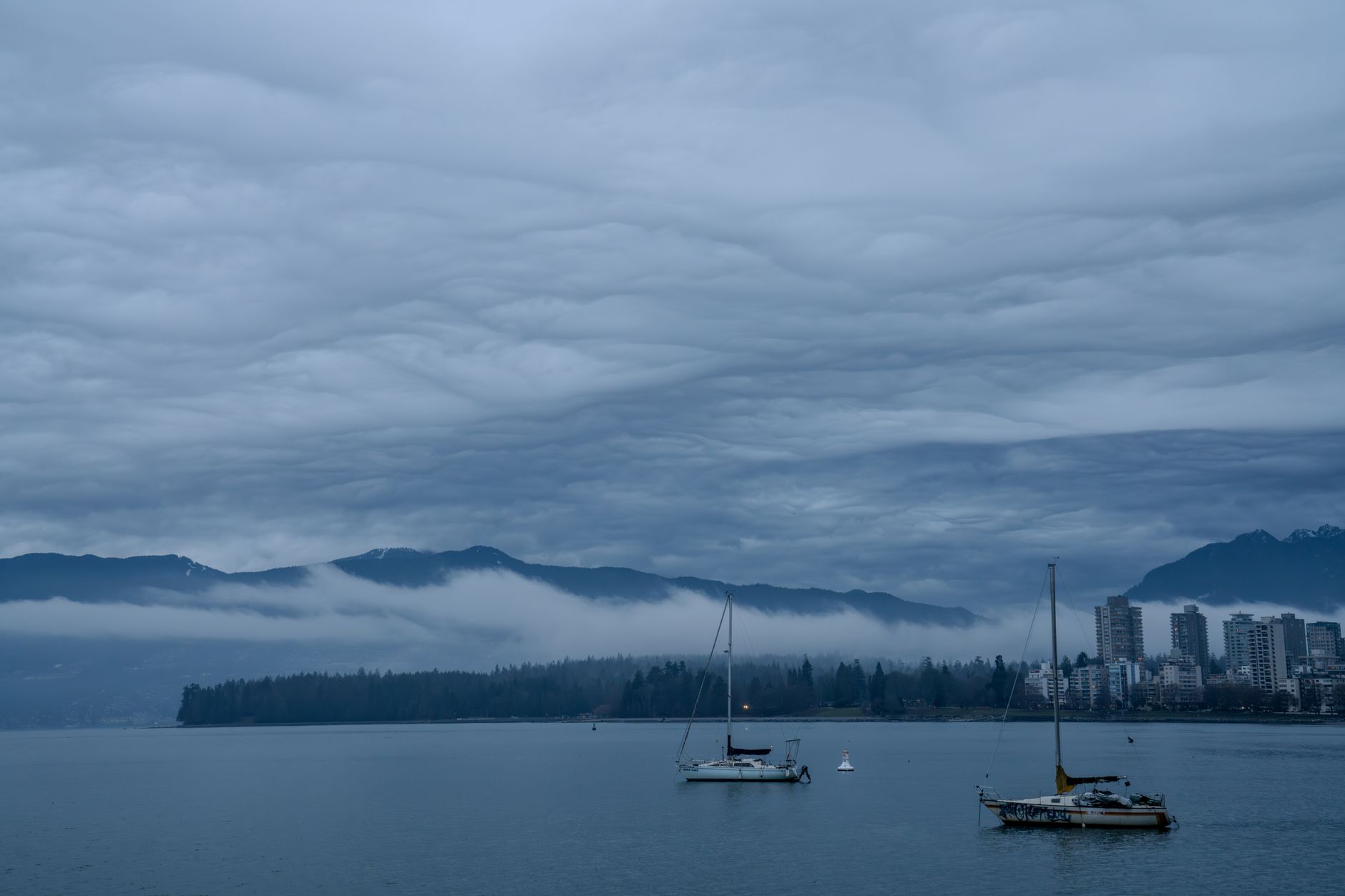
Vancouver has a reputation for rain, especially during the cooler months. For many, this might sound like a reason to seek sunnier shores. Yet, a remarkable number of residents and visitors find themselves utterly captivated, feeling no urge to leave, even when the skies are grey. What keeps them rooted here, despite the persistent drizzle?
The answer lies in the city's hidden depths. Beyond the iconic landmarks, Vancouver offers a tapestry of lesser-known places, each with a unique story that reveals the true character of this coastal metropolis. These are the spots where history whispers, geology shifts, and culture thrives, often enhanced rather than diminished by the atmospheric weather.
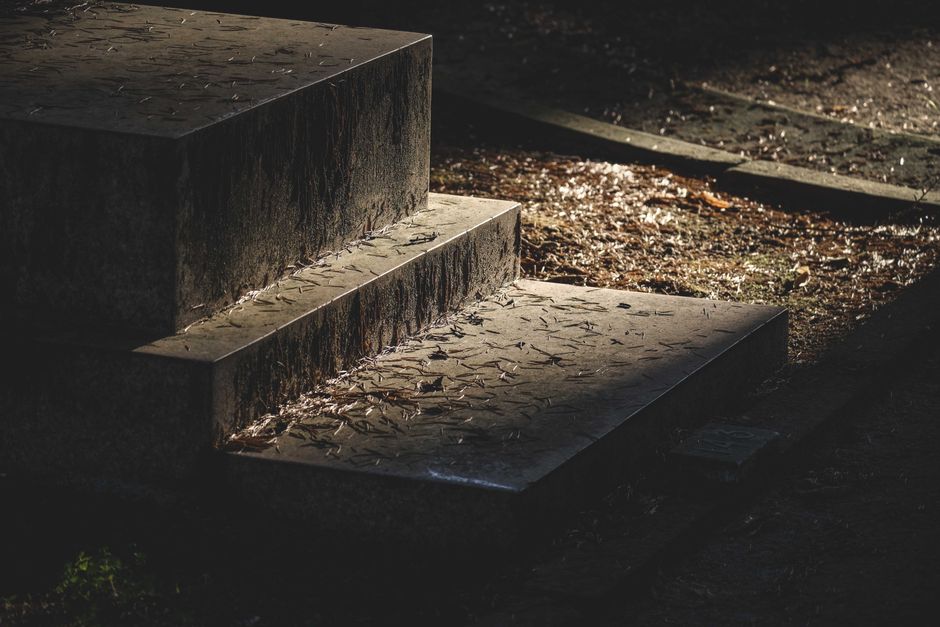
1. The Garden of Post-War Peace
UBC, Vancouver, Canada
This serene Japanese garden was built as a living memorial, fostering peace and understanding between nations after a world war.
Tucked away on the University of British Columbia campus, Nitobe Memorial Garden is considered one of the most authentic Japanese gardens outside Japan. It was conceived in the 1960s as a tribute to Inazō Nitobe, a Japanese diplomat and educator, and a symbol of reconciliation and cultural exchange between Canada and Japan post-World War II. Every stone, tree, and water feature is meticulously placed, adhering to traditional aesthetics to create a deeply contemplative and harmonious space.
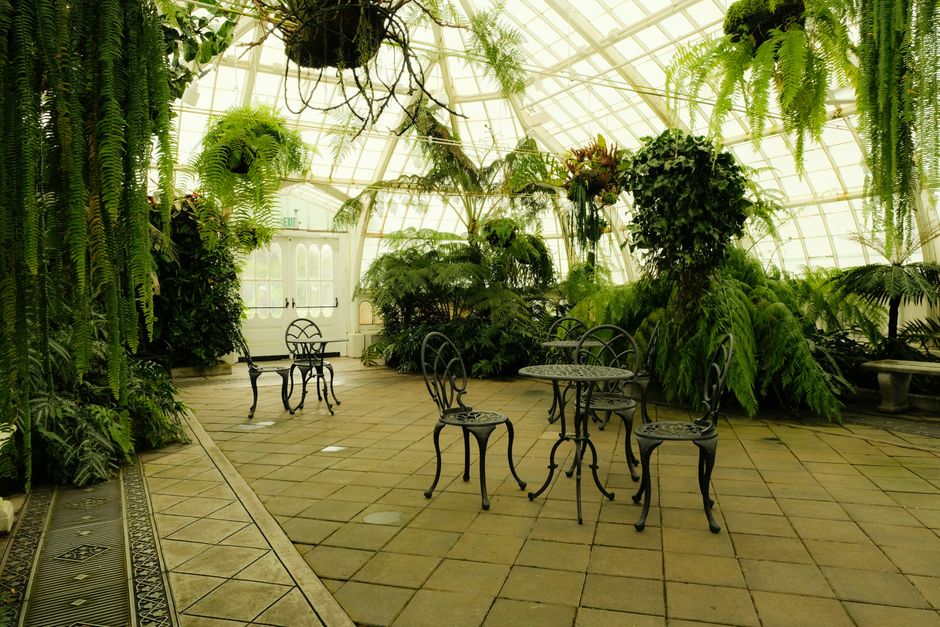
2. The Dome Born from a Bet
Queen Elizabeth Park, Vancouver, Canada
Vancouver's iconic tropical dome, housing exotic birds and plants, owes its existence partly to a unique philanthropic challenge.
Rising from the highest point in Queen Elizabeth Park, the Bloedel Conservatory is a striking triodetic dome that shelters a lush, humid world. Its creation in 1969 was made possible by a significant donation from Prentice Bloedel, a local timber magnate, who issued a matching challenge to the city. Inside, three distinct climatic zones—tropical, subtropical, and desert—support over 500 species of plants and a free-flying collection of exotic birds, offering a vibrant escape from any grey day.
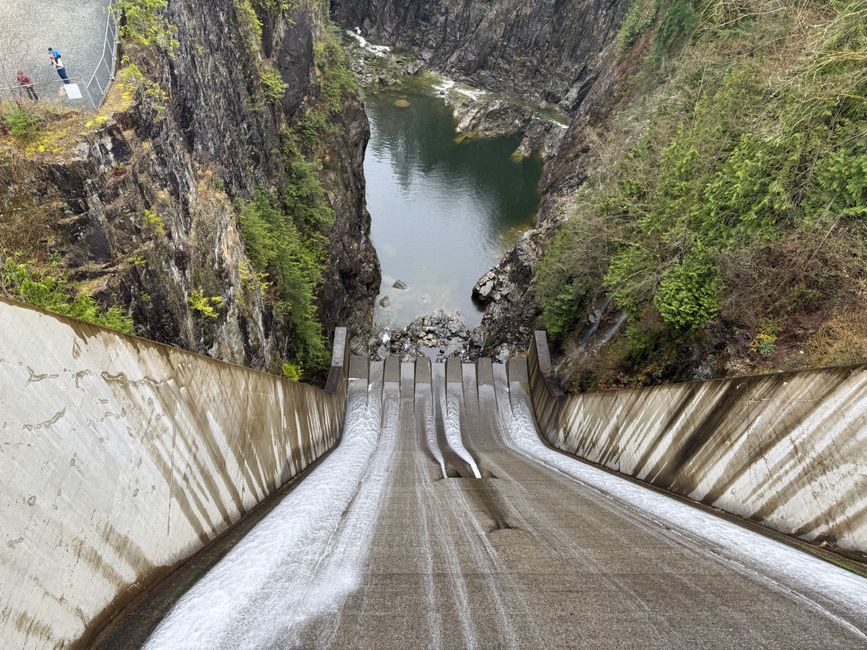
3. Where Rivers Remade Life
North Vancouver, Canada
This vital salmon hatchery was established after a historic flood catastrophically altered the Capilano River's entire ecosystem.
Below the towering Cleveland Dam, the Capilano River Hatchery plays a critical role in preserving local salmon populations. Its location and purpose were directly influenced by the 'Great Flood' of 1921, which dramatically reshaped the riverbed and destroyed previous fish runs. Today, visitors can witness the incredible lifecycle of coho and chinook salmon and steelhead trout, observing them in viewing tanks and learning about the immense efforts required to support their migration to and from the Pacific Ocean.
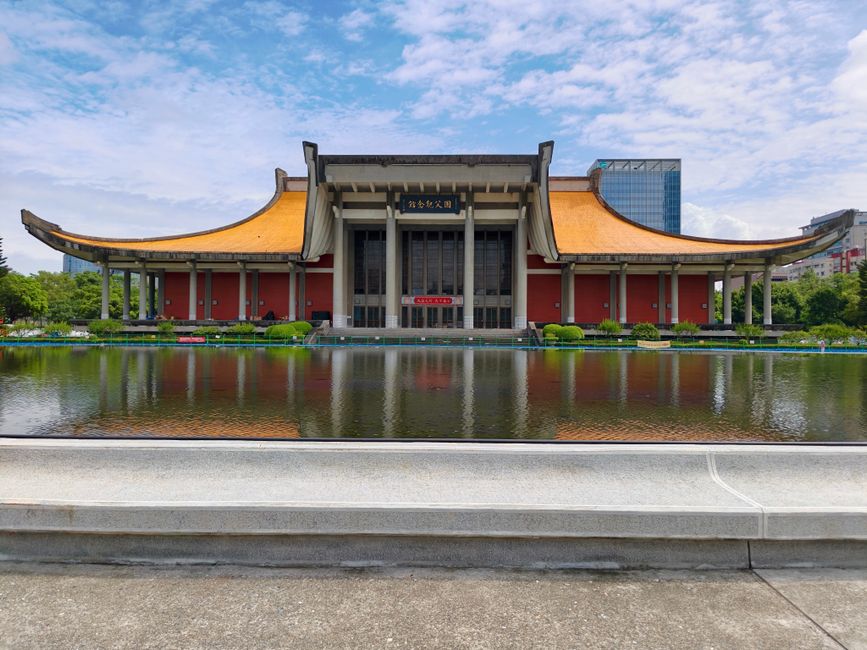
4. The Garden of Ancient Craft
Chinatown, Vancouver, Canada
This tranquil Ming Dynasty-style garden was built without nails or screws, relying on traditional Chinese joinery and philosophical design.
Tucked into the bustling heart of Chinatown, the Dr. Sun Yat-Sen Classical Chinese Garden is a masterpiece of Ming Dynasty design. It was the first authentic 'scholars garden' built outside of China, constructed by artisans from Suzhou using traditional methods—no power tools, no nails, no screws. Every element, from the carefully selected rocks to the winding pathways, is arranged according to ancient principles of feng shui and yin-yang, creating a balanced micro-universe intended for contemplation and peace.
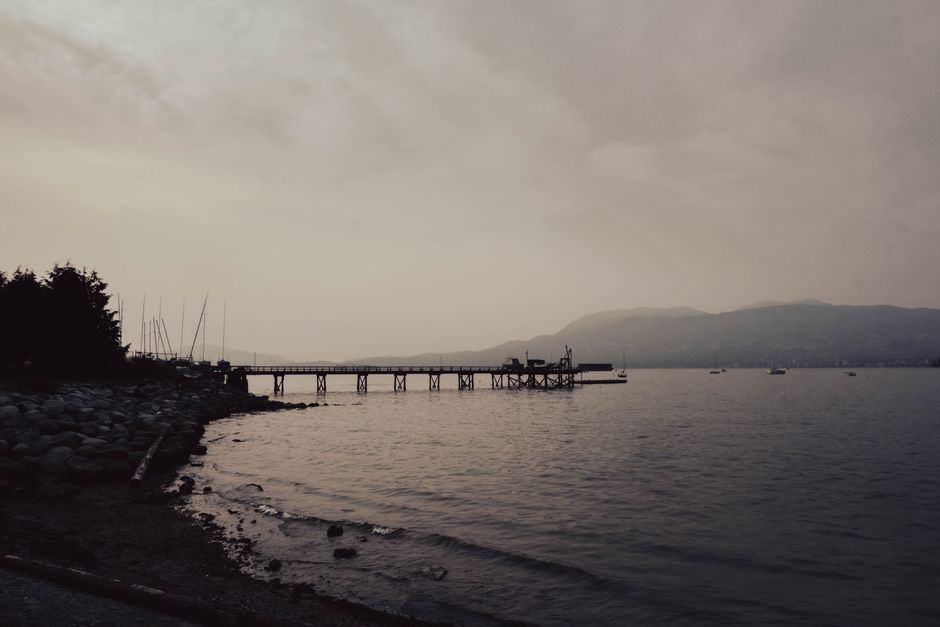
5. The Secret Pipe Under the Path
Richmond, Canada
A beautiful, windswept jetty stretching into the Strait of Georgia secretly conceals a massive urban infrastructure project beneath its surface.
Iona Beach Regional Park offers an expansive, almost otherworldly landscape where a 4-kilometre-long jetty extends deep into the ocean. This seemingly natural path serves a unique dual purpose: it encases a substantial pipe that transports treated effluent from the Iona Island Wastewater Treatment Plant far offshore. This innovative design integrates essential city services with a popular recreational area, making it a prime spot for birdwatching and solitary walks with panoramic views of the water and distant mountains.
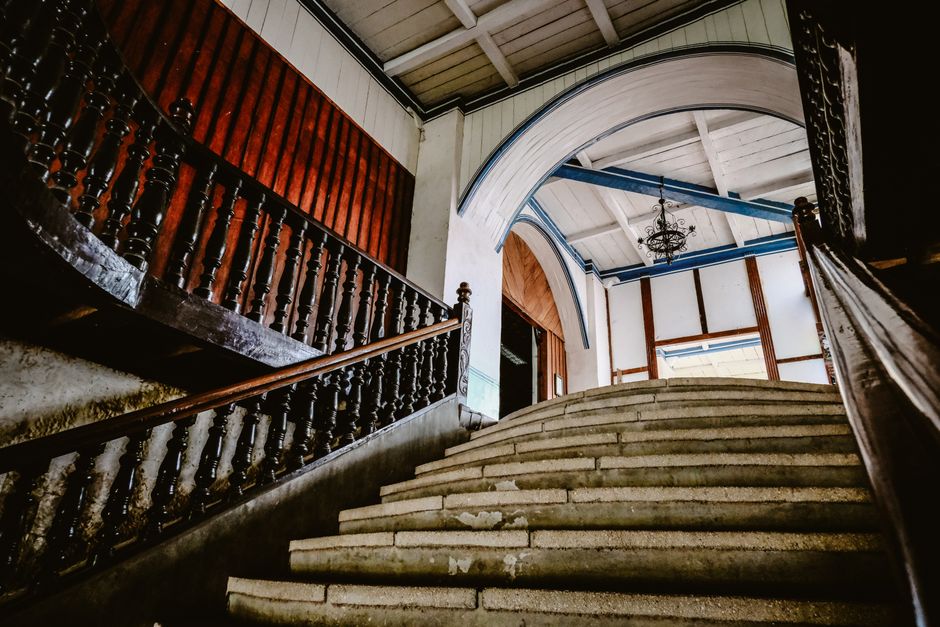
6. A Glimpse into Vancouver's Gilded Age
West End, Vancouver, Canada
Step inside a perfectly preserved Victorian home where the original family's belongings still tell stories of Vancouver's earliest days.
The Roedde House Museum offers an intimate journey back to late 19th-century Vancouver. This Queen Anne Revival-style home, built in 1893, was the residence of Gustav Roedde, the city's first bookbinder, and his family. Unlike many historic homes, much of its original furniture, art, and personal effects remain intact, offering an authentic snapshot of middle-class life during Vancouver's formative years. It's a quiet, detailed escape into the city's domestic past, hidden amidst the modern West End.
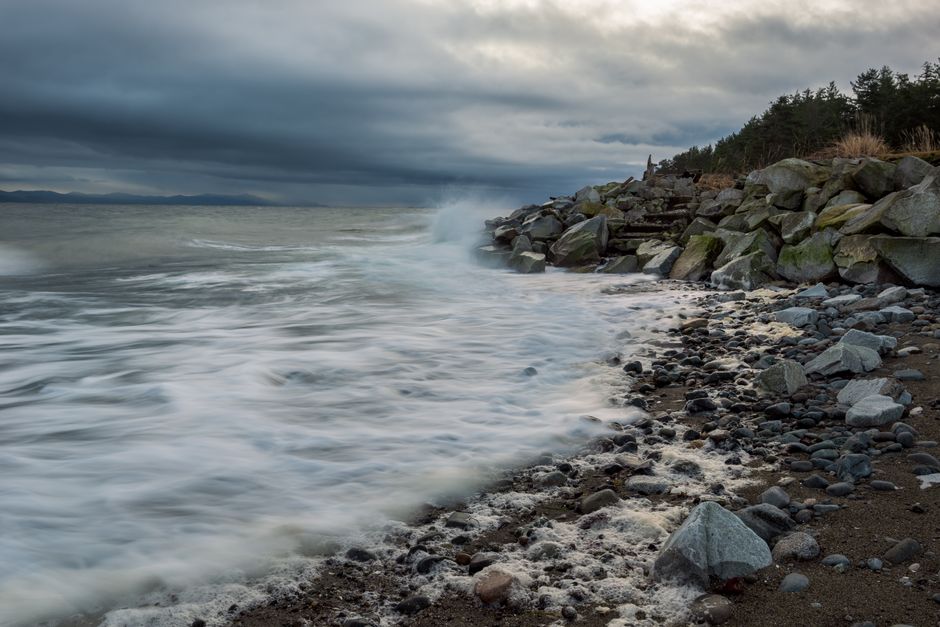
7. Ancient Shores, Modern Freedoms
UBC, Vancouver, Canada
Beyond its modern reputation, this secluded beach holds centuries of Indigenous history and constantly reveals geological secrets from its shifting cliffs.
Wreck Beach, famously known for its clothing-optional policy, is far more than just a place for sunbathing. Located at the base of dramatic, eroding cliffs near UBC, this stretch of sand and pebbles has been a traditional gathering, fishing, and ceremonial site for the Musqueam First Nation for thousands of years. The powerful forces of the Pacific continue to reshape its shoreline and bluffs, occasionally unearthing ancient artifacts and providing a raw, untamed counterpoint to the city's urbanity.
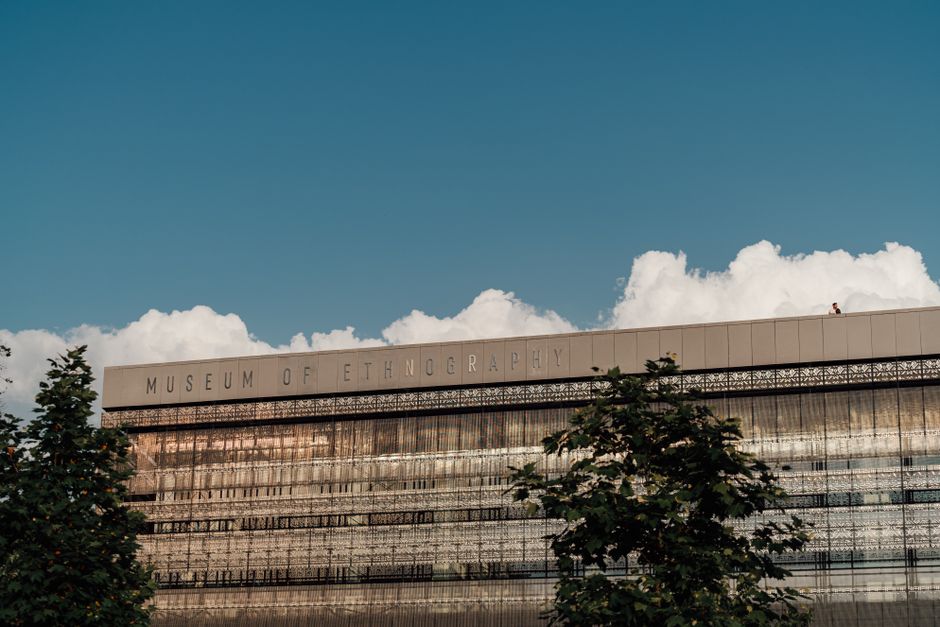
8. Where Architecture Echoes Ancestry
UBC, Vancouver, Canada
This architectural marvel houses a world-renowned collection of Indigenous art within a structure designed to evoke traditional longhouses.
Perched on cliffs overlooking the ocean at the University of British Columbia, the Museum of Anthropology is a testament to both stunning design and profound cultural heritage. Designed by acclaimed architect Arthur Erickson, its soaring concrete and glass structures intentionally echo the traditional post-and-beam longhouses of the Northwest Coast Indigenous peoples. Inside, one of the world's finest collections of First Nations art, including monumental totem poles and intricate carvings, is displayed with reverence, connecting visitors directly to the rich history and artistic legacy of the region.
Frequently asked questions
Is Vancouver really rainy?
Yes, Vancouver experiences significant rainfall, particularly from October to April. However, this rain often brings a lush green landscape and unique atmospheric beauty. The city is designed to embrace the wet weather, with many indoor attractions and outdoor activities adapted for it.
What are some unique things to do in Vancouver when it's raining?
Beyond the obvious museums, explore places like the Bloedel Conservatory for an indoor tropical escape, the Roedde House Museum for a historical journey, or the Dr. Sun Yat-Sen Classical Chinese Garden, which takes on a particularly serene quality in the rain. Coffee shops, art galleries, and cozy restaurants also abound.
Is Vancouver a good city for nature lovers even in winter?
Absolutely. The mild climate means snow is rare in the city center, and many trails in regional parks remain accessible. The rain enhances the vibrant greens of the rainforests, and places like Iona Beach Regional Park or the Capilano River Hatchery offer unique wildlife viewing experiences that thrive in the cooler, wetter months.
How does the AllTours.ai app enhance a visit to Vancouver?
AllTours.ai transforms your phone into an AI audio tour guide. Simply point your camera at any landmark, landscape, or even a specific art piece, and the app will instantly narrate its history, geology, and cultural significance in your preferred language. It's like having a local expert reveal the hidden stories of Vancouver, rain or shine.
Photography via Pexels. AllTours.ai is an AI audio tour guide — point your camera at any landscape and hear its story.