September 19, 2026 · 4 min read
Before the vast North Sea oil discoveries transformed its economy, Norway's GDP per capita lagged behind its Scandinavian neighbors, Denmark and Sweden, and the Alpine powerhouse, Switzerland. This economic divergence, particularly pronounced before 1960, often sparks curiosity among travelers and historians alike.
The answer lies in a fascinating tapestry of early industrialization, specialized manufacturing, strategic trade, and innovative agricultural practices that defined these nations. Beyond the well-trodden tourist paths, hidden corners of these countries tell stories of the ingenuity and hard work that laid the groundwork for their enduring prosperity.
1. Sweden's Ancient Iron Heartbeat
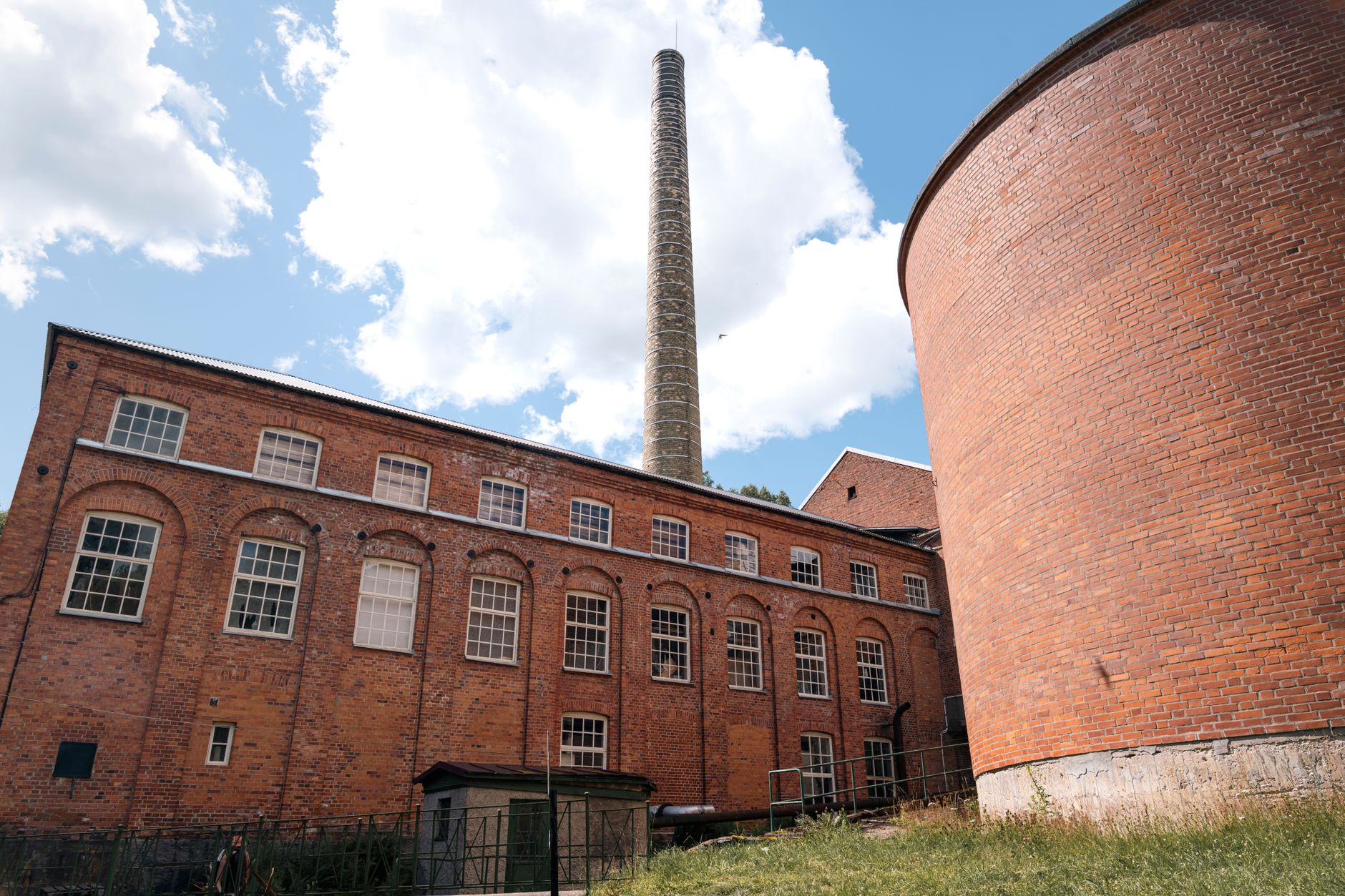
Engelsberg Ironworks, Sweden
This idyllic manor hides a revolutionary 18th-century industrial process that built Sweden's economic foundation.
Nestled in the Bergslagen region, Engelsberg Ironworks is the world's most complete surviving example of an 18th-century industrial ironworks. Its water-powered machinery and blast furnaces were at the forefront of iron production, a commodity that fueled Sweden's economy for centuries. The sophisticated methods here, long before the modern engineering giants, established Sweden as a crucial player in global metals trade.
2. Switzerland's Secret Mountain Mine
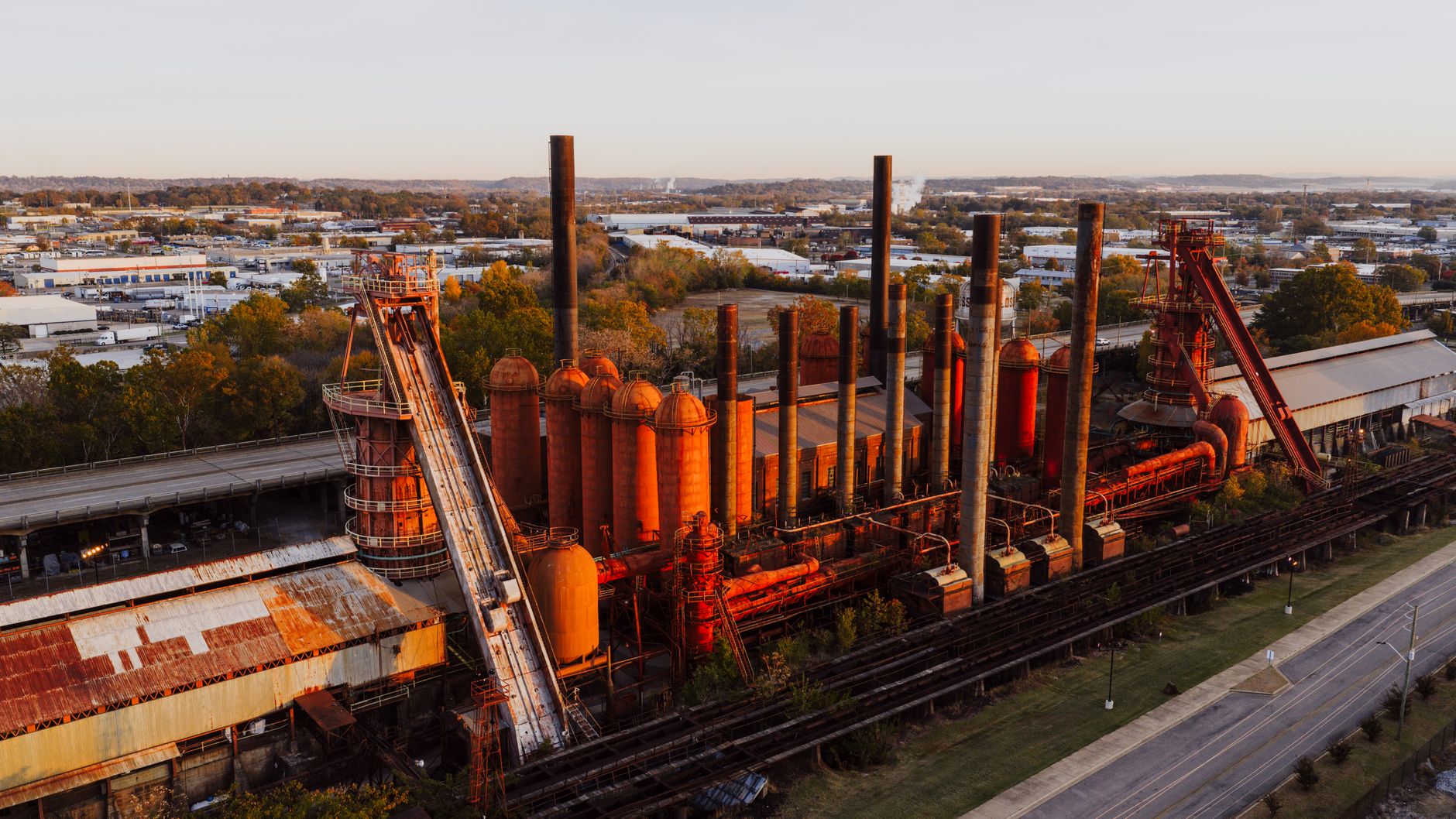
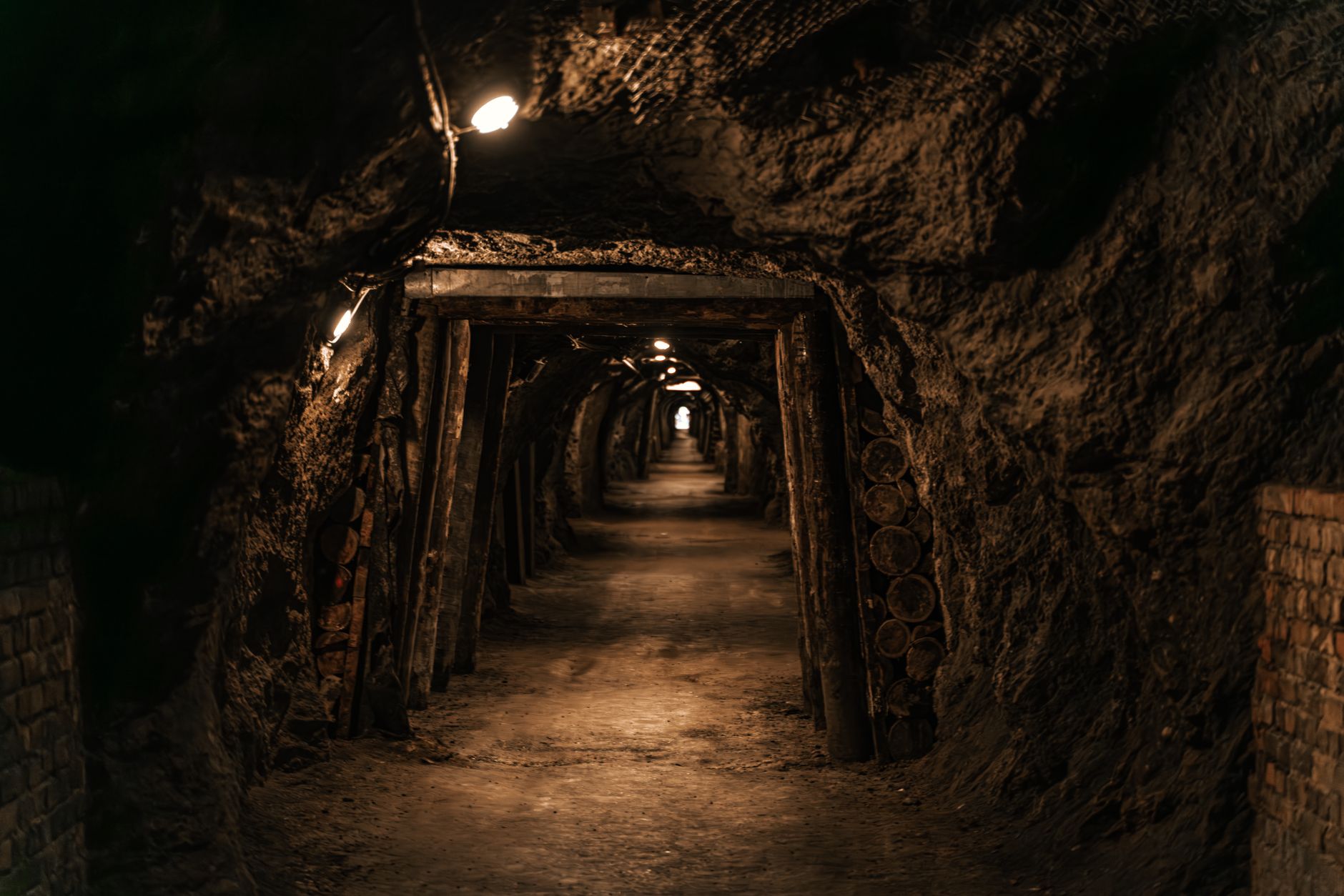
Gonzen Mine, Sargans, Switzerland
Deep within a Swiss mountain lies a secret iron mine that supplied the nation's early industrial ambitions for centuries.
High above the town of Sargans, the Gonzen Mine operated for over 2,000 years, finally closing in 1966. This ancient iron ore mine, though not as massive as others globally, was vital for Switzerland, a nation often perceived as resource-poor. It provided essential raw materials for the country's burgeoning metalworking and precision industries, demonstrating Switzerland's long-standing, if modest, self-sufficiency in industrial resources.
3. Denmark's Cannon Capital
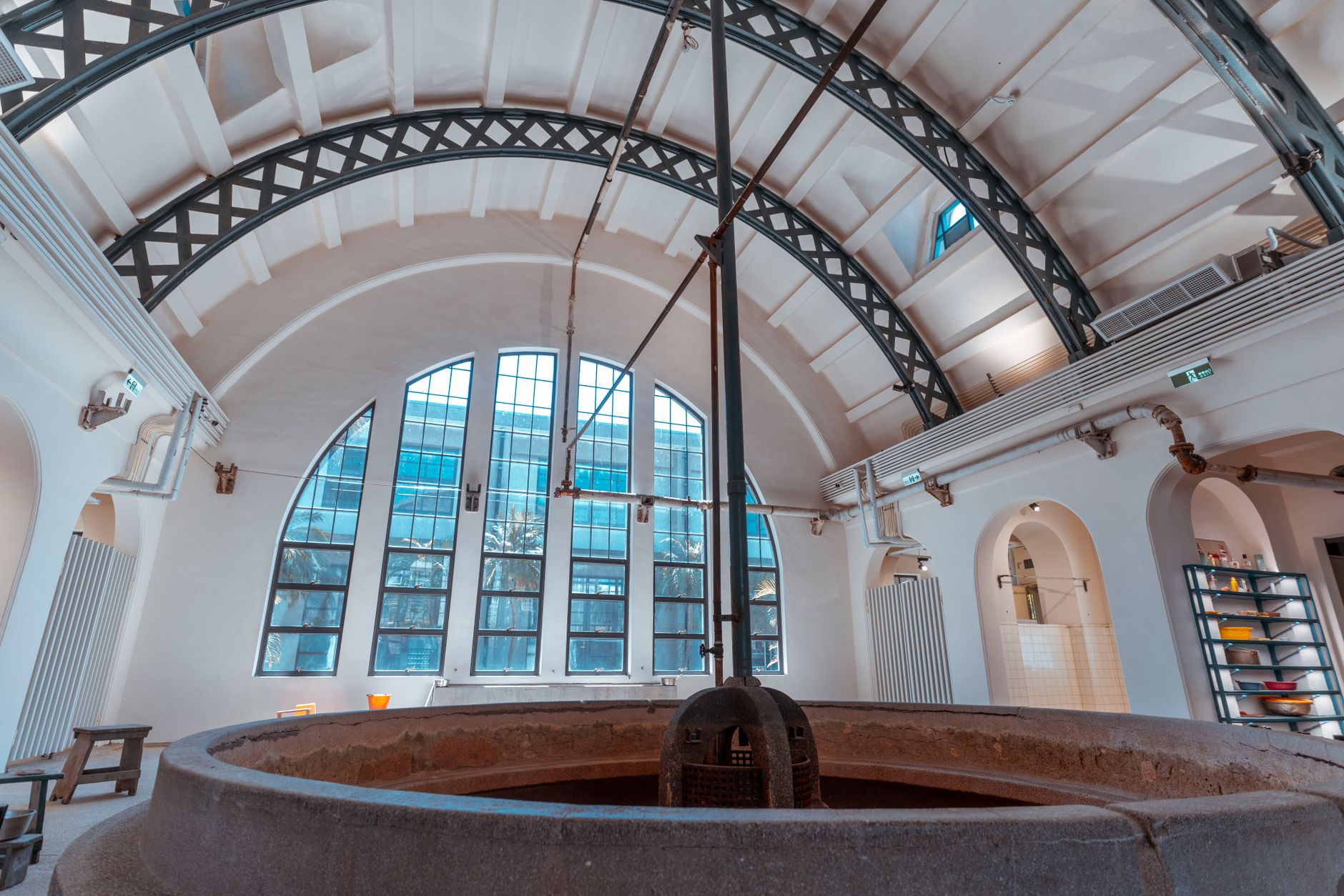
Frederiksværk, Denmark
Denmark's tranquil countryside holds the unlikely birthplace of its industrial might, a town built from scratch to forge cannons.
Founded in the mid-18th century by King Frederik V, Frederiksværk was Denmark's first true industrial town, specifically established to produce cannons and other armaments for the state. This ambitious project showcased early state-sponsored industrialization and a diversification beyond agriculture. The town harnessed water power from the Arresø lake, transforming it into a center for metal production and a symbol of Denmark's early industrial policy.
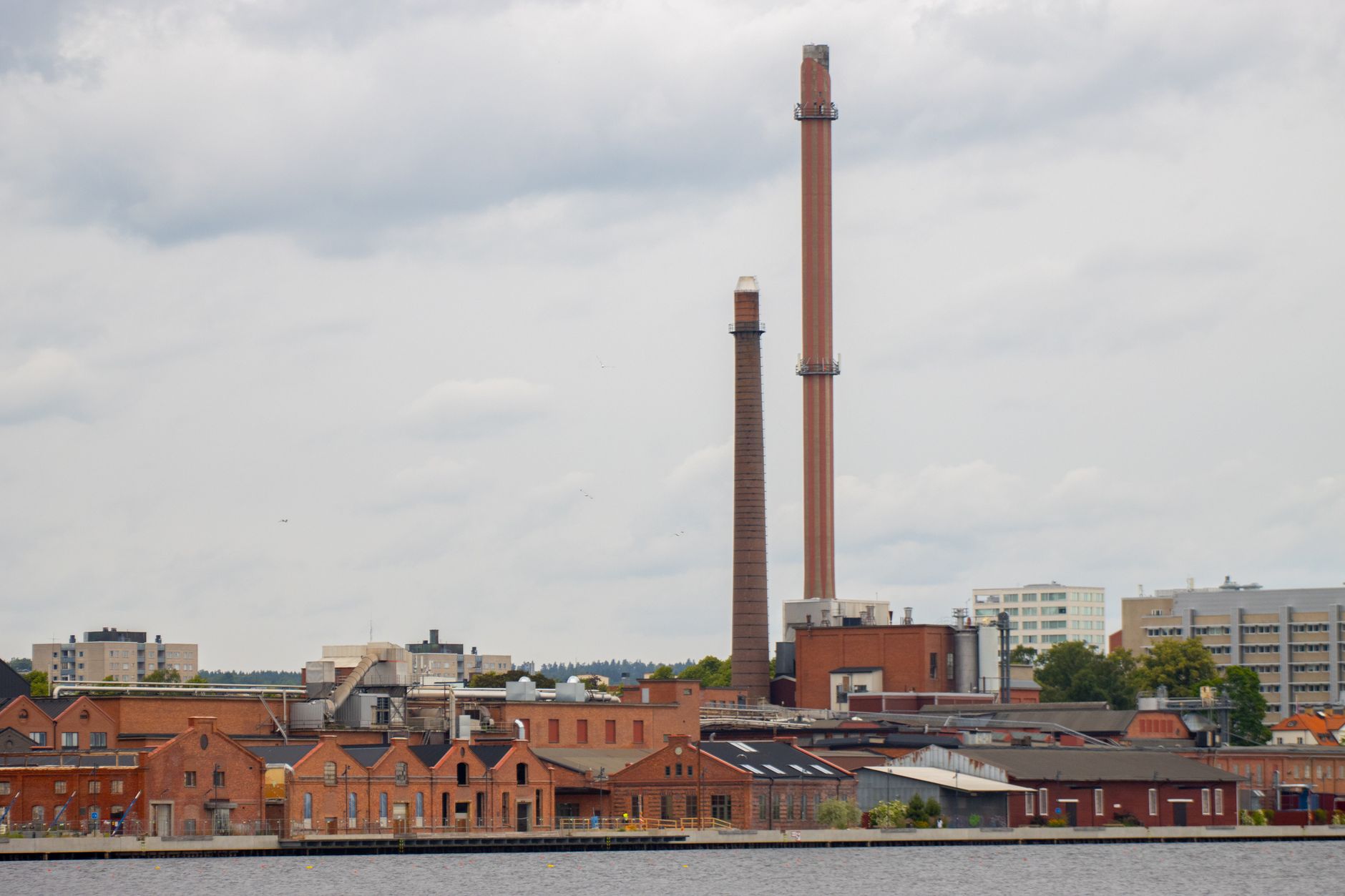
4. The City That Lit the World
Jönköping, Sweden
For decades, the world lit up thanks to a single Swedish city, dominating the global matchstick market.
In the 19th and early 20th centuries, Jönköping became the undisputed global capital of matchstick production. The 'Swedish Safety Match' was invented here, offering a safer alternative to older, more dangerous varieties. This city's factories, driven by ingenious engineering and efficient production lines, exported billions of matches annually, illustrating Sweden's knack for specialized, high-volume manufacturing and its strategic role in international trade.
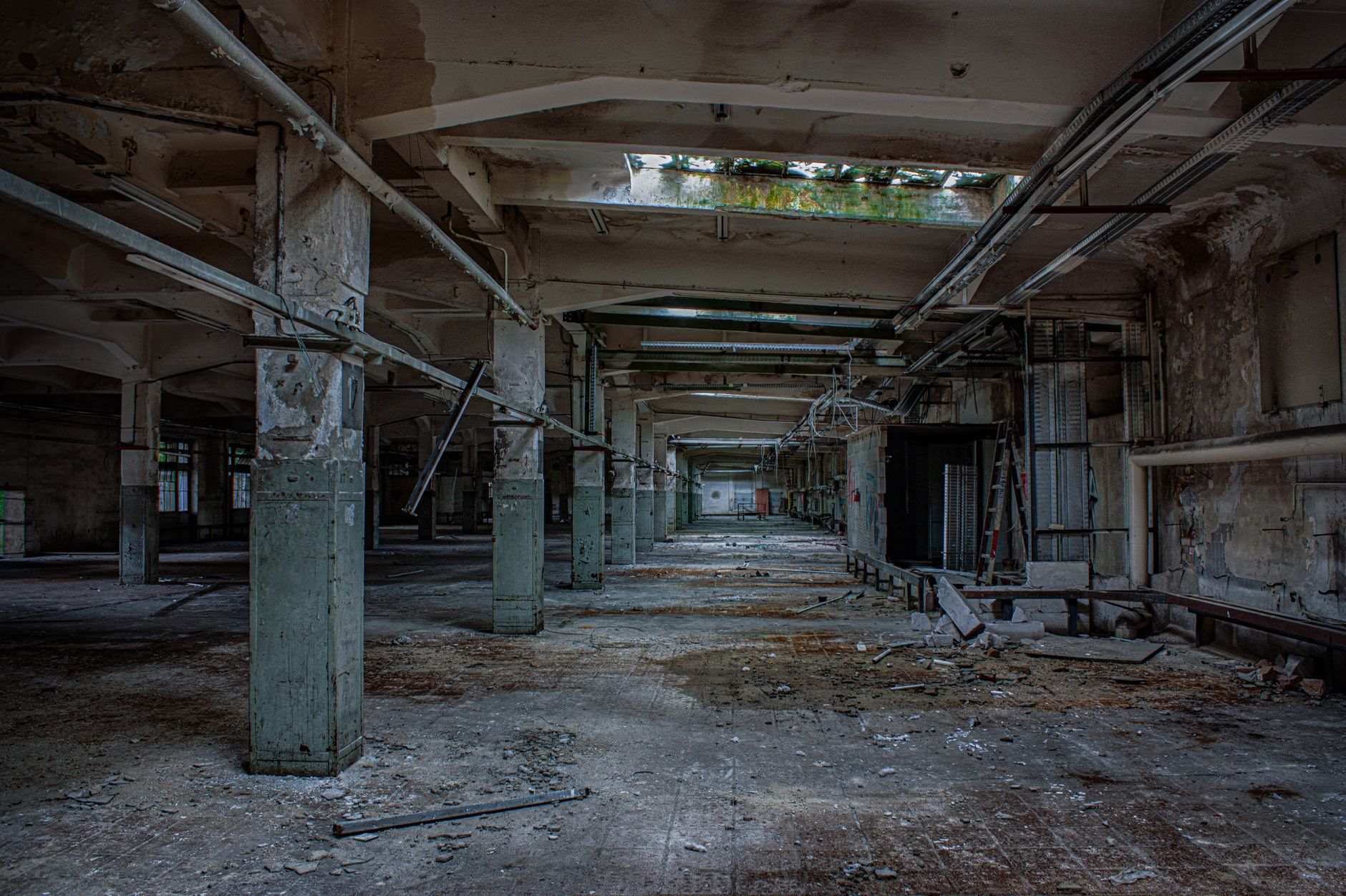
5. Switzerland's Ribbon Weavers
Aarau, Switzerland
This quiet Swiss town once wove the intricate silk ribbons that adorned European aristocracy, a testament to its precision heritage.
Before the rise of its famous watch industry, Aarau was a prominent center for silk ribbon production, particularly in the 18th and 19th centuries. The city's skilled artisans produced intricate, high-quality textiles that were exported across Europe. This early focus on specialized, high-value craftsmanship laid the groundwork for Switzerland's later dominance in precision mechanics and luxury goods, demonstrating a long tradition of skilled labor and meticulous attention to detail.
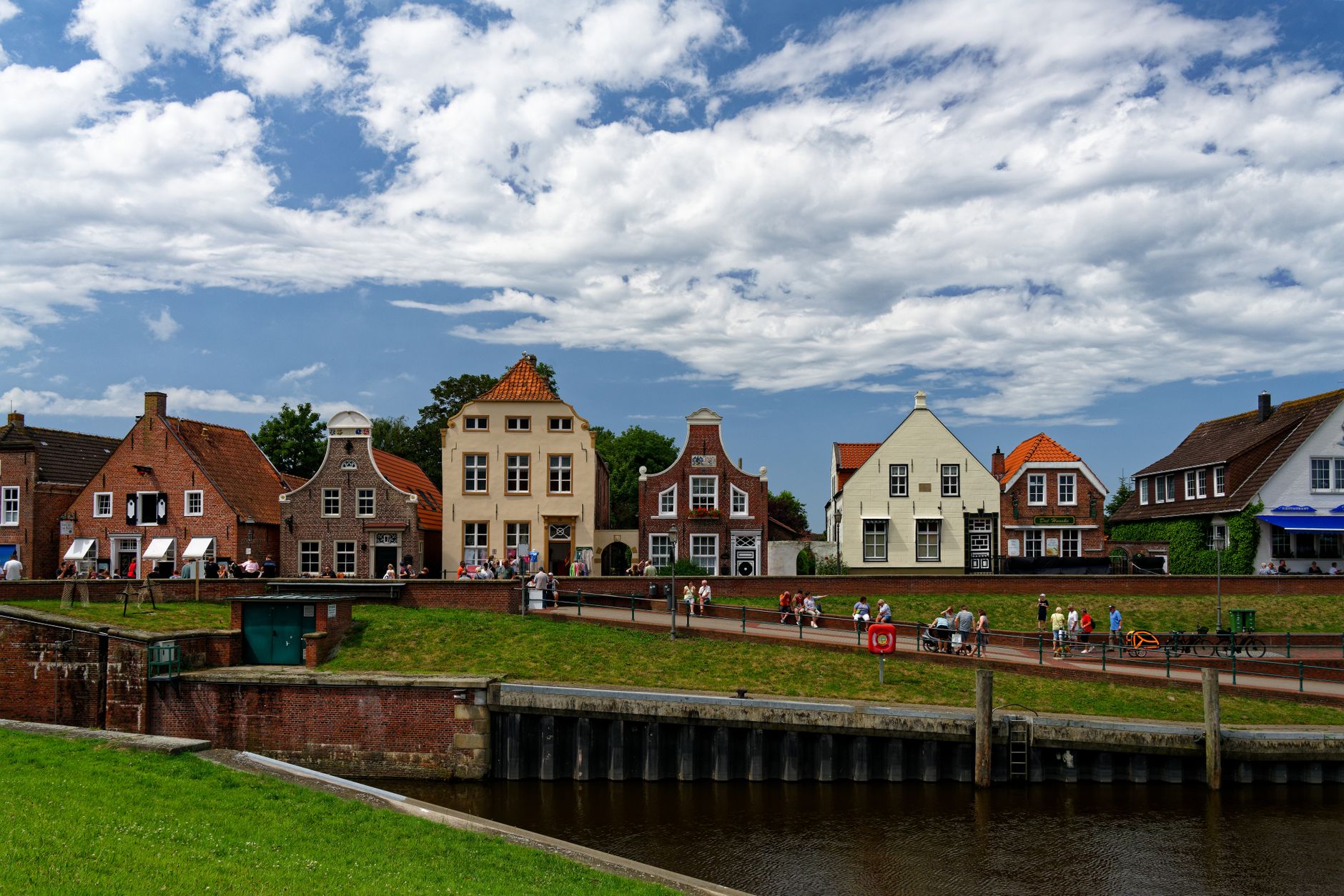
6. Denmark's Ancient Glass & Trade Hub
Ebeltoft, Denmark
Before its charming streets drew tourists, this Danish port was a hub of ancient glassmaking and vital Baltic Sea trade.
Ebeltoft, a picturesque market town on Denmark's east coast, boasts a rich maritime history and was a significant trading port in the Baltic Sea for centuries. Beyond its fishing fleets, the town was also known for its early glass production, utilizing local sand and timber. This combination of robust trade networks and diverse small-scale industries contributed significantly to Denmark's early economic strength, connecting it to wider European markets.
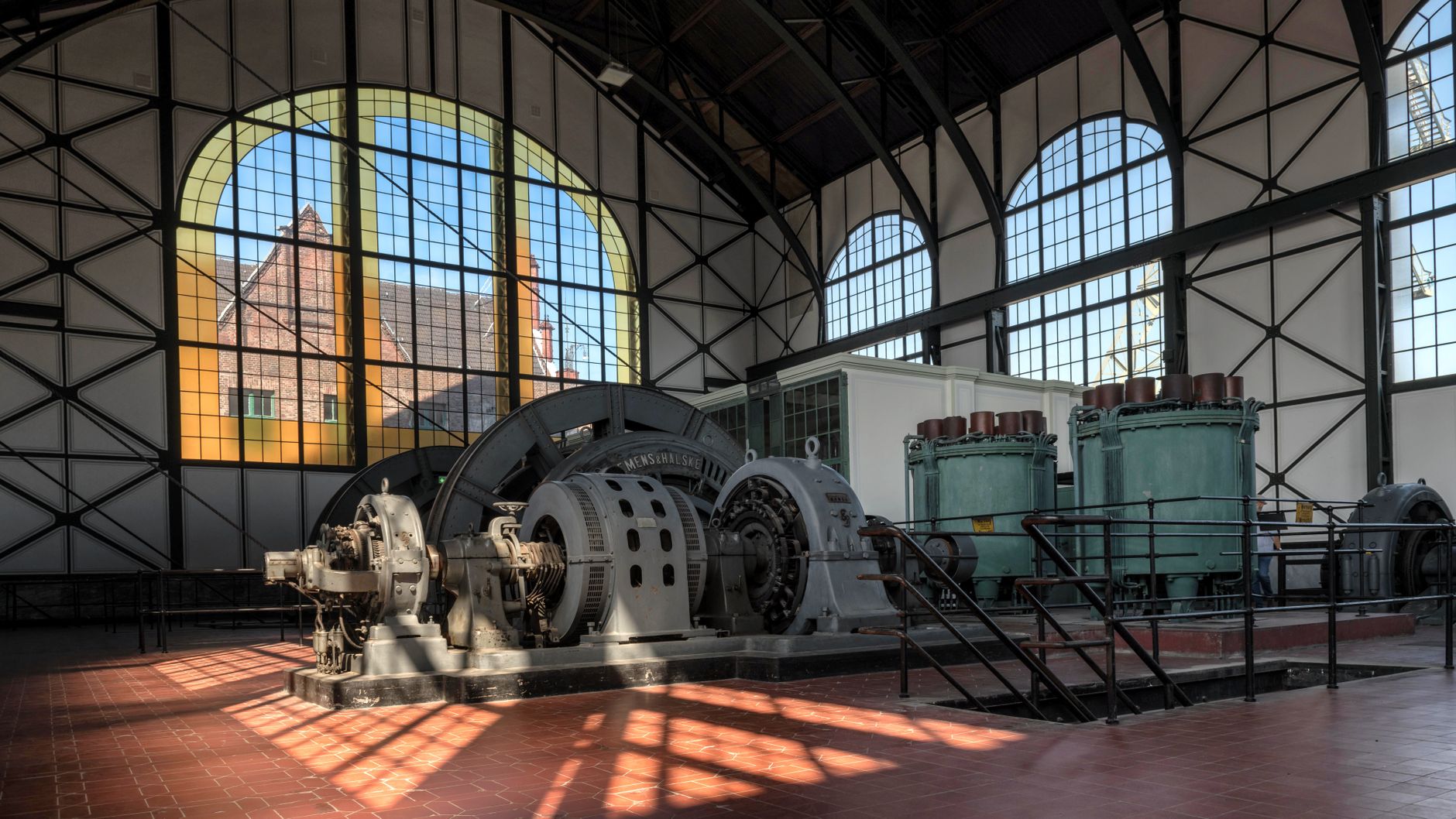
7. Sweden's Chemical Powerhouse
Ljungaverk, Sweden
A remote Swedish waterfall powered a chemical revolution, becoming a surprising epicenter of early 20th-century industrial innovation.
Ljungaverk, established in the early 20th century, was a pioneering site for Sweden's chemical industry, harnessing the power of the Ljungan River for hydroelectricity. This remote location became a hub for producing calcium carbide and other vital industrial chemicals, showcasing Sweden's strategic investment in advanced industries and renewable energy. It represents how early adoption of hydropower allowed Sweden to develop energy-intensive manufacturing, contributing significantly to its economic growth.

8. Switzerland's Hand-Embroidery Empire
Appenzell, Switzerland
The intricate embroidery crafted in these Swiss valleys once rivaled its famous cheese as a global export, sustaining a unique rural economy.
Beyond its iconic cheese and pastoral landscapes, the Appenzell region was historically renowned for its exquisite hand-embroidery industry. From the 18th century onwards, intricate lacework and embroidered textiles, often featuring delicate white-on-white designs, were a major source of income for rural households. This highly specialized craft created a robust export market, demonstrating Switzerland's ability to turn precision and artistry into significant economic value, even in its most traditional regions.
Frequently asked questions
What were Norway's primary economic activities before 1960?
Fishing, shipping, forestry, and some early hydropower-intensive industries like aluminum and fertilizer production formed the backbone of Norway's pre-1960 economy. Its rugged geography and dispersed population made large-scale industrialization challenging compared to its neighbors.
How did Switzerland maintain a high GDP per capita without significant natural resources?
Switzerland focused on high-value, precision manufacturing (watches, textiles, machinery), banking, and specialized services. Its political neutrality and skilled workforce also attracted capital and talent, fostering a stable, innovation-driven economy.
What role did agriculture play in Denmark's economic success before 1960?
Danish agriculture, particularly dairy, underwent a transformative cooperative movement in the late 19th and early 20th centuries, leading to highly efficient, export-oriented production. This created significant wealth, supported a strong domestic market, and funded industrial development.
How does the AllTours.ai app enhance travel to historical sites?
AllTours.ai allows you to point your phone camera at any landmark or landscape, and it instantly narrates its history, geology, and culture in your language. It provides an immersive, personalized guide, revealing the hidden stories of places you visit without needing pre-downloaded tours or extensive research.
Photography via Pexels. AllTours.ai is an AI audio tour guide — point your camera at any landscape and hear its story.