July 10, 2026 · 4 min read
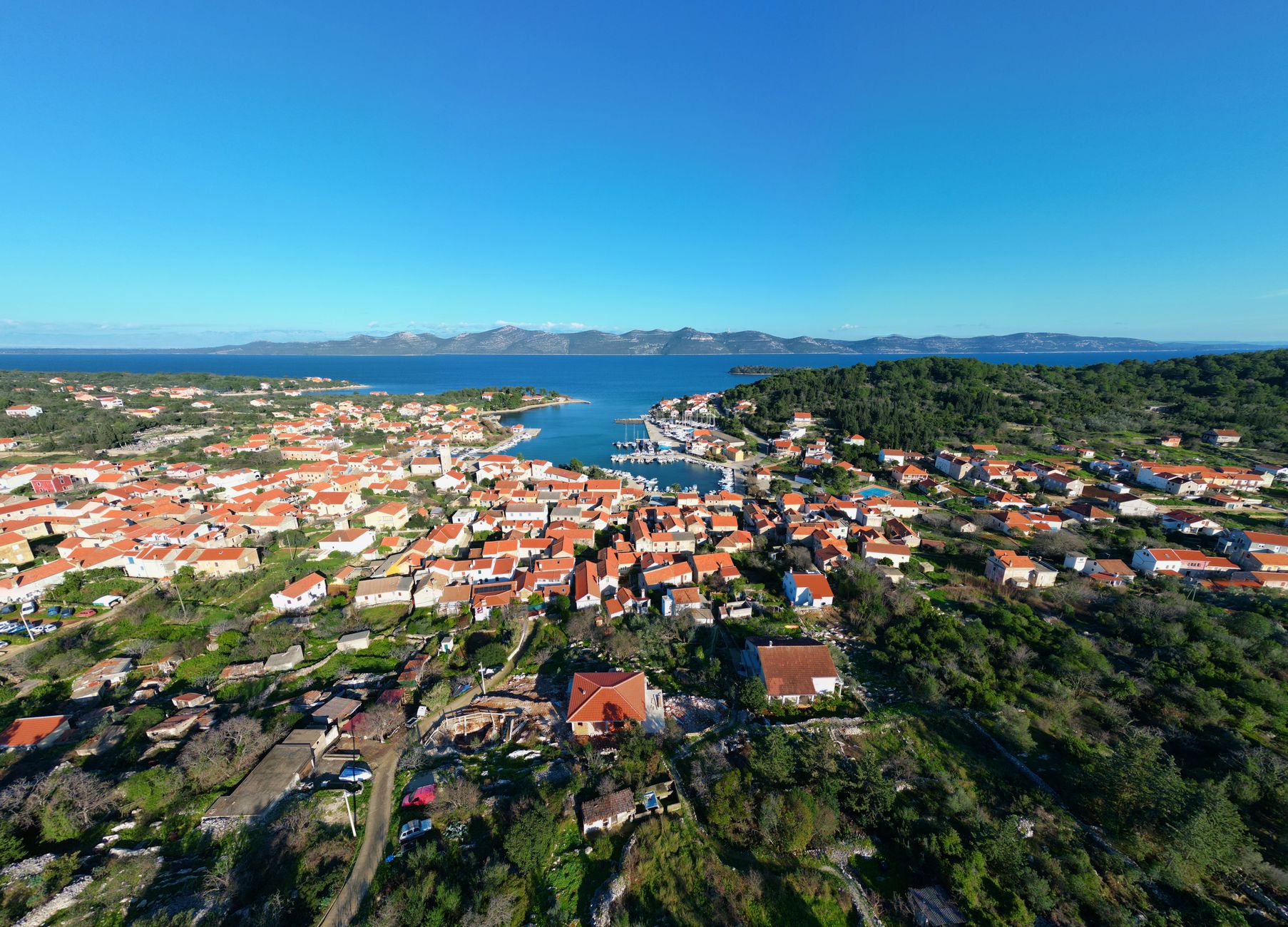
Croatia's Adriatic coast has long captured the hearts of travelers with its shimmering turquoise waters, ancient walled cities, and sun-drenched islands. But beyond the well-trodden paths of Dubrovnik and Hvar lies a deeper layer of history, geology, and culture waiting to be discovered.
Many tourists love visiting Croatia for its obvious beauty, but the true magic often resides in its lesser-known corners. These are places with genuinely surprising tales, where every stone and wave holds an untold story that invites a closer look, offering a more profound connection to this remarkable country.
1. Europe's Salt Fortress
Ston, Croatia
Europe's longest defensive wall wasn't built for a city, but to protect a shimmering white gold.
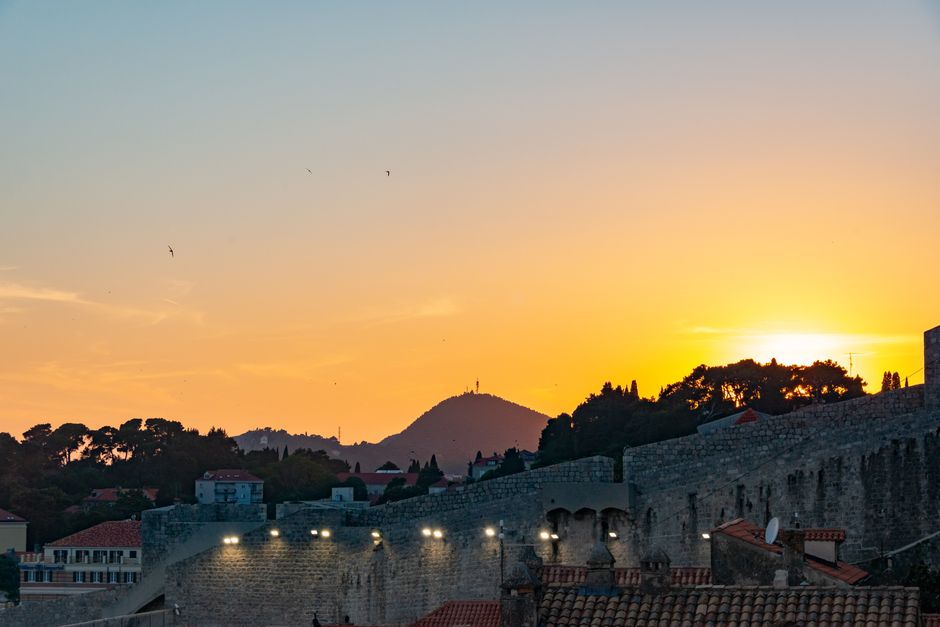
The Walls of Ston, stretching over 5.5 kilometers, were constructed by the Republic of Ragusa (Dubrovnik) in the 14th century. Their primary purpose was to defend the valuable salt pans, a crucial source of wealth and a strategic resource for the republic. This monumental fortification system, often called the 'European Great Wall,' showcased advanced medieval military architecture and ensured the region's prosperity.
2. The Forbidden Island's Hidden Past
Vis Island, Croatia
This island was a forbidden military zone for over 40 years, hiding secrets in its rocky interior.
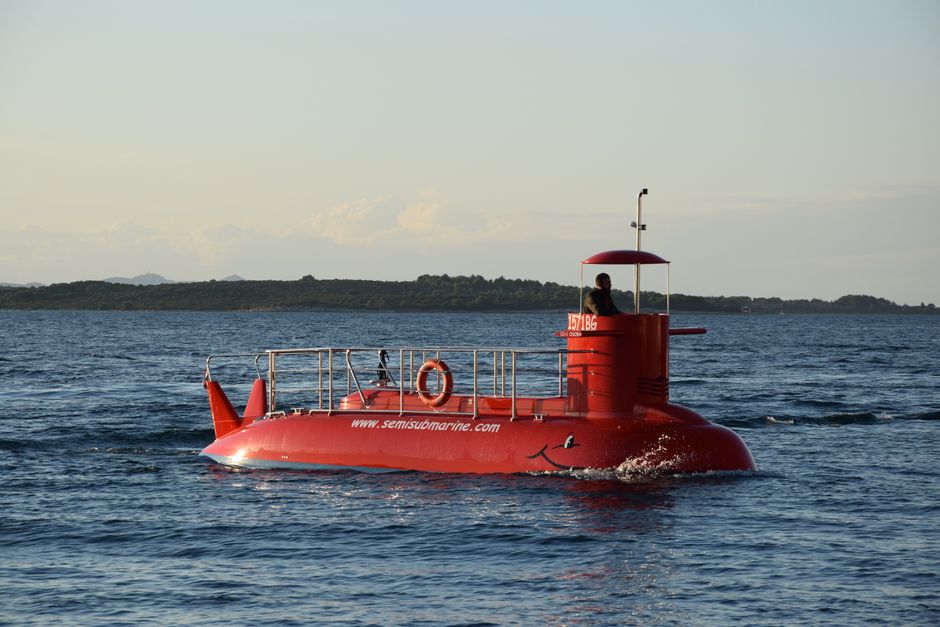
For nearly half a century, Vis Island was a strategic naval base for the Yugoslav People's Army, completely off-limits to foreign visitors. This isolation preserved its pristine natural beauty and traditional way of life, untouched by mass tourism. Today, visitors can explore remnants of this past, including hidden submarine tunnels and Tito's Cave, a former partisan headquarters, offering a unique glimpse into a bygone era.
3. The Sponge Diver's Tiny Kingdom
Krapanj, Croatia
The smallest inhabited island in Croatia became famous for men who plunged to the depths for sea sponges.
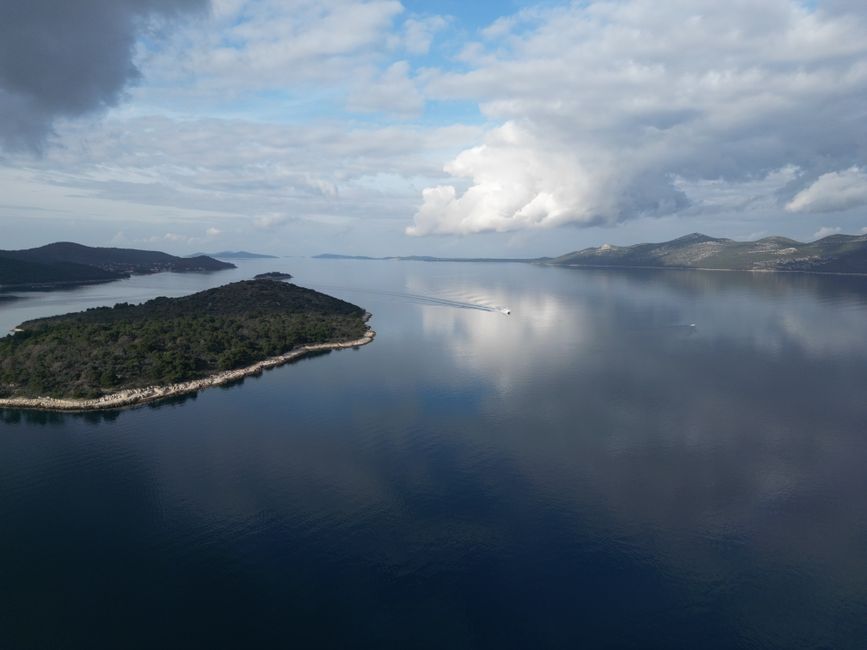
Krapanj, barely half a square kilometer, holds the distinction of being Croatia's smallest and lowest-lying inhabited island. For centuries, its inhabitants have been renowned for their traditional sponge diving, a skill passed down through generations. The island's monastery even houses a small museum dedicated to this unique maritime heritage, showcasing the tools and techniques of these fearless divers who braved the Adriatic's depths.
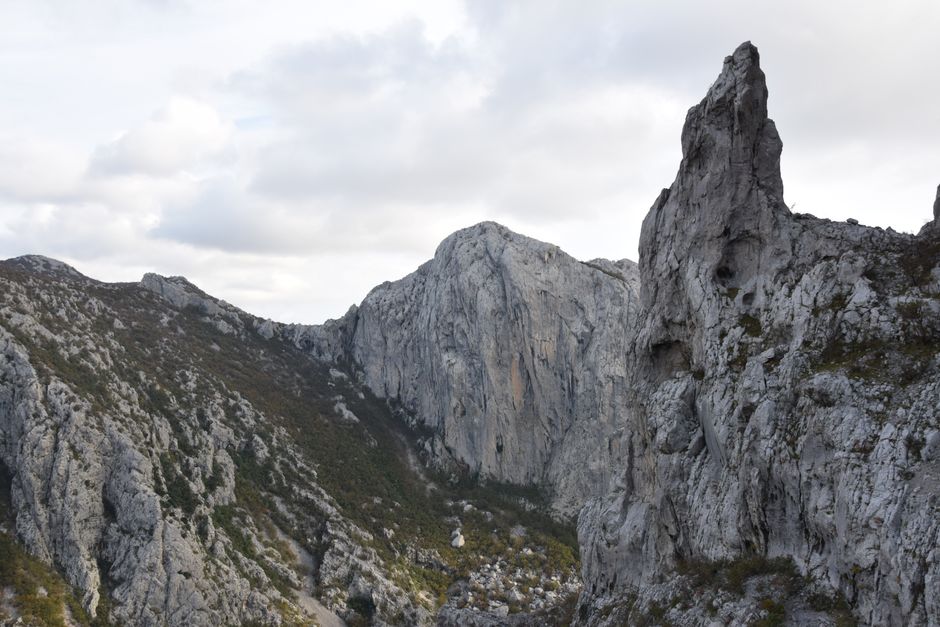
4. Canyons of Karst and Climbers
Paklenica National Park, Croatia
Deep canyons carved by ancient rivers hide a famous climbing haven and a rare natural phenomenon where water vanishes underground.
Paklenica National Park is defined by two magnificent canyons, Velika and Mala Paklenica, carved into the Velebit mountain range. It's a world-renowned rock-climbing destination, but also a geological marvel. Here, the Bijele i Samarske Stijene karst formations demonstrate incredible hydrogeological phenomena where surface water disappears into elaborate underground cave systems, only to re-emerge further down the coast, shaping the dramatic landscape.
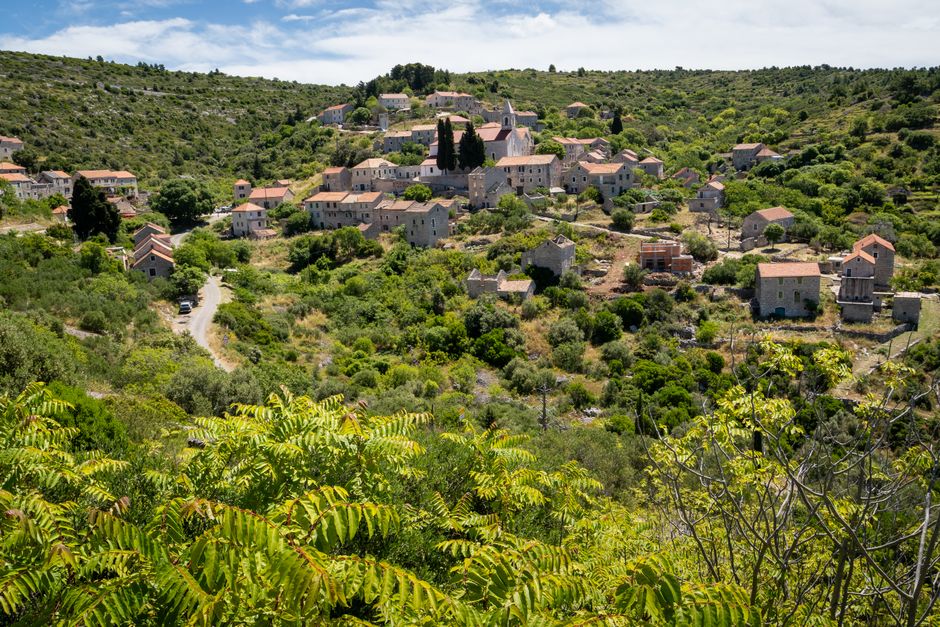
5. Hvar's Echoes of an Ancient Past
Humac, Hvar, Croatia
High on Hvar, an ancient village stands frozen in time, its stone houses abandoned but not forgotten.
Perched on a hill overlooking the Adriatic, Humac is an almost entirely abandoned shepherd's village on Hvar, dating back to the 17th century. Its stone houses, chapels, and olive presses remain remarkably preserved, offering a window into a past way of life. The village is also near Grapčeva Cave, one of the oldest cave dwellings in the Adriatic, with archaeological finds dating back thousands of years, revealing even deeper layers of history.
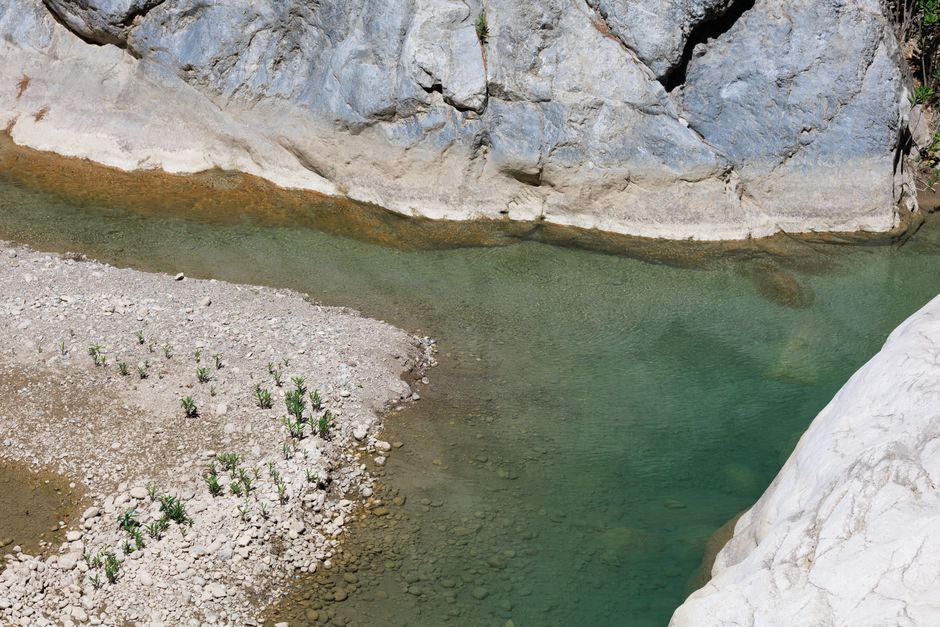
6. The Pirates' River Stronghold
Omiš, Croatia
This town was once the notorious lair of medieval pirates, whose swift ships terrorized the Adriatic for centuries.
Omiš, dramatically situated at the mouth of the Cetina River canyon, was historically a pirate stronghold. From the 13th to 15th centuries, the Omiš pirates, known for their agile sagitta ships, controlled the shipping lanes and extracted tribute from passing Venetian and Papal vessels. Today, visitors can explore their fortresses, Mirabella and Fortica, which once provided strategic vantage points over the river and sea, guarding their formidable territory.
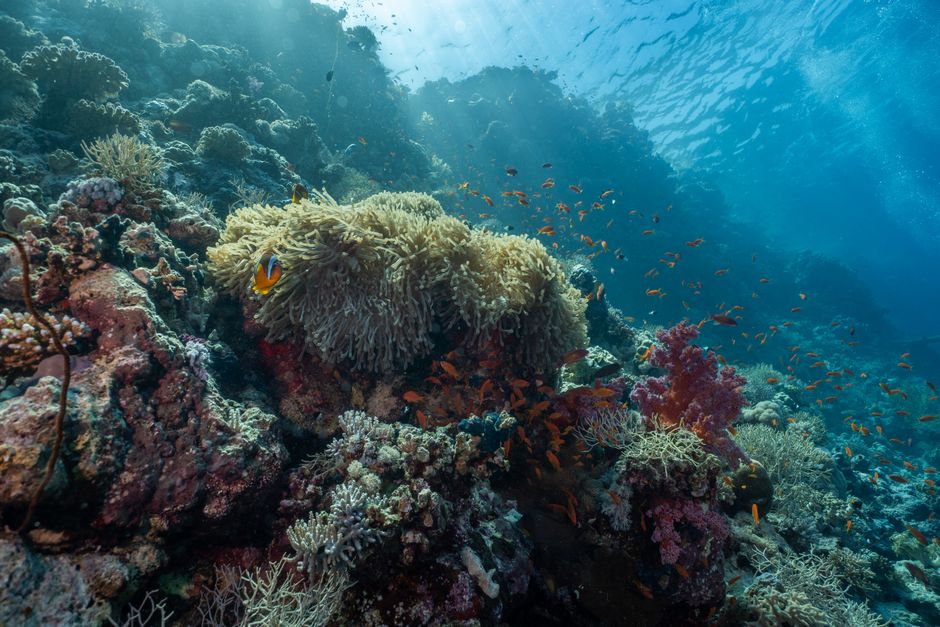
7. The Island of Red Coral
Zlarin, Croatia
For centuries, the women of this car-free island have crafted precious jewelry from the deep red 'blood of the sea.'
Zlarin, a serene, car-free island in the Šibenik archipelago, holds a unique tradition: red coral harvesting and processing. Since the 15th century, skilled divers have ventured into the Adriatic's depths to collect precious red coral, which is then meticulously crafted into beautiful jewelry. The island even has a small museum dedicated to this ancient craft, celebrating its cultural and economic significance as a centuries-old heritage.
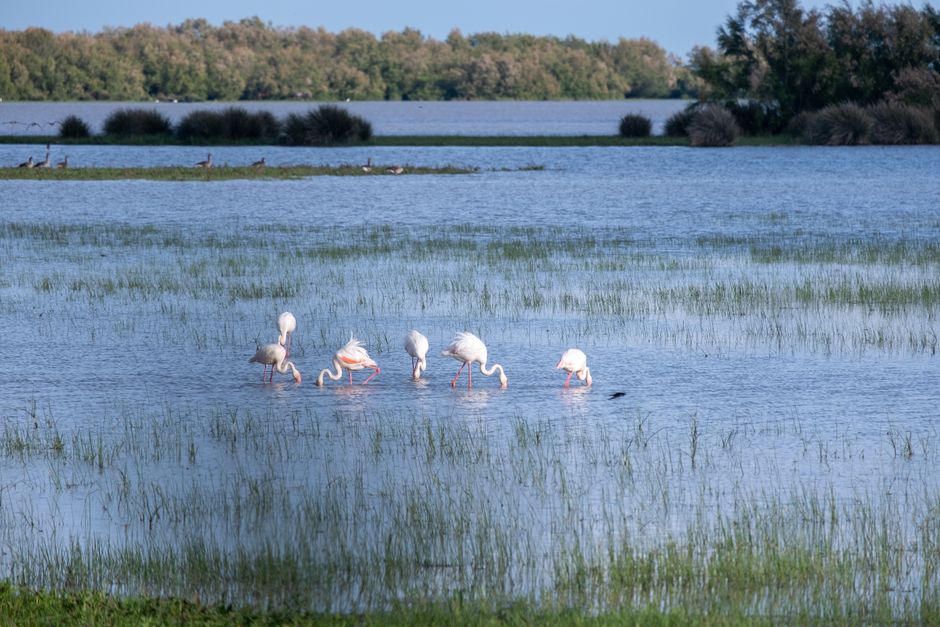
8. The Adriatic's Freshwater Oasis
Vransko Jezero Nature Park, Croatia
Croatia's largest natural lake is a crucial resting point for over 250 bird species, and it sits just a few kilometers from the Adriatic, yet holds fresh water.
Vransko Jezero is a unique cryptodepression – a lake whose surface is above sea level but whose bottom is below sea level – and the largest natural lake in Croatia. This significant ornithological reserve is a crucial wetland habitat and a resting place for over 250 bird species during migration. Its proximity to the Adriatic, separated by only a narrow strip of land, creates a fascinating ecological blend of freshwater and marine influences, a true natural wonder.
Frequently asked questions
Is Croatia safe for tourists?
Croatia is considered a very safe country for tourists, with low crime rates. Visitors can generally feel comfortable exploring cities, towns, and natural areas. Standard travel precautions, like being aware of your surroundings, are always advisable.
What is the best time of year to visit Croatia's coast?
The shoulder seasons of May-June and September-October are often ideal. The weather is pleasant, the sea is warm enough for swimming, and the crowds are smaller than during the peak summer months of July-August. This allows for a more relaxed exploration.
What currency is used in Croatia?
Croatia adopted the Euro (€) as its official currency on January 1, 2023. Credit and debit cards are widely accepted, especially in urban areas and tourist destinations, but it's always good to have some cash for smaller purchases or local markets.
How can I learn more about these lesser-known Croatian spots?
The AllTours.ai app is designed precisely for this. Simply point your phone camera at a landmark, landscape, or even an interesting historical marker, and the app will narrate its history, geology, and culture in your preferred language, revealing the hidden stories of these unique places.
Photography via Pexels. AllTours.ai is an AI audio tour guide — point your camera at any landscape and hear its story.