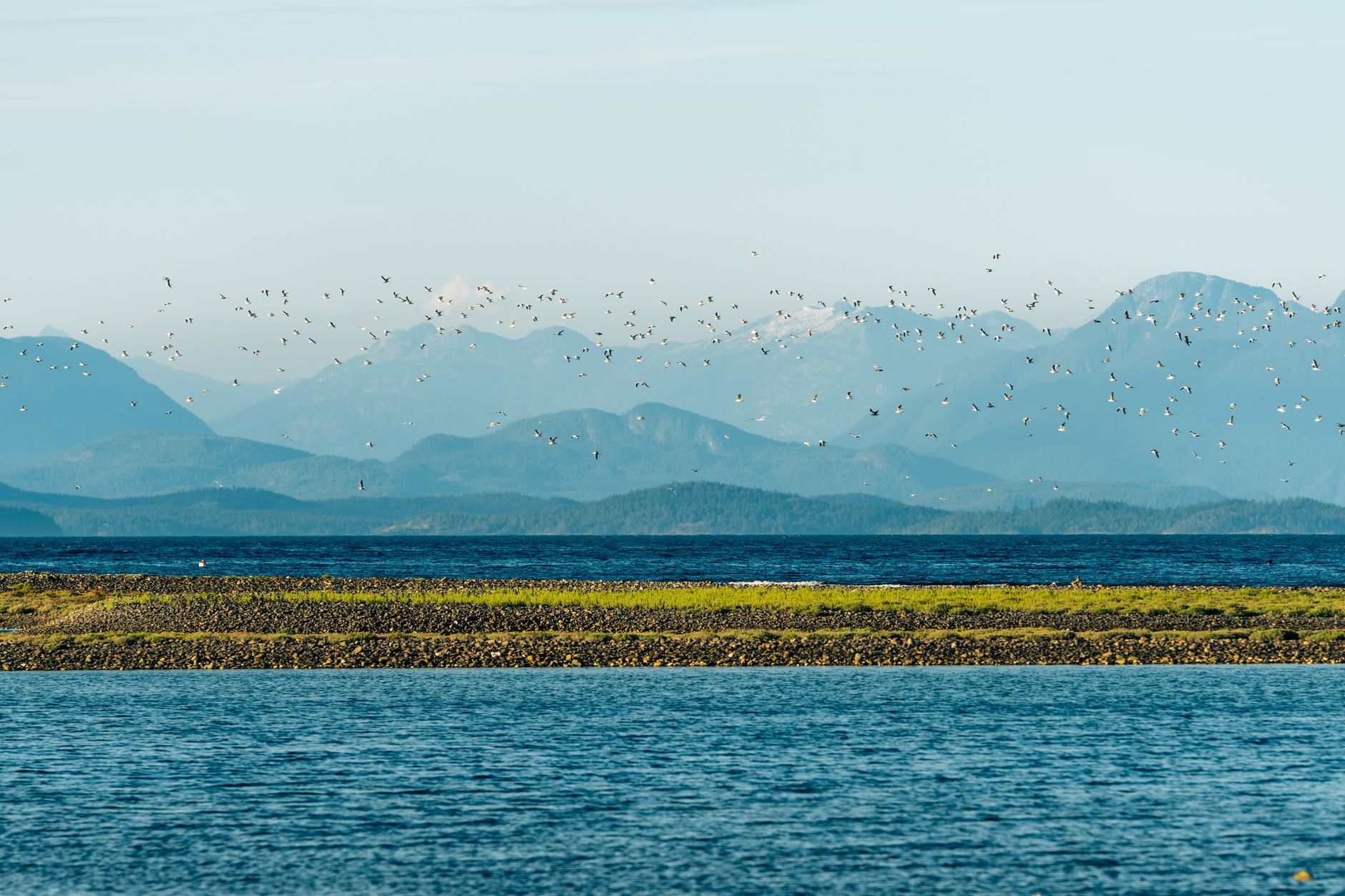
September 3, 2026 · 4 min read
Vancouver, British Columbia, sits surprisingly far north on the map, yet its winters are often green, mild, and distinctly different from the snowy deep-freezes experienced in Toronto or Montréal. This isn't just a quirk of geography; it's a testament to a complex interplay of ocean currents, mountain ranges, and unique ecosystems that shape the Pacific Northwest.
Beyond the obvious influence of the Pacific Ocean, Vancouver's mild climate is woven into the very fabric of its landscape. To truly understand why this city enjoys such temperate weather, you need to delve into its lesser-known corners—places where ancient geology, thriving ecosystems, and surprising human stories reveal the forces that keep Vancouver verdant year-round.
1. The Ancient Urban Bog
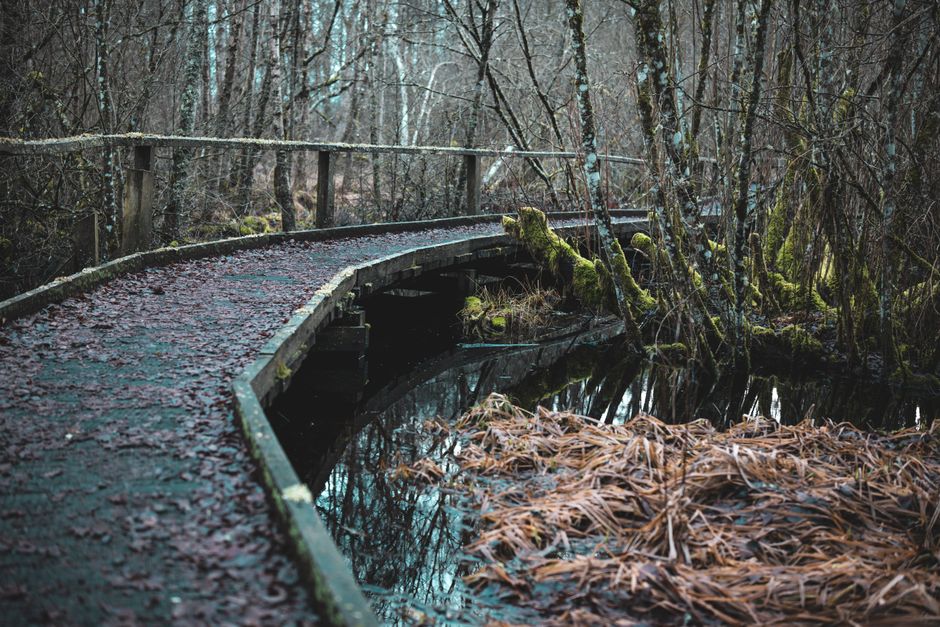
Camosun Bog, Pacific Spirit Regional Park, Canada
An ancient, acid-rich bog, over 2,000 years old, thrives within Vancouver's urban sprawl, acting as a living climate archive.
This rare peatland ecosystem, a relic of the last ice age, slowly accumulates organic matter, preserving pollen and plant remains that offer clues to past climates. Its unusual acidity and poor drainage create a unique habitat for specialized plants and insects, a stark contrast to the surrounding temperate rainforest. Camosun Bog offers a glimpse into Vancouver's deep ecological history, far beyond its modern city limits.
2. The Hidden Wastewater Jetty
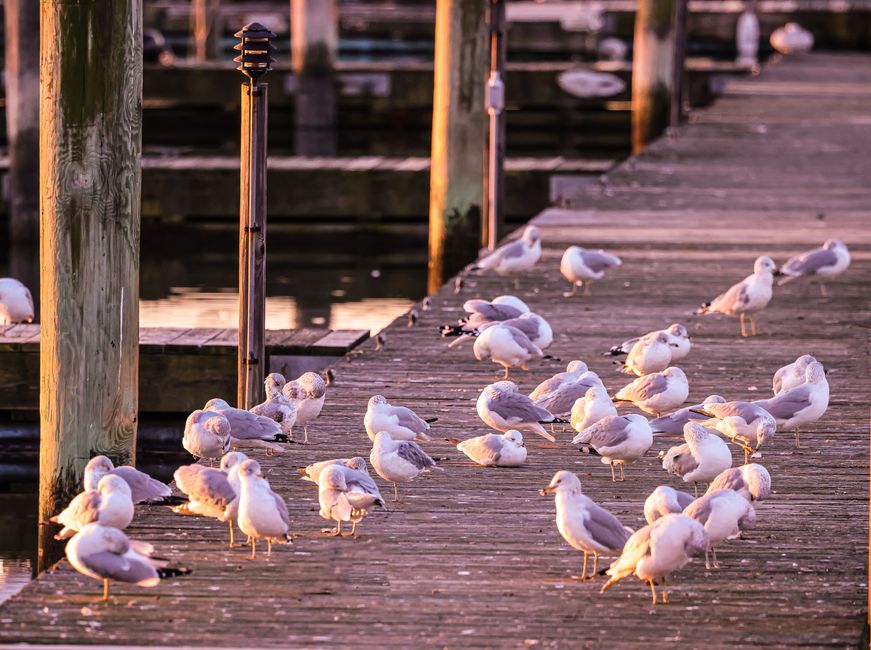
Iona Beach Regional Park Jetty, Canada
A 4-kilometer-long pipe, disguised as a public jetty, extends into the Strait of Georgia, shaping bird migration patterns.
Built to discharge treated wastewater, this unassuming structure has become a vital habitat and migration corridor for countless bird species. The deep water channel it creates, along with the rich intertidal flats, attracts shorebirds, waterfowl, and raptors. It's a striking example of how human infrastructure can inadvertently create new, critical ecosystems that thrive in Vancouver's mild, coastal conditions.
3. A Village of River Stories
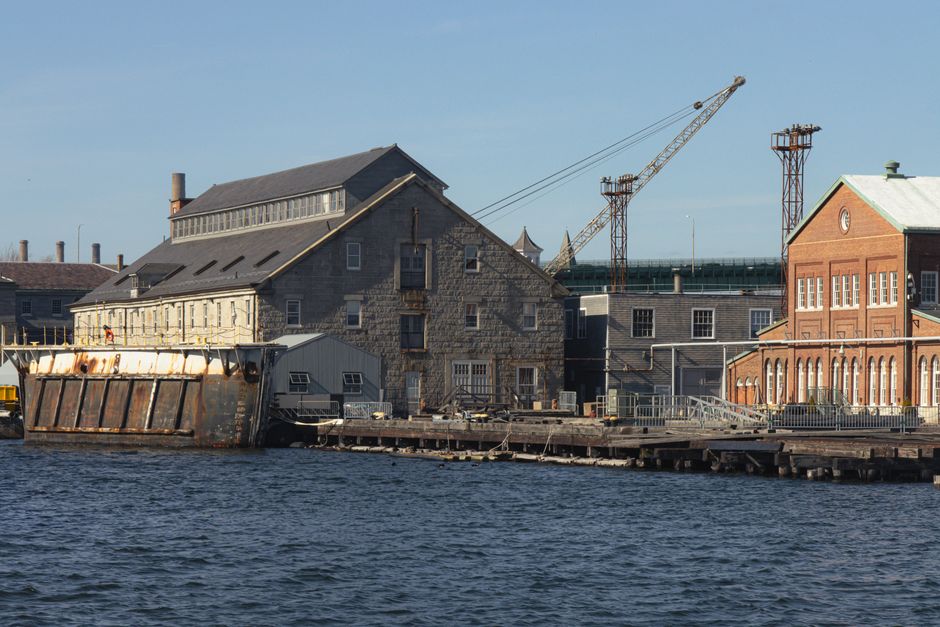
Britannia Shipyards National Historic Site, Steveston, Canada
A preserved collection of wooden buildings tells the story of early immigrant fishing communities and the Fraser River's immense economic and ecological power.
This historic village was once a bustling hub for fishing, canning, and boatbuilding, powered by the immense salmon runs of the Fraser River, one of the world's most productive salmon rivers. Japanese, Chinese, and First Nations communities worked side-by-side, shaping a unique multicultural heritage. The mild climate and rich marine resources of the Pacific Northwest allowed these industries to flourish, making Steveston a crucial economic engine for early British Columbia.
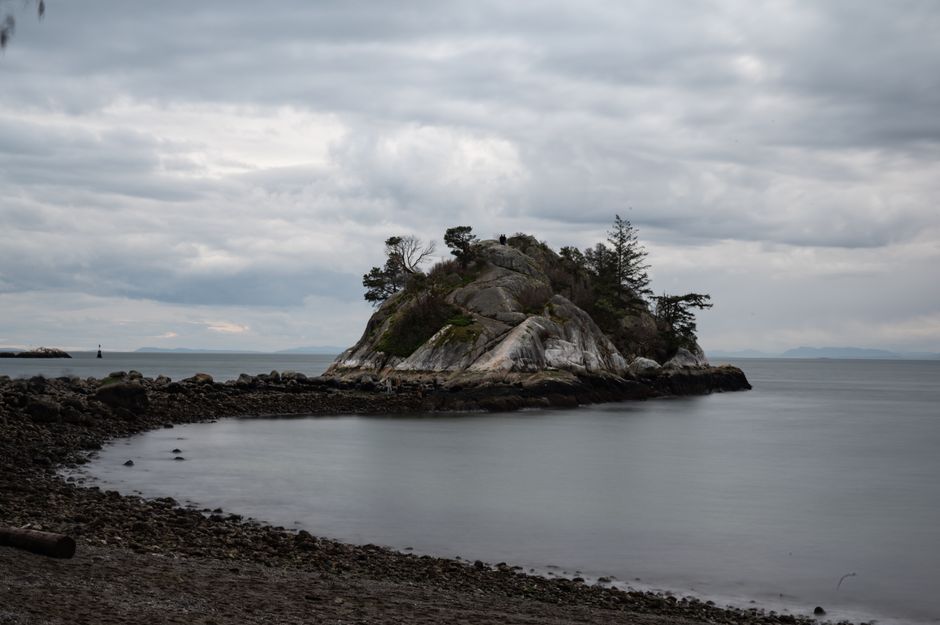
4. Canada's First Marine Sanctuary
Whytecliff Park, West Vancouver, Canada
This dramatic rocky outcrop was Canada's first marine protected area, safeguarding an underwater world of unique cold-water biodiversity.
Established in 1993, Whytecliff protects a stunning array of marine life, from giant Pacific octopuses to colorful anemones and nudibranchs, thriving in the nutrient-rich waters of Howe Sound. Above water, the park's dramatic cliffs and islets are remnants of ancient volcanic activity, sculpted by glacial forces and coastal erosion. Its protected status highlights the value of Vancouver's mild, biodiverse coastal environment, a key factor in its overall ecological health.
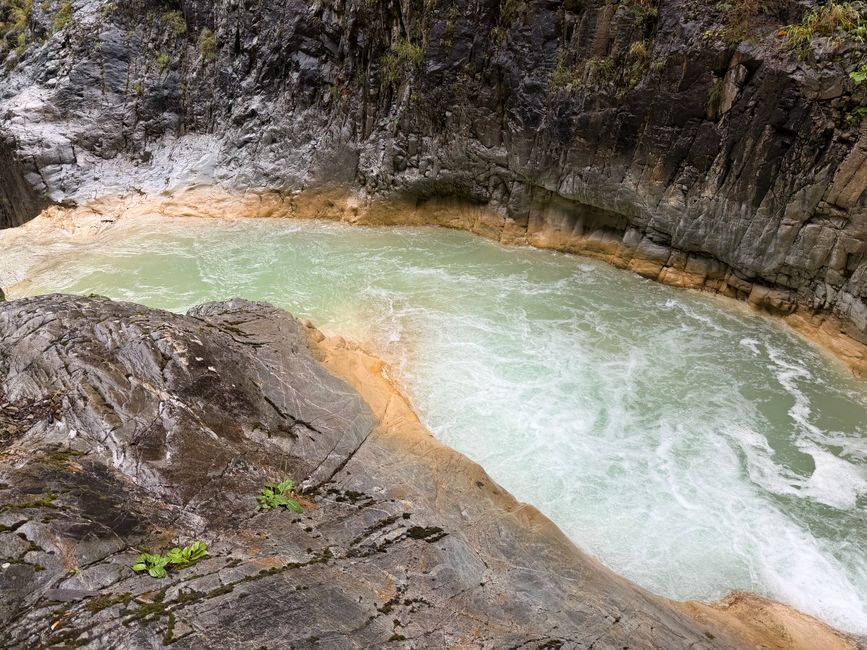
5. The Glacier-Carved Grotto
Lynn Canyon Park (Twin Falls & 30 Foot Pool), North Vancouver, Canada
Beneath a swaying suspension bridge, ancient temperate rainforest shelters geological formations carved by powerful glacial meltwater.
While many flock to the iconic suspension bridge, the real story lies in the canyon's depths. The '30 Foot Pool' is a natural plunge pool carved into solid rock by immense glacial rivers thousands of years ago, a testament to the region's dramatic geological past. The surrounding forest, part of the extensive coastal temperate rainforest, thrives on the abundant rainfall and mild temperatures that define Vancouver's climate.
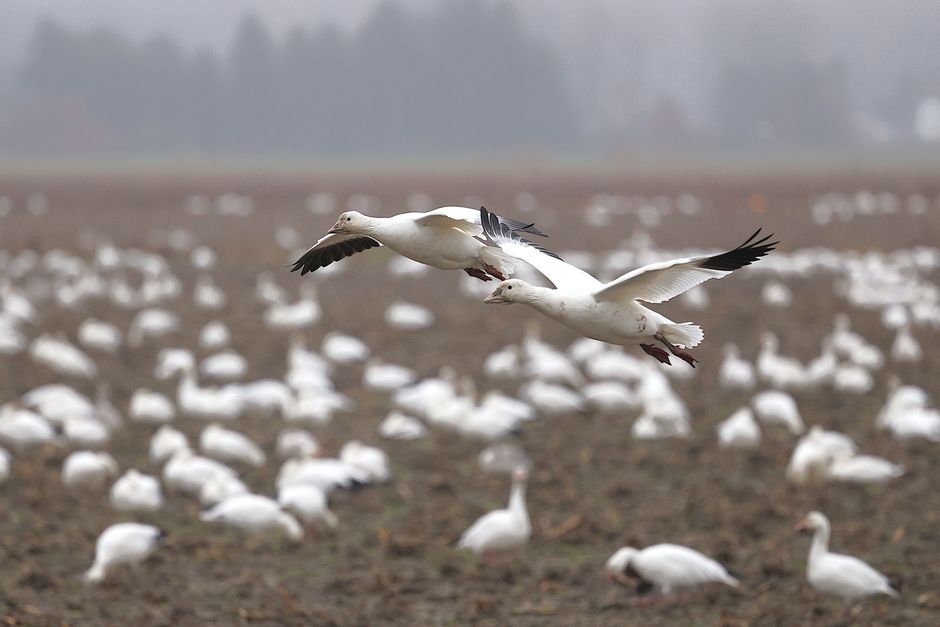
6. Snow Goose Winter Haven
Reifel Bird Sanctuary, Delta, Canada
This vast wetland sanctuary, nestled in the Fraser River Delta, hosts over 250 bird species, including a wintering population of Snow Geese numbering in the tens of thousands.
The mild, relatively snow-free winters of the Fraser Delta make it an irresistible destination for migratory birds escaping harsher northern climates. The sanctuary's diverse habitats—marshes, ponds, and tidal flats—provide crucial feeding and resting grounds. Witnessing the annual arrival of the Snow Geese is a spectacular reminder of how Vancouver's climate plays a pivotal role in the continental migratory flyway, sustaining incredible biodiversity.
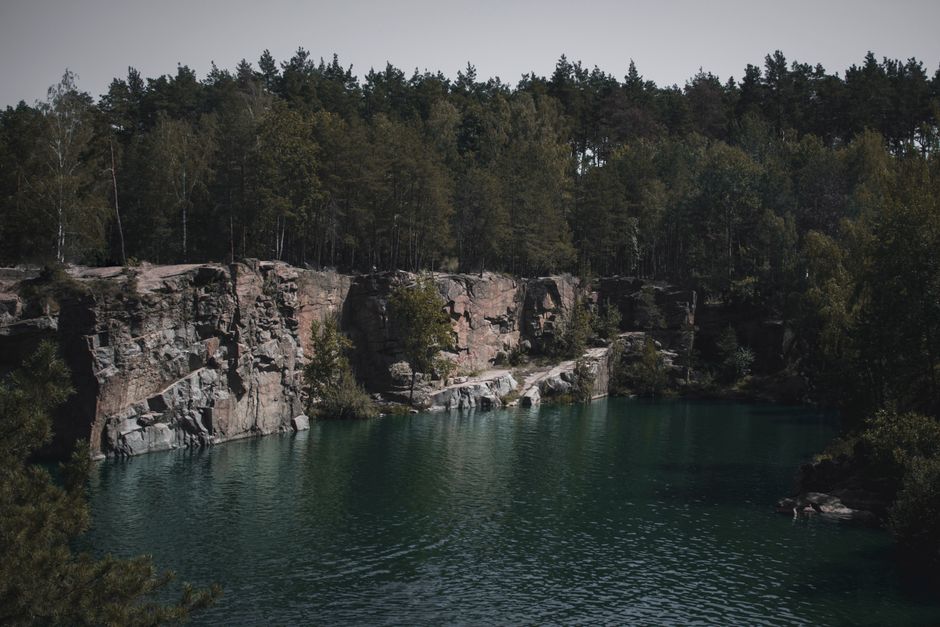
7. The Fjord's Edge Trail
Deep Cove (Quarry Rock Trail), North Vancouver, Canada
A scenic trail leads to a stunning overlook revealing a deep, fjord-like inlet, a geological legacy of the last ice age.
Deep Cove is nestled within Indian Arm, a true fjord – a deep, narrow arm of the sea carved by glaciers that once covered the region. The steep, forested slopes plunge directly into the water, creating a sheltered microclimate. The ancient trees clinging to these slopes thrive in the mild, moist conditions, showcasing how Vancouver's unique glacial geography contributes to its distinctive temperate environment.
Frequently asked questions
Why does Vancouver have a milder climate than Toronto or Montreal?
Vancouver's mild climate is primarily due to its proximity to the Pacific Ocean and the warm North Pacific Current. This ocean influence moderates temperatures, keeping winters warmer and summers cooler than inland cities. Additionally, the Coast Mountains block cold air masses from the interior, further protecting the city.
Does Vancouver get snow in winter?
Yes, Vancouver does get snow, but it is typically infrequent and rarely lasts long, especially in the downtown core and along the coast. Snowfall tends to be heavier in the surrounding mountains, which are popular for skiing, but the city itself experiences more rain than snow during winter months.
What is Vancouver's rainy season like?
Vancouver's rainy season typically runs from October to April, characterized by frequent, often light, rainfall. While it can be overcast for extended periods, the rain helps maintain the lush, green landscape and supports the temperate rainforests that define the region's natural beauty.
How does the AllTours.ai app help me explore places like these?
The AllTours.ai app enhances your exploration by narrating the history, geology, and culture of any landscape or landmark you point your phone camera at. Simply open the app, point your camera at a site like the ones mentioned, and hear its unique story unfold in your preferred language, providing context and curiosity on demand.
Photography via Pexels. AllTours.ai is an AI audio tour guide — point your camera at any landscape and hear its story.