June 13, 2026 · 4 min read
Planning a quick 2-3 day trip to Montreal often brings up a common question: "Will I need to rent a car in Montreal?" For most visitors looking to explore the city's unique charm, the answer is a resounding no. Montreal is a remarkably walkable city with an excellent public transit system, making it incredibly easy to navigate without the hassle of parking or traffic.
Forget the usual tourist circuits and discover a Montreal that reveals its true character through hidden alleys, historic markets, and unexpected museums. This guide will lead you to lesser-known spots, each with a captivating story, all easily accessible by foot or public transport, proving that the best way to experience Montreal is without a set of car keys.
1. The Cradle of Canadian Industry
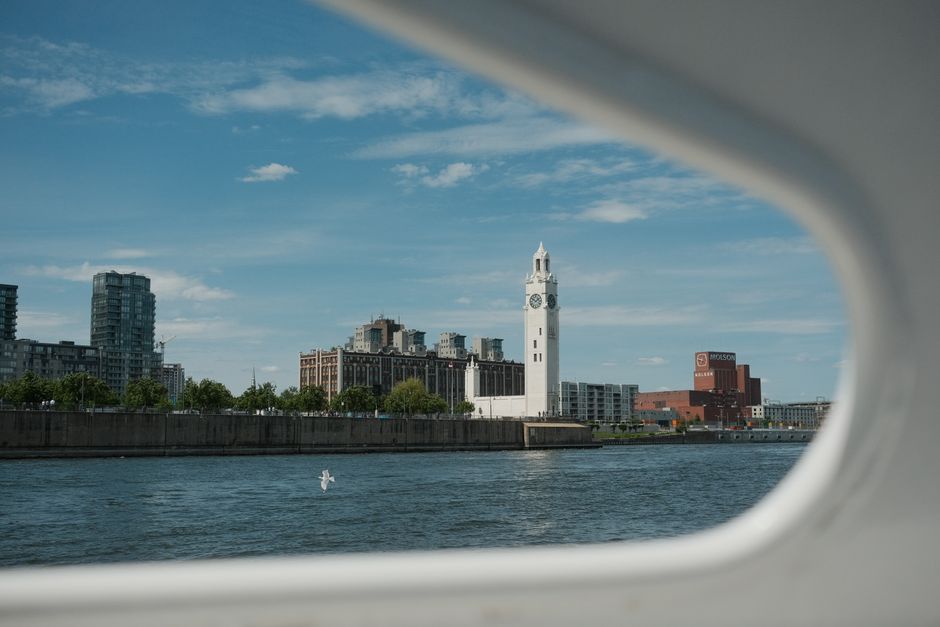
Lachine Canal National Historic Site, Montreal, Canada
The peaceful Lachine Canal was once a roaring hub of industry, powered by the very water it contained, shaping Canada's economic future.
Before it became a scenic parkway, the Lachine Canal was Canada's industrial heartland, where factories harnessed its flow to power mills and workshops. It's where innovations like the steam-powered locomotive were first built in Canada. Walking its banks reveals the remnants of its intense past, from old lock mechanisms to crumbling factory walls, telling tales of immigrant labor and the dawn of modern industry in North America.
2. The Grand Market's Echoes
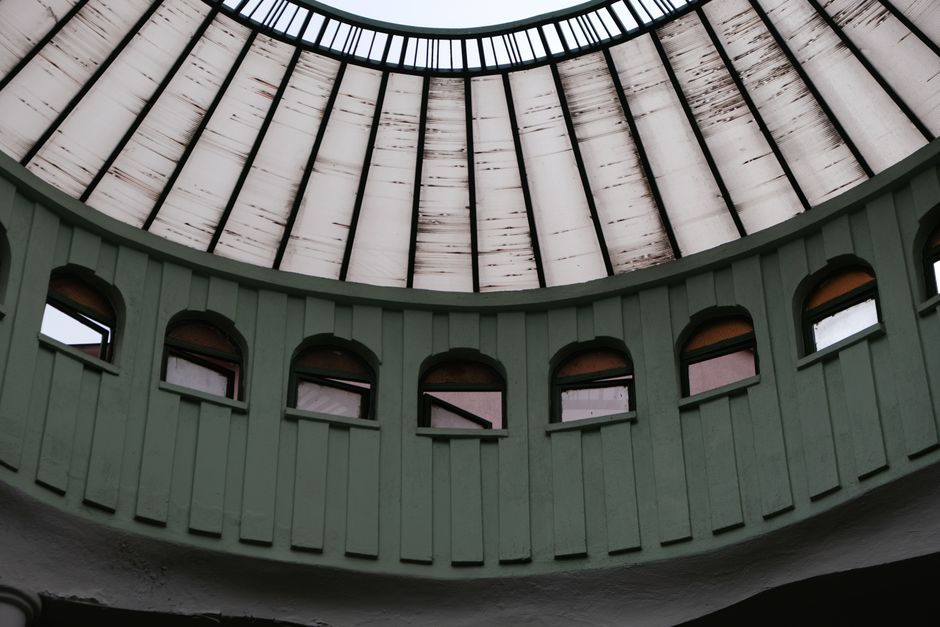
Marché Maisonneuve, Montreal, Canada
This grand Beaux-Arts building, now a community center, was once a bustling public market designed to be the "belly of the city" for a utopian, planned community.
Built in 1912, Marché Maisonneuve was the centerpiece of a visionary urban plan for the then-independent city of Maisonneuve, intended to be a model industrial city. Its magnificent architecture, complete with imposing columns and a dome, speaks to the grand ambitions of a bygone era. Though no longer a primary market, its echoes remain, offering a glimpse into Montreal's early 20th-century civic pride and urban planning experiments.
3. A Victorian Cabinet of Curiosities
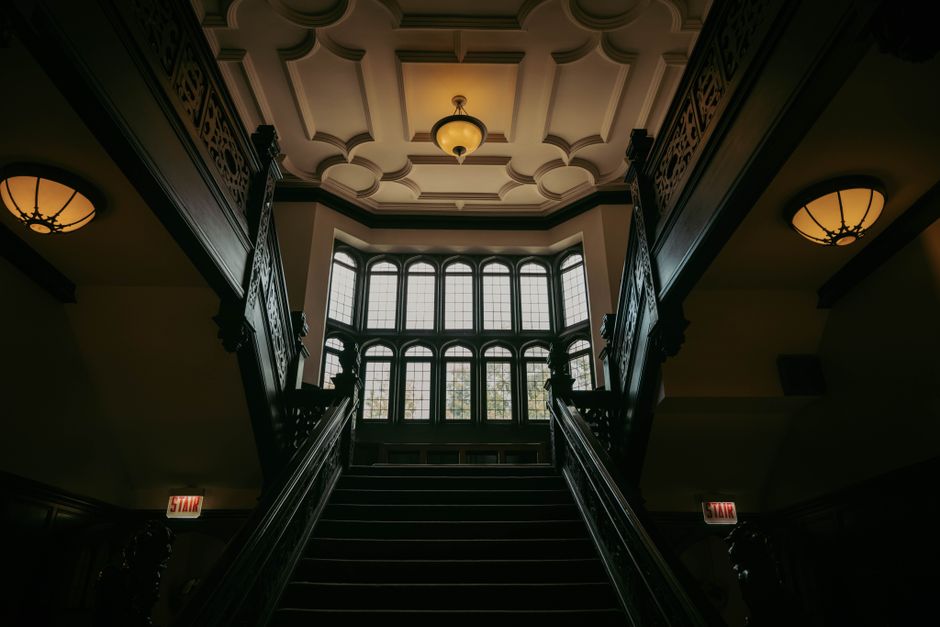
Redpath Museum, Montreal, Canada
Tucked away at McGill, Canada's oldest purpose-built museum of natural history houses an astonishing collection, including mummified remains and dinosaur skeletons, in a remarkably preserved Victorian setting.
Opened in 1882, the Redpath Museum feels like stepping back in time. Its dimly lit halls and original wooden display cases hold a treasure trove of geological, paleontological, and zoological specimens collected over centuries. From the full skeleton of a Gorgosaurus to ancient Egyptian artifacts, it's a wonderfully eclectic collection that offers a more intimate, less polished experience than modern museums, a true relic of scientific exploration.
4. Echoes of the French Regime
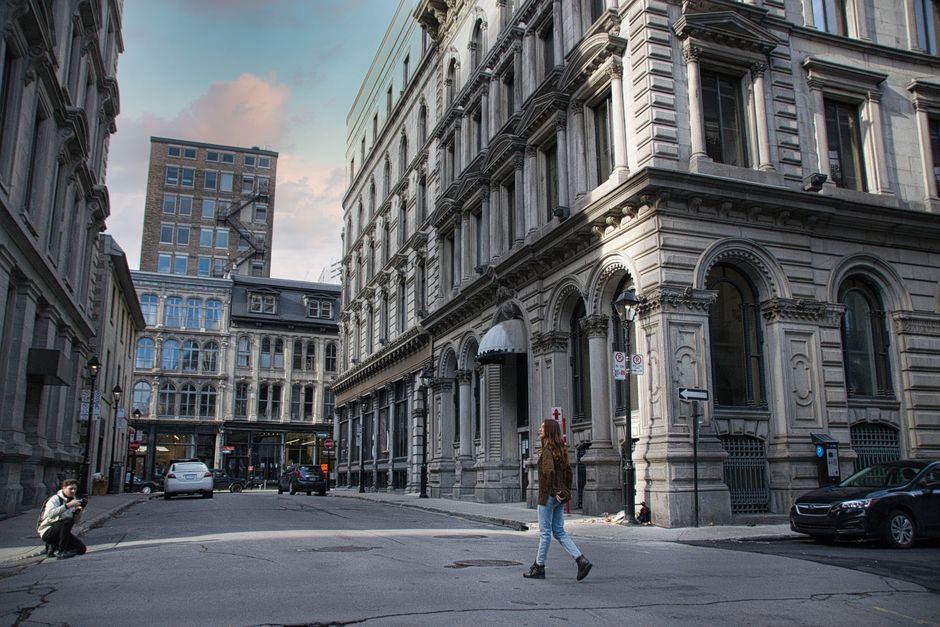
Rue Saint-Louis, Old Montreal, Canada
Step onto Montreal's oldest surviving street, a cobblestone lane where buildings whisper tales of the city's earliest French settlers and hidden courtyards.
While Old Montreal is famous, Rue Saint-Louis often gets overlooked by tourists rushing to Place Jacques-Cartier. This narrow, winding street is lined with some of the city's oldest private residences, many dating back to the 17th and 18th centuries. Its intimate scale and preserved architecture offer a direct connection to the city's French colonial past, revealing charming ironwork, hidden gardens, and a sense of quiet history away from the main bustle.
5. The Invisible City's Art Corridor
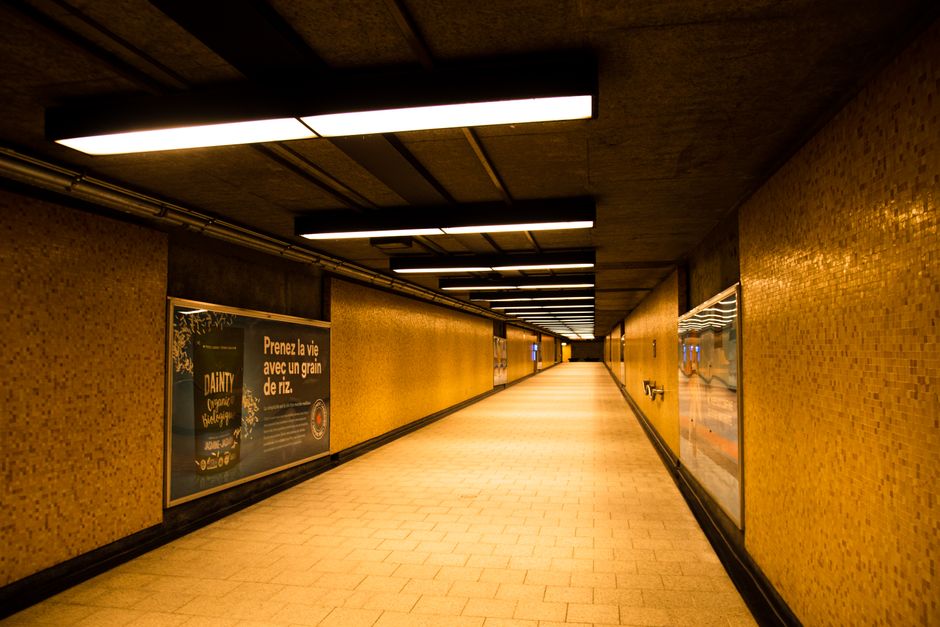
Underground City (RESO), Montreal, Canada
Beyond just a network of tunnels, Montreal's RESO conceals surprising public art installations and architectural marvels far from the crowded shopping malls.
The "Underground City" is often just seen as a convenient way to stay warm, but it's also a vast, often overlooked gallery. Specific sections connect metro stations, universities, and cultural venues with unique art pieces, architectural flourishes, and quieter passages that reveal the city's commitment to urban design even below ground. Exploring these less-traveled routes offers a different perspective on Montreal's civic life and artistic spirit.
6. The Plateau's Grand Cathedral
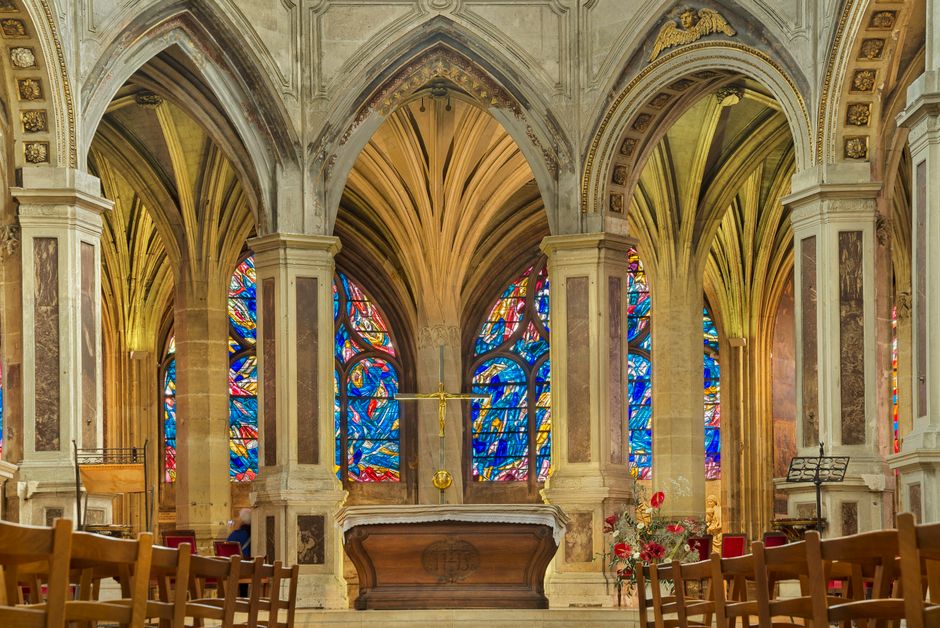
Église Saint-Jean-Baptiste, Montreal, Canada
This magnificent church, often mistaken for a cathedral due to its immense size and opulent interior, was once the largest parish church in North America.
Completed in 1898, Église Saint-Jean-Baptiste dominates the Plateau Mont-Royal skyline with its twin spires and Romanesque Revival architecture. Inside, its vast nave, soaring ceilings, and intricate stained-glass windows rival any major basilica. It's a testament to the fervent Catholic faith and architectural prowess of late 19th-century Montreal, offering a grand spiritual experience without the intense crowds of more famous churches.
7. The Genesis of Montreal's Hospitals
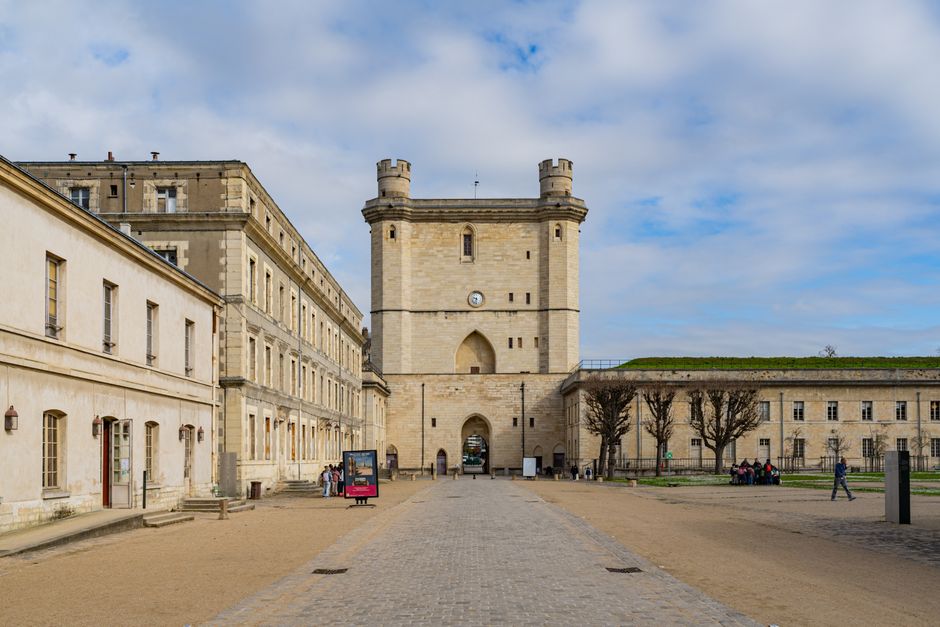
Musée des Hospitalières de l'Hôtel-Dieu de Montréal, Montreal, Canada
Discover the original site of Montreal's first hospital, founded by Jeanne Mance in 1642, and the extraordinary story of the pioneering Hospitalières nuns.
This small, contemplative museum traces the history of Hôtel-Dieu, the city's oldest hospital, and the Hospitalières de Saint-Joseph, who ran it for centuries. It offers a profound look into early colonial medicine, the challenges faced by the first settlers, and the unwavering dedication of the nursing sisters. The museum is housed in the historic convent, providing an intimate glimpse into a pivotal, yet often overlooked, aspect of Montreal's founding and social history.
8. The Bourgeoisie's Twin Lives
Château Dufresne, Montreal, Canada
This opulent Beaux-Arts mansion was once home to two prominent, yet distinct, Montreal families, built as a duplex and reflecting the city's early 20th-century social strata.
Built between 1915 and 1918, Château Dufresne is a unique architectural marvel, originally designed as two separate residences for brothers Oscar and Marius Dufresne. Its lavish interiors, featuring intricate frescoes, stained glass, and detailed woodwork, showcase the extravagant tastes of Montreal's French-Canadian bourgeoisie. Now a museum, it offers a fascinating glimpse into the lives of the city's elite, their art collections, and the subtle ways their distinct personalities were expressed within a shared grand structure.
Frequently asked questions
Is public transport good in Montreal?
Montreal boasts an excellent and extensive public transport system (STM), including a metro and bus network. For 2-3 days, a multi-day pass is cost-effective and provides easy access to most attractions, making a car largely unnecessary.
Can I walk to most attractions in Montreal?
Many of Montreal's most captivating areas, like Old Montreal, the Plateau, and the Latin Quarter, are incredibly walkable. Even for slightly longer distances, the city is pedestrian-friendly, with beautiful streets and parks to explore on foot.
What's the best way to get from Montreal-Trudeau Airport (YUL) to downtown without a car?
The 747 Express Bus offers direct, frequent service from YUL to downtown Montreal, operating 24/7. It's affordable, efficient, and drops you near major metro stations and hotels, eliminating the need for a rental car upon arrival.
How can AllTours.ai help me explore Montreal's hidden gems?
AllTours.ai transforms your phone into an AI audio tour guide. Simply point your camera at a landmark, a building, or even a natural landscape, and the app will narrate its history, geology, and cultural significance in your preferred language, revealing stories even locals might not know.
Photography via Pexels. AllTours.ai is an AI audio tour guide — point your camera at any landscape and hear its story.