June 29, 2026 · 4 min read
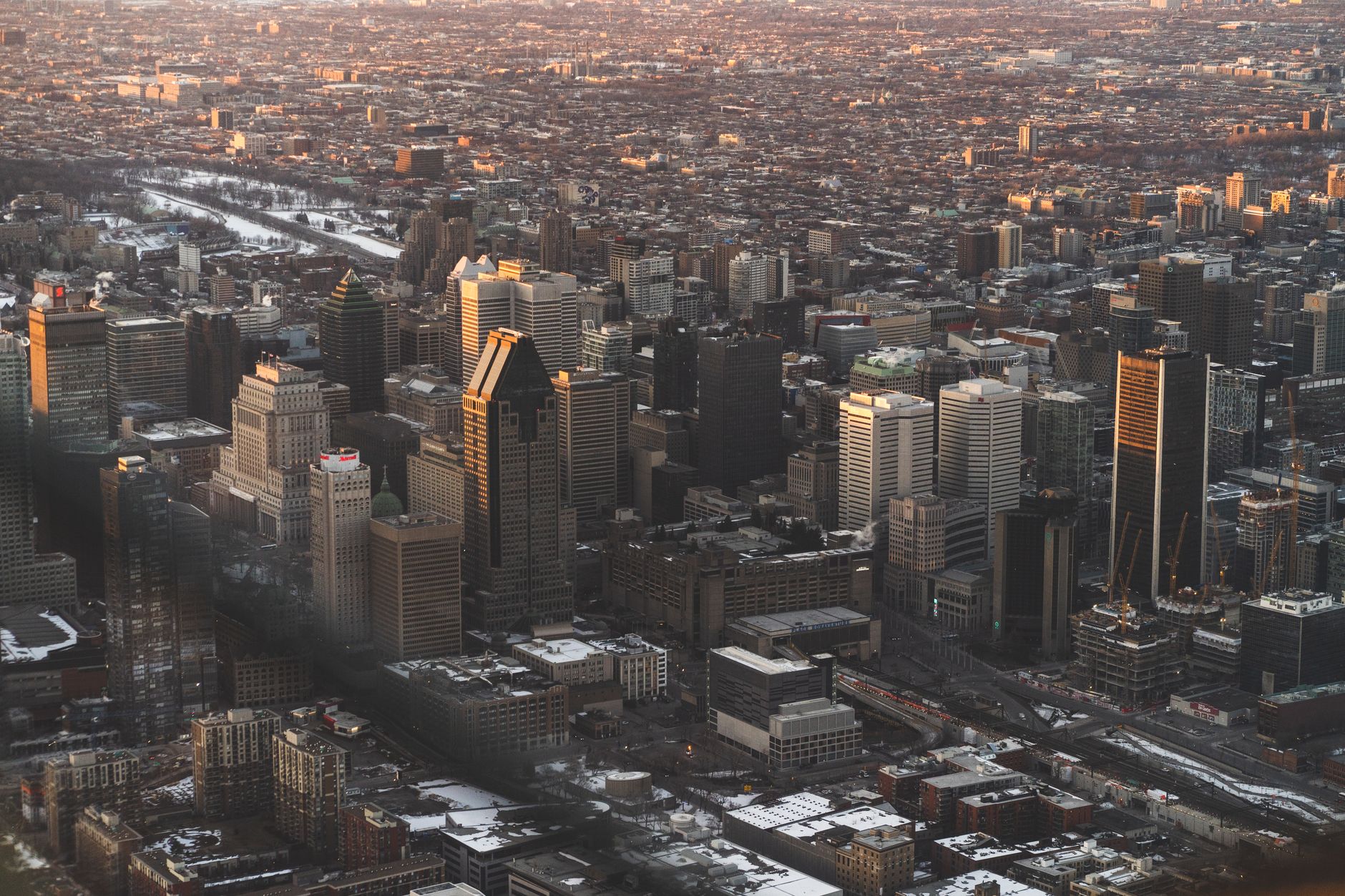
The question 'Would you rather live in Toronto, Montreal, or Vancouver?' sparks lively debate among travelers and locals alike. Each of Canada's major metropolises offers a distinct flavor, from the bustling multicultural energy of Toronto to the European charm of Montreal and the stunning natural backdrop of Vancouver. But to truly understand a city, you need to look beyond its postcard-perfect landmarks.
Forget the CN Tower, Old Port, or Stanley Park for a moment. We're diving into the lesser-known corners and hidden histories that reveal the true soul of these Canadian giants. These are the spots with surprising tales of innovation, resilience, and unique beauty, offering a deeper glimpse into what makes each city tick, and perhaps, helping you decide which one feels most like home.
1. The Architectural Graveyard of Guild Park
Toronto, Canada
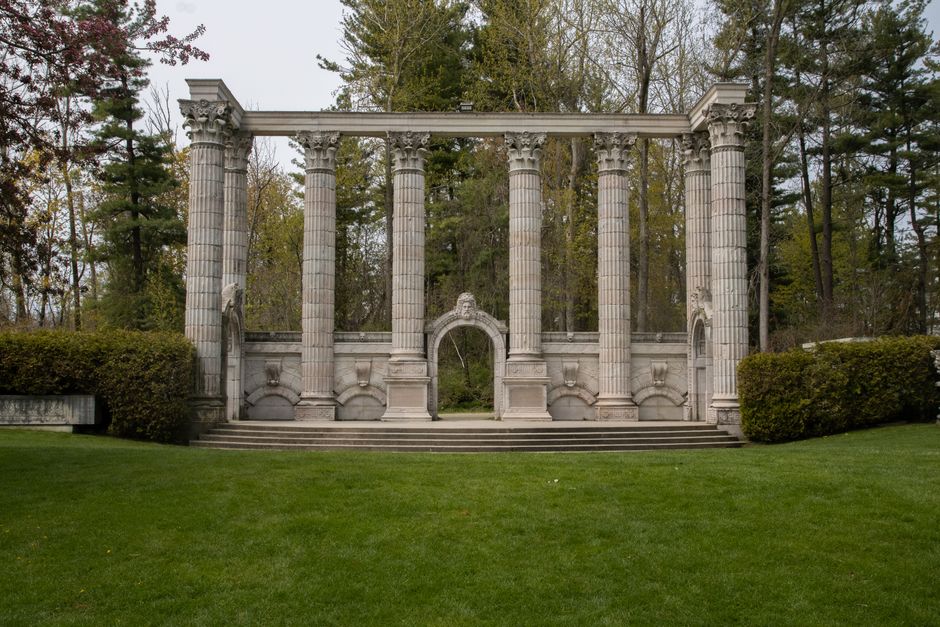
A hidden park in Scarborough serves as a graveyard for Toronto's demolished architectural treasures.
What do a bank facade, a grand doorway, and a Grecian colonnade have in common? They were all rescued from the wrecking ball and reassembled at Guild Park. This sprawling estate on the Scarborough Bluffs tells a unique story of architectural preservation, where fragments of Toronto's past stand like ancient ruins, repurposed as art in a lush garden setting. It's a poignant reminder of the city's ever-changing landscape.
2. From Bricks to Biodiversity at Don Valley
Toronto, Canada
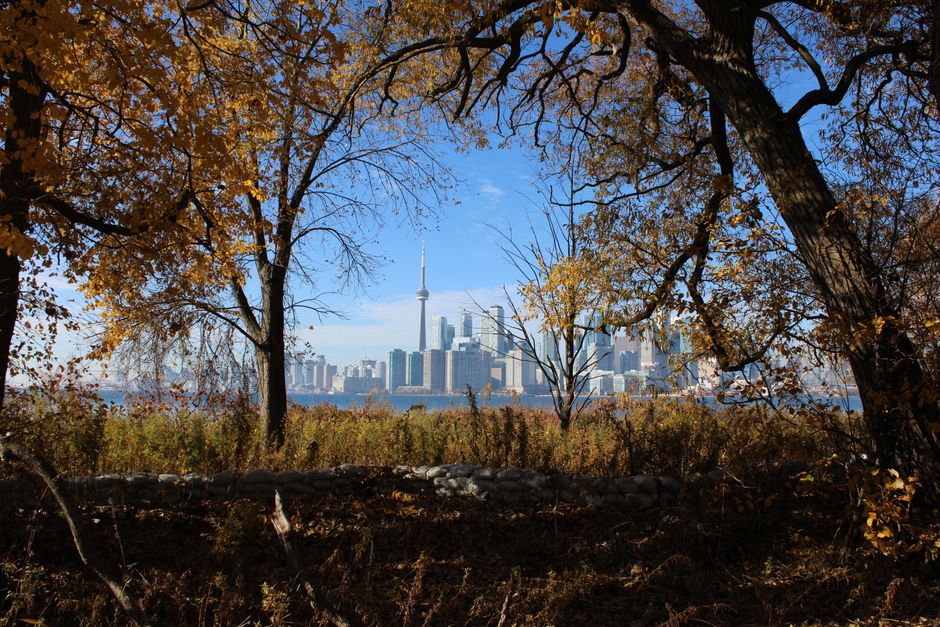
An abandoned industrial brick factory transformed into a vibrant urban wetland and community hub.
Long after its bricks built much of Toronto, the Don Valley Brick Works was reclaimed by nature and design. Today, this former quarry and factory site is a thriving ecosystem of ponds, trails, and diverse wildlife. It's a testament to environmental rehabilitation, offering a unique blend of industrial heritage and natural beauty, where you can explore old kilns alongside flourishing wetlands.
3. Unearthing Montreal's Beginnings
Montreal, Canada
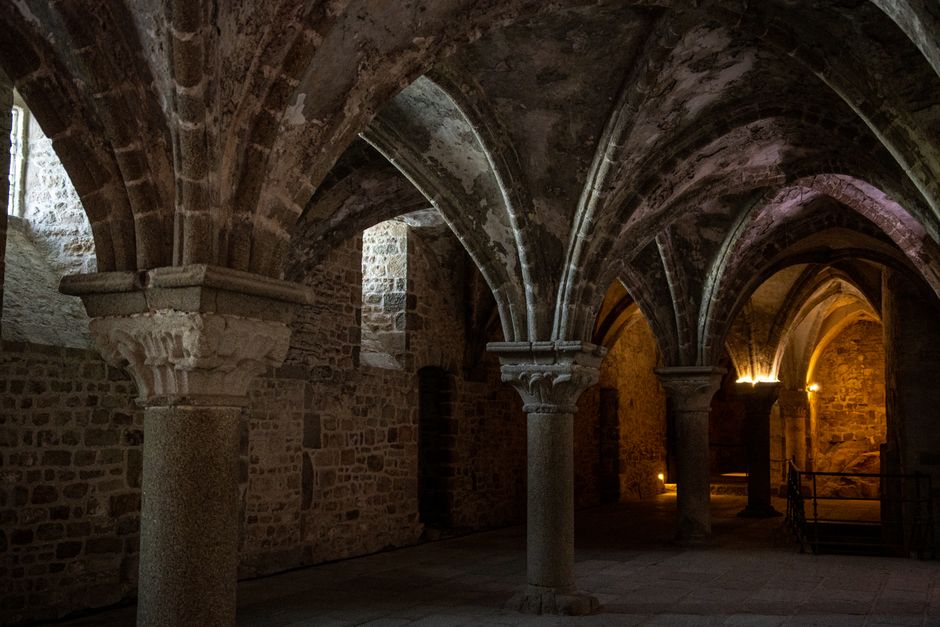
Beneath the streets of Old Montreal lies an active archaeological site revealing the city's very foundations, from Indigenous settlements to colonial fortifications.
Descend into the crypt of Pointe-à-Callière and step onto a glass floor suspended above millennia of history. This award-winning museum is built directly over Montreal's true birthplace, showcasing the foundations of the city’s first permanent settlement, ancient Indigenous encampments, and even a 17th-century cemetery. It's a literal journey through time, exploring layers of habitation beneath the modern city.
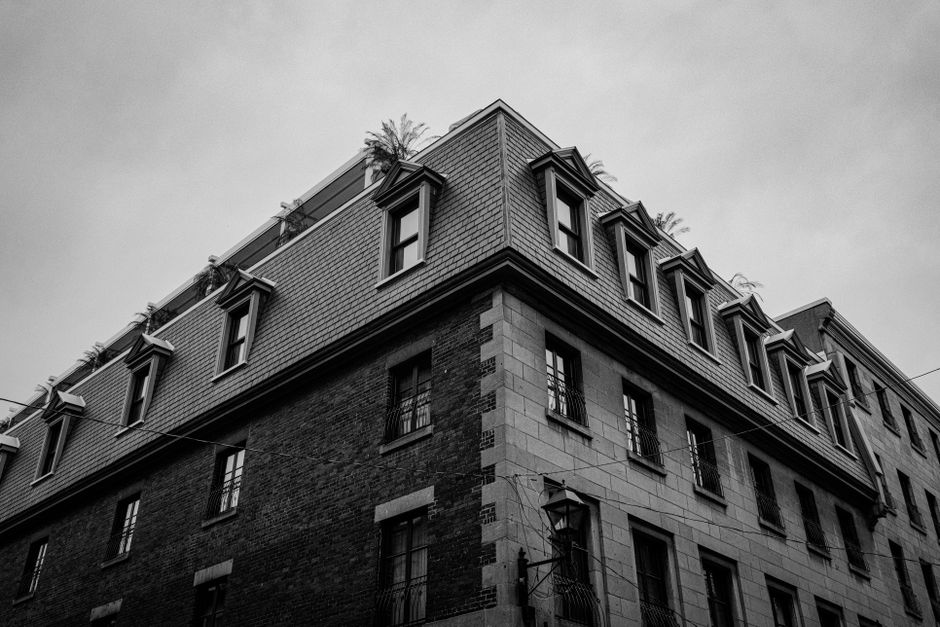
4. Habitat 67: A Visionary Concrete Village
Montreal, Canada
A radical, futuristic housing complex built for Expo 67 pushed the boundaries of urban living, looking like stacked concrete boxes but offering private gardens to every resident.
Architect Moshe Safdie's visionary creation, Habitat 67, challenged traditional apartment design, proposing a utopian ideal of affordable housing combined with suburban comforts. Each of its 354 pre-fabricated concrete modules is arranged to give every unit a private terrace and ample natural light, an audacious experiment in modular architecture that still stands as a bold symbol of Montreal's innovative spirit and Expo 67's forward-thinking vision.
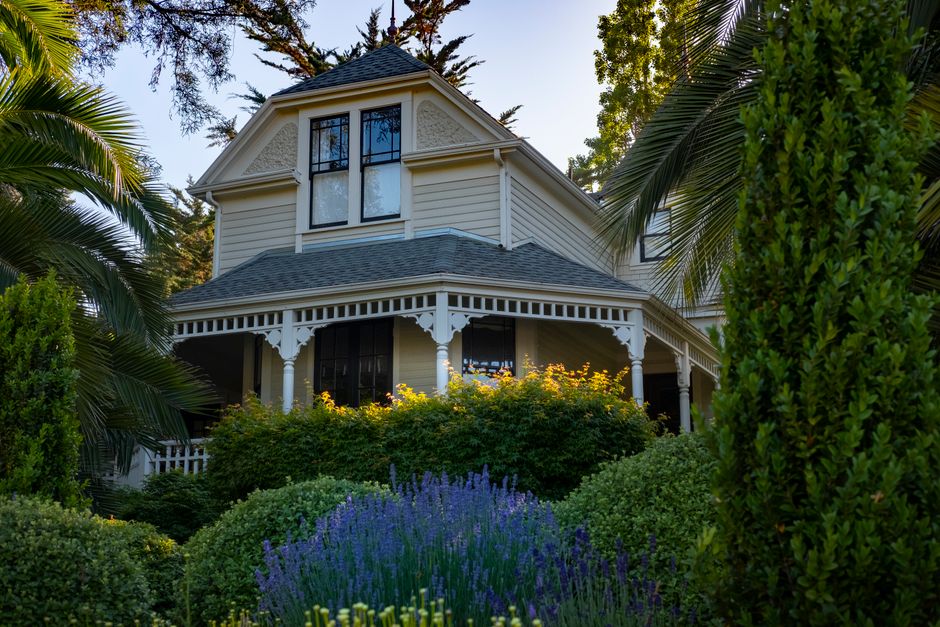
5. Strathcona: The Neighbourhood That Fought Back
Vancouver, Canada
Vancouver's oldest residential neighbourhood fought off urban renewal plans in the 1960s, preserving its unique character and diverse community.
Unlike many North American cities, Strathcona escaped widespread demolition thanks to passionate community activism. This vibrant area, once home to a diverse mix of immigrant communities and working-class families, showcases rows of charming Victorian and Edwardian homes, many lovingly restored. Its tree-lined streets tell a powerful story of resilience, cultural melting pot, and the enduring spirit of a neighbourhood that refused to be erased.
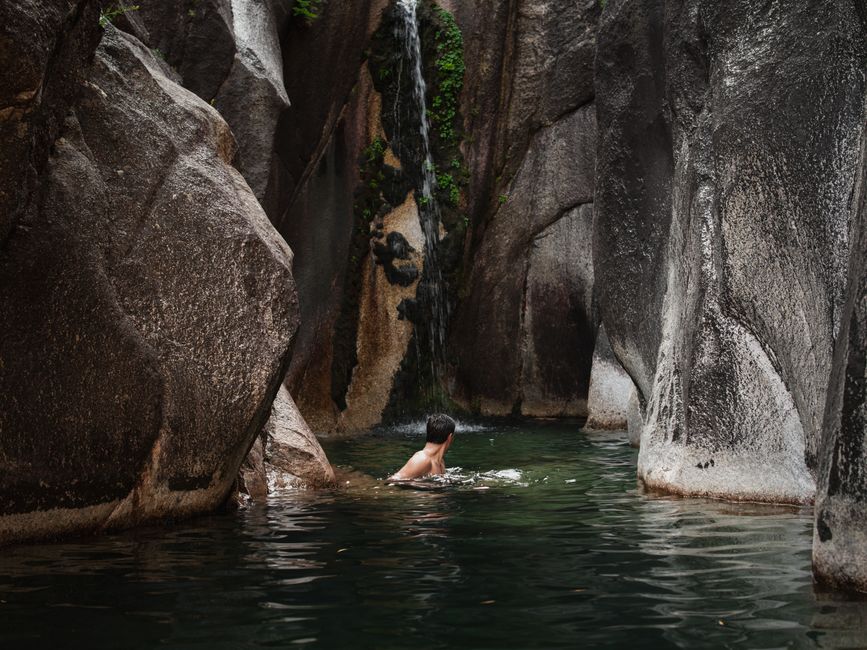
6. Lynn Canyon's Emerald Escape
Vancouver, Canada
Tucked away in North Vancouver's temperate rainforest is a naturally carved emerald pool, a local's secret for cliff jumping and swimming.
While Capilano is famous, Lynn Canyon offers a free, equally stunning immersion into Vancouver's natural beauty. The park's highlight, the 30 Foot Pool, is a glacial-carved swimming hole fed by crystal-clear waters, surrounded by ancient cedars and firs. It's a refreshing escape where locals brave the cool water, jump from surrounding rocks, and explore a network of trails leading to a free suspension bridge, far from the city bustle.
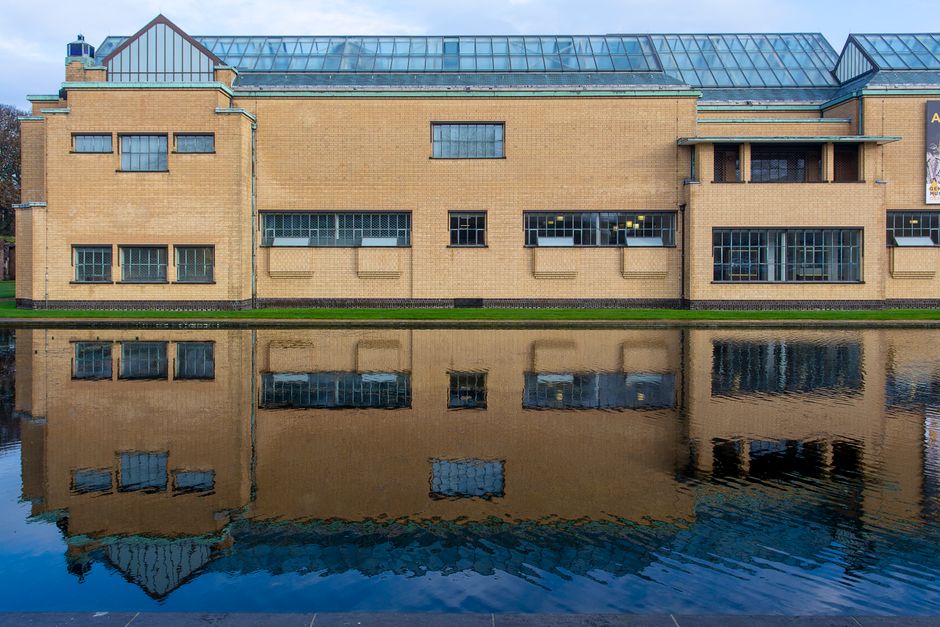
7. Toronto's Palace of Purification
Toronto, Canada
Toronto's main water treatment plant is a stunning Art Deco architectural masterpiece, dubbed the 'Palace of Purification.'
More than just vital infrastructure, the R.C. Harris Water Treatment Plant is a monument to civic pride and functional beauty. Built in the 1930s during the Great Depression, its grand scale, intricate detailing, and elegant stonework reflect an era when public works were celebrated as architectural triumphs. While its primary function is to deliver clean water, its hidden courtyards, majestic pump rooms, and lakeside setting make it an unexpected gem for history and architecture enthusiasts.
8. Marpole Midden: Ancient Indigenous Roots
Vancouver, Canada
An unassuming spot along the Fraser River marks one of North America's most significant archaeological sites, revealing millennia of Indigenous history.
Beneath a quiet Vancouver park lies the Marpole Midden, a vast shell mound built up over 4,000 years by the Musqueam people. This ancient village site, designated a National Historic Site, provides crucial insights into the rich culture, daily life, and sophisticated societal structures of the Coast Salish people long before European contact. It's a profound, tangible link to the deep Indigenous roots of the land Vancouver now occupies, a silent testament to enduring heritage.
Frequently asked questions
What's the biggest difference between Toronto, Montreal, and Vancouver?
Toronto is Canada's economic hub, known for its diversity and fast-paced urban life. Montreal offers a distinct European flair with its French language and rich history. Vancouver is celebrated for its stunning natural setting, blending urban living with easy access to mountains and ocean.
Which city is best for art and culture?
Montreal often takes the lead for its vibrant arts scene, with numerous festivals, historical architecture, and a strong French cultural influence. Toronto also boasts a thriving arts community, particularly in theater and film, while Vancouver offers a unique blend of Indigenous and contemporary art.
Is it easy to get around these cities without a car?
All three cities have excellent public transportation systems. Toronto's TTC (subway, streetcar, bus) is extensive, Montreal's Metro is efficient and covers much of the city, and Vancouver's TransLink (SkyTrain, SeaBus, bus) connects the metropolitan area well. Walking and cycling are also popular in urban cores.
How can I discover more hidden stories about Canadian cities?
To uncover the deeper narratives of any location, consider using an AI audio tour guide like AllTours.ai. Simply point your phone camera at a landmark, landscape, or even a local street, and the app will narrate its history, geology, and culture in your language, revealing fascinating, often overlooked details.
Photography via Pexels. AllTours.ai is an AI audio tour guide — point your camera at any landscape and hear its story.