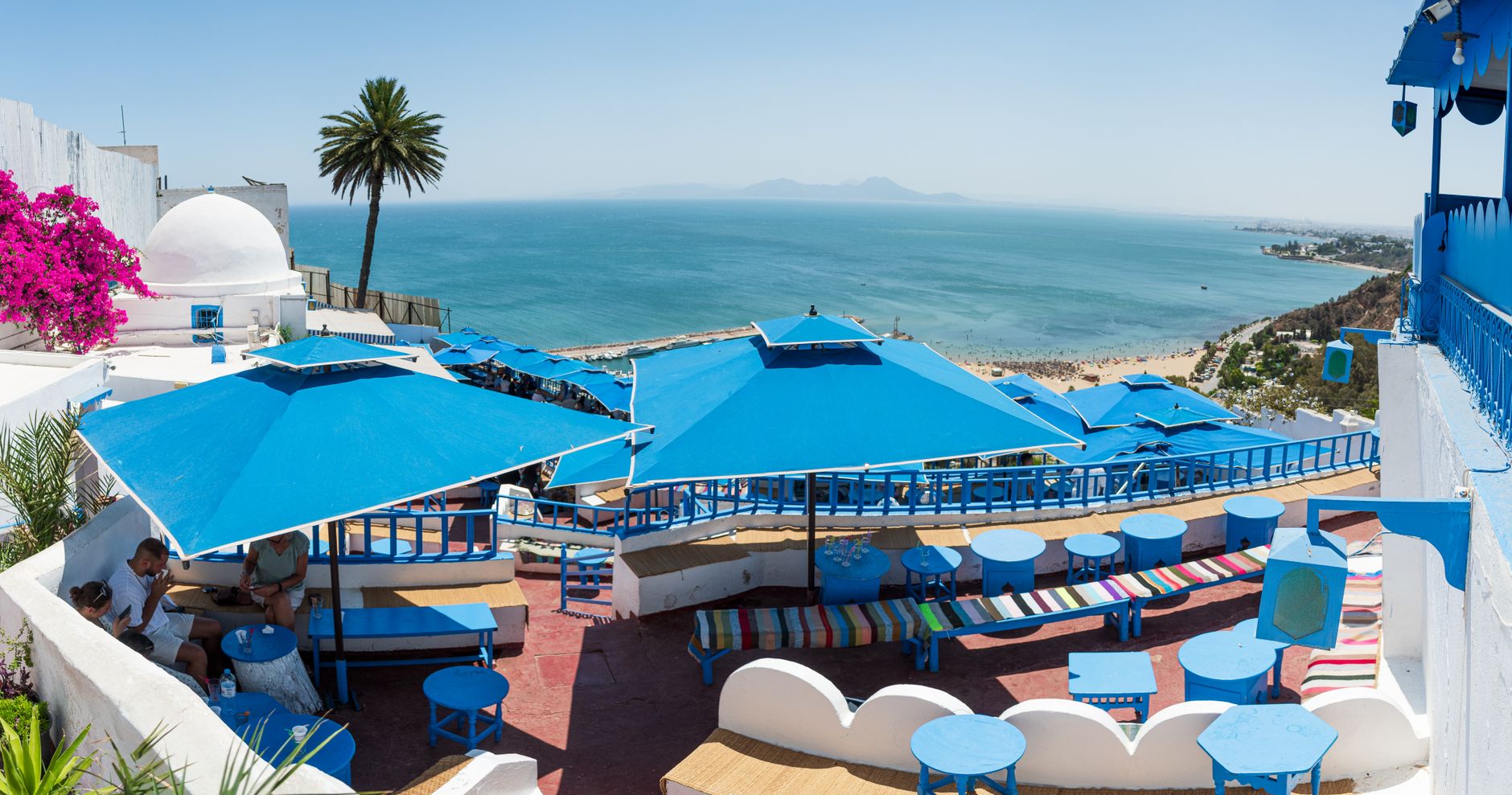
September 19, 2026 · 4 min read
Planning a 7-day visit to Tunis with your wife and staying at the Saint Georges Hotel Tunis is an excellent choice for exploring this vibrant North African capital. While many travelers flock to the well-known sites of Carthage and the Bardo Museum, Tunis and its surroundings hold countless lesser-known treasures, each with a captivating story waiting to be discovered.
Forget the usual tourist trails. We've curated a list of genuinely underrated spots that will immerse you in the authentic history, unique culture, and surprising geology of Tunisia. These places offer a deeper, more personal connection to the region, promising vivid memories beyond the postcards.
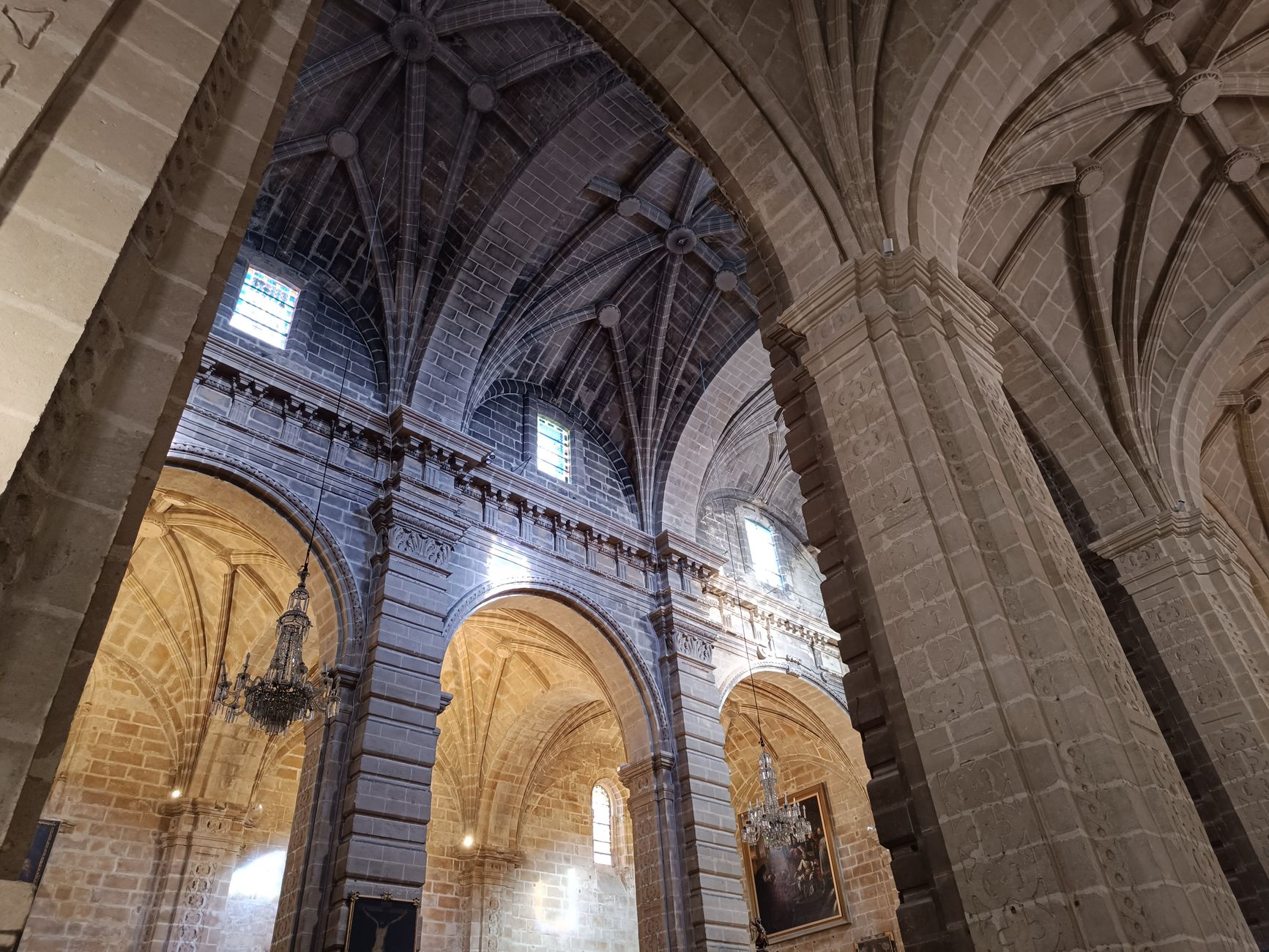
1. The Royal Resting Place of Tunis
Medina of Tunis, Tunisia
Inside Tunis's bustling Medina lies a serene royal necropolis, a lavish final home for the city's former rulers, often overlooked.
This grand, pink-domed mausoleum is the final resting place for the Husainid Beys, who ruled Tunisia for centuries. Built in the late 18th century, its opulent interior boasts marble, intricate stucco, and ceramic tiles, reflecting a blend of Ottoman, Italian, and local architectural styles. Unlike more public sites, Tourbet El Bey offers a quiet, reflective glimpse into the private world and dynastic wealth of Tunisia's royal past, far from the souk's clamor.
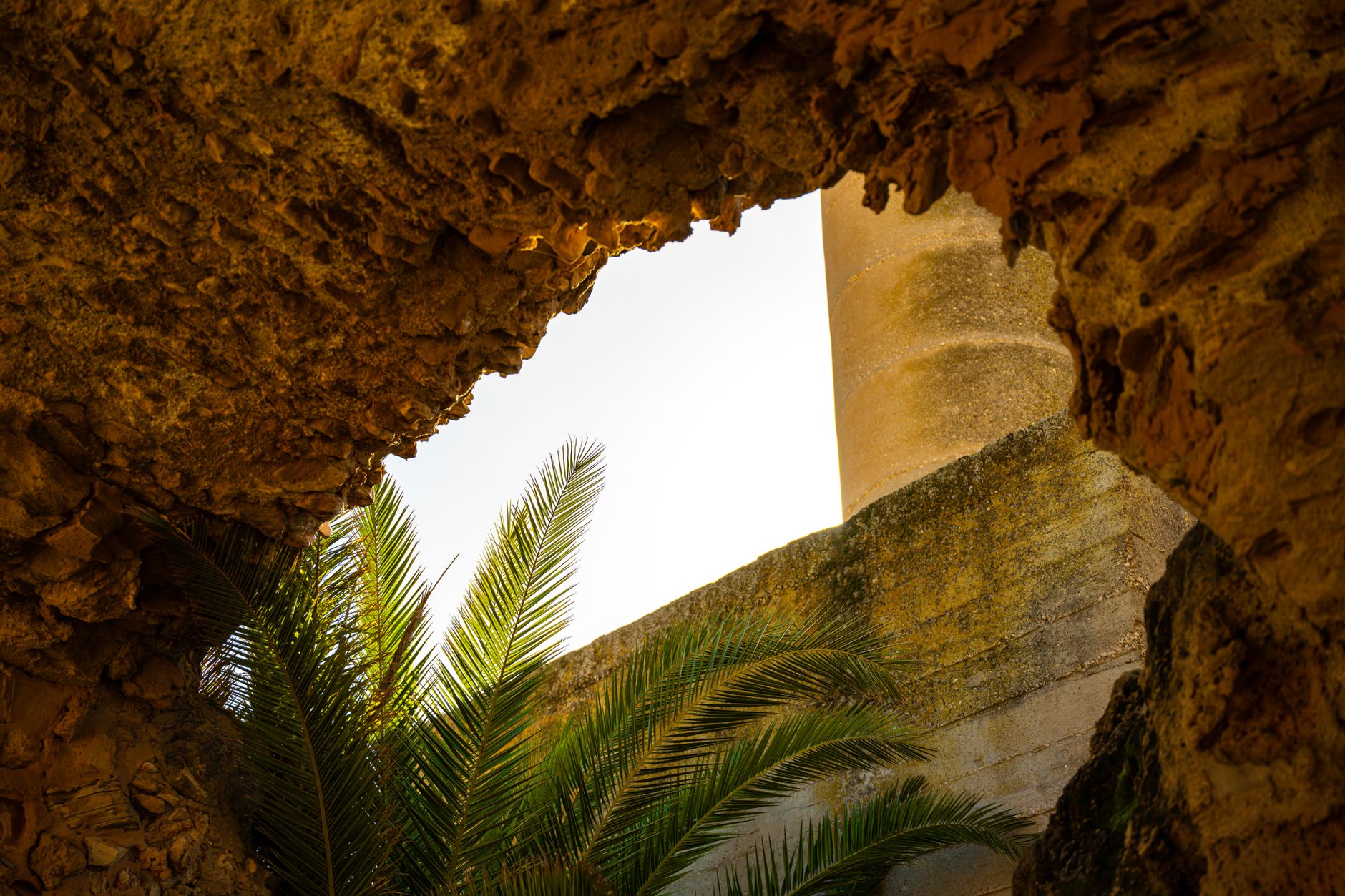
2. Carthage's Older Sister
Bizerte Governorate, Tunisia
Before Carthage rose to power, another Phoenician city, Utica, stood as the region's first and most enduring settlement, now a quiet ruin.
Founded around 1100 BC, Utica predates Carthage by several centuries, making it one of the oldest Phoenician settlements in North Africa. While its ruins are less imposing than Carthage's, they reveal layers of Punic, Roman, and Byzantine history, including a Roman theatre, baths, and well-preserved private houses with mosaic floors. Visiting Utica offers a unique perspective on ancient Mediterranean trade and power dynamics, away from the crowds, prompting reflection on forgotten empires.
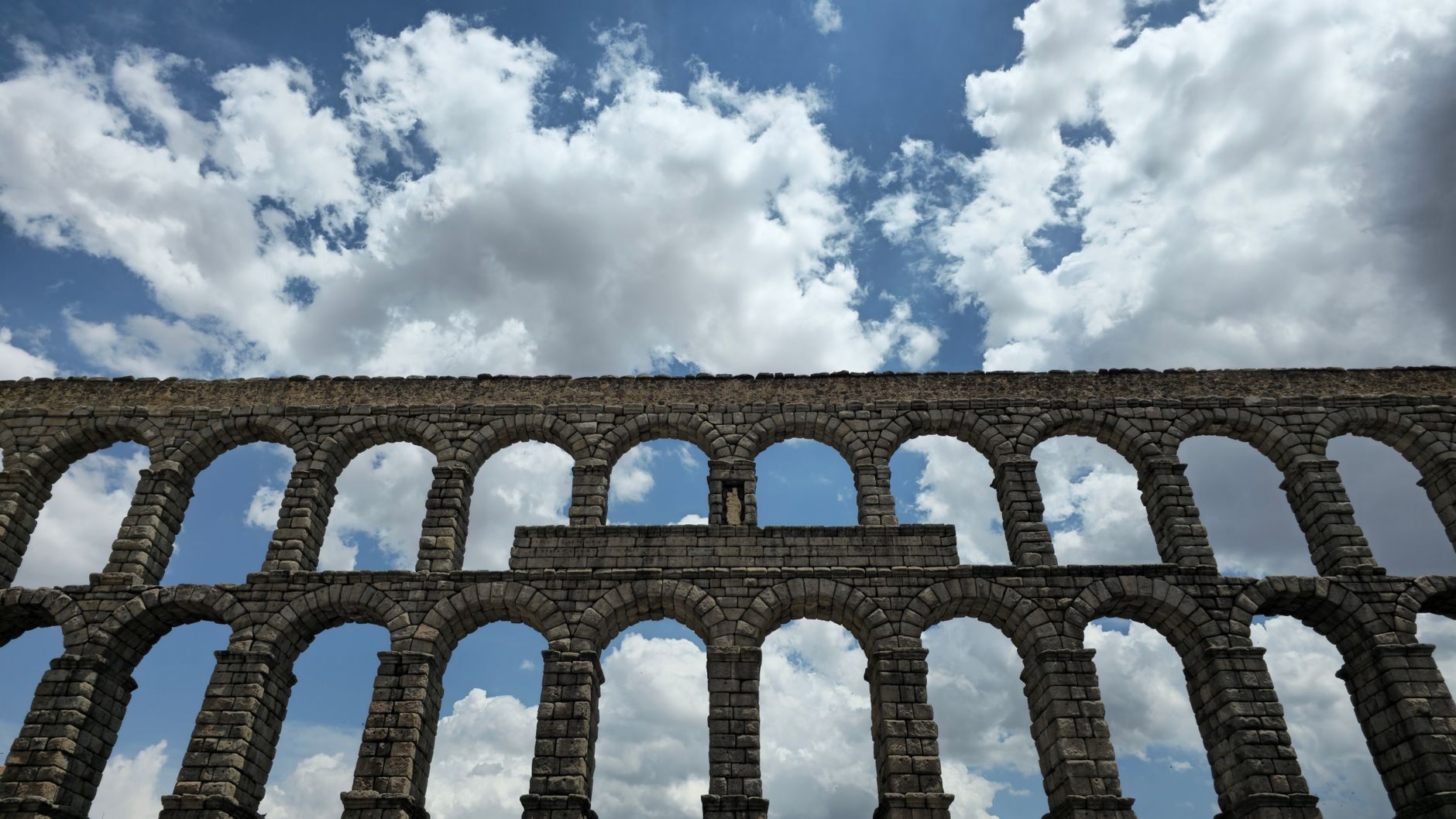
3. Roman Engineering's Thirsty Masterpiece
Pont-du-Fahs, Tunisia
Stretching over 130 kilometers, this monumental Roman aqueduct once supplied a thirsty Carthage, showcasing incredible ancient ingenuity in a dramatic landscape.
Built in the 2nd century AD under Emperor Hadrian, the Zaghouan Aqueduct was an engineering marvel, transporting fresh spring water from the Djebel Zaghouan mountains to Carthage. Sections of its towering arches still stand proudly across the Tunisian countryside, a testament to Roman ambition and hydraulic skill. Exploring its vast scale offers a tangible connection to the daily lives of ancient Carthaginians and Romans, illustrating the immense effort required to sustain a large city in an arid region.
4. The Red Hat Alley
Medina of Tunis, Tunisia
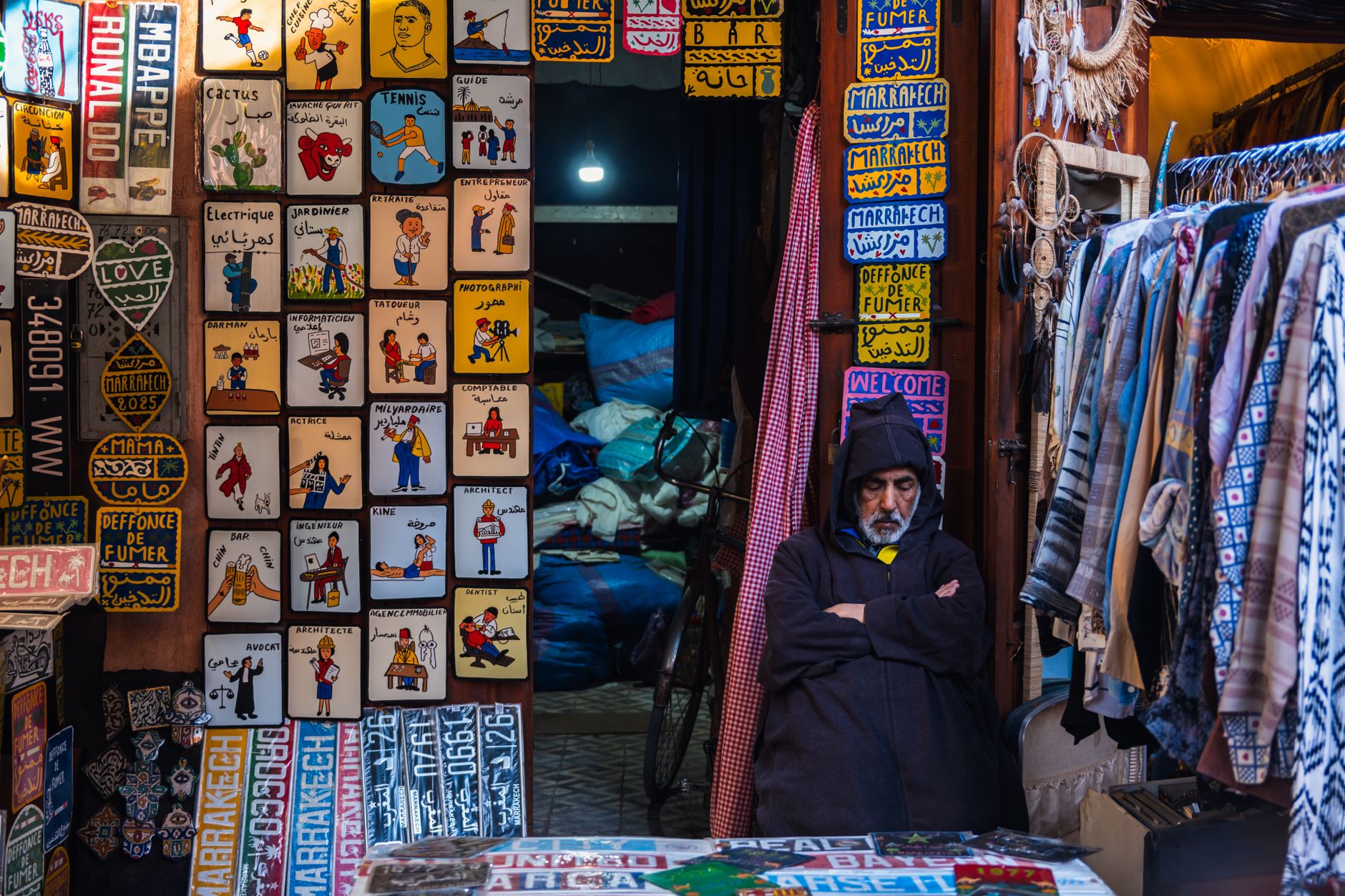
Step into a specialized souk where the iconic red felt 'chechia' hats of Tunisia have been handcrafted for centuries, a vibrant link to cultural identity.
Tucked away in the heart of the Tunis Medina, the Souk des Chechias is dedicated entirely to the production and sale of the traditional Tunisian chechia. These distinct red, flat-topped felt hats are a symbol of national identity and craftsmanship. Here, artisans can still be seen meticulously shaping and dyeing the wool, following techniques passed down through generations. It's a fascinating, sensory experience that offers a direct connection to a living cultural heritage, far from generic souvenirs.
5. A Beylical Merchant's Grand Home
Medina of Tunis, Tunisia
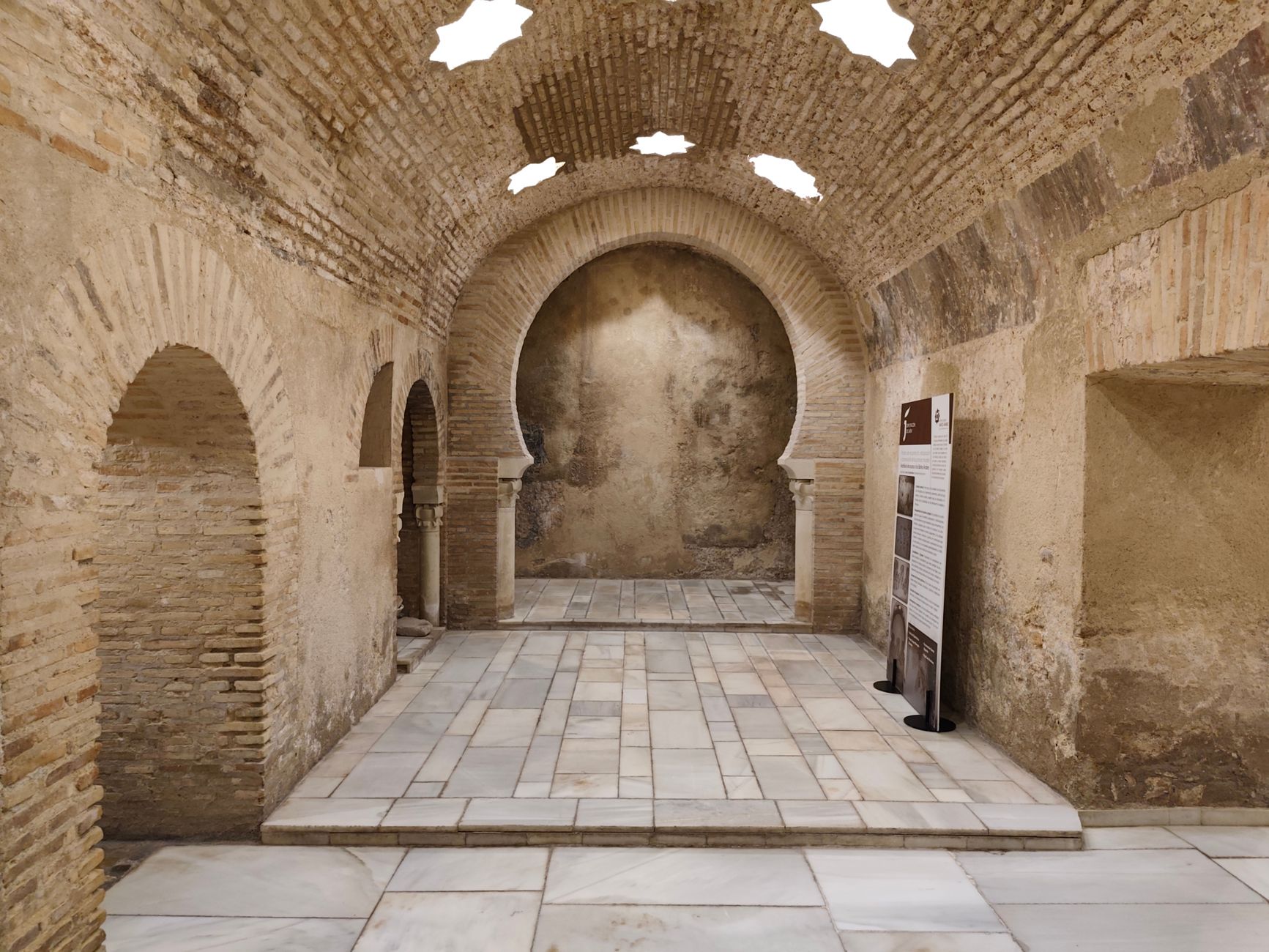
Wander through a beautifully preserved 18th-century palace, once home to a wealthy merchant, now revealing the opulent daily life of Tunisian aristocracy.
This elegant mansion, built by a wealthy beylical family, now serves as the Museum of Popular Arts and Traditions. Its rooms are meticulously restored and furnished, showcasing traditional Tunisian costumes, jewelry, ceramics, and household items. The architecture itself, with its intricate courtyards, carved stucco, and colorful tiles, is a masterpiece. It offers an intimate, authentic glimpse into the private world of Tunis's elite, providing context to the city's rich history beyond public monuments.
6. The Green-Domed Ottoman Gem
Medina of Tunis, Tunisia
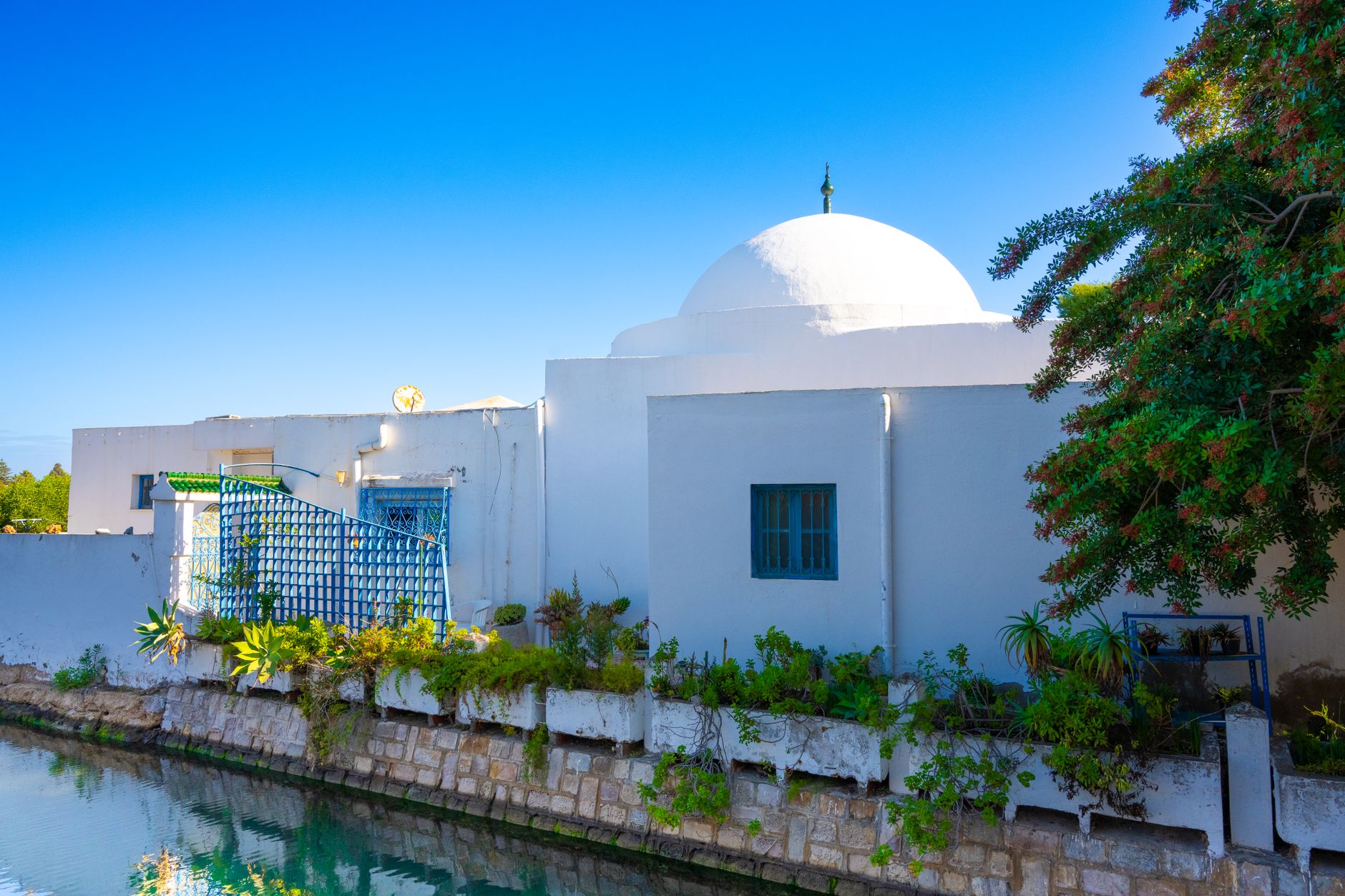
Dominating a quiet corner of the Medina, this distinctive mosque, with its green-tiled domes, marks a significant Ottoman architectural and religious landmark.
Built in the 17th century by the Dey Mohamed Bey El Mouradi, the Sidi Mahrez Mosque is unique for its Ottoman-inspired architecture, particularly its large central green dome and two smaller flanking domes, a rarity in Tunisian mosques. Dedicated to the patron saint of Tunis, Sidi Mahrez, it served as an important center for religious education and community life. Its grandeur and unique style stand out amidst the Medina's more traditional structures, offering a profound sense of historical and cultural layering.
7. Tunis's Multicultural Coastal Gateway
La Goulette, Tunis, Tunisia
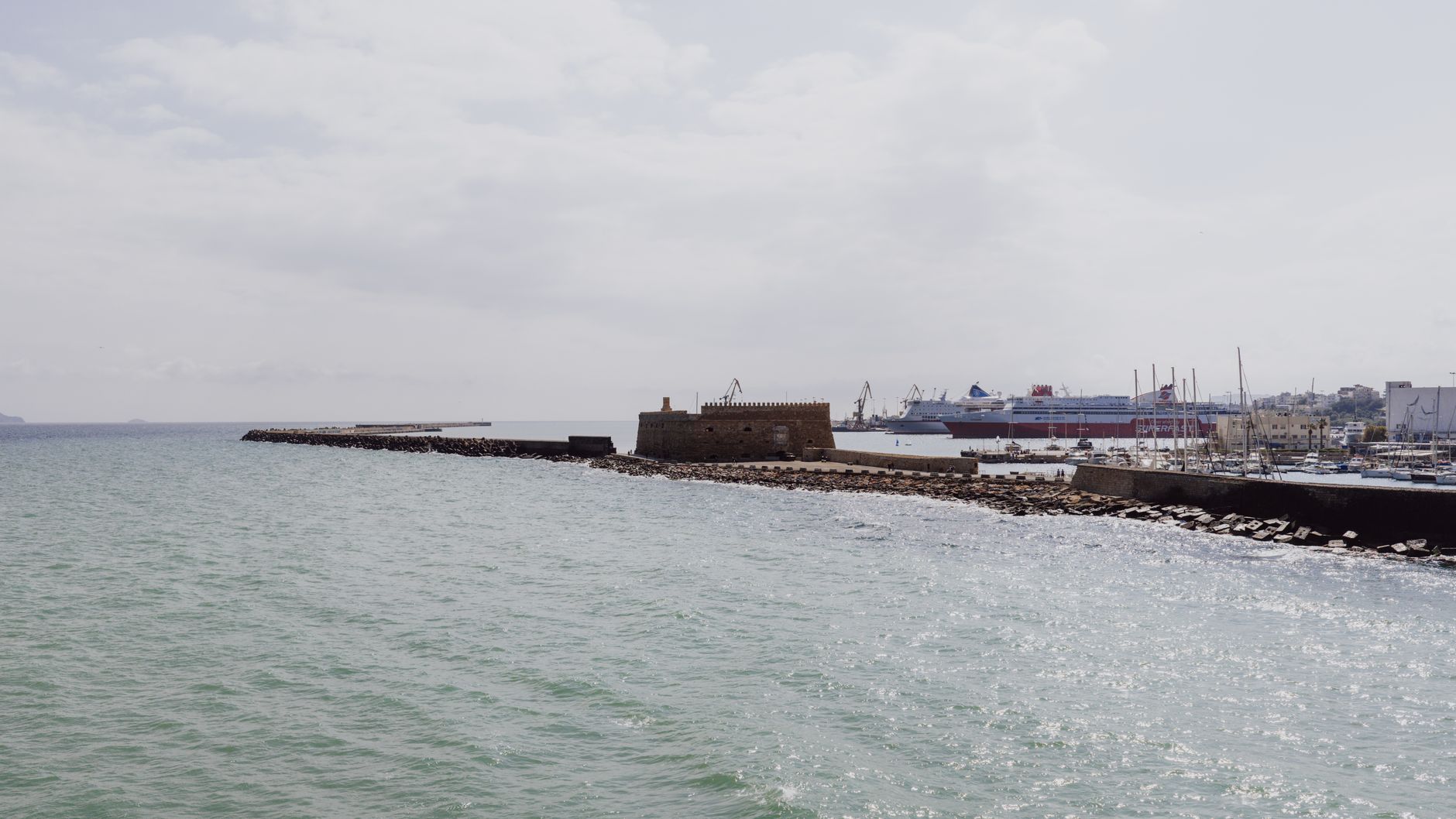
Discover a vibrant port town, a historical melting pot where diverse communities—Italian, Maltese, Jewish—left their indelible mark on its architecture and culinary scene.
Just a short train ride from central Tunis, La Goulette served as the city's main port for centuries. It became a hub for immigrants, particularly from Italy and Malta, fostering a unique multicultural identity distinct from the Medina. Today, its wide avenues are lined with charming Art Deco buildings and famous seafood restaurants, a legacy of its diverse past. Strolling its promenade and enjoying fresh catch offers a delightful contrast to the historical intensity of Tunis proper, showcasing a different facet of Tunisian life.
8. A Timeless Thermal Retreat
Medina of Tunis, Tunisia
Experience a living tradition in one of Tunis's oldest functioning hammams, a historic public bath offering a glimpse into centuries-old social rituals.
Tucked deep within the winding alleys of the Tunis Medina, Hammam El Fellag has provided a traditional bathing experience for locals for generations. Unlike modern spas, this hammam maintains its historic architecture and rituals, offering separate hours for men and women. It's a place where social bonds are forged, and daily worries are washed away in a sequence of hot and cold rooms. Visiting (respectfully, and with local guidance if needed) offers a truly authentic, sensory immersion into Tunisian cultural practices.
Frequently asked questions
Is Tunis safe for tourists?
Tunisia is generally safe for tourists, and Tunis is a welcoming city. Like any major urban area, it's wise to be aware of your surroundings, particularly in crowded areas like the Medina, and keep valuables secure. Stick to well-lit areas at night and use reputable transportation.
What currency is used in Tunis, and should I bring cash?
The official currency is the Tunisian Dinar (TND). While credit cards are accepted in larger hotels and shops, it's highly recommended to carry cash for smaller purchases, souk vendors, local cafes, and smaller attractions. ATMs are widely available throughout the city.
What is the best way to get around Tunis and to these sites?
Within Tunis, taxis are plentiful and affordable; always ensure the meter is used. For exploring the Medina, walking is essential. For sites outside the city center, like Utica or the Aqueduct of Zaghouan, you can hire a private taxi for a day trip, or use shared louages (shared taxis) for a more local and budget-friendly experience.
How can AllTours.ai enhance our visit to these unique places?
AllTours.ai transforms your phone into a personal AI audio tour guide. Simply point your camera at any landmark or landscape, and the app will instantly narrate its history, geology, and culture in your preferred language, offering deeper insights into these hidden gems and bringing their stories to life as you explore.
Photography via Pexels. AllTours.ai is an AI audio tour guide — point your camera at any landscape and hear its story.