July 12, 2026 · 4 min read
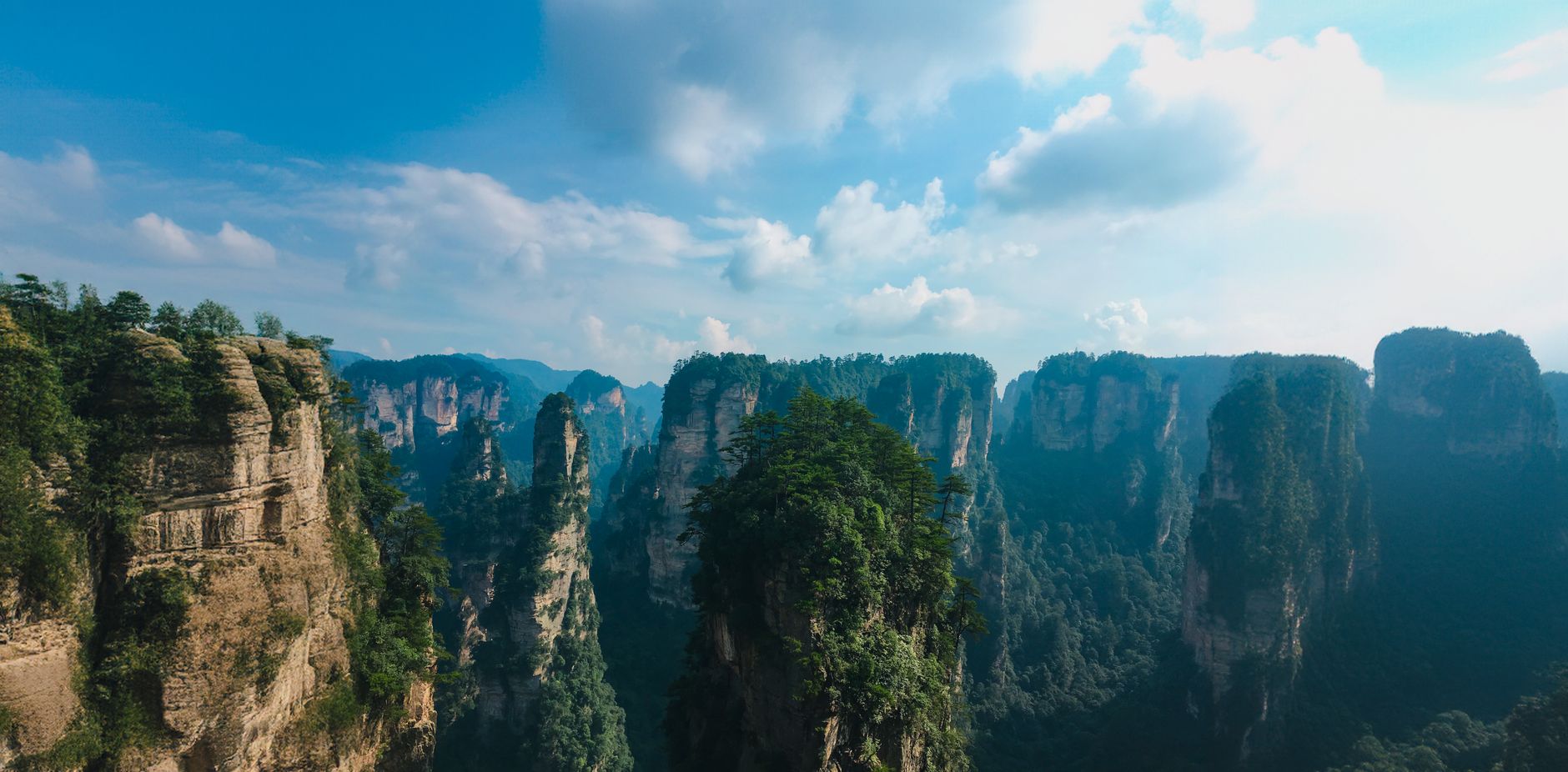
Zhangjiajie, China, is famous for its otherworldly landscape of towering sandstone pillars, a place that inspired the floating mountains of Pandora in Avatar. But beyond the well-trodden paths and iconic vistas lies a deeper, more intriguing Zhangjiajie, waiting for the curious traveler.
If you're wondering what is a must-do experience during a trip to Zhangjiajie, China, that goes beyond the usual photo stops, prepare to uncover hidden gems. We've curated a list of spots where ancient legends, unique geology, and forgotten history come alive, offering a truly unique perspective on this remarkable region.
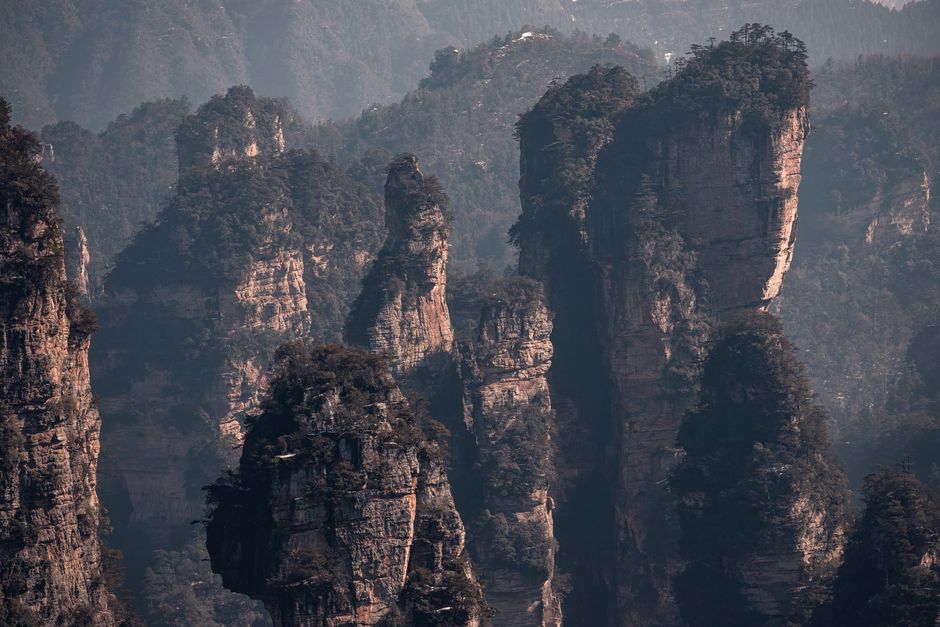
1. Wulong Village: The Bandit Stronghold
Yangjiajie Scenic Area, Zhangjiajie, China
This remote village, carved into the cliffs of Yangjiajie, was once an impregnable fortress for local bandits.
Deep within the less-visited Yangjiajie section of Zhangjiajie lies Wulong Village, or 'Five Dragons Village.' Accessible only by a challenging stone path and a series of steep ladders, this ancient settlement served as a strategic hideout for local bandits throughout history. Its natural defenses – sheer cliffs on three sides and a narrow, winding entrance – made it virtually unassailable, providing a fascinating glimpse into a rugged past where survival depended on the landscape itself.
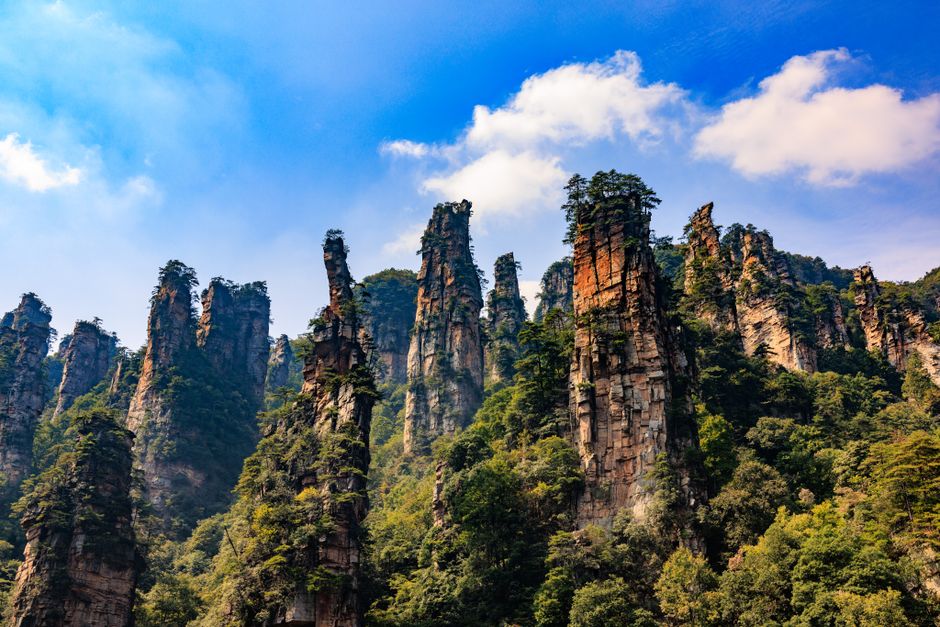
2. Laowuchang: The Sky Garden
Tianzi Mountain Scenic Area, Zhangjiajie, China
Discover a 'Sky Garden' where local farmers cultivate crops on narrow terraces clinging to the very edge of colossal sandstone pillars.
While most visitors flock to Yuanjiajie for its iconic peaks, Laowuchang, or 'Old House Area,' offers an equally stunning, yet far more serene, experience. Here, a small community of Tujia people has for generations tended to 'Sky Gardens' – improbable agricultural terraces carved into the flat tops of the sandstone columns. It's a testament to human ingenuity and resilience, showcasing how life has adapted to and thrived within this dramatic, vertical landscape, often shrouded in a mystical mist.
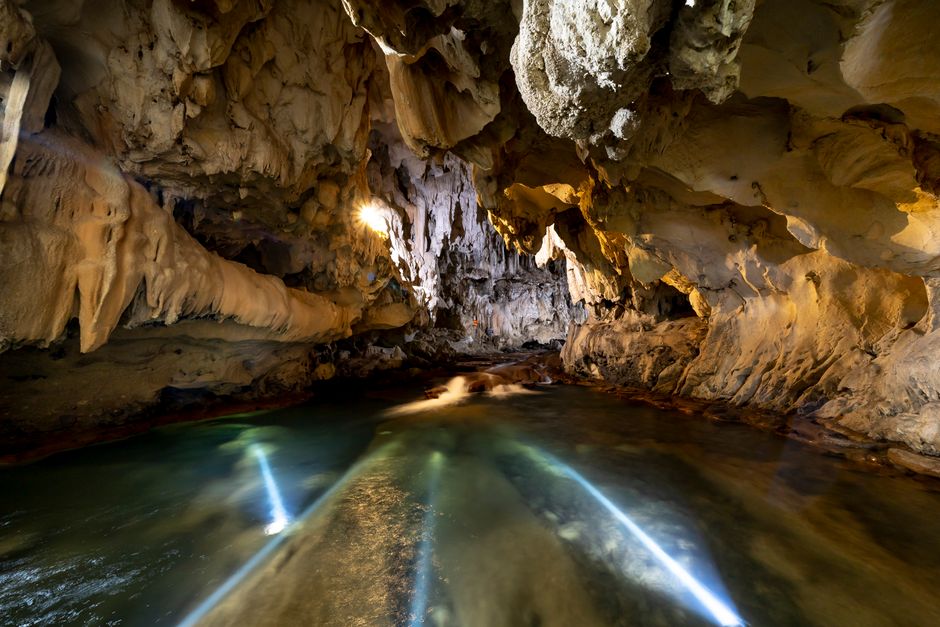
3. Dragon King Cave: The Underground River
Cili County, Zhangjiajie, China
Explore one of China's longest and most intricate underground river cave systems, home to formations rarely seen by the general public.
Often overshadowed by the more famous Yellow Dragon Cave, the Dragon King Cave (Longwangdong) in Cili County offers an even more extensive and pristine subterranean adventure. This massive limestone cave system boasts an underground river stretching for miles, navigable by boat, revealing spectacular stalactites, stalagmites, and crystal formations that have taken millions of years to form. Its sheer scale and the feeling of venturing into an untouched geological marvel make it a truly immersive experience.
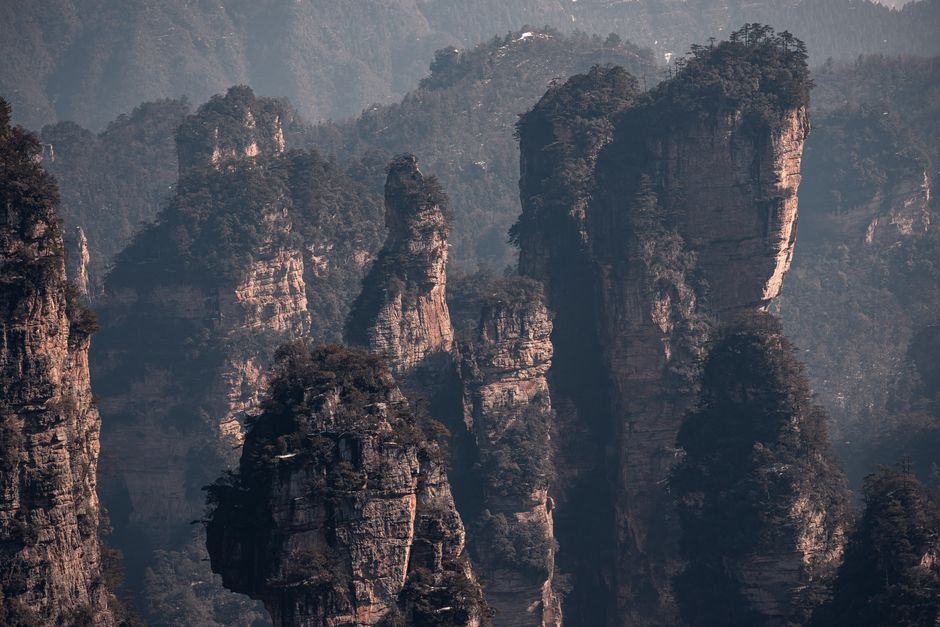
4. Shengtangwan: The Mysterious Sacred Bay
Tianzi Mountain Scenic Area, Zhangjiajie, China
Venture to a deep, mist-filled canyon where strange, unexplained sounds are said to echo from its depths, fueling local legends.
Shengtangwan, or 'Sacred Bay,' is a natural amphitheater within Tianzi Mountain, known for its profound mystery. Local legends speak of peculiar sounds – resembling gongs, drums, or even human voices – emanating from its deep, often mist-shrouded chasm, particularly on rainy or foggy days. While scientists attribute this to unique acoustic properties of the canyon's geology, the unsettling echoes have long fueled tales of spirits and ancient battles, adding an eerie, captivating layer to its natural beauty.
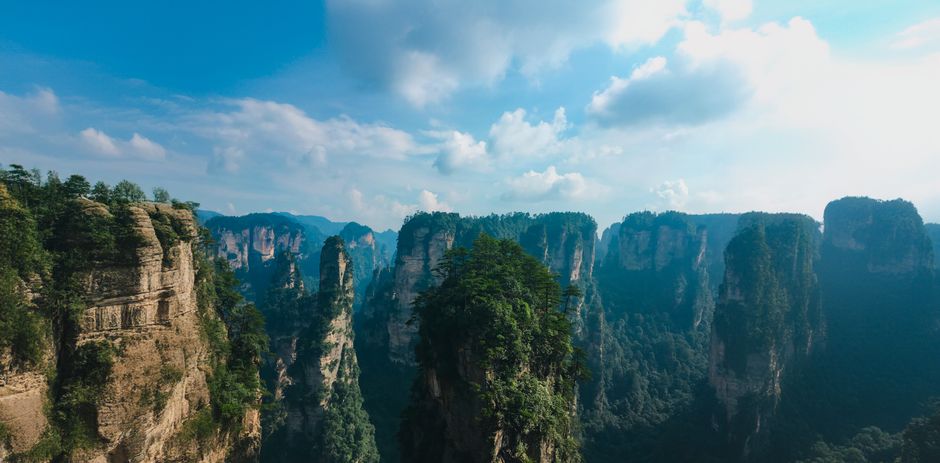
5. Huangshi Village: Zhang Liang's Refuge
Zhangjiajie National Forest Park, China
This ancient village is steeped in the legend of Zhang Liang, a strategist who hid here from vengeful enemies.
Huangshi Village, or 'Yellow Stone Village,' is one of the earliest developed scenic areas in Zhangjiajie, yet it remains less crowded than some newer attractions. Its name comes from Zhang Liang, a brilliant strategist during the Western Han Dynasty, who allegedly sought refuge here from the pursuit of Emperor Liu Bang. The village's rugged terrain and natural caves provided an ideal hiding place, solidifying its place in local folklore as a sanctuary for heroes and a site of strategic importance.
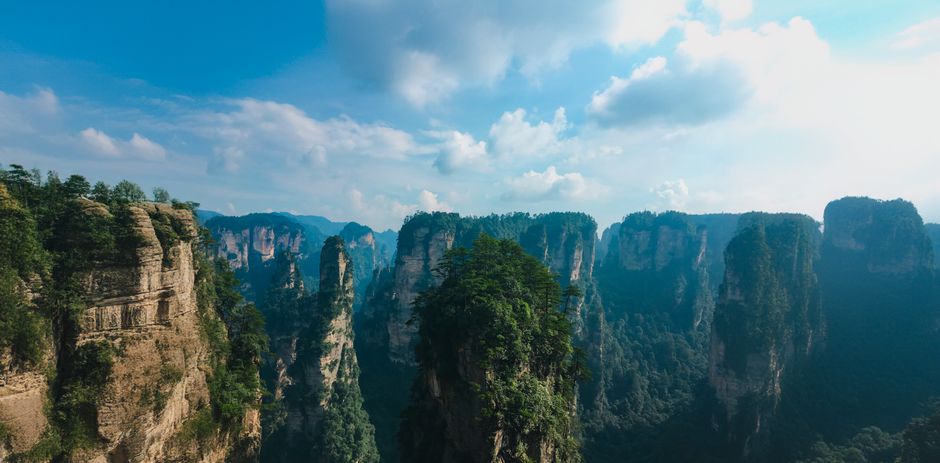
6. Shuiraosimen: The Four Gates Surrounding Water
Wulingyuan Scenic Area, Zhangjiajie, China
Witness the natural convergence of four major streams, a tranquil 'umbilical cord' that nourishes the entire Wulingyuan area.
Shuiraosimen, meaning 'Four Gates Surrounding Water,' is a peaceful and often overlooked spot where four major streams from different directions converge before flowing into the Jinbian (Golden Whip) Stream. This unique hydrological junction is considered the 'heart' or 'umbilical cord' of the Wulingyuan Scenic Area, vital for its ecology. The serene environment, surrounded by verdant peaks and the gentle murmur of flowing water, offers a contemplative pause amidst Zhangjiajie's more dramatic vistas.
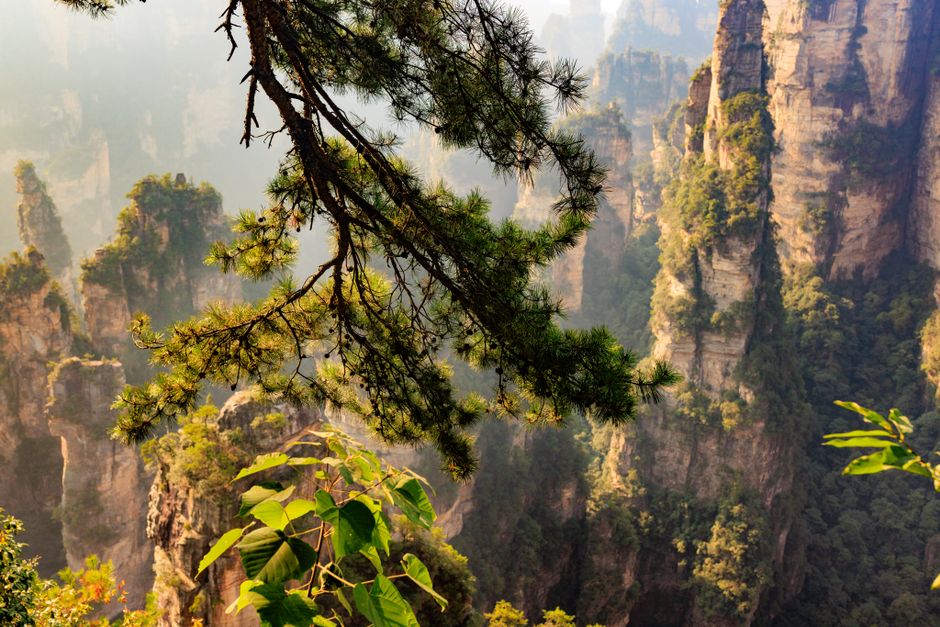
7. Imperial Writing Brush Peak: The Rebel's Legacy
Tianzi Mountain Scenic Area, Zhangjiajie, China
Marvel at a single, slender rock pillar said to be the writing brush of a Ming Dynasty farmer-rebel who declared himself emperor.
Within the vast Tianzi Mountain area stands the Imperial Writing Brush Peak, a remarkably slender sandstone pillar topped with green vegetation, resembling an ancient Chinese writing brush. Legend attributes this formation to Xiang Dakun, a local farmer who led a peasant uprising during the Ming Dynasty and crowned himself 'Son of Heaven.' It's said that after his defeat, he threw his imperial brush into the valley, transforming it into this iconic peak, a lasting monument to his ambition and the region's rebellious spirit.
Frequently asked questions
What is the best time to visit Zhangjiajie?
The best times to visit Zhangjiajie are spring (April to May) and autumn (September to October). During these seasons, the weather is pleasant, and the mist often shrouds the peaks, creating the iconic 'Avatar' scenery. Summer can be hot and crowded, while winter offers a unique snow-covered landscape but limited accessibility.
How many days do I need for a trip to Zhangjiajie?
To truly experience Zhangjiajie and explore some of its lesser-known spots, a minimum of 3 to 4 full days is recommended. This allows enough time to visit the major scenic areas like Wulingyuan, Tianmen Mountain, and perhaps one or two of the hidden gems without feeling rushed.
Is Zhangjiajie very crowded?
Zhangjiajie can be very crowded, especially during peak season, weekends, and Chinese public holidays. However, by focusing on lesser-known areas like Yangjiajie, Laowuchang, or specific trails within the larger parks, you can often find more tranquil experiences away from the main tourist flows.
How can AllTours.ai enhance my Zhangjiajie trip?
AllTours.ai transforms your Zhangjiajie experience by providing instant, contextual audio tours. Simply point your phone camera at a landmark or landscape, and the app narrates its rich history, unique geology, and fascinating cultural stories in your preferred language, revealing insights you might otherwise miss.
Photography via Pexels. AllTours.ai is an AI audio tour guide — point your camera at any landscape and hear its story.