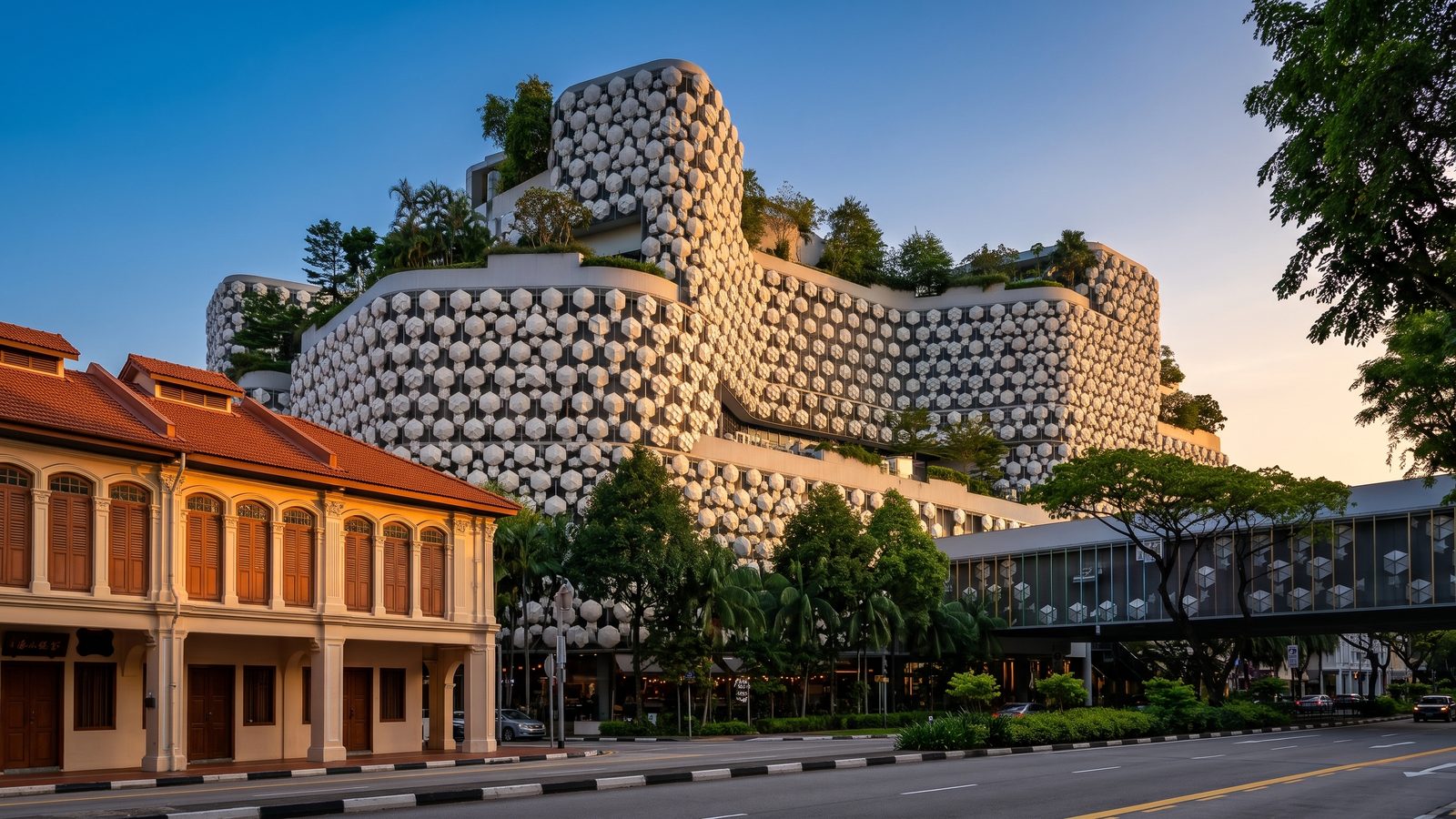
Welcome to Bugis, one of Singapore's most dynamic and culturally rich neighborhoods. Once a seaside settlement for adventurous seafaring traders from Sulawesi, Bugis has evolved into an extraordinary urban district. Here, futuristic shopping centers like Bugis+ stand alongside historic shophouses and vibrant street markets. As you walk through these bustling streets, you step directly into a living tapestry of Malay, Chinese, Indian, and Eurasian traditions.
This self-guided audio tour leads you through the district's fascinating history, architectural contrasts, and creative back alleys. From wartime stratagems to vibrant public art installations, you will uncover the stories, sights, and lingering spirit of exploration that continue to define Bugis today.
Listen to a sample
The opening of this tour, exactly as AllTours narrates it on site.
What you'll hear on this tour
Stop 1. Shadows of Seafarers and War
You stand on ground deeply rooted in history, originally known as Kampong Bugis. In the 17th century, skilled seafarers from Sulawesi arrived here aboard their distinctive pinisi sailing vessels, drawn by Singapore’s strategic location. Their entrepreneurial drive established early trade networks that laid the foundation for this commercial hub. As you walk these streets, remember that this area also bore witness to the hardships of the Japanese Occupation during World War II. Imagine the quiet determination of local residents navigating uncertain times and clandestine wartime meetings unfolding right where you walk, reflecting a resilient spirit that shaped the district's enduring character.
Stop 2. Wartime Camouflage and Nightlife Revelry
You walk along streets that witnessed dramatic transformations throughout the mid-20th century. During World War II, this area played a role in strategic Bugis Street Camouflage operations designed to mislead Allied intelligence, demonstrating remarkable resourcefulness during wartime conflicts. Following the war, Bugis Street shifted dramatically into a world-famous center of post-war nightlife. Known for the vibrant and controversial bugis street girls phenomenon, the street attracted both curious locals and international visitors. This period of underground social dynamics and nocturnal revelry captures a unique chapter of post-war Singapore's rapidly evolving identity, leaving an indelible mark on the neighborhood's history.
Stop 3. Harmonizing Shophouses with Futuristic Steel
Look around to admire how the architecture of Bugis balances urban aspiration with deep-rooted heritage. You see sleek, modern landmarks like Bugis+ with its 2009 nature-inspired hexagonal facade alongside shimmering glass structures. Contrast these contemporary designs with traditional colonial-era shophouses tucked between them. Notice their pitched roofs and clever ventilation openings engineered specifically for the tropical climate. Intricate ceramic tiles and detailed plasterwork adorn older facades, showcasing craftsmanship passed down through generations. Even modern architects incorporate subtle hints of these traditional proportions and materials, creating an engaging visual conversation between past and present across the city's skyline.
Stop 4. Public Galleries in Hidden Alleys
You find yourself immersed in a living canvas where art seamlessly weaves into daily urban life. As you explore the back alleys, look closely at the vivid street murals painted by emerging Singaporean artists, transforming forgotten brick walls into open-air galleries that tell stories of local folklore and social commentary. Spontaneous energy fills the air as street performers gather to deliver impromptu musical and dance routines to passersby. Even the raw graffiti adds an authentic urban texture to the cityscape, while unexpected pop-up installations highlight contemporary creative expression tucked away in quiet corners across the district.
Stop 5. A Symphony of Multicultural Heritage
You are experiencing the multicultural heart of Singapore, where Malay, Chinese, Indian, and Eurasian influences merge effortlessly. Look at the diverse shop signs lining the walkways and take in the aromatic spices drifting from nearby hawker stalls, each offering a distinct cultural fingerprint. Listen carefully as a daily symphony of multiple languages fills the air around you. This district is far more than a busy marketplace; it is a living microcosm of harmonious co-existence where long-standing traditions are actively celebrated during the daily rush. You can truly feel the vibrant pulse of cultural exchange in every corner.
Stop 6. The Enduring Spirit of Voyage
You follow in the footsteps of early Bugis traders who charted unknown waters from Sulawesi aboard pinisi ships centuries ago. Driven by curiosity and trade, those early maritime explorers mapped vital waterways and established the foundation of this bustling neighborhood. Today, that same spirit of exploration draws visitors from around the world to Bugis. As you wander through hidden side streets, search for local gems, and experience diverse cultural layers, you participate in an ongoing tradition of discovery, connecting past maritime voyagers with modern urban travelers exploring this dynamic area.
Planning your visit
- Best time to go
- Late afternoon to early evening, when the weather cools and street lights bring out the murals and street energy.
- Approximate duration
- about 1.5 hours
- Where to start
- Outside Bugis MRT Station near the entrance to Bugis Street market.
Access and conditions change seasonally — check the official site before you go.
Frequently asked questions
Is Bugis worth visiting?
Yes, Bugis is one of Singapore's most vibrant districts, offering a rich mix of historic shophouses, street art, bustling markets, modern retail hubs like Bugis+, and multicultural heritage.
How long do you need at Bugis?
A typical visit takes around 1.5 to 2 hours to explore the murals, historic architectural facades, street markets, and shopping areas at a comfortable self-guided pace.
What is the history of Bugis Street?
Originally settled by Bugis seafarers from Sulawesi in the 17th century, the area grew into a vital trading hub. In the 20th century, it witnessed WWII strategic camouflage operations and later became internationally famous for its lively post-war nightlife.
Keep exploring
Header image is an AI-generated illustration of Bugis. AllTours.ai is an AI audio tour guide — point your camera at any landmark and hear its story.