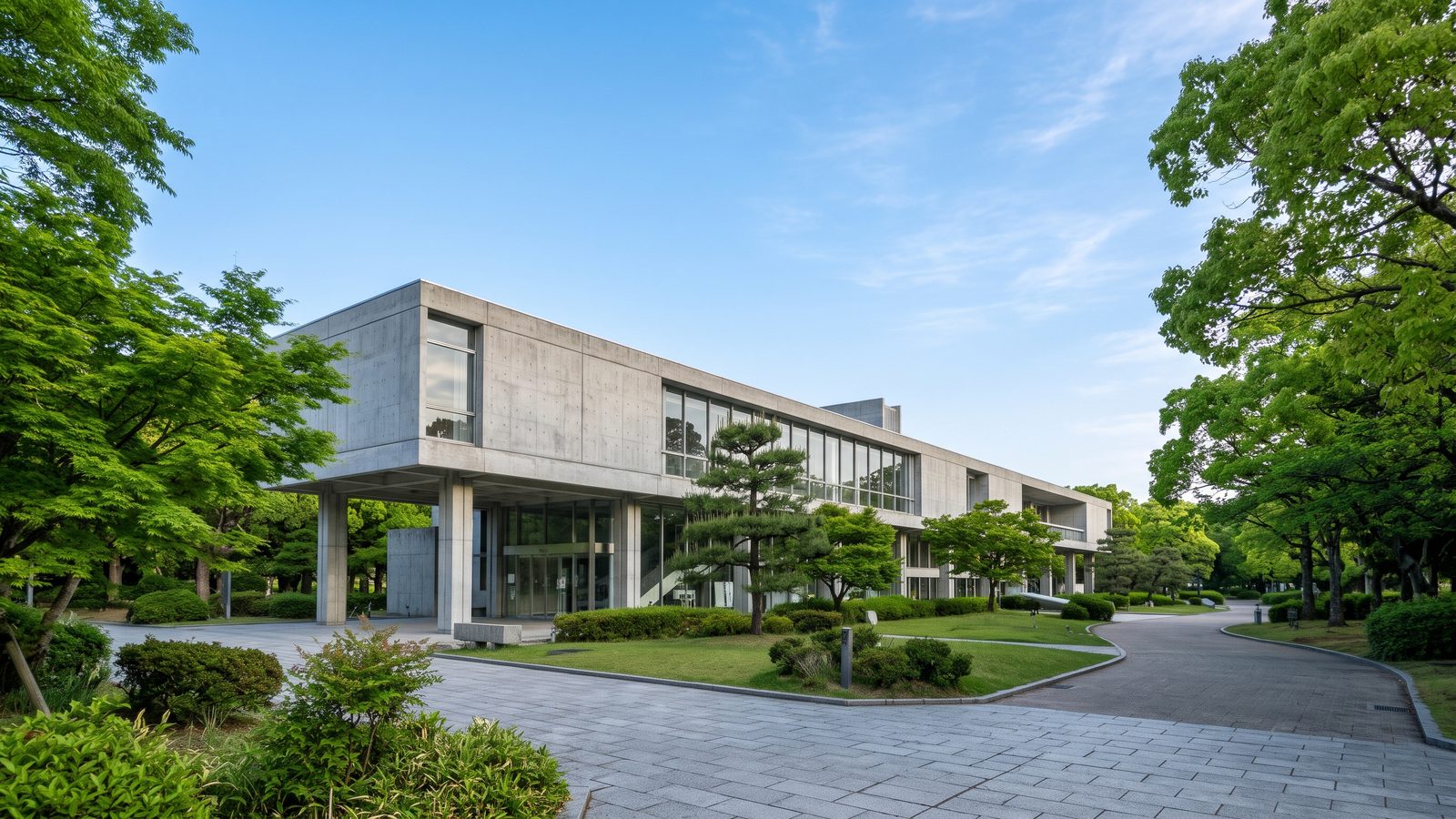
Welcome to the Hiroshima Peace Memorial Museum, a sanctuary dedicated to remembering the atomic bombing of August 6, 1945. Designed by renowned architect Kenzo Tange, this striking concrete complex balances the memory of utter devastation with the resilient spirit of Hiroshima. As you walk through its halls, you confront the human cost of war through intimate personal stories, preserved artifacts, and an enduring call for global nuclear disarmament.
This self-guided audio tour walks you through the museum's most evocative spaces and monuments. From personal keepsakes shattered in an instant to the symbolic Cenotaph framing the Flame of Peace, you will experience Hiroshima's journey from historic loss to a beacon of international hope and pacifism.
Listen to a sample
The opening of this tour, exactly as AllTours narrates it on site.
What you'll hear on this tour
Stop 1. Silent Echoes of Lost Lives
Step inside the museum to confront the raw truth of August 6, 1945. Before you lie personal effects that tell heartbreaking stories: a child's heat-melted lunchbox, tattered school uniforms, and a watch permanently stopped at 8:15 AM. These are not simple historic artifacts; they are silent, poignant echoes of lives instantly shattered. You stand before detailed city models showing Hiroshima before and after the blast, illustrating the sheer scale of destruction. As you listen to survivor testimonies, the visceral human cost of the atomic bomb is etched forever into your memory.
Stop 2. The Cenotaph and Flame of Peace
Look out toward the Cenotaph for A-bomb Victims, a distinctive saddle-shaped arch built to shelter the souls of all who perished. As you position yourself before it, notice how its curved framing aligns perfectly with the Flame of Peace and the distant A-Bomb Dome. This deliberate arch creates a solemn visual bridge across memory and time. Beneath the monument, you read the stone inscription promising never to repeat the evil. Here, in the heart of the Peace Memorial Park, you are invited into quiet contemplation, honoring victims while sharing in an eternal vow for world peace.
Stop 3. Architecture of Memory and Truth
As you step into this striking building designed by architect Kenzo Tange, the stark concrete structure prepares your mind for solemn reflection. Inside, you encounter unvarnished truths preserved in physical objects: a child's burnt tricycle, shredded garments, and haunting human shadows permanently etched onto stone surfaces. Reconstructed scenes and physical artifacts illustrate the immediate aftermath of the blast. The open spatial design leads you through a deeply personal narrative, compelling you to understand the profound urgency of nuclear disarmament and ensuring these terrible human costs are never forgotten by future generations.
Stop 4. From Military Center to Devastation
Trace Hiroshima's history to understand how the past reshaped its destiny. Before the war, Hiroshima served as a bustling, vibrant military center. Everything changes in an instant at 8:15 AM on August 6, 1945, when the 'Little Boy' atomic bomb detonates above the city, vaporizing thousands of lives in seconds. You explore meticulous documentation tracing this tragic morning and the agonizing medical aftermath that followed. As you move along, you see how a ruined city rose from total destruction to become a steadfast global leader in advocating for nuclear non-proliferation and world peace.
Stop 5. Paper Cranes and Resilient Identity
Here, you discover how unimaginable tragedy forged a profound cultural shift, embedding deep pacifism into Japan's national identity. Surrounding you are thousands of colorful senbazuru, or paper cranes, folded by visitors from across the world. Inspired by the story of young Sadako Sasaki, these paper cranes represent an enduring global culture of hope. Alongside them, everyday pre-war family heirlooms and school uniforms show you the vibrant daily life that was suddenly destroyed. In preserving these items, the museum demonstrates how human resilience and memory can transform profound sorrow into a shared commitment to peace.
Stop 6. A Living Beacon for Disarmament
Stand in a space where peace is not merely defined as an absence of conflict, but as an active, living commitment. You witness how Hiroshima transformed its unimaginable suffering into a powerful global plea for nuclear disarmament. The courage of the hibakusha—the atomic bomb survivors—shines through their unwavering testimonies, turning their lived experiences into your personal call to action. This museum acts as a global sanctuary, inspiring you to take up the cause of reconciliation, ensuring that the lessons learned from 1945 guide humanity toward a lasting, nuclear-free future.
Planning your visit
- Best time to go
- Early morning right at opening to avoid large crowds and allow for quiet, unhurried reflection.
- Approximate duration
- About 2 to 3 hours
- Where to start
- Begin at the main entrance of the Hiroshima Peace Memorial Museum within the Hiroshima Peace Memorial Park.
Access and conditions change seasonally — check the official site before you go.
Frequently asked questions
Is Hiroshima Peace Memorial Museum worth visiting?
Yes, it is widely considered one of the most moving and essential historic sites in Japan, offering deep insight into the human impact of atomic weapons and a powerful message of global peace.
How long do you need at Hiroshima Peace Memorial Museum?
Most visitors spend between 2 and 3 hours walking through the museum exhibits, taking time to read survivor accounts and explore the surrounding Peace Memorial Park.
What happened at Hiroshima on August 6, 1945?
At 8:15 AM on August 6, 1945, the atomic bomb known as 'Little Boy' exploded over Hiroshima, instantly destroying much of the city, causing massive casualties, and permanently changing world history.
Keep exploring
Header image is an AI-generated illustration of Hiroshima Peace Memorial Museum. AllTours.ai is an AI audio tour guide — point your camera at any landmark and hear its story.