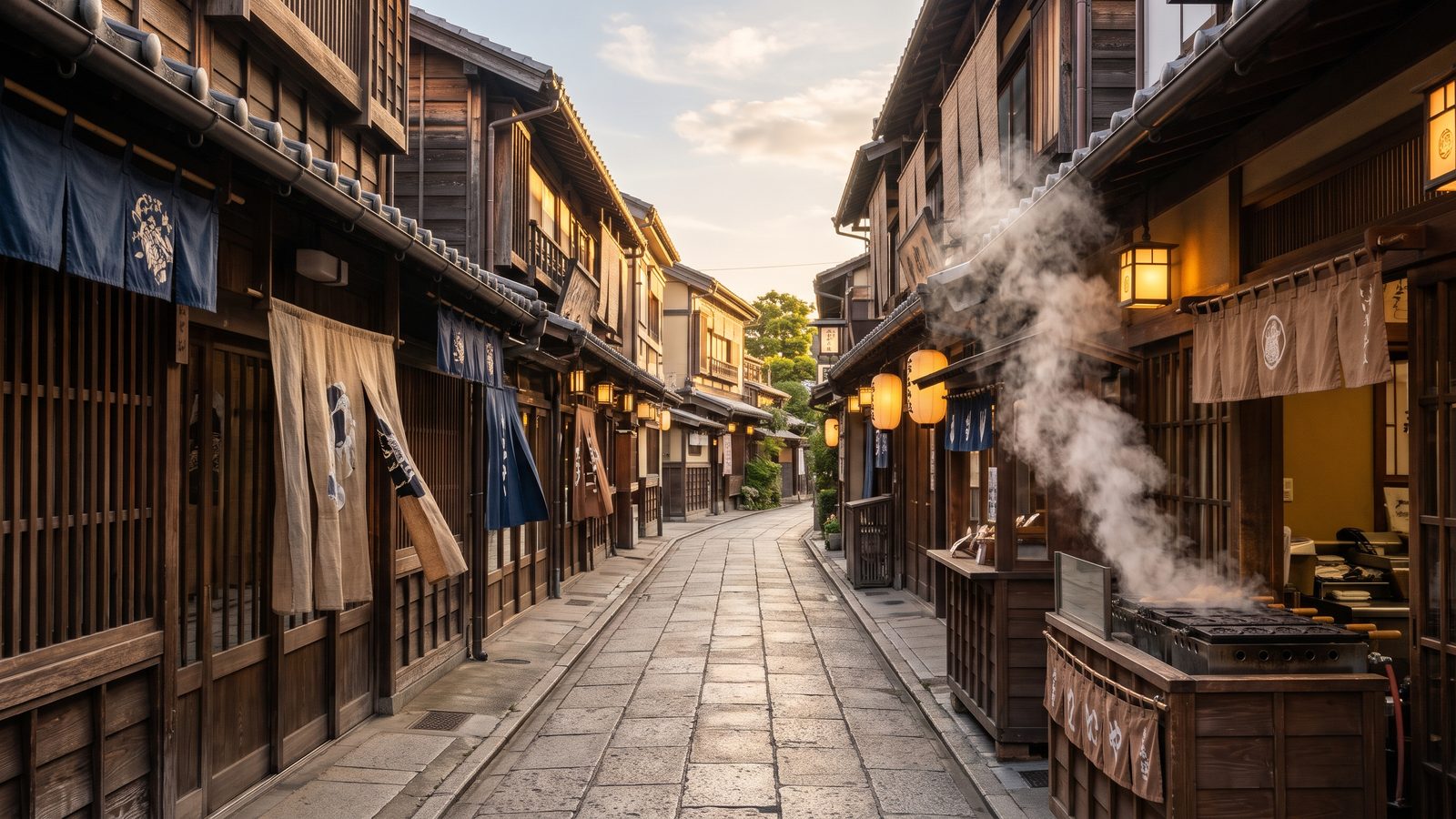
Step into Ningyocho, a charming Tokyo neighborhood where Edo-period artistry meets modern urban life. Once the thriving center of kabuki theatre and bunraku puppetry, this district earned its name, 'Doll Town,' from the master craftspeople who shaped its identity. As you stroll through historic alleys, you encounter centuries-old family businesses, exquisite seasonal sweets, and spiritual shrines that have anchored the local community for generations.
From traditional machiya storefronts to the historic travel hub of Nihonbashi nearby, Ningyocho offers a rare glimpse into Tokyo's living history. Immerse yourself in authentic hospitality, timeless culinary craftsmanship, and the rich cultural heritage that still defines every street corner.
What you'll hear on this tour
Stop 1. Artisan Flavors along Amazake Yokocho
You step into the lively heart of Ningyocho's shopping district, where centuries-old specialty stores preserve traditional Japanese craft. Along Amazake Yokocho, the warm aroma of freshly baked taiyaki fills the air as artisans pour sweet red bean paste into crisp, golden molds using closely guarded family recipes. As you wander further, you discover vendors crafting delicate senbei rice crackers, meticulously hand-pressing each piece over open heat. Local wagashi shops display seasonal sweets sculpted like miniature artworks, offering delightful edible souvenirs. Beyond food, detailed folding fans, handcrafted spinning tops, and tailored kimonos line the wooden storefronts. Every shop offers an intimate encounter with centuries of refined craftsmanship.
Stop 2. Echoes of Edo Performance and Sacred Traditions
You walk through streets that once echoed with the energy of kabuki actors and bunraku puppeteers. The district's name, meaning Doll Town, pays homage to this vibrant theatrical legacy that still infuses the neighborhood. As you explore, you observe skilled artisans honoring timeless traditions, from intricate folding fan makers to confectioners crafting seasonal wagashi sculptures. Even local tamagoyaki shops turn humble rolled omelets into an art form perfected across decades. Nearby, echoes of rakugo comedy performances still reverberate in intimate local venues. You also reach Suitengu Shrine, a spiritual anchor where visitors seek blessings for safe childbirth, seamlessly connecting modern Tokyo life to ancient beliefs and living Edo culture.
Stop 3. Generational Legacies and Family Traditions
As you venture into Ningyocho's quiet side streets, you witness living family legacies preserved across dozens of generations. You find traditional shops where recipes for hand-pressed senbei rice crackers and taiyaki cakes have been carefully passed down from parent to child for hundreds of years. Craftspeople here fashion detailed dolls that become cherished heirlooms displayed during Hina Matsuri, linking generations of daughters through shared heritage. At the sacred Suitengu Shrine, expectant parents and new families gather to pray for safe childbirth and their children's healthy growth. In Ningyocho, commerce is far more than business; it represents an interconnected tapestry woven from deep family pride, enduring devotion, and craft mastery.
Stop 4. Architectural Dialogues Between Past and Modernity
You look down Ningyocho's historic street grid, where traditional wooden machiya facades stand directly alongside sleek, contemporary buildings. This visual dialogue reflects centuries of urban resilience following fires and wartime rebuilding, while preserving the original Edo-period layout. You notice fluttering noren curtains guarding quiet doorways and landmark clock towers like Karakuri Yagura standing proudly against the skyline. Modern high-rises recede subtly into the background, allowing the intimate scale of traditional shopfronts to dominate your immediate view. As you stroll through these charming alleys, the modern hum of Tokyo blends smoothly with the calm dignity of a bygone era, creating a living streetscape full of discoveries.
Stop 5. Nihonbashi and the Gateway to Japan
You stand near the historic threshold of Nihonbashi, the legendary zero-kilometer point that served as the official origin for the five major Gokaido highways of Edo Japan. You can imagine the vibrant bustle of travelers departing from this exact spot, from samurai setting out on mandatory journeys to Kyoto merchants preparing for long treks on foot. Families once gathered here to bid tearful farewells as loved ones crossed the bridge toward distant provinces. Today, modern expressways and train lines radiate outward from this center, continuing Nihonbashi's historic legacy as the enduring heart of Japanese travel, connection, and departure.
Stop 6. The Heritage of Innkeeper Hospitality
You explore a district where traditional hospitality was deeply entwined with merchant culture and theatrical life. During the Edo period, multi-storied wooden hatago and ryokan provided discreet rooms where merchants sealed business deals and kabuki actors rested after performances. Rather than massive hotels, these intimate yado created a close-knit community atmosphere. While many historic structures have vanished, modern boutique hotels and ryokan in Ningyocho deliberately preserve that legacy. You see subtle design elements echoing old machiya townhouses and experience omotenashi, the selfless Japanese spirit of hospitality. Staying in this historic neighborhood allows you to feel a genuine connection to Tokyo's vibrant past.
Planning your visit
- Best time to go
- Morning to early afternoon, when local food stalls and craft shops are open.
- Approximate duration
- About 1.5 to 2 hours
- Where to start
- Ningyocho Station or near Suitengu Shrine.
Access and conditions change seasonally — check the official site before you go.
Frequently asked questions
Is Ningyocho worth visiting?
Yes, Ningyocho offers a rare blend of Edo-period craft traditions, historic food shops, classic machiya architecture, and rich cultural heritage right in central Tokyo.
How long do you need at Ningyocho?
A typical self-guided visit takes around 1.5 to 2 hours to walk through Amazake Yokocho, visit Suitengu Shrine, and explore the historic shops.
What is the historical significance of Ningyocho's name?
Ningyocho means 'Doll Town,' named during the Edo period when the area was the center of puppet theater (bunraku), kabuki performances, and master doll craftspeople.
Keep exploring
Header image is an AI-generated illustration of Ningyocho. AllTours.ai is an AI audio tour guide — point your camera at any landmark and hear its story.