Step back into an age where discipline, honor, and steel ruled Japan. As you explore the Samurai Museum, you trace the fascinating evolution of warrior rule from ancient Heian origins to the peaceful Edo period. Here, you discover how a relentless warrior ethos transformed into sophisticated art, philosophy, and governance, leaving an indelible imprint on Japanese culture that continues to captivate visitors from all around the world today.
This self-guided audio tour brings master craftsmanship and historical artifacts vividly to life. From fearsome battle masks to hand-carved sword guards, you experience the daily lives, spiritual practices, and martial traditions of Japan's legendary samurai class, immersing yourself deeply in their enduring legacy of Bushido.
Listen to a sample
The opening of this tour, exactly as AllTours narrates it on site.
What you'll hear on this tour
Stop 1. Craftsmanship of the Warrior's Second Skin
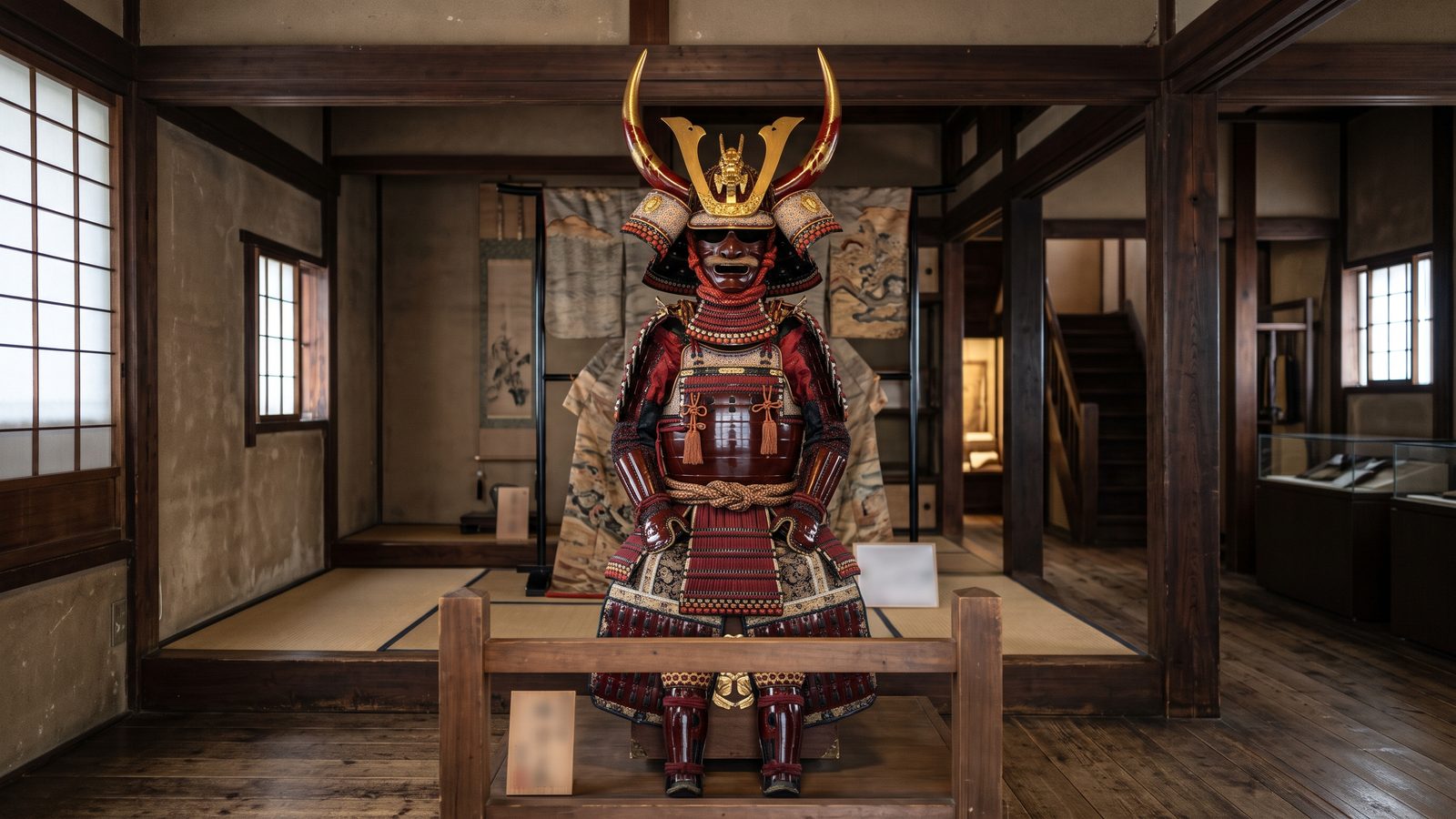
You look at a samurai's armor, examining a meticulously crafted second skin that reveals identity, status, and formidable defense. Observe the intricate odoshi, the colorful silk lacing binding small iron or hardened leather plates together. This ingenious construction gives the warrior essential flexibility while riding horses into battle. Your eyes move to the kabuto, a formidable helmet adorned with a symbolic maedate crest to identify the commander amidst battlefield chaos. Below it hangs the menpo, a lacquered facial mask sculpted into a fearsome expression designed to strike terror into rivals while deflecting blades. Every overlapping plate on the dō cuirass and marvelously engineered sleeve protects vital organs while displaying unmatched artistry.
Stop 2. Blades and Symbols of the Forge
Step closer to inspect these preserved treasures, starting with the legendary katana. You observe its curved steel blade, folded countless times to reveal a unique temper line called the hamon. This wavy pattern reflects the smith's profound spiritual connection to the forge. You examine the tsuba, or sword guard, which acts as a miniature canvas carved with protective motifs like dragons and cherry blossoms. Notice the exquisite lacquer work on the yoroi cuirass, making it both resilient and visually stunning. Finally, gaze into the grimacing features of the mempo face mask. Each rivet, lacquered plate, and silk cord reveals a seamless blend of martial engineering, high art, and spiritual intent.
Stop 3. The Balance of Sword and Brush
You realize samurai culture extends far beyond battlefield combat into a profound personal philosophy. Here you discover Bushido, the 'Way of the Warrior,' an intricate moral compass emphasizing rectitude, courage, and benevolence. You trace how Zen Buddhism shaped their mental discipline, instilling calm amidst chaos and a quiet appreciation for fleeting beauty. This spiritual foundation blossoms into delicate cultural practices like the tea ceremony, where every precise movement fosters mindful presence. You also observe their dedicated pursuit of calligraphy and poetry. To the samurai, true perfection requires equal mastery of the sword and the brush stroke, maintaining an inner peace and outward strength that continues to resonate today.
Stop 4. Seven Centuries of Warrior Rule
Trace the origins of the samurai back to the Heian period, when provincial warriors first guarded aristocratic estates. You follow their rise under Minamoto no Yoritomo, who establishes the Kamakura Shogunate in the late twelfth century, shifting ruling power from the imperial court to a warrior government. Witness their intense struggles through the chaotic Sengoku period, where individual prowess and clan loyalty reshape Japan's political map. After unification under the Tokugawa Shogunate, samurai transition during the peaceful Edo period into educated administrators and cultural patrons. Finally, you see their seven-century reign conclude dramatically with the 1868 Meiji Restoration, when rapid modernization abolishes the warrior class entirely.
Stop 5. Discipline and the Code of Bushido
Stand here and consider the rigorous discipline required to forge a samurai warrior. From childhood, these fighters undergo intense physical training, mastering the katana, archery, horsemanship, and unarmed combat. Beyond physical skills, you notice their remarkable mental fortitude—a readiness to face death without hesitation that lies at the core of Bushido. They live by a strict code of absolute loyalty and self-sacrifice, placing their lord's needs above their own lives and accepting seppuku to preserve honor. Their weapons are not mere tools, but extensions of their very souls. Even during centuries of peace, they continuously practice meditation and martial arts, keeping their spirits sharp.
Stop 6. Echoes of the Battlefield Displays
Look across the main exhibit hall at full sets of yoroi armor, where silk lacing indicates clan status and personal preference. Examine the kabuto crests depicting mythical creatures or family mon, designed to inspire awe on the battlefield. You discover various polearms like the long yari and curved naginata, which demanded specialized martial technique in tightly packed formations. Notice the sashimono, small battle banners worn on the back to identify warriors during the heat of combat. Nearby handguards (tsuba) display intricate nature scenes, while fearsome facial masks (menpo) intimidate opponents. Every artifact in this room offers a vivid echo of lives spent serving under Bushido.
Planning your visit
- Best time to go
- Morning right at opening or late afternoon for a quieter experience inside the exhibit rooms.
- Approximate duration
- About 1 to 1.5 hours
- Where to start
- Main entrance of the museum in Kabukicho, Shinjuku, Tokyo.
Access and conditions change seasonally — check the official site before you go.
Frequently asked questions
Is the Samurai Museum in Tokyo worth visiting?
Yes, it is highly recommended for anyone interested in Japanese history, martial arts, and craftsmanship. The museum offers an up-close look at authentic katana, full suits of yoroi armor, and intricate artifacts, bringing the code of Bushido to life through rich displays.
How long do you need at the Samurai Museum?
Most visitors spend between 1 and 1.5 hours exploring the exhibit rooms, examining the detailed armor sets, sword guards, and historical displays at a comfortable pace.
When did the samurai class end in Japan?
The samurai class was officially abolished during the Meiji Restoration in 1868. As Japan modernized rapidly, the warrior government was disbanded, bringing an end to seven centuries of samurai rule.
Keep exploring
Header image is an AI-generated illustration of Samurai Museum. AllTours.ai is an AI audio tour guide — point your camera at any landmark and hear its story.