July 15, 2026 · 4 min read
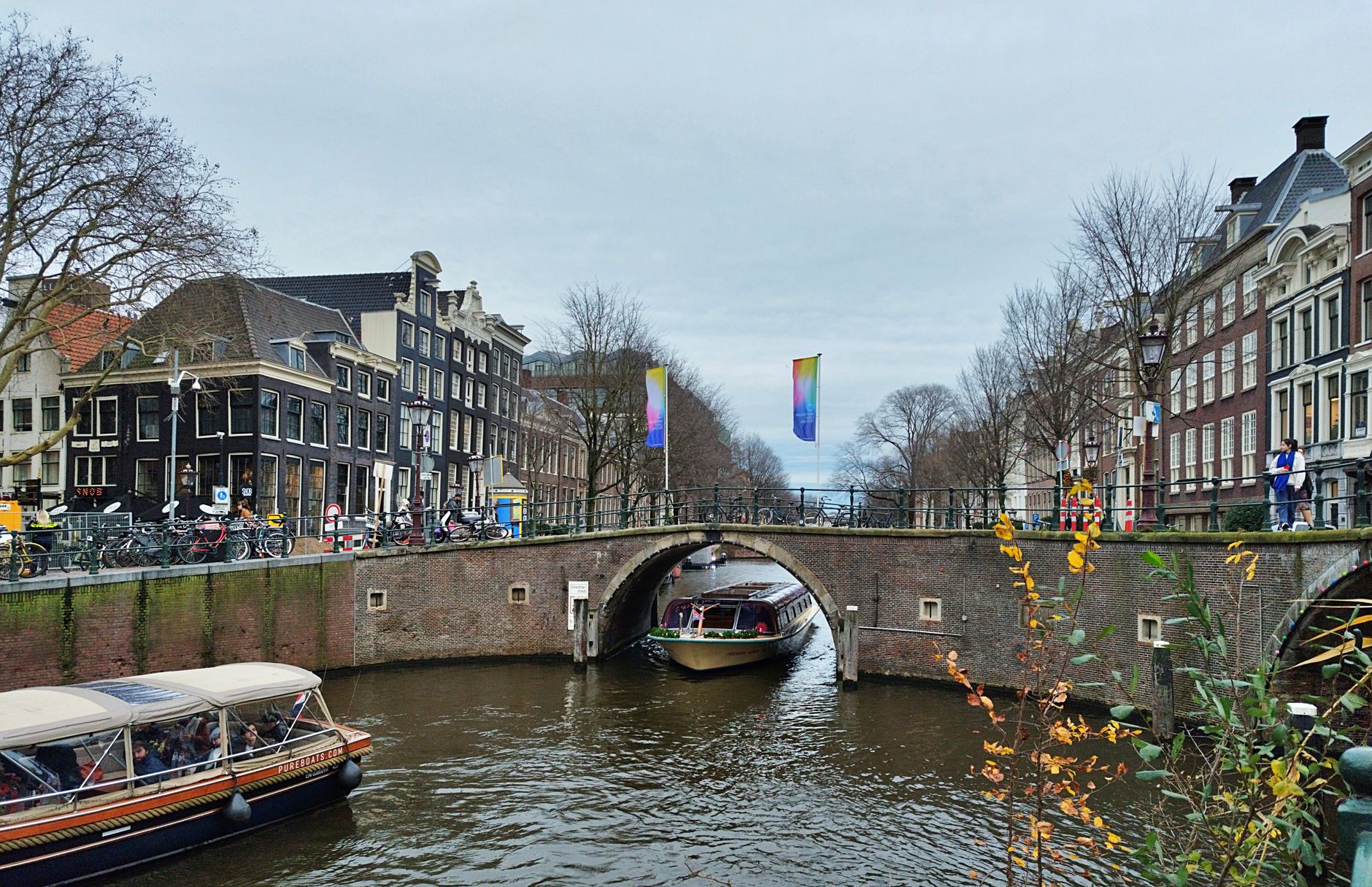
Amsterdam is world-famous for its iconic canals, vibrant art scene, and historic museums. Yet, beyond the well-trodden paths and bustling squares, the city guards a fascinating collection of lesser-known treasures, each with a captivating story waiting to be told.
These aren't just obscure spots; they are windows into Amsterdam's unique past and quirky character. From clandestine churches to floating feline sanctuaries, these hidden gems offer a deeper, more intimate glimpse into the city's rich history, surprising culture, and innovative spirit.
1. The Serene Courtyard of the Beguines
Begijnhof, Amsterdam, Netherlands
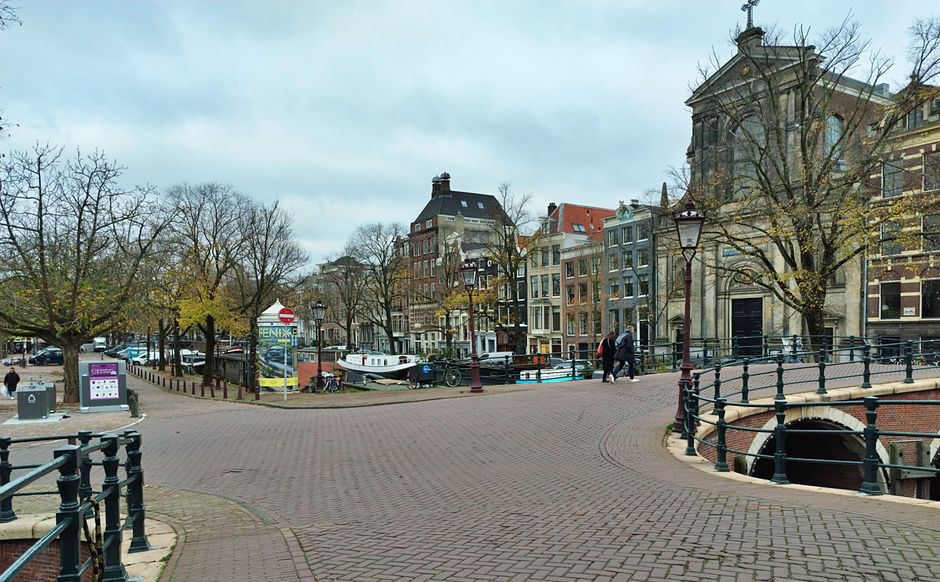
This tranquil medieval courtyard was home to a unique community of devout laywomen who lived independently without monastic vows.
The Begijnhof is one of the oldest inner courts in Amsterdam, established in the 14th century for the Beguines, a Catholic sisterhood. Despite the Reformation in the 16th century, it remained one of the few places where Catholics could worship openly in its hidden chapel. Today, it offers a peaceful retreat with its historic houses, including the city's oldest wooden house, dating back to around 1420.
2. The Floating Feline Haven
De Poezenboot (Cat Boat), Amsterdam, Netherlands
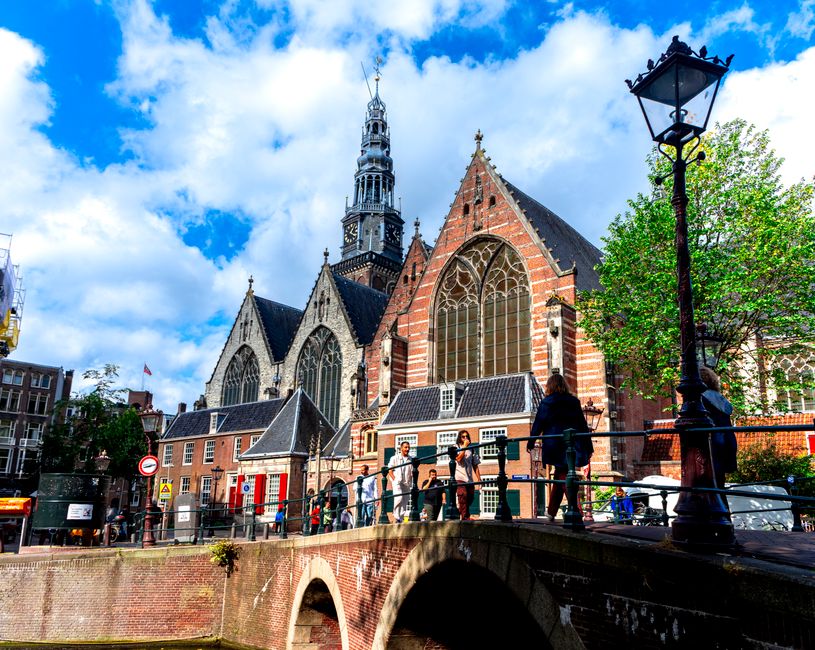
The world's only floating animal sanctuary, this houseboat has been caring for stray and abandoned cats on an Amsterdam canal since 1968.
It all began with Henriette van Weelde, who started taking in stray cats in her own home. When her house became too full, she acquired a houseboat to house them, leading to the establishment of the Cat Boat. This unique shelter provides a loving home and medical care for dozens of cats, many of whom are available for adoption, offering a truly heartwarming sight on the Singel canal.
3. Our Lord in the Attic: Amsterdam's Secret Church
Museum Ons' Lieve Heer op Solder, Amsterdam, Netherlands
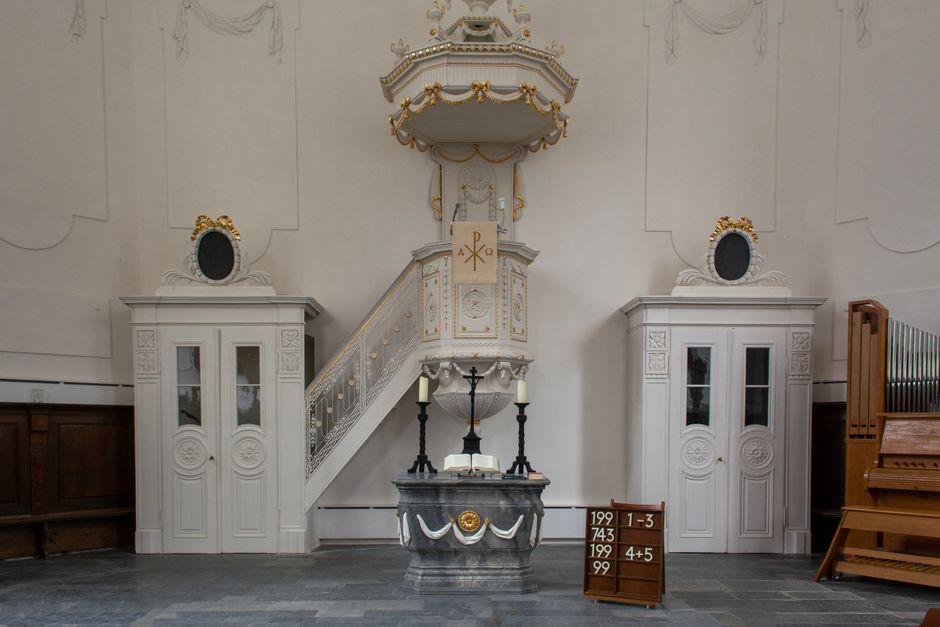
Discover a complete 17th-century Catholic church hidden discreetly within the attics of a seemingly ordinary canal house.
After the Reformation, public Catholic worship was forbidden in Amsterdam. In 1661, a wealthy Catholic merchant, Jan Hartman, purchased this house and converted the upper floors into a clandestine church. It includes an altar, pews, and even a gallery, allowing his community to practice their faith in secret for centuries, remarkably preserved to this day.
4. Electric Ladyland: A Psychedelic Glow
Electric Ladyland, The First Museum of Fluorescent Art, Amsterdam, Netherlands
Step into the world's first museum dedicated entirely to fluorescent art, where rocks, minerals, and everyday objects come alive under UV light.
Founded by Nick Padalino, this unique museum invites visitors to become part of the art itself, surrounded by glowing sculptures and installations. It's an immersive experience that explores the hidden beauty of fluorescence, from naturally occurring minerals to custom-made art pieces, creating a truly otherworldly atmosphere deep beneath the Jordaan district.
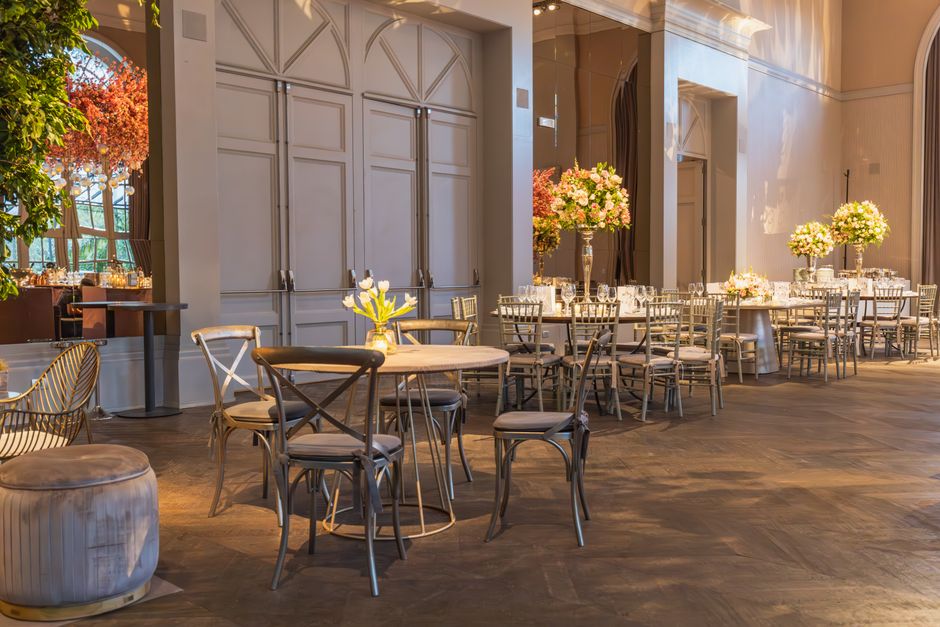
5. Vondelkerk: A Neo-Gothic Revival
Vondelkerk, Amsterdam, Netherlands
Once a stunning church, this architectural masterpiece by P.J.H. Cuypers (Rijksmuseum architect) has been creatively repurposed into a vibrant cultural and event space.
Built in the late 19th century, the Vondelkerk stands as a testament to Dutch Neo-Gothic architecture, located right beside the famous Vondelpark. After decades of use as a church, it was deconsecrated and meticulously restored. Today, its grand interior hosts concerts, weddings, and corporate events, preserving its beauty while giving it new life away from its original religious function.
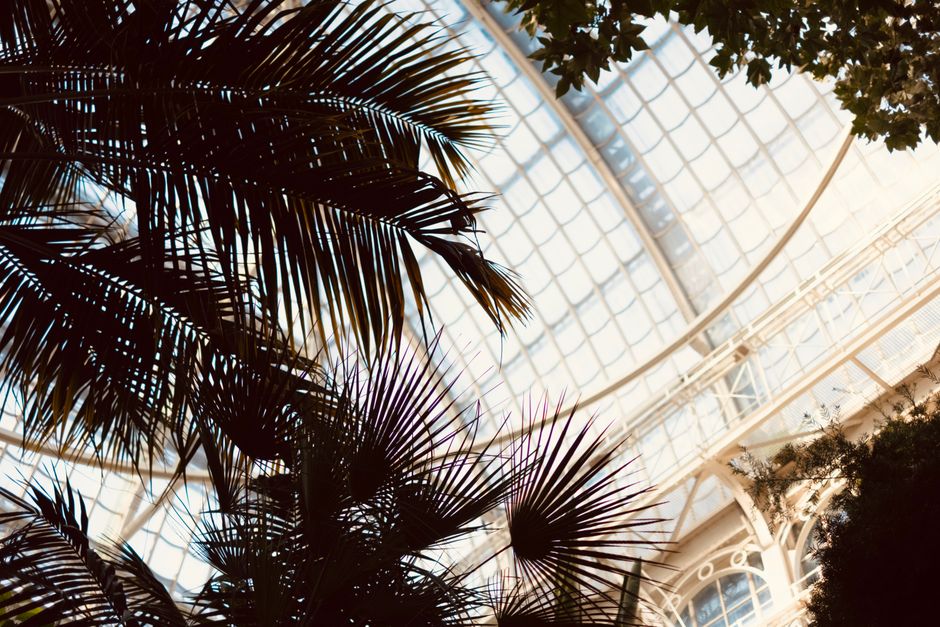
6. Hortus Botanicus: A Garden of Global History
Hortus Botanicus Amsterdam, Amsterdam, Netherlands
One of the oldest botanical gardens in the world, this tranquil oasis holds a surprising link to the global spread of coffee and other vital plants.
Established in 1638 to study medicinal plants, the Hortus played a crucial role in scientific discovery and trade. It famously housed a coffee plant in the early 18th century, whose descendants were sent to French Guiana, eventually leading to the vast coffee plantations of South America. It continues to be a living library of plant life, boasting thousands of species.
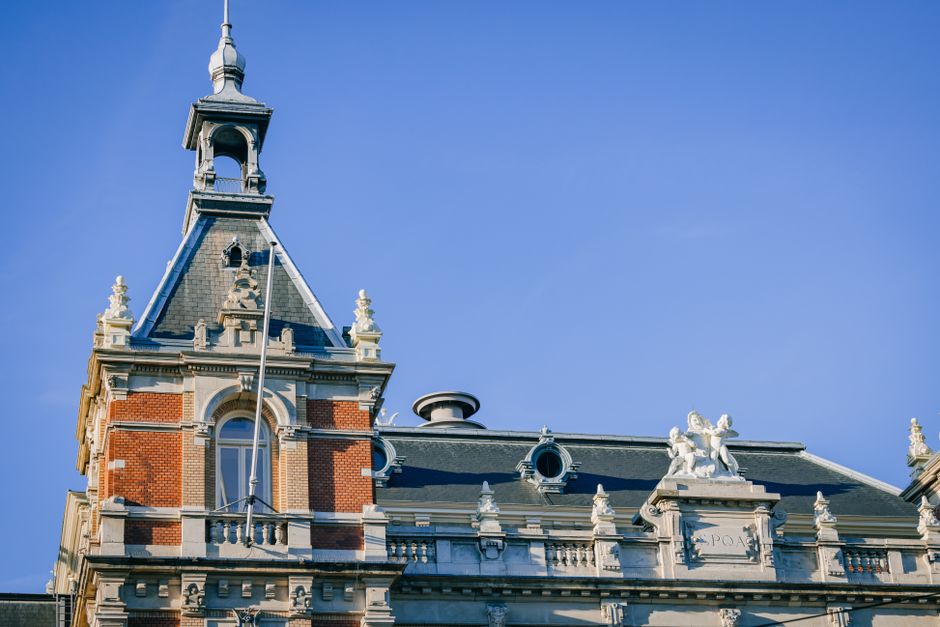
7. The Waag: Medieval Gateway to Modern Ideas
The Waag, Amsterdam, Netherlands
This striking medieval gatehouse, once part of the city walls, later became a weigh house where Rembrandt famously performed public dissections.
Built in the 15th century as the St. Anthony's Gate, The Waag is one of Amsterdam's oldest secular buildings. It transformed into a weigh house in the 17th century, where goods were officially weighed. Its anatomical theatre, depicted in Rembrandt's 'The Anatomy Lesson of Dr. Nicolaes Tulp,' was a center for medical study. Today, it hosts a café and the Waag Society, a foundation for art, science, and technology.
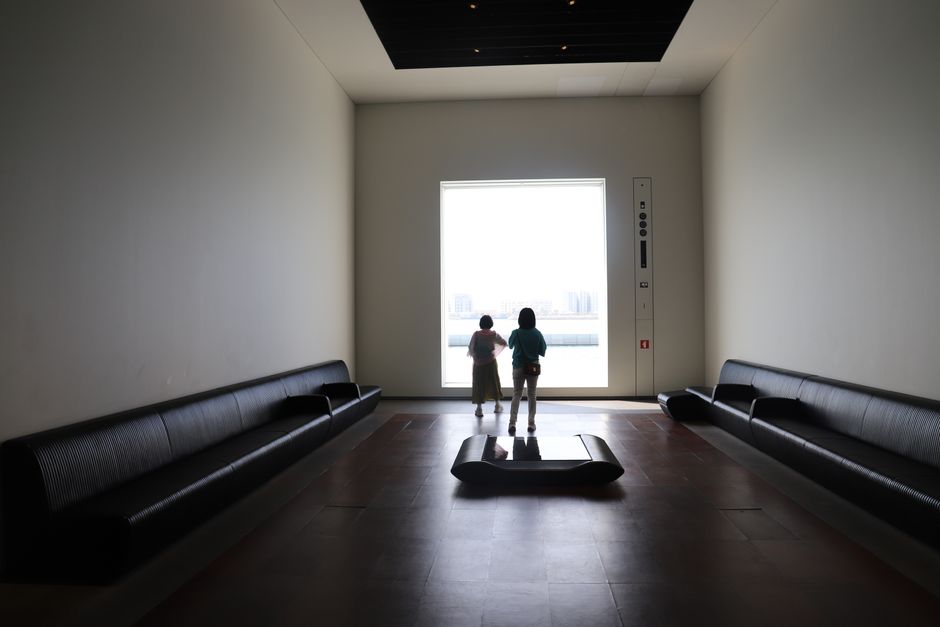
8. Micropia: The Invisible World Made Visible
Micropia, Amsterdam, Netherlands
The world's first and only museum dedicated entirely to microbes, revealing the fascinating, unseen life forms that surround and live within us.
Part of Artis Zoo, Micropia offers a unique perspective on the microbial world, from bacteria and viruses to fungi. Through interactive exhibits, visitors can explore the 'micropia zoo,' learning about the vital roles microbes play in our lives and the environment. It challenges perceptions, showing that most microbes are beneficial, not harmful, in a surprisingly engaging way.
Frequently asked questions
Is Amsterdam safe for tourists?
Yes, Amsterdam is generally a very safe city for tourists. Like any major city, it's wise to be aware of your surroundings, especially in crowded areas, and take precautions against pickpocketing. The city center is well-monitored, and public transport is reliable.
How do I get around Amsterdam's hidden gems?
Amsterdam is a highly walkable city, and many of these hidden gems are accessible on foot or by bicycle, which is a popular local mode of transport. The city also has an excellent public transport system, including trams, buses, and metros, making it easy to reach various neighborhoods efficiently.
Are these hidden gems suitable for children?
Many of Amsterdam's hidden gems, such as Micropia, the Cat Boat, and Hortus Botanicus, can be fascinating for children, offering interactive and engaging experiences. Others, like Our Lord in the Attic or The Waag, might appeal more to older children and teenagers interested in history and unique cultural stories.
How does AllTours.ai help me discover these places?
AllTours.ai enhances your exploration by providing instant audio narratives. Simply point your phone camera at any landmark or landscape, and the app narrates its history, geology, and culture in your language, bringing these hidden gems to life with rich, contextual stories as you stand right there.
Related guides
Photography via Pexels. AllTours.ai is an AI audio tour guide — point your camera at any landscape and hear its story.