September 10, 2026 · 4 min read
The question of whether any current wrestlers could still make a one-hour match exciting often sparks heated debate among fans. It speaks to a craving for sustained drama, for narratives that unfold slowly, revealing layers of intrigue and unexpected turns. But what if we applied that same curiosity to the world itself?
Beyond the ring, there are places on Earth that don't just hold your attention for an hour, but for days, even a lifetime. These aren't the well-trodden paths or the postcard-perfect landmarks. These are the forgotten wonders, the geological enigmas, and the cultural time capsules that demand a deeper look, each with a story so vivid, it feels like a secret whispered just to you.
1. The Genesis of Worship
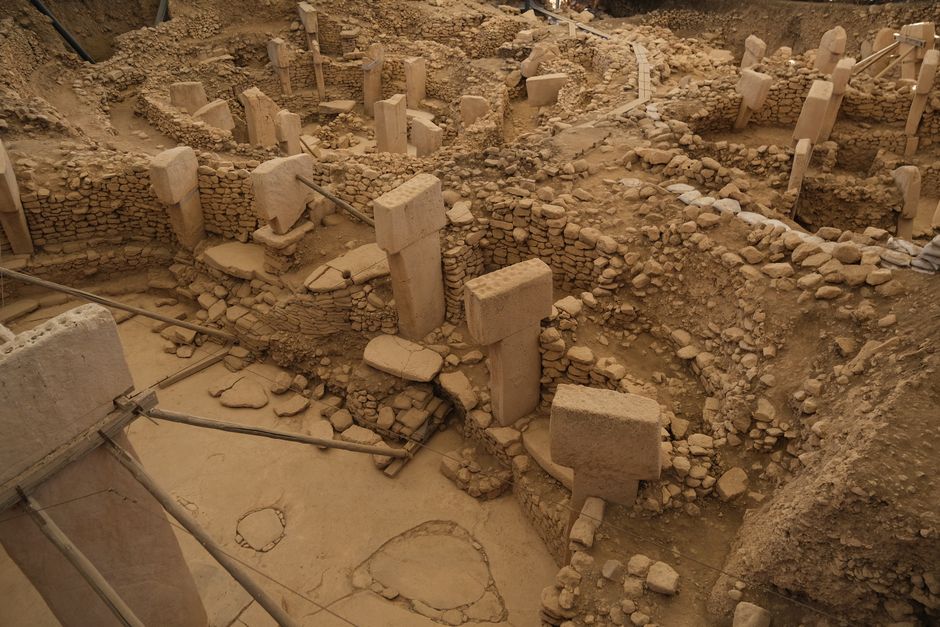
Göbekli Tepe, Turkey
The world's oldest known temple, built by hunter-gatherers thousands of years before agriculture or cities existed.
This monumental site, predating Stonehenge by 6,000 years, rewrites human history. Massive T-shaped pillars, intricately carved with animals, stand arranged in circular enclosures, suggesting complex social structures and religious practices long before settled life was thought possible. It challenges the very notion of how civilization began, implying that worship might have predated farming.
2. The Eye of the Sahara
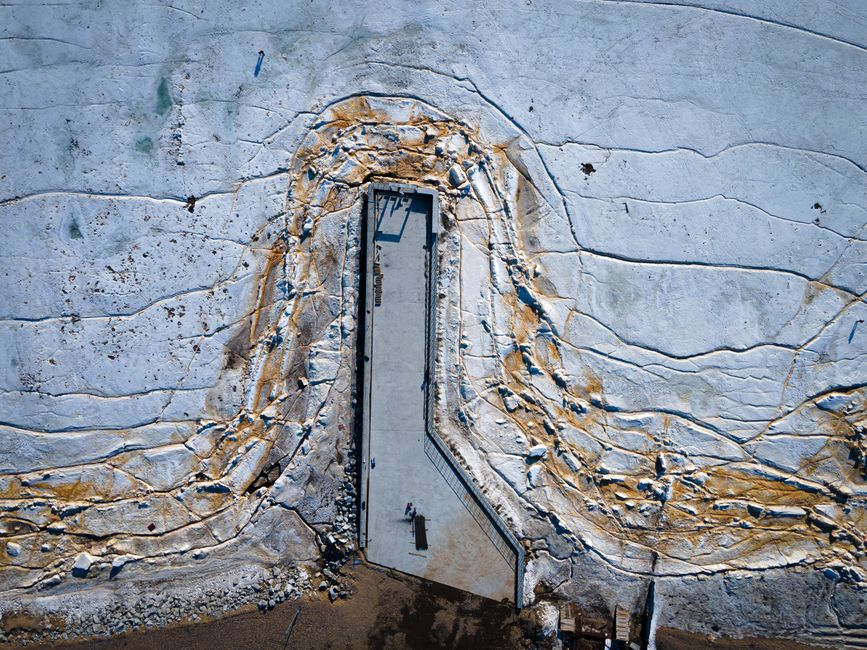
Richat Structure, Mauritania
A colossal, perfectly circular geological formation, visible from space, that was once rumored to be the lost city of Atlantis.
Spanning nearly 50 kilometers across the Mauritanian desert, the Richat Structure is a breathtaking natural phenomenon. Its concentric rings of rock, exposed by erosion, create a striking bullseye pattern. While its origins were once a mystery, leading to wild theories, scientists now understand it as a deeply eroded domal uplift, a testament to Earth's slow, powerful geological processes.
3. The Silent Village
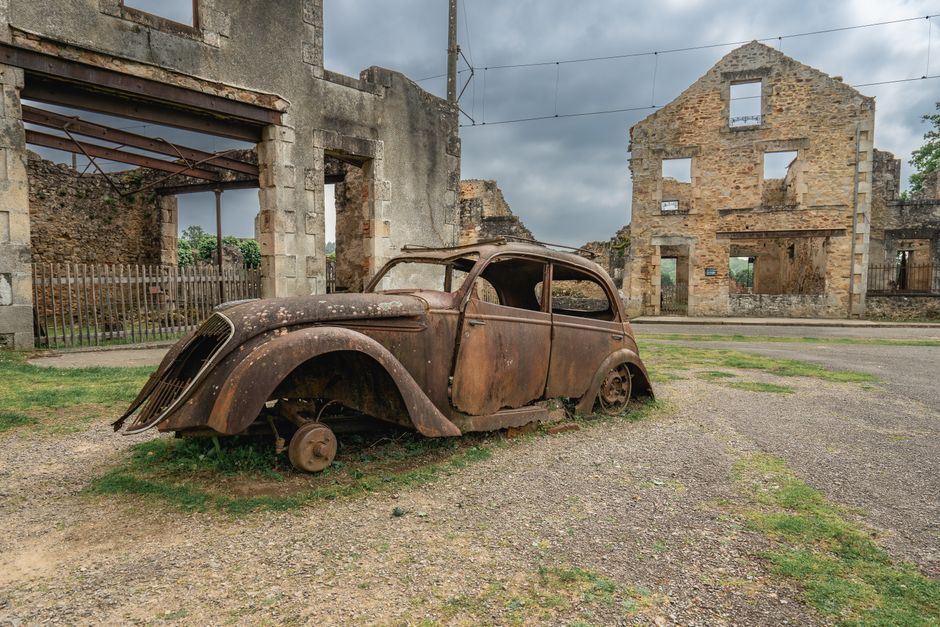
Oradour-sur-Glane, France
A French village preserved exactly as it was left after a horrific Nazi massacre in June 1944, a permanent scar on the landscape.
On a summer day, 642 villagers were murdered by the Waffen-SS, the men shot in barns, women and children burned alive in the church. Rather than rebuild, French President Charles de Gaulle declared the ruins a permanent memorial. Today, rusted sewing machines stand in collapsed homes, burnt-out cars sit in the streets, and the church remains a skeletal shell, a stark and silent witness to incomprehensible brutality.
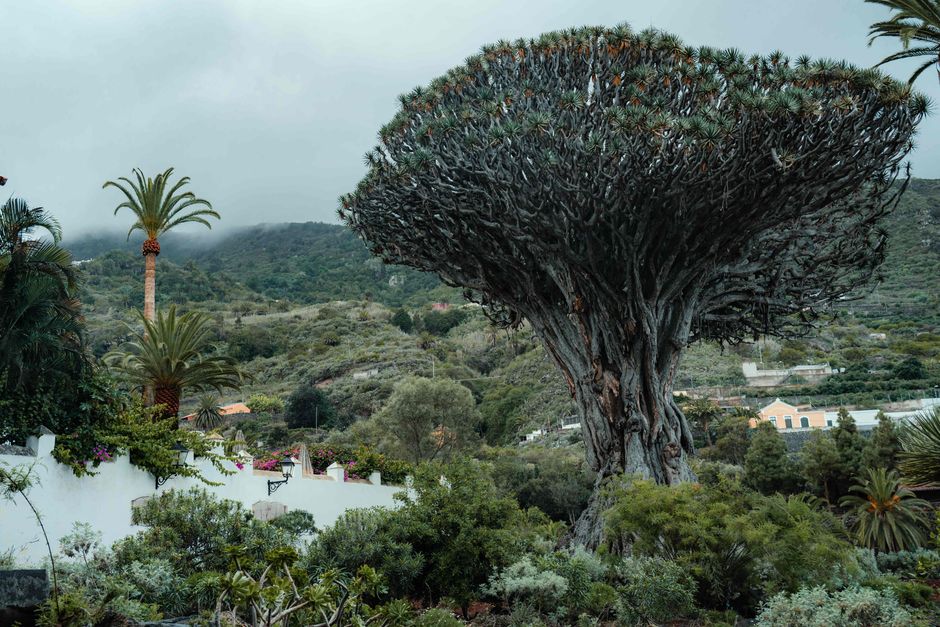
4. The Dragon's Blood Isle
Socotra Island, Yemen
An alien-looking island in the Arabian Sea where ancient Dragon's Blood trees bleed red sap and 37% of its plants are found nowhere else on Earth.
Socotra's isolation has nurtured an astonishing level of endemism, earning it the nickname "the most alien-looking place on Earth." The iconic Dragon's Blood trees, with their dense, umbrella-shaped crowns, dominate the landscape. These trees produce a deep red resin, historically used for dyes, medicine, and varnish, adding to the island's mythical aura.
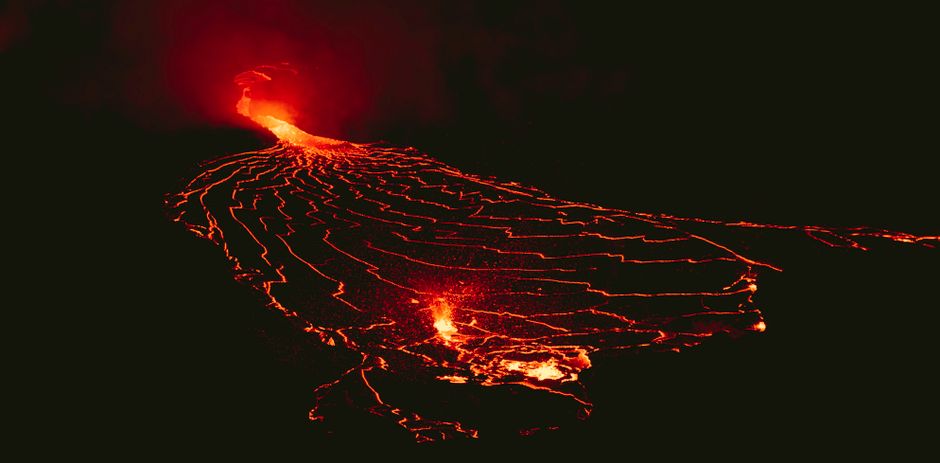
5. The Burning Gateway
Darvaza Gas Crater, Turkmenistan
A massive desert crater has been burning continuously for over 50 years, accidentally ignited by Soviet geologists in 1971.
Deep in the Karakum Desert, this fiery chasm, known locally as "The Door to Hell," glows orange against the night sky. Geologists drilling for natural gas accidentally punctured a cavern, causing the ground to collapse and release methane. They set it alight to prevent the spread of poisonous gas, expecting it to burn out in weeks, but it has raged ever since, a powerful, unintended monument to human intervention.
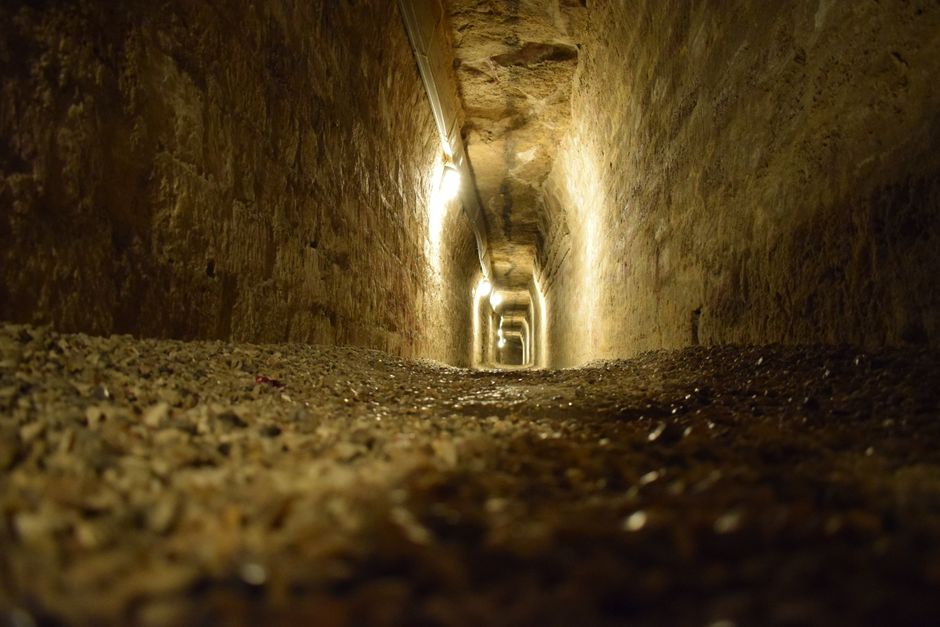
6. The Mummified Guests
Capuchin Catacombs of Palermo, Sicily, Italy
A macabre underground museum where hundreds of mummified residents stand and lie in their finest clothes, preserved from the 17th to 19th centuries.
Beneath a Capuchin monastery, a chilling array of over 8,000 mummified bodies offers a unique, if unsettling, glimpse into Sicilian history. Arranged by social status, gender, and profession, families would visit their deceased relatives, sometimes changing their clothes. The catacombs provide a fascinating, albeit morbid, study of death rituals and societal norms of past centuries.
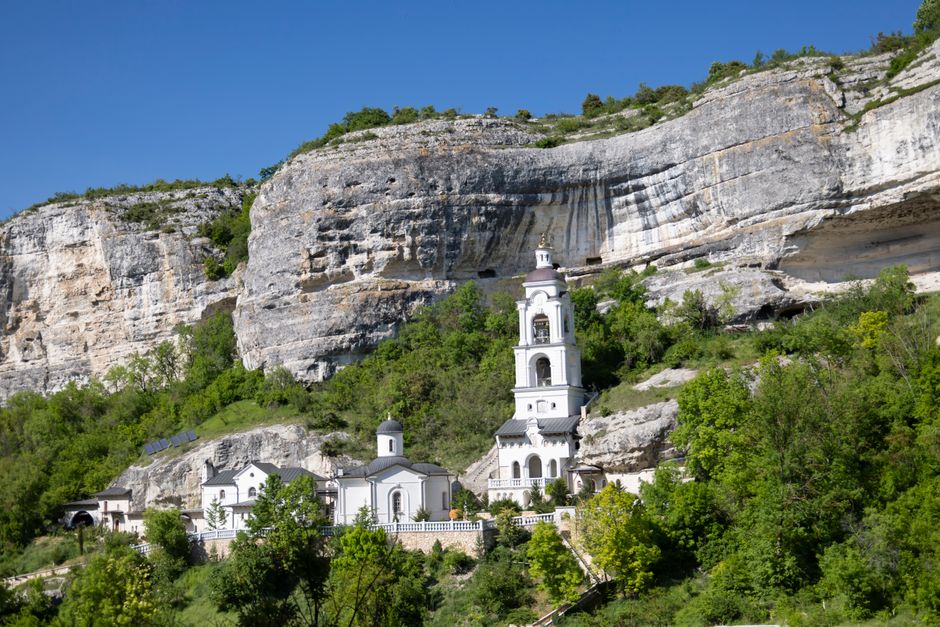
7. The Cliffside Sanctuary
Ostrog Monastery, Montenegro
A dazzling white Serbian Orthodox monastery built directly into a sheer cliff face, seemingly defying gravity high in the mountains.
Carved into an almost vertical rock face, Ostrog Monastery is a truly awe-inspiring sight. The upper monastery, comprising two cave-churches, houses relics of Saint Basil of Ostrog and is visited by thousands of pilgrims of all faiths annually. Its remarkable construction and breathtaking location make it a symbol of faith's enduring power and human architectural ingenuity.
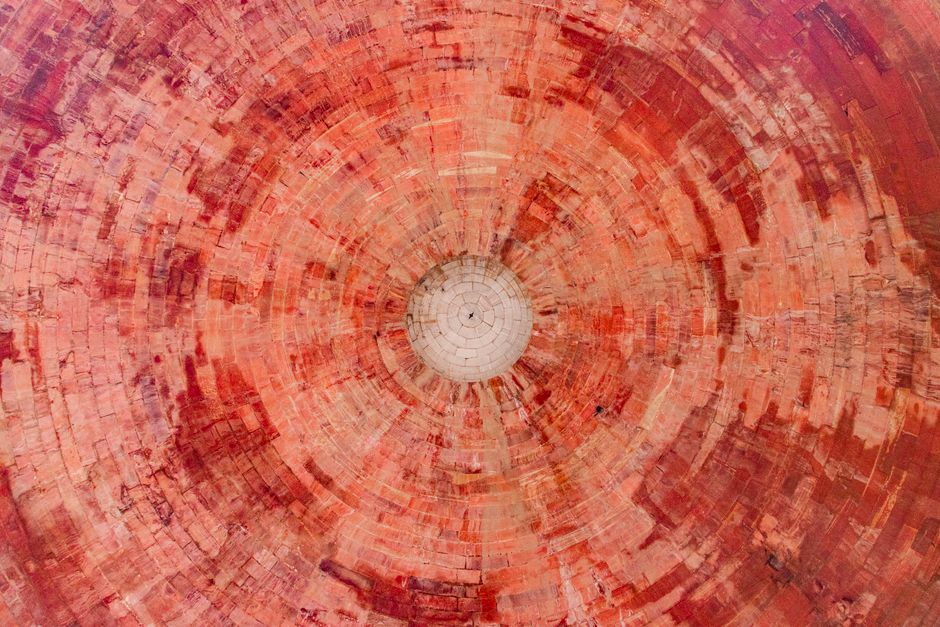
8. The Sun-Aligned Tomb
Newgrange, Ireland
An ancient passage tomb in Ireland, older than the pyramids, designed with such precision that its inner chamber lights up only during the winter solstice.
This monumental Neolithic tomb, built around 3200 BC, is a marvel of ancient engineering and astronomy. For a few precious minutes on the shortest day of the year, a narrow beam of sunlight penetrates a specially designed roof box, illuminating the central chamber. This alignment suggests a deep understanding of celestial cycles and a profound reverence for the sun by its builders.
Frequently asked questions
What makes a travel destination truly "exciting" for a long visit?
A truly exciting destination offers depth beyond its surface beauty. It has layers of history, unique cultural narratives, or geological wonders that spark curiosity and invite deeper exploration. The unexpected stories, the hidden details, and the sense of discovery keep engagement high for hours, revealing new facets with every look.
How can I find these less-known, deeply engaging places?
Researching local history archives, seeking out recommendations from locals, or looking for sites with unusual archaeological or geological significance are great starting points. Often, these places aren't heavily advertised but are rich in unique stories and offer a more authentic travel experience away from mass tourism.
Is it safe to travel to such remote or less-known locations?
Safety depends entirely on the specific location and current geopolitical climate. Always research travel advisories, local customs, and logistical challenges before planning a trip to remote areas. Hiring local guides and respecting local traditions can greatly enhance both safety and the richness of your experience.
How does AllTours.ai help me explore these unique locations?
AllTours.ai acts as your personal, AI-powered audio guide. Simply point your phone camera at any landmark, landscape, or even a specific artifact, and the app instantly narrates its history, geology, and cultural significance in your preferred language. It's designed to bring the hidden stories of the world to life, making every discovery feel profound and personal.
Related guides
Photography via Pexels. AllTours.ai is an AI audio tour guide — point your camera at any landscape and hear its story.