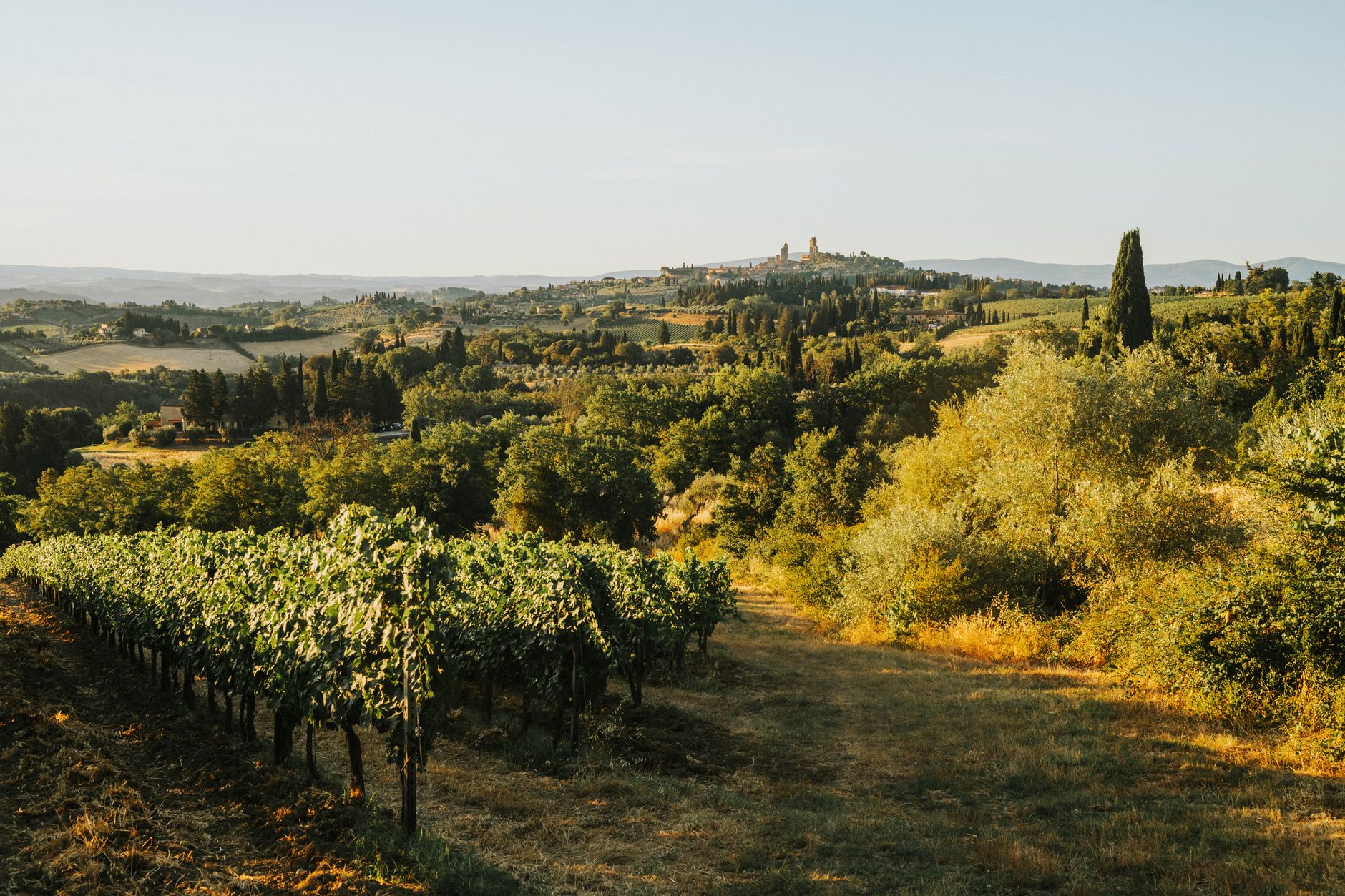
July 16, 2026 · 4 min read
Unlocking the perfect food and wine pairing is one of travel's great pleasures, transforming a simple meal into an unforgettable cultural experience. But beyond the well-trodden paths of famous wine regions, lies a world of unique flavors waiting to be discovered.
Forget the usual suspects and prepare to ignite your curiosity. We're venturing to lesser-known corners of the globe, where history, geology, and ingenious winemaking traditions converge to create truly distinctive pairings. Each destination offers a story as rich and complex as the wine itself, promising to surprise and delight your palate.
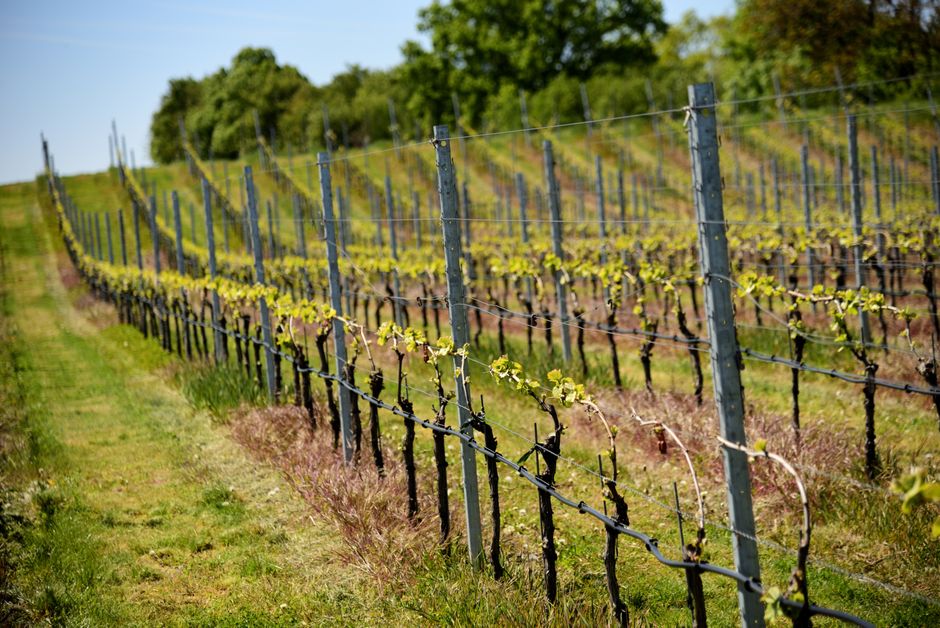
1. The King's Sweet Nectar and Noble Rot
Tokaj, Hungary
Tokaj was the world's first appellation system, established over a century before Bordeaux, thanks to its unique noble rot and volcanic soil.
The misty, volcanic hillsides of Tokaj are home to a sweet wine legend: Tokaji Aszú. This golden nectar is made from grapes shriveled by 'noble rot' (Botrytis cinerea), concentrating their sugars and flavors into an elixir once favored by royalty. King Louis XIV of France famously declared it 'Vinum Regum, Rex Vinorum' – Wine of Kings, King of Wines. Its official classification system, predating most European regions by decades, speaks to its ancient prestige and unique terroir, pairing exquisitely with foie gras or rich blue cheeses.
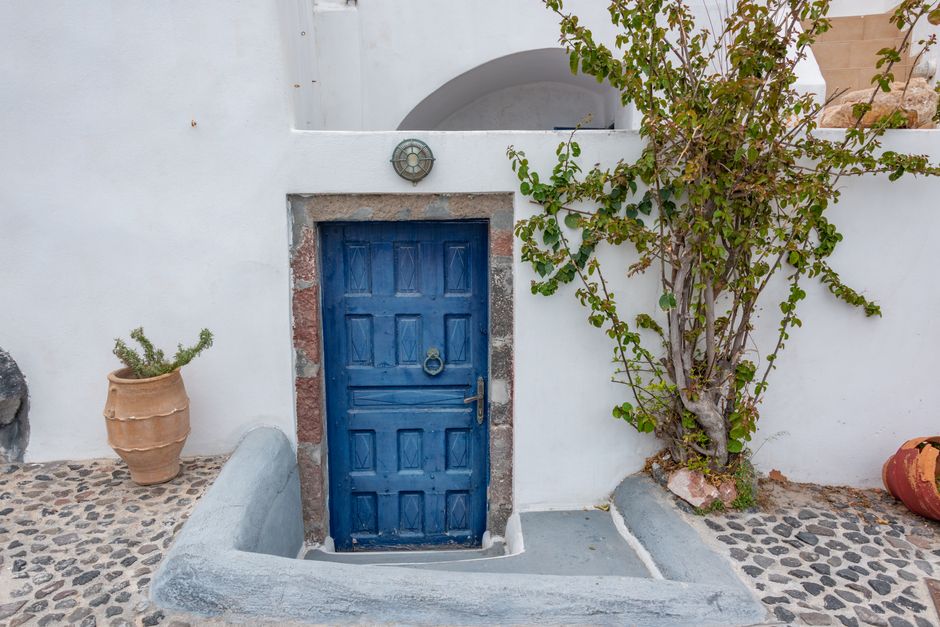
2. Volcanic Vines and Basket Weaving
Santorini, Greece
Santorini's Assyrtiko vines are grown in unique 'kouloura' baskets directly on volcanic soil, allowing them to survive without irrigation in an arid climate.
On the dramatic, crescent-shaped island of Santorini, the indigenous Assyrtiko grape thrives in conditions found nowhere else. Its vines are trained into low-lying 'kouloura' baskets on the ground, protecting the grapes from fierce winds and intense sun. The island's phylloxera-resistant volcanic ash and pumice soils mean many vines are centuries old and ungrafted. This minerality and bracing acidity in the wine, a direct reflection of its terroir, makes it a perfect match for grilled seafood and local tomato fritters.
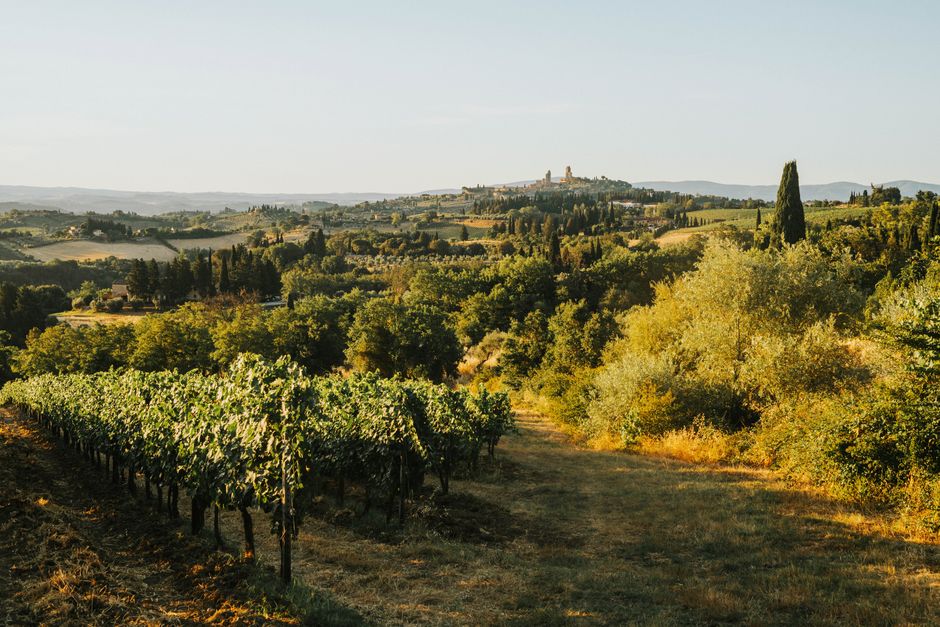
3. Slate-Streaked Hills and Deep Roots
Priorat, Spain
Priorat's 'llicorella' soil, a dark mix of slate and quartzite, forces vines to dig deep for water, yielding incredibly concentrated wines.
The rugged, steep terraced vineyards of Priorat are etched into hillsides of fragmented black slate known as 'llicorella.' This unique soil, rich in minerals, reflects sunlight and retains heat, while forcing the roots of old Garnacha and Carignan vines to penetrate meters deep into the rock for moisture. This struggle results in wines of exceptional intensity, minerality, and complexity. These powerful reds, often with notes of dark fruit and spice, are a stunning complement to hearty stews or roasted lamb, a true taste of Catalan resilience.
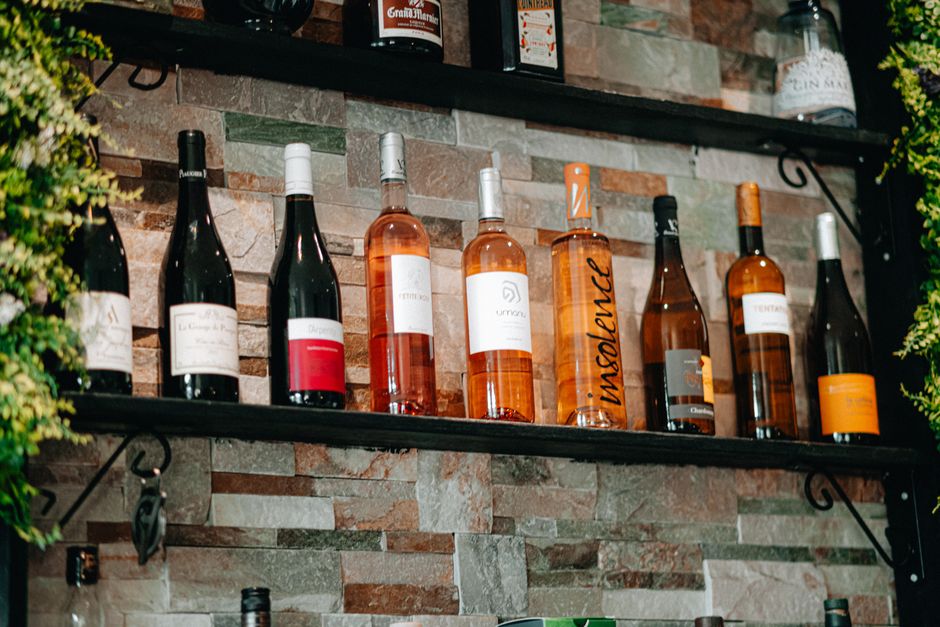
4. The Veiled Wine of the Jura
Jura, France
Vin Jaune is aged under a veil of yeast called 'voile,' intentionally exposing it to oxygen for over six years, giving it a unique nutty, curried flavor.
In the Jura region, nestled between Burgundy and Switzerland, Vin Jaune ('yellow wine') stands as a testament to patient winemaking. Produced exclusively from the Savagnin grape, it's aged for a minimum of six years and three months in oak barrels without topping up. During this time, a layer of flor yeast, or 'voile,' forms on the surface, protecting the wine while imparting distinctive oxidative aromas of walnut, curry, and green apple. This extraordinary wine, bottled in a special 'clavelin' bottle, is famously paired with local Comté cheese or chicken with morel mushrooms in a cream sauce.
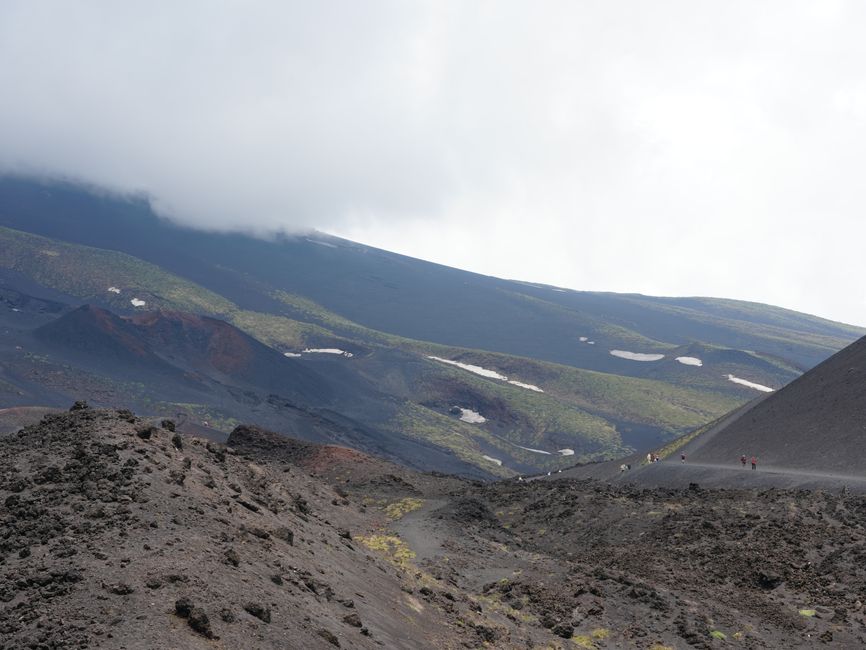
5. Vines on an Active Volcano
Etna, Sicily, Italy
Vines on Mount Etna grow on active volcanic slopes, often at extreme altitudes, and have survived countless eruptions over millennia.
Clinging to the fertile, yet unpredictable, slopes of Mount Etna are some of Europe's highest vineyards. Here, the indigenous Nerello Mascalese grape thrives in mineral-rich, black volcanic soils formed from millennia of lava flows and ash. These unique soils lend the wine a distinctive smoky minerality, bright acidity, and structured tannins. The resilience of these ancient vines, many ungrafted and pre-phylloxera, is a testament to viticulture's symbiotic relationship with the powerful volcano, pairing beautifully with wild mushroom pasta or grilled swordfish.
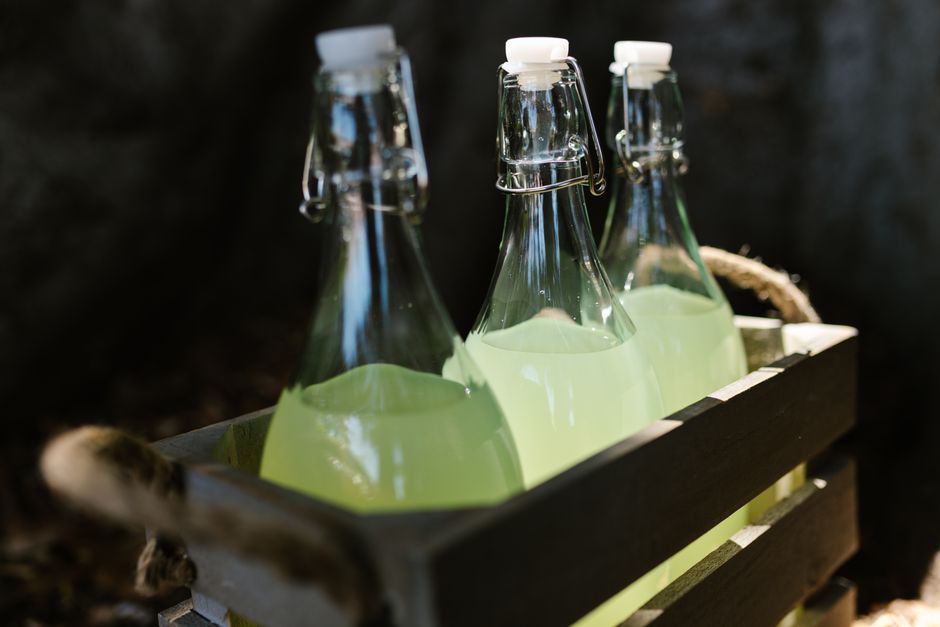
6. The Bocksbeutel's Earthy Charm
Franken, Germany
Franken wines are traditionally bottled in a unique 'Bocksbeutel' flask, a squat, flattened bottle shape with a history dating back to the 18th century.
While Germany is renowned for Riesling, the Franken region in Bavaria champions Silvaner, a grape that produces dry, earthy, and often mineral-driven white wines. The region's limestone and gypsum-rich soils contribute to Silvaner's distinct character, making it a natural partner for the local asparagus dishes (Spargel) and freshwater fish. Its most striking feature, however, is the Bocksbeutel bottle—a squat, flattened flask recognized by the EU as a protected regional shape, historically reserved for Franken's best wines.
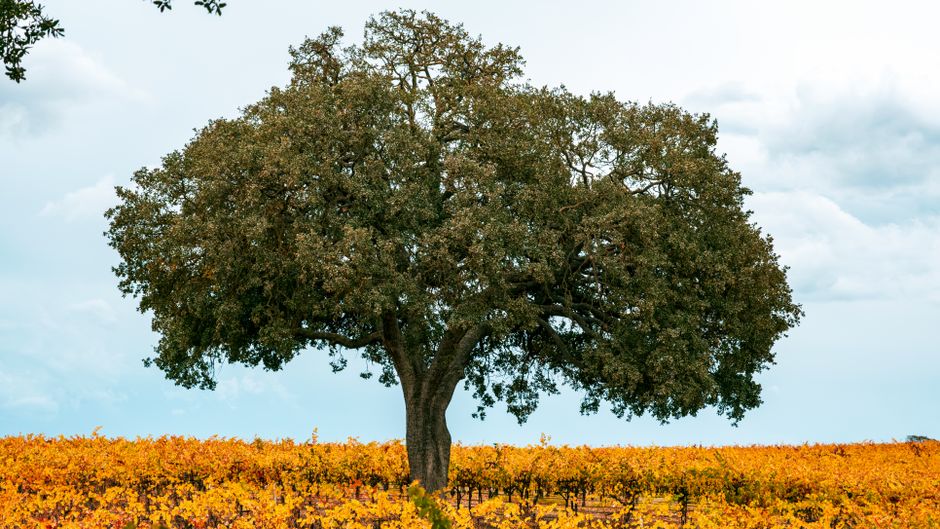
7. Extreme Swings, Complex Zinfandel
Paso Robles, California, USA
Paso Robles experiences one of California's most dramatic diurnal temperature shifts, with hot days and cool nights, crucial for developing complex fruit and retaining acidity.
Nestled between the Santa Lucia Mountains and the Pacific Ocean, Paso Robles boasts a microclimate characterized by significant daily temperature swings—sometimes over 50 degrees Fahrenheit. This dramatic diurnal shift extends the growing season, allowing grapes like Zinfandel and Rhône varietals to fully ripen their flavors during the day while preserving crucial acidity and freshness overnight. The region's diverse soils further contribute to the complexity of its robust, often jammy wines, which are a perfect match for slow-cooked brisket or BBQ ribs.
Frequently asked questions
What are the basic principles for pairing wine with food?
Generally, aim to balance intensity: light wines with light foods, rich wines with rich foods. Consider complementary flavors, like acidic wines cutting through fatty dishes, or contrasting elements, such as a sweet wine with spicy food. Think about the dominant flavors in the dish and the wine.
Why do regional foods and wines often pair so well together?
Regional foods and wines evolve together over centuries, adapting to the local climate, soil, and cultural traditions. This creates a natural synergy where the local wine is often the best complement to the local cuisine. They are two sides of the same terroir coin, reflecting their shared environment.
What kind of wine pairs best with spicy dishes?
For spicy dishes, look for wines with a touch of sweetness, low alcohol, and good acidity. The sweetness can cool the heat, while low alcohol prevents it from intensifying. Riesling, Gewürztraminer, or even a sparkling wine can be excellent choices, as they refresh the palate without clashing with the spice.
How can AllTours.ai enhance my culinary and travel discoveries?
AllTours.ai turns your phone into an AI audio tour guide. Simply point your camera at a landmark, vineyard, or even a local market, and the app will narrate its history, geology, and culture in your language, offering deeper insights into the places that create these unique food and wine pairings.
Related guides
Photography via Pexels. AllTours.ai is an AI audio tour guide — point your camera at any landscape and hear its story.