July 9, 2026 · 4 min read
The question, 'What great snack is not made anymore?' often sparks nostalgia for childhood treats or forgotten delicacies. But what if we applied that same curiosity to the world around us? What if the 'snacks' were not confections, but profound stories, forgotten histories, or geological marvels that, while still physically present, are no longer 'made' or widely known to the casual observer?
These are the lost flavors of our planet – places where the tapestry of time has woven extraordinary tales that go largely untold, overshadowed by more famous landmarks. They are the secrets whispered by ancient stones, the chronicles written in layers of earth, and the legacies of cultures that shaped landscapes in ways we’re only now beginning to fully appreciate. Join us as we explore some of these underrated wonders, each with a unique story waiting to be savored.
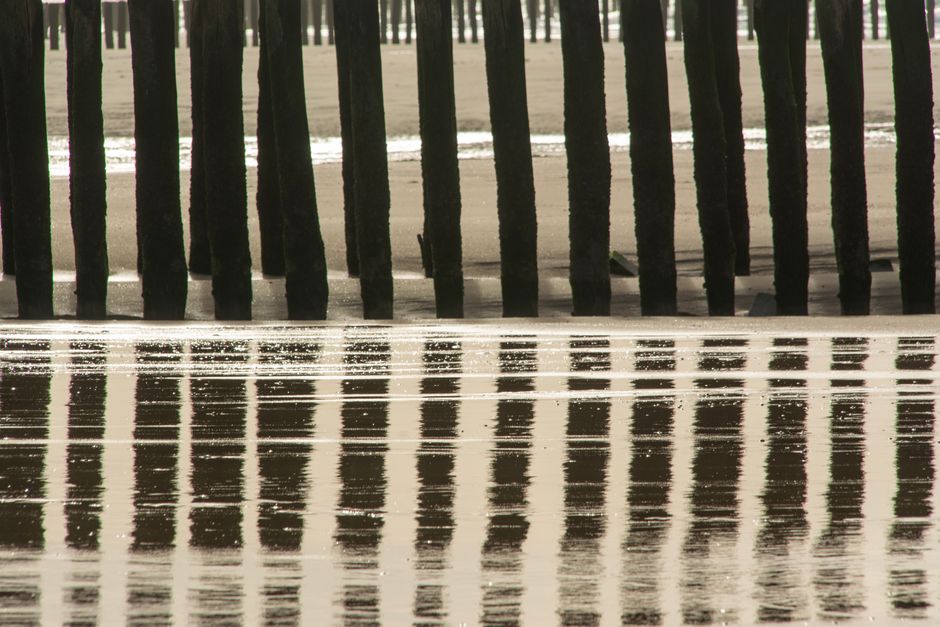
1. The Ghostly Grove of Neskowin Beach
Neskowin Beach, Oregon, USA
At extreme low tides, the eerie skeletal remains of an ancient Sitka spruce forest emerge from the Pacific sands, a testament to a sudden, violent geological event centuries ago.
These gnarled, barnacle-encrusted stumps are not driftwood, but a 'ghost forest' submerged by a massive earthquake and tsunami along the Cascadia Subduction Zone. The sudden drop in land elevation and subsequent sand burial preserved the trees in an anaerobic environment, only to be revealed by shifting sands and the lowest tides, whispering tales of a landscape dramatically altered in an instant.

2. The Singing Sands of Kolymbetra
Agrigento, Sicily, Italy
Within an ancient Greek water garden near the Valley of the Temples, specific sands emit a low, musical hum when walked upon, a unique geological phenomenon echoing through history.
The Garden of Kolymbetra, once a lush oasis for the ancient city of Akragas, was powered by an ingenious Greek hydraulic system. Today, beyond its vibrant citrus groves and restored ancient fishponds, a specific section of its finely-grained sands produces a distinct 'singing' or 'squeaking' sound underfoot. This rare acoustic phenomenon, caused by the uniform shape and lack of dust coating on the sand particles, lends a mystical quality to a place already steeped in millennia of human ingenuity and natural beauty.
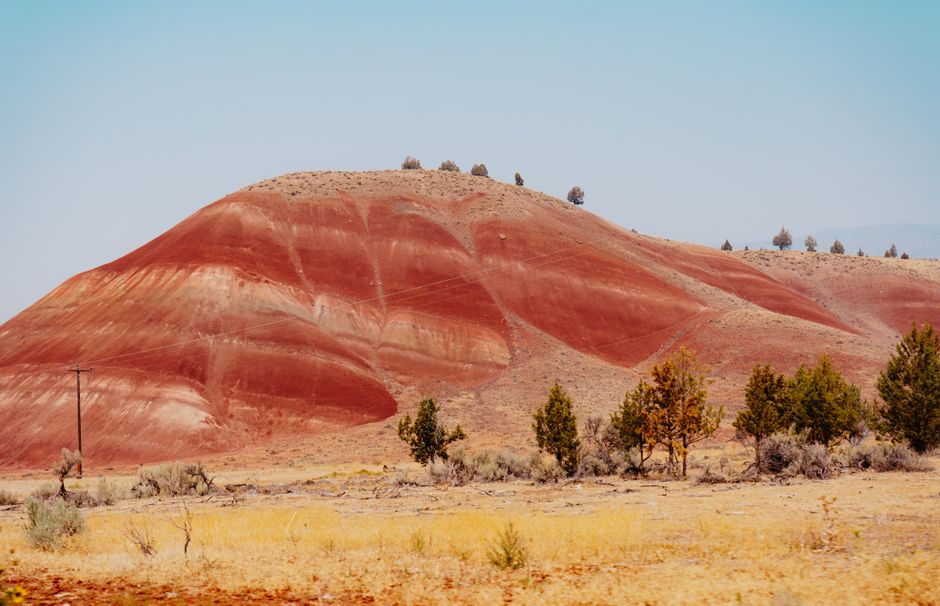
3. The Shifting Colors of the Painted Hills
John Day Fossil Beds National Monument, Oregon, USA
These vibrant, undulating hills display stripes of red, gold, and black that are not mere dirt, but layers of ancient volcanic ash and fossilized soils, each hue a chronicle of prehistoric climates and life.
Millions of years ago, a series of volcanic eruptions and subsequent climate shifts painted this landscape. The black layers indicate ancient swampy conditions with abundant vegetation, while the grey and yellow stripes point to drier eras. The striking red hues are laterite soils, formed in warm, wet climates, staining the land with iron oxides. Walking among them is like traversing a geological timeline, each color a silent testament to Earth's dynamic past, long before human eyes witnessed its beauty.
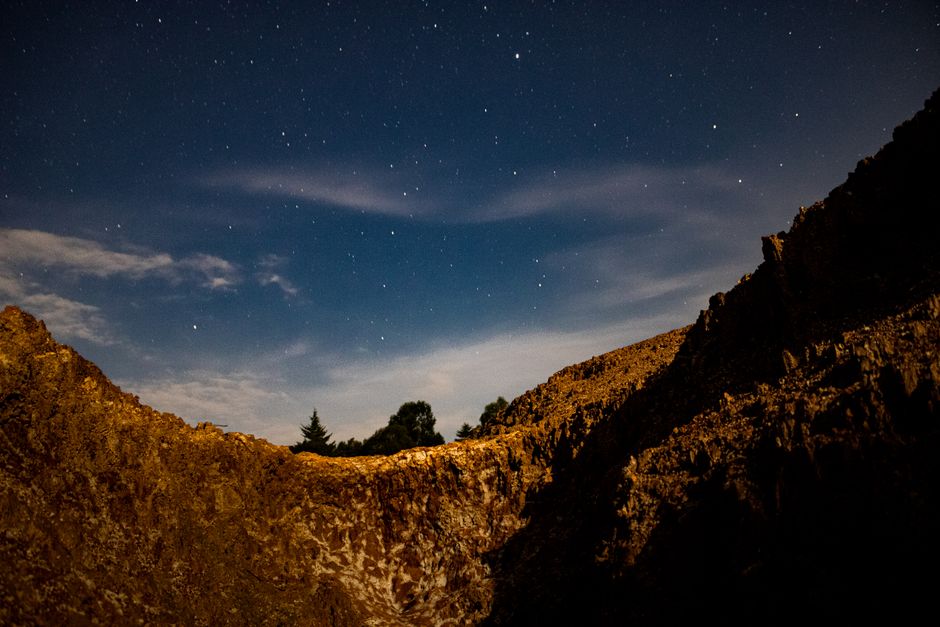
4. The Door to Hell's Fiery Secret
Derweze, Karakum Desert, Turkmenistan
A colossal, perpetually burning natural gas crater in the middle of the desert has been alight for over 50 years, accidentally ignited during a Soviet drilling operation.
In 1971, Soviet geologists drilling for natural gas accidentally punched into a cavern, causing the ground to collapse and form a vast crater. Fearing the release of toxic gases, they decided to burn off the gas, expecting it to extinguish in a few weeks. Five decades later, the 'Door to Hell' still burns, a mesmerizing and somewhat terrifying spectacle of geological forces and human miscalculation. Its orange glow is visible for miles across the stark Karakum Desert, a modern legend in the making.

5. The Timeless Stones of Ġgantija
Gozo, Malta
Older than Stonehenge and the Great Pyramids, these massive, enigmatic temples were constructed over 5,500 years ago by a mysterious civilization, their purpose still debated.
The Ġgantija Temples, meaning 'Giantess' in Maltese, are a pair of Neolithic structures on the island of Gozo. Their colossal limestone blocks, some weighing over fifty tons, were meticulously placed without the use of metal tools or the wheel, predating many of the world's most famous ancient monuments. Archaeologists believe they were sites of fertility rituals, evidenced by figurines found on site, offering a glimpse into the spiritual life of a sophisticated, yet pre-literate, society that vanished without a trace.
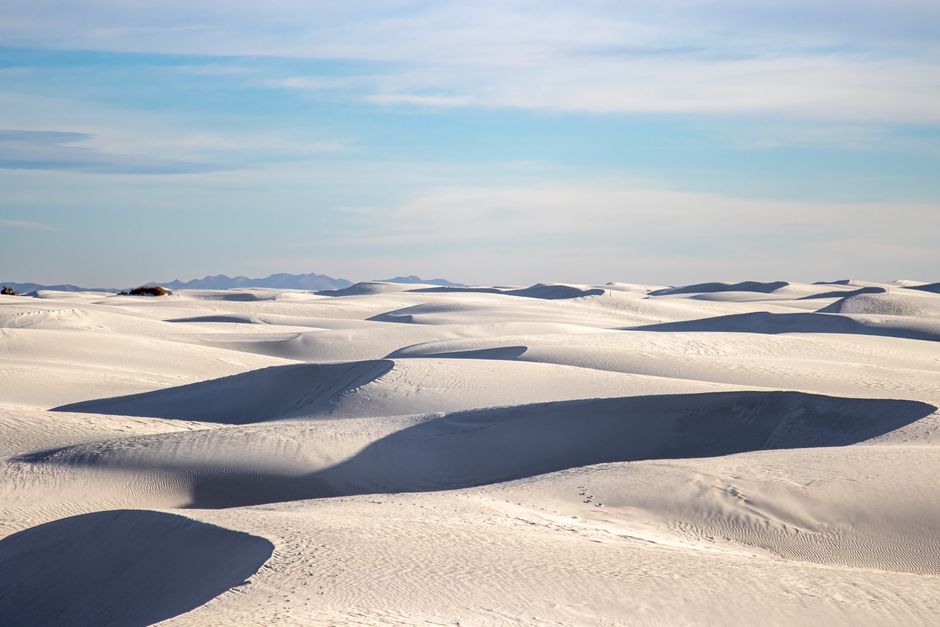
6. The Sparkling Gypsum Sea of New Mexico
White Sands National Park, New Mexico, USA
This vast desert is composed not of typical quartz sand, but of brilliant white gypsum crystals, forming the world's largest gypsum dune field and a uniquely adapted ecosystem.
Unlike most deserts, the dunes here are formed from gypsum, a soluble mineral usually found in water. Here, it was deposited by an ancient sea, then eroded from surrounding mountains and carried by water into a basin. As the water evaporated, the gypsum crystallized, and prevailing winds sculpted it into endless, dazzling white dunes. This unique environment has forced plants and animals to evolve specialized adaptations, with some lizards and mice displaying perfectly camouflaged white coloration, a stark example of nature's relentless evolutionary pressure.
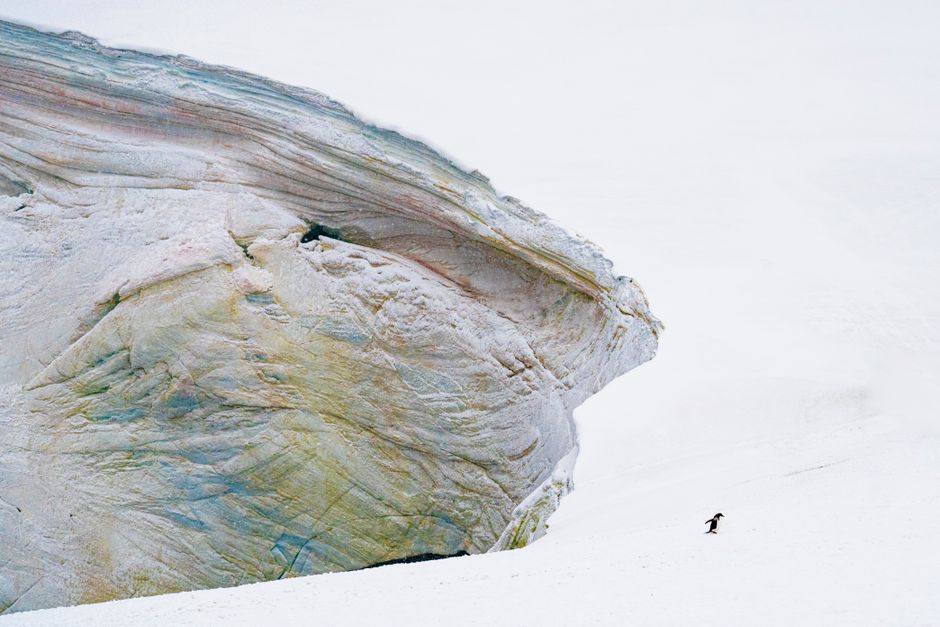
7. Blood Falls' Hidden Ecosystem
Taylor Glacier, Antarctica
A striking crimson waterfall streaks down the pristine ice of Taylor Glacier, fed by an ancient, iron-rich brine trapped for millennia beneath the ice, supporting a unique subglacial ecosystem.
Discovered in 1911, Blood Falls puzzled scientists for decades. It's now understood that the rust-red color comes from iron oxides in hypersaline water flowing from a subglacial lake. This water, cut off from light and oxygen for millions of years, harbors a unique community of microbes that metabolize iron and sulfur compounds, surviving in extreme conditions. This hidden world beneath the ice offers a rare glimpse into how life might persist in extraterrestrial environments, a truly alien 'snack' of discovery.
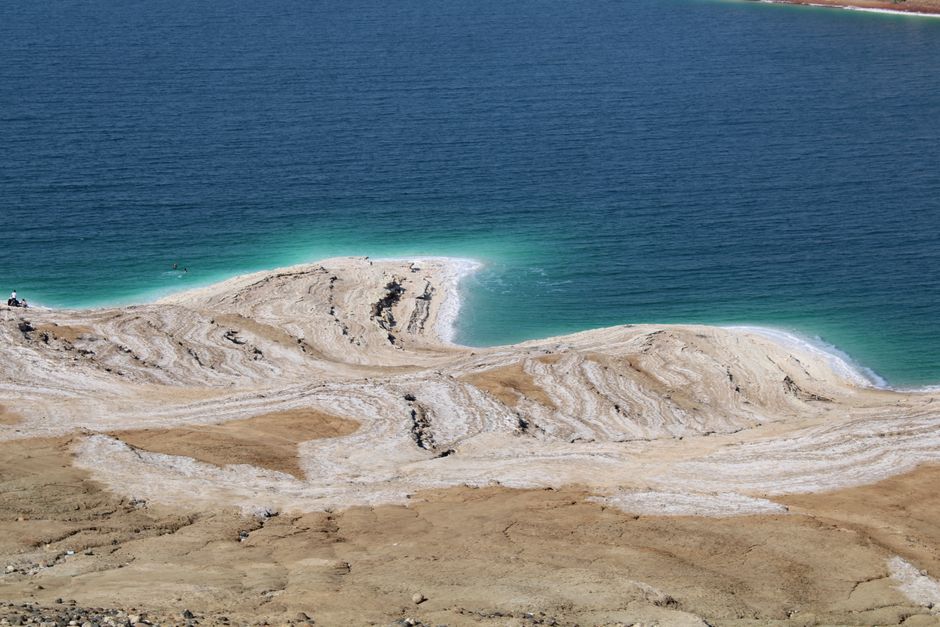
8. The Desert Kites of the Levant
Azraq Oasis, Jordan
Enormous, ancient stone structures known as 'desert kites,' visible only from the air, stretch across the landscape, believed to be Neolithic animal traps of astonishing scale.
These enigmatic formations consist of long stone walls, converging into an enclosure, resembling a child's kite from above. They were meticulously constructed by Neolithic communities, likely used to funnel and trap large herds of gazelles and other migrating animals. Some kites are kilometers long, indicating a sophisticated understanding of animal behavior and collaborative effort over vast distances, revealing a forgotten chapter of human ingenuity and resourcefulness in harnessing the natural world.
Frequently asked questions
What are some unique natural wonders to visit that aren't widely known?
Beyond famous landmarks, many places offer singular experiences. Consider the Sunken Forest of Neskowin Beach, Oregon, which only emerges at low tide, or the vibrant geological layers of the Painted Hills in Oregon, each telling a unique story of Earth's past.
Where can I find ancient historical sites that are less crowded than major tourist attractions?
For a less crowded historical experience, explore sites like the Ġgantija Temples in Gozo, Malta, which predate many more famous ancient monuments. These sites offer profound historical insights without the typical throngs of visitors.
How can I discover the geological or cultural significance of places while traveling?
Understanding the 'why' behind a place's features enhances any trip. Researching before you go, looking for local guides specializing in history or geology, and seeking out interpretive centers can unlock deeper stories often missed by casual observation.
How does AllTours.ai help travelers uncover these hidden stories?
AllTours.ai brings these fascinating, often overlooked stories to life. Simply point your phone camera at a landmark or landscape, and our AI will narrate its history, geology, and cultural significance in your language, turning every view into a rich, immersive learning experience.
Related guides
Photography via Pexels. AllTours.ai is an AI audio tour guide — point your camera at any landscape and hear its story.