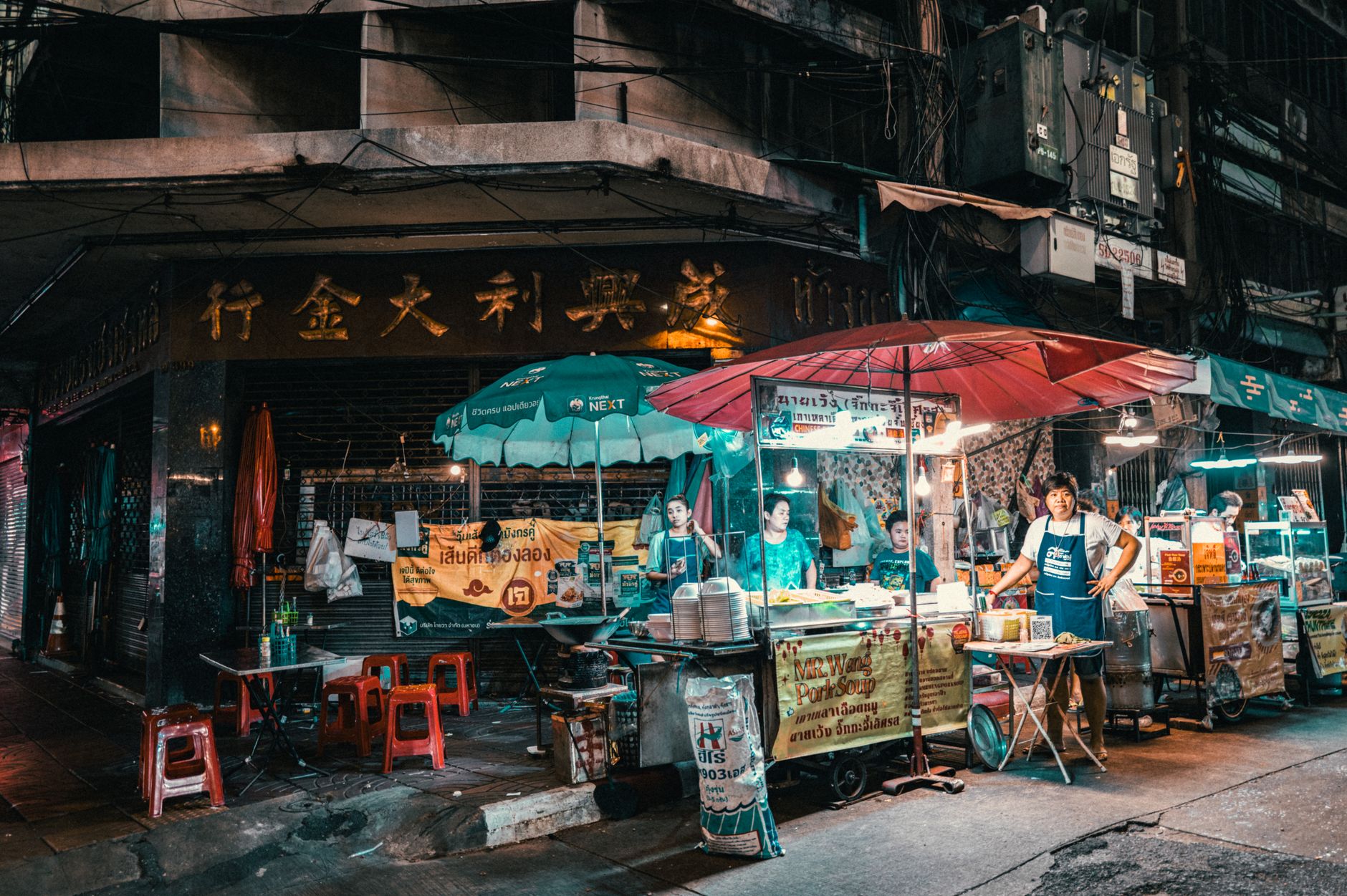
July 9, 2026 · 4 min read
The question, "Which fast food do you never get tired of eating?" often conjures images of familiar drive-thrus. But for the curious traveler, the real answer lies off the beaten path, in the heart of bustling markets and quiet alleys where generations of culinary tradition thrive.
Forget the chains; the world's most enduring fast food isn't just about speed, it's about story. These are the unsung heroes of street cuisine, each bite a window into a place's history, culture, or even geology. Prepare to redefine your idea of delicious, convenient eating.
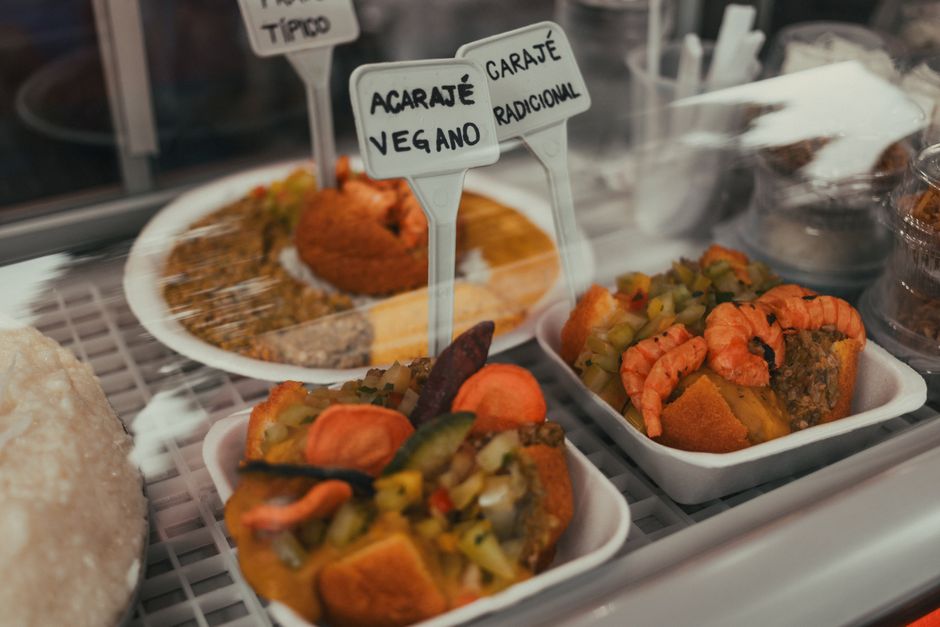
1. The Sacred Street Fritter of Bahia
Salvador, Brazil
This deep-fried bean fritter is not just food; it's an offering to deities in an Afro-Brazilian religion.
Acarajé, a staple of Salvador's streets, consists of deep-fried black-eyed pea fritters, split and filled with vatapá (shrimp and coconut milk paste), caruru (okra stew), and dried shrimp. Traditionally prepared by women known as 'baianas' dressed in white, the dish holds profound spiritual significance in Candomblé, an Afro-Brazilian religion, where it is offered to the deity Iansã. Each bite connects you to centuries of West African heritage preserved in Brazil.
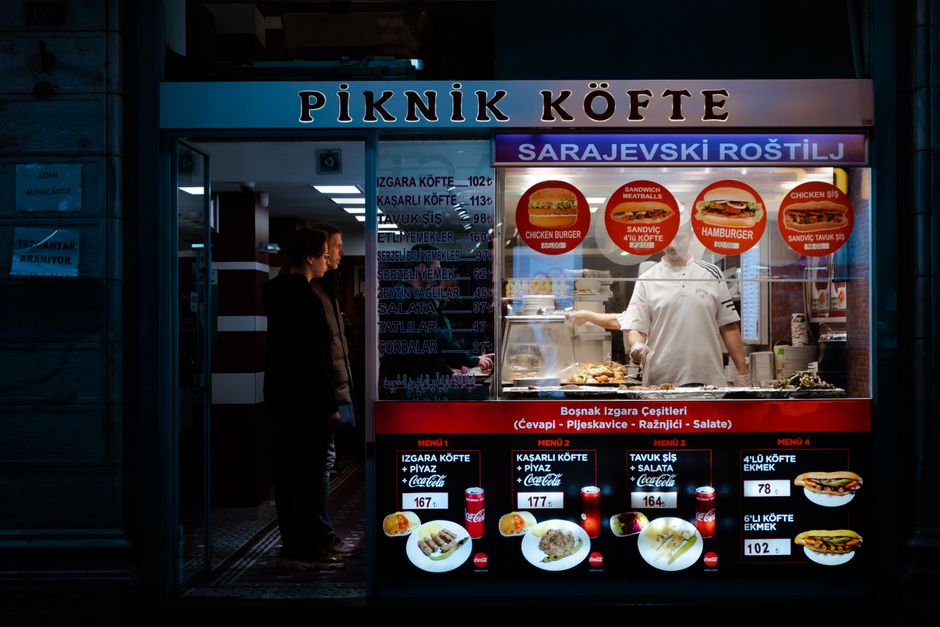
2. Istanbul's Spiced Lamb Rolls
Istanbul, Turkey
This surprisingly flavorful street snack is made from spiced and grilled lamb intestines, a resourceful culinary legacy.
Kokoreç is an iconic Turkish street food, particularly beloved in Istanbul. It features lamb or goat intestines wrapped around seasoned offal, slow-roasted on a horizontal rotisserie, then finely chopped and served in a half-loaf of crusty bread with tomatoes, peppers, and spices. While it might sound adventurous, kokoreç is a testament to Ottoman-era culinary resourcefulness, turning humble ingredients into a deeply savory, aromatic, and addictive meal that truly captures the city's vibrant street food scene.
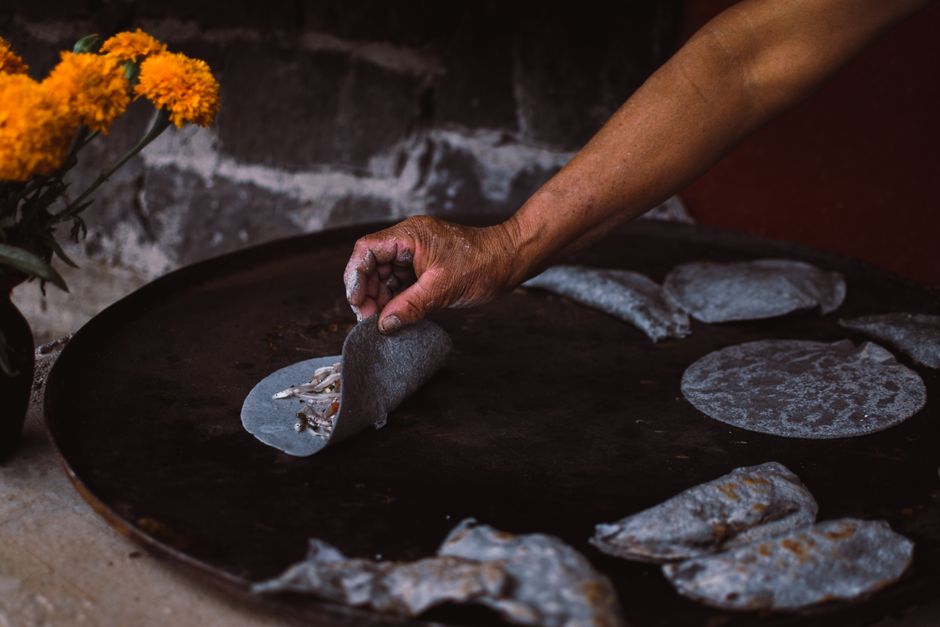
3. Mexico's Ancient Blue Corn Disc
Puebla, Mexico
These canoe-shaped masa flatbreads predate the arrival of Europeans and are a window into Mesoamerican agriculture.
Tlacoyos are oval, slightly thick corn tortillas, often made from blue corn masa, filled with ingredients like refried beans, cheese, or fava beans, and then griddled. Originating in pre-Hispanic Mexico, these hearty snacks are a direct link to ancient Mesoamerican diets, showcasing sustainable agriculture and ingenious culinary techniques. Each tlacoyo tells a story of indigenous resilience and the enduring power of corn as a dietary cornerstone, especially vibrant in markets across Puebla and Oaxaca.
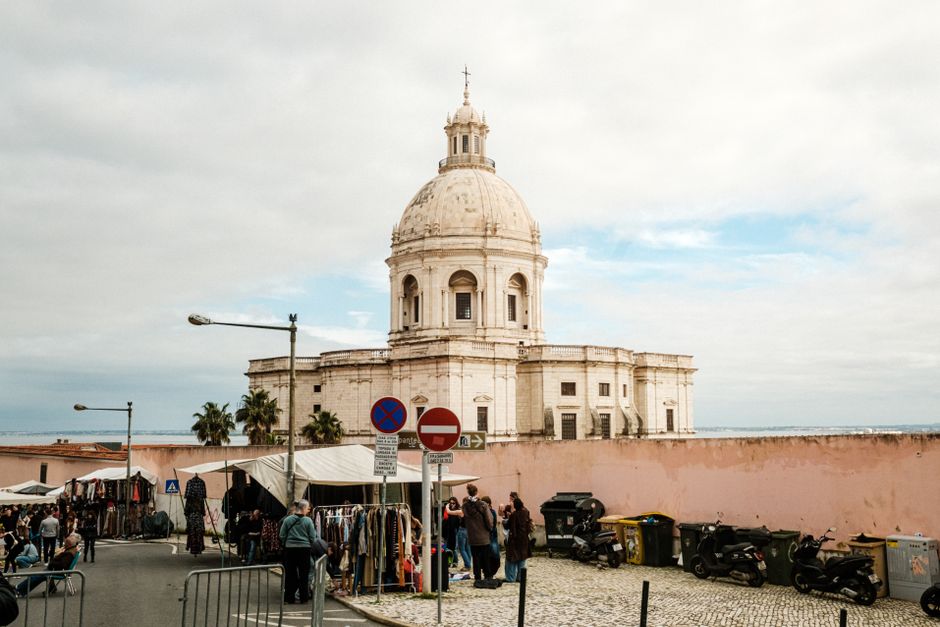
4. Portugal's Humble Pork Sandwich
Lisbon, Portugal
The simple bifana sandwich reveals a fierce regional culinary rivalry between Portugal's north and south.
The bifana is Portugal's quintessential pork sandwich, yet its preparation differs dramatically between regions. In Lisbon, it's typically made with thinly sliced pork marinated in white wine, garlic, and bay leaves, quickly fried and served in a simple bread roll, often with a drizzle of spicy piri-piri. Head north to Porto, and you'll find a richer version, with pork stewed in a tomato and beer sauce. This unassuming sandwich highlights the proud, distinct culinary identities that shape Portuguese gastronomy.
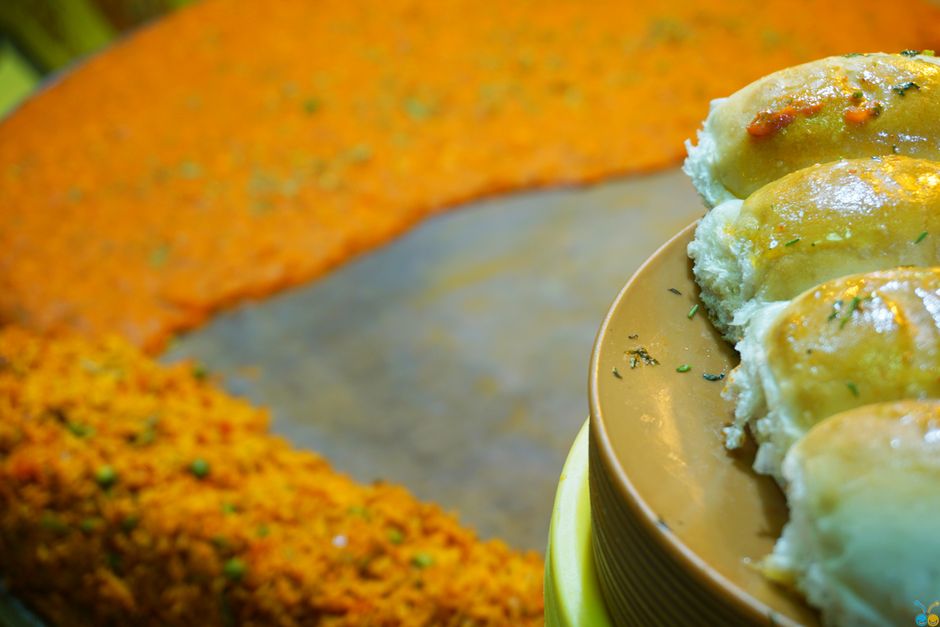
5. Mumbai's Mill Worker's Meal
Mumbai, India
This iconic potato fritter sandwich was invented to feed Mumbai's textile mill workers, becoming a symbol of the city's industrious spirit.
Vada Pav is more than just a snack; it's the heartbeat of Mumbai. This vegetarian fast food consists of a deep-fried potato fritter (vada) seasoned with spices, sandwiched in a soft bread roll (pav), typically served with various chutneys, including spicy red chili and sweet tamarind. Conceived in the 1960s as an affordable, energy-rich meal for the city's burgeoning textile mill workers, Vada Pav quickly became a democratic and beloved staple, fueling millions and embodying Mumbai's industrious, resilient spirit.
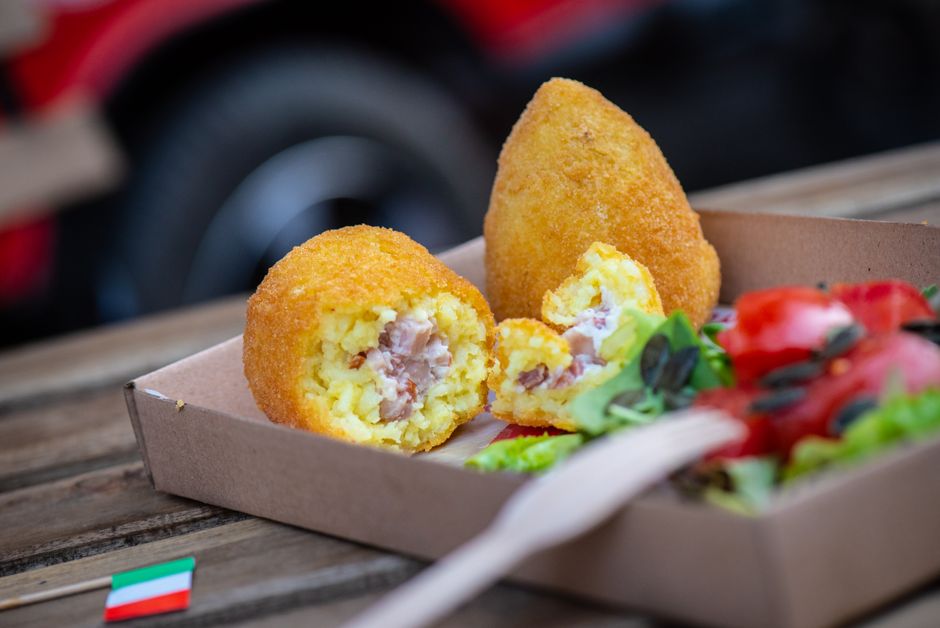
6. Sicily's Volcanic Rice Balls
Palermo, Sicily, Italy
These fried rice balls are often shaped like a volcano, a nod to Mount Etna, and their fillings tell tales of Arab influence.
Arancini, the iconic fried rice balls of Sicily, are a culinary delight with deep historical roots. In Palermo, they are traditionally conical, said to represent the majestic Mount Etna. These crispy golden spheres are typically filled with ragù (meat sauce), peas, and caciocavallo cheese, though many variations exist. The very concept of rice cooked with saffron and meat sauce hints at Sicily's Arab past, showcasing how centuries of cultural exchange have shaped the island's unique and delicious 'fast food' traditions.
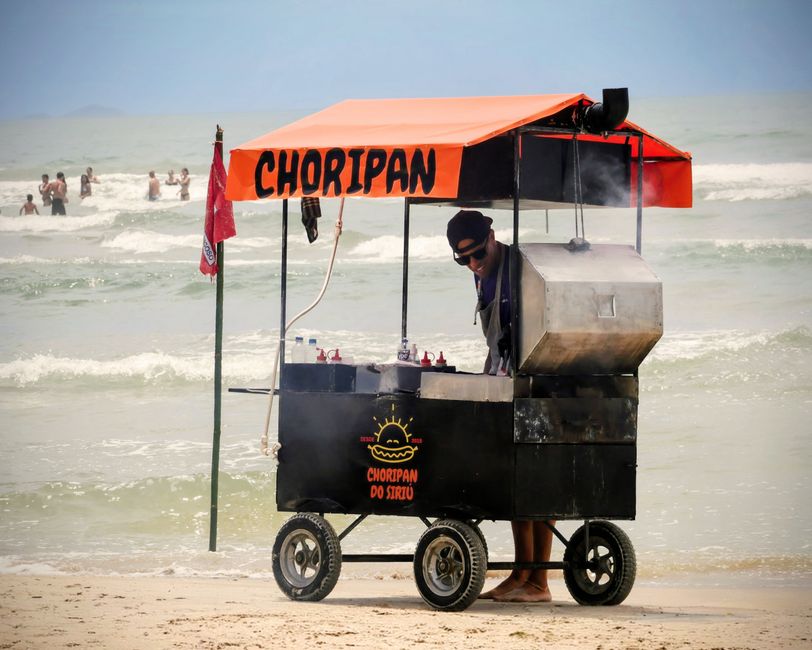
7. Argentina's Asado Ritual
Buenos Aires, Argentina
More than just a sandwich, choripán is a fundamental part of Argentina's communal grilling tradition and national identity.
Choripán, a portmanteau of chorizo and pan (bread), is Argentina's beloved street food. It features a butterflied grilled chorizo sausage, often split lengthwise, served in a crusty bread roll, typically topped with chimichurri sauce. It’s a staple at football matches, roadside stands, and especially at 'asados' – Argentina's traditional barbecues – where it often serves as an appetizer while the main cuts of meat cook. Choripán embodies the country's passionate grilling culture and the social joy of communal eating.

8. Hiroshima's Layered Pancake
Hiroshima, Japan
This savory pancake is a symbol of post-war ingenuity, built layer by painstaking layer, distinct from its Osaka cousin.
Okonomiyaki, often called a 'savory pancake,' has distinct regional styles, with Hiroshima's version being a masterpiece of layering. Unlike Osaka's mixed-batter style, Hiroshima okonomiyaki begins with a thin crêpe, then adds cabbage, pork, noodles (udon or soba), and an egg, all pressed and grilled into a harmonious stack. Born out of post-war scarcity, this resourceful dish demonstrates incredible culinary creativity, turning simple ingredients into a filling, flavorful meal that reflects the city's resilient spirit and unique gastronomic identity.
Frequently asked questions
What is the most unique street food to try in Southeast Asia?
For a truly unique experience, seek out 'balut' in the Philippines – a fertilized duck egg embryo, boiled and eaten from the shell. While challenging for some, it's a deeply cultural and widely consumed snack, often paired with vinegar or salt.
Are street food vendors safe to eat from?
Generally, yes, especially if you follow local advice. Look for stalls with long lines of locals, high turnover of food, and visible cooking processes. Hot, freshly cooked items are usually safer. Trust your instincts and observe hygiene practices.
How do I find authentic local fast food when traveling?
Ditch the tourist guides and ask locals! Hotel staff, taxi drivers, or shopkeepers can point you to their favorite hidden gems. Exploring local markets and residential neighborhoods often yields the most authentic and delicious discoveries.
How can AllTours.ai enhance my street food exploration?
AllTours.ai brings the stories behind these street foods to life. Point your phone camera at a landmark, a bustling market, or even a specific food stall, and the app will narrate its history, cultural significance, and even the geological influences that shaped its ingredients, all in your language. It's like having a local expert in your pocket.
Related guides
Photography via Pexels. AllTours.ai is an AI audio tour guide — point your camera at any landscape and hear its story.