July 9, 2026 · 4 min read
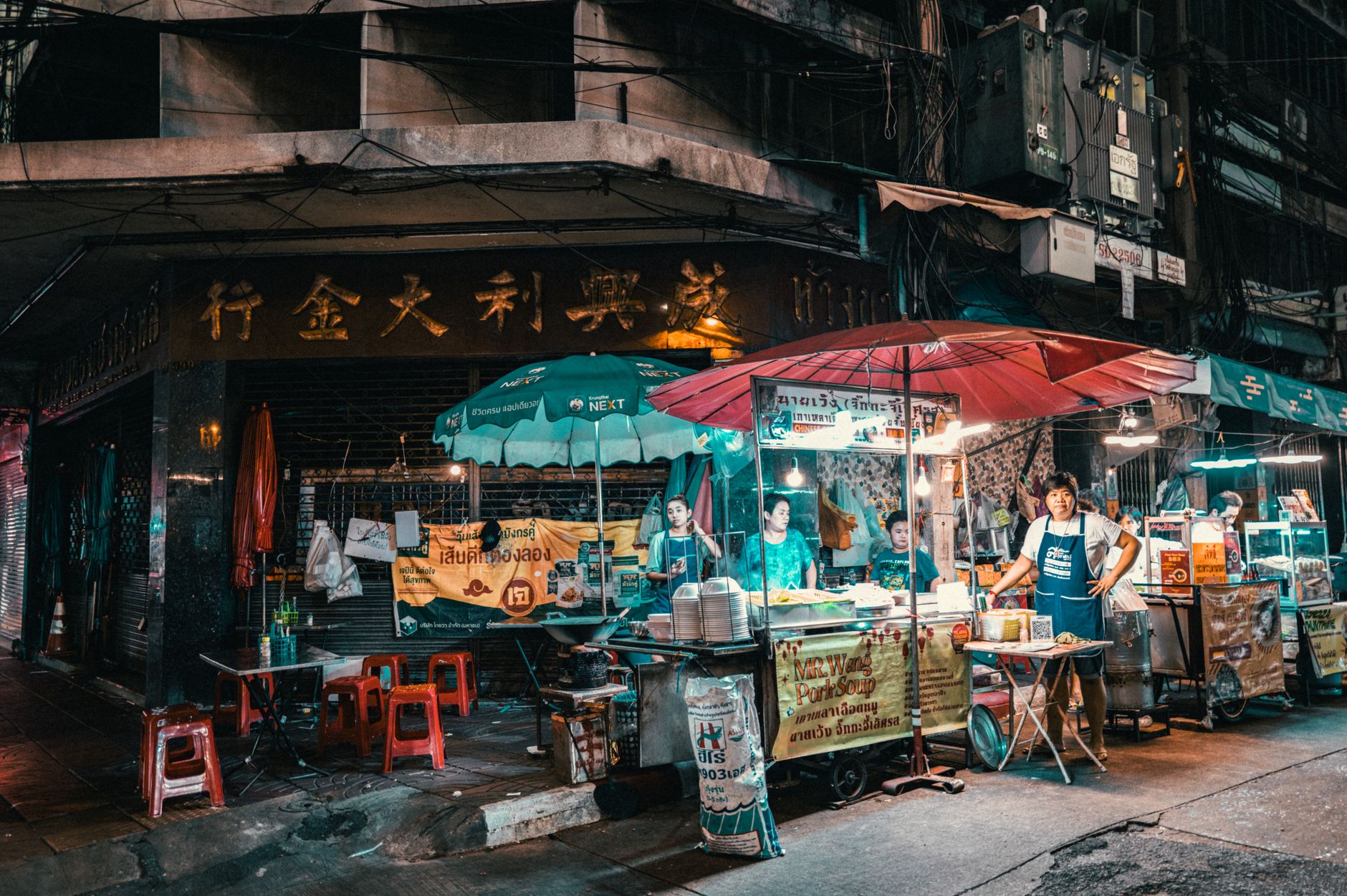
The question "What's the best street food you've ever had?" instantly sparks a culinary debate. For most, the mind conjures familiar favorites: a steaming bowl of pho, a perfectly spiced taco, or a crispy falafel wrap. But what if the true magic of street food lies beyond the well-trodden paths, in places where history, geology, or unique cultural quirks infuse every bite with an unexpected story?
We’ve scoured the globe for those lesser-known, often underrated street food experiences that not only tantalize the taste buds but also reveal a surprising layer of a destination's identity. From volcanic tributes baked into rice balls to ancient mariners' legends spun into bread, prepare to discover culinary treasures that redefine what "best" truly means.
1. Mount Etna's Culinary Tribute
Catania, Sicily, Italy
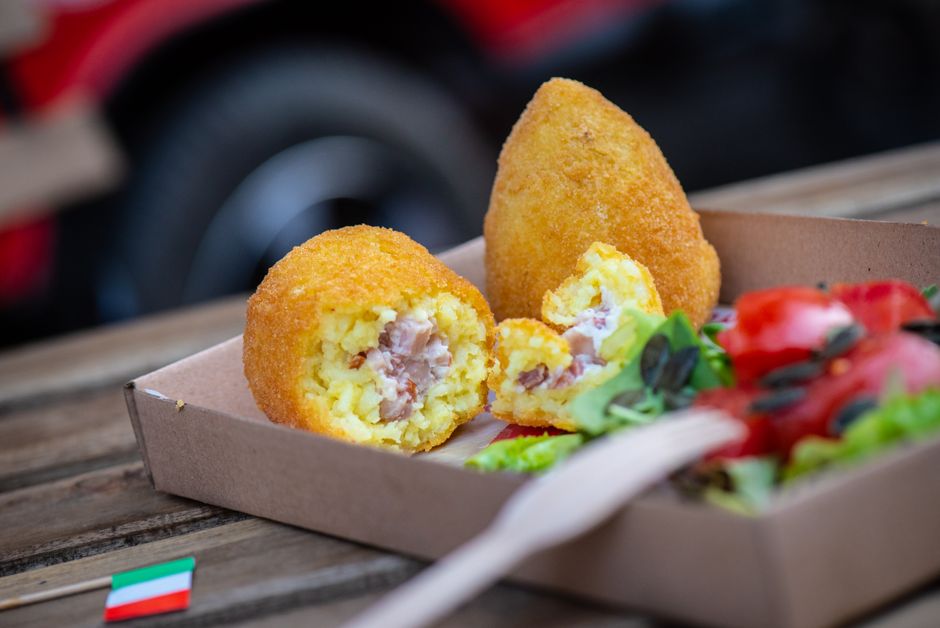
Why are Catania's arancini pointed, unlike the round ones found elsewhere in Sicily?
The pointed arancino of Catania, a golden fried rice ball, isn't just a local delicacy; it's a direct culinary nod to Mount Etna, the active volcano dominating the city's skyline. Unlike Palermo's round versions, Catania's conical shape is said to mimic the volcano. This isn't merely a stylistic choice but a deep-rooted expression of local identity and pride, showcasing how geology can directly influence gastronomy in surprising ways.
2. The Inca's Enduring Skewers
Lima, Peru
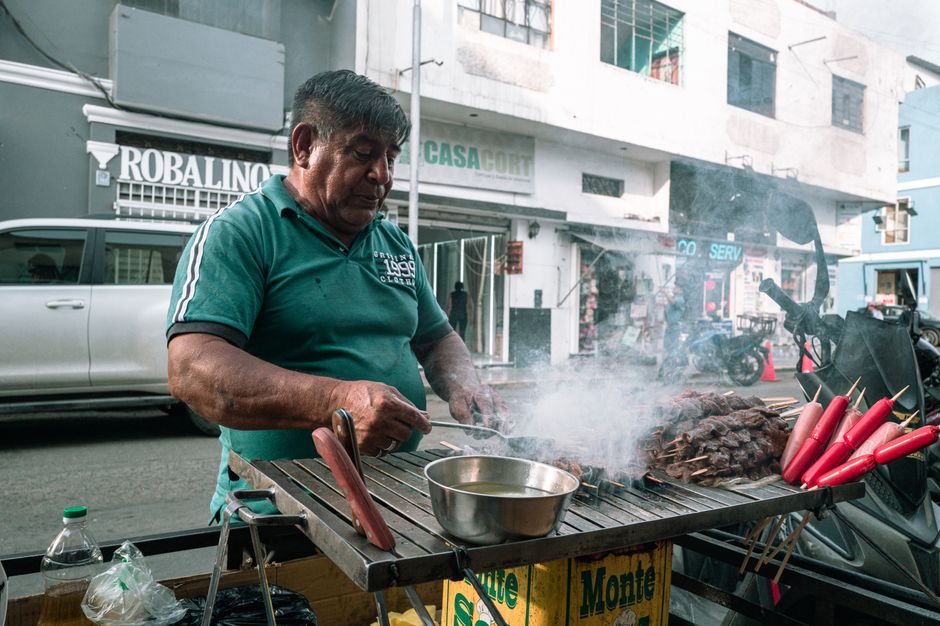
How did humble beef heart skewers become a national delicacy with ancient roots?
Anticuchos, skewers of marinated beef heart grilled over charcoal, are a cornerstone of Peruvian street food. Originally, during the Inca Empire, similar skewers were made from alpaca or llama meat. When Spanish conquistadors arrived, they introduced cattle and repurposed the indigenous tradition, using the "undesirable" heart meat. This transformation speaks volumes about colonial influence on local cuisine and the resilience of a culinary tradition, transforming a necessity into a beloved national dish.

3. Bhutan's Fiery National Dish
Thimphu, Bhutan
Why do Bhutanese people consider chili peppers a main vegetable, not just a spice?
Ema Datshi, a fiery stew of chilies and local cheese, is Bhutan's national dish and a staple of its street-side eateries. Unlike most cuisines where chilies are a mere condiment, here they are the star vegetable, often appearing in large, vibrant quantities. This unique culinary philosophy reflects Bhutan's geographical isolation and a diet shaped by high-altitude living, where intense heat is not just tolerated but celebrated as a core flavor, embodying a distinctive approach to food.
4. Malta's Gossip-Fueled Pastries
Valletta, Malta
How did these cheap, flaky pastries become a symbol of Maltese identity and a barometer of local gossip?
Pastizzi, diamond-shaped parcels of crisp, flaky pastry filled with ricotta cheese or mushy peas, are more than just a snack in Malta; they're a cultural institution. Sold from bustling "pastizzeriji" found on almost every street corner, these savory treats are deeply woven into daily life. Locals often gather around these shops, not just for a cheap bite, but to exchange news and gossip, making pastizzeriji unofficial community hubs and reflections of Maltese social fabric.

5. Hiroshima's Layered Resilience
Hiroshima, Japan
How did a simple pancake evolve into a layered culinary masterpiece born from post-war ingenuity?
Hiroshima-style Okonomiyaki is a distinct culinary marvel, far removed from its Osaka counterpart. Born from the scarcity and resourcefulness of post-war Japan, cooks layered thin crepes with noodles, generous amounts of cabbage, meat, and egg. This pragmatic approach to maximizing available ingredients and flavors transformed a humble pancake into a complex, satisfying meal, embodying the spirit of resilience and creative reconstruction that rebuilt the city.
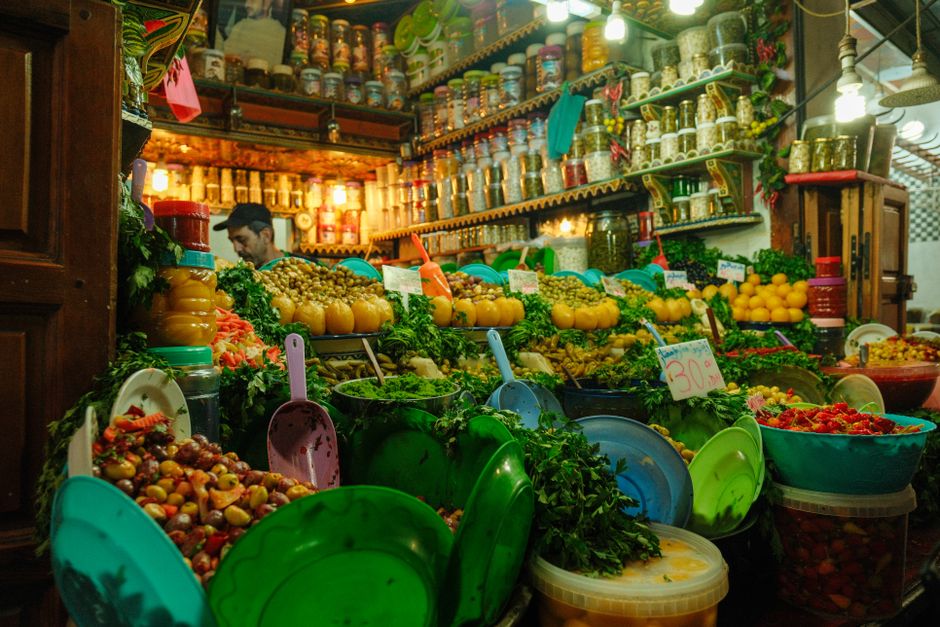
6. Fes's Ancient Flatbread Secret
Fes, Morocco
What ancient secret lies within the layers of this humble, flaky flatbread?
M'semen, a square-shaped, pan-fried Moroccan flatbread, is a staple found at countless street stalls, particularly within Fes's labyrinthine ancient medina. Its delicate, flaky layers are a testament to a culinary technique refined over centuries, often served simply with honey or cheese. This ubiquitous bread connects directly to Fes's long history as a center of trade and culture, where culinary traditions were exchanged and perfected across generations of skilled bakers.

7. Black Sea Sailor's Comfort
Batumi, Georgia
Why does this cheese bread look like a boat, and what does it have to do with ancient Black Sea sailors?
Khachapuri Adjaruli, a rich cheese bread shaped like an open boat with a raw egg yolk and a pat of butter melting in its center, is the iconic specialty of Georgia's Adjara region. Legend holds that its distinctive shape represents the boats of Black Sea sailors, with the golden egg yolk symbolizing the sun. This dish is not just a meal; it's a culinary map, telling vivid tales of the region's maritime heritage and its distinct cultural identity.
Frequently asked questions
What's the most unusual street food you can find?
"Unusual" is subjective, but many cultures offer unique bites. For instance, in Peru, anticuchos (beef heart skewers) are a national delicacy, defying typical Western palates. In Bhutan, ema datshi features chilies as a primary vegetable, not just a spice, creating an intense flavor experience unlike anywhere else.
Is street food safe to eat for travelers?
Generally, yes, but it pays to be cautious. Look for stalls with long lines of locals, indicating popularity and freshness. Observe hygiene practices, ensure food is cooked thoroughly, and opt for busy vendors with high turnover. Your best bet is often where you see the locals eating.
How can I find these lesser-known street food gems?
Beyond online research, the best way is often to explore local markets and quieter neighborhoods away from main tourist hubs. Ask locals for recommendations – taxi drivers, shopkeepers, or hotel staff often know the best hidden spots. Embrace spontaneity and be open to discovering new flavors.
How can AllTours.ai enhance my street food adventure?
AllTours.ai is your perfect companion. As you explore new cities and stumble upon these unique food stalls or historical markets, simply point your phone camera at the surroundings. The app will instantly narrate the history, cultural significance, or even the geological influences behind the local cuisine and the place itself, providing a deeper understanding of every bite.
Related guides
Photography via Pexels. AllTours.ai is an AI audio tour guide — point your camera at any landscape and hear its story.