July 4, 2026 · 4 min read
Indonesia, an archipelago of thousands of islands, is a tapestry woven from diverse cultures, languages, and landscapes. While destinations like Bali capture headlines, the true essence of this nation lies in its lesser-known corners, where ancient traditions thrive and nature reveals astonishing secrets.
For a first-time visitor eager to delve deeper than the usual tourist trails, understanding this incredible diversity means looking beyond the postcards. Preparing to appreciate Indonesia's rich cultural mosaic involves seeking out places where history, geology, and humanity converge in genuinely surprising ways.
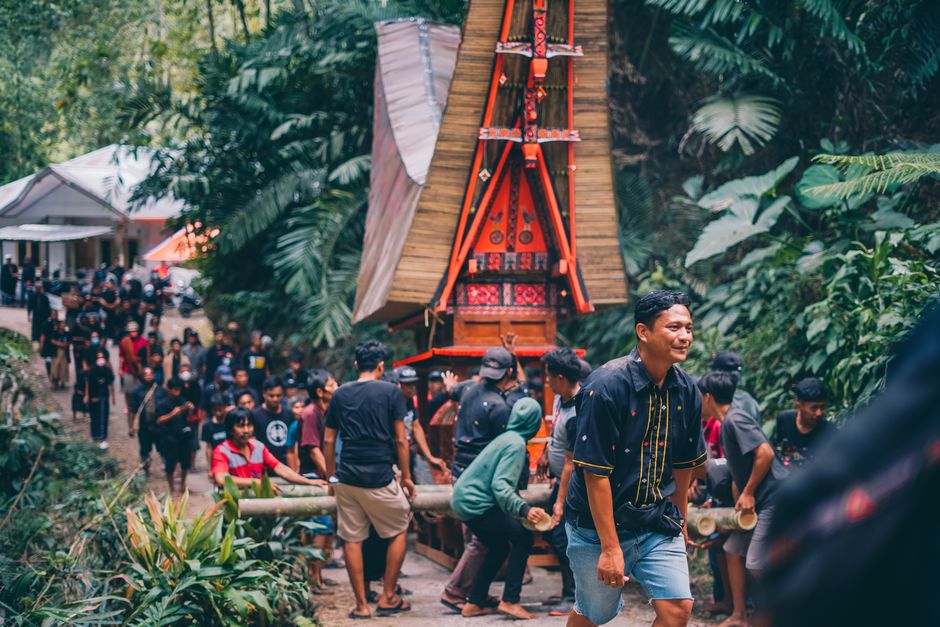
1. Where Death is a Long Journey
Tana Toraja, Sulawesi, Indonesia
Where death isn't the end, but a long, elaborate journey for the living and a vibrant social event.
In the highlands of South Sulawesi, the Torajan people practice funeral rituals that can span weeks, months, or even years. The deceased often 'live' in the family home for an extended period, treated as merely ill, until the elaborate Rambu Solo' ceremony can be afforded. This grand event, involving animal sacrifices and feasting, culminates in the deceased being laid to rest in cliffside graves or stone caves, often watched over by wooden effigies called 'tau-tau'.
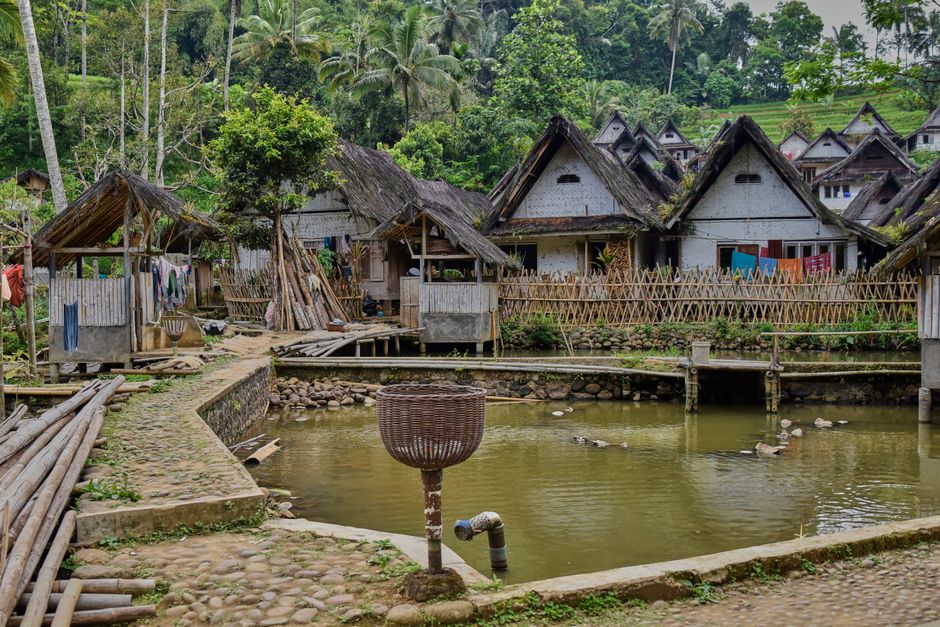
2. The Sky-Touching Houses of Flores
Wae Rebo Village, Flores, Indonesia
A remote, traditional village where distinct cone-shaped houses touch the sky and ancient rituals keep the spirits close.
Hidden high in the mountains of Flores, Wae Rebo is a traditional Manggaraian village famed for its seven 'Mbaru Niang' houses. These unique, conical structures are not merely homes; they are multi-storied communal dwellings housing several families, central to the village's agricultural life and spiritual practices. Visitors undergo a welcoming ceremony, paying respects to ancestors, before experiencing a way of life that has remained remarkably unchanged for centuries.
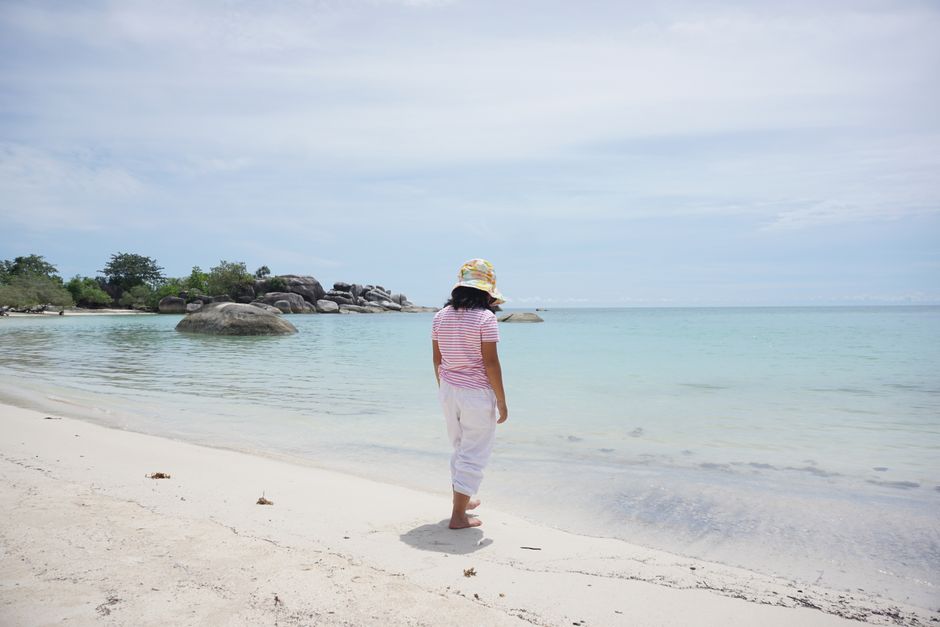
3. Literary Landscapes and Granite Giants
Belitung Island, Sumatra, Indonesia
This island's dramatic granite boulders and turquoise waters hide a surprising literary legacy and a history of tin mining.
Belitung is characterized by its otherworldly landscape of colossal, smooth granite boulders scattered along pristine white-sand beaches and in crystal-clear waters. Beyond its natural beauty, the island gained fame as the setting for Andrea Hirata's novel 'Laskar Pelangi' (The Rainbow Troops), bringing attention to the dreams of rural Indonesian children. Belitung also bears the marks of a significant history as a Dutch tin mining hub, a past reflected in its unique cultural blend and visible industrial remnants.

4. The Lake of Stingless Jellyfish
Kakaban Island, Derawan Islands, East Kalimantan, Indonesia
Swim with thousands of stingless jellyfish in a freshwater lake that is a geological and biological enigma.
On Kakaban Island, part of the Derawan archipelago, lies a brackish lake home to a unique population of stingless jellyfish. Trapped by a geological uplift thousands of years ago, these four species evolved in isolation, losing their stinging cells due to the absence of predators. This surreal natural phenomenon offers an unparalleled opportunity to swim harmlessly among these ancient creatures, a truly rare encounter found in only a few places worldwide.
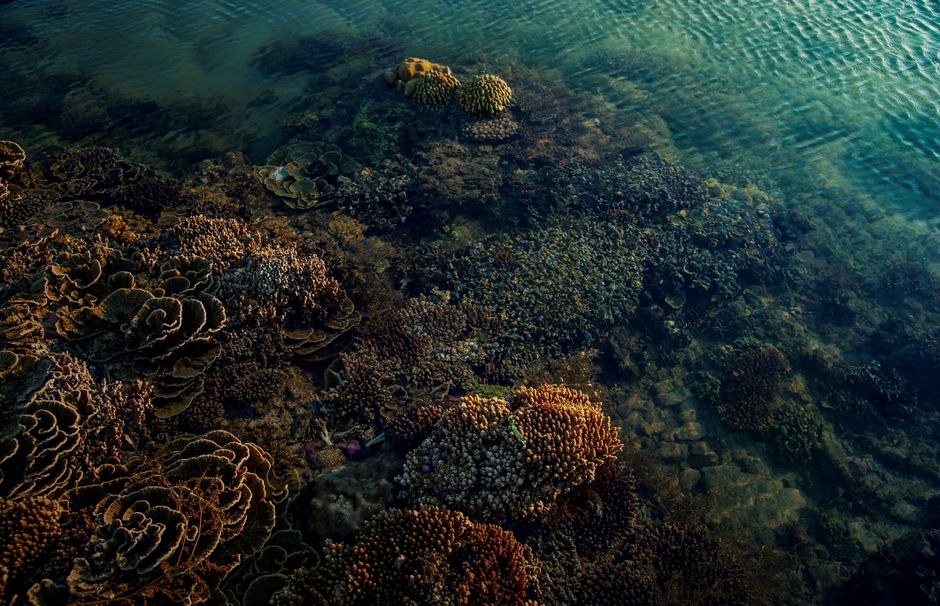
5. Indonesia's Westernmost Islamic Heart
Pulau Weh (Sabang), Aceh, Indonesia
At Indonesia's westernmost tip, discover a vibrant underwater world and a culture shaped by centuries of trade and Islamic tradition.
Pulau Weh, also known as Sabang, proudly marks 'Kilometer Zero' of Indonesia, its absolute westernmost point. While celebrated for its exceptional diving and snorkeling, it also offers a window into Aceh's distinct culture. Unlike much of Indonesia, Aceh operates under Sharia law, influencing daily life, architecture, and social customs, creating a unique cultural experience that reflects its long history as a prominent Islamic trading port.
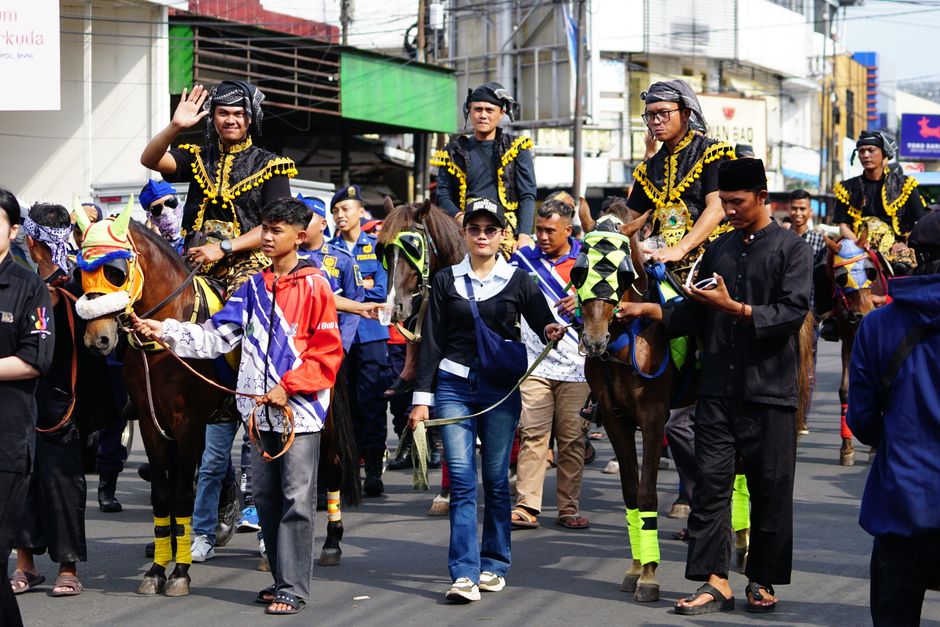
6. Ancient Horse Warriors of Sumba
Sumba Island, East Nusa Tenggara, Indonesia
Witness an ancient equestrian ritual where warriors clash in a test of bravery and skill, a tradition preserved for centuries.
Sumba is renowned for its annual Pasola festival, a spectacular ritualistic battle between two groups of Sumbanese horsemen, armed with wooden spears. This ancient tradition, deeply rooted in Marapu animist beliefs, is performed to appease ancestral spirits and ensure a bountiful harvest. Beyond Pasola, Sumba is also known for its impressive megalithic tombs and intricate ikat weaving, reflecting a strong adherence to ancestral customs amidst a changing world.
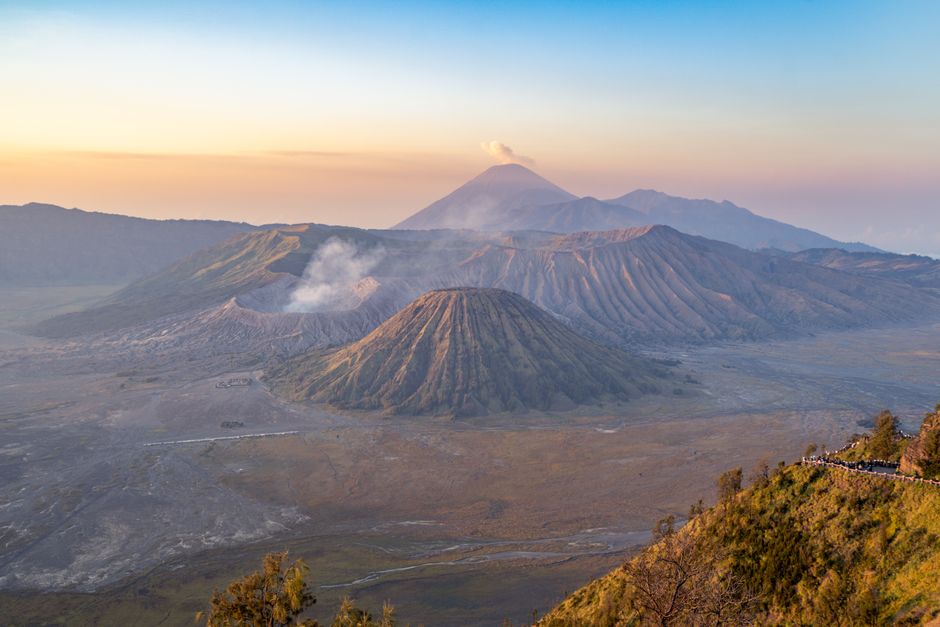
7. The Volcano's Hindu Guardians
Mount Bromo, East Java, Indonesia
At the foot of an active volcano, a Hindu community maintains an ancient ritual to honor the mountain gods.
While Mount Bromo's sunrise views are famous, the indigenous Tenggerese people who reside on its slopes offer a profound cultural insight. This Hindu minority, distinct from Balinese Hinduism, performs the annual Yadnya Kasada ceremony, a centuries-old ritual where offerings are thrown into the volcano's crater to appease the mountain spirits and the supreme god. It's a vibrant testament to their enduring faith and deep spiritual connection to the powerful natural landscape.
Frequently asked questions
What is the most respectful way to engage with local cultures in Indonesia?
Dress modestly, especially when visiting religious sites, covering shoulders and knees. Always ask for permission before taking photos of people, particularly in remote villages. Learning a few basic Indonesian phrases like "terima kasih" (thank you) and "permisi" (excuse me) goes a long way in showing respect and fostering positive interactions.
What unique foods should a first-time visitor to Indonesia try beyond the popular dishes?
Beyond popular dishes like Nasi Goreng, seek out regional specialties for a true taste of Indonesia. Try 'Gudeg' (jackfruit stew) in Yogyakarta, 'Pempek' (fish cakes) from Palembang, or 'Rendang' (spicy beef stew) from West Sumatra, often considered one of the world's best dishes. Don't shy away from street food, but choose busy, well-regarded stalls for freshness.
Is it safe for solo female travelers to visit lesser-known regions in Indonesia?
Generally, Indonesia is safe for solo female travelers, but caution is always advised, especially in remote areas. Research specific regions thoroughly, inform someone of your itinerary, and consider joining small local tours for added security. Modest dress and respectful behavior are key to blending in and avoiding unwanted attention.
How can AllTours.ai help me understand Indonesia's diverse regions and cultures?
AllTours.ai acts as your personal AI guide, designed to deepen your understanding of any place. Simply point your phone camera at a landmark, landscape, or a significant cultural site, and the app instantly narrates its history, geology, and cultural significance in your preferred language. It's designed to bring the unseen stories of every location to life, enriching your travel experience beyond what guidebooks offer.
Related guides
Photography via Pexels. AllTours.ai is an AI audio tour guide — point your camera at any landscape and hear its story.