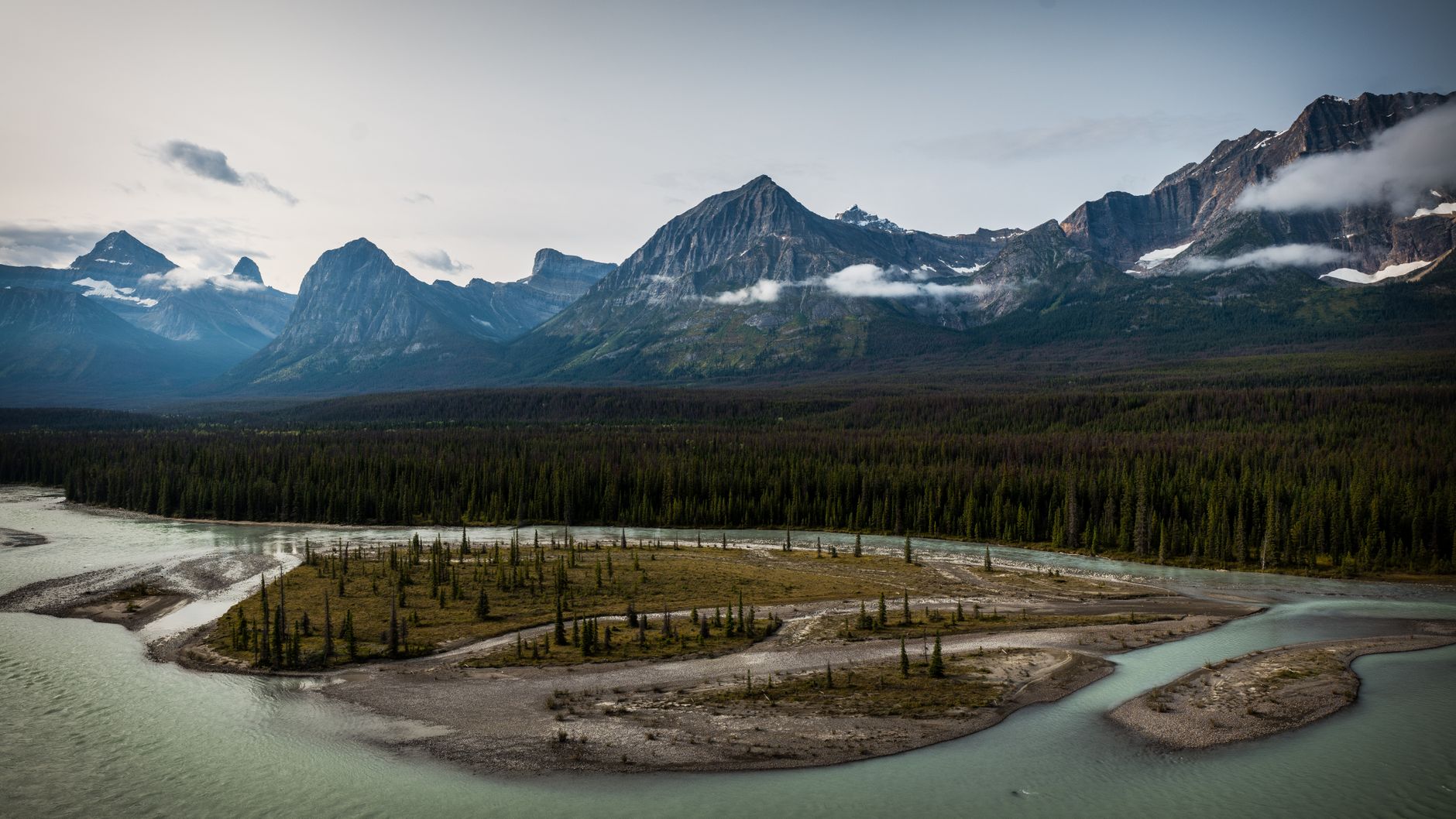
August 1, 2026 · 4 min read
When you hear "What are some famous landmarks in Canada?" iconic images often come to mind: Banff's turquoise lakes, Niagara Falls' thunderous roar, or Quebec City's historic charm. These spots are certainly magnificent, drawing millions each year with their well-deserved reputations.
But Canada, a nation of immense scale and diverse landscapes, hides countless other wonders. Beyond the well-trodden paths lie places steeped in unique geology, ancient history, and vibrant culture, waiting to surprise and captivate. We've curated a list of genuinely famous landmarks in Canada that often fly under the radar, each with a story that's as compelling as the landscape itself.
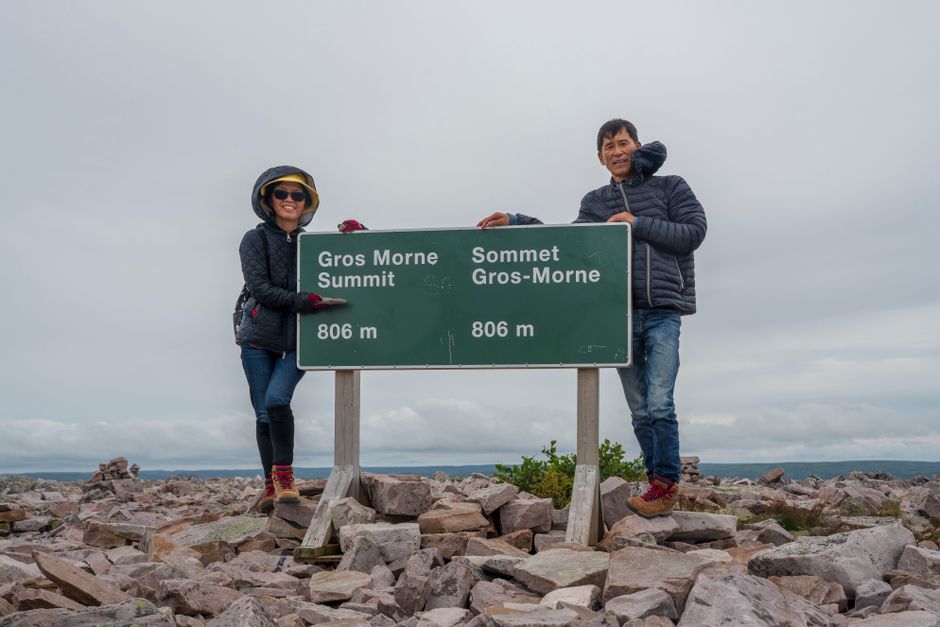
1. The Earth's Exposed Mantle
Gros Morne National Park, Newfoundland and Labrador, Canada
This UNESCO World Heritage site is one of the few places on Earth where you can walk on the planet's exposed mantle, normally found miles beneath the crust.
Gros Morne's Tablelands are a geological marvel. Here, ancient tectonic forces pushed the Earth's mantle to the surface, revealing rock formations that are usually hidden deep within the planet. The rust-colored, barren landscape is unlike anything else in Canada, a stark reminder of our planet's powerful, slow-motion processes and an unparalleled opportunity to see inside the Earth.
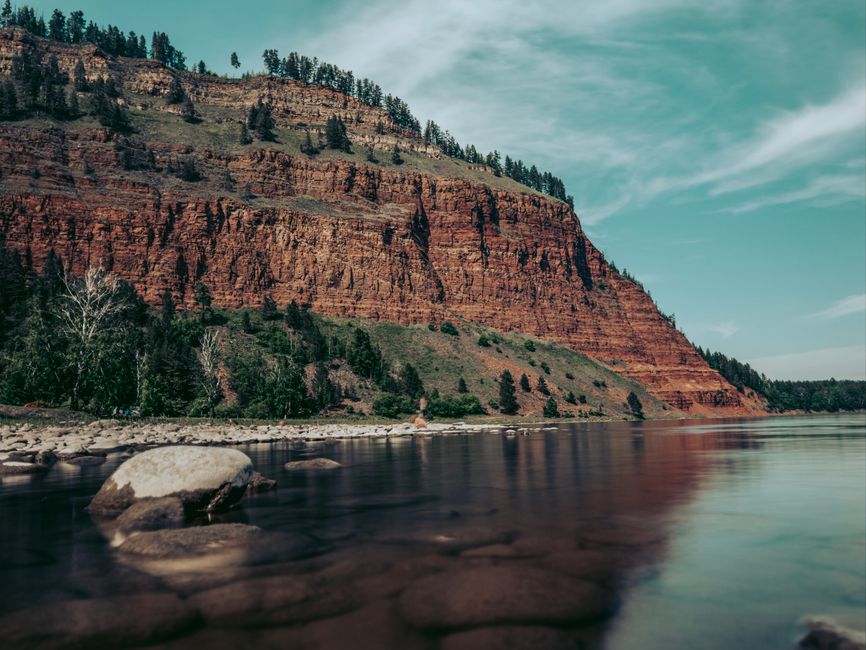
2. The Ancient Coal Forest
Joggins Fossil Cliffs, Nova Scotia, Canada
Walk along a coastline where the fossilized remains of an entire ancient coal forest, dating back 300 million years, are revealed by the Bay of Fundy's tides.
The Joggins Fossil Cliffs are a UNESCO World Heritage site renowned for their exceptionally preserved fossil record of the Carboniferous Period. As the powerful tides erode the cliffs, they expose upright fossil trees, fern-like plants, and early tetrapods. It's a dynamic, living museum where you can literally see hundreds of millions of years of Earth's history exposed before your eyes, a snapshot of a primordial swamp forest.
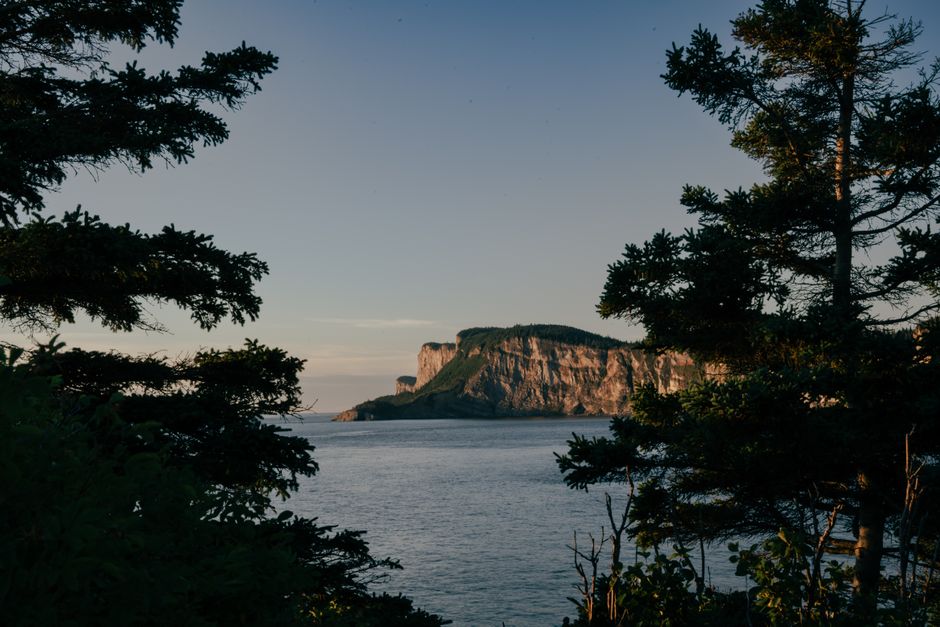
3. The Sleeping Giant's Profile
Sleeping Giant Provincial Park, Ontario, Canada
A massive mesa resembling a slumbering giant, steeped in Ojibwe legend, guards the waters of Lake Superior.
The Sleeping Giant is a series of mesas and sills on the Sibley Peninsula that, when viewed from across Thunder Bay, strikingly resemble a giant lying on his back. Ojibwe legend identifies this formation as Nanabijou, the Spirit of the Deep Water, who was turned to stone when the secret location of a rich silver mine was revealed to white men. It's a dramatic natural landmark with a profound cultural narrative.
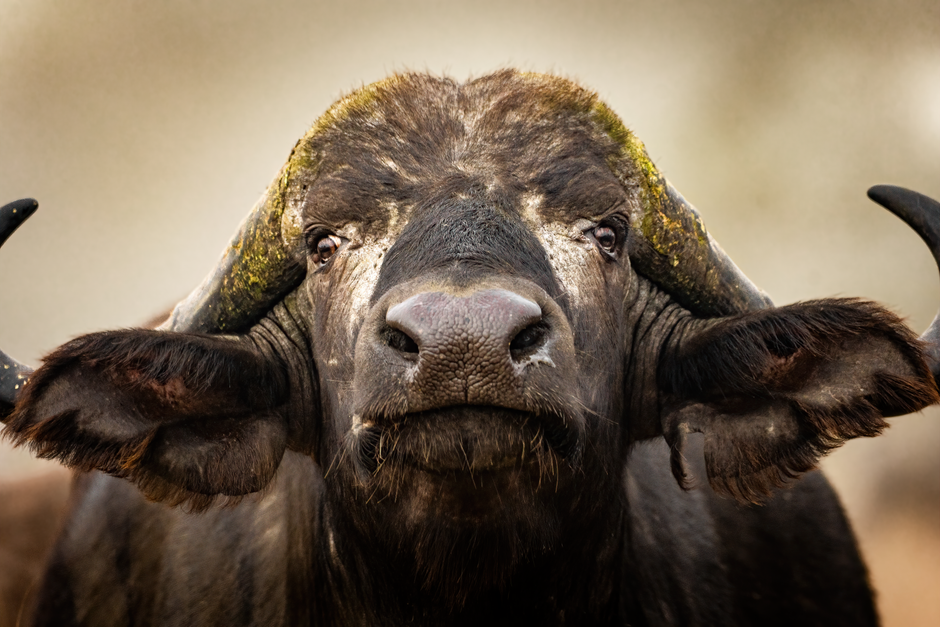
4. The Ingenious Buffalo Jump
Head-Smashed-In Buffalo Jump, Alberta, Canada
This UNESCO site reveals the sophisticated hunting techniques of Indigenous peoples who used cliffs to hunt buffalo for over 6,000 years.
Head-Smashed-In Buffalo Jump is an extraordinary testament to the hunting prowess and communal life of the Plains Buffalo culture. For millennia, Indigenous hunters expertly stampeded herds of bison over these cliffs, then processed the carcasses below. The site's extensive bone beds, camp remnants, and drive lanes offer a vivid, poignant glimpse into a vital prehistoric way of life and a deep connection to the land.
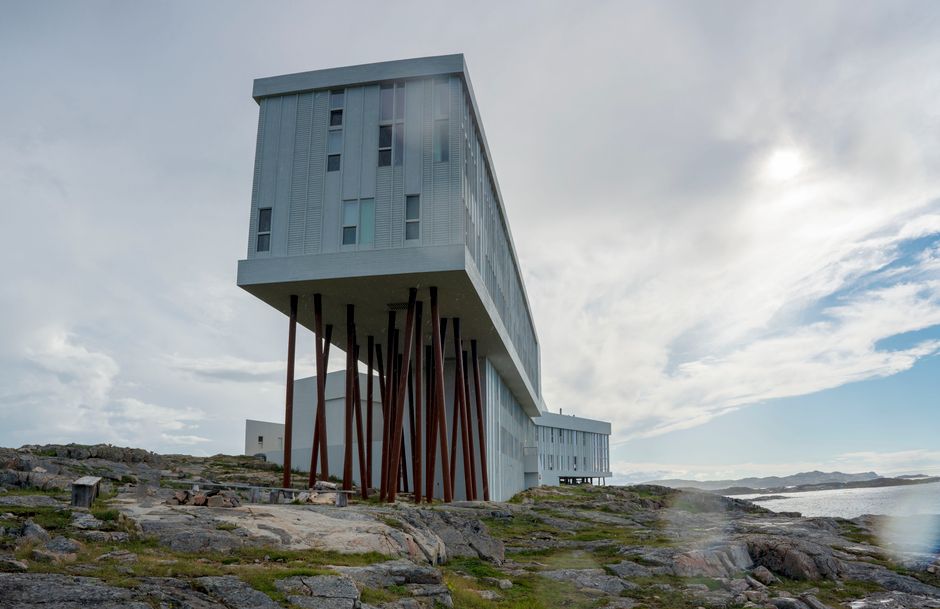
5. The Island at the Edge of the World
Fogo Island, Newfoundland and Labrador, Canada
Perched on one of Earth's four corners, this remote island maintains a unique cultural identity and a deep connection to the sea.
Fogo Island is often cited as one of the 'four corners of the flat Earth' by the Flat Earth Society, due to its remote, dramatic coastline. Beyond this quirky claim, the island boasts a distinct outport culture, vibrant arts scene, and stunning natural beauty. Its communities cling to the rocky shore, preserving traditions and offering a profound sense of place that feels both ancient and contemporary.
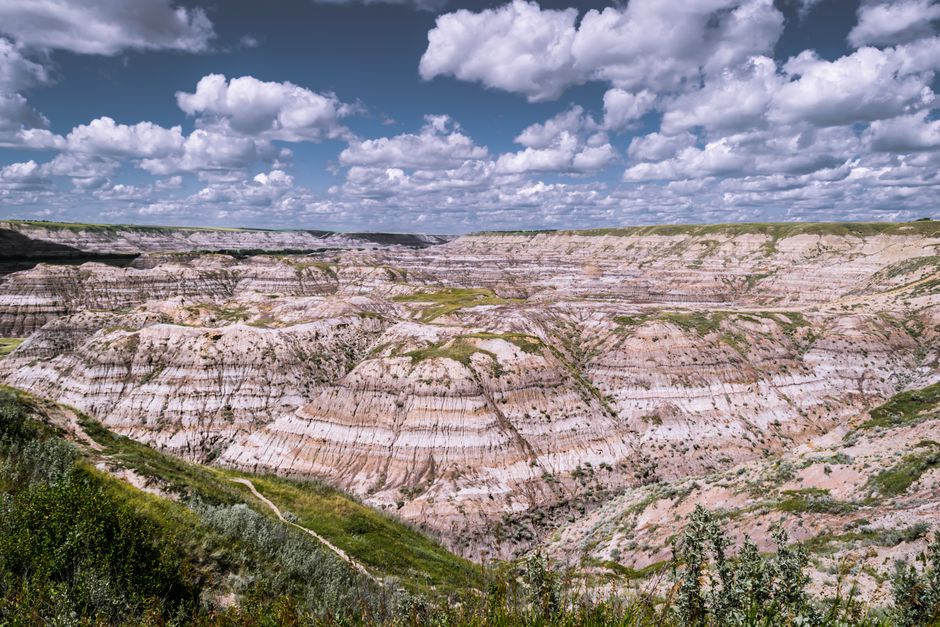
6. The Dinosaur Bonebeds
Dinosaur Provincial Park, Alberta, Canada
This UNESCO site holds one of the richest dinosaur fossil fields in the world, with over 150 complete dinosaur skeletons discovered.
Dinosaur Provincial Park is not just a park; it's a window into the Late Cretaceous period. The arid badlands, carved by wind and water, reveal layers of earth teeming with dinosaur remains. It's an active paleontological site where new discoveries are still being made, offering a tangible connection to the colossal creatures that once roamed this very landscape millions of years ago, long before humans.
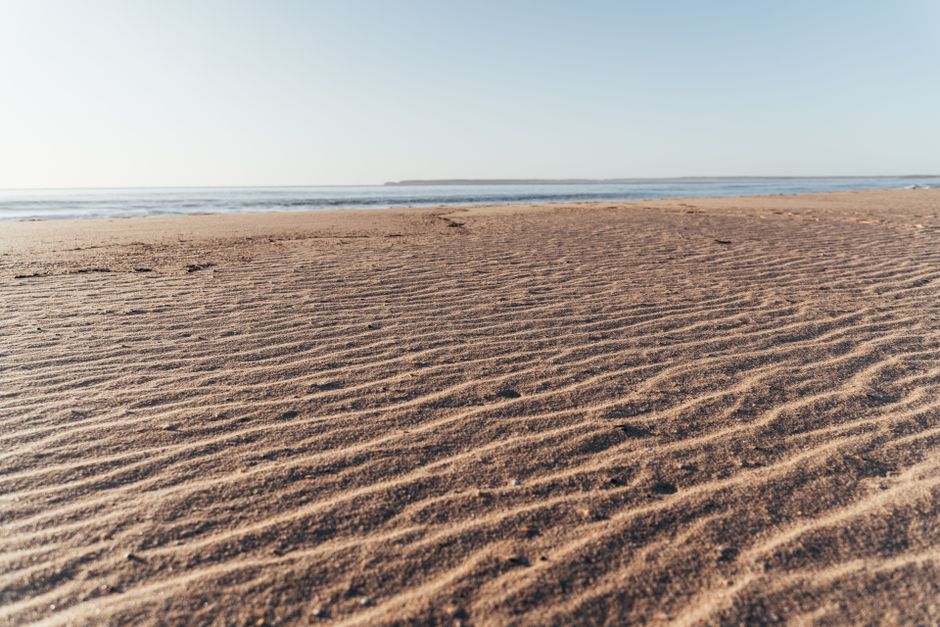
7. The Singing Sands
Basin Head Provincial Park, Prince Edward Island, Canada
Experience a rare phenomenon where the white quartz sand emits a distinct 'singing' sound when you walk across it.
Basin Head Provincial Park is home to one of Canada's most unique beaches: the Singing Sands. The high silica content and specific grain shape of the sand, when rubbed together by footfalls, create a distinctive squeak or 'singing' sound. It's a delightful, unexpected auditory experience that makes a simple walk on the beach an interactive and memorable adventure, a truly natural wonder.
Frequently asked questions
What is the best time of year to visit Canada's lesser-known landmarks?
For most of Canada's natural landmarks, late spring to early autumn (May to October) offers the best weather for exploration. However, some remote sites might have specific access windows or unique winter attractions, so always check local conditions before planning your trip.
Are these underrated landmarks accessible to all travelers?
Accessibility varies greatly among these sites. While some, like Dinosaur Provincial Park, have well-maintained visitor centers and pathways, others, such as parts of Gros Morne or Nahanni National Park (not featured here), may require more extensive travel planning and physical capability. Always research specific accessibility options for each destination.
What kind of preparation is needed for visiting remote Canadian landmarks?
Preparation is key for remote Canadian travel. This includes packing appropriate clothing for varying weather, carrying enough water and snacks, informing others of your itinerary, and having reliable navigation tools. Cell service can be spotty, so consider satellite communication devices for truly isolated areas.
How can AllTours.ai enhance my visit to these Canadian landmarks?
AllTours.ai transforms your exploration by providing instant, AI-powered audio narratives. Simply point your phone camera at any landmark or landscape, and the app will narrate its history, geology, and cultural significance in your preferred language, revealing stories you might otherwise miss and making your visit richer and more informative.
Related guides
Photography via Pexels. AllTours.ai is an AI audio tour guide — point your camera at any landscape and hear its story.