June 28, 2026 · 4 min read
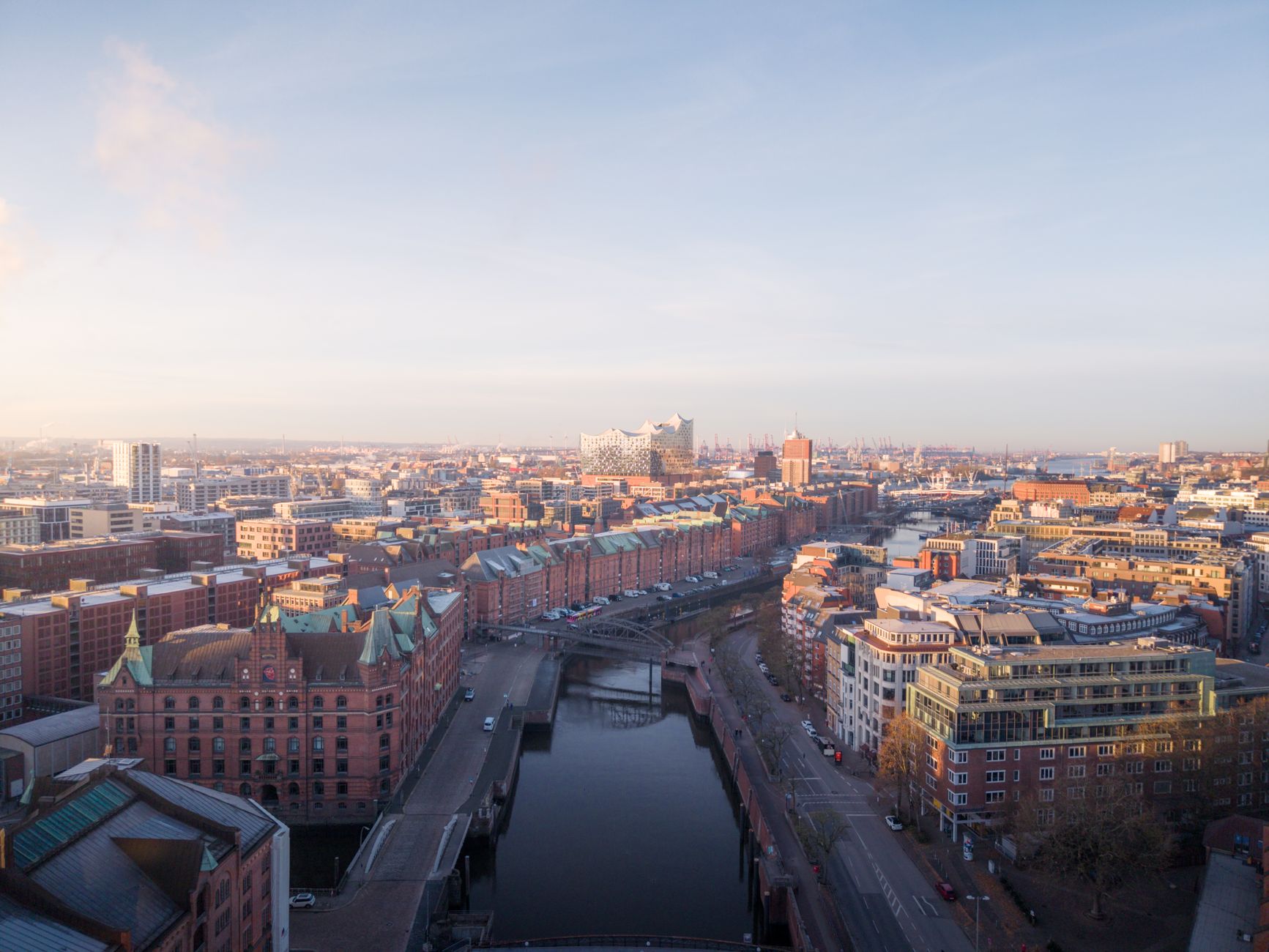
Hamburg, a city of grand waterways, maritime history, and vibrant culture, often draws visitors to its famous Speicherstadt, the bustling Reeperbahn, or the architectural marvel of the Elbphilharmonie. These iconic sights offer a fantastic introduction, but a short visit often leaves the city's deeper, more intriguing layers unexplored.
For those eager to peel back the surface and discover the true soul of this Hanseatic city, Hamburg holds a treasure trove of lesser-known spots. We've curated a guide to the city's hidden gems, each with a unique story that will transform your quick trip into an unforgettable journey through history, architecture, and local life.
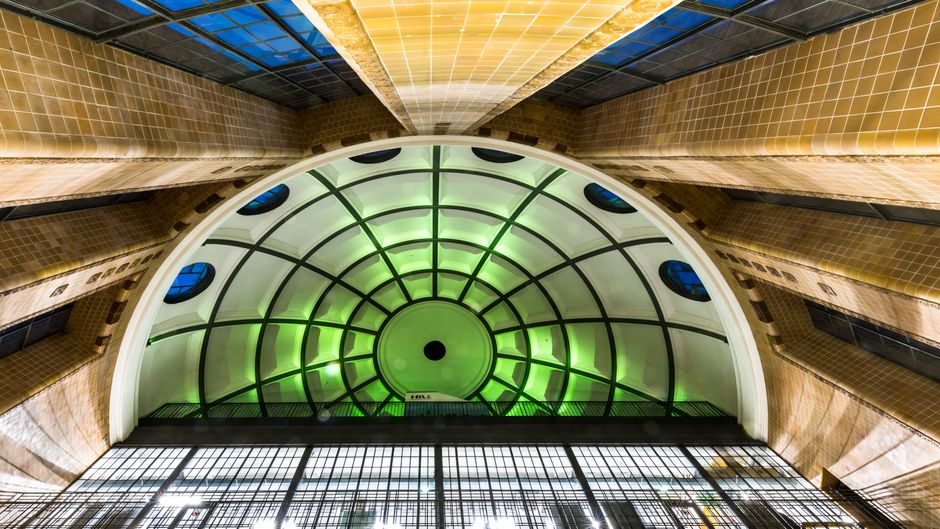
1. The Underwater Cathedral for Carriages
St. Pauli, Hamburg, Germany
Beneath the Elbe, a century-old engineering marvel once transported horses and carriages, now a quiet passage for pedestrians.
Opened in 1911, the Alter Elbtunnel (Old Elbe Tunnel) was a groundbreaking feat of engineering, connecting St. Pauli with the docks of Steinwerder. Designed to facilitate the flow of industrial workers and goods, its deep shafts once lowered vehicles, including horse-drawn carts, down to the two tiled tubes. Today, its ornate Art Nouveau tiles and ironwork feel like an underground cathedral, offering a unique, tranquil walk beneath the river.
2. The Widows' Alley
Neustadt, Hamburg, Germany
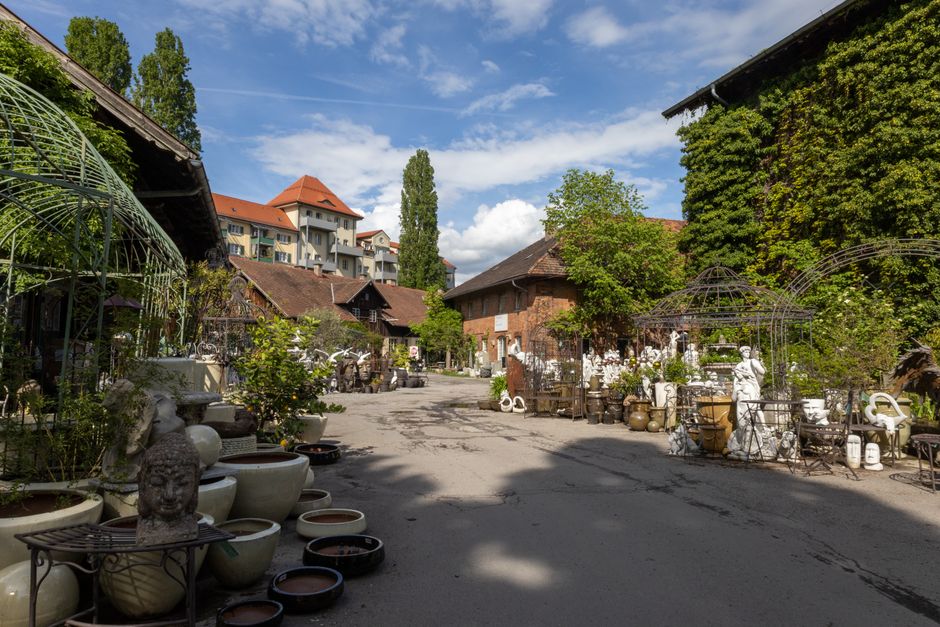
Step back into the 17th century in a perfectly preserved alley of homes built for the widows of merchants.
Tucked away behind the grand St. Michaelis Church, the Krameramtsstuben are a rare, surviving example of 17th-century Hamburg housing. Built in 1676 by the Grocers' Guild, these charming, half-timbered houses provided free accommodation for the widows of their deceased members. Today, the narrow, cobblestone alleyway transports you to a bygone era, with several of the historic homes now housing cozy restaurants and artisan shops.
3. Where the City Burned
Altstadt, Hamburg, Germany
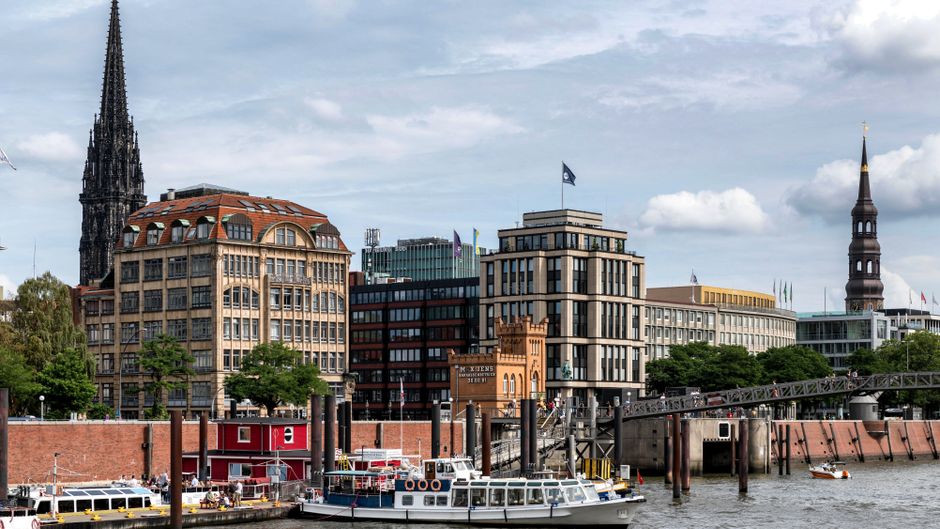
This picturesque street, lined with traditional houses, holds the infamous origin point of Hamburg's devastating Great Fire of 1842.
Deichstraße is one of Hamburg's oldest surviving streets, showcasing the city's traditional, narrow merchant houses with their backs to the Nikolaifleet canal. Despite its charm, it's also a place of somber history: the Great Fire of 1842 began in a cigar factory at Deichstraße 42. While much of the city was destroyed, parts of Deichstraße miraculously survived, allowing visitors today to glimpse what old Hamburg looked like before the catastrophe.
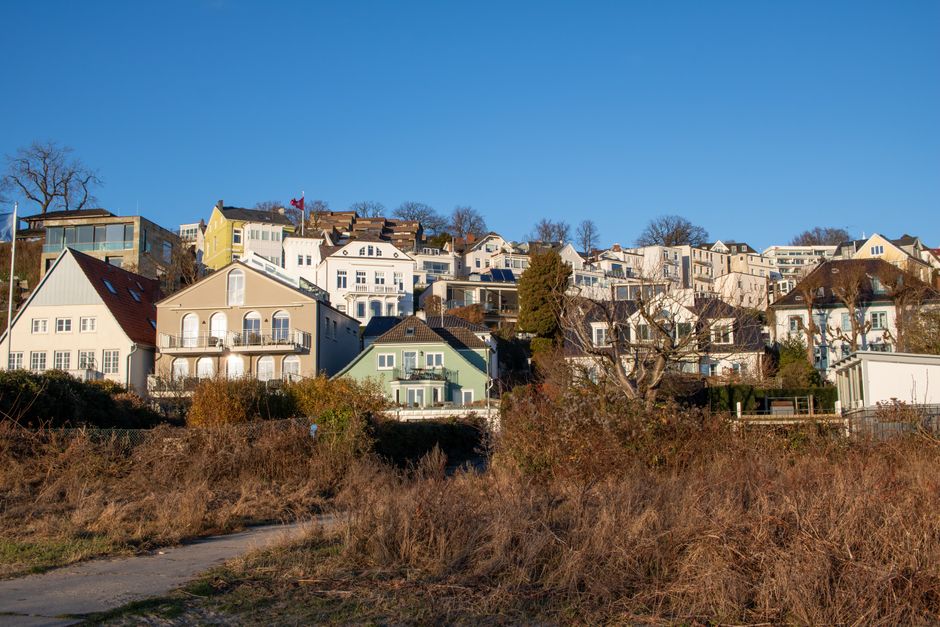
4. The Staircase Village by the Elbe
Blankenese, Hamburg, Germany
Ascend hundreds of winding stairs through a picturesque former fishing village, where cars are replaced by footpaths and stunning Elbe views.
Far removed from the city's urban bustle lies Blankenese, a district with a unique, almost Mediterranean feel. Its 'Treppenviertel' (Staircase Quarter) is a maze of narrow, winding staircases and footpaths that weave between charming, often pastel-colored houses clinging to the steep Elbe hillside. Once a humble fishing village, it’s now an affluent residential area, offering breathtaking panoramic views of the Elbe river and passing ships at nearly every turn.
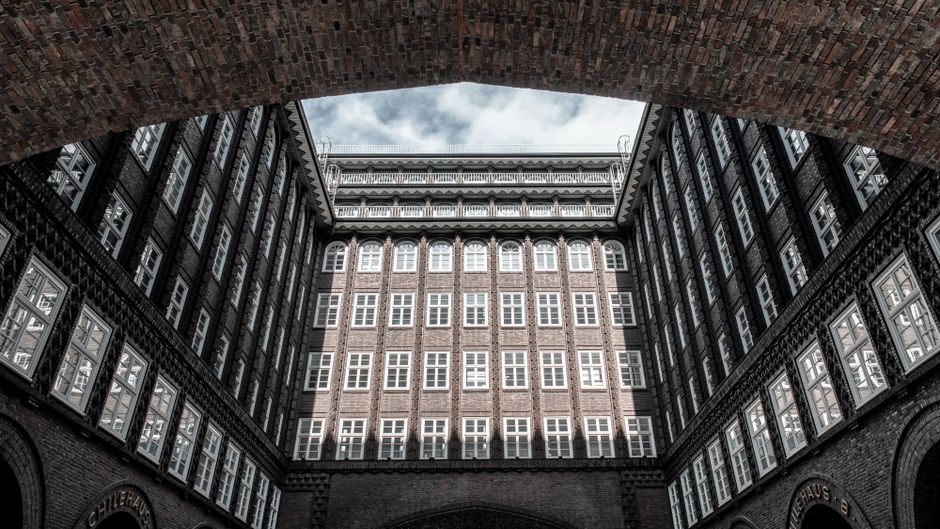
5. Brick Ship of Saltpeter Wealth
Kontorhausviertel, Hamburg, Germany
This ship-like brick masterpiece, a UNESCO World Heritage site, was designed to resemble an ocean liner and built for a wealthy merchant made rich by the Chilean saltpeter trade.
The Chilehaus, a UNESCO World Heritage site, is a striking example of German Brick Expressionism. Completed in 1924 by Fritz Höger, its sharp angles and curved facade evoke the prow of an ocean liner, pointing towards the Elbe. Commissioned by Henry B. Sloman, a merchant who made his fortune in the Chilean saltpeter trade, the building's design not only maximized office space but also served as a proud symbol of Hamburg's maritime and mercantile power.
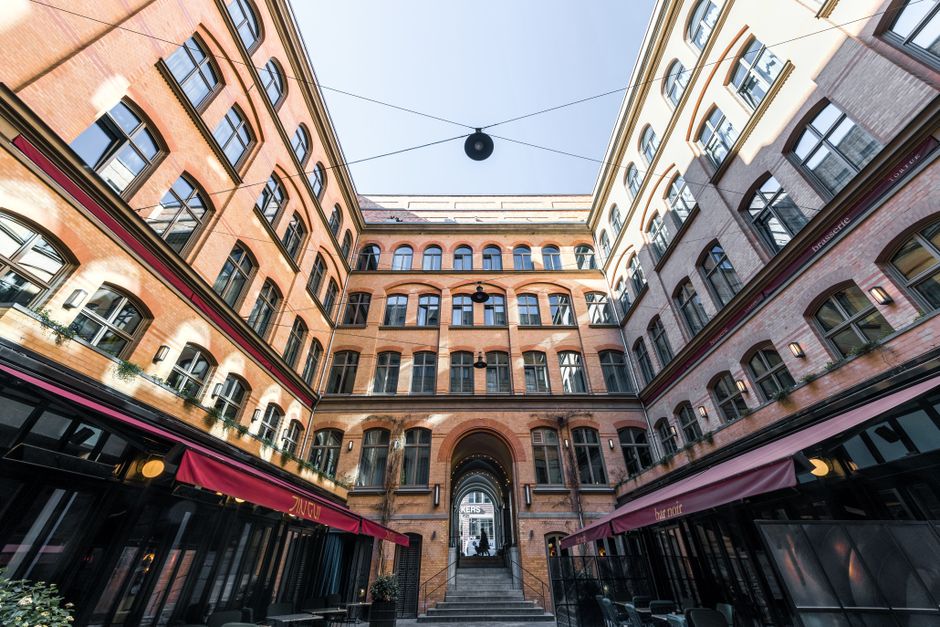
6. The Gängeviertel's Rebel Heart
Neustadt, Hamburg, Germany
Discover a hidden network of alleys and courtyards, a living testament to Hamburg's working-class history and a hub for alternative culture.
The Gängeviertel, or 'Gang Quarter,' represents one of Hamburg's last remaining historic working-class neighborhoods. Once a densely populated area of narrow passages and courtyard dwellings, it faced demolition threats but was saved by citizen initiatives. Today, it thrives as a vibrant hub for alternative culture, street art, independent businesses, and community projects, offering a raw and authentic glimpse into a different side of Hamburg's urban landscape.
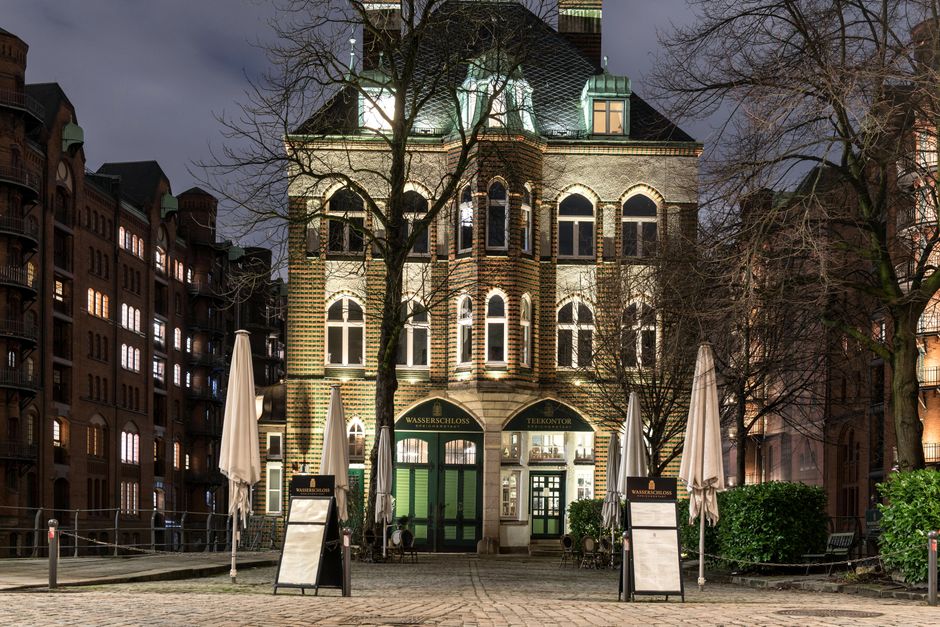
7. Little Lisbon by the Docks
Neustadt, Hamburg, Germany
Just steps from the bustling harbor, a vibrant quarter emerged from post-war Portuguese immigration, offering a taste of Lisbon in Hamburg.
The Portugiesenviertel, or 'Portuguese Quarter,' is a lively and aromatic corner of Hamburg, a testament to the post-World War II immigration of Gastarbeiters from Portugal. Initially settling near the docks for work, these communities gradually established restaurants, cafes, and shops that now give the area its distinct, sunny character. It's the perfect place to savor authentic Portuguese seafood, pastéis de nata, and strong coffee, feeling a world away from northern Germany.
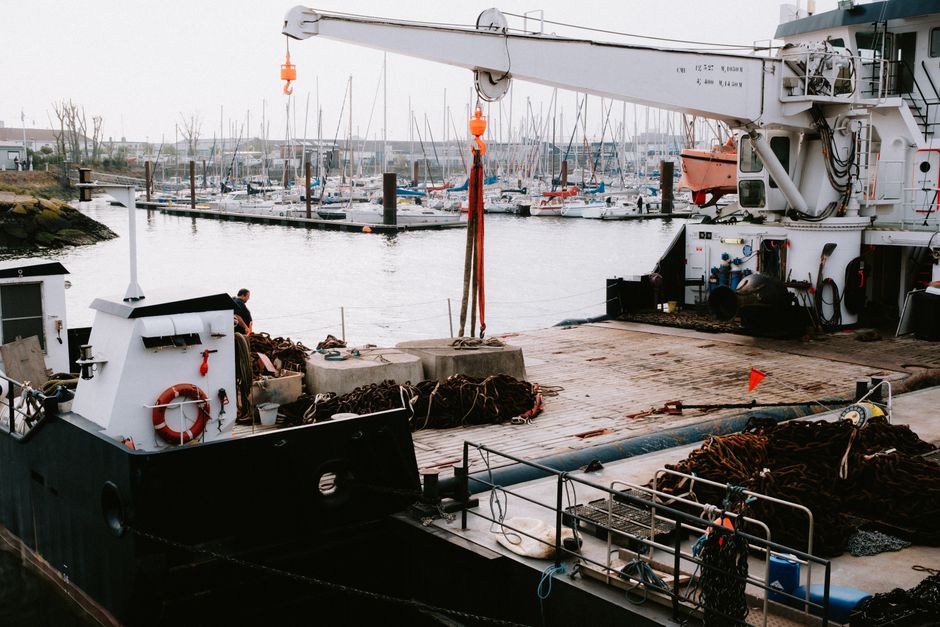
8. A Seafarer's Floating Home
Waltershof, Hamburg, Germany
Amidst Hamburg's bustling port, a unique floating sanctuary provides solace and connection for thousands of international seafarers each year.
The Duckdalben International Seamen's Club is not a tourist attraction in the usual sense, but a powerful hidden gem reflecting Hamburg's deep maritime heart. Located directly in the port, this non-denominational institution offers a vital haven for seafarers from around the world who are often far from home for months. Its unique floating structure provides a place for relaxation, communication, and support, embodying the spirit of hospitality that has defined port cities for centuries.
Frequently asked questions
What's the best time of year to visit Hamburg?
The late spring (May-June) and early autumn (September-October) offer pleasant weather, fewer crowds than peak summer, and a full calendar of cultural events. Winters can be cold but charming, especially with Christmas markets.
Is Hamburg a walkable city for exploring these hidden gems?
Hamburg's city center and many of its districts are very walkable, allowing you to easily discover hidden alleys and unique architecture on foot. For destinations further afield, like Blankenese or the Duckdalben, Hamburg boasts an excellent public transportation network of S-Bahn, U-Bahn, buses, and ferries.
What local delicacy should I try in Hamburg?
Beyond the classic Fischbrötchen (fish sandwich), be sure to try a Franzbrötchen, a sweet, cinnamon-laced pastry often described as a cross between a croissant and a cinnamon bun. For something heartier, Labskaus is a traditional sailor's dish of mashed potatoes, corned beef, onions, and beetroot.
How can AllTours.ai help me discover Hamburg's stories?
AllTours.ai brings the hidden histories and cultural nuances of Hamburg to life. Simply point your phone camera at any landmark, building, or even a natural landscape, and the app will instantly narrate its fascinating story, geology, and cultural significance in your preferred language, turning every street corner into a discovery.
Related guides
Photography via Pexels. AllTours.ai is an AI audio tour guide — point your camera at any landscape and hear its story.