June 8, 2026 · 4 min read
Portugal is a country brimming with charm, from the historic trams of Lisbon to the sunny beaches of the Algarve. But venture beyond the well-trodden paths, and you’ll discover a landscape rich with untold stories, ancient traditions, and architectural wonders that defy imagination. These are the places where history is carved into rock, whispered by the wind, and preserved in the very fabric of local life.
For the curious traveler eager to delve deeper, Portugal offers a treasure trove of genuinely unique destinations. Forget the guidebooks that only scratch the surface; these hidden gems promise real insights into Portugal's geological past, cultural ingenuity, and a resilience that shaped its most extraordinary sites. Get ready to explore a different side of this captivating country.
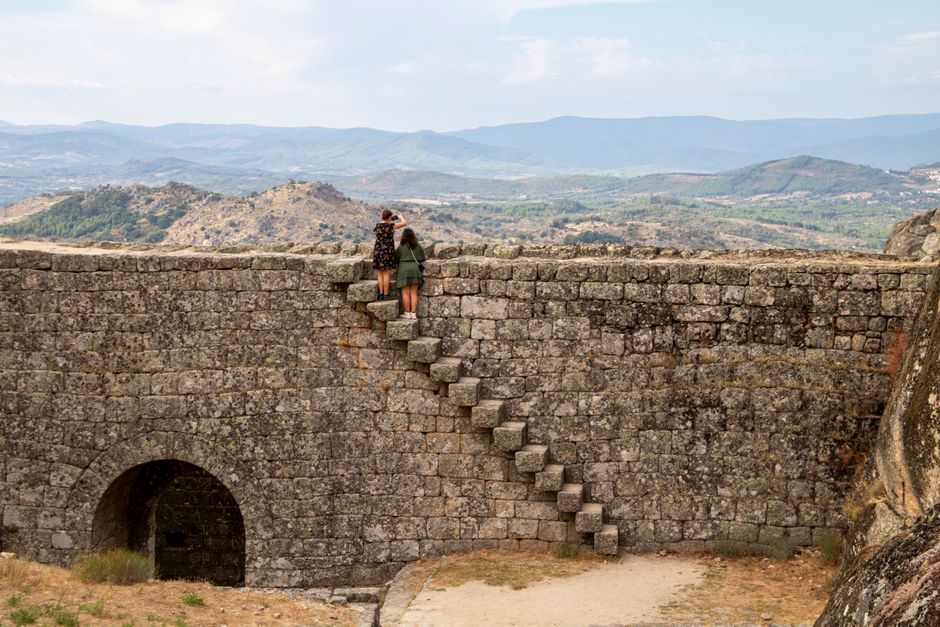
1. The Boulder-Built Village
Monsanto, Portugal
Imagine an entire village where granite boulders are not just obstacles, but integral parts of the houses themselves.
Perched atop a steep hill, Monsanto is famous for its houses built directly into, under, and around enormous granite rocks. Villagers ingeniously incorporated these ancient geological formations into their architecture, using the boulders as walls or even roofs. This unique adaptation to the rugged landscape earned it the title of 'Most Portuguese Village of Portugal' in 1938, a testament to its enduring traditions and resilience.
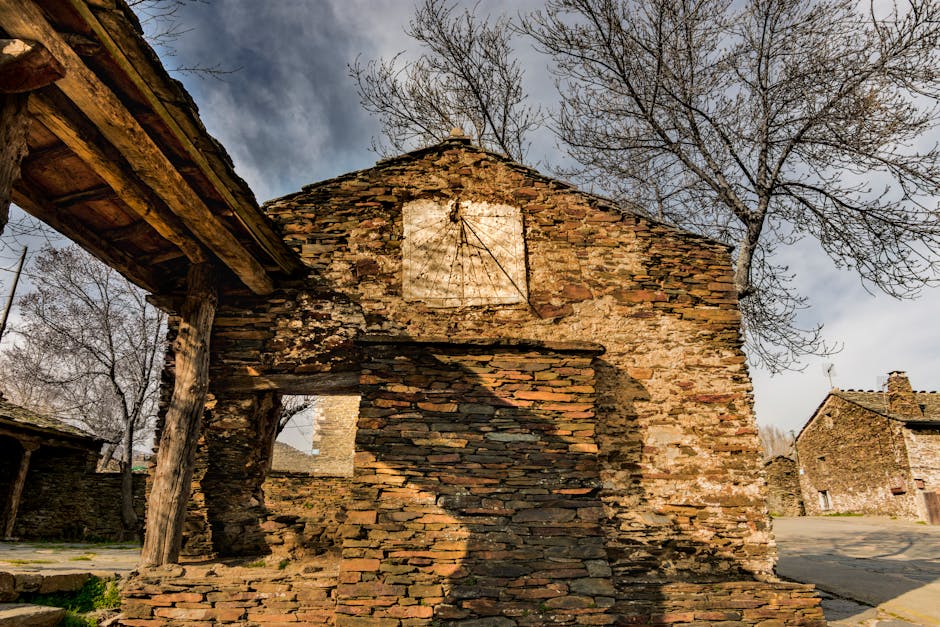
2. Where Stone Villages Disappear into Hills
Aldeias do Xisto, Central Portugal
Discover entire villages that seem to emerge organically from the earth, built entirely from a distinctive reddish-grey stone.
Nestled in the heart of central Portugal, the Schist Villages (Aldeias do Xisto) are a collection of historic settlements constructed almost entirely from local schist rock. This unique building material gives them a warm, uniform hue that blends seamlessly with the surrounding landscape, especially at sunrise or sunset. These remote hamlets offer a glimpse into a traditional way of life, where time seems to slow down amidst ancient pathways and pristine nature.
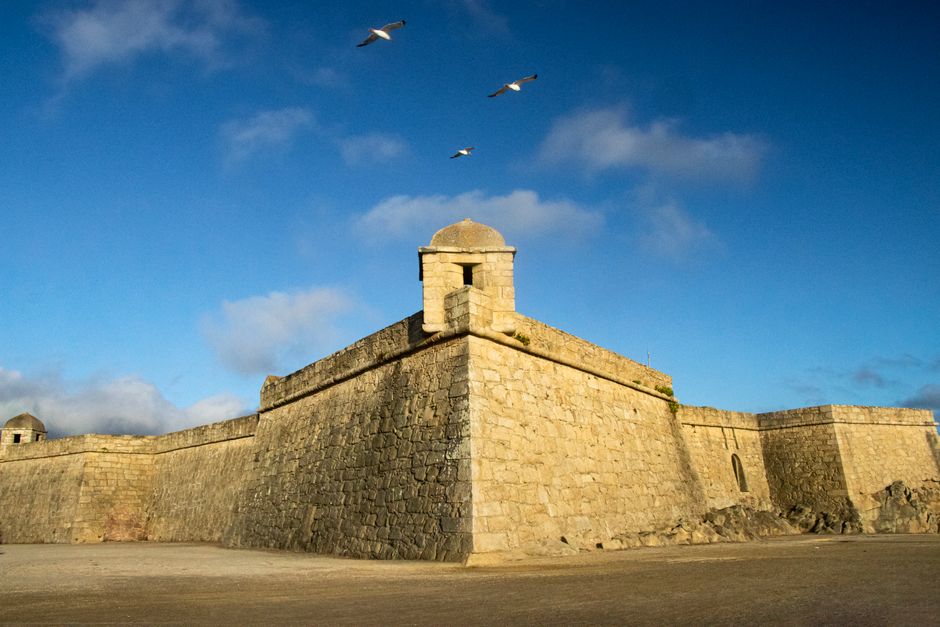
3. The Isolated Fortress on Turquoise Waters
Forte de São João Baptista, Berlenga Grande, Portugal
Picture a dramatic 17th-century fort, accessible only by a single, narrow stone bridge spanning vibrant blue-green waters.
Off the coast of Peniche lies the Berlenga Archipelago, a UNESCO Biosphere Reserve, home to the striking Forte de São João Baptista. This formidable fortress was originally built on the remains of a monastery in the 17th century to defend against pirate attacks. Its incredible isolation and strategic position on a small islet, connected to the main island by a precarious bridge, make it one of Portugal's most visually stunning and historically significant coastal defenses.
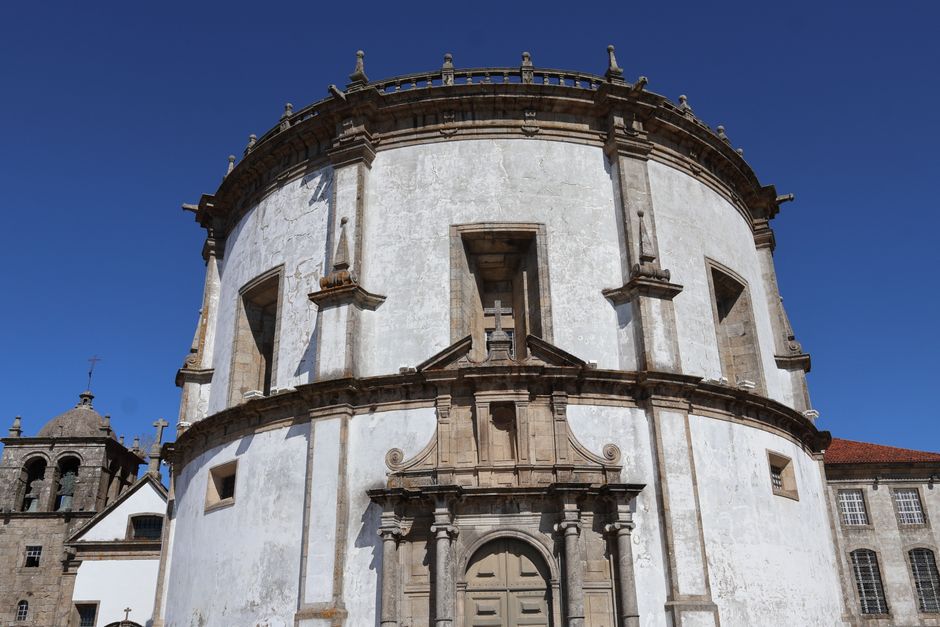
4. The Chapel Built from Bones
Capela dos Ossos, Évora, Portugal
Enter a 17th-century chapel where thousands of human skulls and bones form the very walls and pillars, delivering a stark message about life.
Within the Royal Church of St. Francis in Évora, the Capela dos Ossos, or Chapel of Bones, stands as a chilling memento mori. Constructed by Franciscan monks, its interior is entirely decorated with the bones of an estimated 5,000 monks exhumed from overcrowded cemeteries. A stark inscription above the entrance reads: "Nós ossos que aqui estamos, pelos vossos esperamos" ("We bones that here are, for yours await"), serving as a powerful reflection on the transient nature of human existence.
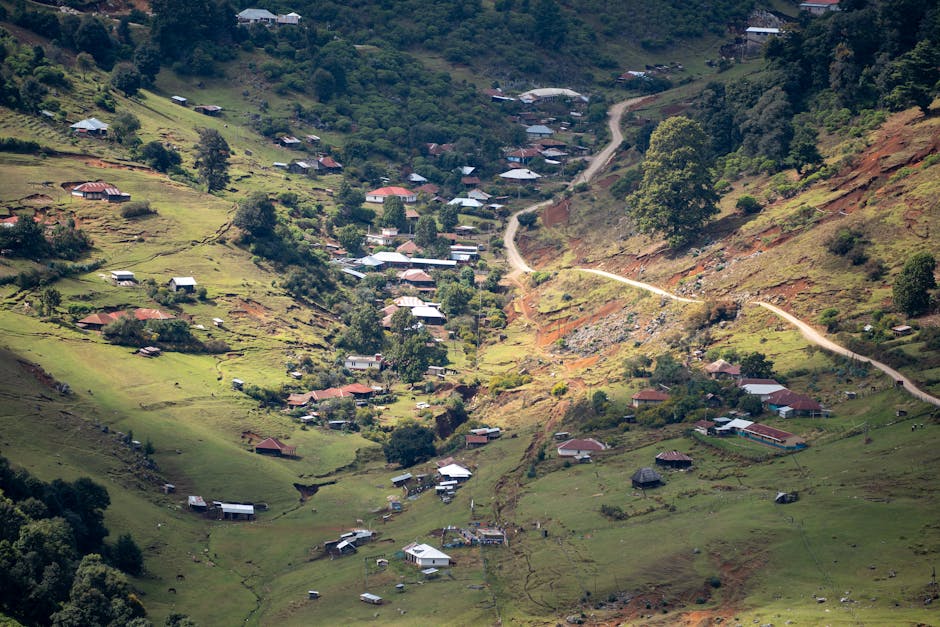
5. The "Crib Village" of Dark Stone
Piódão, Portugal
Discover a remote village sculpted into a mountain, its dark slate houses forming a natural amphitheater, almost invisible from above.
Deep in the Serra do Açor, Piódão is often called the "crib village" due to its unique, curved layout of terraced houses. Built almost exclusively from local schist and slate, its dark, uniform architecture blends so perfectly with the mountain that it's often hard to spot until you're upon it. Its remoteness preserved its charm, with houses featuring distinctive blue-painted window frames and doors, a tradition said to originate from the limited paint colors available historically.
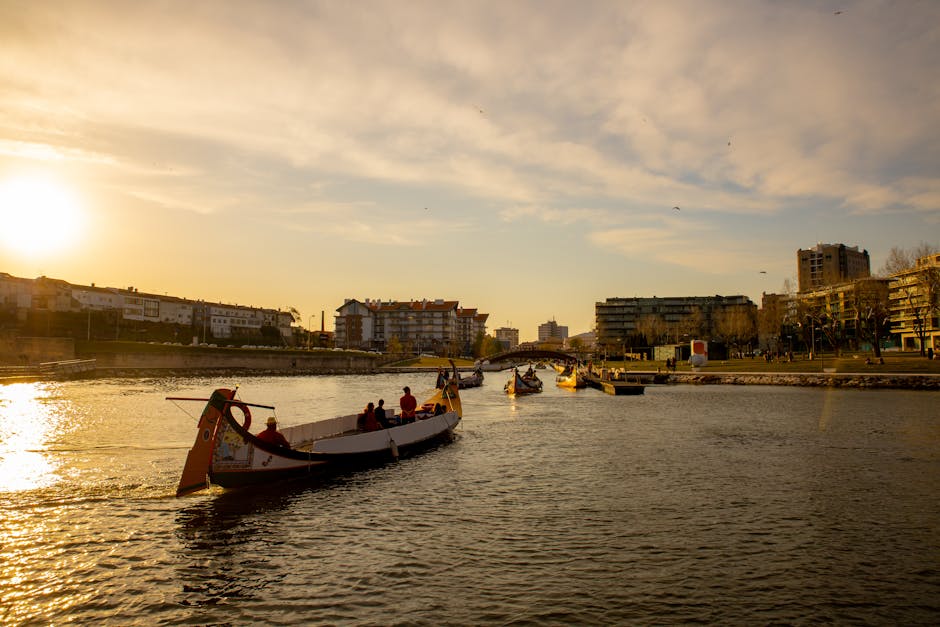
6. Where Moliceiros Once Harvested Salt
Aveiro, Portugal
Explore a coastal city where colorful, hand-painted boats once navigated canals to harvest a vital resource from vast, gleaming salt pans.
Often dubbed the "Venice of Portugal," Aveiro is crisscrossed by a network of canals. Historically, these waterways were navigated by vibrant, distinctively painted moliceiro boats, used not only to collect "moliço" (aquatic plants for fertilizer) but also to transport salt harvested from the city's extensive salt pans. These pans, visible on the outskirts of the city, represent a centuries-old industry, creating a unique landscape of shimmering white fields against the blue sky, a testament to Aveiro's maritime heritage.
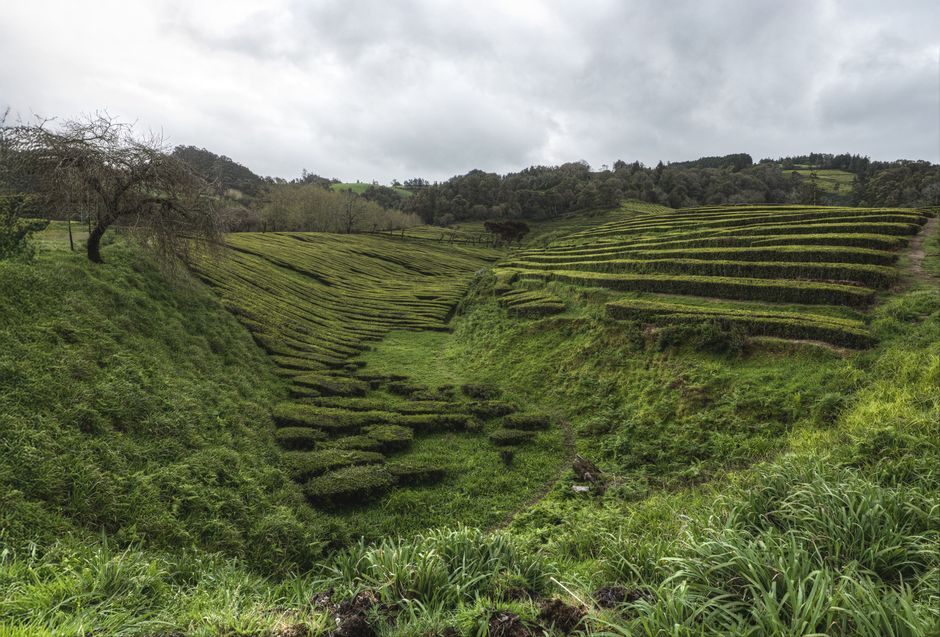
7. Portugal's Ancient Agricultural Stairways
Sistelo, Portugal
Marvel at an ancient landscape so meticulously carved by human hands that it's earned the moniker "Portuguese Tibet" for its vast, green staircases.
In the heart of the Peneda-Gerês National Park lies Sistelo, a village surrounded by an extraordinary landscape of "socalcos," or agricultural terraces. These impressive stone walls, built over centuries, transformed steep mountainsides into fertile fields, a testament to ancestral farming techniques and the resilience of its people. Recognized as a National Monument, this "Portuguese Tibet" is a living example of human adaptation and harmony with nature, preserving a unique cultural and ecological heritage.
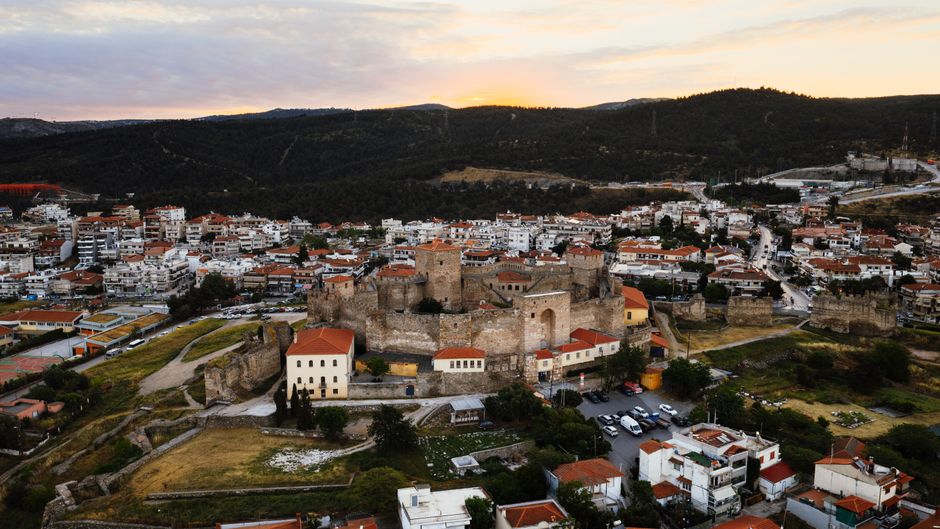
8. The Eagle's Nest Fortress Village
Marvão, Portugal
Ascend to a medieval village and castle perched precariously atop a granite peak, offering dizzying panoramic views across two countries.
High in the Serra de São Mamede, Marvão is a stunning fortified village and castle that seems to float above the clouds. Its strategic location, commanding views over the surrounding plains and even into Spain, made it a crucial stronghold throughout Portugal's history, particularly during border conflicts. Walking through its narrow, cobbled streets within the ancient walls feels like stepping back in time, with every turn revealing another breathtaking vista of the Alentejo landscape.
Frequently asked questions
What's the best time of year to visit these underrated places in Portugal?
The spring (April-May) and early autumn (September-October) are ideal. The weather is pleasant for exploring, and you avoid the peak summer crowds, making it easier to appreciate the tranquility of these unique locations.
Are these villages accessible by public transport?
Many of these lesser-known places, especially the Schist Villages or Monsanto, are quite remote. While some have limited bus connections, renting a car is often the most convenient and flexible way to explore them at your own pace.
What kind of accommodation can I expect in these regions?
You'll find a range from charming guesthouses and traditional rural tourism homes (turismo rural) to small boutique hotels. Many offer authentic local experiences, often with homemade meals and insights into the region's culture.
How can AllTours.ai help me explore these unique Portuguese sites?
AllTours.ai transforms your phone into an AI audio tour guide. Simply point your camera at any landmark, landscape, or interesting feature in these locations, and the app will narrate its history, geology, and cultural significance in your preferred language, bringing the hidden stories of Portugal to life.
Related guides
Photography via Pexels. AllTours.ai is an AI audio tour guide — point your camera at any landscape and hear its story.