July 27, 2026 · 4 min read
The question of public perception, especially regarding figures of power, is a thread woven deeply into the fabric of American history. It's a complex tapestry, reflecting not just contemporary events but centuries of evolving civic discourse, institutional challenges, and the enduring spirit of accountability. Understanding how 'the American people' might view issues of trust or integrity requires looking beyond headlines, into the very places where these dramas have unfolded.
Across the United States, countless lesser-known sites hold surprising stories that illuminate this ongoing dialogue. These are not just landmarks; they are echoes of past struggles, triumphs, and the continuous re-evaluation of what constitutes ethical governance and public service. By exploring these hidden corners, we gain a richer perspective on the varied experiences and sentiments that shape a nation's collective conscience.
1. Homestead's Bloody Steel
Homestead, Pennsylvania, USA
One of America's most violent labor confrontations exploded here, forever changing the perception of corporate power.
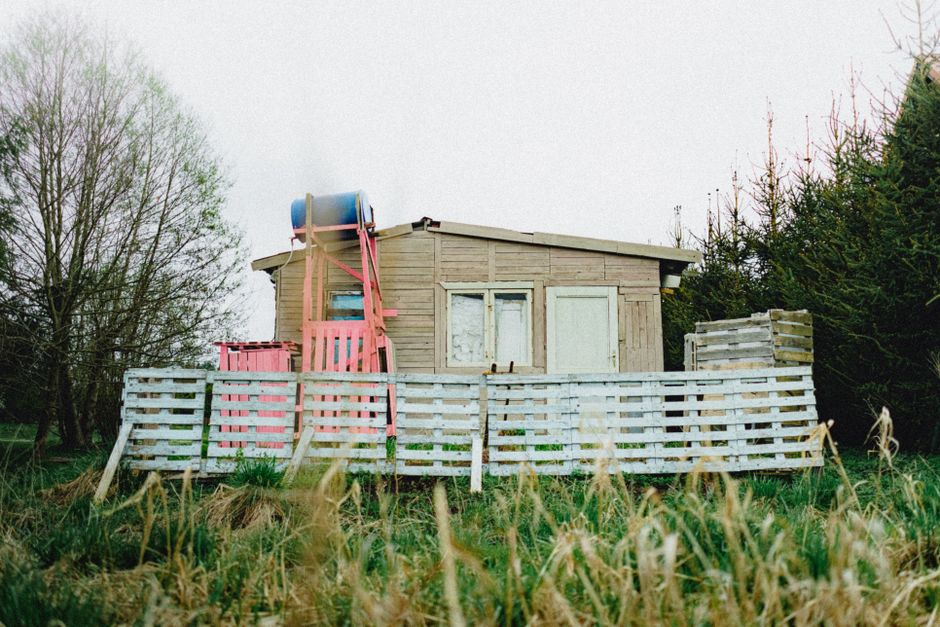
In 1892, Andrew Carnegie’s steel empire clashed violently with striking workers, leading to a deadly shootout between Pinkerton agents and union members. The Homestead Strike revealed the brutal realities of industrialization, sparking national debate over worker rights, corporate responsibility, and the government's role in labor disputes. The Carnegie Library, built by the very magnate involved, now stands as a complex symbol of this pivotal moment.
2. Pullman's Utopian Trap
Pullman, Illinois, USA
A meticulously planned company town, once hailed as a model of progress, became a crucible of worker rebellion.
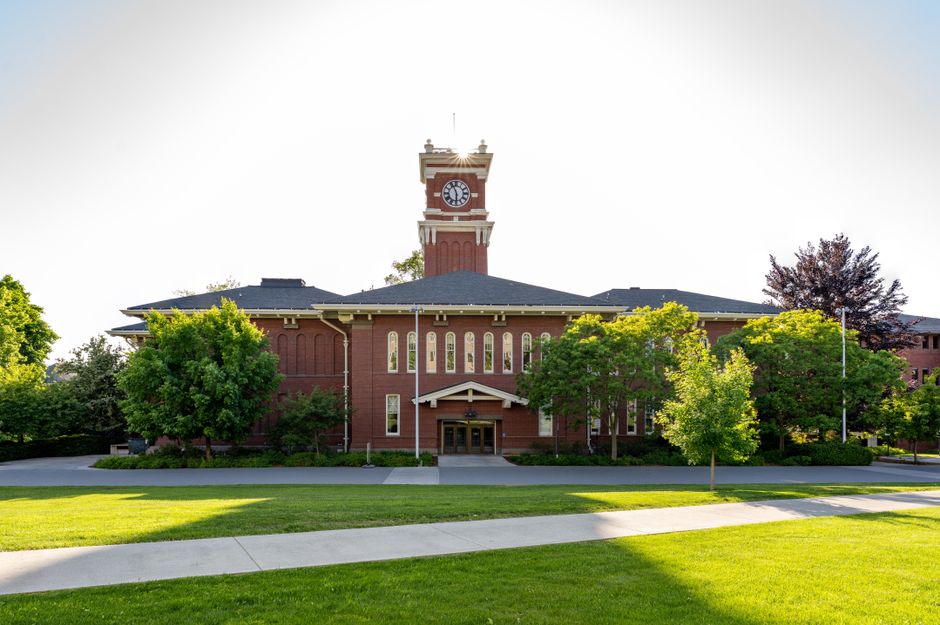
Industrialist George M. Pullman built this self-contained community for his railroad car workers, providing housing, schools, and services. However, his paternalistic control, coupled with wage cuts and high rents, sparked the monumental Pullman Strike of 1894. This clash highlighted the tension between employer benevolence and worker autonomy, forcing a national reckoning on the nature of industrial power.
3. Ida B. Wells' Crusading Press
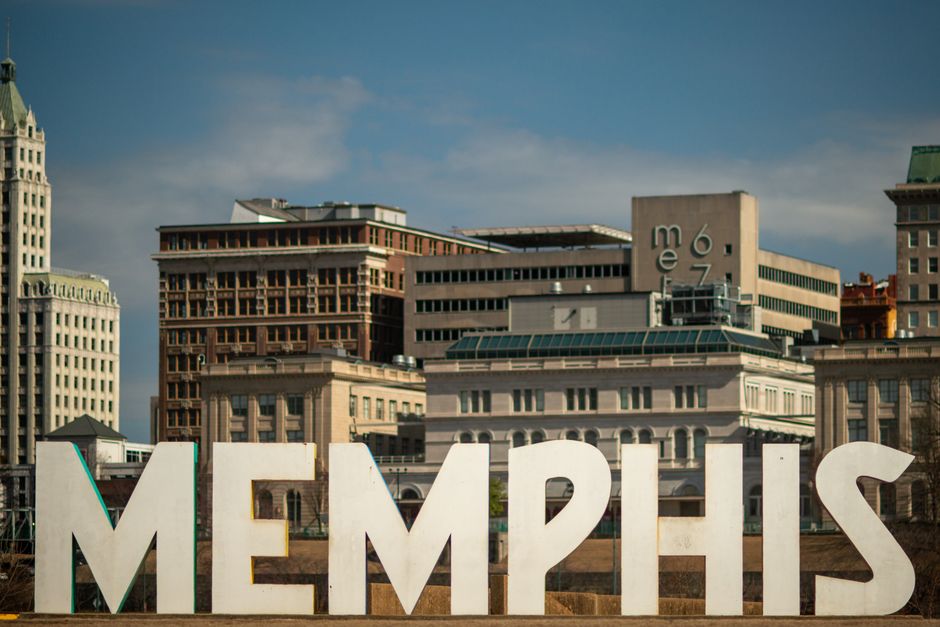
Memphis, Tennessee, USA
From a small newspaper office, a courageous journalist waged a relentless war against racial injustice and corruption.
In the late 19th century, Ida B. Wells, a pioneering investigative journalist, used her Memphis Free Speech newspaper to expose the horrors of lynching in the South. Her fearless reporting, which challenged prevailing narratives and powerful interests, ultimately led to the destruction of her printing press. Wells' legacy underscores the vital role of an independent press in holding power accountable and shaping public conscience.
4. The Codebreakers' Sanctuary
Annapolis Junction, Maryland, USA
Within this quiet facility, the secret history of America's intelligence-gathering and its ethical dilemmas unfolds.
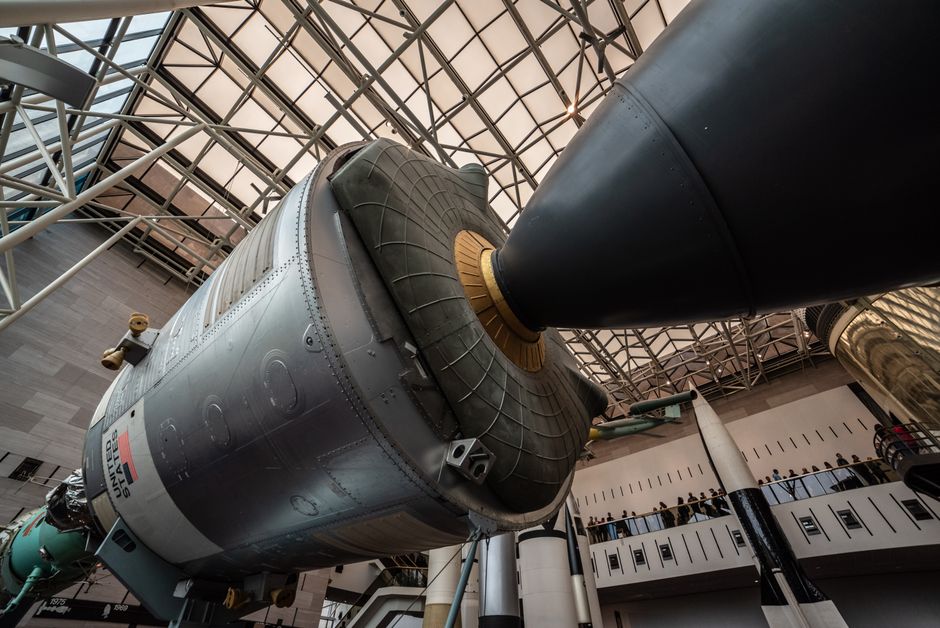
The National Cryptologic Museum offers a rare glimpse into the covert world of code-making and code-breaking, from World War II Enigma machines to modern digital espionage. It showcases the perpetual tension between national security and individual privacy, prompting questions about government surveillance and public trust. The museum serves as a unique educational tool, revealing the hidden layers of government operation.

5. Wounded Knee's Echoes
Pine Ridge Indian Reservation, South Dakota, USA
This remote prairie site marks a tragic massacre that forever altered the relationship between the U.S. government and Indigenous peoples.
In December 1890, U.S. Army troops opened fire on Lakota men, women, and children at Wounded Knee Creek, killing hundreds. This brutal event, initially framed as a battle, is now recognized as a massacre, symbolizing centuries of broken treaties and systemic injustice against Native Americans. The site remains a powerful memorial, a stark reminder of accountability and the enduring struggle for historical truth.
6. Tammany Hall's Shadow
New York City, New York, USA
For over a century, a powerful political machine operated from this unassuming location, epitomizing urban corruption and reform.
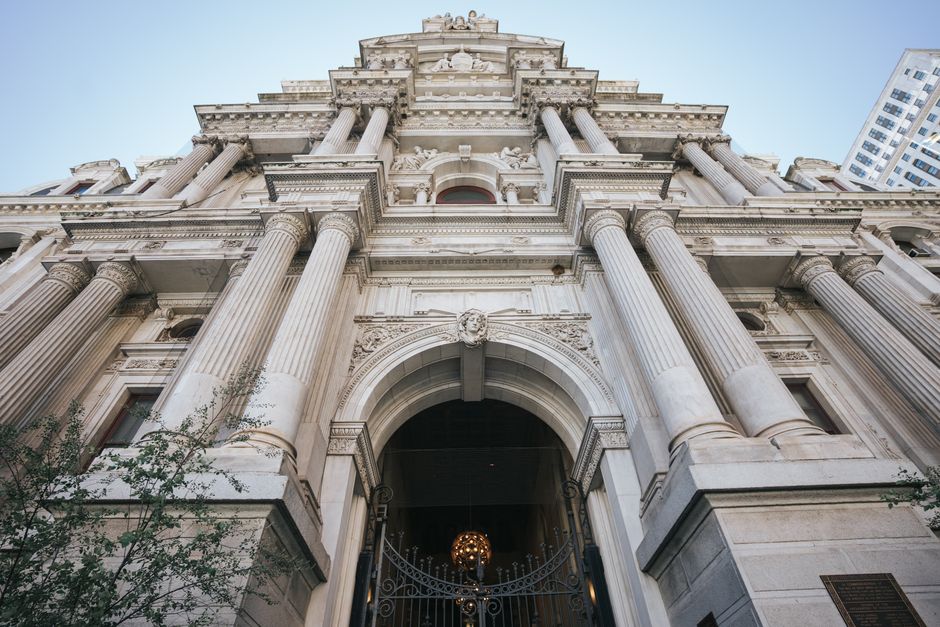
Though the original building is gone, the spirit of Tammany Hall, once located in various iterations around Manhattan, looms large in American political history. This Democratic Party political machine wielded immense power through patronage and graft, controlling New York City politics for decades. Its eventual downfall, fueled by crusading journalists and reformers, became a celebrated victory for civic integrity.
7. Eastern State's Radical Walls
Philadelphia, Pennsylvania, USA
This imposing penitentiary pioneered a controversial system of solitary confinement, shaping the future of global incarceration.
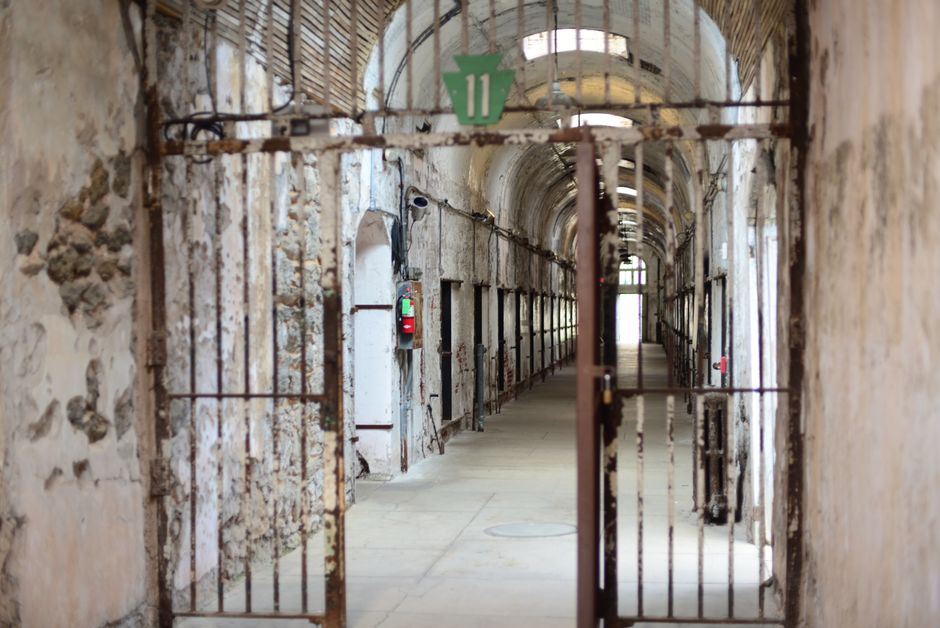
Opened in 1829, Eastern State Penitentiary was designed as a 'penitent-iary,' aiming to reform inmates through isolation and reflection rather than just punishment. Its radical 'separate system' drew global attention but also fierce criticism for its psychological toll. The abandoned Gothic-revival structure now stands as a haunting ruin, prompting reflection on justice, rehabilitation, and the ethics of confinement.
8. The Whiskey Rebellion's Stand
Western Pennsylvania, USA
Farmers in this region sparked America's first major challenge to federal authority, testing the young nation's resolve.
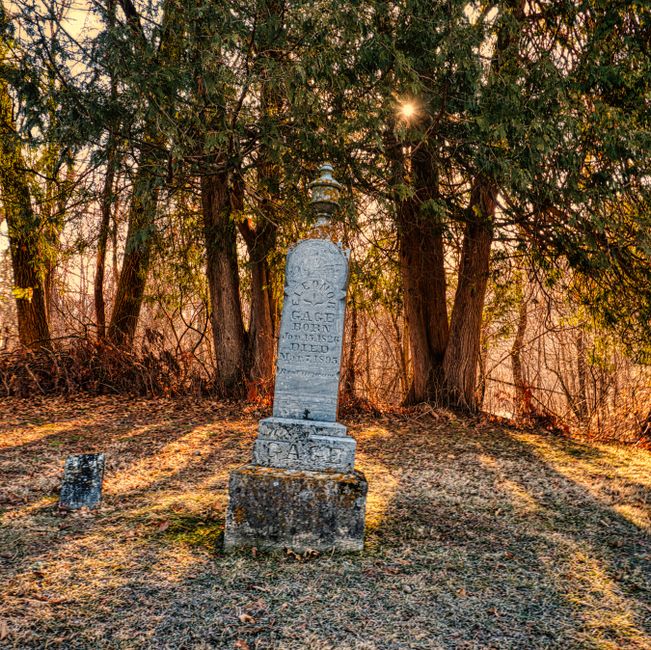
In the 1790s, settlers in Western Pennsylvania, many of them Scots-Irish, rebelled against a federal excise tax on whiskey, their primary cash crop and source of income. President George Washington personally led troops to quell the uprising, asserting the supremacy of federal law over local dissent. This early episode clarified the balance of power between the states and the nascent federal government.
Frequently asked questions
What does 'corrupt' mean in a political context?
In politics, 'corruption' typically refers to the abuse of entrusted power for private gain. This can encompass bribery, embezzlement, nepotism, or any act that undermines public trust and fair governance for personal benefit.
How do historians assess public opinion from the past?
Historians piece together past public opinion from various sources like letters, diaries, newspaper editorials, political cartoons, protest records, and election results. They analyze these fragments to understand prevailing sentiments, social divisions, and the evolution of public discourse.
Are there places that symbolize American ideals of transparency?
While no single place perfectly embodies transparency, institutions like the National Archives (housing public records), historical sites of free press movements (like those for Ida B. Wells), and even legislative chambers where debates occur, all reflect aspects of America's ongoing pursuit of open governance.
How can AllTours.ai help me explore these historical sites?
AllTours.ai uses your phone's camera to identify landmarks and landscapes, then narrates their history, geology, and culture in your language. Simply point your device at a site mentioned here, or any other point of interest, to instantly unlock its unique story and deepen your understanding of its significance.
Related guides
Photography via Pexels. AllTours.ai is an AI audio tour guide — point your camera at any landscape and hear its story.