
September 3, 2026 · 4 min read
Navigating a clean diet while traveling across the vast and varied landscape of the United States can feel like a daunting task. The allure of quick, convenient road trip snacks and ubiquitous fast-food chains often overshadows the potential for wholesome, regional eating.
But what if we told you that beyond the usual tourist traps, America's hidden corners hold a treasure trove of local, fresh, and surprisingly clean culinary experiences? From ancient agricultural practices to unique geological bounties, these lesser-known spots offer a genuine taste of regional history and flavor.
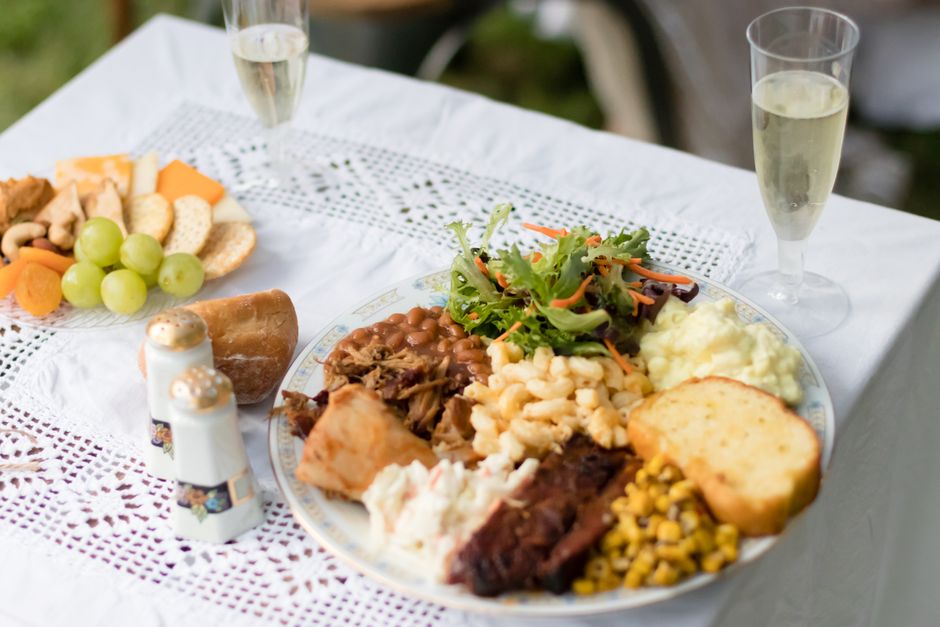
1. The Legacy of Communal Harvests
Amana Colonies, Iowa, US
These historic villages once ran a completely self-sufficient economy, with every bite of food grown, raised, or prepared right within the community.
Established by German pietists in the mid-19th century, the Amana Colonies lived communally for 80 years, prioritizing self-sufficiency. Their fields, orchards, and livestock supplied all their needs, fostering a deep connection to the land and its bounty. Today, this heritage translates into local restaurants serving traditional, hearty German-American fare, often made with ingredients sourced from nearby farms, alongside bakeries and smokehouses still practicing age-old methods.
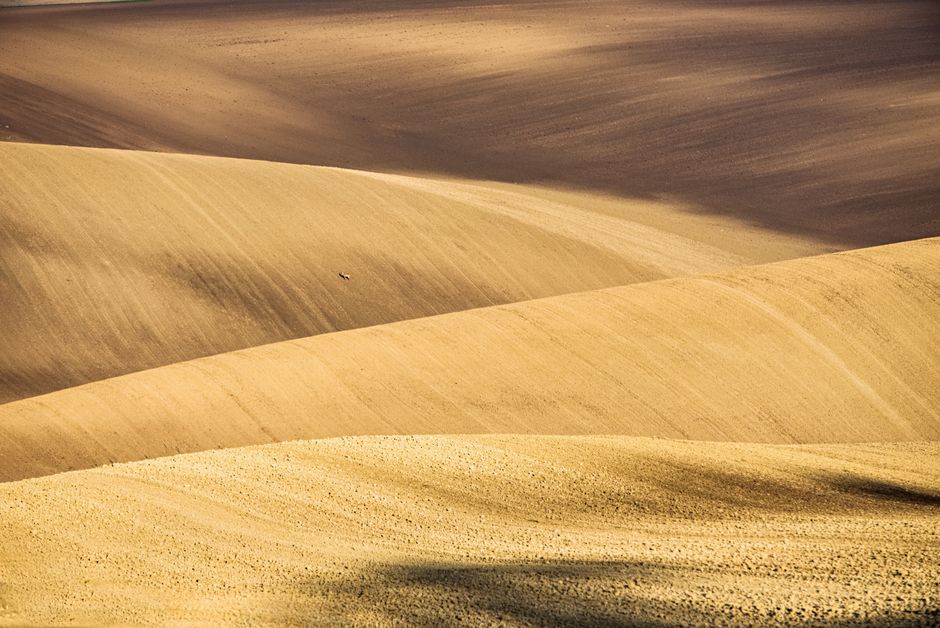
2. Loess Hills and Lentil Fields
Pullman, Washington, US
The Palouse's distinctive rolling hills are not natural dunes but ancient wind-deposited soil, creating an exceptionally fertile landscape for nutritious grains and legumes.
Journey through the Palouse and you'll encounter a landscape unlike any other: sweeping, undulating hills that look almost liquid. This unique topography, formed by windblown glacial silt (loess), has blessed the region with some of the world's most productive dryland farming soil. It's a major producer of lentils, chickpeas, and various wheat varieties, making it a haven for those seeking wholesome, plant-based foods directly from the source.
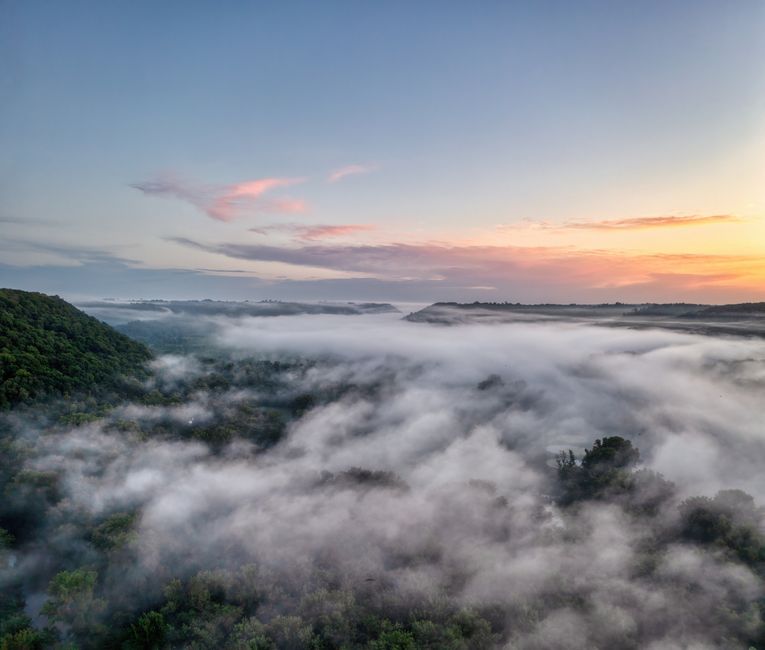
3. Un-Glaciated Valleys and Organic Farms
Viroqua, Wisconsin, US
This unique corner of the Midwest escaped glacial flattening, preserving ancient valleys and fostering microclimates that support a vibrant organic farming movement.
The "Driftless Area," spanning parts of Wisconsin, Minnesota, Iowa, and Illinois, is a geological anomaly – a region untouched by the last ice age. Its rugged bluffs, spring-fed streams, and deep valleys create diverse ecosystems and microclimates. Viroqua, at its heart, has become a hub for organic agriculture, attracting farmers who leverage the unique terrain to grow a wide array of produce, raise pastured animals, and produce artisanal cheeses, all within a strong community-supported food network.
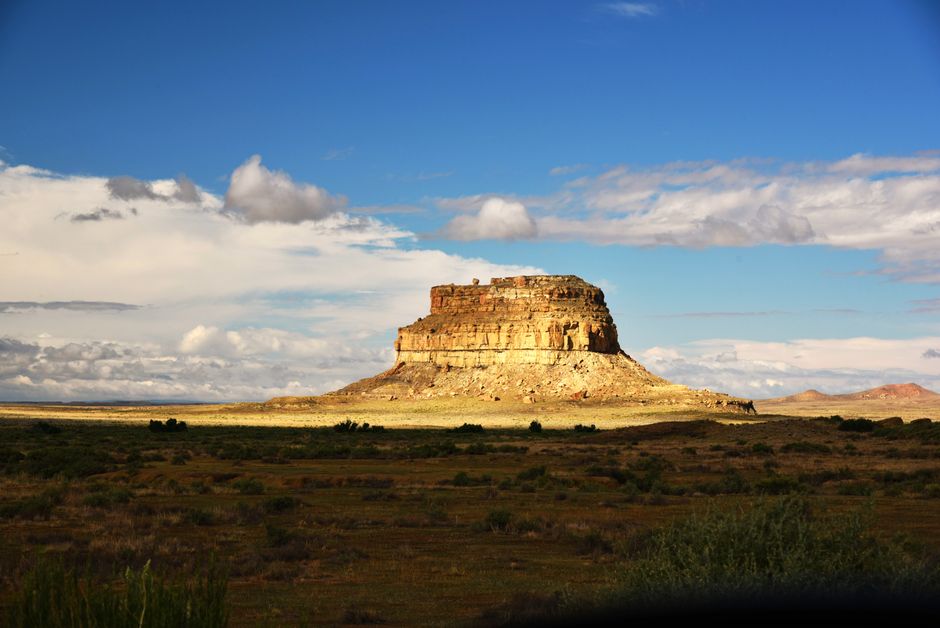
4. Ancient Sky City's Sustainable Harvests
Acoma Pueblo, New Mexico, US
Perched atop a mesa, Acoma Pueblo is one of the oldest continuously inhabited communities in North America, with a millennia-long tradition of sustainable desert agriculture.
For over a thousand years, the Acoma people have thrived in the arid New Mexico landscape, developing ingenious dryland farming techniques to cultivate corn, beans, and squash – the "Three Sisters" – fundamental to their diet and culture. While visitors can't freely wander the residential areas of Sky City, understanding their ancient foodways through their cultural center reveals a profound respect for limited resources and a wisdom in utilizing native plants and traditional methods for sustenance in a challenging environment.

5. Coastal Foraging and Lobster Hauls
Stonington, Maine, US
This working harbor town is a gateway to a landscape where the sea and land offer a bounty of wild edibles, from ocean-fresh seafood to nutrient-rich sea vegetables.
On Deer Isle, Stonington remains Maine's busiest working lobster port, but its culinary identity extends far beyond the iconic crustacean. The rugged coastline, sculpted by ancient glaciers, provides a rich environment for foraging. Locals have long harvested wild blueberries, cranberries, and various seaweeds like dulse and kelp, packed with minerals. Coupled with day-boat catches of haddock, scallops, and mussels, Stonington offers an authentic taste of the wild, unadulterated Atlantic.
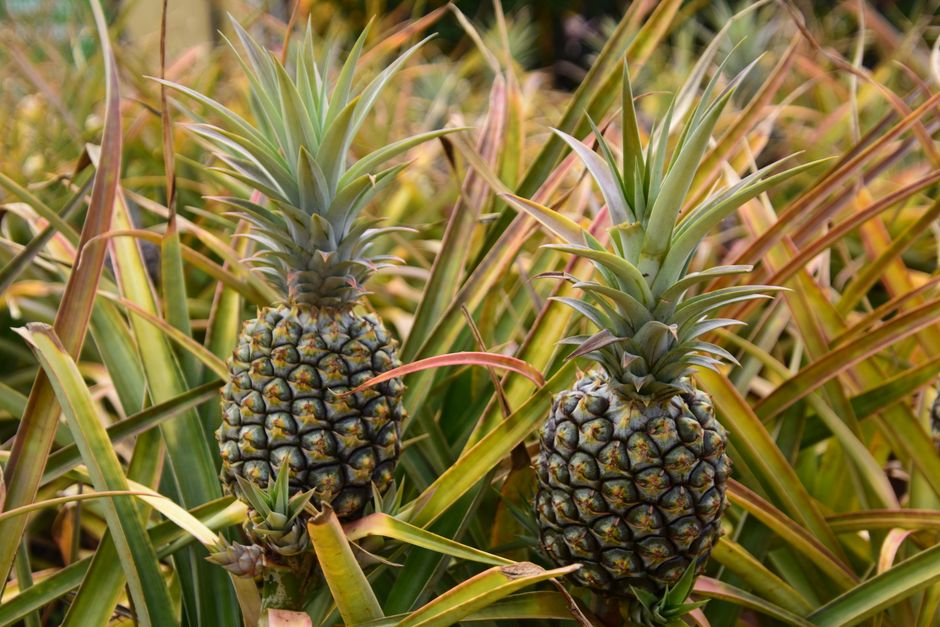
6. Volcanic Soils and Exotic Superfoods
Captain Cook, Hawaii, US
The slopes above Kealakekua Bay, shaped by volcanic activity, possess a unique microclimate that cultivates not only world-famous coffee but also an array of nutrient-dense, tropical superfoods.
On the Big Island's Kona Coast, the volcanic soil and frequent afternoon cloud cover create a perfect environment for agriculture. While Kona coffee is legendary, this area also thrives with farms growing an astonishing variety of fruits like rambutan, lychee, soursop, and cacao. Farmers' markets here burst with vibrant, fresh produce, and sustainable aquaculture operations provide local fish, making it easy to enjoy a diet rich in unique, island-grown flavors and nutrients.
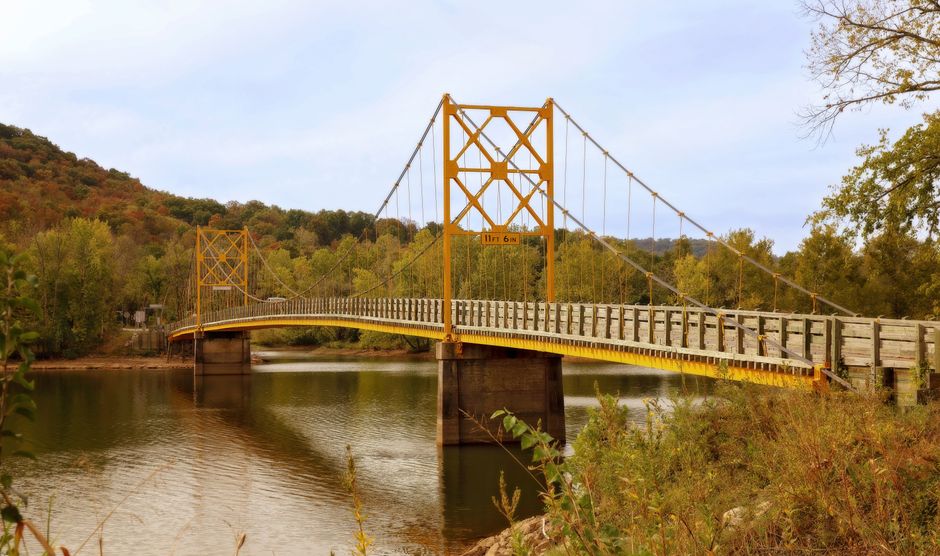
7. Healing Waters and Hill Country Gardens
Eureka Springs, Arkansas, US
Famous for its natural springs believed to have healing properties, this Victorian town is nestled in the Ozarks, surrounded by fertile land perfect for local produce.
Eureka Springs' identity has always been tied to its numerous cold springs, drawing visitors for their perceived restorative powers since the 19th century. Beyond the historic charm, the surrounding Ozark hills offer rich, unpolluted soil and ample rainfall, supporting a thriving local food movement. Farmers and artisans contribute to a vibrant culinary scene where independent restaurants prioritize fresh, seasonal ingredients, making it surprisingly easy to find clean, wholesome meals amidst the picturesque landscape.
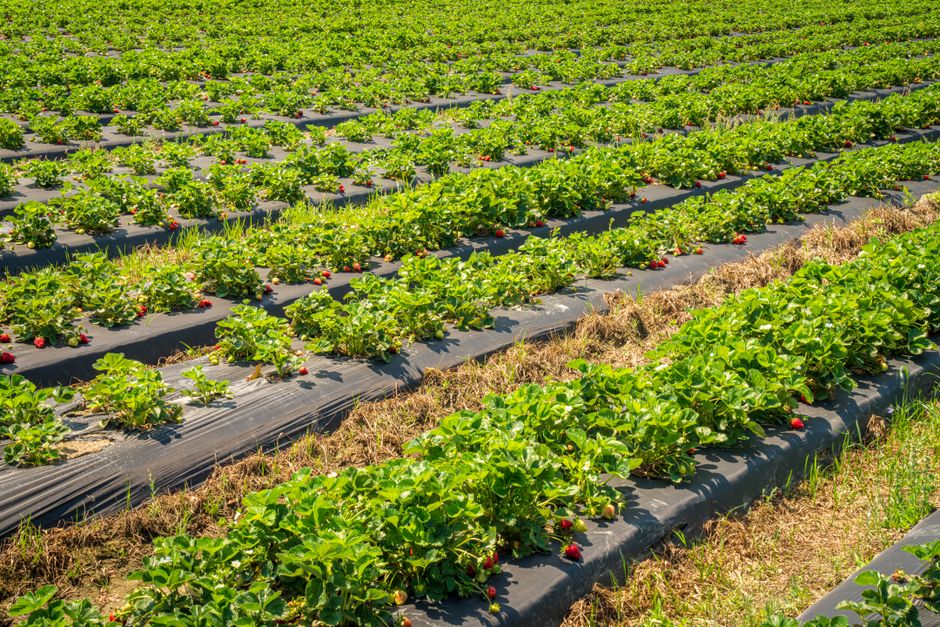
8. Willamette Valley's Berry and Grain Basket
McMinnville, Oregon, US
While famed for its Pinot Noir, the Willamette Valley's deep, ancient flood-deposited soils also make it a powerhouse for organic berries, hazelnuts, and diverse produce.
The fertile Willamette Valley, shaped by colossal ice age floods, is a verdant agricultural paradise. Though its vineyards receive much acclaim, the valley floor is equally dedicated to growing an incredible array of other crops. McMinnville, a charming town, sits amid fields of blueberries, raspberries, and strawberries, alongside orchards of hazelnuts and walnuts. Local farmers markets and farm-to-table restaurants proudly showcase this bounty, offering abundant opportunities for fresh, clean, and delicious eating.
Frequently asked questions
Is it really possible to eat healthy on a US road trip?
Absolutely! While fast food is ubiquitous, the US is also a mosaic of diverse agricultural regions and communities committed to local, fresh food. Knowing where to look, especially in lesser-known areas, can transform your culinary journey.
How can I find local, healthy food in smaller towns?
Look for farmers' markets, co-ops, and independent grocery stores. Many small towns also have farm-to-table restaurants or cafes that highlight seasonal, locally sourced ingredients. Online resources and local tourism boards can also point you in the right direction.
What are some general tips for maintaining a clean diet while traveling?
Pack healthy snacks like nuts, fruit, and whole-grain crackers. Prioritize meals with plenty of vegetables and lean protein. Stay hydrated, and don't be afraid to ask locals for recommendations on where to find the freshest food.
How can AllTours.ai help me discover unique food stories and local insights?
AllTours.ai enhances your travel by narrating the history, geology, and culture of the places you visit. Simply point your phone camera, and the app will provide context on local agricultural traditions, unique ecosystems supporting specific foods, and the stories behind regional delicacies, deepening your appreciation for your surroundings.
Related guides
Photography via Pexels. AllTours.ai is an AI audio tour guide — point your camera at any landscape and hear its story.