September 3, 2026 · 4 min read
Imagine a world where distance is no object. Where, on a whim, you could cross oceans and continents, not for a week-long journey, but simply to satisfy a sudden craving or a spark of curiosity. Would you use a teleporter to visit a different continent just for lunch?
This isn't just about food; it's about the unique places that shape it, the incredible stories they tell, and the vivid experiences you’d gain in a single, audacious leap. We've curated a list of extraordinary, lesser-known spots across the globe, each with a specific, compelling reason to make that instantaneous trip.
1. The Opal Underground
Coober Pedy, Australia
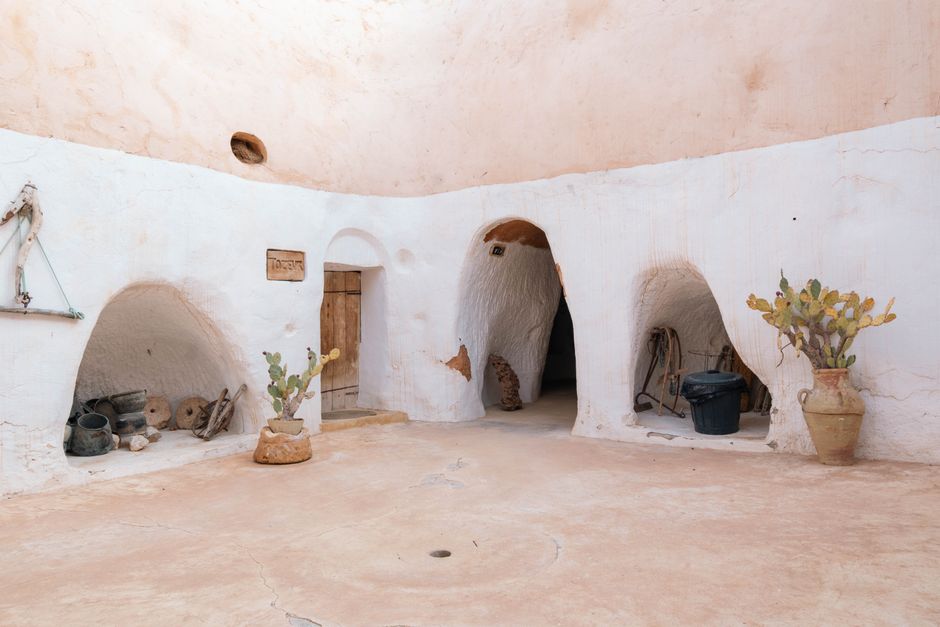
In this desert town, most residents live underground to escape the scorching heat, turning old opal mines into homes, shops, and even churches.
Coober Pedy is the "Opal Capital of the World," where the ground is literally riddled with the precious gemstone. But its true marvel lies beneath the surface. To beat temperatures that can exceed 120°F (49°C), a majority of the population dwells in "dugouts"—homes carved into hillsides, offering a naturally cool and quiet refuge. Imagine dining in a restaurant built into an old mine shaft, surrounded by the very earth that yields glittering opals.
2. Where Trees Bleed Red
Socotra Island, Yemen
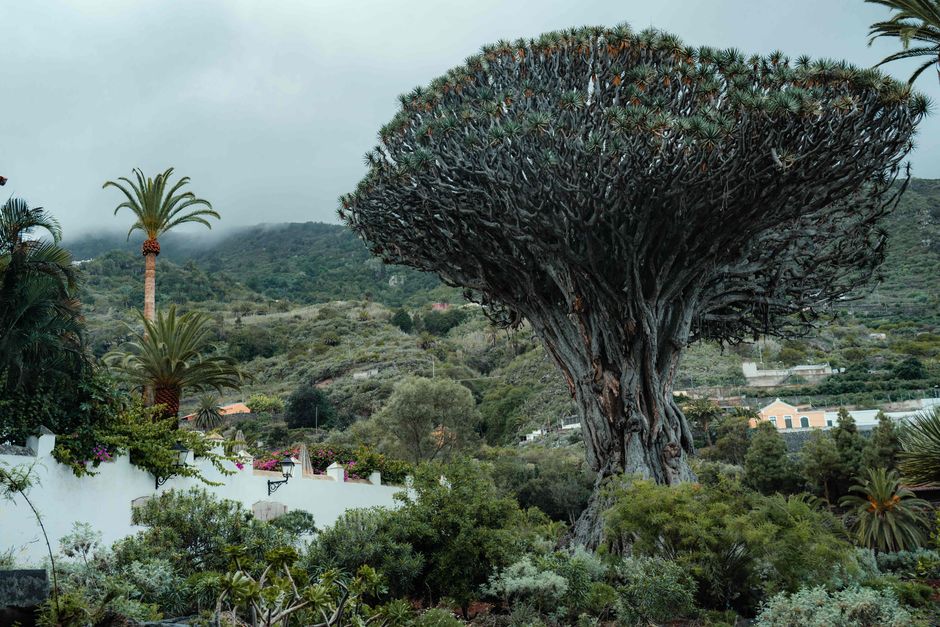
This isolated island is a biodiversity hotspot where 37% of its plant species, like the iconic dragon's blood tree, are found nowhere else on Earth.
Often called the "Galapagos of the Indian Ocean," Socotra's landscape feels like stepping onto another planet. Its most famous inhabitant, the dragon's blood tree, bleeds a deep red resin once used for medicine and dyes, its umbrella-shaped canopy a stark silhouette against the sky. Beyond these ancient wonders, the island's unique ecosystem features bottle trees and endemic bird species, thriving in a world untouched by modern agriculture for millennia.
3. Manhattan of the Desert
Shibam, Yemen
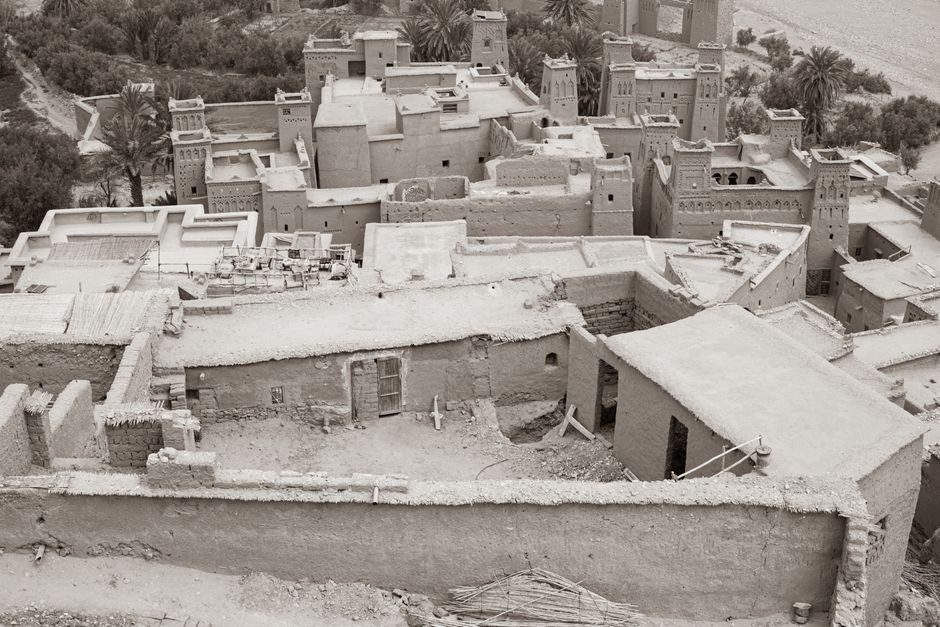
This ancient city in the Hadhramaut desert boasts towering mud-brick skyscrapers, some over 500 years old, earning it the nickname "the oldest skyscraper city in the world."
Shibam rises dramatically from the desert floor, a dense cluster of multi-story buildings constructed entirely from sun-dried mud bricks. These homes, some reaching eight stories high, were designed for defense against Bedouin raids and to protect against seasonal floods. Walking through its narrow alleyways feels like stepping back centuries, offering a glimpse into a resilient urban planning tradition that predates modern architecture by hundreds of years.
4. The Door to Hell
Derweze Gas Crater, Turkmenistan
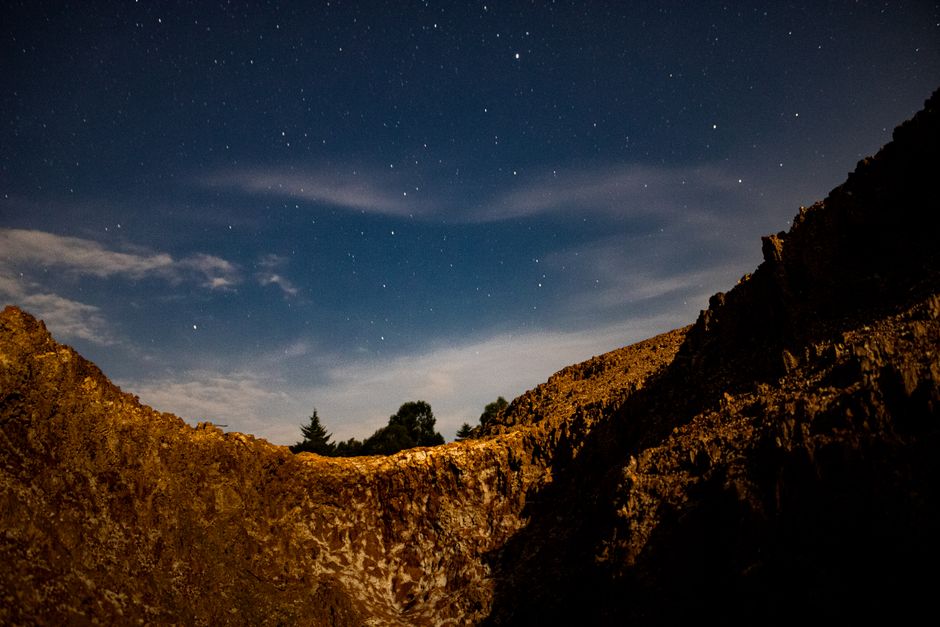
A vast, perpetually burning natural gas crater, accidentally ignited by Soviet geologists in 1971, has been alight for over five decades.
In the Karakum Desert, a fiery spectacle known as the "Door to Hell" captivates all who witness it. This massive crater, roughly 230 feet wide, was formed when a Soviet drilling rig collapsed into a cavern filled with natural gas. Fearing the spread of methane, geologists decided to burn it off, expecting it to last a few weeks. Fifty years later, the crater still burns, casting an eerie glow across the desert night and serving as a dramatic testament to an unforeseen geological event.
5. The Lake That Turns Animals to Stone
Lake Natron, Tanzania
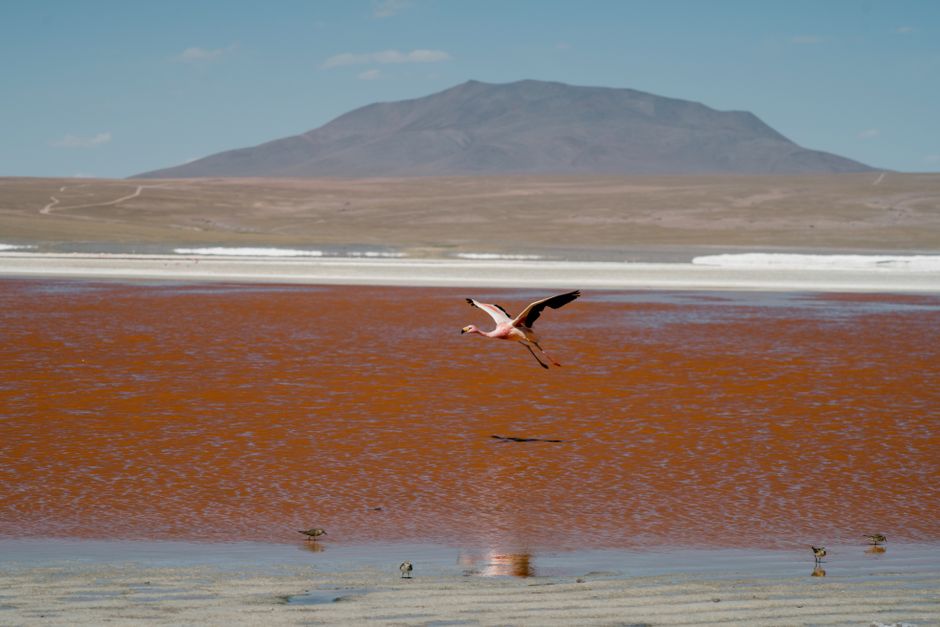
This intensely alkaline and saline lake is famous for its blood-red waters and the chilling phenomenon of calcified animals found along its shores.
Lake Natron's striking crimson hue comes from salt-loving microorganisms thriving in its extreme conditions. With a pH level as high as 10.5 and temperatures reaching 140°F (60°C), the lake is lethal to most animals, calcifying anything that falls into its waters. Yet, it is the primary breeding ground for East Africa's lesser flamingos, who are uniquely adapted to its caustic environment, creating a bizarre and beautiful ecological paradox.
6. Beneath a Living Starry Sky
Waitomo Caves, New Zealand
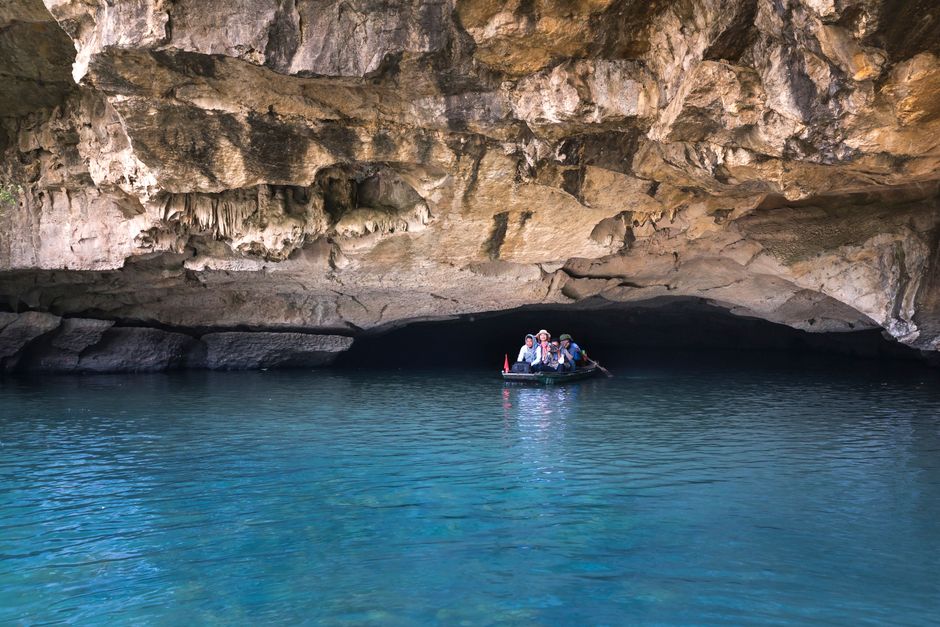
Drift silently by boat through ancient limestone caves illuminated by thousands of tiny, bioluminescent glowworms creating a living celestial display.
The Waitomo Caves are a natural wonder where the darkness is transformed by millions of Arachnocampa luminosa, a species of glowworm unique to New Zealand. These tiny creatures cling to the cave ceiling, emitting a soft, ethereal blue-green light to attract insects. As you glide through the subterranean river, the cave becomes a silent galaxy, a mesmerizing spectacle that feels like floating under a silent, shimmering universe.
7. America's Oldest Apartment Complex
Taos Pueblo, New Mexico, USA
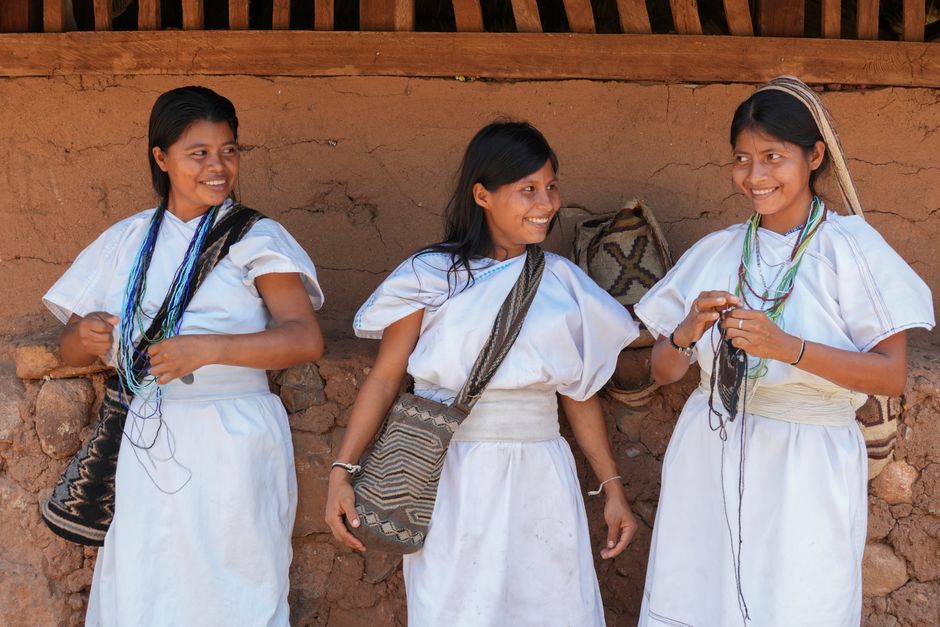
This multi-story adobe village has been continuously inhabited by the Tiwa people for over 1,000 years, making it the oldest continuously inhabited community in the U.S.
Taos Pueblo is a testament to enduring culture and architectural ingenuity. Its iconic adobe structures, built without electricity or running water until recently, blend seamlessly with the landscape. The community maintains many ancient traditions, living much as their ancestors did centuries ago. Visitors can explore the village, learn about Tiwa history, and taste traditional oven-baked bread (horno bread), offering a profound connection to a living past.
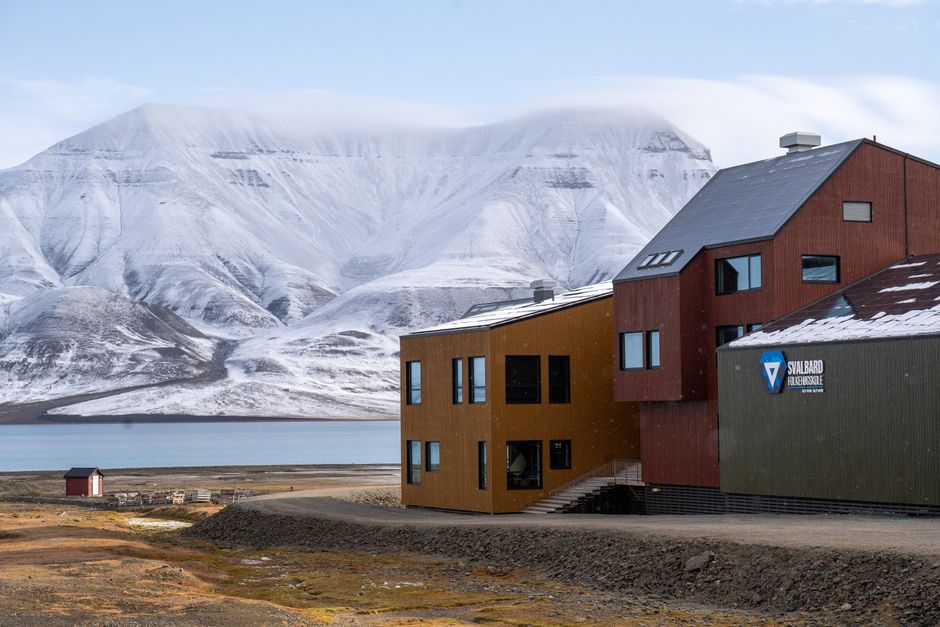
8. The Arctic Doomsday Vault
Svalbard, Norway
Buried deep within an Arctic mountain, this "doomsday vault" stores nearly a million varieties of the world's crop seeds, safeguarding global food security against catastrophic events.
On the remote Norwegian archipelago of Svalbard, a stark entrance tunnel leads to humanity's most important pantry. The Global Seed Vault, carved into permafrost, acts as a backup for seed banks worldwide, preserving biodiversity against war, natural disaster, or disease. While not open for casual tours, its purpose alone evokes a powerful sense of both vulnerability and hope, making it a truly unique and significant global landmark.
Frequently asked questions
What makes a place "underrated" for travel?
An underrated place often means it's less frequented by mainstream tourists, offering a more authentic or unique experience. It typically has a rich story, natural beauty, or cultural significance that isn't widely publicized, allowing for deeper exploration away from crowds.
How can I find lesser-known travel destinations?
Researching local blogs, specialized travel forums, and even academic papers can reveal hidden gems. Looking for places with unique geological features, ancient indigenous cultures, or specific historical events often leads to spots off the beaten path.
Is it safe to travel to very remote or less-visited places?
Safety varies greatly by location. Always check current travel advisories from your government, research local customs and norms, and consider hiring local guides. Preparedness and respect for local conditions are key when venturing to remote areas.
How can AllTours.ai help me explore these unique locations?
AllTours.ai acts as your personal AI audio guide. Simply point your phone camera at any landmark or landscape, and the app instantly narrates its history, geology, and culture in your preferred language, bringing even the most obscure places to life.
Related guides
Photography via Pexels. AllTours.ai is an AI audio tour guide — point your camera at any landscape and hear its story.