July 1, 2026 · 4 min read
It’s a curious question: Why do some travelers opt for the familiar over the profoundly unique, sometimes overlooking the rich tapestry of live entertainment and cultural experiences available? Often, it's not a lack of interest, but a sense of overwhelm from too many choices, a fear of tourist traps, or simply not knowing where to look for truly authentic, impactful encounters.
But what if the issue isn't a lack of curiosity, but a lack of awareness about just how extraordinary the world's less-trodden paths truly are? Beyond the well-worn tourist circuits lie places with stories so vivid, so surprising, they redefine what a 'cultural experience' can be. These aren't just sites; they are living testaments to history, geology, and human ingenuity, waiting to spark a deeper connection.
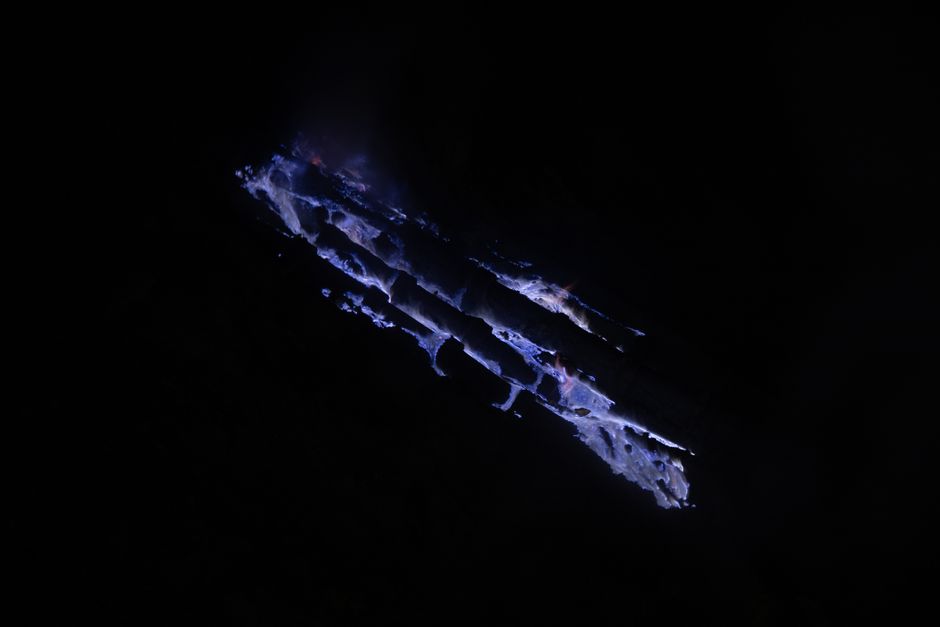
1. The Door to a Burning Earth
Darvaza Gas Crater, Turkmenistan
A massive desert crater has been burning continuously for over five decades, a fiery testament to human engineering gone awry.
In 1971, Soviet geologists drilling for natural gas encountered a cavern that collapsed, forming a large crater. To prevent the spread of methane gas, they decided to burn it off, expecting it to extinguish in weeks. Over fifty years later, the "Door to Hell" still blazes, a surreal, otherworldly spectacle in the Karakum Desert. Its perpetual flame draws curious travelers to witness this accidental, enduring inferno.
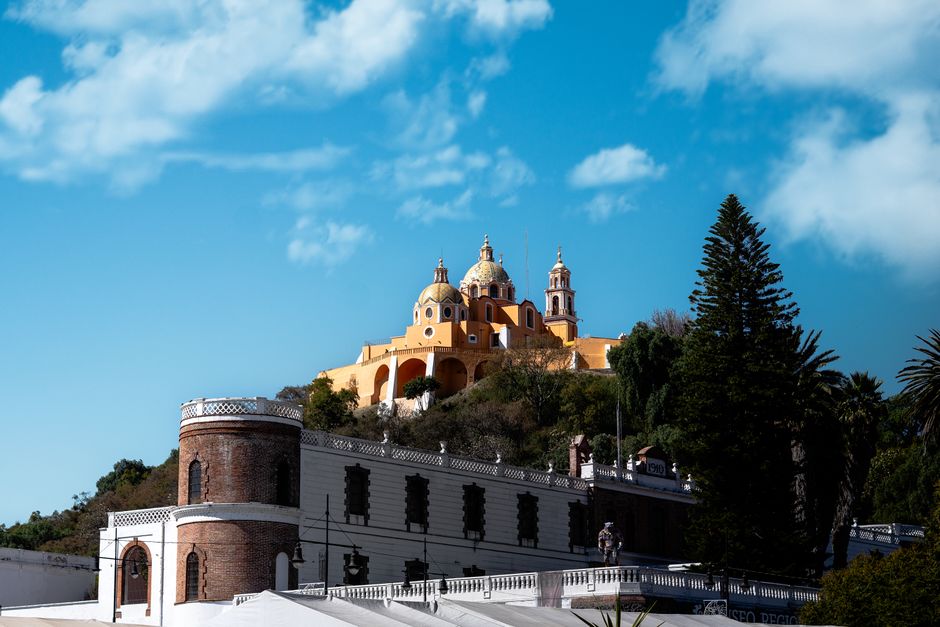
2. The Mountain That Was a Pyramid
Cholula, Puebla, Mexico
The world's largest pyramid by volume is not an iconic structure, but a colossal mound mistaken for a natural hill, crowned by a Spanish church.
Hidden beneath centuries of earth and vegetation, the Great Pyramid of Cholula dwarfs even the Great Pyramid of Giza in its sheer mass. Conquistadors, upon arriving in the valley, built a church atop what they believed was a natural hill, unknowingly desecrating a sacred indigenous monument. Today, tunnels allow visitors to explore parts of the ancient structure, revealing the layers of history buried within.
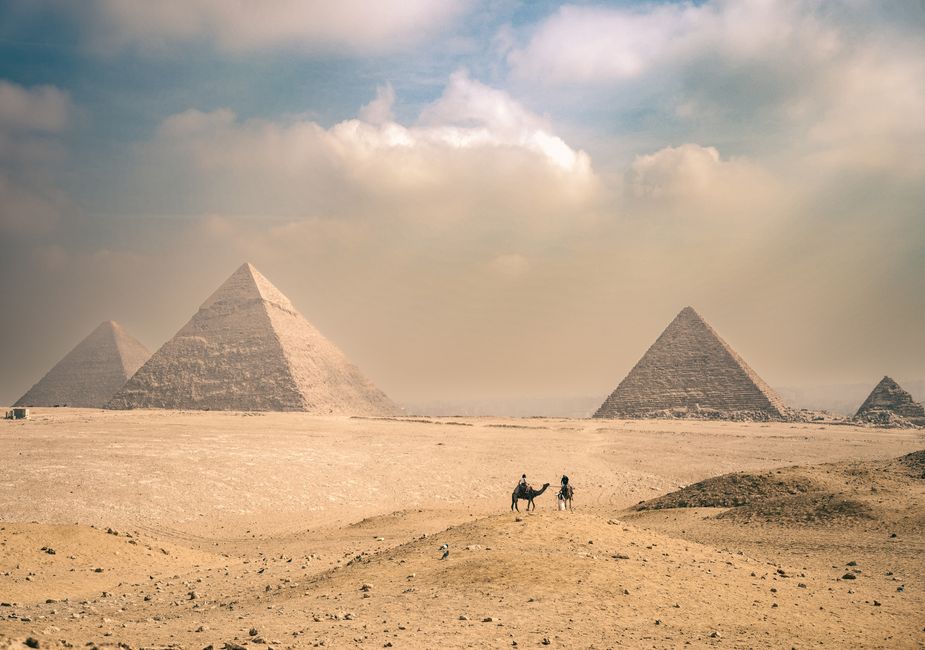
3. Pyramids of a Forgotten Kingdom
Meroë, Sudan
More ancient pyramids dot the Sudanese desert than in all of Egypt, remnants of a powerful, lesser-known African kingdom.
The Nubian Kingdom of Kush, centered at Meroë, flourished for over a thousand years, building more than 200 steep-sided pyramids as tombs for its kings and queens. While smaller and distinct in style from their Egyptian counterparts, these structures testify to a rich, sophisticated civilization. Standing largely unvisited, these pyramids offer a profound sense of ancient mystery, untouched by mass tourism.
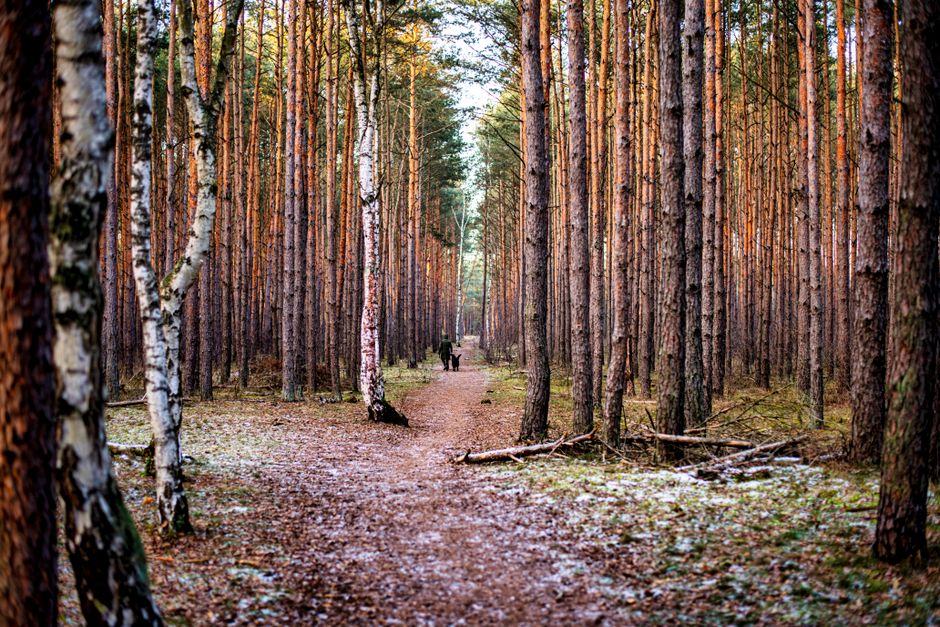
4. The Mystery of the Bent Pines
Gryfino, West Pomerania, Poland
A grove of pine trees grows with dramatically bent trunks, forming a perfect 'C' shape just above the ground, their unusual form a persistent enigma.
Planted around 1930, this peculiar forest contains approximately 400 pine trees that all bend sharply northwards at their base before curving back upright. Theories range from human intervention, perhaps to create naturally curved timber for furniture or shipbuilding, to severe snowstorms or unique gravitational forces. The true cause remains unconfirmed, leaving visitors to ponder the silent mystery of nature's strange artistry.
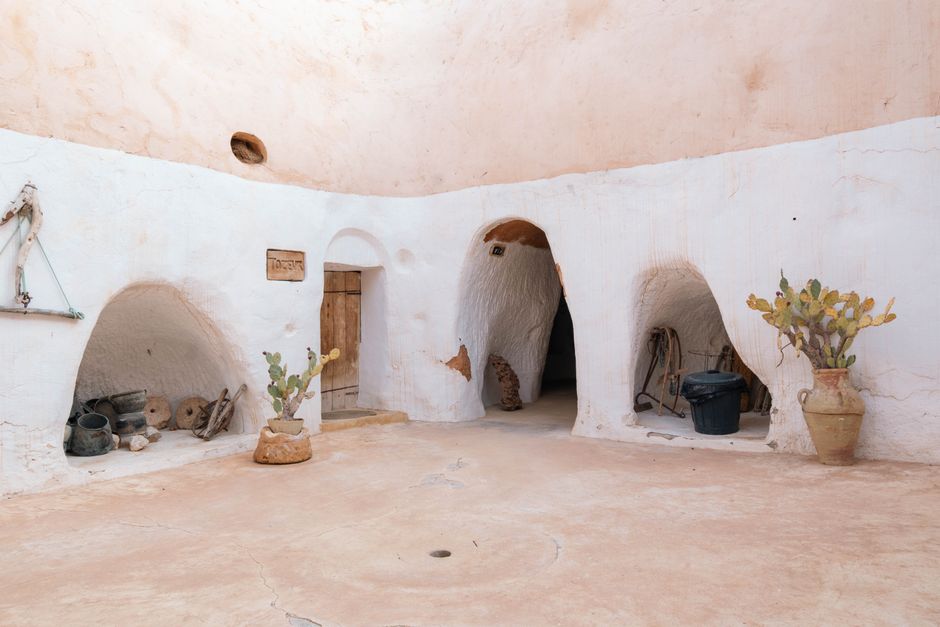
5. The Town That Lives Underground
Coober Pedy, South Australia, Australia
In the scorching Australian outback, an entire town exists largely beneath the earth's surface, a unique solution to extreme desert heat.
Coober Pedy is the opal mining capital of the world, and its residents have adapted to the harsh environment by building "dugouts"—homes, churches, shops, and even hotels carved directly into the sandstone. These underground dwellings provide a consistent, cool temperature, a stark contrast to the unbearable surface heat. Exploring Coober Pedy offers a fascinating glimpse into a community that literally lives off and within the land.
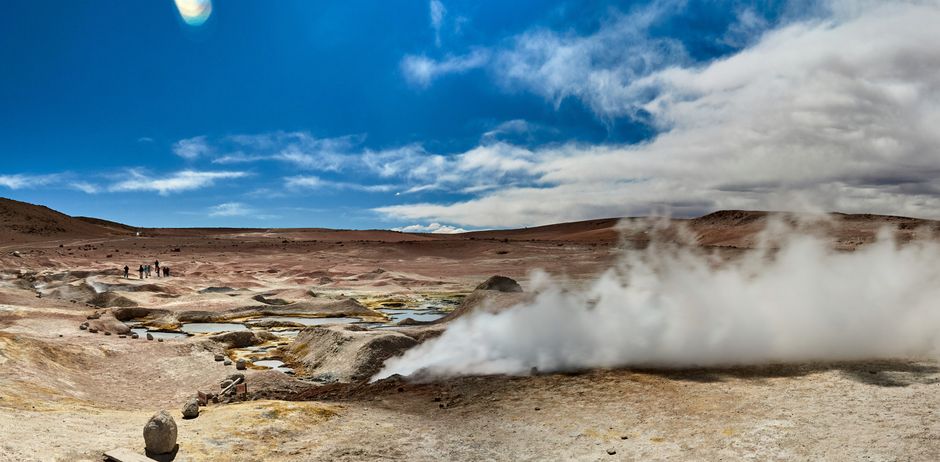
6. The Accidental Rainbow Geyser
Gerlach, Nevada, USA
A dazzling, multi-colored geyser that erupts continuously was not formed by nature alone, but by a human drilling mistake decades ago.
Located on private land, Fly Geyser is a stunning, otherworldly formation that began to grow in 1964 after a geothermal well was drilled. The well was improperly capped, allowing minerals and hot water to escape and build up over time, creating vibrant, terraced mounds. Its brilliant hues come from thermophilic algae, which thrive in the hot, moist conditions, painting the landscape in surreal greens, reds, and yellows.
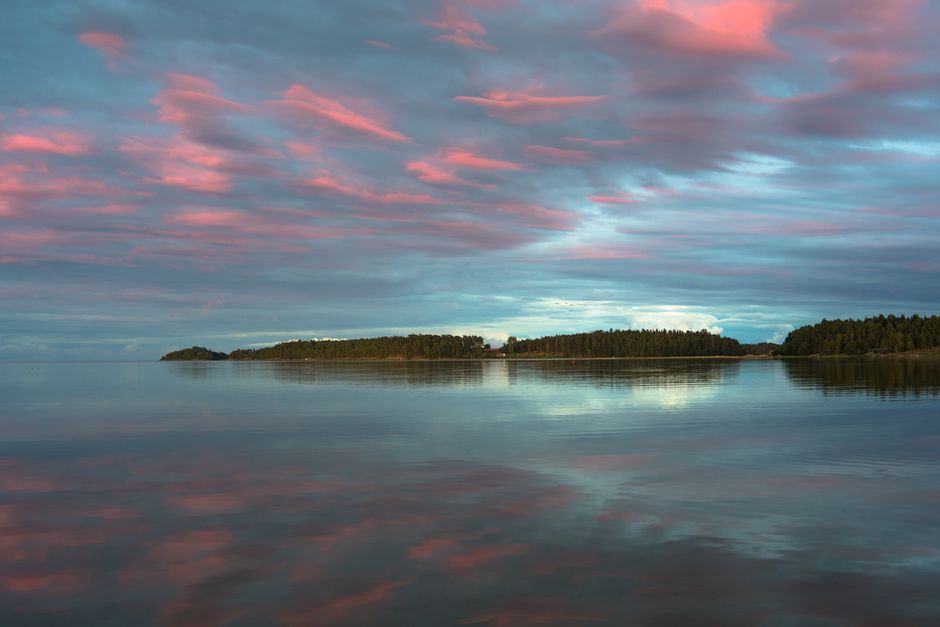
7. Australia's Pink Enigma
Middle Island, Western Australia, Australia
A vibrant bubblegum-pink lake retains its striking color year-round, even when bottled, yet scientists are still debating the exact cause.
Nestled beside the deep blue Southern Ocean, separated only by a narrow strip of dense woodland and sand dunes, Lake Hillier is an astonishing sight. Its vivid pink hue is thought to be caused by the presence of Dunaliella salina microalgae, which produce carotenoids, or possibly by halophilic bacteria in the salt crusts. The lake's surreal color offers a visual puzzle and a breathtaking natural contrast.
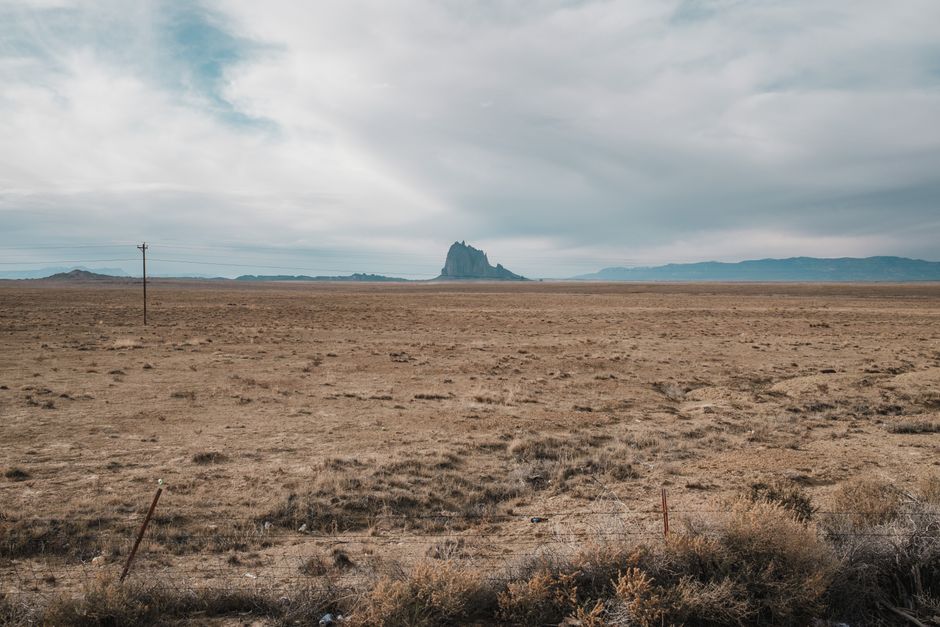
8. The Sacred Rock of the Navajo
Shiprock, New Mexico, USA
A dramatic, isolated volcanic neck rises starkly from the desert floor, holding deep spiritual significance for the Navajo Nation.
Known to the Navajo as Tsé Bitʼaʼí, or "rock with wings," Shiprock is the eroded core of an ancient volcano, its jagged peak reaching over 1,500 feet above the surrounding plain. For the Navajo people, this sacred monolith is tied to their creation stories and tribal identity, a place of immense spiritual power. Its striking silhouette against the vast New Mexico sky is a powerful emblem of natural grandeur and cultural heritage.
Frequently asked questions
Why are some cultural sites less popular than others?
Many factors contribute to a site's popularity, including marketing, accessibility, and historical context. Lesser-known sites often require more effort to reach or lack widespread promotion, making them hidden gems for those seeking unique experiences away from crowds.
How can I find truly unique cultural experiences when traveling?
Beyond popular guidebooks, delve into local tourism boards, specialty travel blogs, or forums focused on off-the-beaten-path destinations. Engaging with locals or seeking out guides who specialize in niche history can also reveal incredible, authentic experiences.
Is it safe to visit remote or lesser-known cultural sites?
Safety depends on the specific location. Always research current travel advisories, local customs, and reputable tour operators. Many remote sites are perfectly safe but may require more planning, such as arranging transportation or hiring a local guide for cultural sensitivity and navigation.
How does the AllTours.ai app help me discover these hidden stories?
AllTours.ai transforms your phone into an AI-powered audio tour guide. Simply point your camera at any landscape or landmark, and the app instantly narrates its history, geology, and culture in your preferred language, revealing the deep, captivating stories behind even the most overlooked places.
Related guides
Photography via Pexels. AllTours.ai is an AI audio tour guide — point your camera at any landscape and hear its story.