August 5, 2026 · 4 min read
For many aspiring backpackers, the traditional tent is the first item on their gear list. It’s a classic image: a colorful dome pitched perfectly against a wild backdrop. But for those venturing beyond the well-trodden paths, the romance of a conventional tent can quickly give way to regret.
Traditional tents, while versatile, can be heavy, bulky, and ill-suited for specific, challenging terrains or climates. From dense, humid jungles where condensation is a constant battle to exposed, rocky expanses where pitching stakes is impossible, a standard tent might actually hinder your adventure. It's time to explore why savvy backpackers are increasingly opting for lighter, more specialized alternatives, and to discover the places where these choices truly shine.
1. The Knife-Edge Alpine Challenge
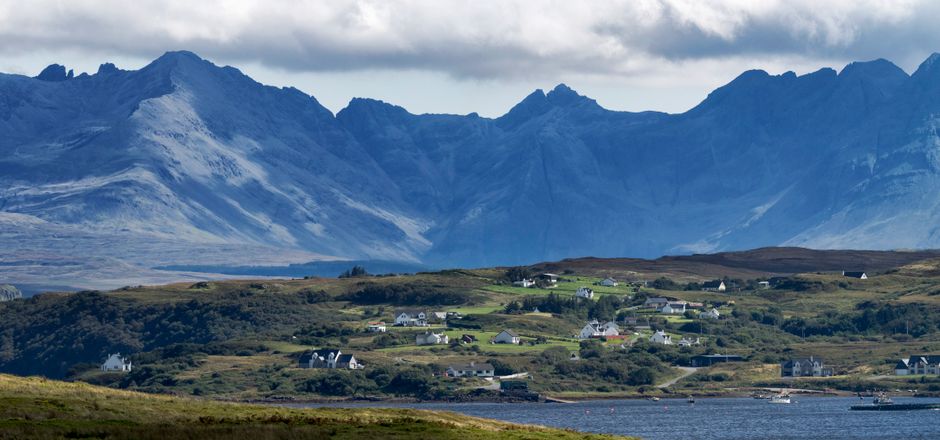
The Cuillin Ridge, Isle of Skye, Scotland
This raw, volcanic arête demands climbing skills and offers little flat ground, making a traditional tent impractical for true ridge traverses.
The Cuillin Ridge is the UK's only true alpine mountain range, a jagged spine of gabbro and basalt that requires scrambling and often roped climbing to traverse its entire length. With sheer drops and exposed sections, finding a suitable, level pitch for a tent is nearly impossible. Instead, experienced mountaineers often opt for minimalist bivy sacks for short, exposed sleeps, or carefully plan their traverse around emergency shelters or bothies. The 'Inaccessible Pinnacle' on Sgùrr Dearg is the only Munro requiring a roped ascent.
2. Humidity's Heavy Toll
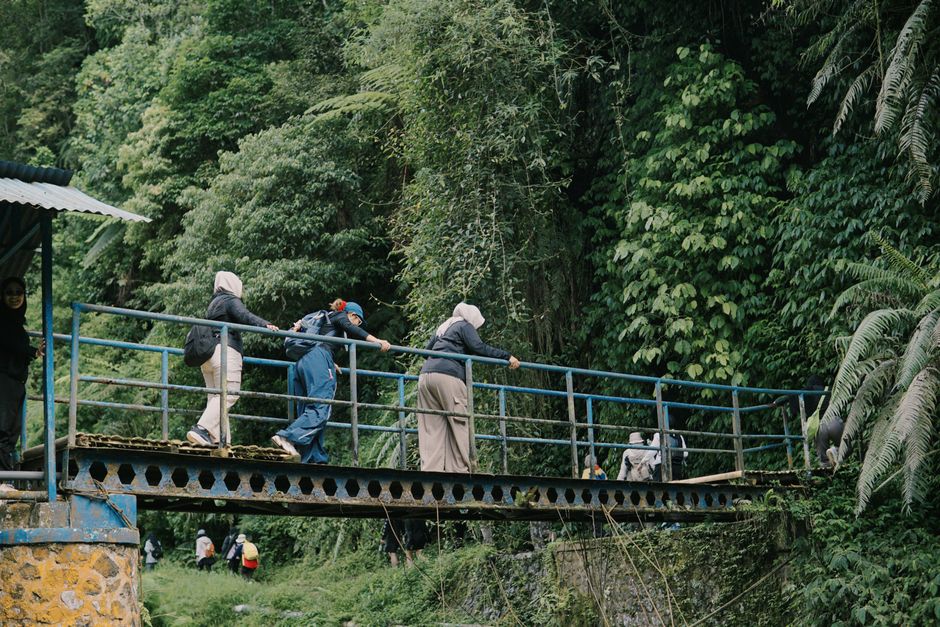
Kokoda Track, Papua New Guinea
The relentless humidity and dense jungle of the Kokoda Track make a heavy, conventional tent a magnet for mildew and a burden to carry.
Tracing 96 kilometers through the Owen Stanley Range, the Kokoda Track is a grueling journey through tropical rainforest. The constant moisture means traditional tents struggle with ventilation, leading to rampant condensation and mildew, while their bulk adds significant weight in an already challenging environment. Backpackers often prefer lightweight tarps strung between trees, or hammocks with integrated mosquito nets, which offer better airflow and protection from the elements and insects without the weight penalties. This historic WWII battleground is also home to unique biodiversity.
3. Sleeping Under the Stars (and Stone)
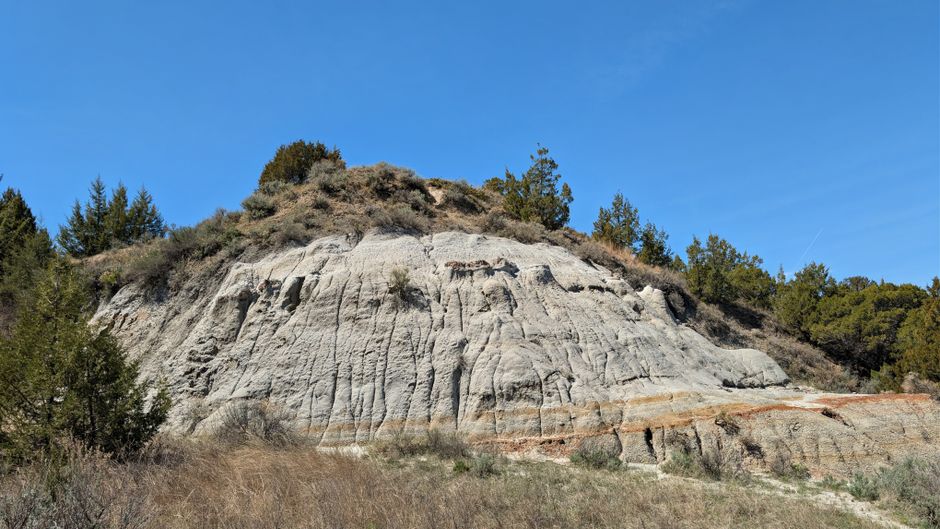
Bisti Badlands/De-Na-Zin Wilderness, New Mexico, USA
This otherworldly landscape of hoodoos and petrified wood offers limited flat ground and high winds, making a traditional tent cumbersome and its bulk unnecessary.
The Bisti Badlands are a surreal expanse of eroded sandstone and shale, creating bizarre rock formations known as hoodoos. Finding a flat, stake-able spot for a tent here is a challenge, and the open terrain is often exposed to strong winds. This area, a former inland sea 70 million years ago, is a designated dark sky reserve, making a bivy sack or a minimalist tarp ideal for sleeping directly under the dazzling Milky Way. The lightweight nature allows for quick setup amidst the geological wonders and prehistoric fossil beds.
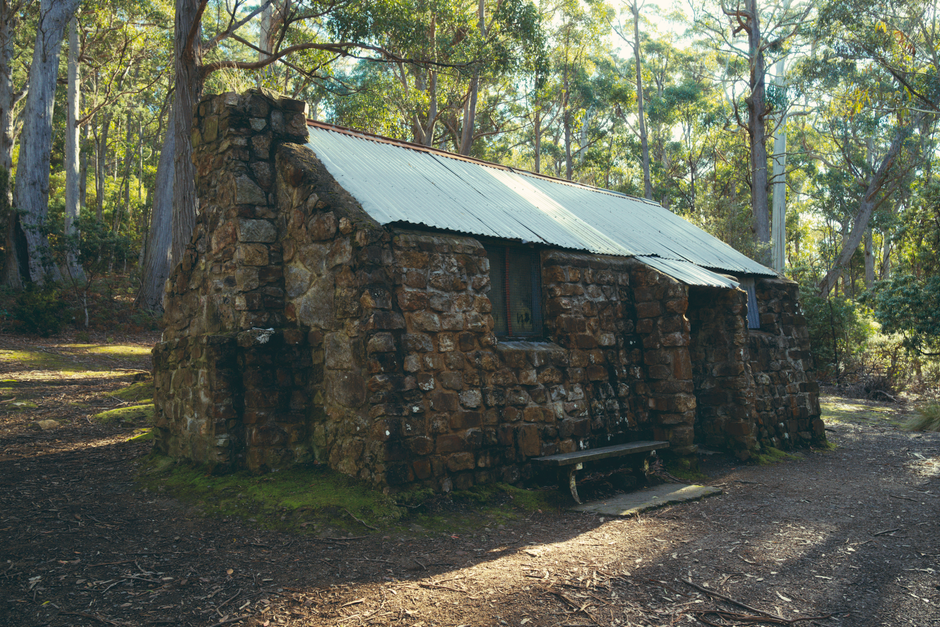
4. The Trail's Built-In Comfort
The Bibbulmun Track, Western Australia
This 1000km track features purpose-built, three-sided shelters at regular intervals, often negating the need for a full tent.
Winding through towering karri and tingle forests, coastal heathlands, and granite outcrops, the Bibbulmun Track is one of the world's great long-distance walks. A standout feature for hikers is the network of regularly spaced, three-sided wooden shelters, complete with water tanks and pit toilets. These 'huts' mean many trekkers can forgo a heavy tent, opting instead for just a sleeping bag and mat, or a lightweight tarp for privacy. The track passes through the ancestral lands of the Noongar people, boasting spectacular wildflower displays in spring.
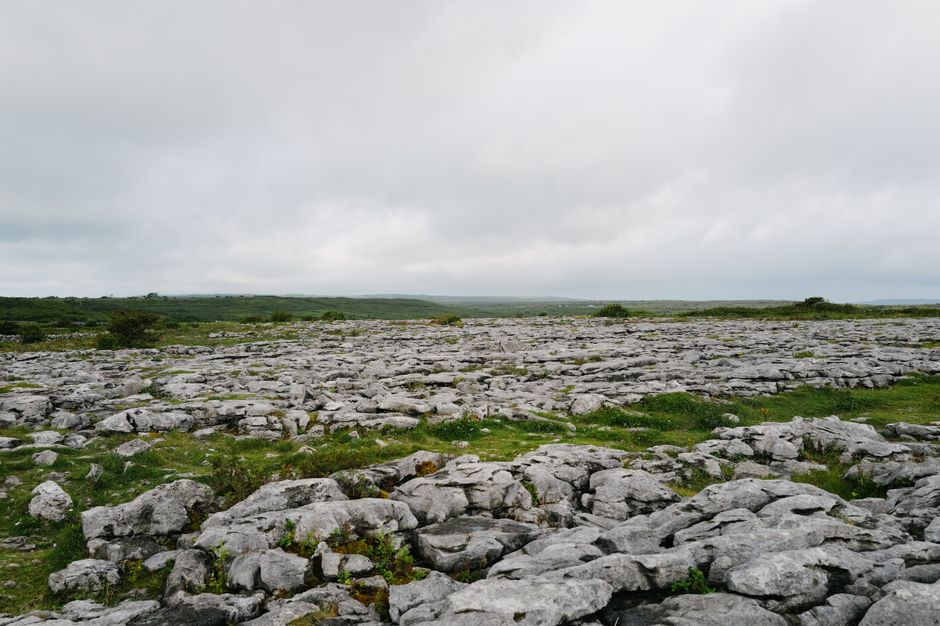
5. Rocky Ground, Rainy Skies
The Burren, County Clare, Ireland
This vast, treeless limestone karst landscape, riddled with cracks and caves, offers little soil for tent stakes and is prone to sudden, driving rain.
The Burren is a stark, moon-like landscape of exposed limestone pavement, where ancient glaciers scoured away the topsoil. Pitching a traditional tent is nearly impossible due to the lack of soft ground for stakes and the uneven, fissured surface. While known for its unique flora (Arctic, Alpine, and Mediterranean plants grow side-by-side), its weather is famously unpredictable. A lightweight bivy sack or prioritizing guesthouses in nearby villages after day hikes are often the best options here, allowing visitors to explore its megalithic tombs and dolmens like Poulnabrone.
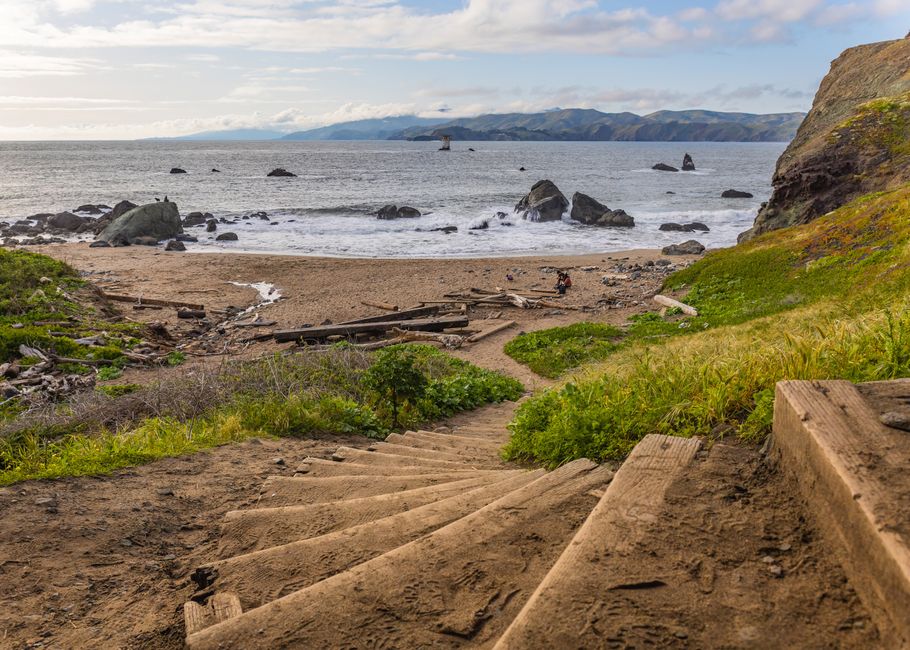
6. Tidal Timetables and Quick Setups
The Lost Coast Trail, California, USA
Backpacking along this rugged, undeveloped coastline requires careful timing with tides, and a traditional tent can be cumbersome to set up quickly on narrow, driftwood-strewn beaches.
The Lost Coast Trail is a wild, roadless stretch where the King Range mountains plunge directly into the Pacific. Hikers must plan their journey around tidal charts, as sections of the trail are impassable at high tide. The need for quick setups and pack-downs on narrow, driftwood-covered beaches makes a traditional tent's bulk a disadvantage. Ultralight tarps or bivy sacks offer the flexibility to quickly find a spot above the high tide line, providing shelter from the elements while offering unobstructed views of the Roosevelt elk and sea lions that inhabit this remote coastline.
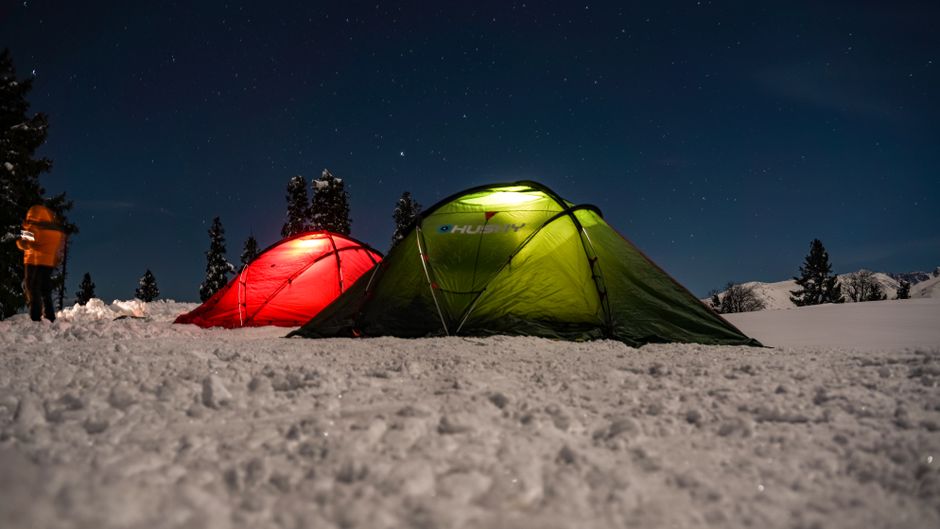
7. Arctic Extremes and Permafrost
Svalbard, Norway
The extreme cold, high winds, and permafrost in Svalbard make traditional tent pitching difficult and demand specialized, heavier four-season shelters, or often, the use of expedition-style basecamps or trapper huts.
Svalbard, a Norwegian archipelago in the High Arctic, presents unique challenges for backpackers. Permafrost makes traditional tent stakes useless in many areas, and the relentless winds and extreme cold demand robust, specialized expedition tents built to withstand blizzards. For multi-day treks beyond settled areas like Longyearbyen, many trips rely on established trapper huts or a guided expedition with heavy-duty, four-season shelters. This polar bear country, with its dramatic glaciers and unique high-arctic tundra, is a place where lightweight alternatives often mean heavier, more specialized gear.
Frequently asked questions
What are the main downsides of traditional tents for backpacking?
Traditional tents can be heavy and bulky, taking up significant pack space. They can also be challenging to pitch in specific terrains like rocky ground, dense jungle, or high winds, and may not offer optimal ventilation in humid climates or sufficient protection in extreme cold without specialized features.
What are some common alternatives to traditional tents for backpackers?
Popular alternatives include ultralight tarps, bivy sacks (bivouac sacks), hammocks (especially in forested areas), and trekking pole shelters. For specific routes, hut-to-hut systems or purpose-built trail shelters can entirely negate the need for a personal tent.
How do I choose the right alternative shelter for my trip?
Consider your destination's climate, terrain, and expected weather. For humid, buggy jungles, a hammock with a bug net is great. For exposed, rocky areas, a bivy sack or minimalist tarp works well. If a trail has established shelters, a simple sleeping bag and mat might suffice. Always prioritize lightweight options for backpacking.
How can AllTours.ai enhance my backpacking experience with these alternative shelters?
As you explore these incredible places, AllTours.ai uses your phone's camera to identify landmarks and terrain, narrating their unique history, geology, and culture directly into your language. Whether you're resting in a trail shelter or bivying under the stars, you can discover the hidden stories of the landscape around you.
Related guides
Photography via Pexels. AllTours.ai is an AI audio tour guide — point your camera at any landscape and hear its story.