August 4, 2026 · 4 min read
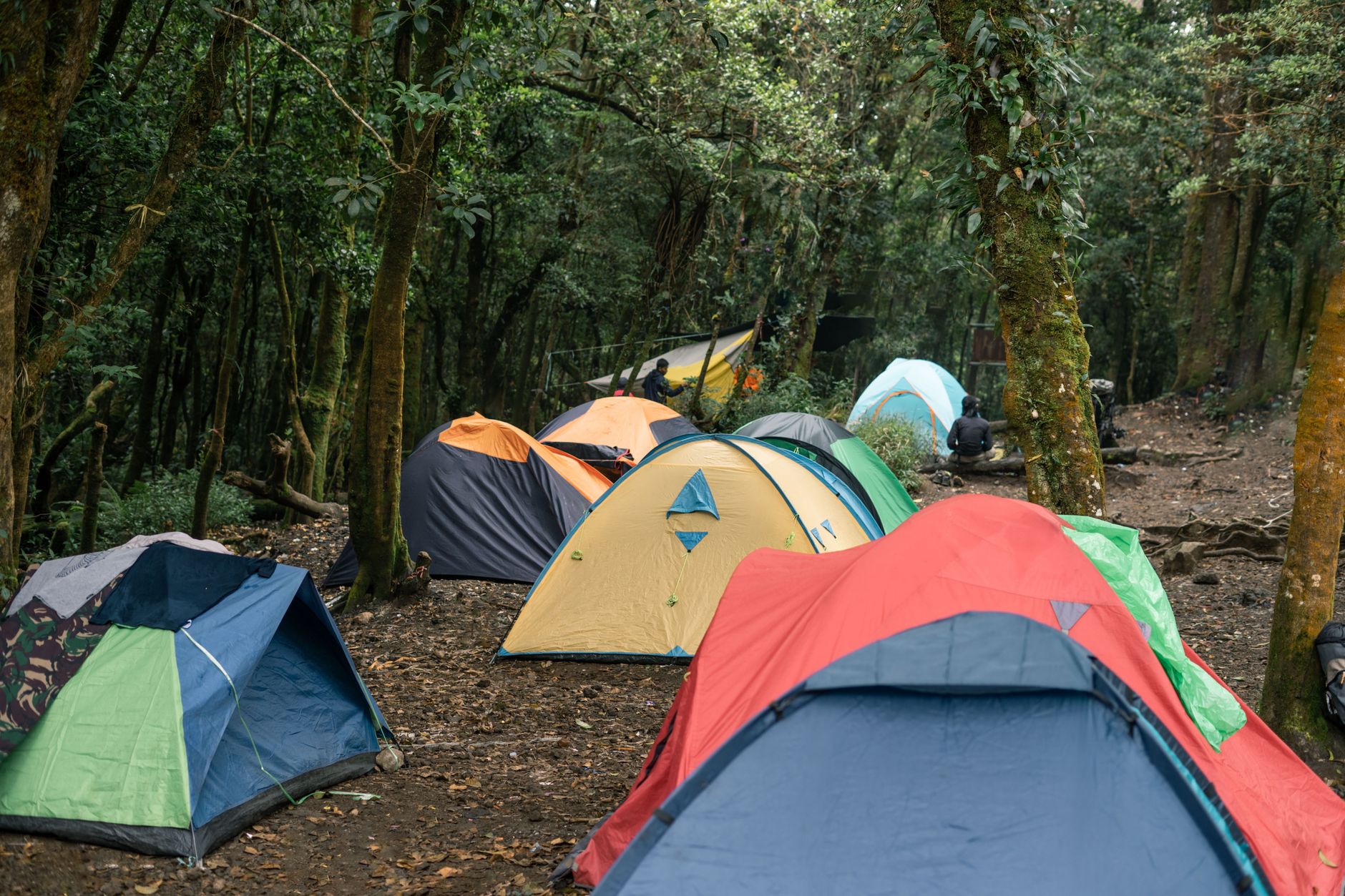
For many backpackers, a traditional tent feels like an essential piece of gear. Yet, the pursuit of lighter packs, more immersive experiences, and greater versatility is leading many to question if a bulky tent is truly the best choice. Weight, setup time, limited views, and bulk can all become sources of regret when you're miles into the wilderness, especially when superior alternatives exist.
Imagine shedding pounds from your pack and gaining unobstructed views of the night sky, or pitching your shelter in spots a traditional tent could never reach. This shift opens up new ways to connect with nature, particularly in places less trodden by the usual tourist crowds. We've curated a list of extraordinary, lesser-known locations where a minimalist shelter not only makes sense but enhances the entire adventure, each with a captivating story waiting to be discovered.
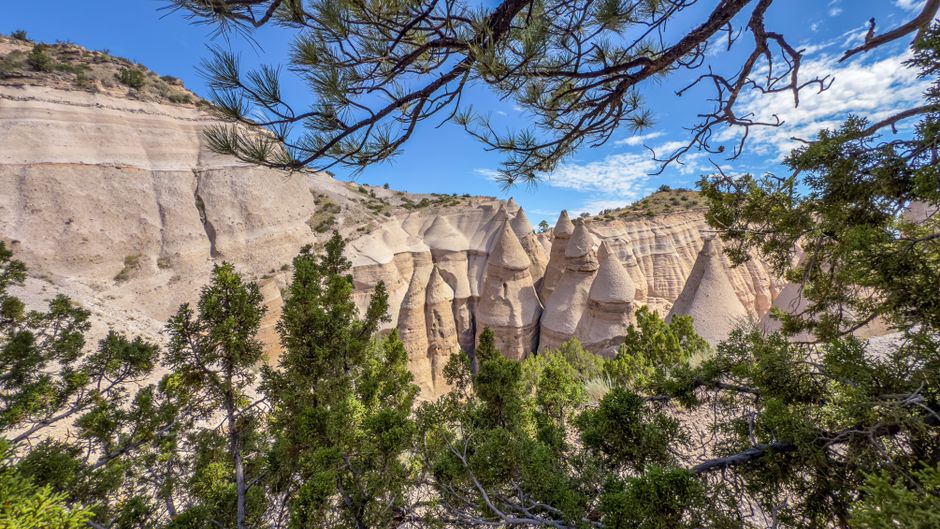
1. Hoodoo Haven
Kasha-Katuwe Tent Rocks National Monument, New Mexico, USA
These cone-shaped formations, some topped with a flat rock, are natural 'tents' carved by volcanic ash and erosion.
Formed over millions of years from volcanic eruptions that deposited layers of ash and pumice, the softer layers eroded away faster, leaving the harder capstones protecting the cones beneath. This unique geological process creates a landscape unlike any other, where the very earth seems to have pitched its own bizarre, silent camp. Exploring here with a lightweight bivy or tarp allows you to fully appreciate the monumental scale of nature's artistry.
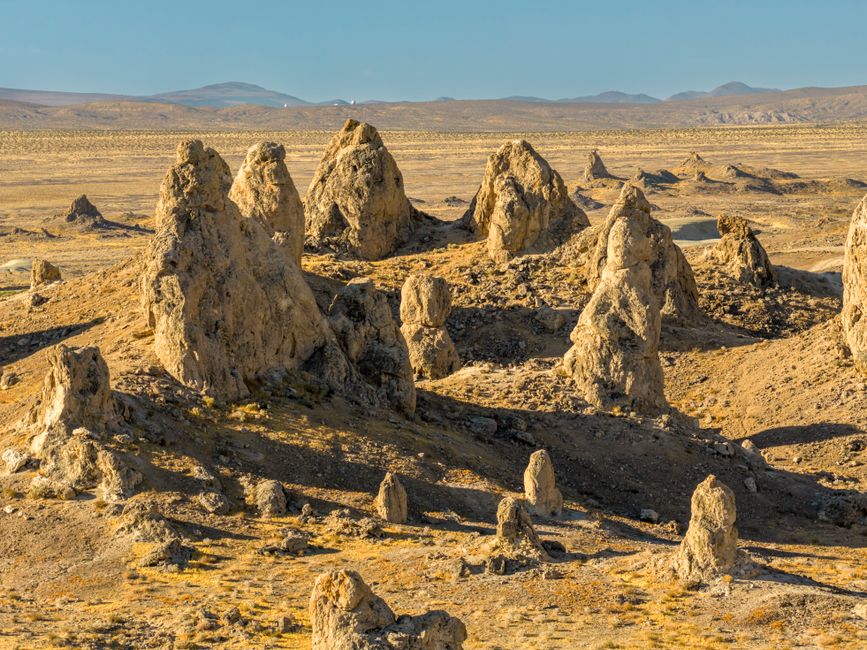
2. Lunar Landscape Spires
Nambung National Park, Western Australia
Thousands of limestone pillars rise from yellow sand, creating an alien landscape formed from ancient marine shells.
These striking natural sculptures are remnants of a time when the area was covered by the sea, formed by the accumulation of shells and marine organisms. Over millennia, wind and rain eroded the surrounding sand, exposing the calcified remains that now stand like silent sentinels. A minimalist setup here allows for an unadulterated experience under the vast, star-strewn desert sky of Western Australia.
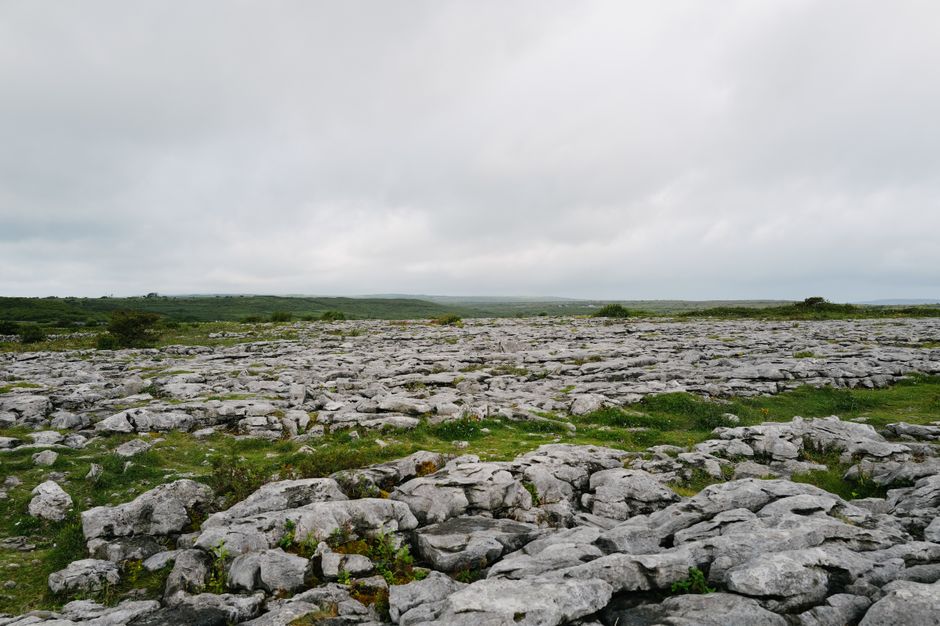
3. Limestone Labyrinth
The Burren, County Clare, Ireland
This vast, glaciated limestone pavement is home to arctic, alpine, and Mediterranean plants growing side-by-side.
The Burren's stark, seemingly barren landscape hides a remarkable biodiversity, a botanical anomaly where plants from diverse climates thrive together in the cracks and crevices of the rock. The unique microclimates created by the fissured limestone, combined with the moderating influence of the Atlantic, allow this improbable botanical mosaic to flourish, offering a truly wild and ancient feel for a night under the stars in a land carved by ice.
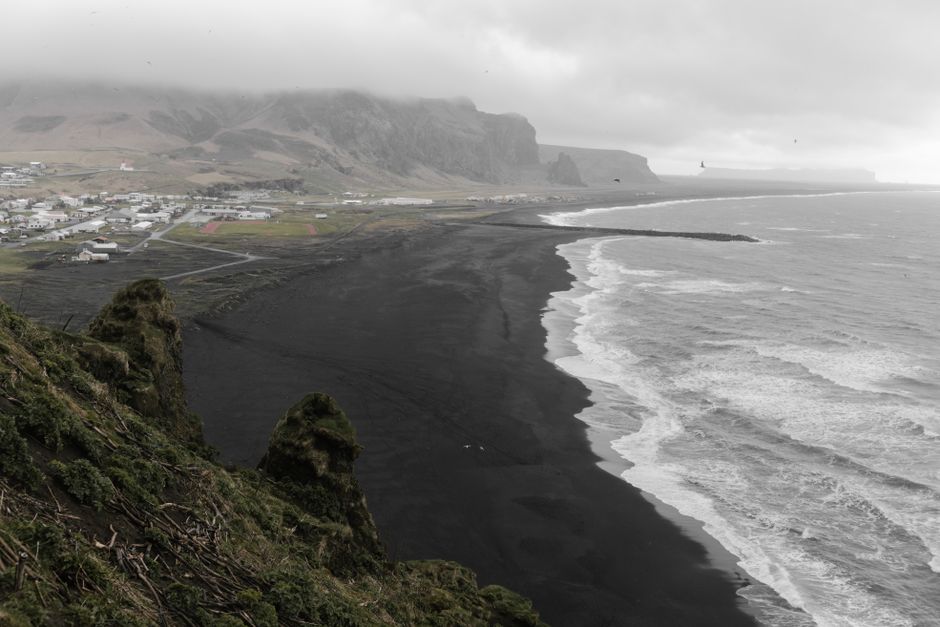
4. Black Sand Expanses
Skeiðarársandur, Iceland
This immense outwash plain is formed by glacial floods carrying sediment from under the Vatnajökull ice cap.
Skeiðarársandur is a dynamic landscape constantly reshaped by powerful jökulhlaups (glacial outburst floods), which sweep vast quantities of black volcanic sand and gravel from beneath the icecap to the coast. It’s a testament to raw geological power, a seemingly desolate expanse where the only sound is often the wind, perfect for those seeking profound solitude and a stark, beautiful wilderness experience beneath the northern lights.
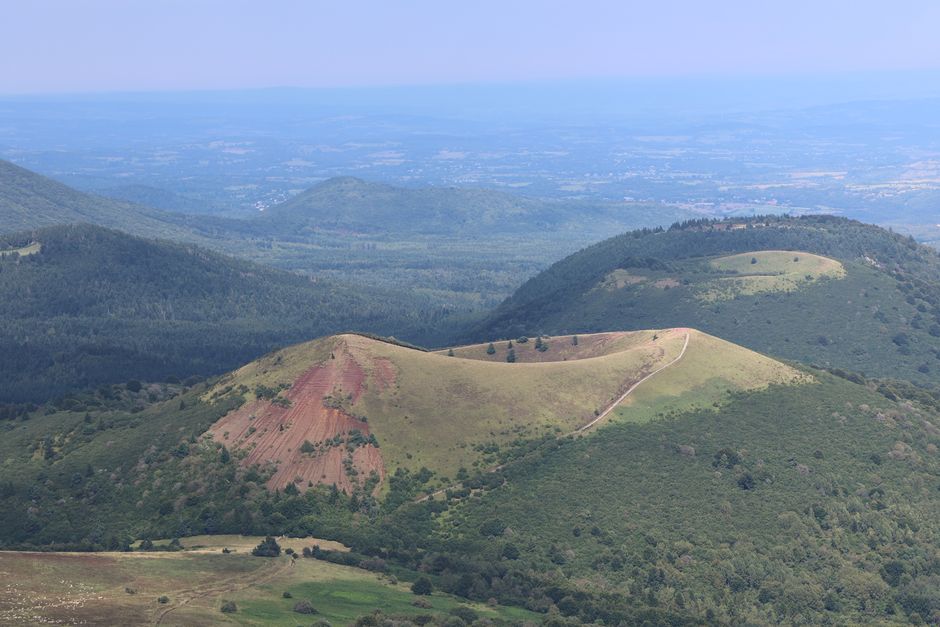
5. Volcanic Vista
Puy de Dôme, Auvergne-Rhône-Alpes, France
This iconic dormant volcano in the Chaîne des Puys once hosted a Roman temple to Mercury at its summit.
Part of a UNESCO World Heritage site, the Puy de Dôme is a geological wonder formed by a series of volcanic eruptions. Its summit, offering panoramic views of the surrounding volcanic chain, was considered sacred by the Romans, who built an elaborate temple here. Exploring the diverse landscapes of the Chaîne des Puys, from its grassy slopes to its forested craters, offers a unique blend of geological history and ancient human endeavor.
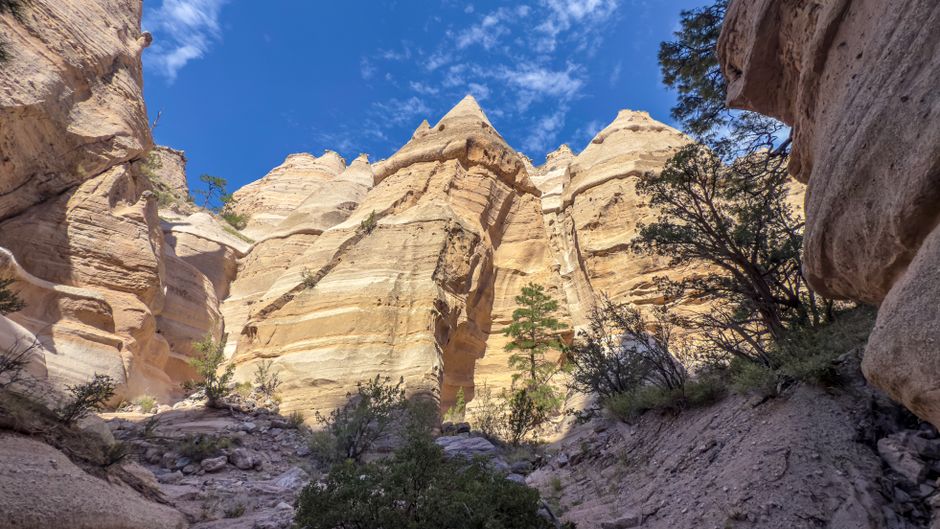
6. Wonderland of Rocks
Chiricahua National Monument, Arizona, USA
This 'sky island' desert mountain range features bizarre rock spires and balancing rocks formed by ancient volcanic activity and erosion.
Chiricahua is a geological marvel, a forested mountain range rising abruptly from the desert floor. Its unique 'pinnacle' formations are the result of explosive volcanic eruptions followed by millions of years of erosion, creating a labyrinth of towering columns and precarious balancing rocks. The area's diverse ecosystems, from desert to pine forest, make it a fascinating spot for exploring geology and biology in a less-traveled national monument.
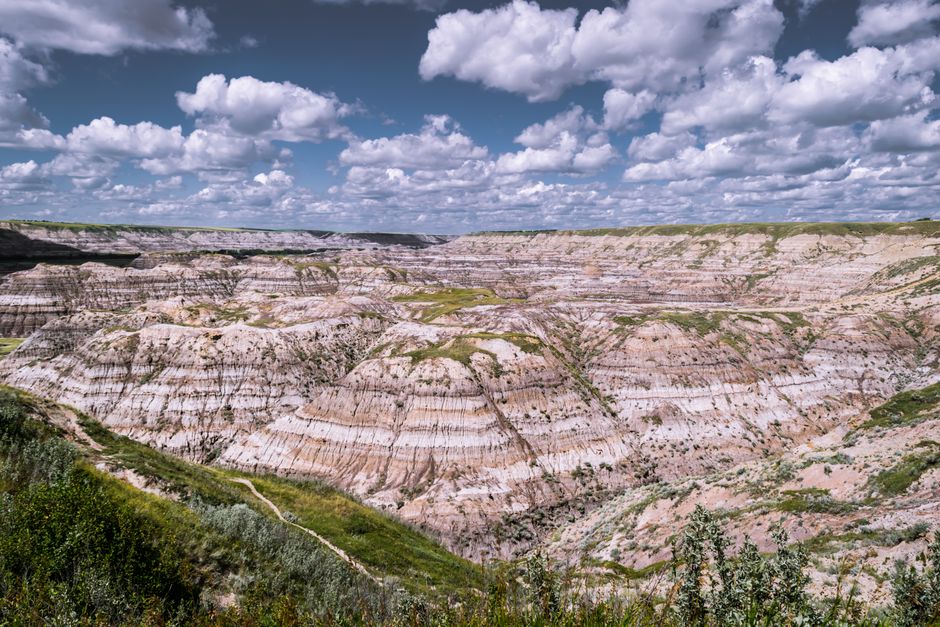
7. Ancient Bone Beds
Dinosaur Provincial Park, Alberta, Canada
This UNESCO World Heritage site contains one of the richest dinosaur fossil fields in the world, with over 150 complete dinosaur skeletons discovered.
The striking badlands of Dinosaur Provincial Park, sculpted by wind and water, reveal a landscape steeped in prehistoric history. Once a lush subtropical forest, it now exposes layers of rock teeming with the remains of ancient creatures. Exploring its eerie coulees and hoodoos offers a direct connection to a time when dinosaurs roamed, making it a truly unique natural history immersion for those seeking more than just a view.
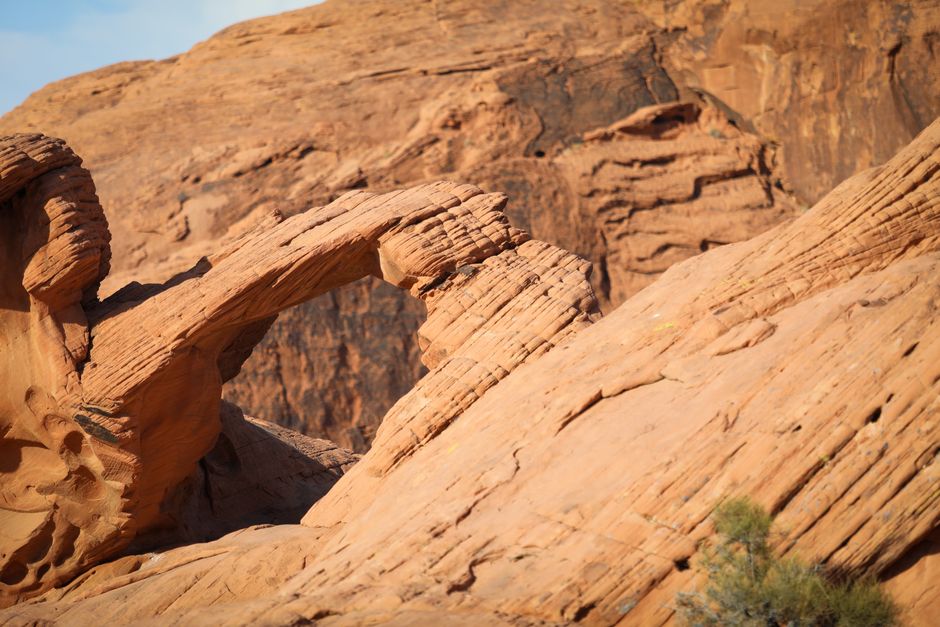
8. Fiery Sandstone Sculptures
Valley of Fire State Park, Nevada, USA
Named for its vivid red sandstone formations that appear to be on fire when reflecting the sun's rays, this park also holds ancient petroglyphs.
The Valley of Fire's stunning Aztec sandstone, formed from ancient shifting sand dunes, showcases incredible geological artistry. Erosion has carved these vibrant red rocks into intricate arches, domes, and canyons. Adding to its allure are ancient petroglyphs etched into the rock faces by early Basketmaker and Paiute peoples, offering a powerful sense of timelessness amidst the fiery landscape and its dramatic light changes.
Frequently asked questions
What are some lightweight alternatives to traditional backpacking tents?
Bivy sacks, tarps, hammocks with bug nets, and ultralight shelters made from advanced materials like Dyneema Composite Fabric are excellent alternatives. They offer significant weight savings and a more immersive outdoor experience.
What are the main advantages of using a tarp or bivy sack over a tent?
Tarps and bivy sacks are generally much lighter and pack smaller than traditional tents. They offer more versatility in pitching, better ventilation, and a more direct connection to the environment, allowing for unobstructed views of the stars.
Are these tent alternatives suitable for all weather conditions?
While excellent for many conditions, the suitability depends on the specific alternative and weather. Bivy sacks offer good protection against wind and light rain, while tarps require skill to pitch effectively for various weather. Hammocks are great in mild weather but need insulation in cold. Always match your shelter to expected conditions.
How can AllTours.ai enhance my experience at these unique locations?
AllTours.ai transforms your phone into a personal AI audio guide. Simply point your camera at any landscape or landmark, and the app will narrate its history, geology, and culture in your language, bringing the unique stories of places like the Burren's flora or Kasha-Katuwe's hoodoos directly to your ears.
Related guides
Photography via Pexels. AllTours.ai is an AI audio tour guide — point your camera at any landscape and hear its story.