August 4, 2026 · 4 min read
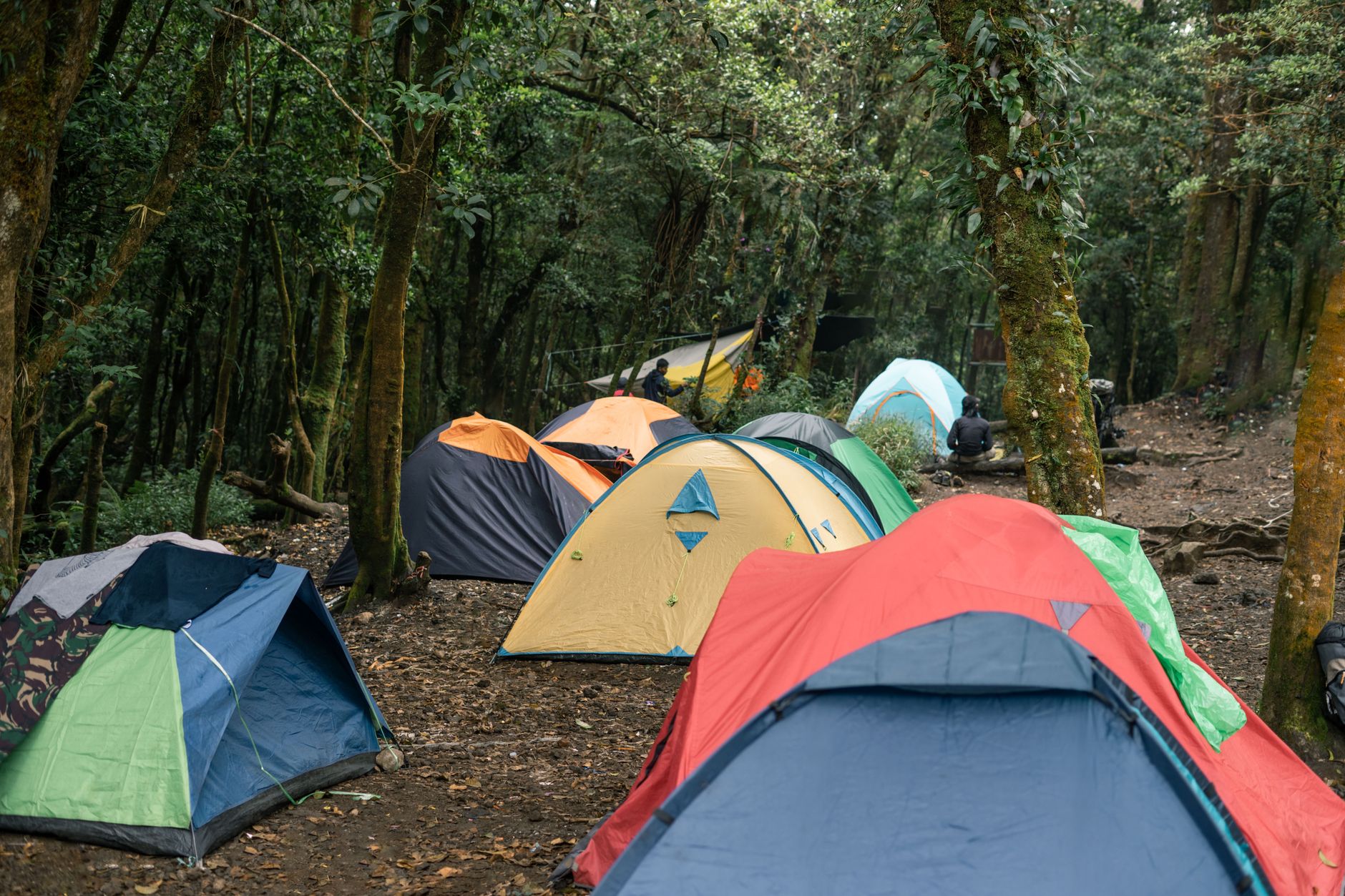
For many, the image of backpacking conjures a traditional tent pitched in a serene wilderness. However, the world's most captivating, lesser-known destinations often demand a more adaptable approach to shelter. Hauling a bulky, heavy tent can limit your mobility and immersion, especially when faced with unique terrains, cultural norms, or extreme environments.
This guide explores incredible places where a traditional tent might prove to be more of a hindrance than a help. Discover unique experiences where lightweight alternatives, or even just appreciating local accommodations, unlock a deeper connection to the landscape and its hidden stories, far beyond the well-trodden paths.
1. The Tent-Shaped Secrets of Kasha-Katuwe
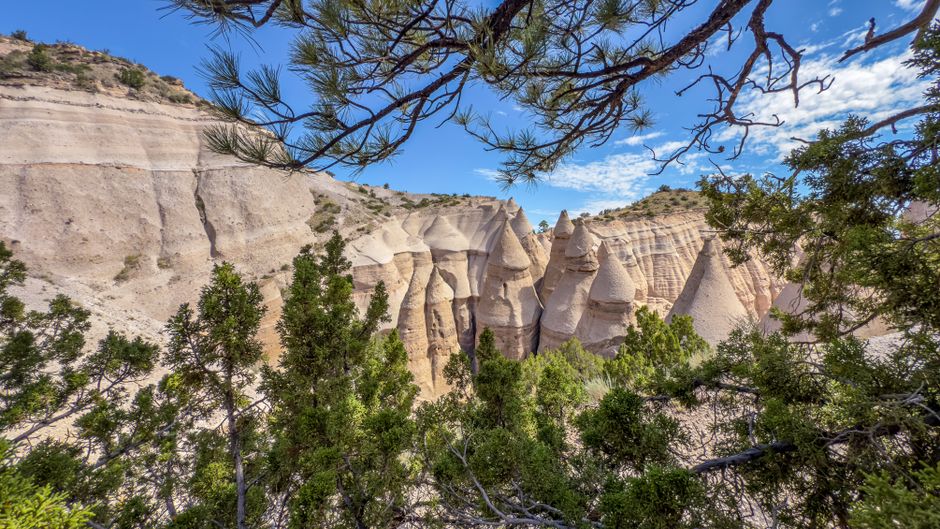
Kasha-Katuwe Tent Rocks National Monument, USA
What ancient geological forces shaped these bizarre, tent-like rock formations?
Located in New Mexico, these unique cone-shaped tent rocks were formed by volcanic eruptions millions of years ago, with softer pumice and ash beneath protective caprocks. The landscape is not ideal for pitching traditional tents due to the delicate environment and designated trails, favoring day hikes or lightweight bivouacs for permitted overnight stays nearby, allowing for minimal impact on this sacred ancestral Pueblo land.
2. Ireland's Lunar Landscape & Hidden Tombs
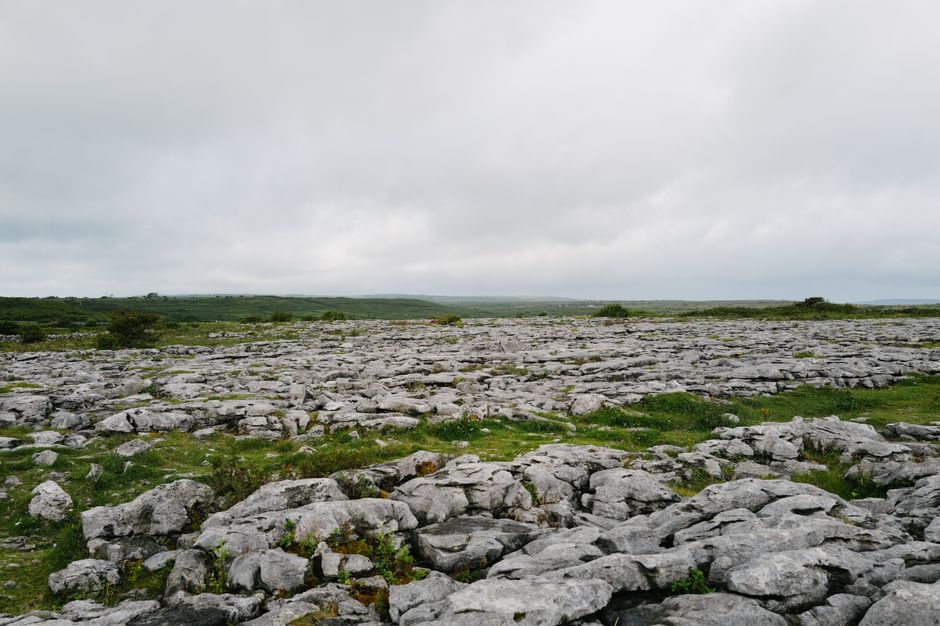
The Burren, Ireland
How can an Irish landscape resemble the moon, yet harbor both arctic and Mediterranean plants?
The Burren, in County Clare, is a vast glacio-karst limestone pavement, where ancient ice sheets scraped away soil, leaving a mosaic of fissures and grikes. This unique geology creates microclimates allowing diverse flora to thrive, but it makes traditional tent pitching nearly impossible and ecologically damaging. Exploring its megalithic tombs and dolmens often means relying on charming local guesthouses or designated hostels, embracing the cultural heritage over a bulky tent.
3. Socotra's Alien Flora and Bedouin Hospitality
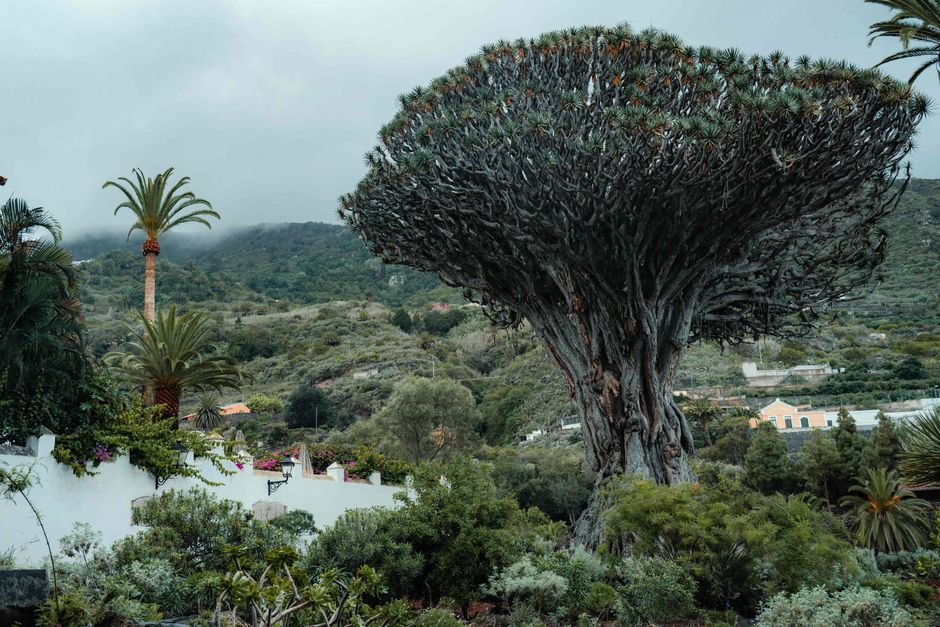
Socotra Island, Yemen
On an island where trees bleed red sap, what are the local traditions for temporary shelter?
Socotra, often called the "most alien-looking place on Earth," boasts endemic species like the Dragon's Blood Tree. Its remote, rugged terrain and unique ecosystem mean traditional tent camping is often impractical or restricted. Instead, travelers often rely on simple guesthouses, eco-lodges, or even traditional Bedouin-style overnight stays under the stars or in natural rock shelters, allowing for a lighter footprint and deeper cultural immersion.
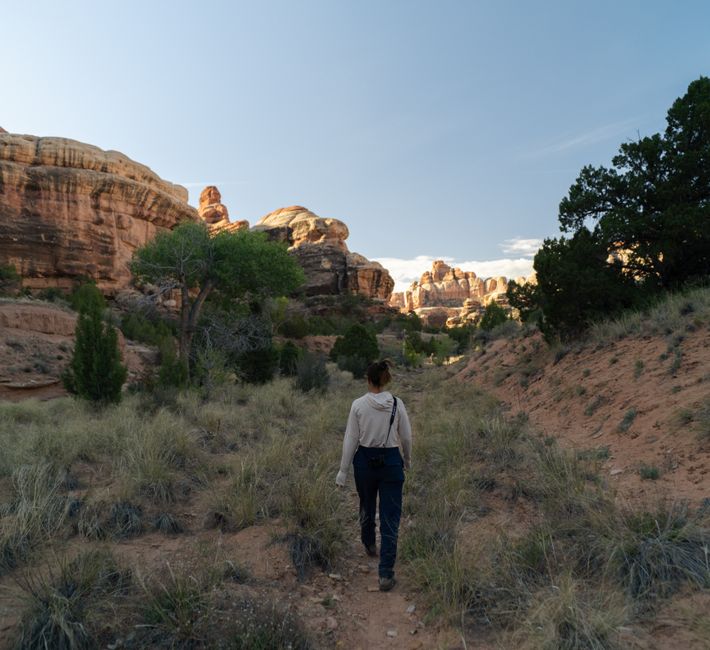
4. Navigating the Needles' Maze
Canyonlands National Park (Needles District), USA
How do backpackers navigate and shelter in a labyrinth of sandstone spires where trails vanish?
The Needles District of Canyonlands National Park presents a challenging maze of colorful sandstone spires and canyons. Backpacking here requires permits and strict Leave No Trace principles, often making traditional tents cumbersome or unsuitable for the limited, designated campsites on slickrock or sandy washes. Many opt for lightweight bivvy sacks or tarps, offering flexibility to adapt to the rugged terrain and allowing for a more intimate experience with the vast, silent desert.
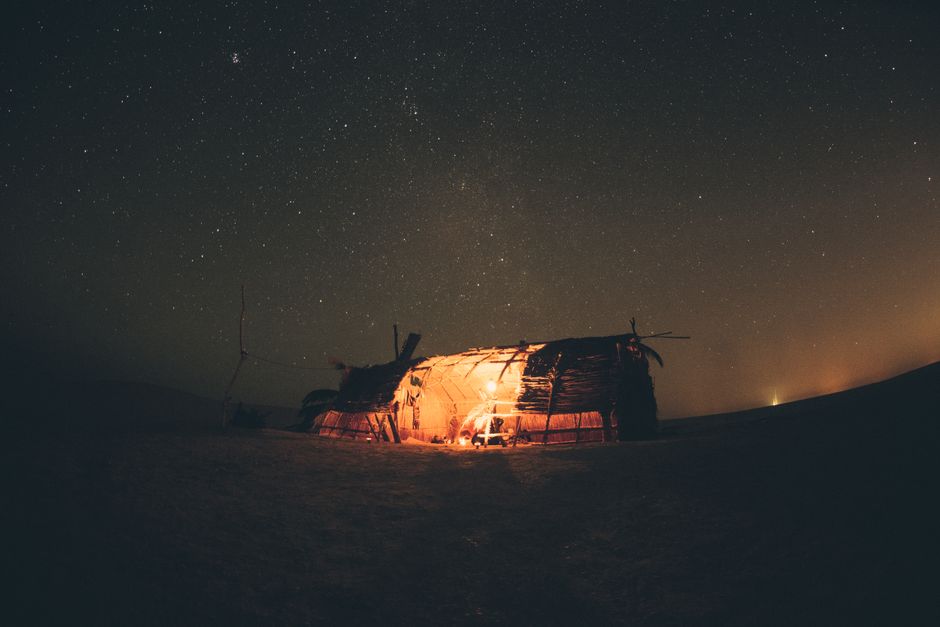
5. Under the Stars in Egypt's White Desert
Farafra Oasis (White Desert), Egypt
Imagine camping in a desert sculpted by wind into giant mushroom-shaped chalk formations – what kind of shelter fits this surreal landscape?
Egypt's White Desert, near the Farafra Oasis, is a surreal expanse of wind-carved chalk formations resembling icebergs or giant mushrooms. Traditional tents feel out of place in this open, vast environment. The preferred experience is often open-air camping with Bedouin guides, sleeping directly under an incredible canopy of stars, or using minimalist sleeping setups that allow unobstructed views of the unique geology and the Milky Way.
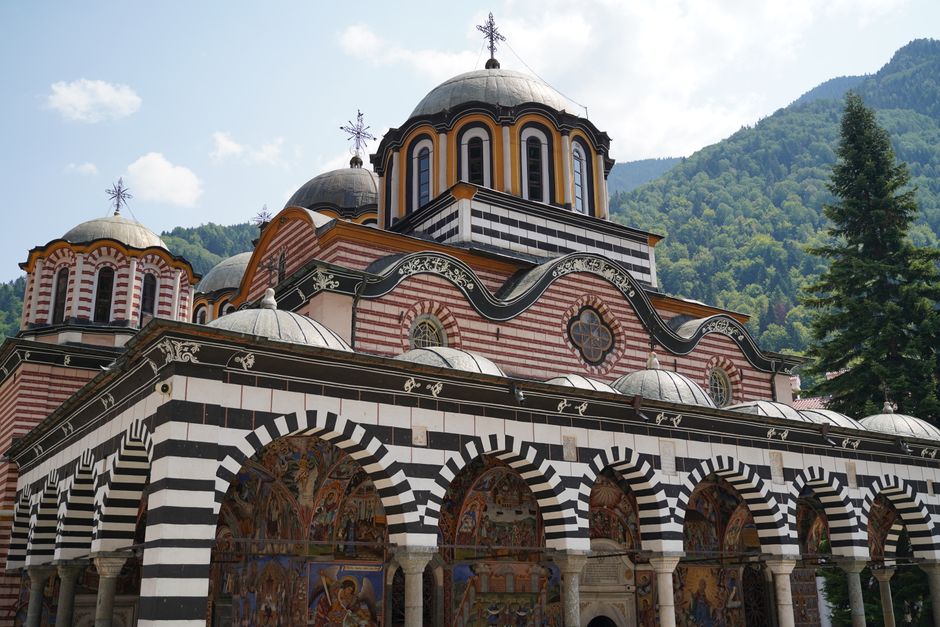
6. The Sanctuary in the Rila Mountains
Rila Monastery, Bulgaria
What spiritual and practical shelter do pilgrims find high in the Rila Mountains?
The Rila Monastery, a UNESCO World Heritage site, is nestled deep in the Rila Mountains of Bulgaria. This active monastery has historically served as a spiritual refuge for pilgrims and travelers. While backpacking trails surround it, the cultural experience often involves staying in the monastery's guesthouse or in nearby mountain huts rather than pitching a traditional tent, connecting with centuries of tradition and community in this sacred place.
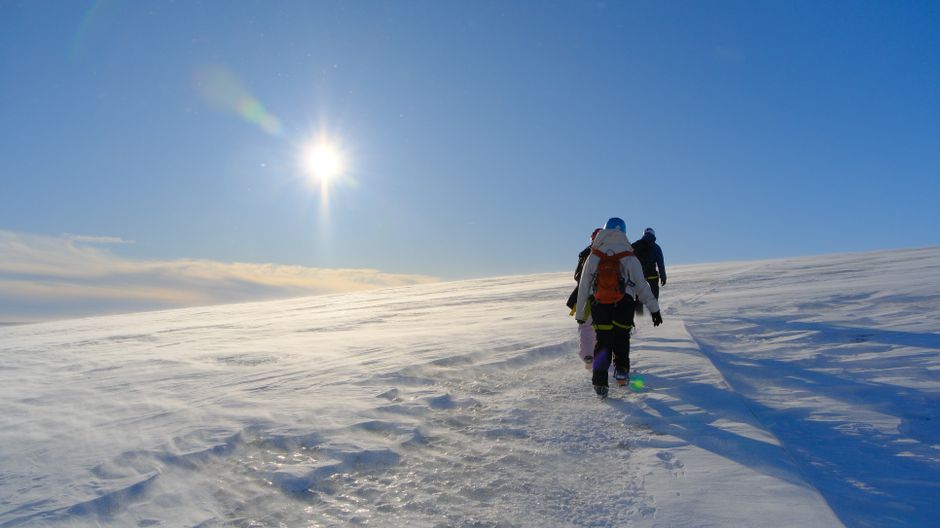
7. Icy Adventures on Svínafellsjökull
Svínafellsjökull Glacier, Iceland
What specialized gear and knowledge are needed to safely explore and find shelter on a vast, shifting glacier?
Svínafellsjökull, a breathtaking outlet glacier of Vatnajökull in Iceland, offers dramatic ice formations and a truly unique backpacking environment. Traditional tents are entirely unsuitable here due to the extreme cold, uneven ice, and inherent dangers like crevasses. Expedition-style camping involves specialized shelters like four-season mountaineering tents, snow caves, or bivouacs, requiring expert guidance and specific equipment for a safe and unforgettable experience on the ice.
Frequently asked questions
What are the main downsides of a traditional tent for backpacking?
Traditional tents can be heavy, bulky, and slow to set up, especially in challenging terrain or rapidly changing weather. They might also be unsuitable for environments where ground pitching is difficult, restricted, or culturally inappropriate, limiting your backpacking options.
What are some common alternatives to traditional tents for backpackers?
Lightweight alternatives include bivvy sacks for minimalist shelter, tarps for versatile coverage, hammocks for arboreal environments, or even simply sleeping under the stars with a good sleeping bag and pad in appropriate climates. Hut-to-hut trekking or guesthouses are also excellent options.
How do I choose the right alternative shelter for my trip?
Consider the climate, terrain, expected weather, and local regulations. A bivvy might be perfect for an alpine scramble, while a hammock excels in a jungle. Research the specific location's conditions and any local guidelines for camping or overnight stays to make an informed choice.
How can AllTours.ai help me discover these unique places?
AllTours.ai is an AI audio tour guide app that lets you point your phone camera at any landscape or landmark. It instantly narrates its history, geology, and culture in your language, making even the most remote and lesser-known spots come alive with vivid stories, enhancing your exploration without needing a physical guide.
Related guides
Photography via Pexels. AllTours.ai is an AI audio tour guide — point your camera at any landscape and hear its story.