August 3, 2026 · 4 min read
For many, the image of backpacking conjures a classic scene: a sturdy tent pitched under the stars. While a traditional tent has its place, the world's most unique and truly off-the-beaten-path destinations often present challenges that make these conventional shelters more of a hindrance than a help. From razor-sharp rock formations to relentless winds, some landscapes demand a different approach to shelter.
Understanding why you might regret buying a traditional tent for backpacking in certain areas can transform your experience, opening doors to lighter gear, faster setups, and a deeper connection with the environment. Let's delve into some truly remarkable, lesser-known places where innovative shelter solutions are not just preferred, but often essential.
1. The Limestone Labyrinth's Challenge
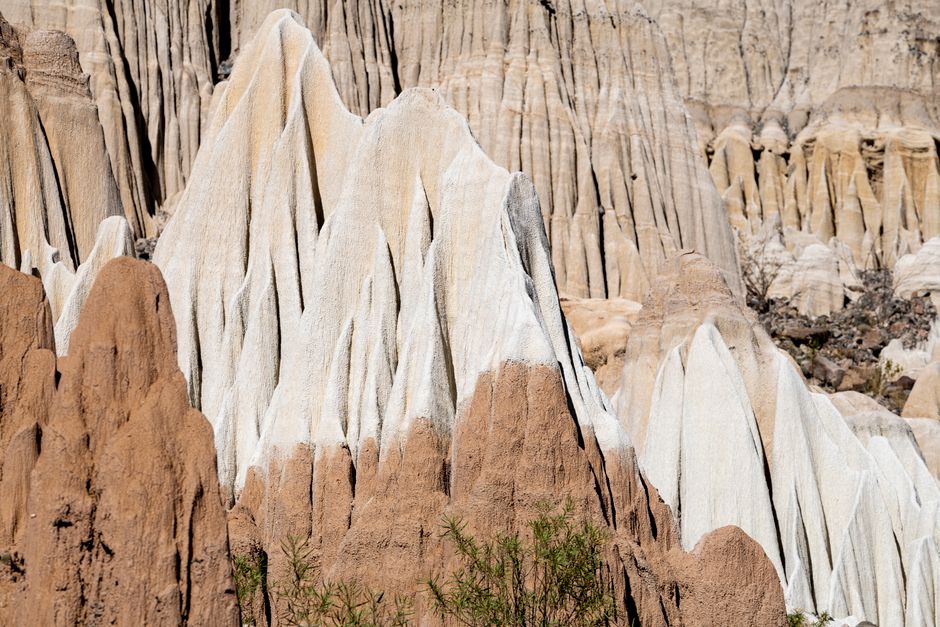
Tsingy de Bemaraha National Park, Madagascar
Madagascar's 'forest of knives' makes pitching a traditional tent utterly impossible, forcing backpackers to adapt to its unique, razor-sharp terrain.
The Tsingy de Bemaraha is a UNESCO World Heritage site known for its dramatic limestone karst pinnacles, some rising over 100 feet. These sharp, eroded formations, formed over millions of years, create an impenetrable labyrinth where flat ground is non-existent. Backpackers here quickly realize a standard tent is useless, instead relying on specialized climbing routes and local guesthouses, offering a stark lesson in site-specific gear choices.
2. Red Planet Dreams, Desert Realities
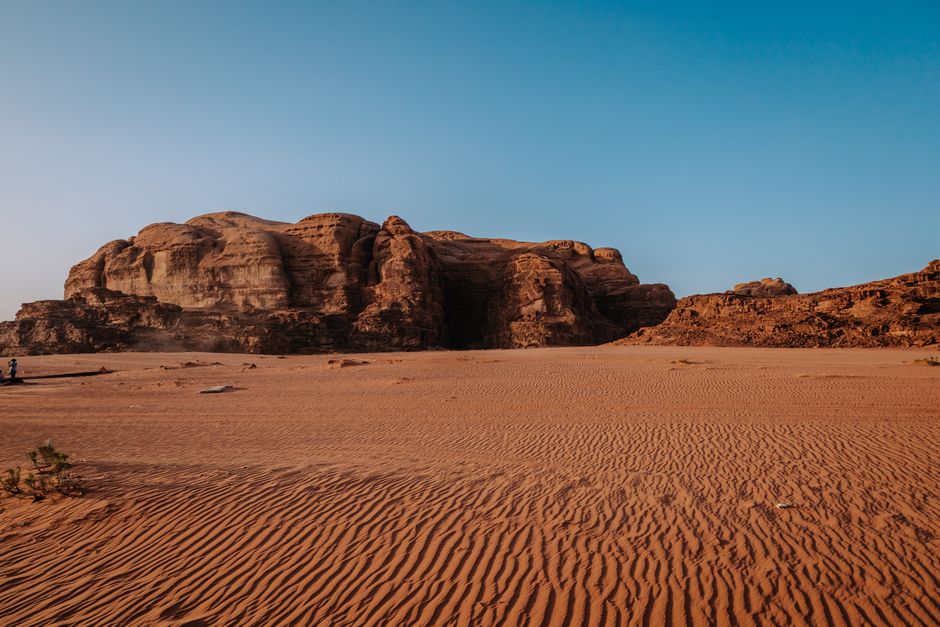
Wadi Rum Protected Area, Jordan
The vast, exposed dunes and sudden winds of Jordan's 'Valley of the Moon' can turn a traditional tent into a flapping, sand-filled burden.
Wadi Rum's stunning sandstone mountains and crimson dunes often feel like another planet, famously inspiring 'Lawrence of Arabia' and 'The Martian.' While beautiful, its open desert environment is prone to strong, unpredictable winds that can make pitching and securing a traditional tent a frustrating battle. Travelers quickly learn the wisdom of lightweight bivvy bags, tarps, or the deep cultural immersion offered by Bedouin camps, which are designed for harmony with the desert.
3. Iceland's Volcanic Whims
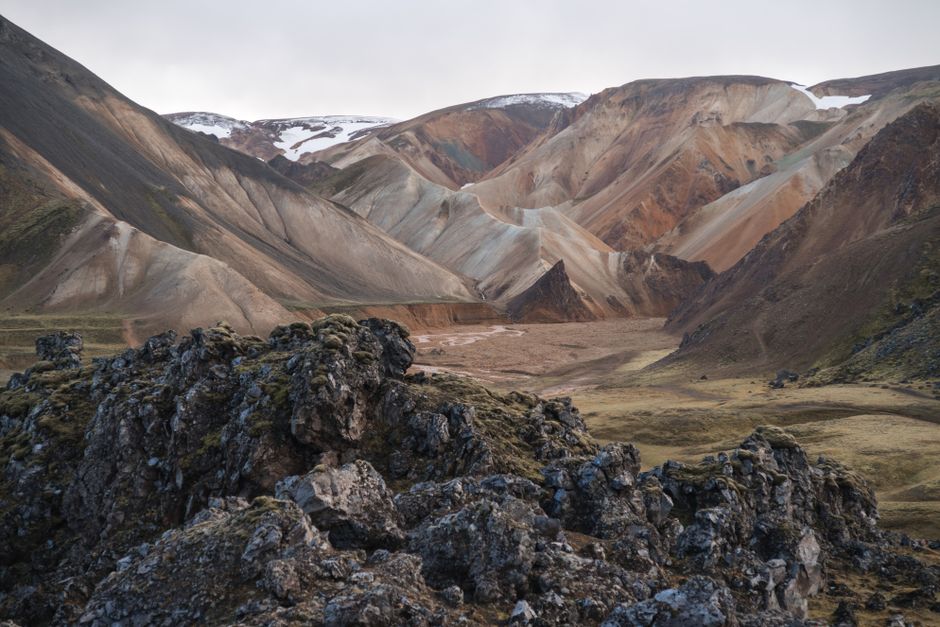
Fjallabak Nature Reserve, Iceland
Beyond Landmannalaugar, Fjallabak's raw, unpredictable weather and volcanic terrain make traditional tents a risky bet against nature's fury.
Fjallabak, less trodden than its famous Landmannalaugar section, is a stark wilderness of multi-colored rhyolite mountains, obsidian fields, and geothermal hot springs. Its beauty is matched by its notorious weather, with gale-force winds and sudden rain or snow common even in summer. A heavy, slow-to-pitch traditional tent becomes a liability, leaving backpackers longing for ultralight shelters, robust bivvy sacs, or the welcoming refuge of strategically placed mountain huts that defy the elements.
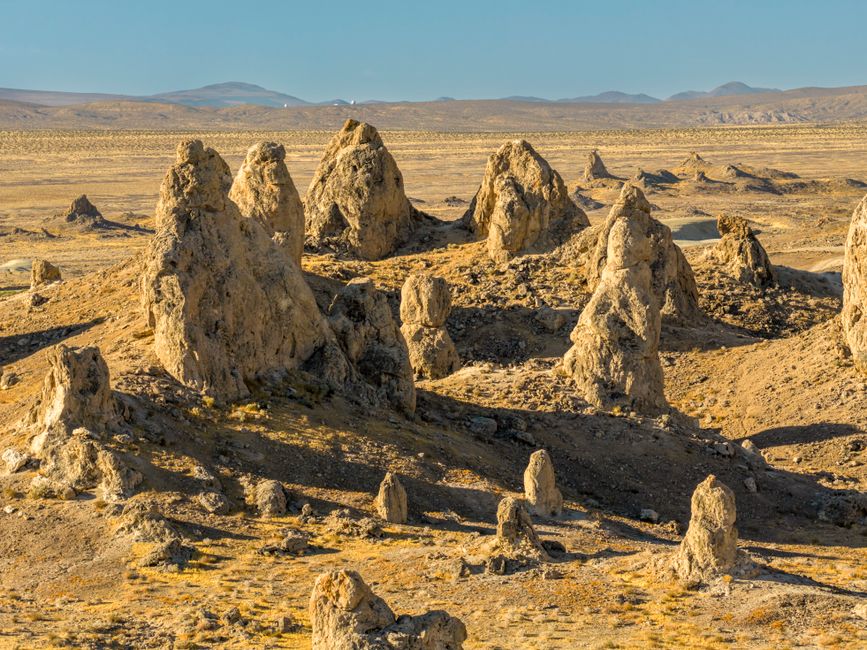
4. Ancient Spires, Modern Camping Woes
Nambung National Park, Western Australia
Camping amidst Australia's thousands of ancient limestone spires reveals how sharp, unstable ground makes traditional tent pitching nearly impossible.
The Pinnacles Desert is an eerie landscape of thousands of limestone formations, remnants of an ancient seabed, rising from yellow sand dunes. While breathtaking, the ground is incredibly uneven, littered with sharp fragments, and lacks suitable flat pitches for a conventional tent. Backpackers attempting to camp directly among the pinnacles often face damaged groundsheets and unstable setups, quickly realizing that a robust bivvy or a nearby designated camping ground is a far more practical choice for this unique geological wonder.
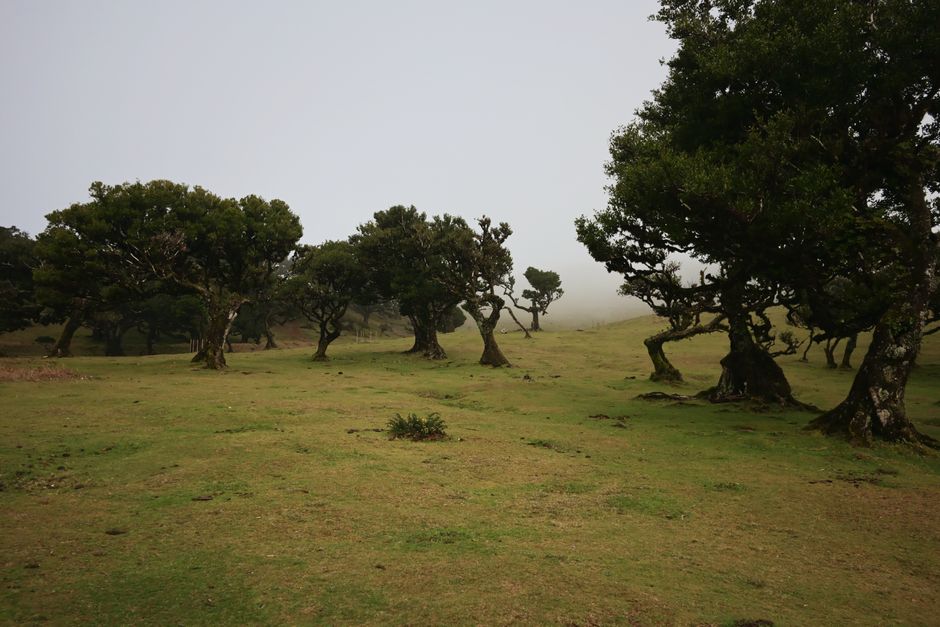
5. Misty Laurel's Embrace
Fanal Forest, Madeira, Portugal
The perpetually misty, ancient Fanal Forest on Madeira, with its gnarled laurel trees and often saturated ground, challenges the very concept of dry, traditional tent camping.
Fanal Forest, a UNESCO World Heritage site, is a remnant of ancient laurisilva forest, often shrouded in a mystical fog. Its gnarled, moss-draped trees create an ethereal atmosphere, but the ground is frequently damp, uneven, and prone to saturation, making it difficult to find a dry, flat spot for a traditional tent. Backpackers here might find a lightweight tarp setup or hammock camping a more versatile option, allowing them to truly immerse themselves without battling the persistent moisture and uneven terrain.
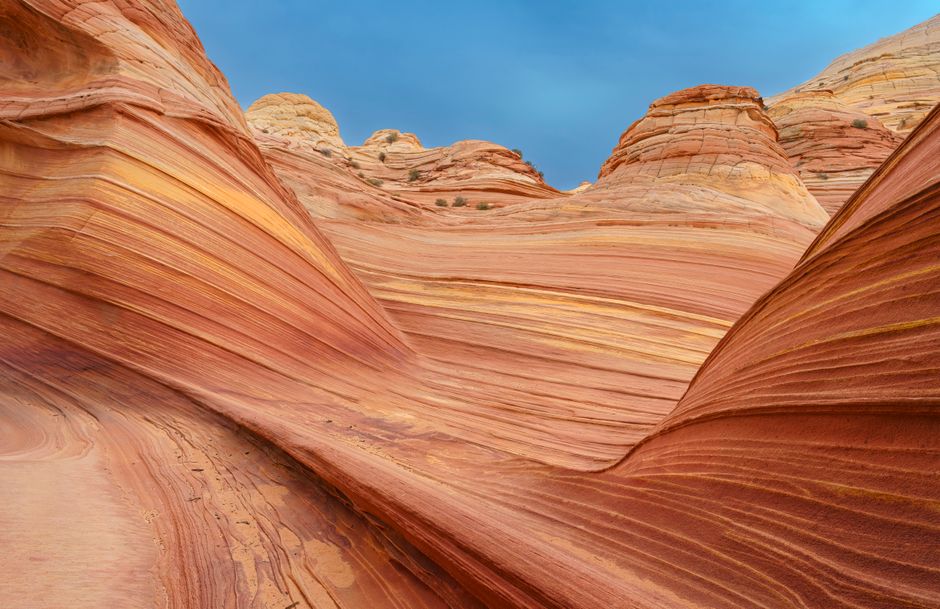
6. Sandstone Swirls & Strict Rules
Coyote Buttes North (Paria Canyon-Vermilion Cliffs Wilderness), Arizona, USA
The fragile, protected sandstone formations of The Wave demand such minimal impact that traditional tent camping is often prohibited directly within its breathtaking beauty.
The Wave, a mesmerizing sandstone formation within the Coyote Buttes North wilderness, is renowned for its swirling, colorful patterns. Access is strictly limited by permit to preserve its delicate beauty. Backpackers hoping to spend a night directly within this geological marvel will find traditional tent camping largely forbidden due to its fragile nature and the need to minimize human impact. This necessitates considering nearby designated backcountry sites, or lightweight bivvy options that leave no trace, underscoring the importance of respecting sensitive ecosystems.
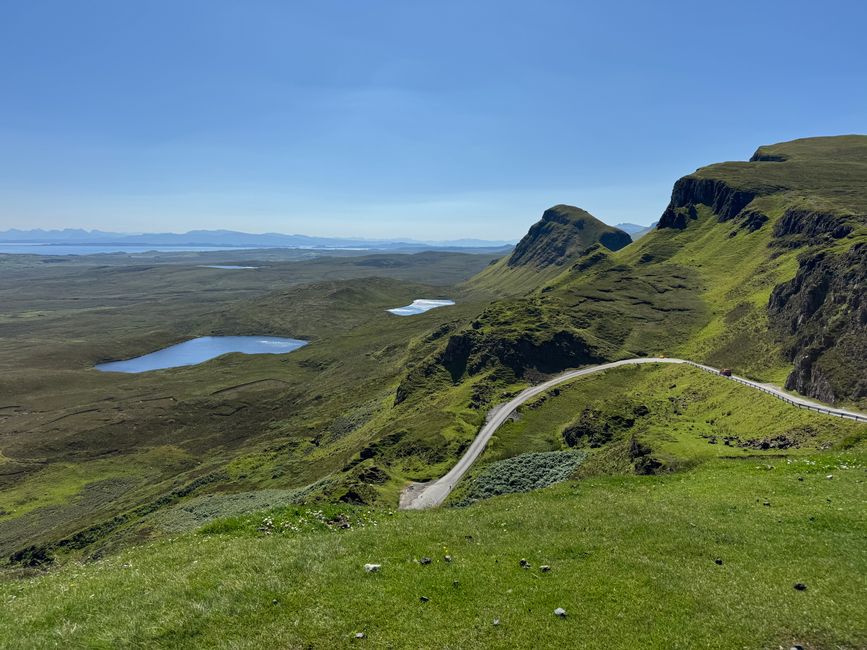
7. Skye's Shifting Slopes
The Quiraing, Isle of Skye, Scotland
The Quiraing's dramatic, often boggy, and intensely windy landslips on Skye make finding a secure, dry pitch for a traditional tent a constant battle against the elements.
The Quiraing, a spectacular landslip on the Trotternish Ridge of the Isle of Skye, features towering rock formations, hidden plateaus, and stunning coastal views. Its beauty is wild, but the terrain is notoriously uneven, often boggy, and highly exposed to the fierce Atlantic winds. Hauling a heavy, traditional tent across this landscape, only to struggle with pitching it securely in the soft, wet ground, quickly highlights the advantages of a lightweight bivy, a durable tarp, or seeking out one of Scotland's many charming bothies (simple shelters).
Frequently asked questions
What are the main downsides of a traditional backpacking tent?
Traditional tents often come with significant weight and bulk, especially for solo travelers. They can be challenging to pitch in diverse terrains like sharp rocks or boggy ground, and their setup time can be a disadvantage in rapidly changing weather or when discretion is key.
What are some good alternatives to traditional tents for backpackers?
Excellent alternatives include ultralight tarps for minimalist shelter, versatile hammocks for forested areas, compact bivvy sacks for maximum portability and stealth, and even specialized mountain shelters or local guesthouses where available, offering different levels of comfort and protection.
How do I choose the right alternative shelter for my trip?
Consider your destination's climate, terrain, and regulations. A hammock is great for humid, forested regions, while a bivvy excels in exposed, rocky areas or where weight is critical. Always research local camping rules and prioritize shelters that offer appropriate protection for expected conditions.
How can AllTours.ai help me explore these unique places?
AllTours.ai is an AI audio tour guide app. Simply point your phone camera at any landscape or landmark, and the app will narrate its history, geology, and culture in your language. It’s like having a local expert decipher the stories of these hidden gems, enhancing your understanding and appreciation of every unique spot.
Related guides
Photography via Pexels. AllTours.ai is an AI audio tour guide — point your camera at any landscape and hear its story.