August 2, 2026 · 5 min read
The lure of a traditional tent for backpacking is strong: a familiar, seemingly secure home away from home. Yet, for many seasoned adventurers and aspiring minimalists, the reality often falls short. Bulky, heavy, and sometimes overkill for the environments you truly want to explore, a standard tent can become more of a burden than a blessing, particularly when venturing into the world's more remote and challenging terrains.
If you've ever wrestled with pitching a tent in high winds, carried excessive weight up a steep pass, or simply wished for a more intimate connection with the wild, you might be ready to rethink your shelter strategy. Here, we explore why a traditional tent might lead to regret and highlight incredible, often overlooked destinations where alternative shelters don't just make sense—they unlock deeper, more authentic experiences.
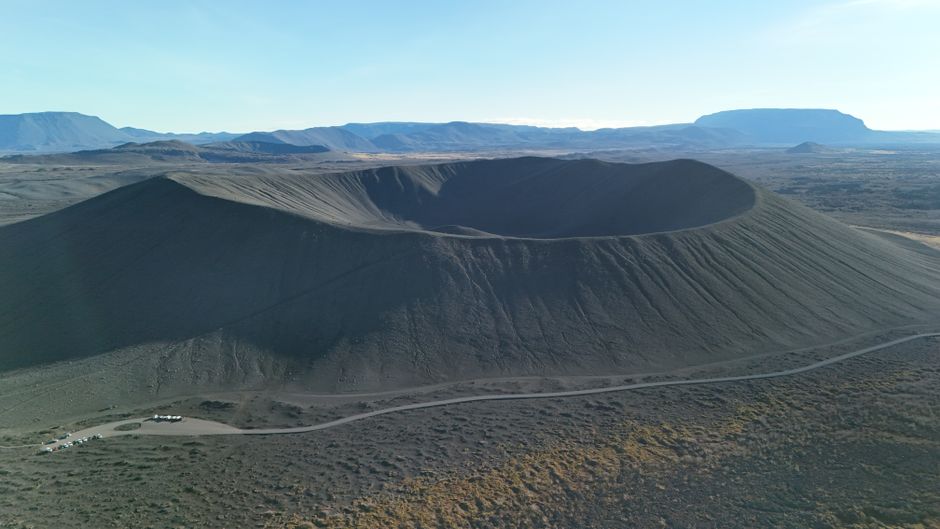
1. The Moonscape of Fire
Laki Craters, Iceland
This seemingly barren landscape was once the site of one of history's most devastating volcanic eruptions, permanently altering global climate.
In the late 18th century, the Laki eruption unleashed colossal lava flows and toxic gases, leading to widespread famine across Europe and even affecting monsoon patterns in Asia. Today, the 25 km long fissure and its string of craters offer an otherworldly, exposed environment where a traditional tent's weight and bulk are a liability against the fierce, unpredictable winds. Ultralight tarps or bivvy bags allow for a more agile exploration of this geologically vital, yet fragile, landscape.
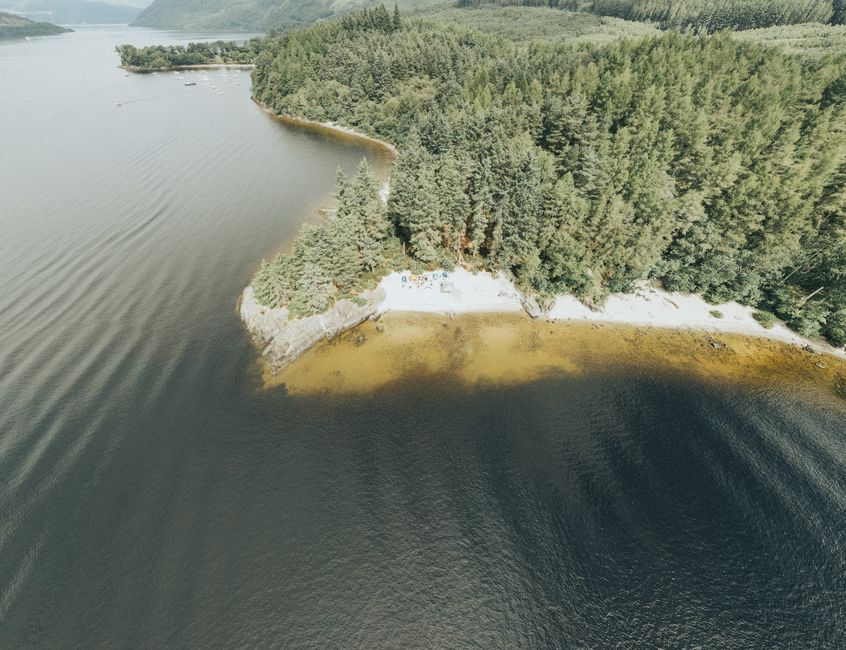
2. Scotland's Last Wilderness
Knoydart Peninsula, Scotland
Known as "The Rough Bounds," this remote corner of Scotland is one of mainland Britain's most inaccessible areas, without a single public road connecting it.
Getting to Knoydart often involves a ferry or a multi-day hike, making every ounce of gear critical. Here, the traditional Scottish bothy—a free, unlocked shelter maintained by volunteers—offers a uniquely communal and lightweight alternative to a tent. These stone huts, often in incredibly scenic but exposed locations, provide basic shelter from the infamous Highland weather, allowing backpackers to immerse themselves in the region's wild beauty and rich history of crofting and clearances without carrying a heavy tent.
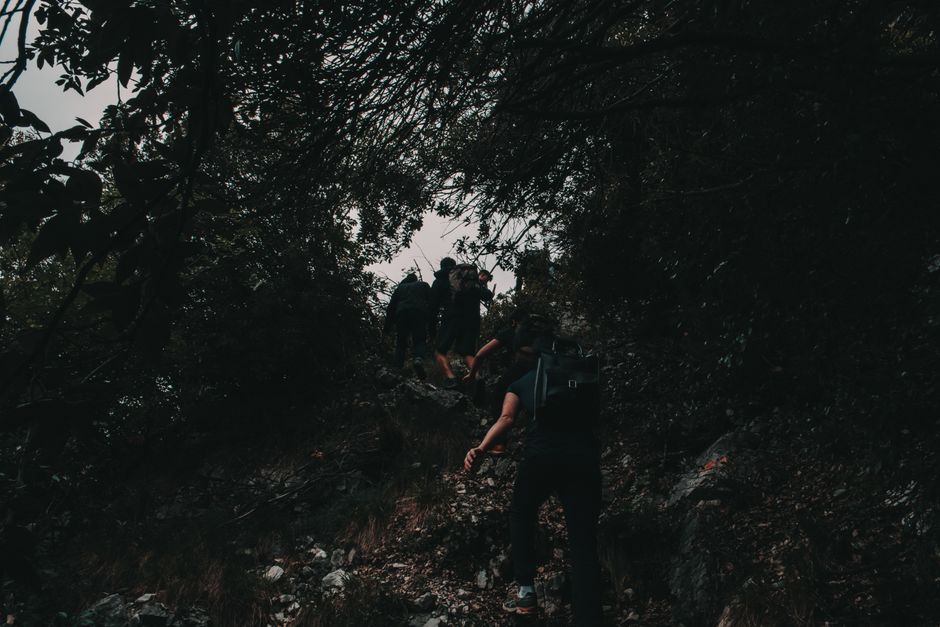
3. The Shepherd's Sea Path
Selvaggio Blu, Sardinia, Italy
This challenging coastal trek follows ancient paths carved by charcoal burners and shepherds, often requiring rappels and traverses high above the turquoise Mediterranean.
The "Selvaggio Blu," or Wild Blue, is renowned as Italy's toughest trek, a 40-mile journey along the Gulf of Orosei's dramatic cliffs. Traditional tents are impractical here due to the rugged terrain, lack of flat ground, and the need for agility. Instead, trekkers often sleep in old goat pens (cuiles), under natural rock overhangs, or simply bivouac under the stars, embracing the minimalist spirit of the shepherds who once traversed these routes. This intimate connection with the landscape and its history is lost when confined to a modern tent.
4. Tasmania's Biblical Peaks
Walls of Jerusalem National Park, Tasmania, Australia
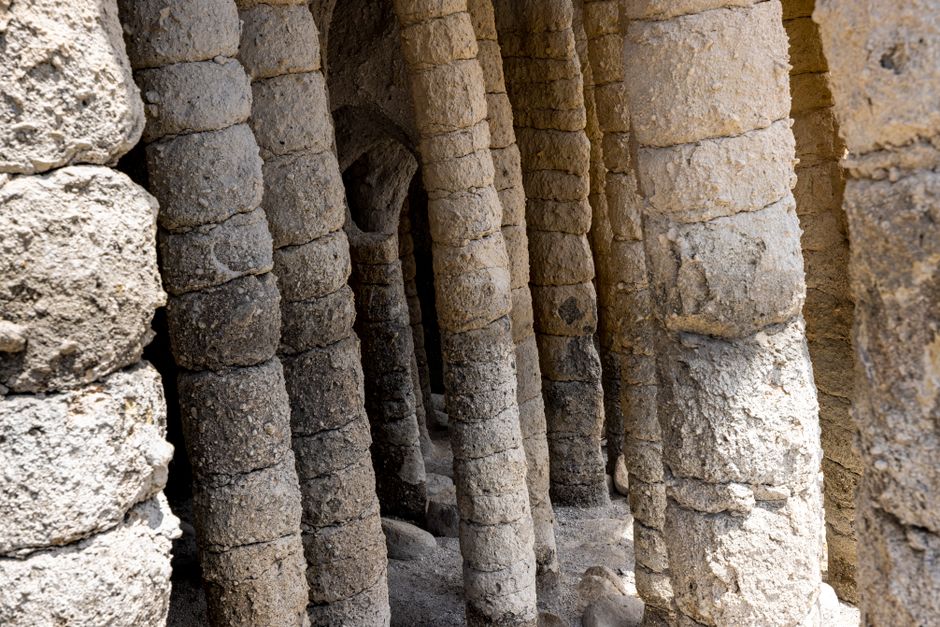
This alpine wilderness features unique dolerite columns and ancient Pencil Pine forests, forming a natural amphitheater named after biblical sites.
Nestled in Tasmania's central highlands, the Walls of Jerusalem is a high-altitude plateau characterized by glacial tarns, unique alpine flora, and dramatic rock formations. The exposed nature of the terrain, combined with rapidly changing weather and limited suitable pitching sites, makes a heavy tent cumbersome. Minimalist shelters like tarps or ultralight tents are preferred, often used in conjunction with the park's designated campsites or the small, rustic huts that offer basic protection from the elements, allowing a deeper appreciation for this pristine, ancient landscape.
5. Caribou Country Traverse
Long Range Traverse, Gros Morne National Park, Newfoundland, Canada
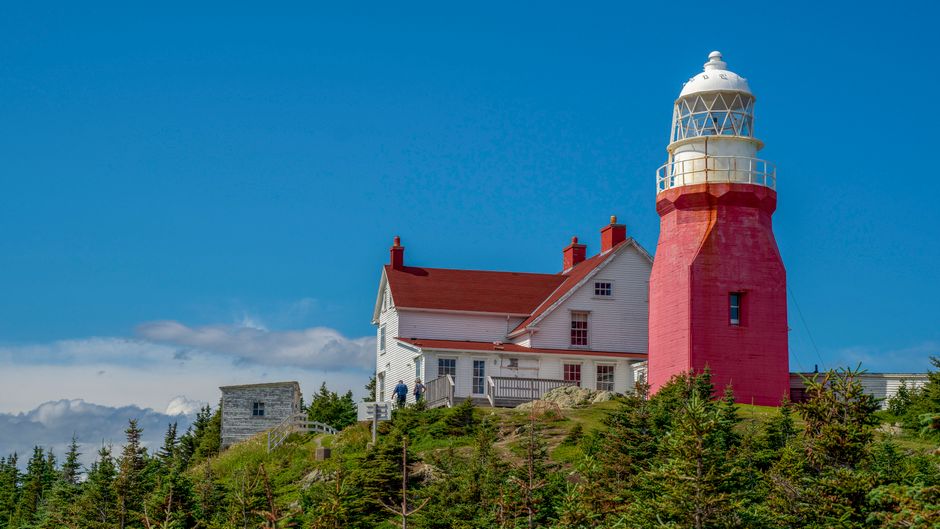
This unmaintained, unmarked wilderness route through ancient glacial valleys requires advanced navigation skills and offers sightings of wild caribou herds.
The Long Range Traverse in Gros Morne is not a trail in the conventional sense, but a demanding 3-4 day off-trail navigation challenge across a spectacular, barren plateau. With no marked paths, river crossings, and dense tuckamore (stunted spruce forest), carrying a bulky tent is a significant hindrance. Backpackers often opt for ultralight tarps or bivvy sacks to reduce weight and increase agility, crucial for navigating this exposed, remote wilderness where the weather can shift dramatically and caribou roam freely across the ancient landscape carved by glaciers.
6. Above the Arctic Circle Trail
Northern Kungsleden (Abisko to Nikkaluokta), Sweden
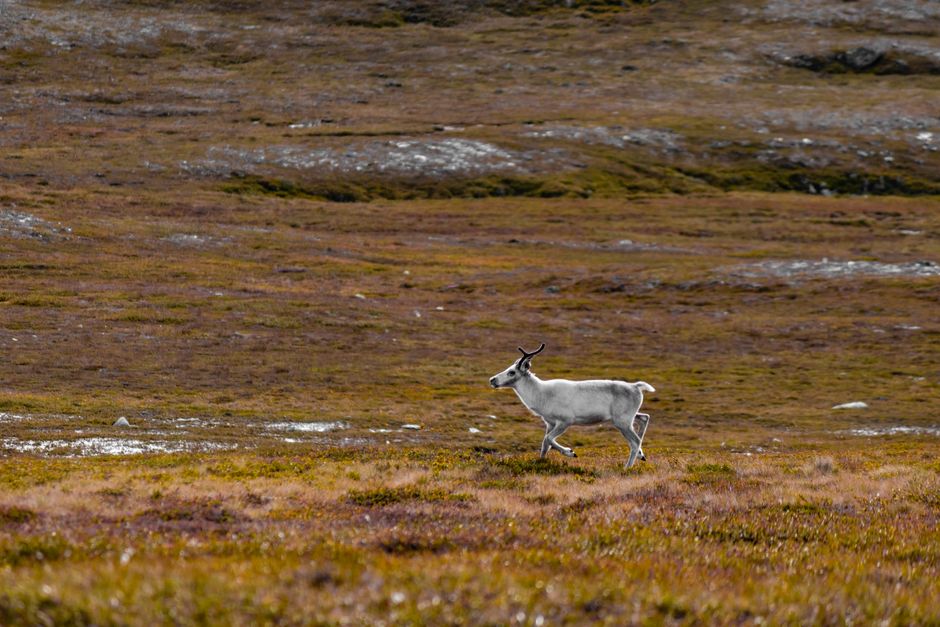
This section of Sweden's famous King's Trail traverses treeless tundra and high alpine passes, home to the indigenous Sámi people and their reindeer.
While popular, the northernmost sections of the Kungsleden, especially between Abisko and Nikkaluokta, present unique challenges for traditional tents. Above the treeline, strong, relentless winds are common, making pitching a freestanding tent difficult and potentially damaging. Many trekkers opt for robust tunnel tents designed for high winds or utilize the extensive network of mountain huts (fjällstugor) managed by the Swedish Tourist Association, which offer shelter, emergency supplies, and a cultural connection to the Sámi land, reducing the need for heavy, wind-resistant individual tents.
7. Morocco's High Atlas Secrets
Imlil Valley to Toubkal Refuge (lesser-known routes), High Atlas Mountains, Morocco
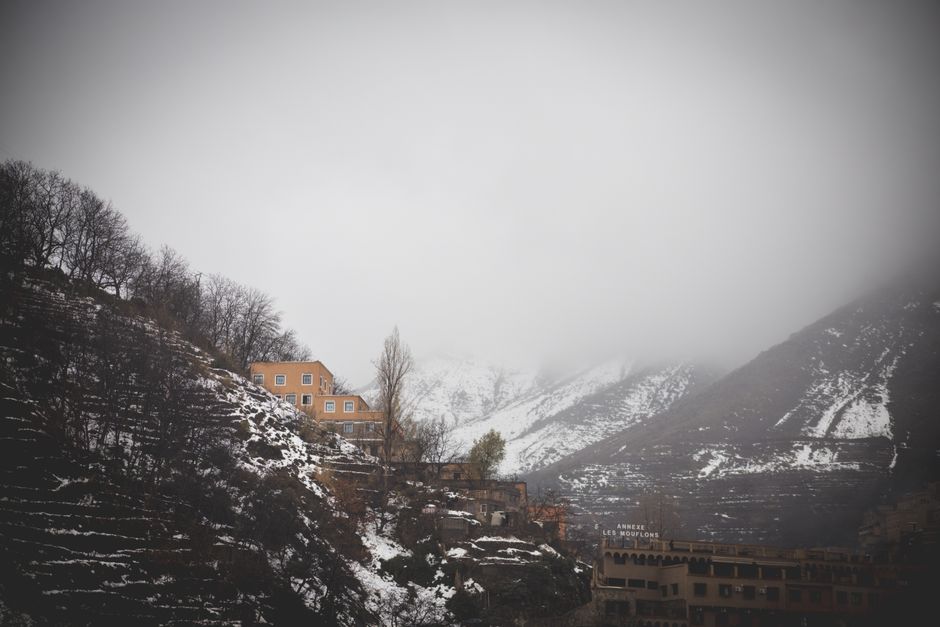
Beyond the popular Toubkal summit, hidden mule tracks connect ancient Berber villages, revealing a traditional way of life largely untouched by modern tourism.
While many trek to Toubkal, exploring the less-frequented valleys and passes around Imlil offers a richer cultural experience. Here, a traditional tent is often unnecessary and culturally less appropriate. Instead, trekkers can find shelter in rustic gîtes (local guesthouses) or simple village houses, supporting local communities and experiencing Berber hospitality. When venturing into higher, more remote passes where gîtes are scarce, a lightweight bivvy or tarp is sufficient, allowing for quick setups and an unencumbered journey through landscapes dotted with centuries-old terraced fields and kasbahs.
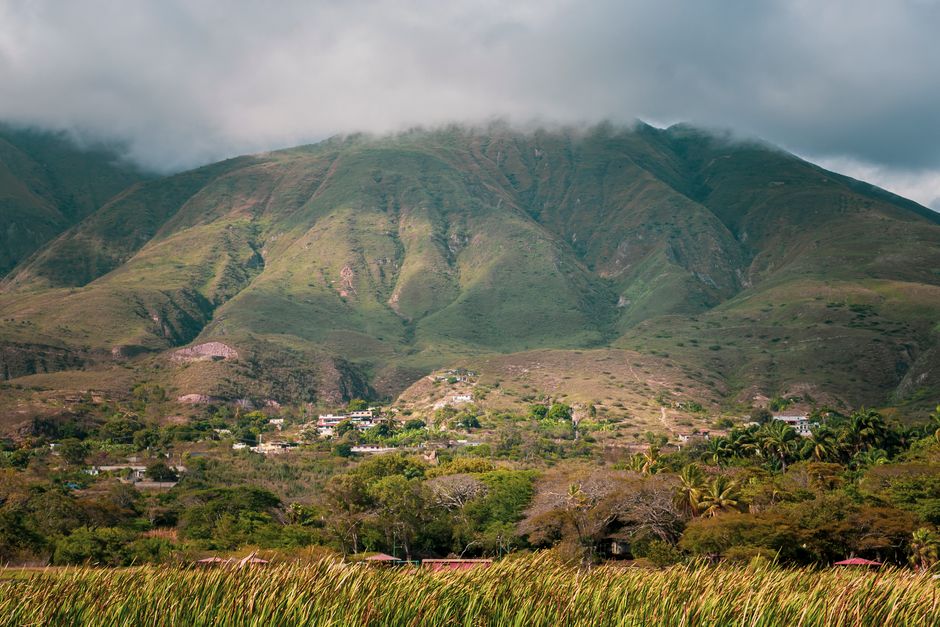
8. The Lost City's Jungle Paths
Sierra Nevada de Santa Marta (Indigenous routes), Colombia
This isolated mountain range is the highest coastal range in the world and home to four indigenous groups who maintain ancient traditions.
The well-known Lost City trek (Ciudad Perdida) is just one path into this sacred territory. Exploring alternative routes or engaging with local indigenous communities (Kogi, Wiwa, Arhuaco, Kankuamo) often means navigating dense cloud forests and river crossings. A traditional tent can be cumbersome in the humid, insect-rich jungle, and its setup might be less practical than utilizing local shelters like simple open-sided huts or sleeping in hammocks, which are common and more adapted to the environment. This approach offers a more authentic, lighter footprint experience, respectful of the indigenous caretakers of this unique biodiversity hotspot.
Frequently asked questions
What are common alternatives to traditional tents for backpacking?
Popular alternatives include ultralight tarps, bivvy sacks, hammocks (especially in forested areas), and trekking pole tents which use your trekking poles for support. In some regions, designated mountain huts, bothies, or gîtes offer communal shelter, reducing the need to carry your own.
What factors should I consider when choosing a tent alternative?
Consider the specific environment (weather, terrain, insects), the weight and packability you desire, your comfort level with minimalist shelter, and local regulations. Durability, ease of setup, and protection from elements are also crucial, as is understanding if a specific alternative aligns with the cultural practices of the region.
Are tent alternatives suitable for all weather conditions and terrains?
Not all alternatives are suitable for all conditions. Bivvy sacks and tarps offer less protection from severe storms or persistent rain than a full tent, and hammocks require trees. However, specialized designs exist for extreme cold, high winds, or bug-heavy environments. Always research the specific conditions of your destination to choose the most appropriate shelter.
How does the AllTours.ai app enhance exploring these less-traveled places?
AllTours.ai lets you point your phone camera at any landmark or landscape, and it instantly narrates its unique history, geology, and culture in your language. This means you can discover the surprising stories behind a remote mountain peak, an ancient shepherd's path, or a volcanic crater, deepening your connection to these incredible, often overlooked destinations without needing a physical guide or extensive prior research.
Related guides
Photography via Pexels. AllTours.ai is an AI audio tour guide — point your camera at any landscape and hear its story.