July 9, 2026 · 4 min read
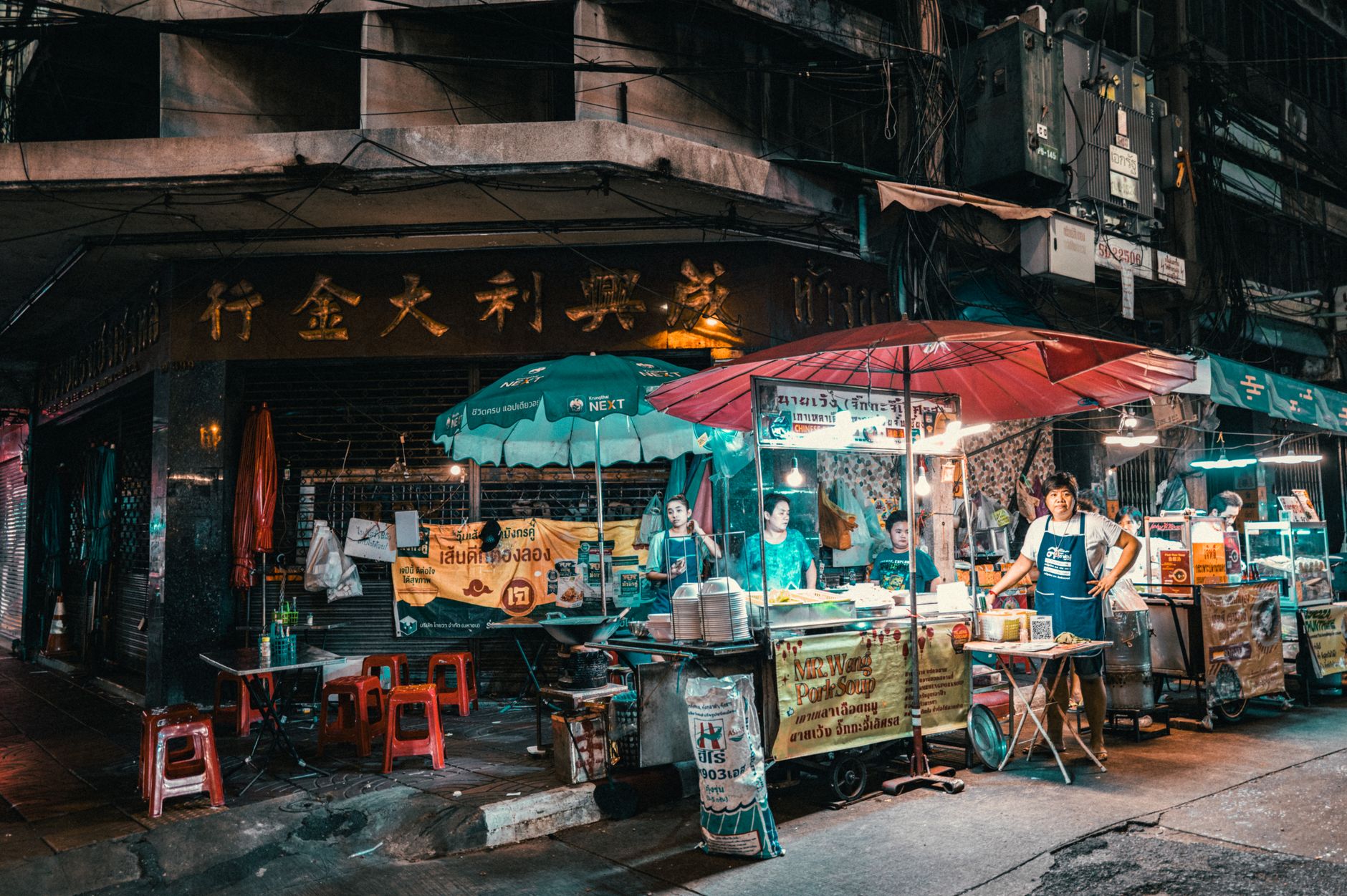
Travel is often about what we see, but just as profoundly, it's about what we taste. The question, "What food would you never give up, no matter what?" isn't just about personal preference; it's a doorway to understanding a culture's resilience, history, and unique relationship with its environment.
Beyond the well-trodden paths of famous dishes, there's a world of culinary wonders that tell truly astonishing stories. These aren't just meals; they are living testaments to human ingenuity, survival, and the endless pursuit of flavor, often in the most unexpected forms and places.
1. The Deadly Delicacy of Shimonoseki
Shimonoseki, Japan
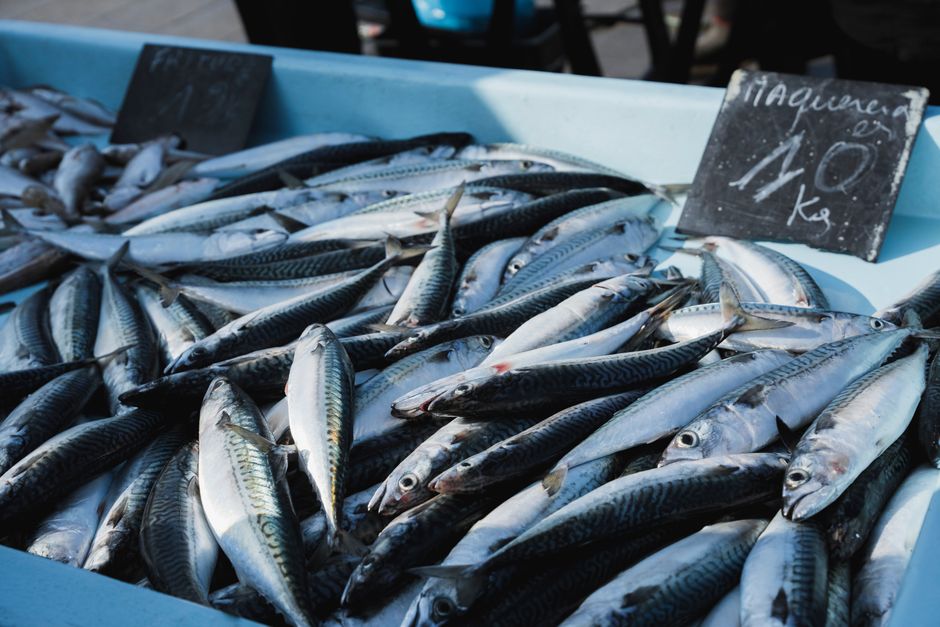
The city of Shimonoseki is so synonymous with a deadly delicacy that its main train station features pufferfish motifs everywhere.
Shimonoseki, at the western tip of Honshu, has been the fugu (pufferfish) capital of Japan for centuries. Strict licensing ensures only highly trained chefs prepare this potentially lethal fish, meticulously removing toxins from organs like the liver and ovaries. Despite its inherent danger, fugu’s delicate texture and subtle flavor are prized, with the city’s wholesale market hosting daily auctions and specialized restaurants serving it raw, fried, or in hot pots.

2. Adjara's Boat-Shaped Bread
Adjara, Georgia
This cheese-filled bread from Georgia’s Black Sea coast is shaped like an open boat, with an egg yolk 'sun' and butter 'waves' inside, reflecting its seafaring heritage.
The Adjarian khachapuri, or Acharuli, originates from the autonomous republic of Adjara, a region with a strong maritime tradition. The distinctive boat shape and central egg yolk symbolize the Black Sea and the sun, historically providing sustenance for sailors. Eaters typically mix the rich butter and egg into the molten cheese before tearing off crust pieces to dip, creating a hearty and indulgent meal that's deeply tied to the region's coastal identity.
3. Orkney's Ancient Haggis
Orkney Islands, Scotland
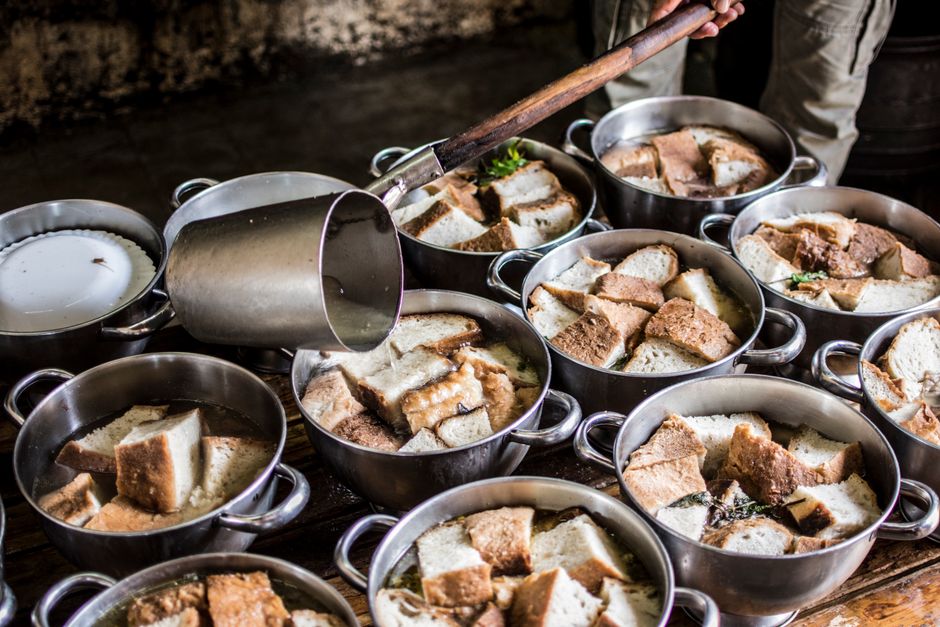
On the remote Orkney Islands, haggis is still prepared using ancient techniques, echoing a culinary heritage that predates modern Scottish identity.
While haggis is a national dish of Scotland, the Orkney Islands, with their distinct Norse heritage, have preserved some of its earliest forms. Traditionally, Orkney haggis might incorporate local grains and herbs, sometimes even lamb from their unique breed of sheep, the North Ronaldsay. The island's isolated nature meant culinary traditions evolved with less outside influence, offering a taste of a truly ancient, frugal dish that tells a story of survival and resourcefulness.

4. Sardinia's Forbidden Cheese
Sardinia, Italy
This Sardinian cheese is intentionally infested with live insect larvae, which aid in its fermentation and contribute to its unique, pungent flavor.
Casu Marzu, meaning 'rotten cheese' in Sardinian, is a traditional sheep milk cheese notable for containing live maggots. These larvae, from the cheese fly *Piophila casei*, break down the cheese's fats, creating a deeply soft, almost liquid texture and a potent aroma. Though controversial and technically illegal for sale in the EU due to health regulations, it remains a cherished, illicit delicacy on the island, often enjoyed with local Cannonau wine, reflecting a defiant culinary heritage.
5. Balut Capital of the Philippines
Pateros, Philippines
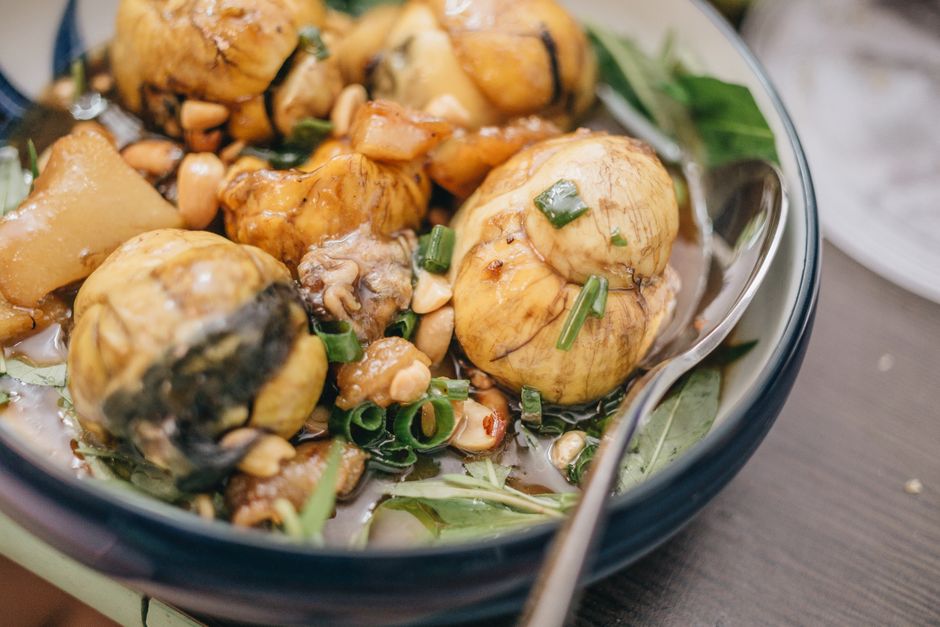
The small municipality of Pateros is the undisputed 'Balut Capital of the Philippines,' where the fertilized duck egg delicacy is perfected.
Balut, a fertilized duck embryo that is boiled and eaten from the shell, is a common street food across Southeast Asia, but Pateros, Metro Manila, is its historical heartland. The town’s duck-raising industry has perfected the incubation and preparation, ensuring the embryo is at the ideal stage—around 17 days—for its distinct texture and rich broth. Locals enjoy it seasoned with salt and vinegar, often late at night, a staple rooted in local livelihood.
6. Iceland's Fermented Shark Legacy
Stykkishólmur, Iceland
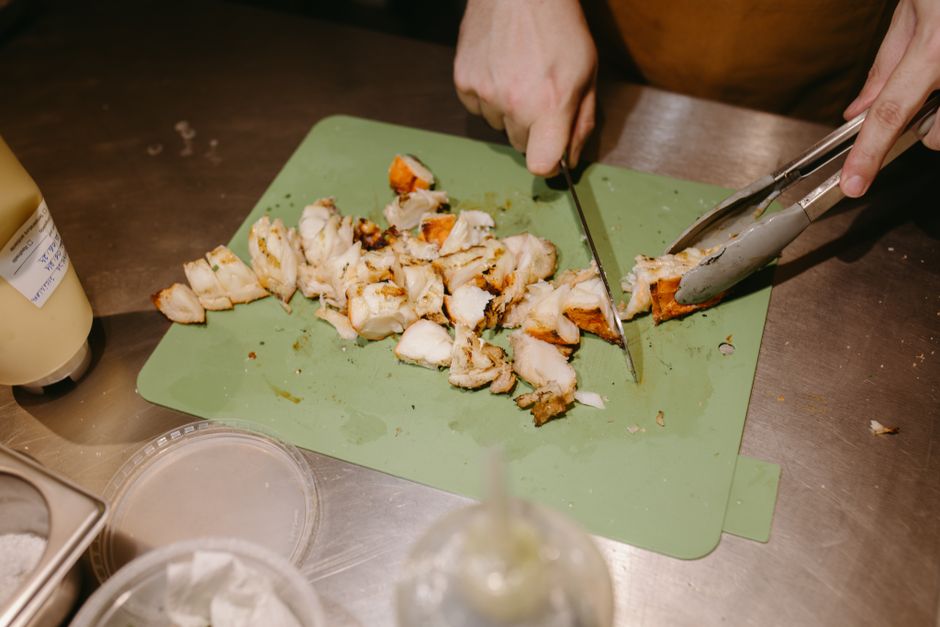
This notorious fermented shark dish, Hákarl, is a culinary rite of passage in Iceland, often prepared in remote coastal villages using centuries-old methods.
Hákarl, or fermented shark, is a traditional Icelandic dish with a history rooted in the necessity of preserving food in harsh climates. The Greenland shark, otherwise poisonous when fresh, is buried in a shallow pit with stones pressing out fluids for weeks, then hung to dry for months. In places like Stykkishólmur on the Snæfellsnes Peninsula, the pungent, ammonia-rich delicacy is still made, offering a taste of Viking-era survival cuisine that few forget.
7. Mexico's Ancient Ant Caviar
Hidalgo, Mexico
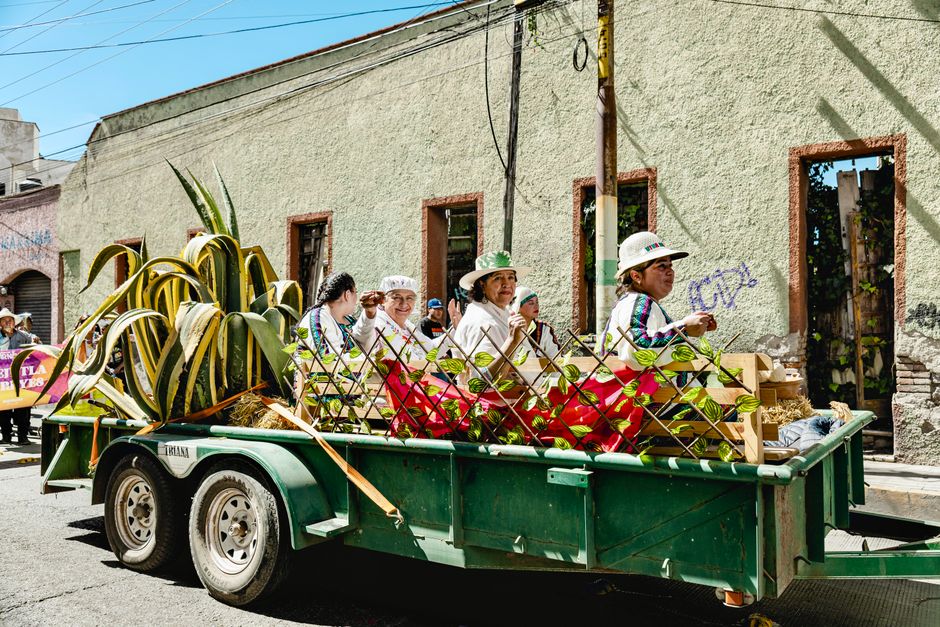
Known as 'Mexican caviar,' escamoles are the larvae and pupae of the *Liometopum apiculatum* ant, harvested from agave plants in central Mexico.
For centuries, indigenous communities in states like Hidalgo have prized escamoles as a delicacy. These ant larvae, found in the roots of agave and nopal plants, have a delicate, buttery texture and a nutty flavor, often likened to corn or even cheese. They are typically sautéed with butter and epazote, served in tacos, or as a high-end appetizer, reflecting a deep connection to ancient Mesoamerican culinary traditions and sustainable foraging.
8. Seoul's Live Octopus Challenge
Noryangjin Fish Market, Seoul, South Korea
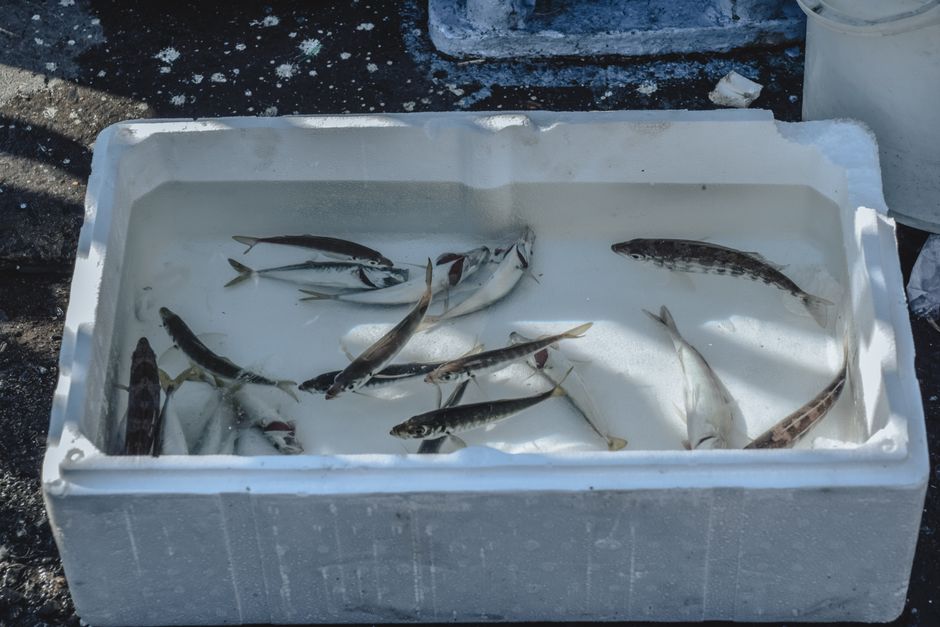
At Seoul's Noryangjin Fish Market, you can eat a dish of live, wriggling octopus tentacles that still cling to the inside of your mouth as you chew.
Sannakji, or 'live octopus,' is a notorious dish in South Korea. Small octopus are chopped up immediately before serving, with their nerve endings still active, causing the pieces to move and suction. Served simply with sesame oil and seeds, the challenge lies in its unique texture and the mild risk of the suction cups clinging to your throat, making it a thrilling, if controversial, culinary experience for adventurous eaters at one of Asia's largest fish markets.
Frequently asked questions
What are some safe tips for trying unusual foods while traveling?
Always start small, research local hygiene standards, choose busy vendors with high turnover, and be aware of any personal allergies. Trust your gut feeling, and if something seems off, it's best to avoid it.
How do local food traditions often reflect a region's history or geography?
Local food traditions are deeply intertwined with a region's history and geography. Ingredients are often dictated by climate and available resources, while preservation methods reflect historical needs. Trade routes and cultural exchanges also introduce new flavors and techniques, shaping a unique culinary identity over centuries.
Are there any universal 'rules' for appreciating diverse global cuisines?
The best 'rule' is to approach every new dish with an open mind and a sense of curiosity. Respect local customs, ask questions about the ingredients and preparation, and be willing to step out of your comfort zone. True appreciation comes from understanding the story and culture behind the plate.
How does the AllTours.ai app help travelers discover these food stories?
AllTours.ai helps you go beyond the menu. By simply pointing your phone camera at a local market, a historical landmark, or even a unique landscape, the app narrates its rich history, geology, and culture, often including the fascinating origins and significance of local foods and culinary traditions in your preferred language.
Related guides
Photography via Pexels. AllTours.ai is an AI audio tour guide — point your camera at any landscape and hear its story.