July 25, 2026 · 4 min read
As summer draws to a close, many travelers wonder: does peak summer heat extend into September or even October? The answer is a resounding yes in many fascinating corners of Europe. While the crowds thin and the air begins to crisp in some regions, others maintain a delightful warmth, offering an ideal window for exploration.
Forget the usual bustling hotspots. This guide uncovers underrated, lesser-known spots where comfortable temperatures linger well into autumn, providing the perfect backdrop for discovering unique history, dramatic geology, and captivating local culture, free from the summer rush.
1. Iceland's Volcanic Island Rescue
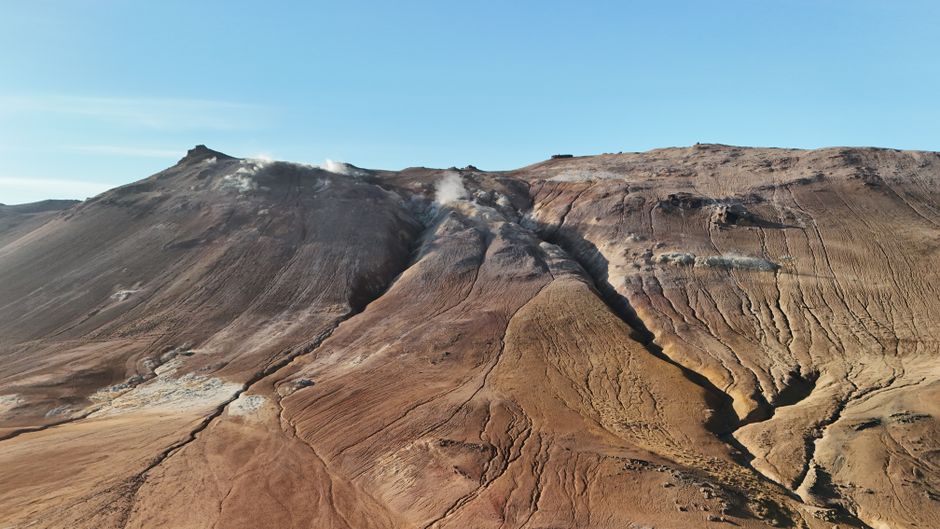
Heimaey, Vestmannaeyjar, Iceland
In 1973, residents of Heimaey used seawater to cool advancing lava flows, saving their town from being completely buried.
The Eldfell eruption on Heimaey was a dramatic event, lasting five months and threatening to close off the island's vital harbor. With incredible ingenuity, the townspeople pumped millions of tons of seawater onto the molten rock, solidifying it and diverting the flow. Today, you can explore the preserved houses half-buried by ash and lava, a stark reminder of nature's power and human resilience.
2. A Neolithic Village Older Than Pyramids
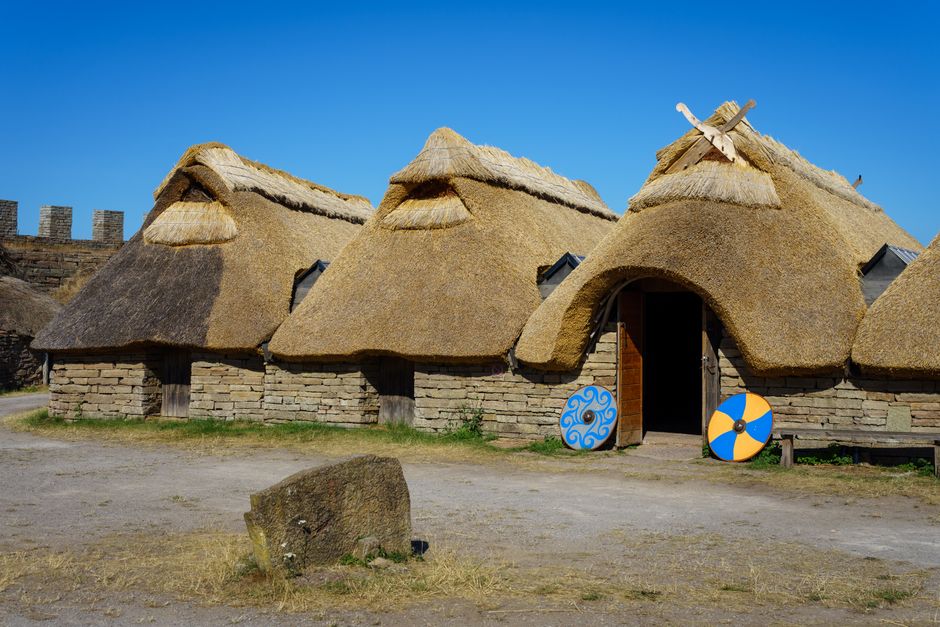
Orkney Islands, Scotland
Skara Brae is a remarkably preserved Stone Age village, offering a unique glimpse into life over 5,000 years ago, pre-dating Stonehenge and the Egyptian pyramids.
Discovered after a severe storm in 1850, this UNESCO World Heritage site lay hidden under sand dunes for millennia. The individual houses, complete with stone beds, dressers, and storage boxes, provide an extraordinary insight into the domestic lives of its ancient inhabitants. Its location on the wild Orkney coast makes for a dramatic backdrop, especially when late summer sun catches the ancient stones.
3. The Subterranean City of Refuge
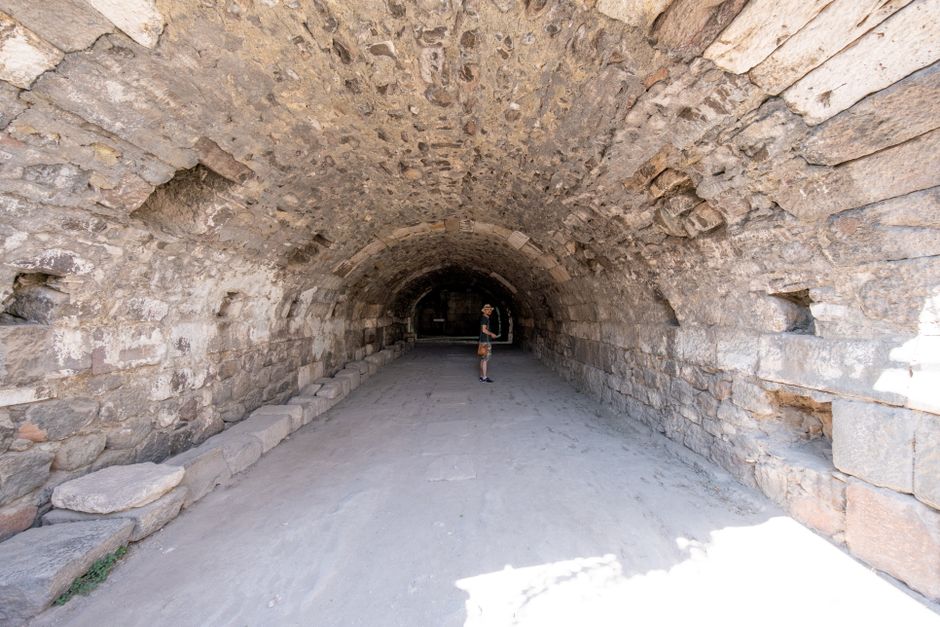
Derinkuyu, Cappadocia, Turkey
This vast multi-level underground city once sheltered up to 20,000 people and their livestock from invaders, complete with ventilation shafts, stables, and churches.
Carved entirely by hand into the soft volcanic rock, Derinkuyu plunges eight accessible levels deep, though it's believed to extend further. Its intricate network of tunnels and rooms was designed for self-sufficiency during sieges, featuring rolling stone doors to seal off passages and a complex system for air circulation. Exploring its cool, dim passages offers a profound sense of ancient ingenuity and survival.
4. World's Largest Ice Labyrinth
Werfen, Austria
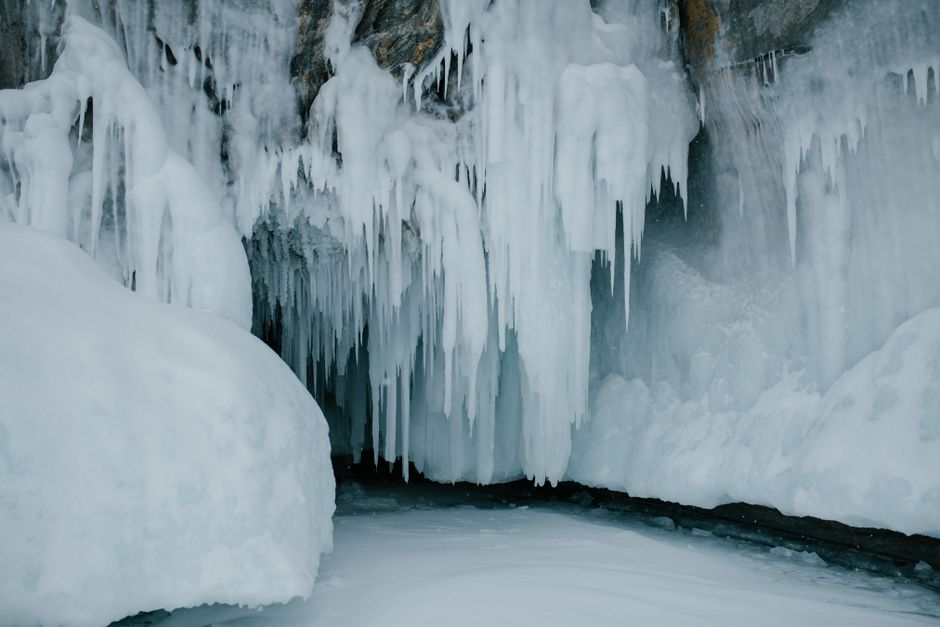
Eisriesenwelt, meaning "World of the Ice Giants," is the largest ice cave in the world, maintaining colossal frozen formations even as autumn warms the valleys outside.
This natural limestone ice cave stretches over 42 kilometers, though only the first kilometer, covered in stunning ice sculptures, is open to the public. Formed by the freezing of meltwater that seeps into the cave fissures, the ice masses continue to grow and shift throughout the year. The journey to the cave entrance itself, involving a scenic cable car ride, offers breathtaking views of the surrounding Austrian Alps.
5. Europe's Last Polychrome Cave Paintings
Les Eyzies-de-Tayac-Sireuil, France
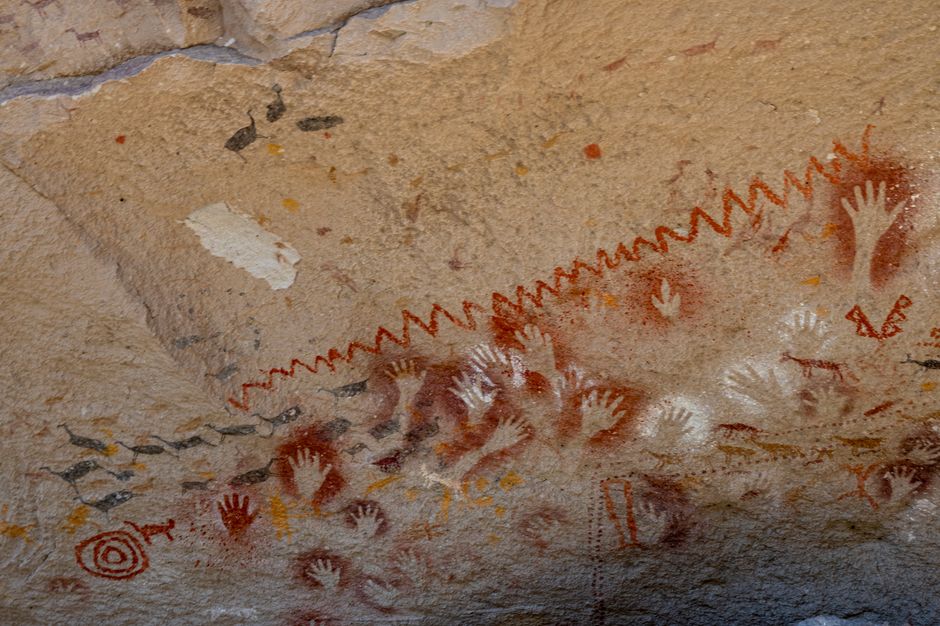
Font-de-Gaume is one of the last remaining prehistoric caves in France where visitors can still see original polychrome paintings of bison, mammoths, and reindeer created by Cro-Magnon artists.
Unlike many other famous painted caves, Font-de-Gaume offers a rare, intimate experience with Paleolithic art, allowing a limited number of daily visitors to witness the vibrant pigments and intricate details firsthand. These masterpieces, dating back around 17,000 years, reveal the sophisticated artistic abilities and deep connection to the natural world of our ancient ancestors. The cave's cool, constant temperature helps preserve these fragile works.
6. Recreating the Holy Land in the Alps
Varallo Sesia, Piedmont, Italy
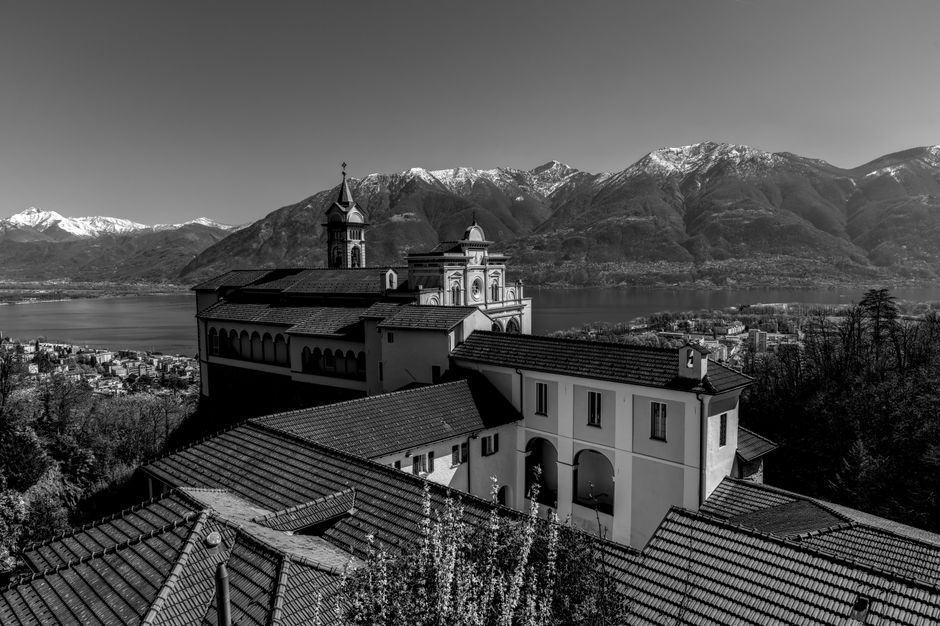
This UNESCO World Heritage site is a complex of 45 chapels filled with hundreds of life-sized painted sculptures, designed in the 15th century to allow pilgrims to experience the Holy Land without traveling there.
Perched on a forested hillside, Sacro Monte di Varallo presents a remarkable artistic and spiritual journey. Each chapel depicts a scene from the life of Christ, Mary, or the saints, rendered with astonishing realism through terracotta and wooden figures. The detailed frescoes and dramatic tableaux create a profound sense of immersion, offering a unique blend of art, devotion, and scenic beauty in the Italian Alps.
7. The Church with a "Divorce Prison"
Biertan, Transylvania, Romania
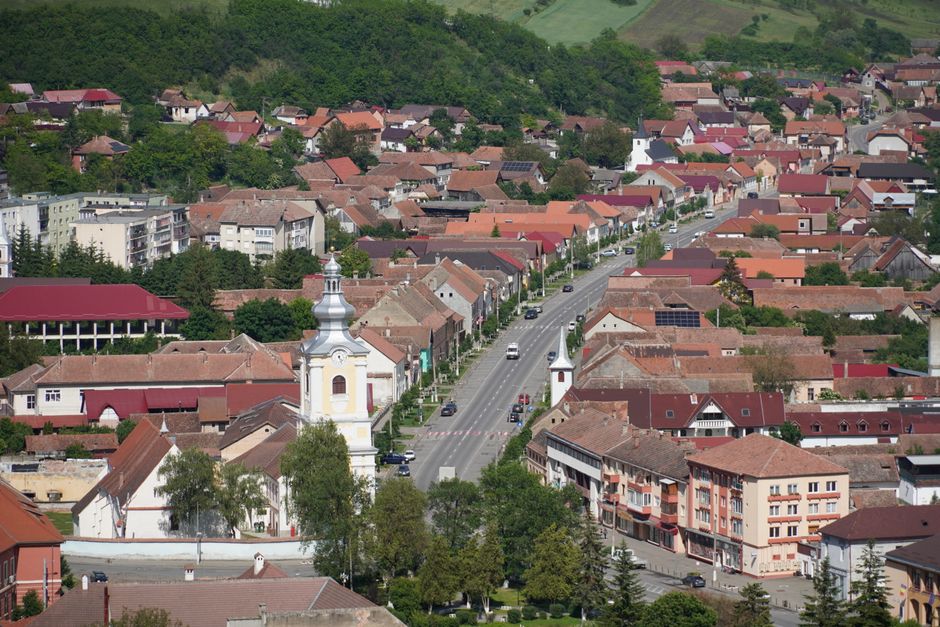
This formidable fortified church, a UNESCO World Heritage site, once featured a unique "divorce prison" where estranged couples were confined together to reconsider their separation.
Built by Transylvanian Saxons in the 15th century, Biertan's church is a masterpiece of defensive architecture, surrounded by three concentric walls. Its most curious feature was a small tower room where couples seeking divorce were locked for two weeks, sharing a single bed, plate, and spoon. This unusual practice was surprisingly effective, with only one divorce recorded in over 300 years.
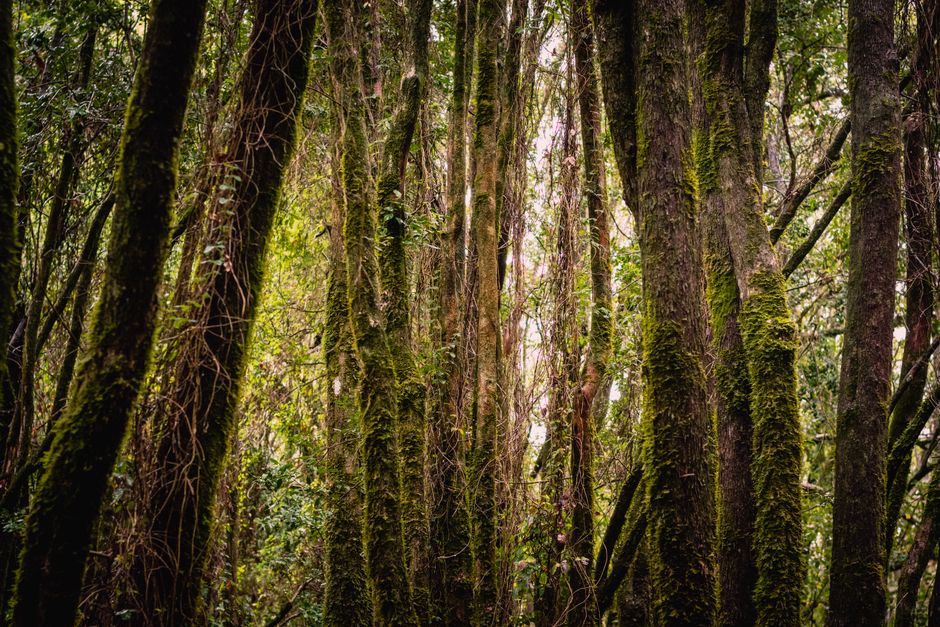
8. Europe's Sustainable Island Edge
El Hierro, Canary Islands, Spain
The smallest of the Canary Islands, El Hierro is a UNESCO Biosphere Reserve aiming for 100% energy self-sufficiency and is home to ancient, wind-sculpted juniper trees.
With its dramatic volcanic landscapes, crystal-clear waters, and unique Garajonay forest remnants, El Hierro offers a tranquil escape. The island's commitment to sustainability is evident in its Gorona del Viento wind-hydro power plant. Its iconic Sabina trees, twisted into fantastical shapes by persistent trade winds, stand as living sculptures, reflecting the island's raw, untamed beauty.
Frequently asked questions
When is the best time to visit Europe for warm weather without crowds?
Late September and early October often provide an ideal balance. Many popular tourist destinations experience significantly fewer visitors, yet temperatures remain pleasant, particularly in southern Europe, the Balkans, and island nations. It's a sweet spot for comfortable exploration.
Are there any unique cultural festivals in Europe during early autumn?
Absolutely. Autumn often brings harvest festivals, wine celebrations, and local traditions unique to specific regions. For instance, many parts of Italy and France celebrate grape harvests, while Germany has Oktoberfest (which often starts in September). These events offer a glimpse into authentic local life beyond peak summer tourism.
What kind of clothing should I pack for a September/October trip to Southern Europe?
Layers are key. While daytime temperatures can still be warm and sunny, especially further south, evenings can cool down significantly. Pack light trousers, shorts, t-shirts, and add a light sweater or jacket for cooler mornings and evenings. Comfortable walking shoes are essential for exploring.
How can AllTours.ai help me discover these places?
AllTours.ai transforms your phone into an AI audio tour guide. Simply point your camera at any landscape or landmark, and the app will narrate its history, geology, and culture in your preferred language. It's designed to bring the stories of both famous and lesser-known places to life, enhancing your exploration effortlessly.
Related guides
Photography via Pexels. AllTours.ai is an AI audio tour guide — point your camera at any landscape and hear its story.