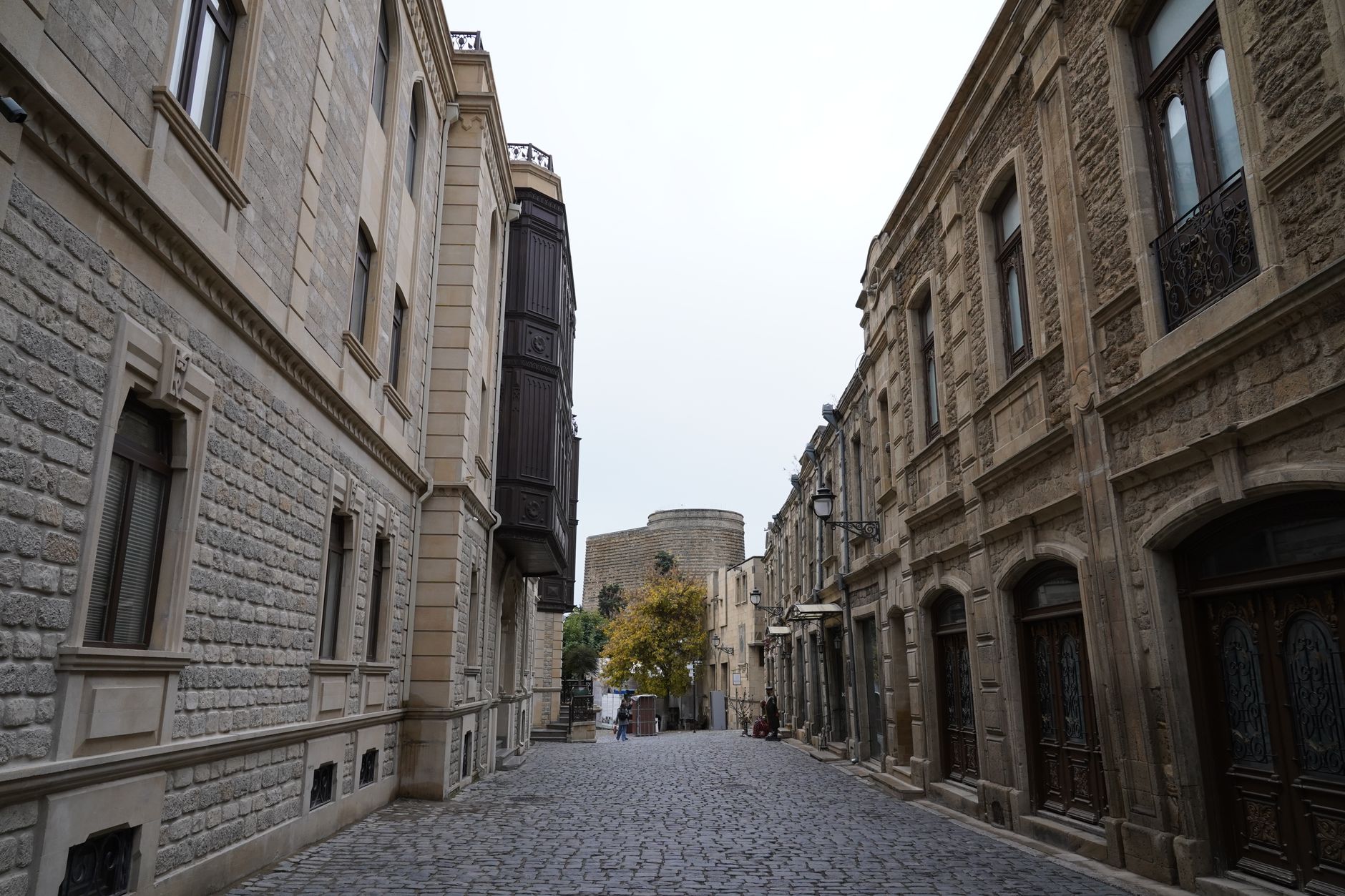
July 10, 2026 · 4 min read
The question, "Which city would you happily visit every year?" often sparks visions of iconic landmarks and bustling tourist hubs. But for the seasoned traveler, the true magic lies beyond the postcards. It's in the quiet alleyways, the forgotten histories, and the unexpected narratives that truly make a place come alive.
Imagine a city where every corner holds a secret, every stone whispers a forgotten tale. We've curated a list of extraordinary, often overlooked spots that will not only answer that question but also ignite a deeper curiosity for the world's hidden depths. These are the places that invite you back, year after year, to uncover just a little bit more.

1. The City of the Dead's Grand Sculptures
Cimitero Monumentale di Staglieno, Genoa, Italy
Why is a cemetery in Genoa considered one of the most beautiful open-air sculpture museums in the world?
Staglieno is not merely a burial ground, but a monumental art gallery showcasing the wealth and artistic tastes of 19th-century Genoa. Its elaborate tombs and poignant sculptures, crafted by renowned artists, depict a vivid narrative of life, death, and social status. Visitors often spend hours admiring the incredibly detailed marble figures and allegories, each telling a unique family story.
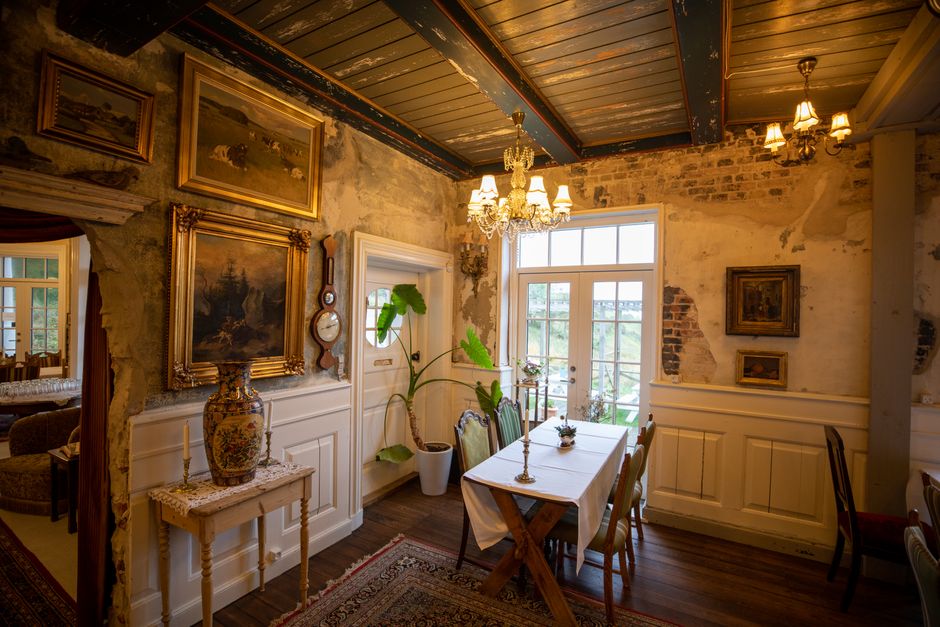
2. Prague's Hidden Alchemist's Lair
Speculum Alchemiae, Prague, Czech Republic
Uncover a secret 16th-century alchemist's lab, hidden for centuries behind a false wall in Prague.
Tucked away in Prague's Old Town, the Speculum Alchemiae was a working alchemist's workshop rediscovered only after the 2002 floods. Legend says Emperor Rudolf II, a patron of alchemy, visited here seeking the Philosopher's Stone. The preserved tunnels and laboratory equipment offer a rare glimpse into the mystical science of the Renaissance, complete with secret passages and vials of ancient concoctions.
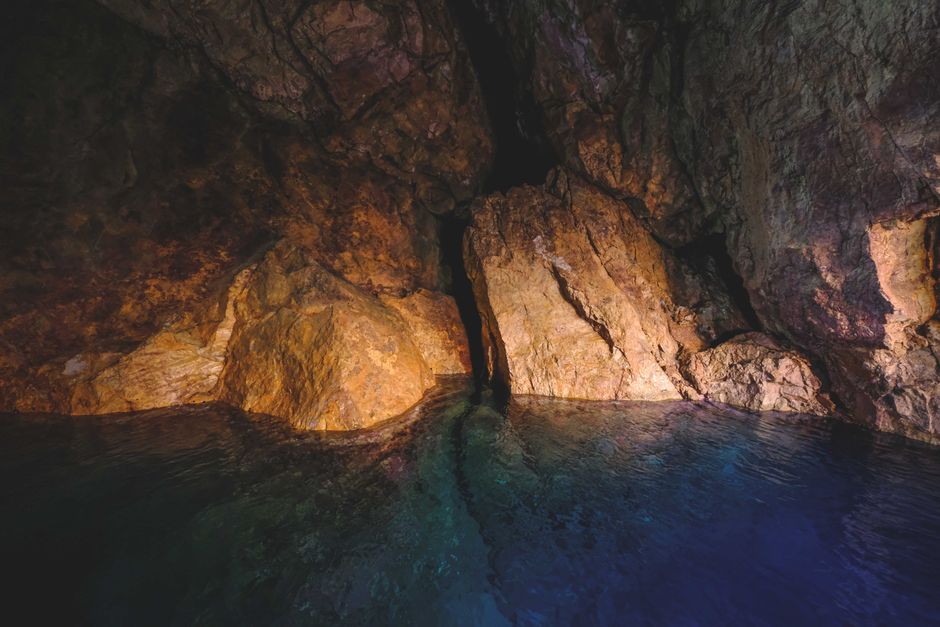
3. Edinburgh's Underground Mystery Village
Gilmerton Cove, Edinburgh, Scotland
Descend into a mysterious underground village in Edinburgh, whose purpose has baffled historians for centuries.
Gilmerton Cove is a series of seven hand-carved subterranean chambers and connecting passages, located beneath a residential area in Edinburgh. Discovered in the early 18th century, its true origin remains unknown, with theories ranging from a Covenanters' refuge to a smuggler's den or even a secret society meeting place. The rough-hewn rooms, complete with tables and benches carved from rock, offer an eerie and intriguing historical puzzle.
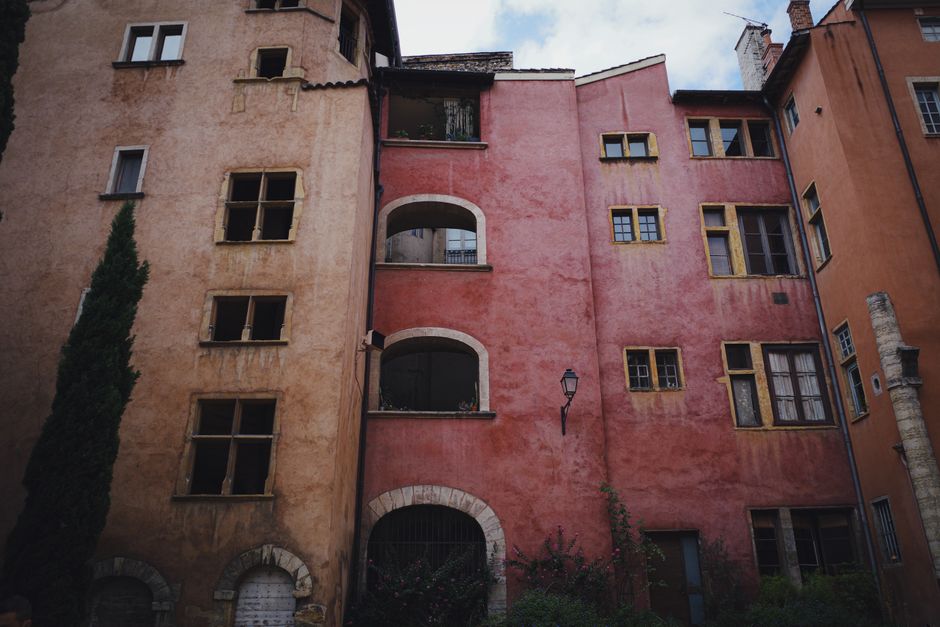
4. Lyon's Secret Silk Passageways
Traboules, Lyon, France
Navigate Lyon's secret network of 'traboules,' hidden passages that once sheltered silk workers and WWII resistance fighters.
The traboules are unique architectural features of Lyon, particularly in the Croix-Rousse and Vieux Lyon districts. These covered passageways, often running through courtyards and connecting streets, allowed silk workers (canuts) to transport their delicate goods discreetly. Later, during World War II, they became vital escape routes and communication lines for the French Resistance. Exploring them reveals a hidden layer of the city's history and ingenuity.
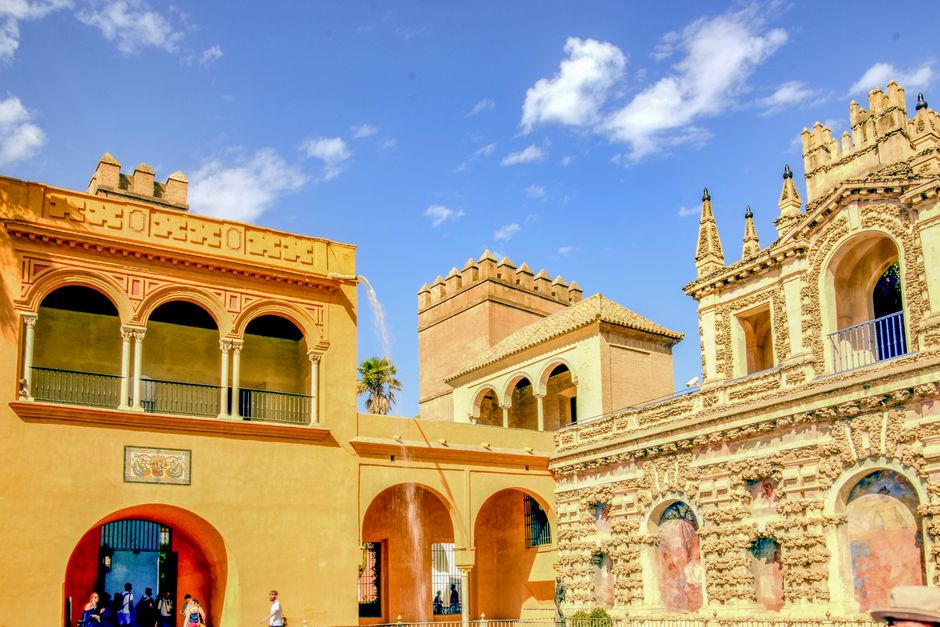
5. Seville's Modern Marvel Over Ancient Ruins
Metropol Parasol (Las Setas de Sevilla), Seville, Spain
The world's largest wooden structure in Seville hides a bustling Roman and Moorish city beneath its foundations.
While the Metropol Parasol is a striking modern landmark, its true historical depth lies beneath. During its construction, extensive Roman and Moorish ruins were unearthed, leading to the creation of an archaeological museum, Antiquarium, in its basement. Visitors can walk among preserved streets, houses, and industrial complexes from different historical periods, directly contrasting with the futuristic "Mushrooms" above.

6. Rome's Macabre Capuchin Crypt
Crypt of the Capuchin Friars, Rome, Italy
Discover a Roman crypt where the bones of 4,000 Capuchin friars are arranged into intricate, symbolic artworks.
Beneath the Church of Santa Maria della Concezione dei Cappuccini lies a series of chapels decorated with the bones of approximately 4,000 Capuchin friars. From intricate chandeliers made of vertebrae to entire skeletons draped in habits, the displays are a solemn meditation on mortality. The friars intended the crypt as a silent reminder of the brevity of life and the resurrection to come, rather than a gruesome spectacle.
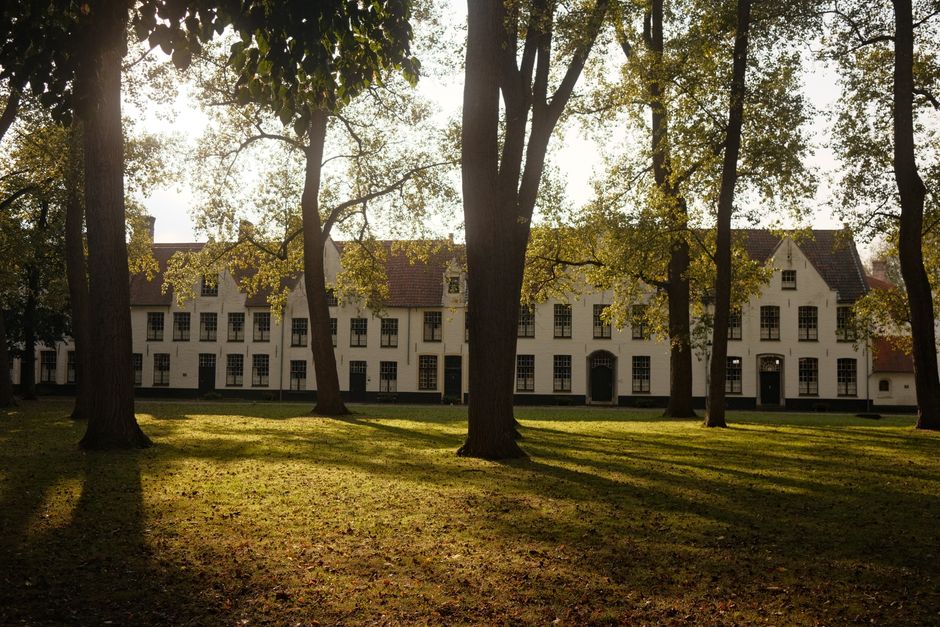
7. Bruges' Serene Medieval Sanctuary
Begijnhof (Beguinage), Bruges, Belgium
Explore a tranquil, walled community in Bruges where women have lived a unique semi-monastic life since the 13th century.
The Princely Beguinage Ten Wijngaarde is a serene oasis of white-painted houses, a church, and a peaceful garden, surrounded by a wall. Founded in 1245, it housed Beguines—lay religious women who lived communally without taking traditional vows, dedicating their lives to prayer and charity. Today, Benedictine nuns continue this tradition, preserving the unique spiritual and architectural heritage of this UNESCO World Heritage site.
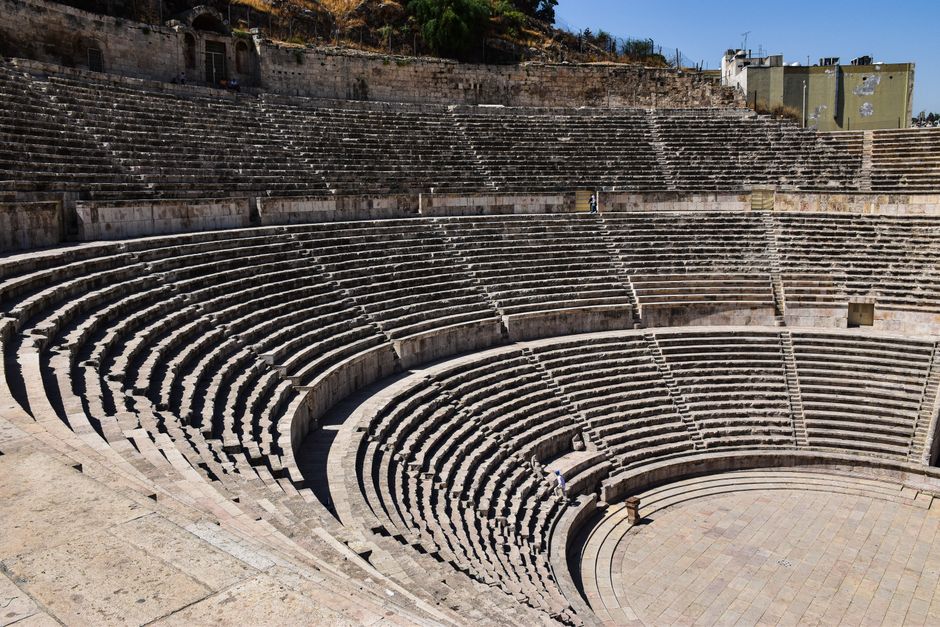
8. Lisbon's Earthquake-Revealed Roman Stage
Roman Theatre Museum, Lisbon, Portugal
Lisbon's Roman Theatre was buried for centuries, only to be unearthed by a devastating earthquake.
Tucked away behind Lisbon Cathedral, the remains of a Roman theatre were first discovered after the catastrophic 1755 earthquake exposed its foundations. Built during the time of Emperor Augustus, it served the Roman city of Olisipo for centuries before being abandoned and built over. Today, visitors can explore the excavated sections of the stage, orchestra, and seating, revealing a forgotten layer of Lisbon's ancient past.
Frequently asked questions
What's the best way to find hidden gems in a new city?
To discover a city's true character, look beyond the main squares and famous landmarks. Explore local markets, wander down narrow side streets, and seek out smaller museums or historical plaques. Engaging with local guides or community forums can also reveal unique, off-the-beaten-path experiences.
Are lesser-known attractions safe to visit?
Generally, yes, but always exercise common sense. Research the area beforehand, especially if it's not well-trafficked, and be aware of your surroundings. Visiting during daylight hours and informing someone of your plans can add an extra layer of safety.
How can I learn the history of specific spots in real-time?
Traditional guidebooks are great for planning, but for on-the-spot insights, consider digital resources. Many historical sites offer QR codes linking to information, or you can use location-aware apps that provide context as you explore. Audio guides are particularly useful for hands-free learning.
How does the AllTours.ai app enhance my travel experience?
AllTours.ai transforms your smartphone into a personal AI audio tour guide. Simply point your phone camera at any landscape or landmark, and the app instantly narrates its rich history, geology, and culture in your preferred language. It's like having an expert local guide in your pocket, revealing the untold stories of every place you visit.
Related guides
Photography via Pexels. AllTours.ai is an AI audio tour guide — point your camera at any landscape and hear its story.