
July 9, 2026 · 4 min read
Traveling as an LGBTQ+ individual can be an enriching experience, but it often comes with the added layer of considering safety and acceptance. While many popular destinations are well-known for their vibrant queer communities, some of the most fascinating stories and truly welcoming environments lie off the beaten path, waiting to be discovered.
This guide explores places with surprising histories of tolerance, unique social structures, or quiet havens where LGBTQ+ individuals found acceptance, freedom, or even power. These are not just destinations; they are testaments to resilience and the enduring human desire for connection, offering a nuanced perspective on what it means to travel thoughtfully.
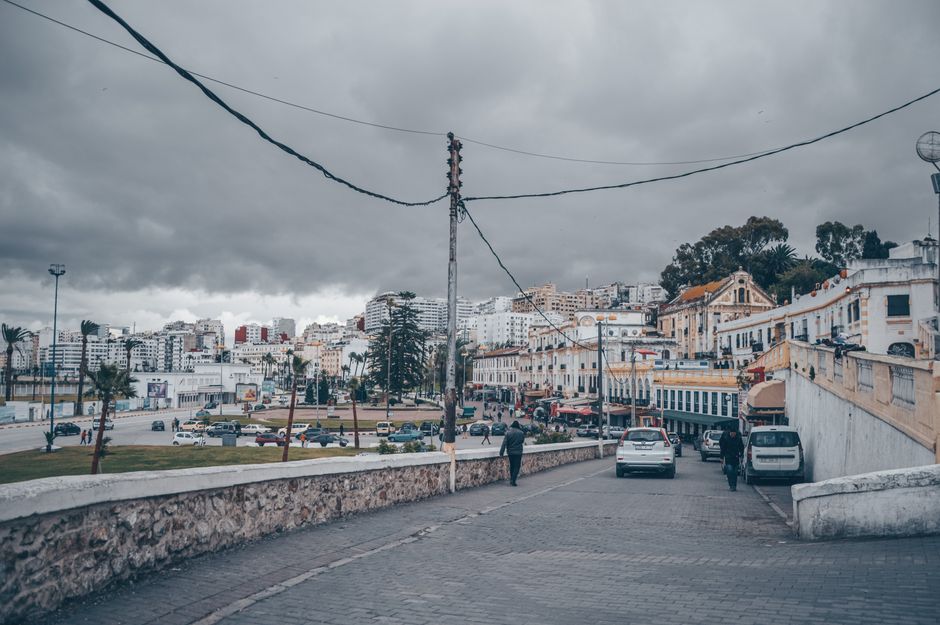
1. The Unconventional Expatriates of Tangier
Tangier, Morocco
Tangier was once an international zone, a melting pot where unconventional lives, including those of LGBTQ+ artists and writers, found remarkable freedom.
From the 1920s to the 1950s, Tangier operated under an international administration, making it a unique haven from stricter social norms elsewhere. This attracted a vibrant community of expatriate artists, writers, and intellectuals, many of whom were queer, like Paul Bowles, Jane Bowles, and William S. Burroughs. They found a place where their identities and lifestyles could flourish, leaving a rich cultural legacy. This historical openness offers a fascinating look at a city that, for a time, was remarkably progressive.
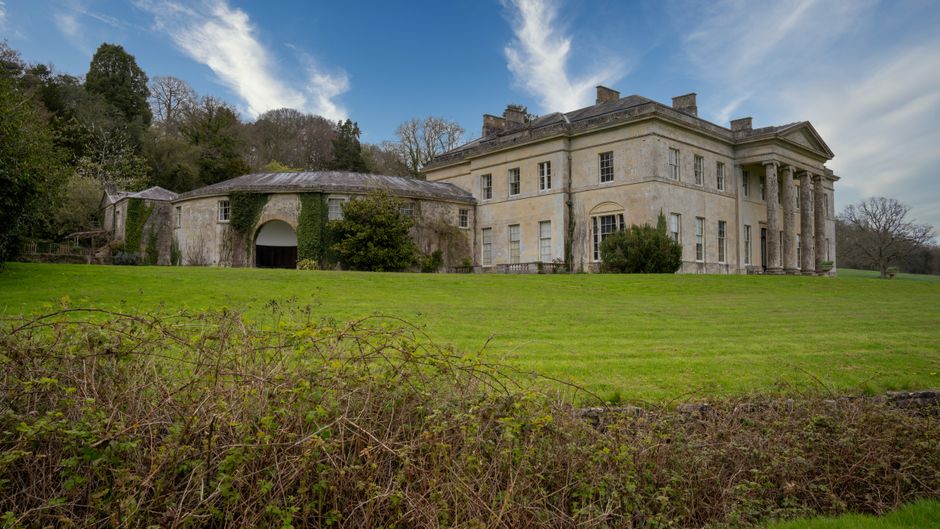
2. The Ladies of Llangollen's Quiet Revolution
Llangollen, Wales
In a secluded Welsh valley, two Irish aristocrats created a remarkable life together, becoming an enduring symbol of female companionship and independence.
Lady Eleanor Butler and Miss Sarah Ponsonby eloped from Ireland in the late 18th century to live at Plas Newydd in Llangollen, Wales. Here, they cultivated a famous literary salon and a life of intellectual pursuit and mutual affection, openly defying the norms of their time. Their deep bond, often referred to as a 'romantic friendship,' was widely recognized and admired by contemporaries, including Wordsworth and Shelley, making their home a quiet beacon of unconventional living.
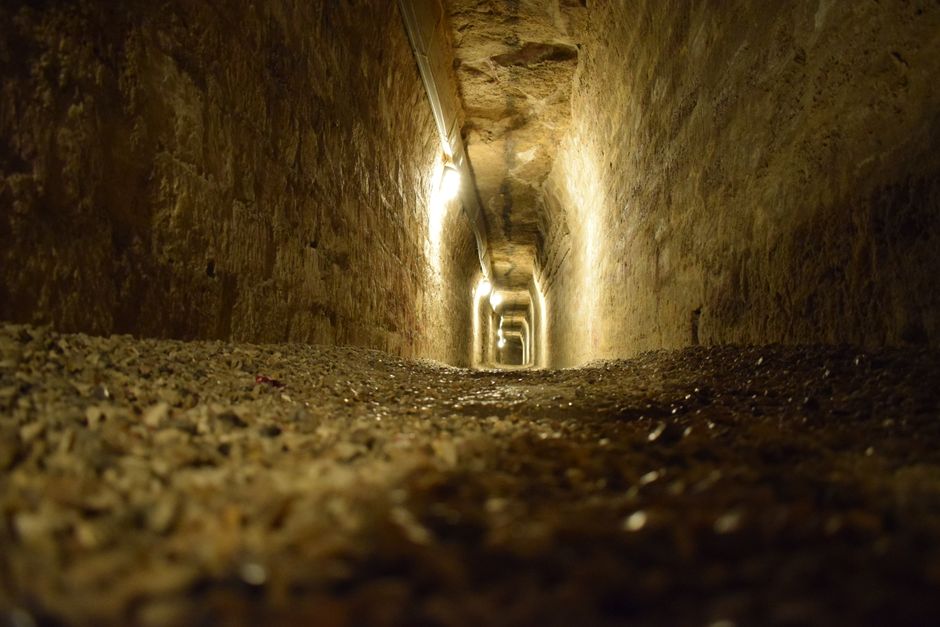
3. Early Christian Women's Leadership in Rome's Catacombs
Rome, Italy
Deep beneath Rome, ancient catacombs reveal surprisingly progressive depictions of women in early Christian leadership, hinting at communities that challenged gender norms.
The Catacombs of Priscilla are a vast subterranean burial site known for some of the oldest Christian frescoes. Among them are images of women in roles traditionally reserved for men, such as presiding over Eucharistic meals or teaching. These depictions suggest that some early Christian communities may have allowed women significant authority, providing a glimpse into social structures that offered alternative pathways for women beyond conventional societal expectations of the time.
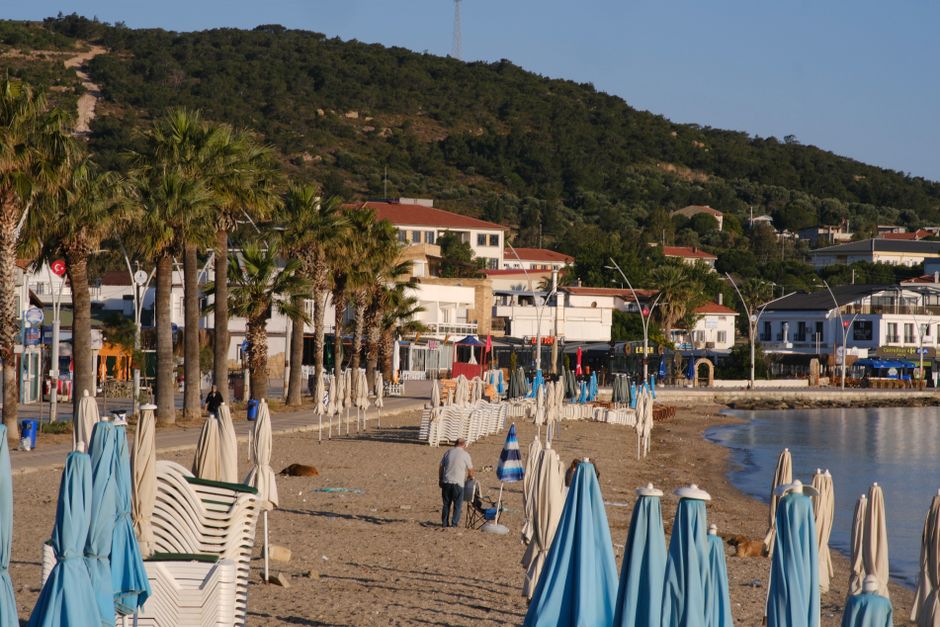
4. Sappho's Enduring Legacy in Eressos
Eressos, Lesbos, Greece
On the sun-drenched island of Lesbos, the ancient birthplace of Sappho, a timeless spirit of female connection continues to thrive.
Eressos, a picturesque village on the Greek island of Lesbos, holds the legacy of Sappho, the lyrical poet whose verses explored profound love and desire between women. While her exact life details remain debated, her poetry has shaped the understanding of female same-sex love for millennia. Today, the village and nearby Skala Eressos remain a pilgrimage site and a welcoming destination for lesbian women, drawn to its historical resonance and serene atmosphere.
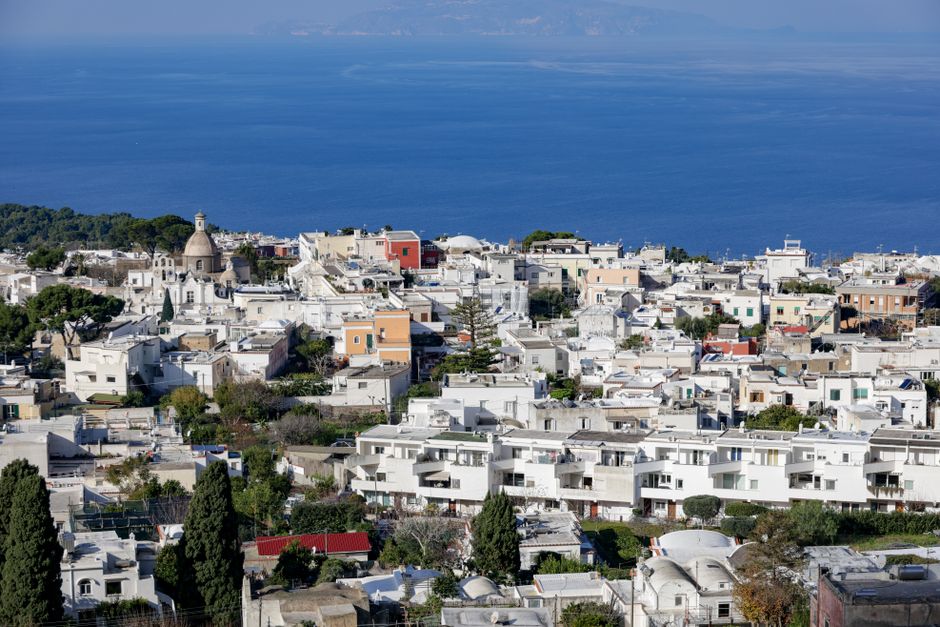
5. Capri: A Discreet Bohemian Sanctuary
Isle of Capri, Italy
This glamorous Italian island once offered a discreet sanctuary for European artists and intellectuals, many of whom sought freedom from societal judgment for their unconventional lives.
From the late 19th century into the 20th, Capri became a celebrated haven for writers, artists, and bohemian figures, including a significant number of LGBTQ+ individuals. Figures like Oscar Wilde found solace here after his release from prison, while others like Norman Douglas and Romaine Brooks openly embraced lifestyles that would have been scandalous elsewhere. The island’s stunning beauty and permissive atmosphere fostered a vibrant community where alternative identities could flourish with relative ease.
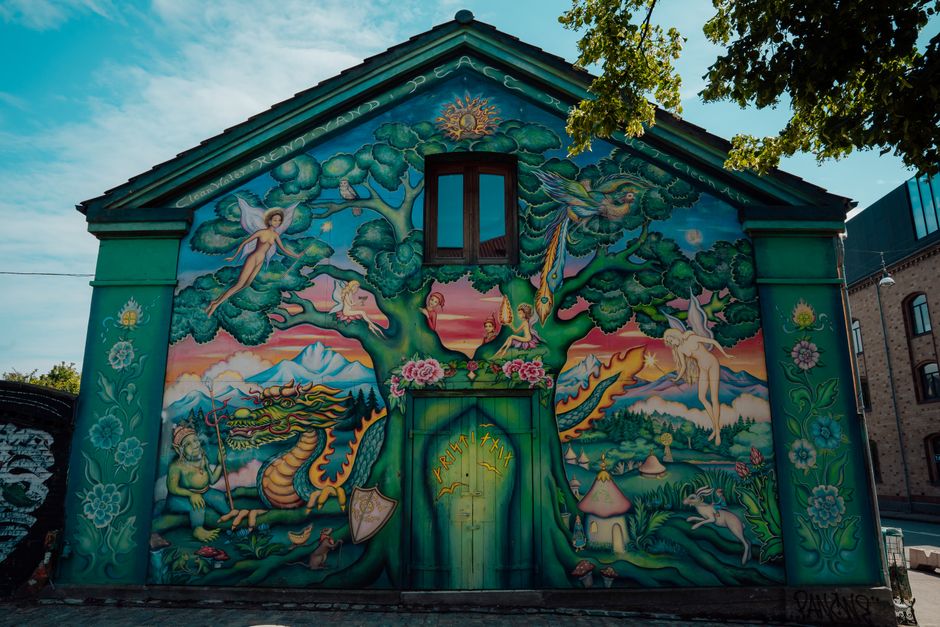
6. Copenhagen's Radical Freetown Christiania
Copenhagen, Denmark
In the heart of Copenhagen, an autonomous 'freetown' founded on principles of communal living and radical self-governance has long welcomed all, regardless of identity.
Freetown Christiania began in 1971 when squatters took over an abandoned military barracks area, establishing an intentional community based on collective ownership and self-management. Known for its distinct green light district, art galleries, and organic restaurants, Christiania has always been a beacon for alternative lifestyles, attracting individuals seeking freedom from conventional norms. Its ethos of openness and tolerance naturally fostered an inclusive environment for LGBTQ+ residents and visitors alike.
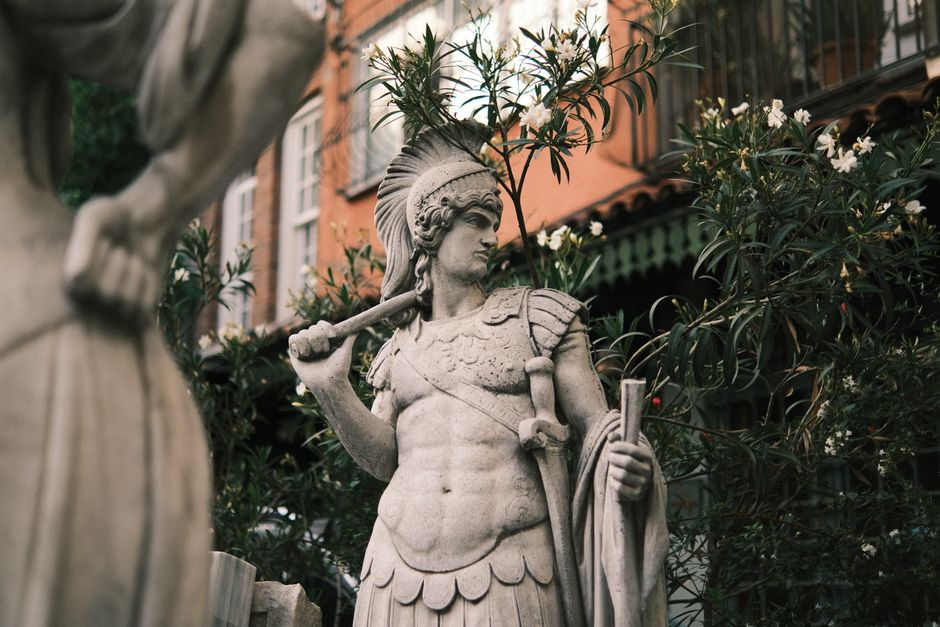
7. The Sacred Band of Thebes: An Army of Lovers
Ancient Thebes, Greece
Ancient Greece once boasted an elite military unit composed entirely of male lovers, whose bond was believed to make them invincible in battle.
The Sacred Band of Thebes was a legendary fighting force in the 4th century BCE, consisting of 300 hoplites organized into 150 pairs of male lovers. The Thebans believed that soldiers who fought alongside their beloved would be more courageous and less likely to flee, making them an unparalleled force. This unique military unit showcased a societal acceptance of male same-sex relationships in a highly public and honored context, challenging modern assumptions about ancient sexuality.
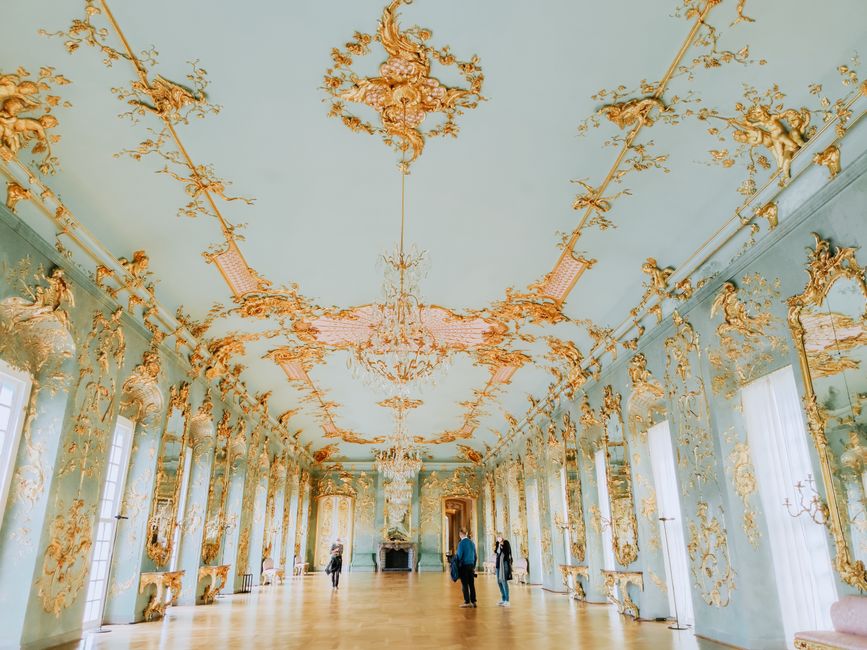
8. Versailles' Hidden Courtly Affections
Versailles, France
The opulent court of Versailles, while outwardly conservative, hosted intricate webs of relationships and hidden affections, including those that transcended strict gender norms.
Beneath the glittering surface of the French monarchy, the Palace of Versailles was a stage for complex personal lives and alliances. Figures like Philippe I, Duke of Orléans, Louis XIV's only brother, was openly gay and had a prominent male lover, the Chevalier de Lorraine. While not a 'safe haven' in the modern sense, the court's unique social dynamics and the power structures allowed certain individuals to express non-normative sexualities within its walls, revealing a nuanced history beyond public perception.
Frequently asked questions
How can I research a destination's LGBTQ+ friendliness before I go?
Look for current travel advisories from LGBTQ+ organizations like ILGA or Human Rights Watch. Check local LGBTQ+ media, forums, and recent traveler reviews for insights into specific neighborhoods or establishments. Engaging with online communities can provide invaluable firsthand accounts.
What are some practical safety tips for LGBTQ+ travelers?
Always inform someone of your itinerary, have emergency contacts, and consider travel insurance. In some regions, it's wise to be discreet with public displays of affection. Research local laws and cultural norms thoroughly to avoid misunderstandings, and always trust your intuition about a situation.
Are there specific types of accommodations that are generally more welcoming?
Many LGBTQ+-friendly booking sites list certified hotels and guesthouses. Boutique hotels, independent guesthouses, and accommodations in historically progressive neighborhoods often foster a more inclusive atmosphere. Reading recent reviews often highlights how welcoming a place truly is.
How can AllTours.ai enhance my travel experience, especially in lesser-known historical sites?
AllTours.ai brings the stories of any place to life. Simply point your phone camera at a landmark or landscape, and the app narrates its history, geology, and culture in your language. It’s perfect for discovering the hidden narratives, like those explored in this article, that often go untold by traditional guides.
Related guides
Photography via Pexels. AllTours.ai is an AI audio tour guide — point your camera at any landscape and hear its story.