June 17, 2026 · 4 min read
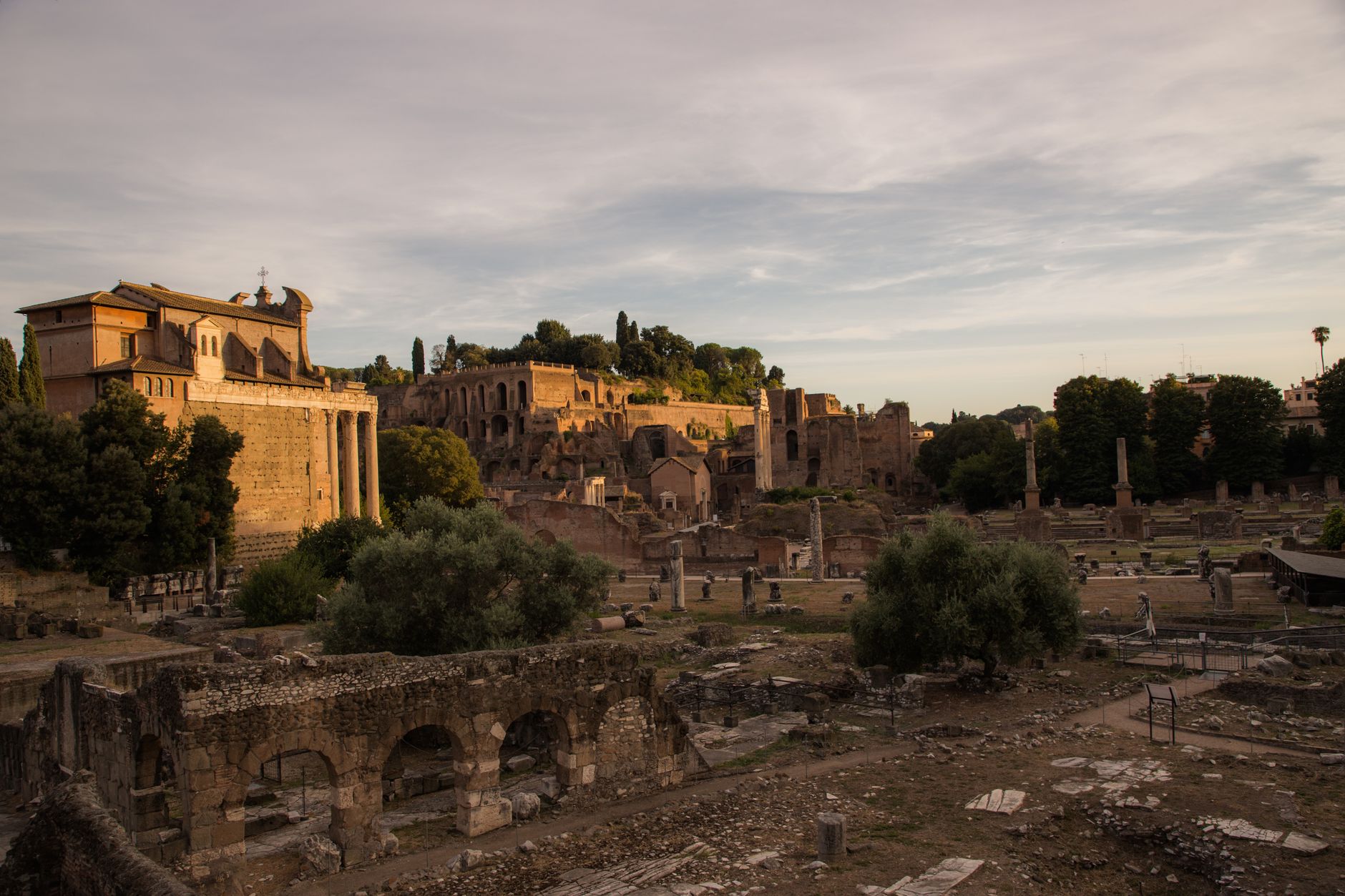
Rome in high summer is a city of dazzling light and profound history, but the heat can be intense. While many dream of long, leisurely days exploring the Colosseum or Vatican, the savvy traveler knows that Rome reveals its deepest secrets and most comfortable moments at the fringes of the day.
Forget the midday sun; embrace the early light and the lingering twilight. This guide will show you how to experience Rome's authentic charm without melting, leading you to hidden corners, ancient paths, and refreshing spots, each with a captivating story waiting to be discovered.

1. The Aventine Keyhole's Secret View
Piazza dei Cavalieri di Malta, Rome, Italy
Peering through this unassuming keyhole reveals a perfectly framed, unexpected view of St. Peter's Basilica.
High on the Aventine Hill, the Priory of the Knights of Malta guards a quiet secret. The keyhole in its grand wooden gate offers a magical glimpse of St. Peter's Dome, framed by garden hedges. This unique perspective isn't accidental; it's a carefully crafted visual trick designed by the architect Piranesi, a nod to the Knights' sovereign status. Arrive at dawn to beat the small queue and savor the cool air and the truly unique vista.
2. Appia Antica's Ancient Basalt Path
Via Appia Antica, Rome, Italy
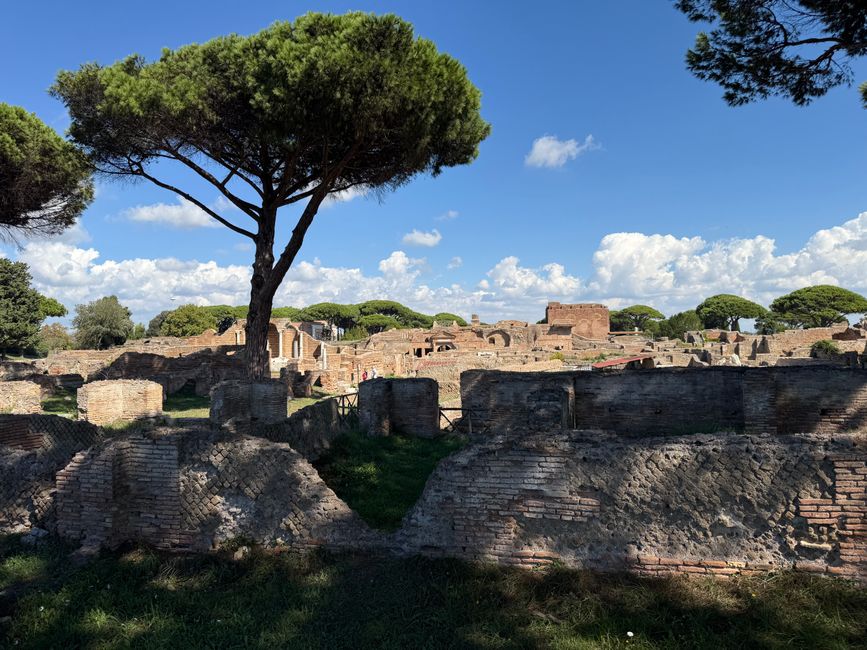
Walk the very stones that Roman legions and emperors once trod, marveling at engineering that's endured for millennia.
The Appian Way, or Via Appia Antica, is Rome's original superhighway. Its massive basalt paving stones, laid over 2,300 years ago, absorb the sun's heat but remain cooler in the early morning. This ancient road, lined with cypress trees, tombs, and ruins, offers a serene escape. Imagine the footsteps of gladiators and senators on these same durable stones, a testament to Roman ingenuity and infrastructure that still defines the landscape.
3. The Enduring Nasoni Fountains
Various, e.g., Via dei Fori Imperiali, Rome, Italy
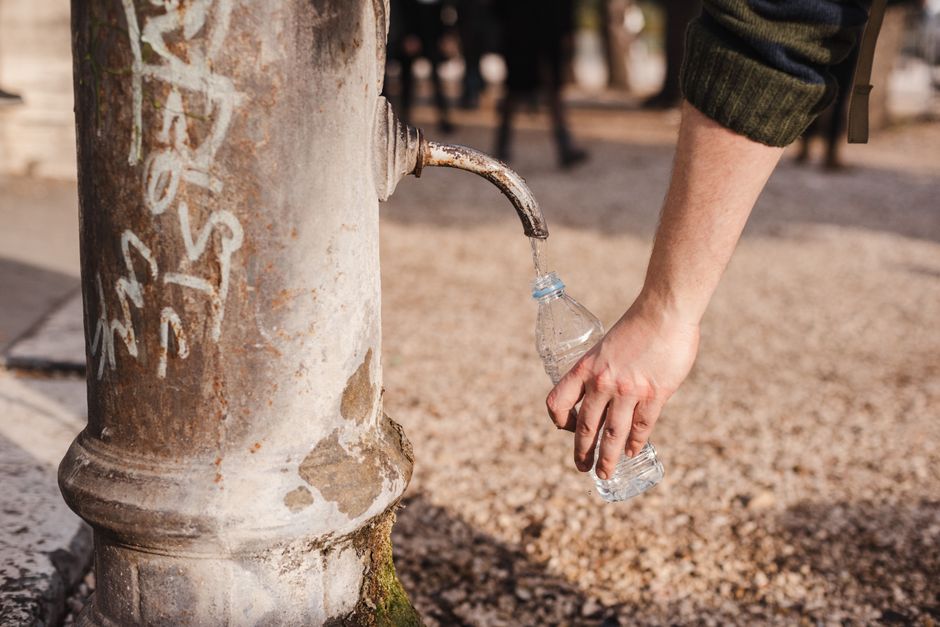
Rome's public drinking fountains, known as 'nasoni,' flow continuously, a direct legacy of ancient Roman aqueduct technology.
Scattered throughout Rome, the cast-iron 'nasoni' (big noses) are lifesavers in summer. These distinctive fountains provide fresh, cool drinking water 24/7. Their continuous flow isn't wasteful; it maintains water quality and pressure in the pipes, a system refined from ancient Roman aqueducts that still feed many of them today. Knowing the city's sophisticated ancient water network still serves modern Romans makes each refreshing sip a connection to history.
4. Trastevere's Shaded Medieval Labyrinths
Vicolo del Moro, Trastevere, Rome, Italy
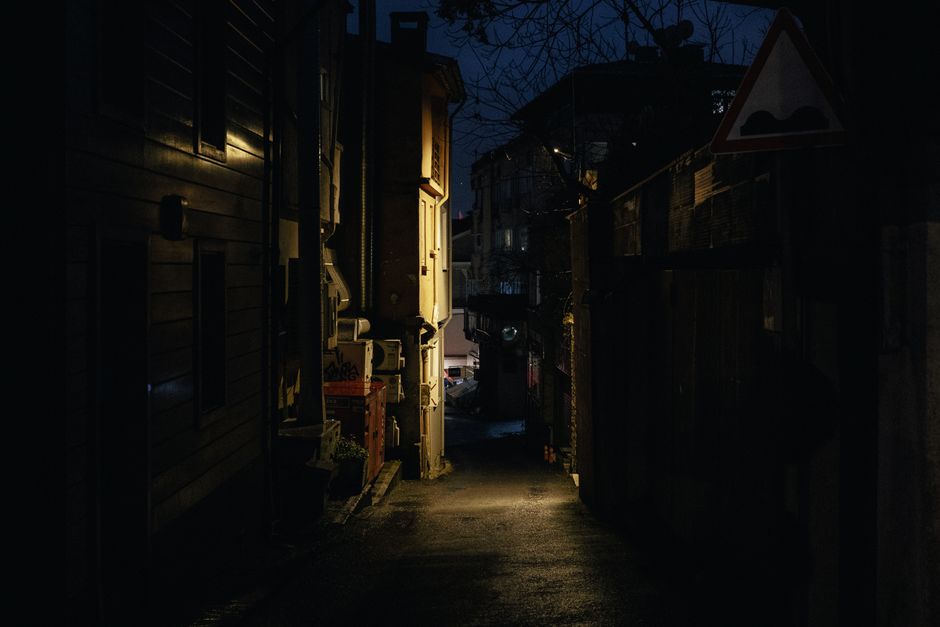
Trastevere's winding, narrow lanes retain a medieval coolness, perfect for an evening "passeggiata" as the sun dips.
As the day cools, Trastevere comes alive. Its labyrinthine medieval streets, deliberately designed to maximize shade and minimize direct sunlight, offer a natural respite from the heat. These ancient alleys, once home to artisans and working-class Romans, now buzz with evening life. The closely packed buildings and overhanging vines create a canopy, making an evening stroll through its historic heart feel like stepping into a cooler, older Rome.
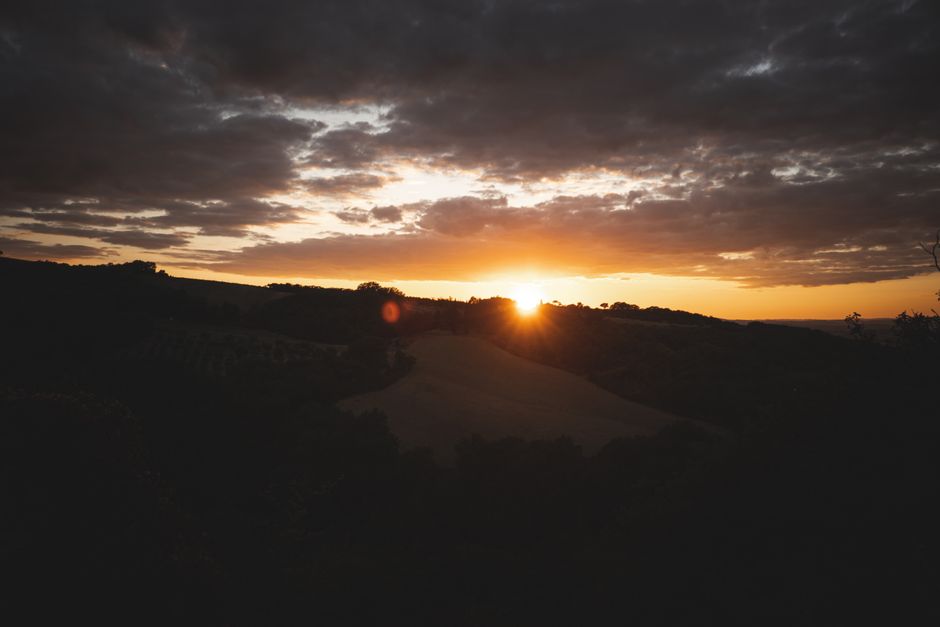
5. Parco degli Acquedotti's Giant Arches
Parco degli Acquedotti, Rome, Italy
Witness the colossal scale of ancient Roman engineering, where seven aqueducts once converged to supply the sprawling city.
A vast green space on the southeastern edge of Rome, the Parco degli Acquedotti is dominated by the majestic arches of the Aqua Claudia and Aqua Felice. In the early morning, before the crowds, you can walk among these monumental structures, appreciating their sheer size and the ingenious gradient engineering that allowed water to flow for miles. It’s a powerful reminder of Rome's ancient ambition and the hydrological mastery that sustained millions.
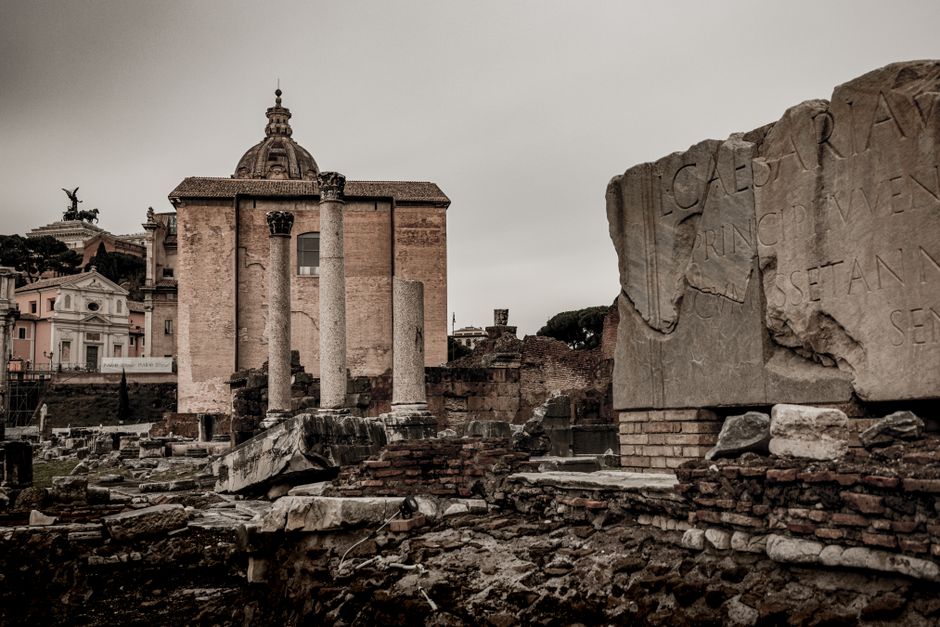
6. The Quiet Shade of the Non-Catholic Cemetery
Cimitero Acattolico, Rome, Italy
Find a serene, shaded oasis where poets like Keats and Shelley found their final rest, surrounded by ancient history.
Tucked away near the Pyramid of Cestius, the Cimitero Acattolico, or Non-Catholic Cemetery, is an unexpectedly beautiful and tranquil spot. Its lush greenery, cypress trees, and ancient walls offer abundant shade and a profoundly peaceful atmosphere. It's the final resting place for many non-Catholics, including famous artists and writers like John Keats and Percy Bysshe Shelley, creating a poignant historical garden that's wonderfully cool and reflective.
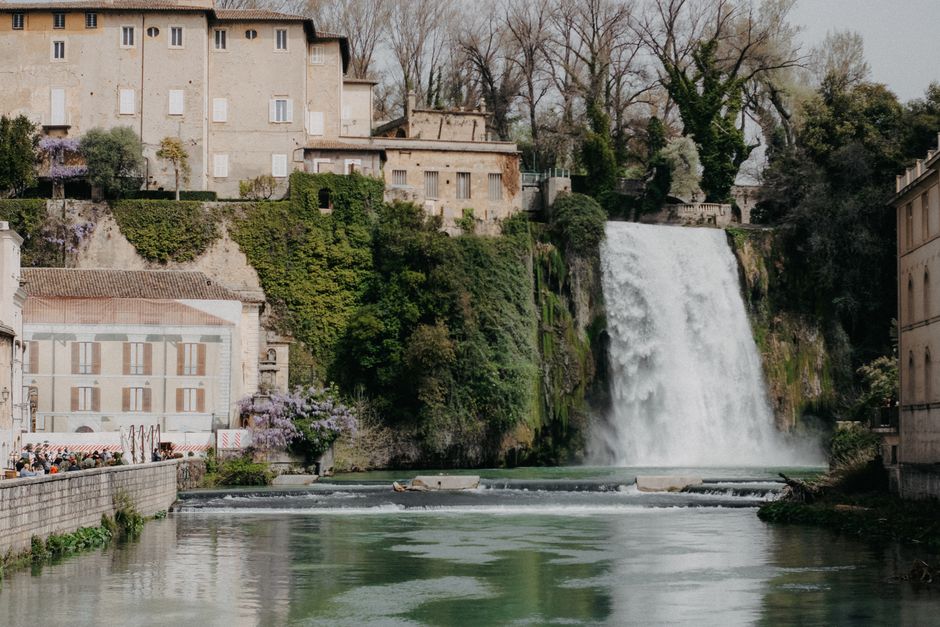
7. Isola Tiberina, Rome's Healing Island
Isola Tiberina, Rome, Italy
This small boat-shaped island in the Tiber River has been a center for healing and medicine for over two millennia.
Rome's only island, Isola Tiberina, offers a natural cooling breeze from the Tiber River. Connected by ancient bridges, it was once the site of a temple to Aesculapius, the god of medicine, established after a plague in 291 BC. Today, a hospital still stands on the island, continuing its ancient legacy of care. Walking its banks early in the day or during the evening offers a unique perspective of the city, away from the heat of the main thoroughfares, steeped in a history of health and sanctuary.
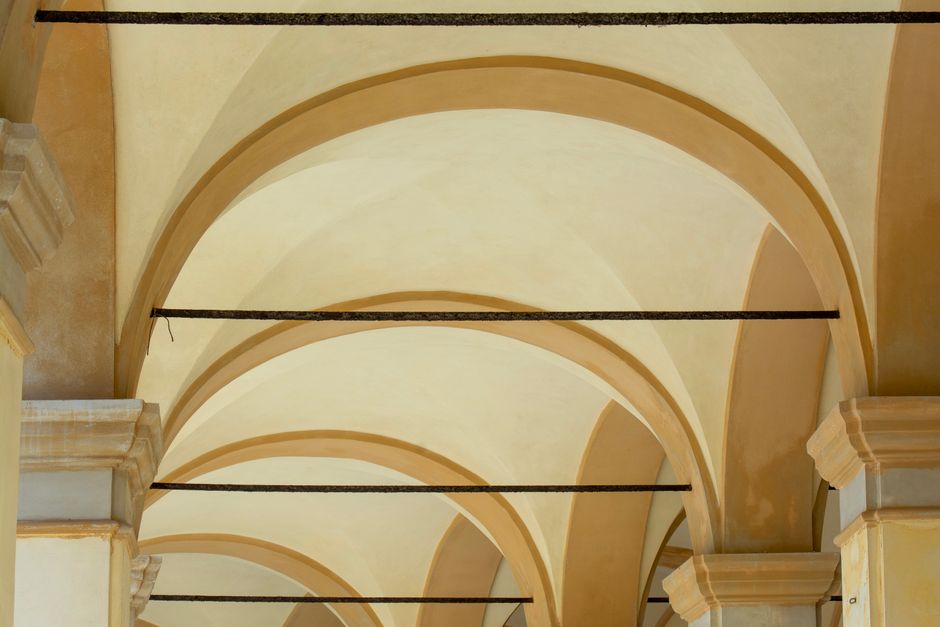
8. Portico d'Ottavia and the Jewish Ghetto
Portico d'Ottavia, Rome, Italy
Explore the remnants of an ancient Roman fish market, now part of a historically rich neighborhood whose narrow streets offer natural shade.
The Portico d'Ottavia, a majestic ruin that once housed temples and libraries, formed part of the ancient Roman fish market. Its substantial stone structure and the surrounding Jewish Ghetto's tightly packed buildings create naturally shaded lanes. This area, vibrant with history and culture, becomes a pleasant place for an early morning exploration or an evening wander as the sun loses its intensity, revealing layers of Roman, Jewish, and medieval life.
Frequently asked questions
What's the best time of day to sightsee in Rome during summer to avoid the heat?
The absolute best times are early morning, right after sunrise, and late evening, after the sun has begun to set. This allows you to explore before the peak heat of midday and enjoy the cooler air as the city comes alive at night.
Besides walking, are there other ways to stay cool when exploring Rome?
Yes, utilize Rome's excellent public transport, especially the metro, which is air-conditioned. Also, embrace the Italian tradition of "siesta" during the hottest part of the afternoon, seeking out air-conditioned museums, cafes, or your accommodation.
What essential items should I pack for a summer trip to Rome to beat the heat?
Pack light, breathable clothing (linen, cotton), a wide-brimmed hat, sunglasses, and high-SPF sunscreen. Crucially, carry a reusable water bottle to refill at Rome's numerous public fountains (nasoni) and wear comfortable, broken-in walking shoes.
How can the AllTours.ai app enhance my summer exploration of Rome?
AllTours.ai helps you discover the hidden stories of Rome's cool spots. Simply point your phone camera at a landmark, an ancient aqueduct, or even a nasoni fountain, and the app will narrate its history, geology, and culture in your language, making every step an insightful journey.
Related guides
Self-guided audio tours
Walk these places stop by stop — free five-stop story tours you can take at your own pace:
Photography via Pexels. AllTours.ai is an AI audio tour guide — point your camera at any landscape and hear its story.