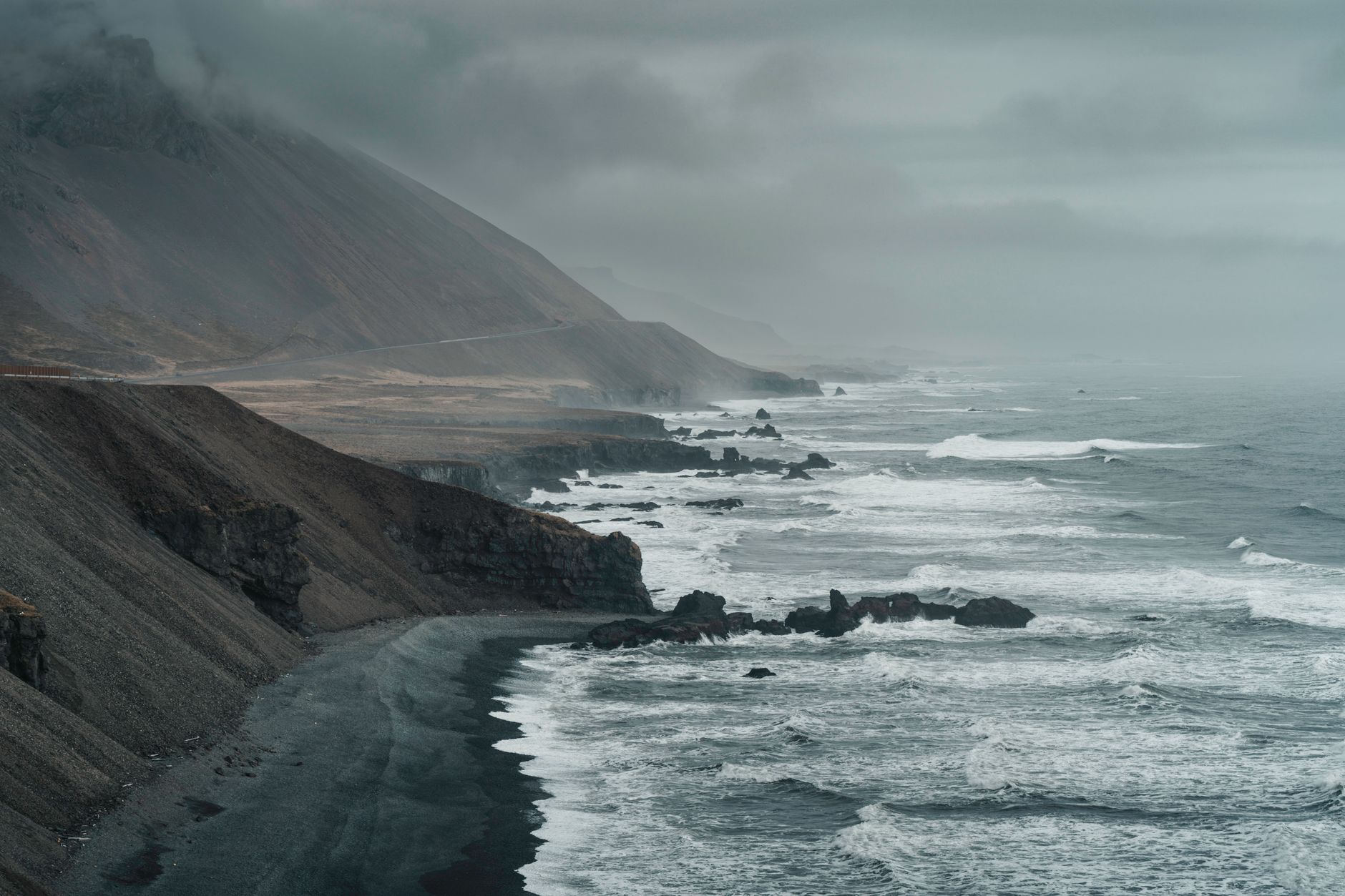
July 25, 2026 · 4 min read
The classic image of a beach often involves blazing sun, golden sand, and sweltering heat. But is it much hotter at the beach than other places, always? The answer, like the world's coastlines themselves, is far more complex than a simple 'yes' or 'no'.
Coastal environments are a fascinating study in microclimates, where ocean currents, prevailing winds, and unique geography can create surprisingly cool oases, even in unexpected latitudes. Forget the predictable heat and dive into these lesser-known shores where refreshing breezes and atmospheric conditions reign supreme.
1. Fjordland's Rain-Sculpted Majesty
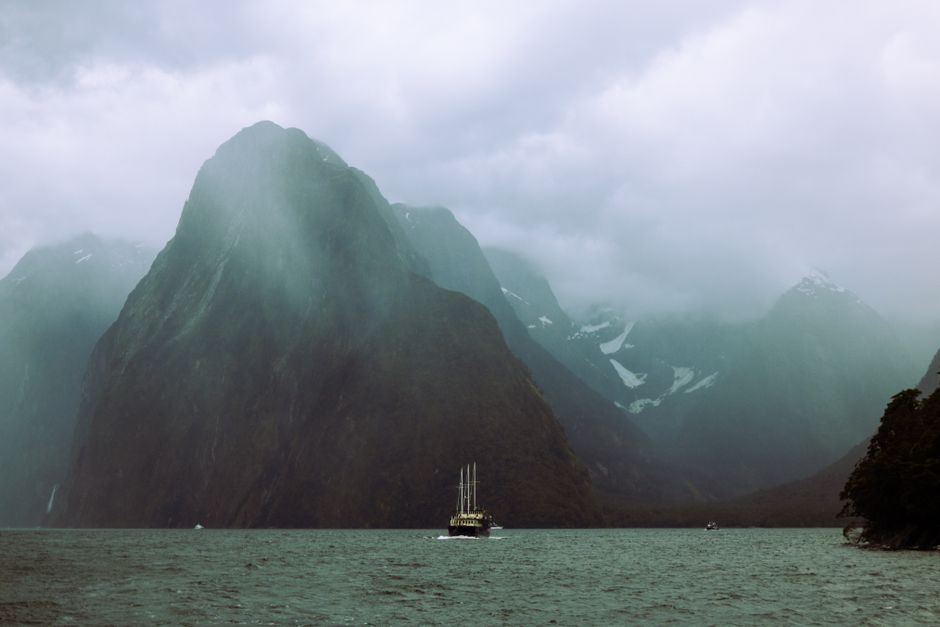
Milford Sound, New Zealand
Milford Sound, one of the wettest places on Earth, often feels surprisingly cool due to constant rainfall and cloud cover, even in summer.
This dramatic fjord, carved by ancient glaciers, receives immense precipitation, transforming its sheer cliffs into temporary waterfalls that cascade directly into the dark waters. The high moisture content and persistent cloud layer effectively moderate temperatures, creating a unique microclimate distinct from sunnier coasts. This environment supports a rich, temperate rainforest ecosystem.

2. Point Reyes' Perpetual Fog Veil
Point Reyes National Seashore, California, USA
Point Reyes is famous for its almost constant, dense fog, which keeps its coastal environment remarkably cool, even when inland areas bake in summer heat.
The notorious marine layer rolls in from the Pacific Ocean, often shrouding the iconic Point Reyes Lighthouse and its surrounding cliffs in a thick, cool mist. This advection fog is caused by warm, moist air passing over the cold California Current, resulting in a microclimate that supports unique ecosystems like the Bishop Pine forests and offers refuge for migrating elephant seals and diverse bird species.

3. Namibia's Skeleton Coast Fog Oasis
Skeleton Coast National Park, Namibia
Despite being a desert, the Skeleton Coast is frequently engulfed in a thick, cooling fog, born from the clash of desert heat and the icy Benguela Current.
This desolate stretch of Namibian coastline, famous for its whalebones and shipwrecks, experiences a unique climate where the cold Benguela Current cools the hot desert air. This interaction creates dense, life-sustaining fog that rolls far inland, providing essential moisture for unique flora and fauna, like the Welwitschia mirabilis plant, that thrive in this otherwise arid environment, keeping temperatures surprisingly moderate.
4. Iceland's Diamond Beach Chill
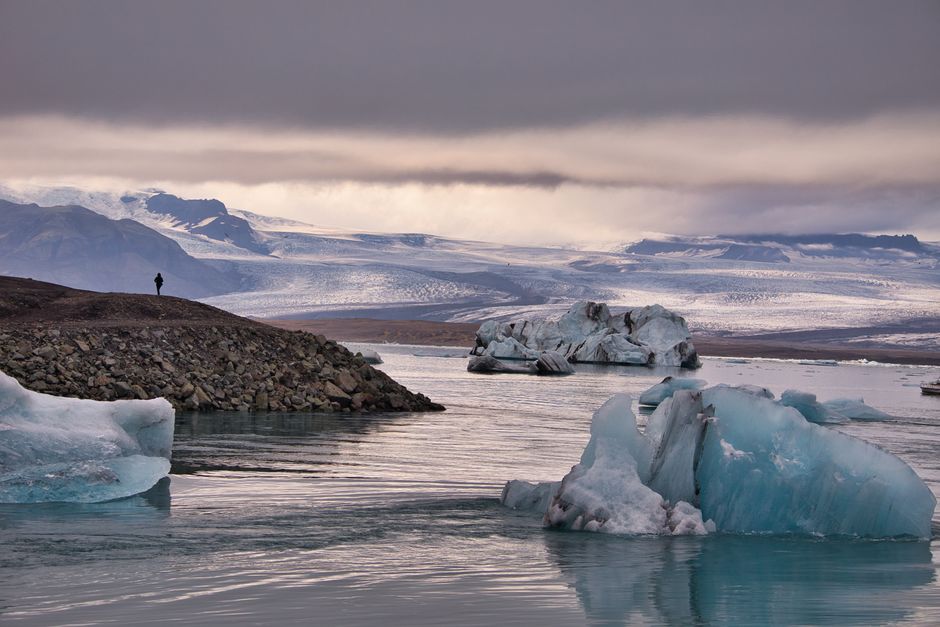
Jökulsárlón, Iceland
At Jökulsárlón, a glacial lagoon, massive icebergs calve directly into the water, ensuring a consistently cold coastal experience unlike typical beaches.
This stunning lagoon, fed by the Breiðamerkurjökull glacier, is a dynamic landscape where chunks of ancient ice slowly drift towards the ocean, often washing ashore on the nearby black sand "Diamond Beach." The sheer volume of ice naturally chills the air and water, creating a perpetually cool environment, even during Iceland's short summers, making it a stark contrast to any warm beach.
5. Chile's Subpolar Forest Shores
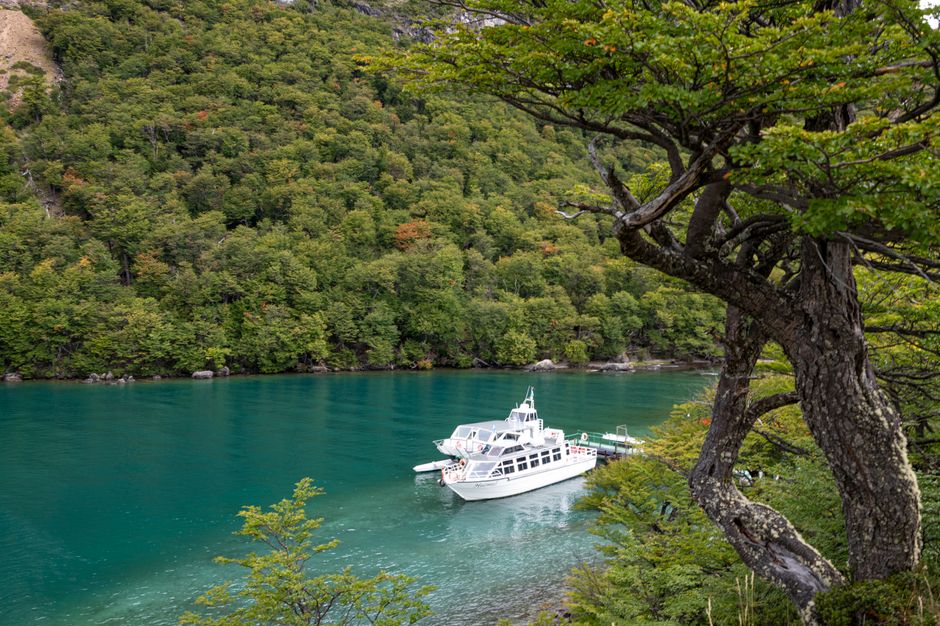
Isla Navarino, Chile
Isla Navarino, home to the world's southernmost forest, offers a subpolar oceanic climate where coastal temperatures remain consistently cool, even in "summer."
Off the southern tip of South America, this rugged island in Tierra del Fuego features Nothofagus forests that reach nearly to the shore. The constant influence of the Southern Ocean and strong winds ensures a cool, humid environment year-round. It's a place where even mid-summer hikes along its dramatic coastline require layers, showcasing a coastal experience far removed from tropical warmth.
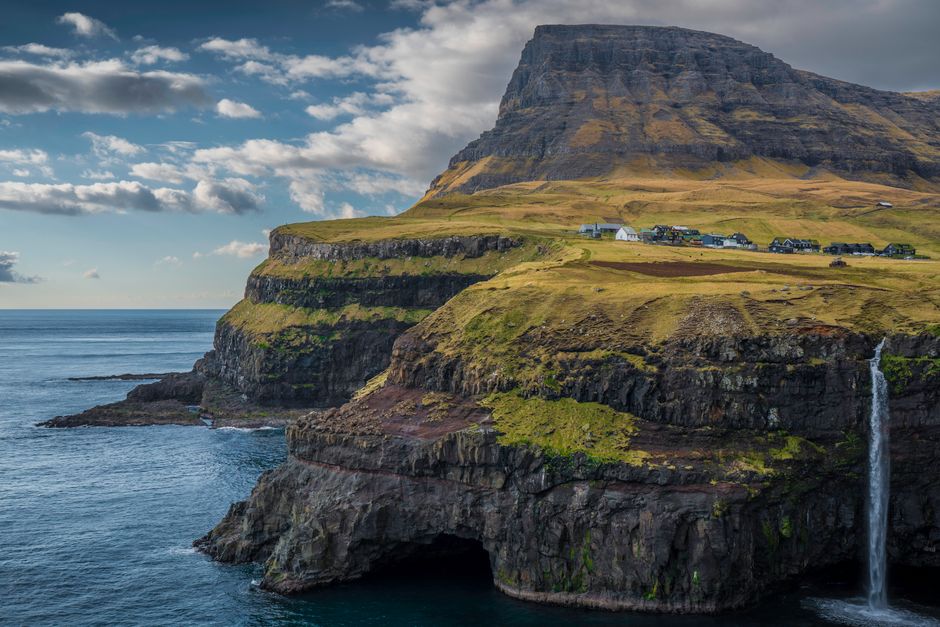
6. Faroe Islands' Misty Cliff Edges
Gásadalur, Faroe Islands
The Faroe Islands maintain a remarkably cool and often misty climate year-round, with even summer temperatures rarely climbing high due to strong oceanic influences.
These remote North Atlantic islands are characterized by dramatic, sheer cliffs, deep fjords, and a persistent maritime climate. The Gulf Stream prevents extreme cold, but the constant presence of cool, moist air and strong winds means that even on a summer day, a warm jacket is often necessary. This unique weather fosters vibrant green landscapes and makes for a refreshing, rather than hot, coastal exploration.
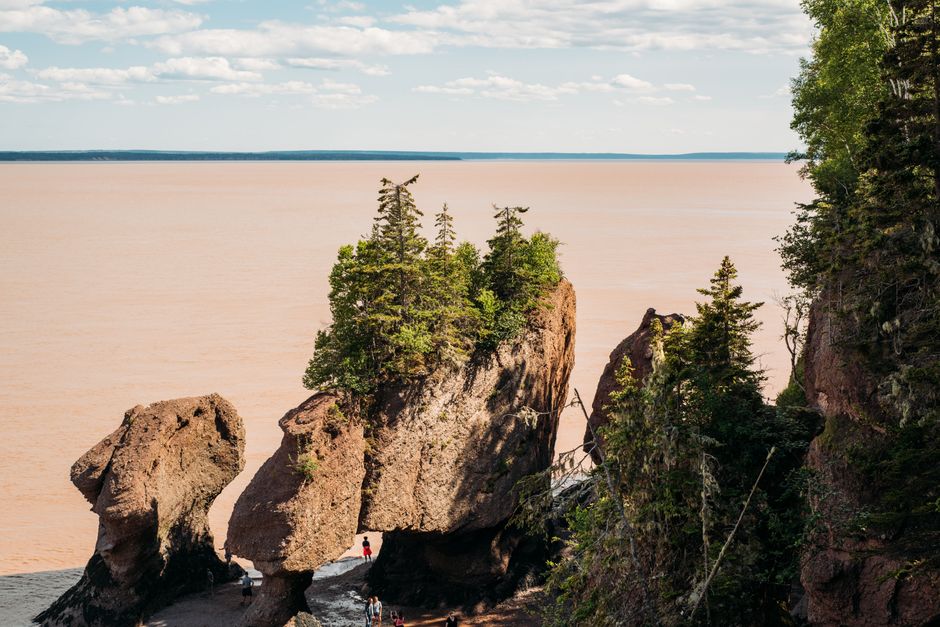
7. Bay of Fundy's Tidal Air Currents
Bay of Fundy, Nova Scotia, Canada
The Bay of Fundy, famous for the world's highest tides, creates unique air currents and microclimates that keep its shores often cooler than expected.
As billions of tons of water rush in and out twice daily, the sheer scale of this tidal movement stirs the air and influences local temperatures. The constant exposure and retreat of vast mudflats, combined with the cool Atlantic waters, means that despite sunshine, a refreshing breeze is almost guaranteed. This dynamic environment is a cooler alternative to typical warm beaches, offering dramatic geological formations like the Hopewell Rocks.
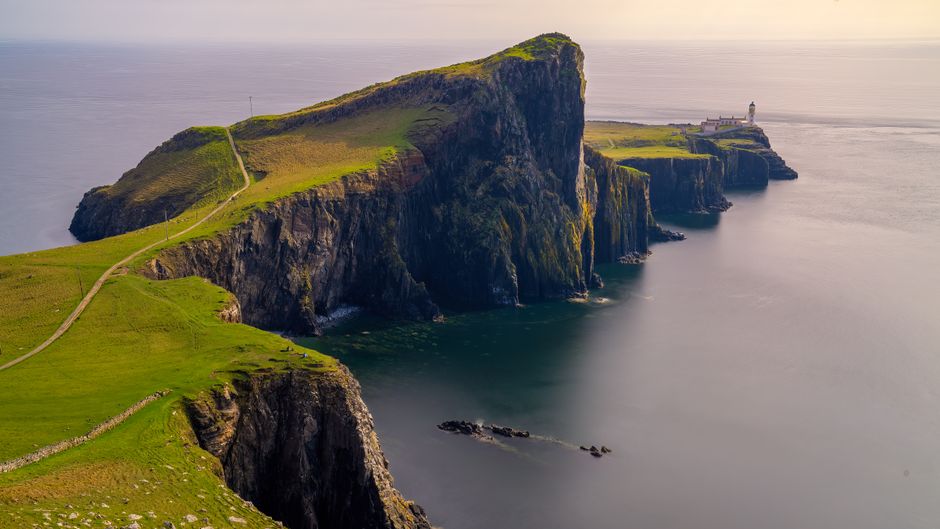
8. Isle of Skye's Wild Weather Shores
Neist Point, Isle of Skye, Scotland
Scotland's Isle of Skye, particularly its westernmost point, experiences a wild, unpredictable climate where strong winds and rain often keep coastal temperatures surprisingly low.
Neist Point, with its iconic lighthouse, juts into the turbulent North Atlantic, bearing the brunt of Scotland's maritime weather. Even in summer, visitors often encounter cool, blustery conditions and sudden rain showers, making it a distinctly refreshing experience compared to sun-drenched beaches. The dramatic basalt formations and rugged cliffs are constantly shaped by these powerful elements, creating a captivating, cool landscape.
Frequently asked questions
Why is it often windy at the beach?
Beaches are open to prevailing winds and experience sea breezes caused by temperature differences between land and sea, where cooler air from the ocean moves inland to replace rising warm air.
Do all beaches have the same climate?
No, coastal climates vary dramatically due to factors like ocean currents, latitude, local topography, and prevailing weather patterns, leading to vast differences in temperature and precipitation.
What causes the persistent fog in some coastal areas?
Coastal fog, often called advection fog, forms when warm, moist air moves over a colder surface, like cold ocean currents, causing the air to cool rapidly and condense into visible fog.
How can AllTours.ai help me explore these unique coastal places?
AllTours.ai lets you point your phone camera at any landmark or landscape, and it instantly narrates its history, geology, and culture in your language, bringing the unseen stories of these fascinating shores to life.
Related guides
Photography via Pexels. AllTours.ai is an AI audio tour guide — point your camera at any landscape and hear its story.