August 3, 2026 · 4 min read
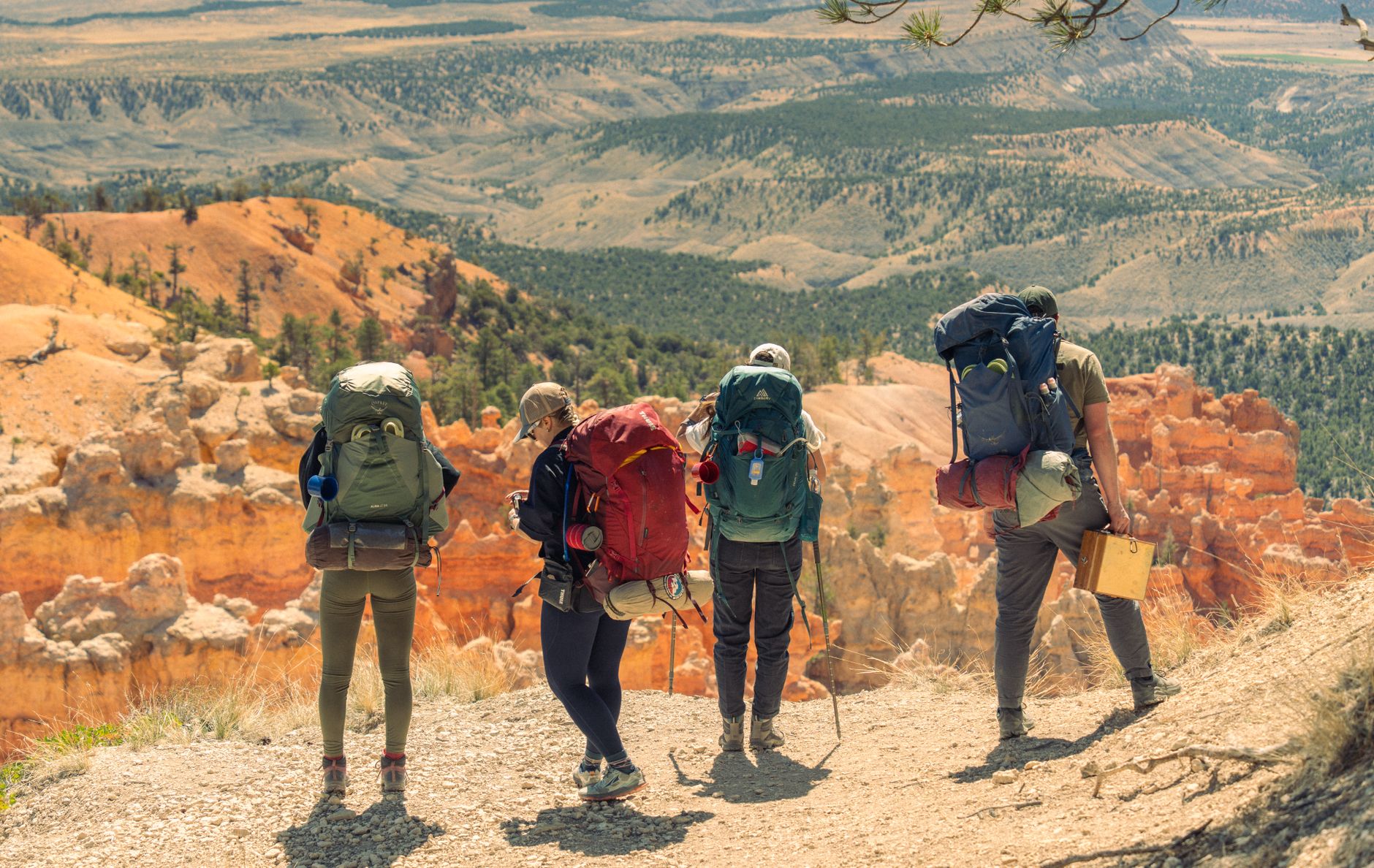
For many, the image of backpacking conjures a traditional tent pitched in a pristine wilderness. While classic tents have their place, the reality of modern ultralight travel, diverse terrains, and a desire for more immersive experiences is shifting what savvy adventurers carry. A heavy, bulky tent can often be more of a hindrance than a help, especially when exploring the world's more unconventional corners.
This shift isn't just about shedding weight; it's about embracing new ways to connect with your environment. From minimalist tarp shelters to bivy sacks, hammocks, or even local hut systems, a range of alternative shelters can offer greater flexibility, lighter packs, and unique perspectives. Below, we'll explore some truly extraordinary places where thinking beyond the traditional tent can unlock unparalleled adventure and deeper understanding.
1. The Dragon's Blood Forests
Socotra Island, Yemen
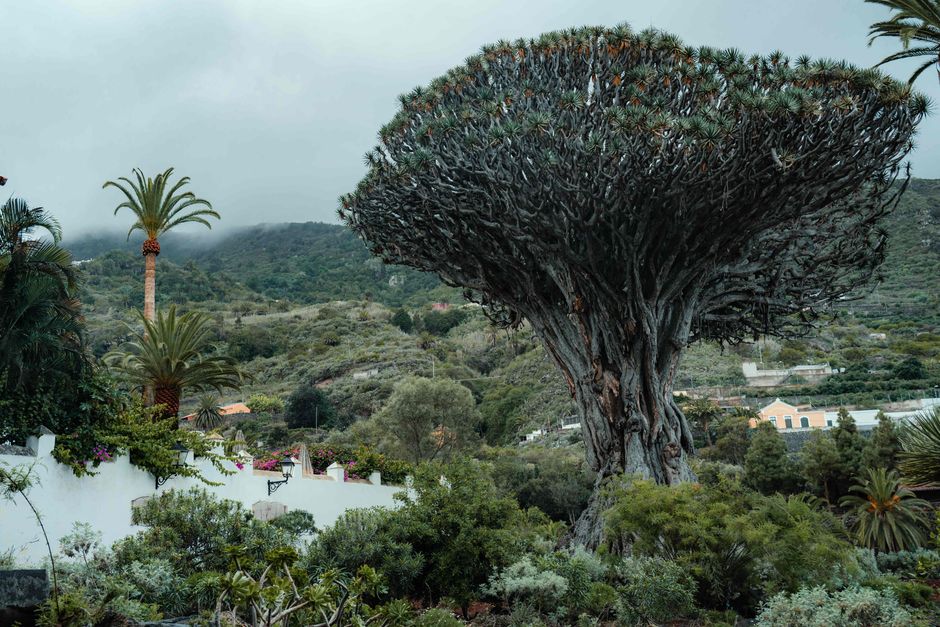
Home to the otherworldly Dragon's Blood Tree, which bleeds red resin.
Socotra Island, part of Yemen, is a biodiversity hotspot often called 'the most alien-looking place on Earth.' Its iconic Dragon's Blood Trees (Dracaena cinnabari) have umbrella-like canopies and yield a deep red sap used for medicine, dyes, and varnish for centuries. The island's isolation has led to the evolution of over 700 endemic species, making it a living museum of natural history, best explored with a light footprint.
2. The Labyrinthine Stepwell
Chand Baori, India
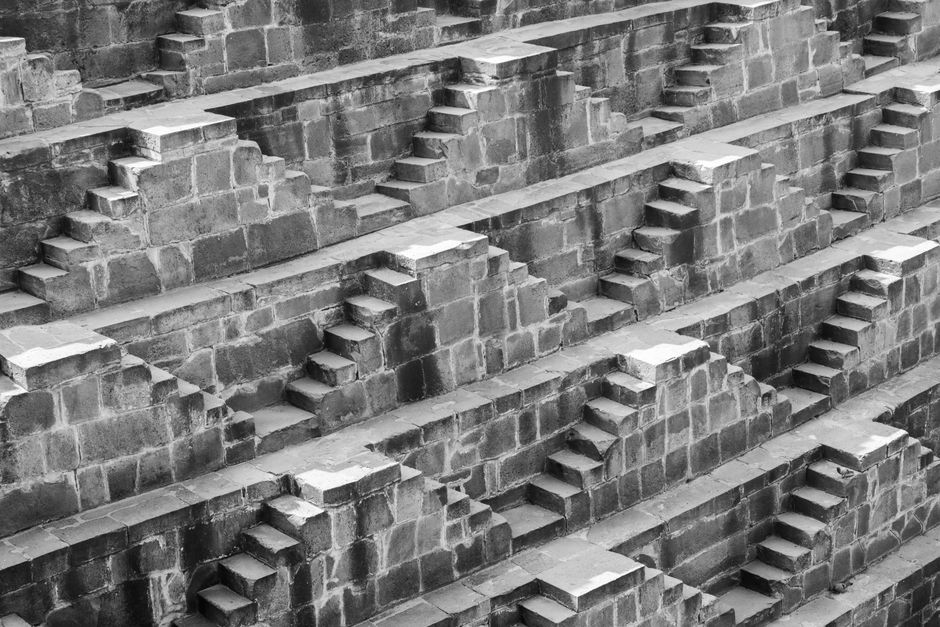
An ancient Indian stepwell so deep it descends 13 stories into the earth.
In the dusty village of Abhaneri, India, lies Chand Baori, one of the world's largest and deepest stepwells. Built over a thousand years ago, its 3,500 narrow steps descend 13 stories in a dizzying geometric pattern, providing access to water in the arid region. This architectural marvel was not just a source of water but also a cool retreat for locals during scorching summers, with intricate carvings adorning its walls.
3. The Petrified Past
The Petrified Forest of Lesbos, Greece
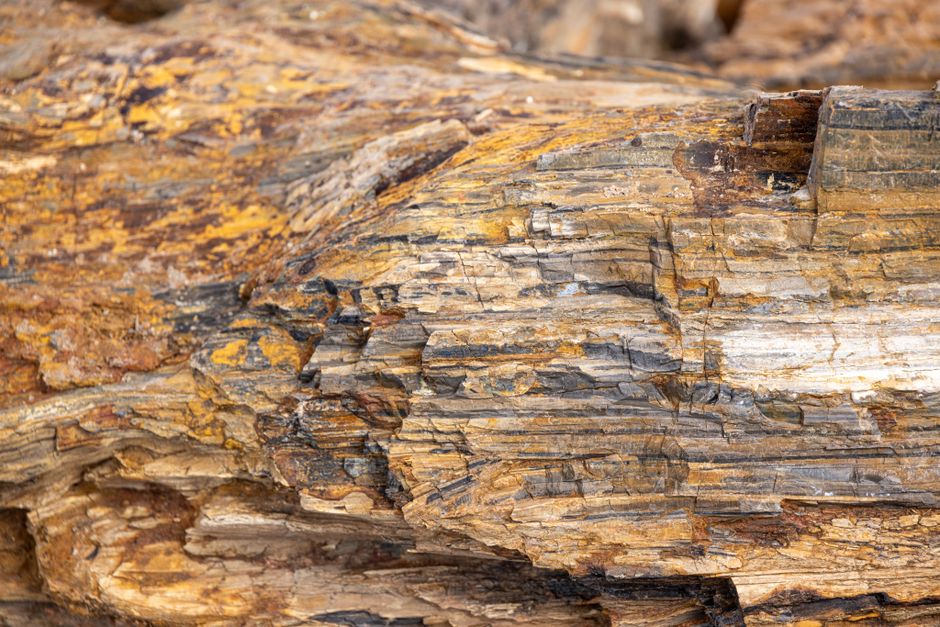
A forest turned to stone, preserving trees from 20 million years ago.
On the Greek island of Lesbos, volcanic eruptions 20 million years ago created one of the world's most impressive petrified forests. Ash and lava flows rapidly covered and preserved ancient redwood, pine, and palm trees, turning their organic matter into stone. Today, visitors can walk among fossilized trunks, some standing upright, offering a rare glimpse into a prehistoric ecosystem and the powerful geological forces that shaped it.
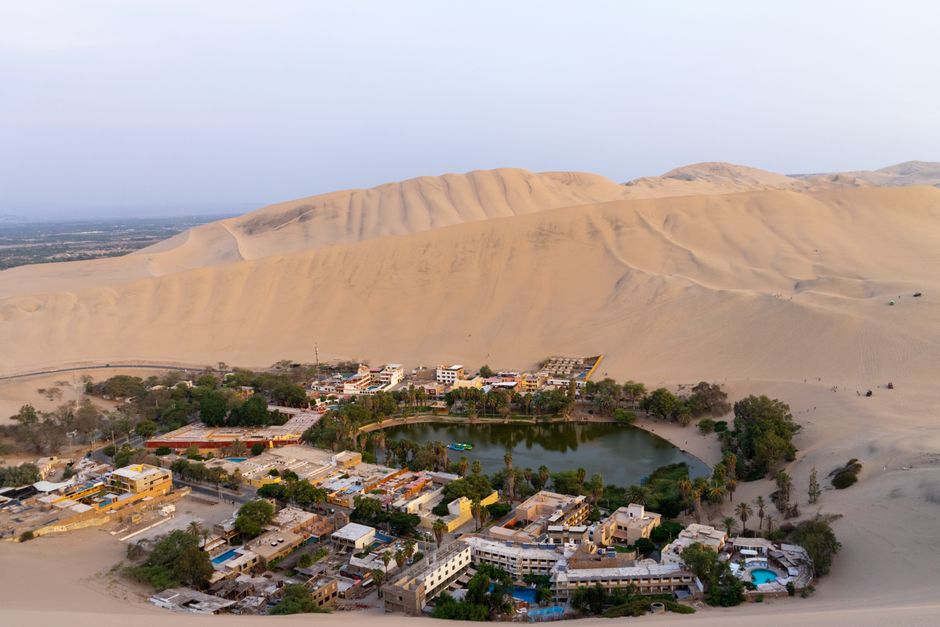
4. The Desert Lake
Huacachina Oasis, Peru
A vibrant green oasis in the Peruvian desert, powered by a legend.
Huacachina is a natural oasis surrounding a small lake in the Ica Desert of Peru, famously depicted on the country's currency. Legend says the oasis was formed when a beautiful princess was discovered bathing by a hunter; she fled, leaving behind a pool of water, and her flowing cape became the surrounding sand dunes. Today, it's a hub for sandboarding and dune buggy rides, a stark contrast of water and extreme aridity.
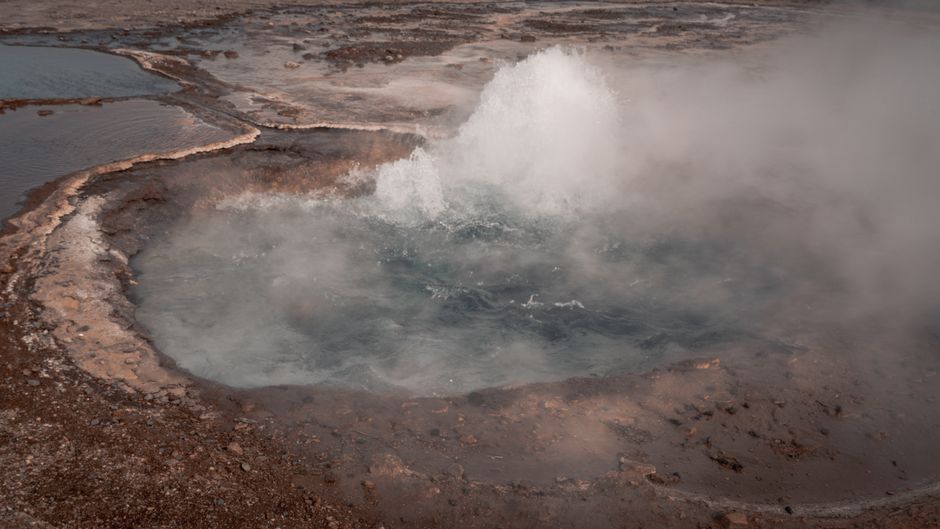
5. The Accidental Geyser
Fly Geyser, Nevada, USA
A vibrant, alien-looking geyser created by an accidental drilling.
Hidden in Nevada's Black Rock Desert, the Fly Geyser is a stunning, multi-colored geothermal wonder that wasn't always here. It began accidentally in 1964 when a well drilled for geothermal energy wasn't properly capped. Minerals and algae now continually erupt from three mounds, painting them in brilliant reds, greens, and yellows, making it look like something from another planet, still growing by the millimeter.
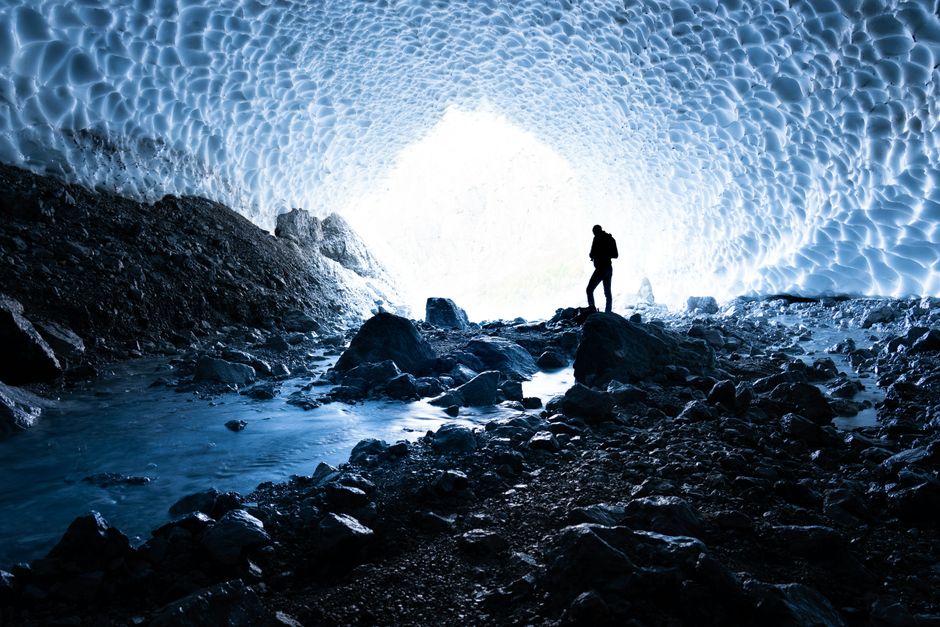
6. The Ephemeral Blue Caves
Skaftafell Ice Cave, Iceland
An ephemeral blue ice cave that melts and reforms each year in Iceland.
The crystal blue ice caves beneath Iceland's Vatnajökull glacier are truly temporary marvels. Formed by glacial meltwater carving tunnels through ancient ice, these caves shift and change with the seasons, often collapsing in summer and reforming differently each winter. Their ephemeral nature means each visit is unique, revealing stunning blue hues as sunlight filters through compressed ice, a fleeting glimpse into the heart of a glacier.
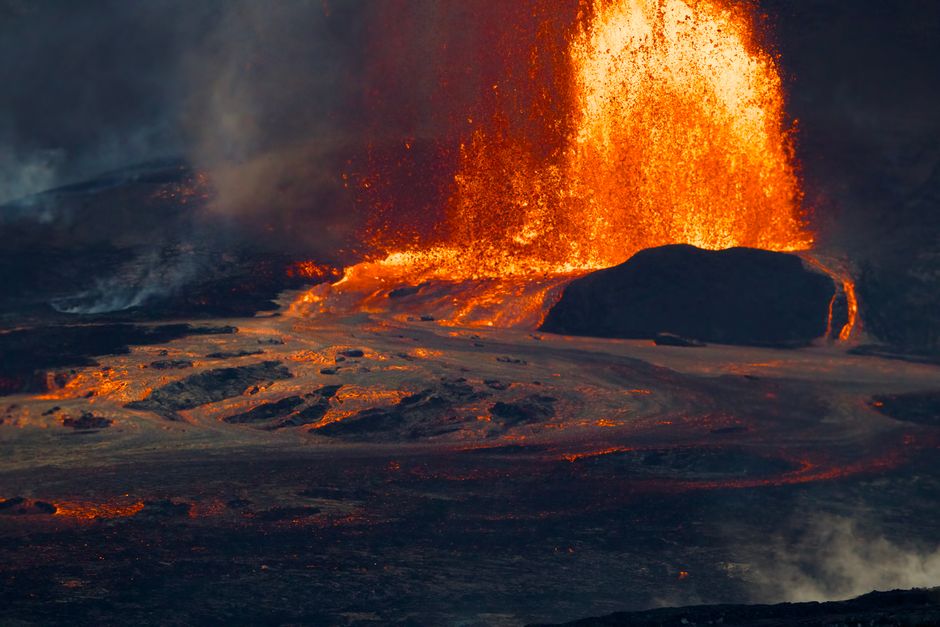
7. The Door to Hell
Darvaza Gas Crater, Turkmenistan
A constantly burning gas crater in the Karakum Desert, lit for decades.
In the vast Karakum Desert of Turkmenistan lies the Darvaza Gas Crater, famously known as the 'Door to Hell.' This fiery abyss, roughly 230 feet wide, has been burning continuously since 1971. Soviet geologists originally set it alight to burn off dangerous methane gases after their drilling rig collapsed, expecting it to last only a few weeks. Five decades later, it remains a captivating and eerie spectacle, especially at night.
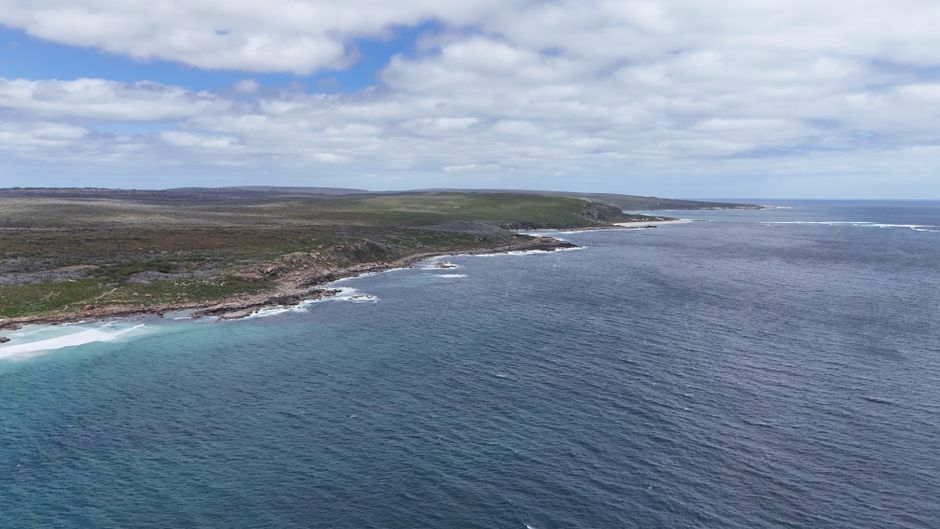
8. The Giant Wave of Stone
Wave Rock, Hyden, Australia
A granite cliff shaped perfectly like a gigantic ocean wave.
In Western Australia, Wave Rock is a natural granite formation that looks exactly like a towering ocean wave about to break. Standing nearly 50 feet high and 360 feet long, its distinctive shape and vertical stripes of grey, red, and yellow are caused by millions of years of weathering and mineral deposits. This ancient geological wonder reveals the slow, artistic power of erosion on the landscape, making it a unique natural landmark.
Frequently asked questions
Why might someone regret buying a traditional tent for backpacking?
Traditional tents can be heavy, bulky, and time-consuming to set up, which can detract from the ultralight, fast-paced nature of modern backpacking. In certain environments like desert or alpine regions, or when using hut systems, a full tent might be unnecessary or even impractical compared to lighter alternatives.
What are some popular alternatives to traditional tents for backpacking?
Popular alternatives include tarp shelters (lightweight, versatile), hammocks (great for forested areas, off-the-ground comfort), bivy sacks (minimalist, good for stargazing), and local hut or shelter systems found in many long-distance trails. Each offers unique benefits depending on the terrain and weather.
Are tent alternatives suitable for all weather conditions?
No, the suitability of tent alternatives depends heavily on the weather. While a well-pitched tarp can handle rain, and a bivy sack offers some protection, they generally provide less warmth and weather resistance than a four-season tent. It's crucial to research the specific conditions of your destination before choosing your shelter.
How does the AllTours.ai app enhance exploration in unique places?
AllTours.ai transforms your phone into a personal AI audio tour guide. Simply point your camera at any landscape or landmark, and the app narrates its rich history, geology, and culture in your language. It's the perfect companion for uncovering the hidden stories of the world's most unique destinations, making every adventure more insightful without needing a physical guide.
Related guides
Photography via Pexels. AllTours.ai is an AI audio tour guide — point your camera at any landscape and hear its story.