August 3, 2026 · 4 min read
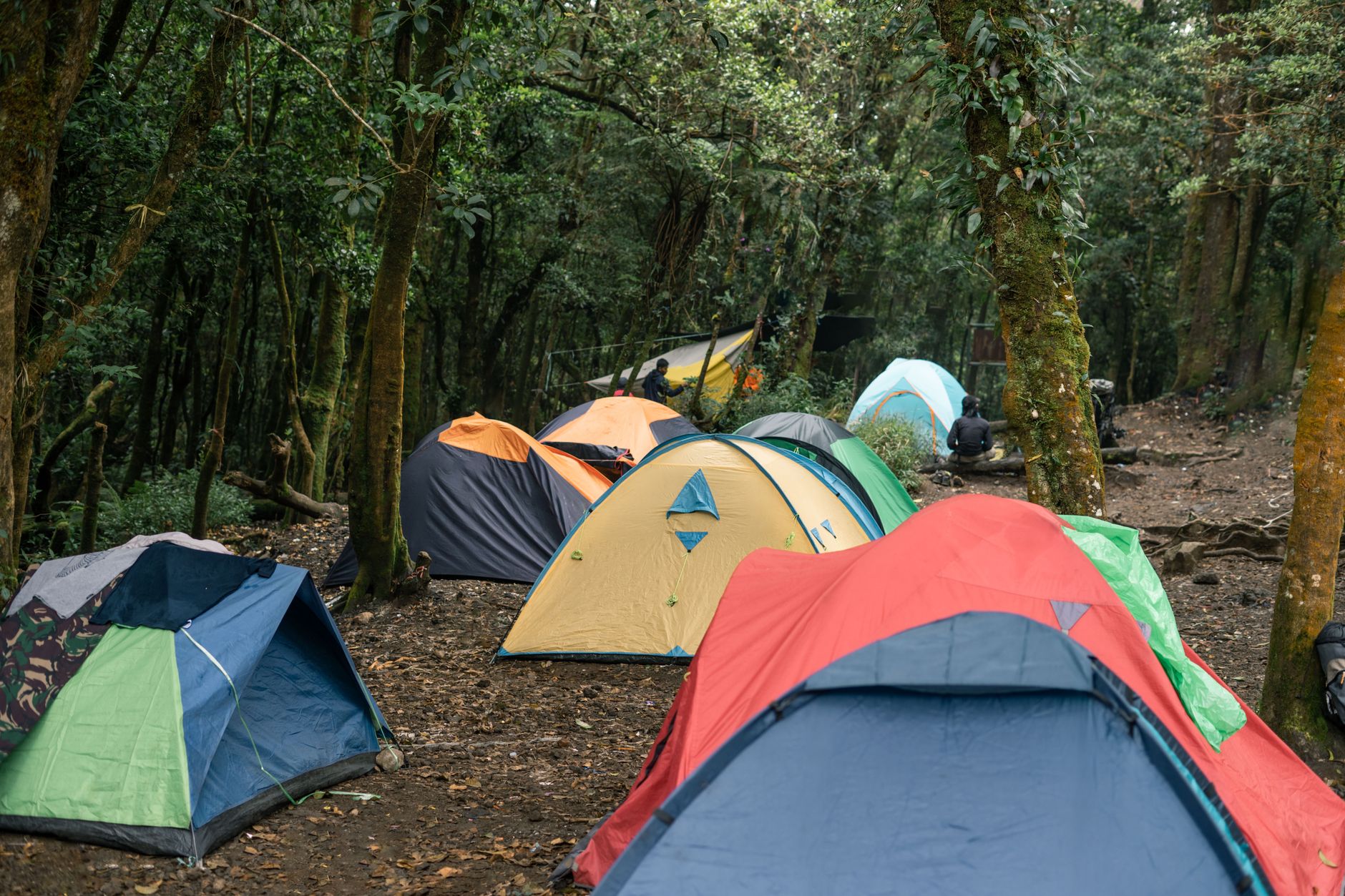
The call of the wild often conjures images of pitching a traditional tent under a canopy of stars. For many, a sturdy tent is the quintessential piece of backpacking gear. But as travel evolves and explorers seek out more unique, often challenging, environments, the question arises: why might someone regret buying a traditional tent for backpacking?
The truth is, not every adventure calls for a bulky, heavy shelter. From fragile geological wonders to culturally significant sites and extreme climates, some destinations demand a lighter touch, a more adaptable setup, or even suggest that the best 'shelter' is simply a day pack and a local experience. We’ve curated a list of lesser-known spots where a traditional tent might prove cumbersome, and where embracing alternatives opens up richer, more intimate journeys.
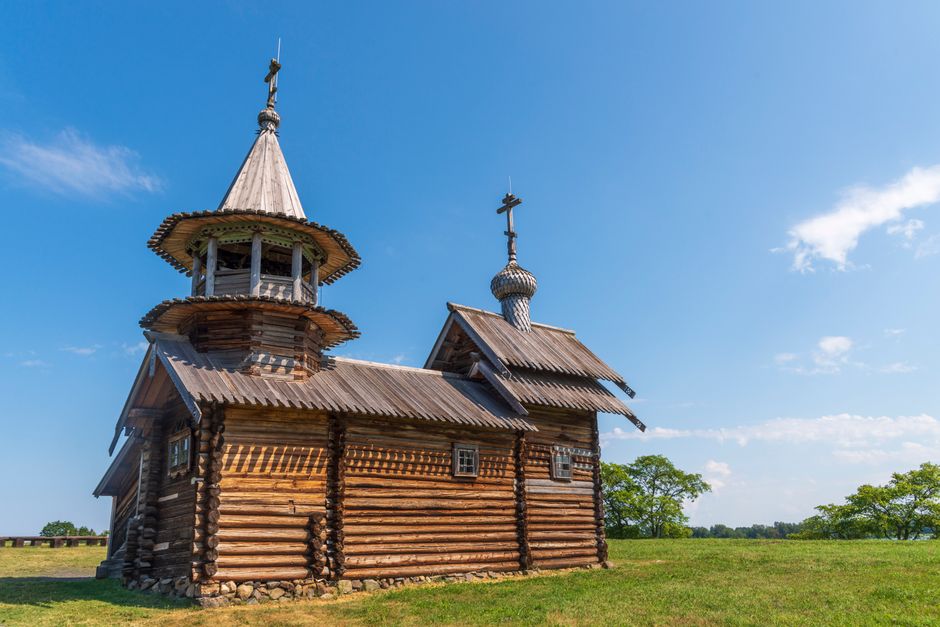
1. The Nail-less Church of Kizhi
Kizhi Island, Russia
An entire multi-domed church built centuries ago on a remote island, crafted entirely without a single metal nail.
Located in the vastness of Lake Onega, the Kizhi Pogost is an architectural marvel. The 22-domed Transfiguration Church, dating back to the 18th century, exemplifies ancient carpentry techniques, using interlocking logs and precise joinery to create towering structures. Camping here would feel out of place; instead, visitors immerse themselves in the island's history, often staying in nearby traditional guesthouses.
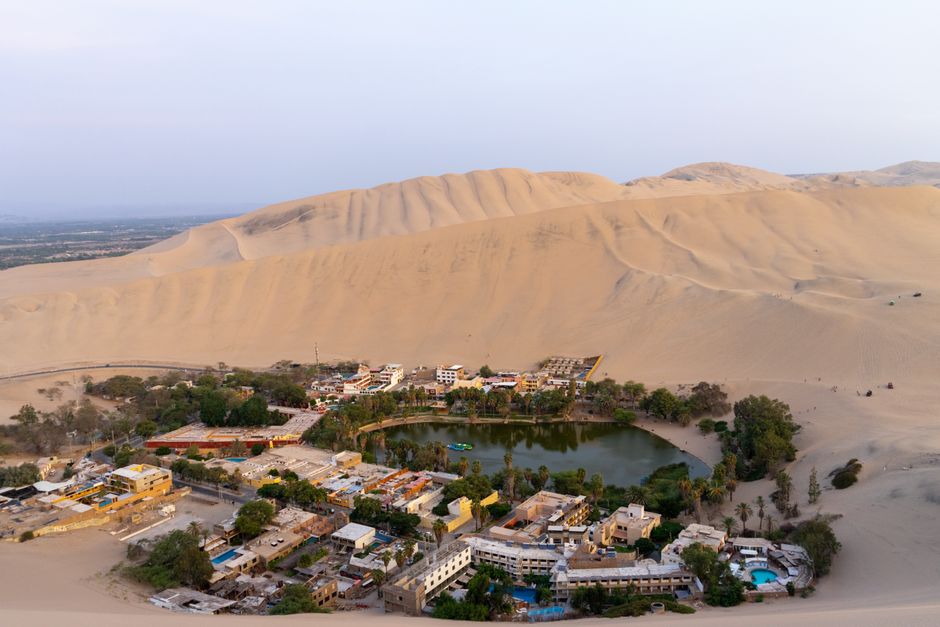
2. Peru's Desert Oasis Secret
Huacachina Oasis, Peru
A genuine natural oasis, ringed by immense sand dunes, where legend claims its waters hold healing powers.
Huacachina is a striking emerald lagoon surrounded by towering golden dunes that stretch for miles. Formed by a natural spring, it creates a vibrant microclimate supporting palm trees and a small settlement. Dragging a heavy traditional tent through shifting sands to find a level, wind-sheltered spot is impractical. Many travelers opt for a lightweight hammock strung between palms or a minimal bivy, though local accommodations offer a more stable base for dune buggying and sandboarding.
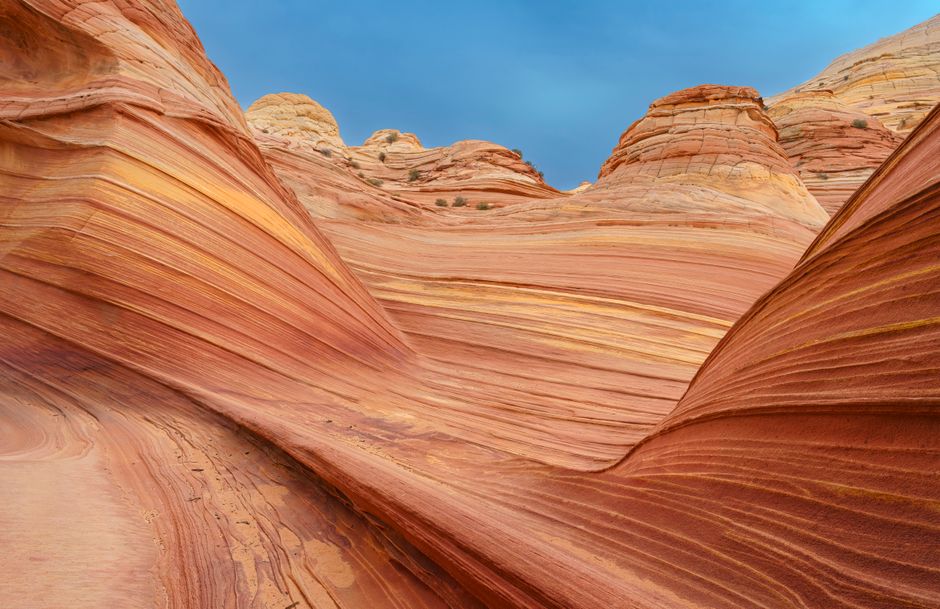
3. Arizona's Ancient Sandstone Swirls
The Wave, Arizona, USA
A mesmerizing landscape of swirling, ancient sandstone so delicate that access is strictly limited to just 20 permits daily.
Nestled within the Coyote Buttes North wilderness, The Wave is a geological masterpiece carved by wind and rain over millions of years. Its vibrant, undulating patterns are incredibly fragile, demanding visitors tread lightly. The journey requires a challenging hike across unmarked desert, where every ounce in your pack counts. A heavy tent is a burden; instead, the experience is a day hike, or for those lucky enough to secure a permit, a minimalist bivy setup for an overnight stay in designated areas outside the immediate formation.
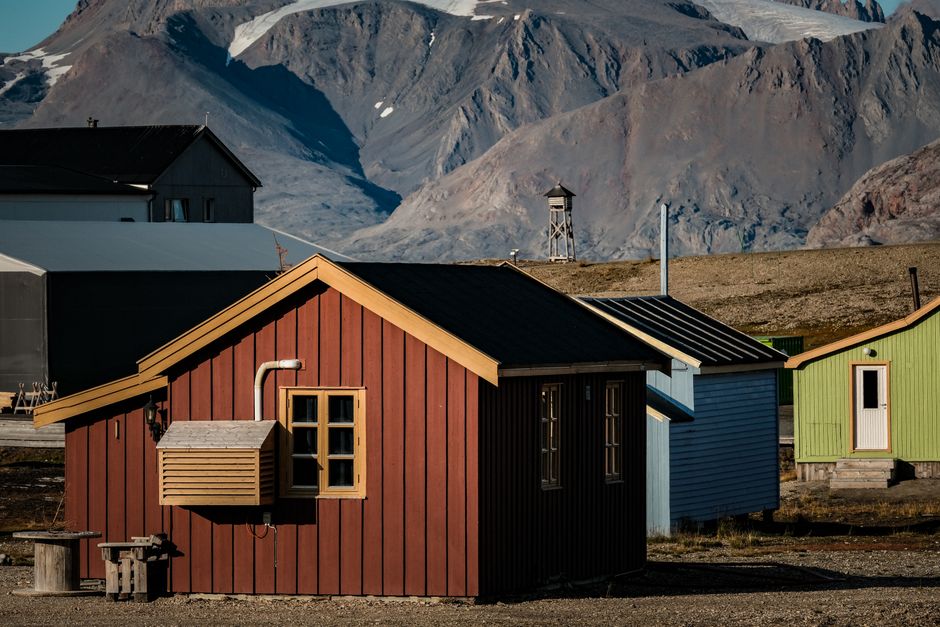
4. The Arctic's Doomsday Seed Vault
Svalbard Global Seed Vault, Norway
A critical vault buried deep within an Arctic mountain, safeguarding the genetic diversity of the world's food crops against global catastrophes.
On the remote archipelago of Svalbard, this modern-day Noah's Ark stores millions of seed samples, protected by permafrost and robust engineering. The extreme Arctic environment, characterized by harsh winds and sub-zero temperatures, makes traditional tent camping impractical and unsafe. Explorers to this region typically rely on specialized expedition shelters or stay in the town of Longyearbyen, taking guided tours to understand this vital preservation effort.
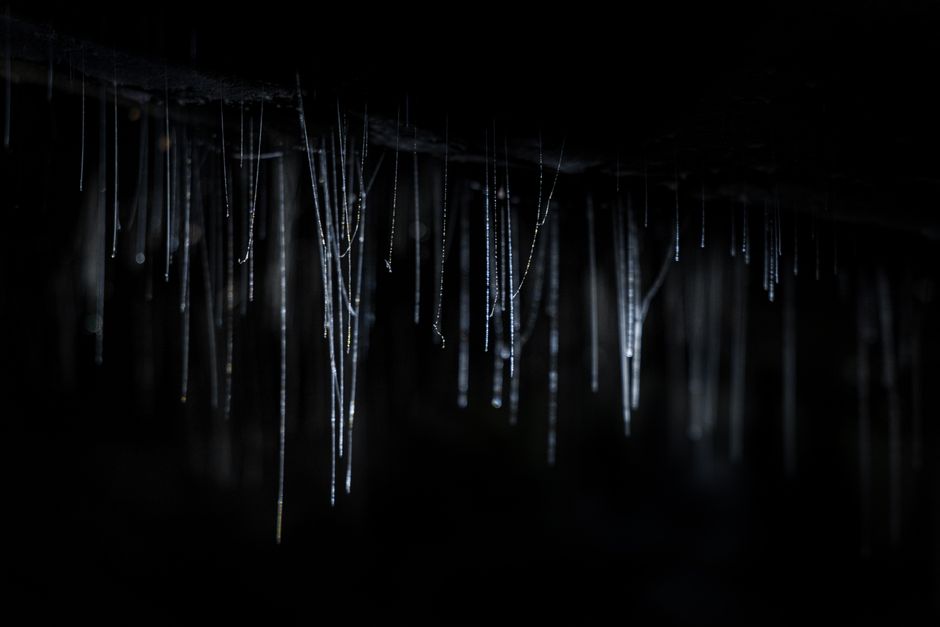
5. New Zealand's Subterranean Starlight
Waitomo Glowworm Caves, New Zealand
Glide in silent darkness under a ceiling illuminated by millions of tiny bioluminescent glowworms, creating a living, glittering galaxy underground.
Beneath the lush landscapes of the North Island lies a network of limestone caves, home to Arachnocampa luminosa, a unique species of glowworm. A boat ride through the Glowworm Grotto reveals a breathtaking natural spectacle, where the pinpricks of light from the glowworms reflect on the water, mirroring the night sky. Clearly, a tent is irrelevant here. The focus is entirely on this ephemeral, natural light show, best experienced from a boat with local guides.
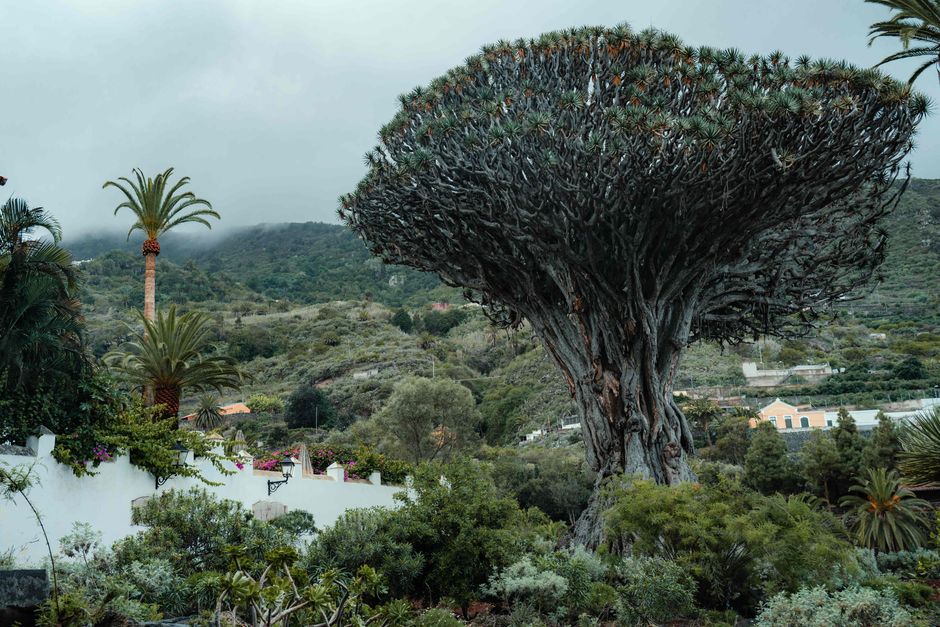
6. Socotra's Alien Tree Sanctuary
Socotra Island, Yemen
An isolated island where 37% of its plants, including the iconic Dragon's Blood Tree that 'bleeds' red sap, exist nowhere else on Earth.
Often called "the most alien-looking place on Earth," Socotra is a biodiversity hotspot in the Arabian Sea. Its unique climate and isolation have fostered an incredible array of endemic species, from the umbrella-shaped Dragon's Blood Trees to bottle trees and frankincense varieties. The rugged terrain and traditional way of life make minimalist camping or homestays with local guides the most respectful and practical options, far removed from standard tent pitches.
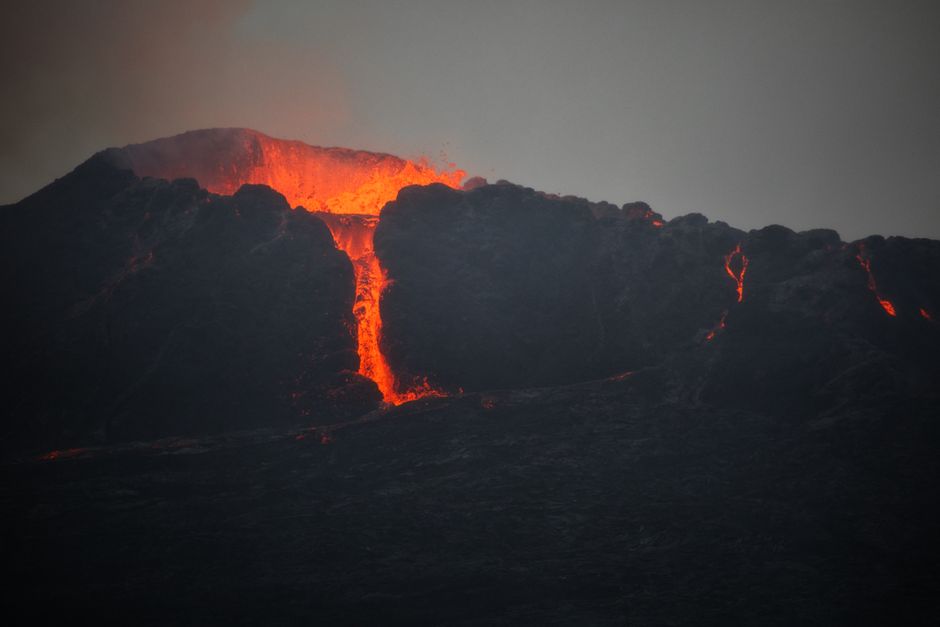
7. Iceland's Volcanic Birthplace
Fagradalsfjall Volcano area, Iceland
Explore newly formed lava fields where the earth is still cooling, creating a raw, temporary landscape constantly reshaped by geological forces.
Following recent eruptions, the Reykjanes Peninsula, particularly around Fagradalsfjall, offers a rare chance to witness the planet's ongoing creation. Vast swathes of fresh, black lava stretch for miles, often still warm to the touch. Navigating this uneven, sharp terrain with a heavy traditional tent is cumbersome and potentially risky. Backpackers embracing this raw environment often opt for lightweight day packs, staying in nearby guesthouses, or utilizing compact bivy sacks for designated, safe overnight spots.
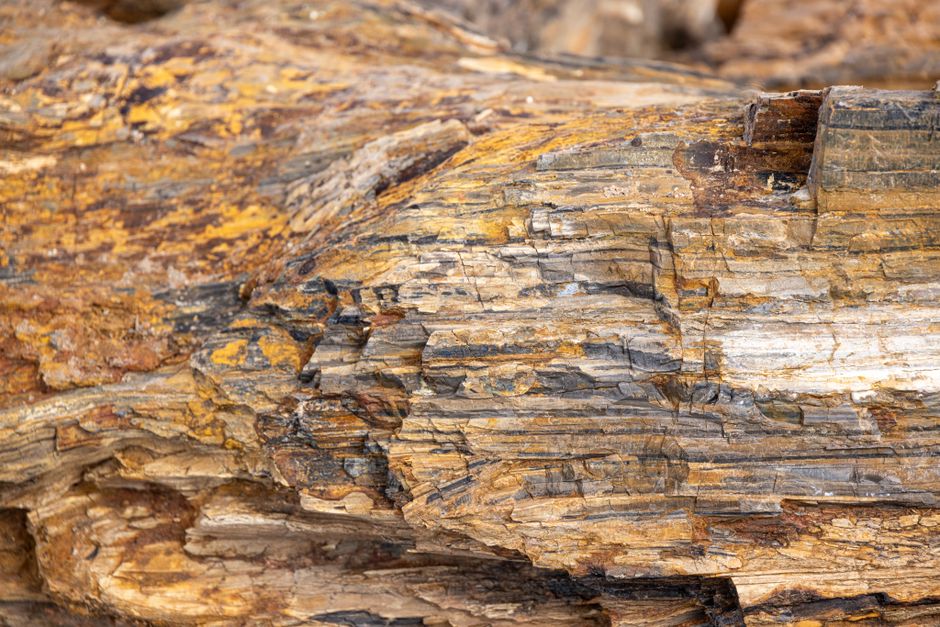
8. Greece's Petrified Forest Time Capsule
The Petrified Forest of Lesbos, Greece
A geological marvel where a forest was turned to multi-colored stone 20 million years ago, preserving an ancient ecosystem in vivid detail.
On the island of Lesbos, this UNESCO Global Geopark holds one of the world's largest petrified forests. Volcanic ash and silica floods from ancient eruptions encased and fossilized entire trees, branches, and leaves, revealing a tropical ecosystem that once thrived here. Walking among these stone giants is like stepping into a deep past. As a protected natural monument, traditional tent camping is prohibited, encouraging visitors to explore its designated trails and learn its deep history from nearby villages.
Frequently asked questions
How do I find suitable alternative camping spots in unique environments?
Research local regulations carefully, as many unique or protected areas have strict rules against dispersed camping. Look for designated lightweight camping zones, or consider staying in local guesthouses, hostels, or eco-lodges that blend with the environment, especially in culturally sensitive or extreme climates.
Are there places where tent camping is simply not appropriate or safe?
Yes. Extreme weather regions like the Arctic, highly fragile geological sites, protected natural monuments, or culturally sensitive areas may prohibit or strongly discourage traditional tent camping. Always prioritize safety, environmental impact, and local guidelines.
How can the AllTours.ai app enhance my trip to these unique places?
AllTours.ai acts as your personal AI audio tour guide. Simply point your phone camera at a landmark, a unique geological formation, or a significant cultural site, and the app will narrate its fascinating history, geology, and cultural significance in your preferred language, providing deep insights into these extraordinary places.
Related guides
Photography via Pexels. AllTours.ai is an AI audio tour guide — point your camera at any landscape and hear its story.