August 3, 2026 · 4 min read
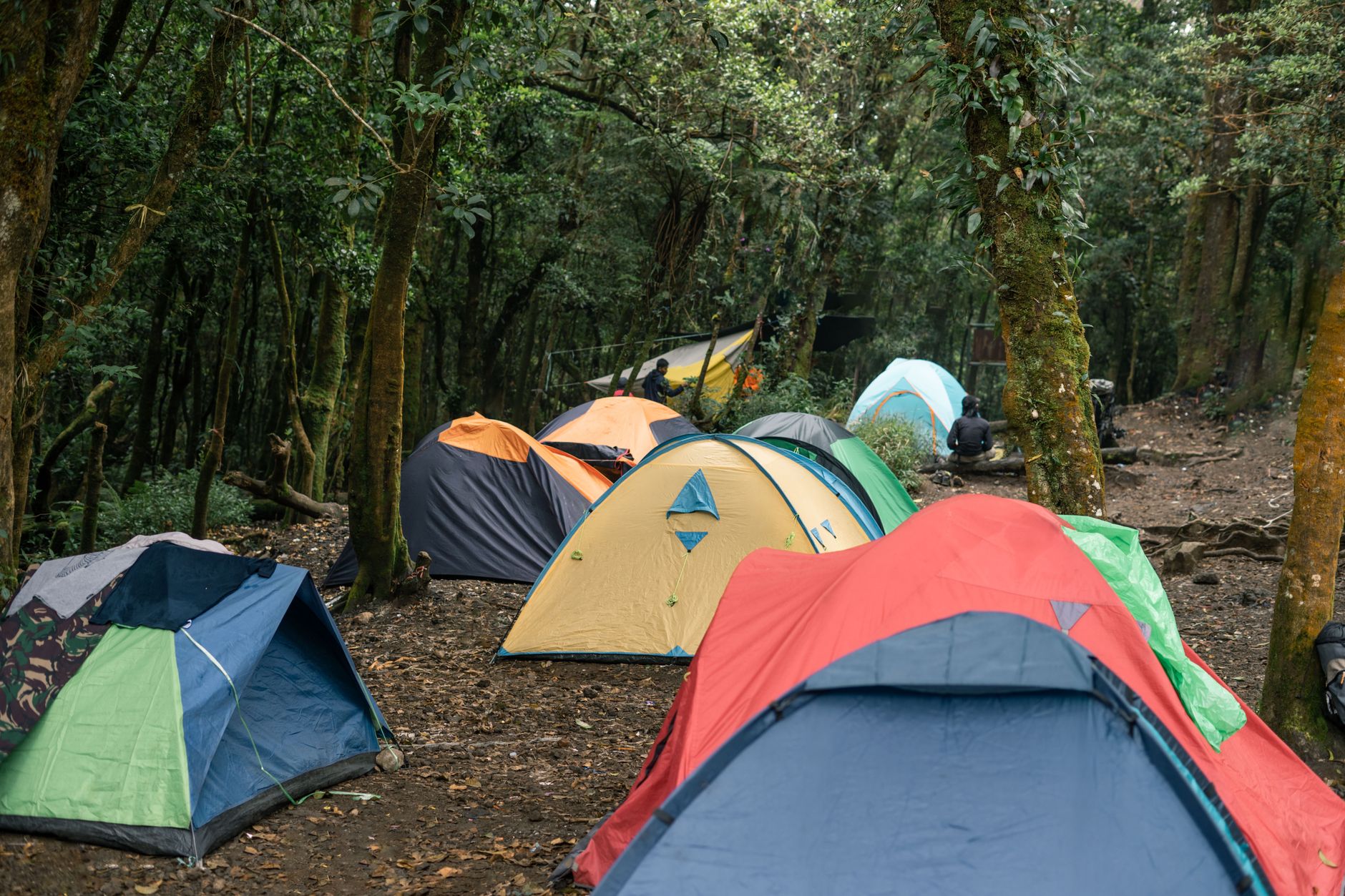
For many adventurers, a traditional tent is the default choice for backpacking. Yet, a growing number of seasoned trekkers find themselves regretting that heavy, bulky purchase. The truth is, while tents offer reliable shelter, their weight, slow setup, and limited versatility can often hinder, rather than enhance, the immersive wilderness experience.
This shift opens up a world of lighter, more adaptable alternatives, from ultralight tarps to cozy backcountry huts. These options not only shave pounds off your pack but also unlock unique ways to connect with the landscape. Ready to ditch the conventional? Let's explore some truly remarkable places where a different kind of shelter makes all the difference.
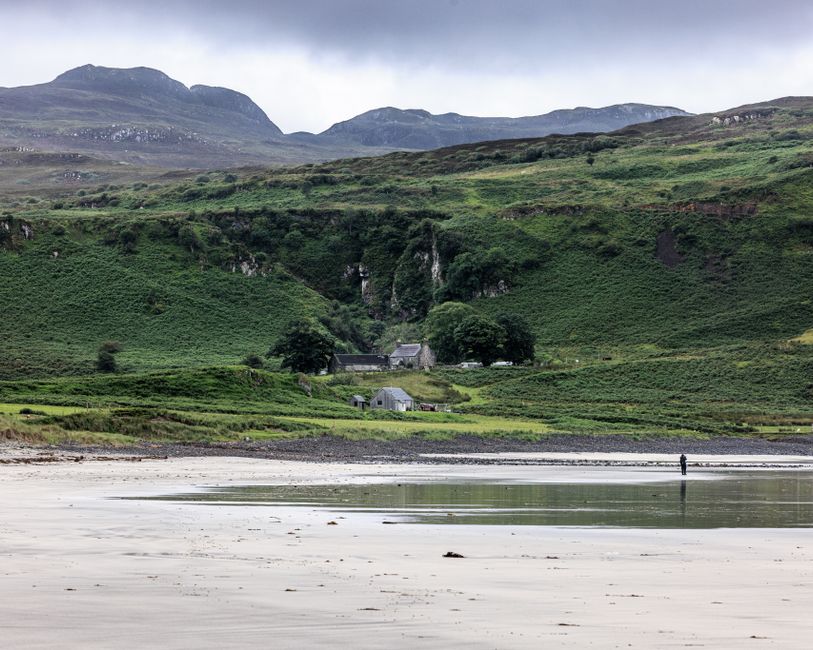
1. The Island of Community and Singing Sands
Isle of Eigg, Scotland
This Hebridean island, owned and powered entirely by its residents, offers bothy stays and wild camping amidst unique geology and a vibrant community.
The Isle of Eigg stands as a testament to community spirit, having been bought by its inhabitants in 1997. It’s a pioneer in sustainable living, relying solely on renewable energy. Backpackers can utilize basic, free bothies or practice responsible wild camping, enjoying the island's dramatic Sgurr (a pitchstone ridge) and the mesmerizing 'singing sands' of Laig Bay, which emit a strange musical hum when walked upon.
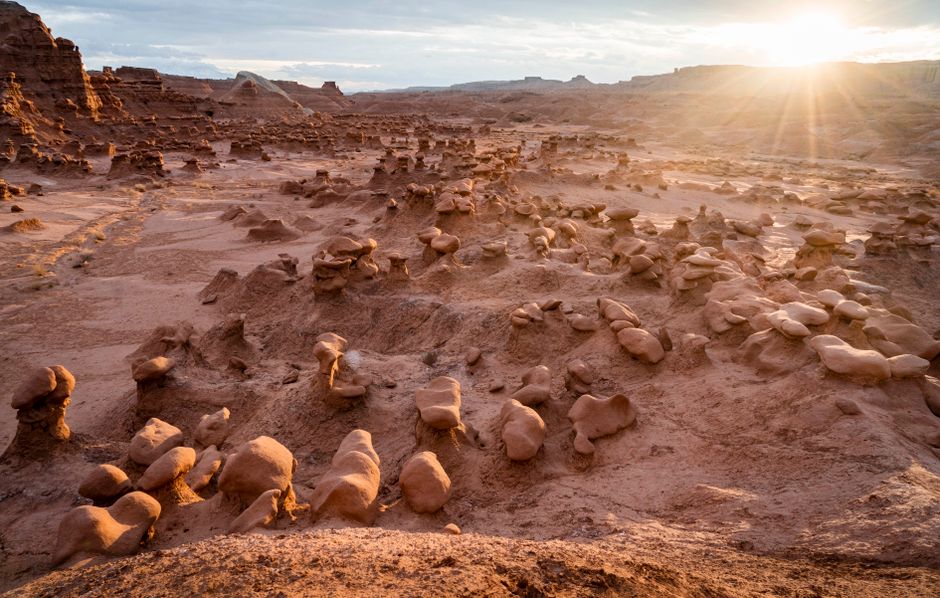
2. Sleeping Among Martian Goblins
Goblin Valley State Park, Utah, USA
Wander and camp among thousands of bizarre, mushroom-shaped hoodoos, feeling like you’ve landed on an alien planet.
Goblin Valley truly lives up to its name, featuring an otherworldly landscape sculpted by millions of years of erosion. Soft sandstone has been carved into countless 'goblins,' some just a few feet tall, others towering structures. This park encourages off-trail exploration, making it ideal for a minimalist bivy sack under a sky renowned for its dark, star-filled nights, offering an unparalleled astronomical experience.
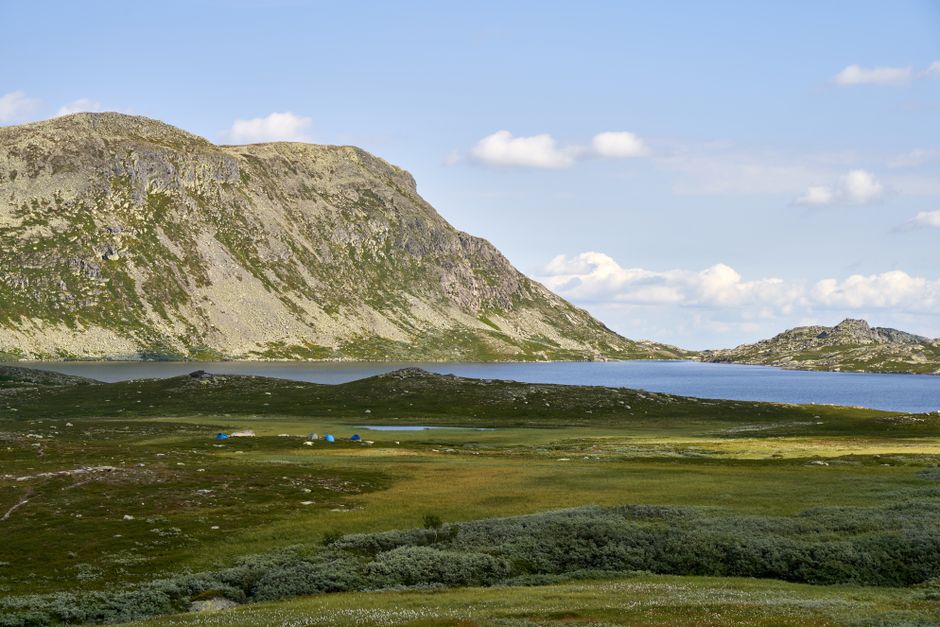
3. Arctic Fox Wilderness of the North
Hornstrandir Nature Reserve, Iceland
Accessible only by boat, this remote, uninhabited peninsula is a haven for wildlife, especially the curious Arctic fox, amidst dramatic fjords.
Hornstrandir is Iceland's northernmost tip, abandoned by humans in the 1950s and left to nature. With no roads or services, it offers a true wilderness experience for experienced backpackers. Designated camping spots require robust, ultralight shelters suitable for unpredictable weather. The main draw is the abundant wildlife, particularly the remarkably unafraid Arctic foxes, which often approach hikers with a charming curiosity.
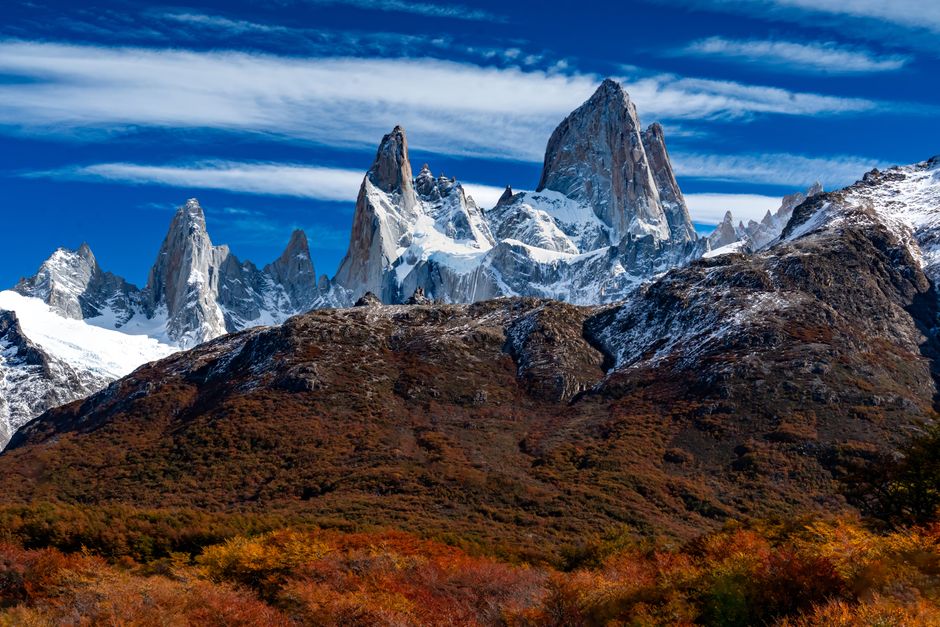
4. Patagonia’s Untamed Castle Peaks
Cerro Castillo National Park, Chilean Patagonia
Discover a less-traveled Patagonian gem, offering dramatic, castle-like peaks and turquoise glacial lagoons without the crowds of its famous neighbor.
Often overshadowed by Torres del Paine, Cerro Castillo National Park provides equally breathtaking but more isolated trekking opportunities. Its namesake massif resembles a medieval fortress, rising majestically above the landscape. The park is home to the elusive huemul, an endangered Andean deer. Backpackers here can find designated backcountry campsites, ideal for ultralight tents or tarps that allow for quick setup and minimal impact on this pristine wilderness.
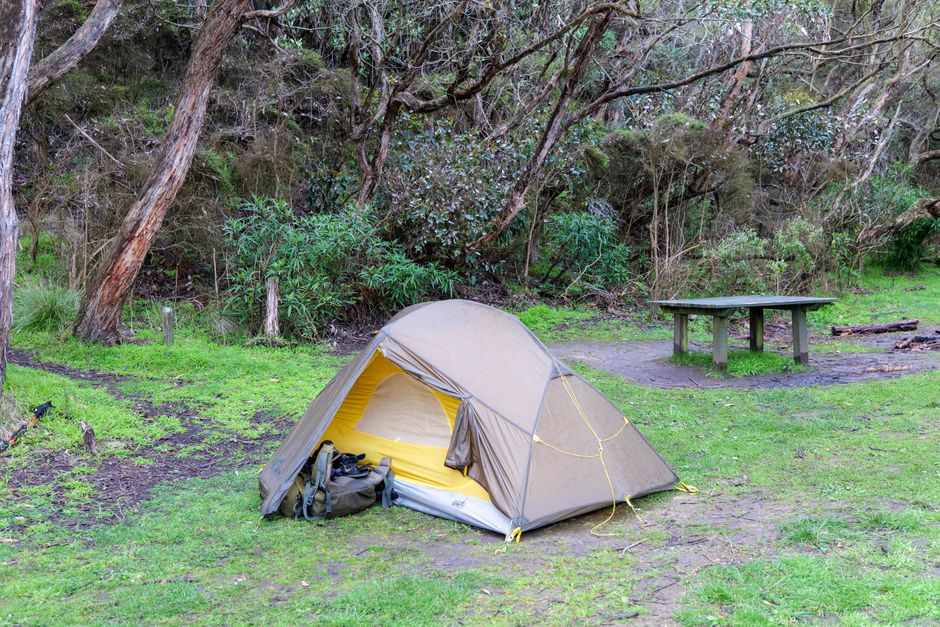
5. Coastal Walks Through Ancient Rainforest
The Great Ocean Walk, Victoria, Australia
This multi-day coastal trek winds through eucalyptus forests, secluded beaches, and ancient rainforests, often with koala sightings.
Stretching from Apollo Bay to the iconic Twelve Apostles, the Great Ocean Walk offers a more intimate experience of Australia's famous coastline than the drive. Hikers traverse diverse ecosystems, from dense eucalyptus forests where koalas often doze, to pristine, deserted beaches. Designated campsites along the trail are perfect for hammock camping, allowing you to sway gently to the sound of crashing waves while minimizing your footprint.
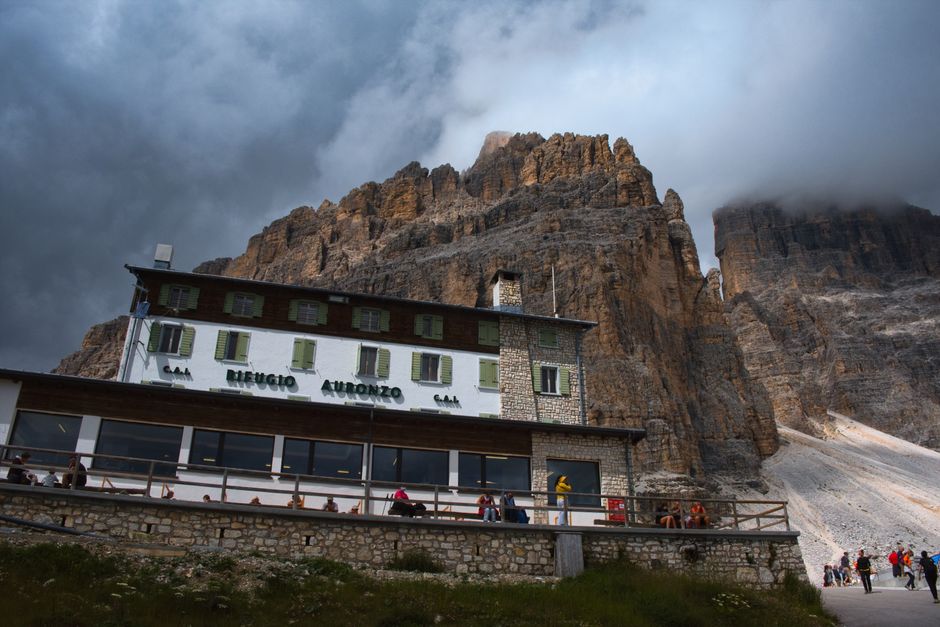
6. Dolomite Peaks and High Mountain Hospitality
Italian Dolomites, Italy
Explore the 'pale mountains' of this UNESCO World Heritage site, where staying in mountain refuges (Rifugios) is part of the cultural experience.
The Dolomites are famed for their unique, jagged peaks, ancient coral reefs that glow pink at sunset (enrosadira). Backpacking here often means foregoing a tent entirely in favor of the network of Rifugios – staffed mountain huts offering food, beds, and a vibrant social atmosphere. These refuges provide a safe, warm haven high in the mountains, allowing trekkers to carry lighter packs and immerse themselves in Italian mountain culture.
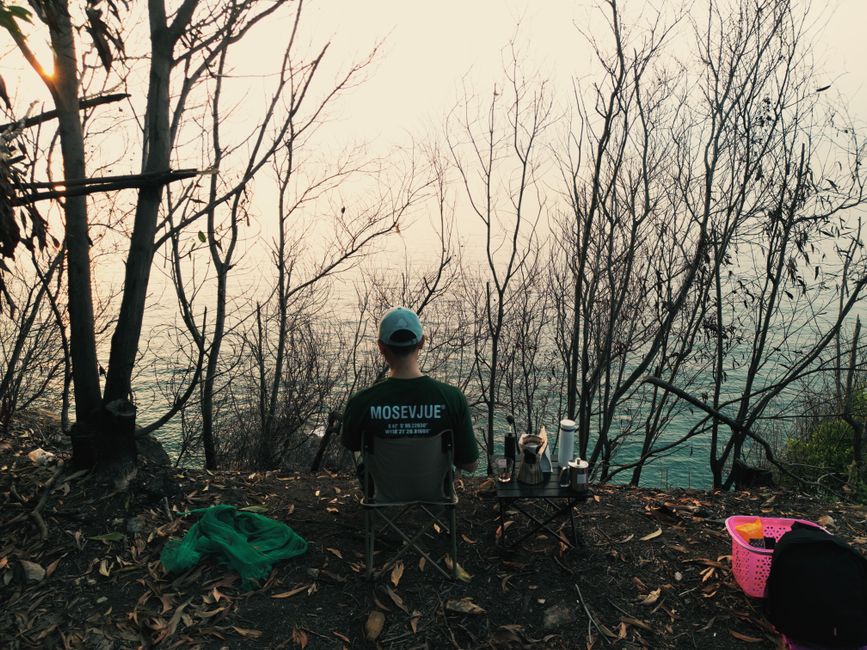
7. Where Mountains Meet the Pacific
The Lost Coast Trail, California, USA
Hike the longest undeveloped stretch of California's coastline, where the rugged King Range mountains plunge directly into the Pacific Ocean.
So wild and precipitous that Highway 1 had to bypass it entirely, the Lost Coast Trail offers a truly remote backpacking experience. This wilderness stretch requires careful planning around tides, as sections of the hike are impassable at high water. A lightweight bivy sack or tarp is often preferred here for its minimal footprint and quick setup, allowing adventurers to find discreet spots among ancient redwoods or directly on black sand beaches, sharing the landscape with Roosevelt elk and black bears.
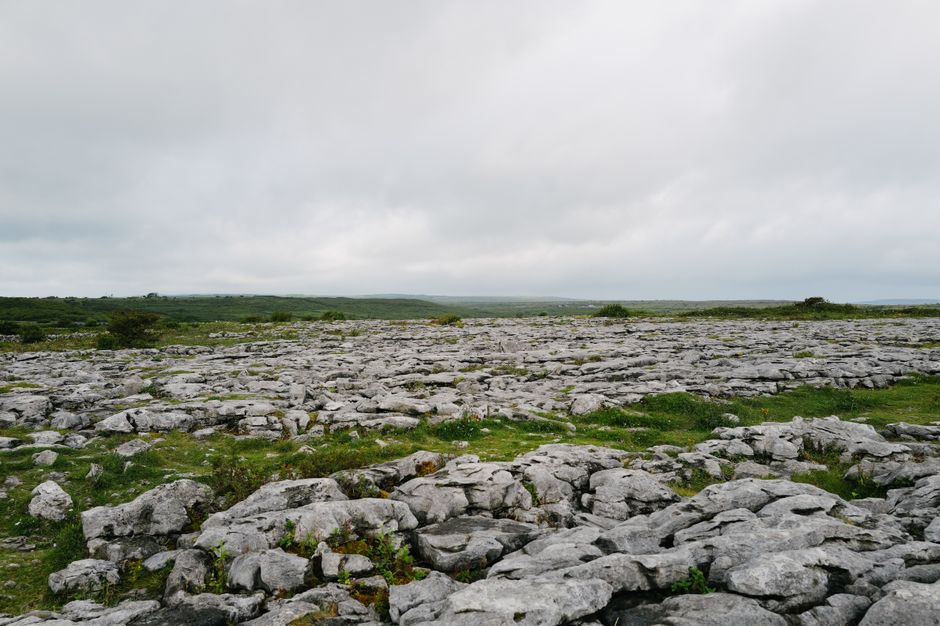
8. Lunar Limestone and Ancient Flora
The Burren, County Clare, Ireland
A vast, unique karst landscape that appears lunar but harbors an extraordinary diversity of Arctic, Alpine, and Mediterranean plants growing side-by-side.
The Burren is unlike anywhere else, a vast expanse of glaciated limestone pavement, crisscrossed by deep fissures known as 'grikes.' Despite its seemingly barren appearance, this region boasts an incredible botanical anomaly: Arctic, Alpine, and Mediterranean flora thriving together due to unique microclimates. While formal camping is restricted, the desire to experience this geological marvel might inspire ultralight setups, or travelers often opt for quaint guesthouses in nearby villages after a day of exploring ancient megalithic tombs and ringforts scattered across the landscape.
Frequently asked questions
What are the main drawbacks of traditional backpacking tents?
Traditional tents can be heavy and bulky, adding significant weight to your pack, especially on longer trips. They often require more setup time, and their enclosed design can sometimes limit your connection to the outdoor environment, contributing to condensation issues in certain conditions.
What are some popular alternatives to traditional tents for backpackers?
Many backpackers now favor lighter, more versatile shelters like hammocks (paired with a tarp for rain), bivy sacks (minimalist, waterproof covers), and standalone tarps (requiring trekking poles or natural anchors). In some regions, backcountry huts, refugios, or bothies offer shared, often communal, shelter.
How can I choose the right non-tent shelter for my trip?
Consider the climate and terrain of your destination: hammocks excel in forested areas, while bivies or tarps are better for exposed, rocky terrain. Think about the weather you expect, your desired level of comfort, and how much stealth or social interaction you prefer. Researching local regulations for each type of shelter is also crucial.
How can AllTours.ai enhance my exploration of these unique places?
AllTours.ai brings the stories of these incredible places to life. Simply point your phone camera at a landmark, a mountain range, or even a unique plant, and the app will narrate its history, geology, and cultural significance in your language, turning every step into an immersive, knowledgeable journey without needing a guide.
Related guides
Photography via Pexels. AllTours.ai is an AI audio tour guide — point your camera at any landscape and hear its story.