July 16, 2026 · 5 min read
The question, "Would you rather live in Britain or Russia?" often conjures images of bustling London or grand Moscow, or perhaps the rolling British countryside versus the endless Russian steppe. But beyond these famous postcards lie worlds of unexpected history, geology, and culture, waiting to be discovered.
Forget the usual tourist trails for a moment. What if your decision was swayed by a village built entirely as an Italian fantasy, or a forgotten community on a remote island? What if it came down to ancient burial cities in the mountains, or churches constructed without a single nail? Let's explore some truly unique corners of these two vast nations, each with a story that might just tip your preference.
1. Europe's Oldest Stone Home
Knap of Howar, Orkney, Scotland
Imagine stepping into a fully preserved farmhouse older than the pyramids, where Neolithic families cooked and slept.
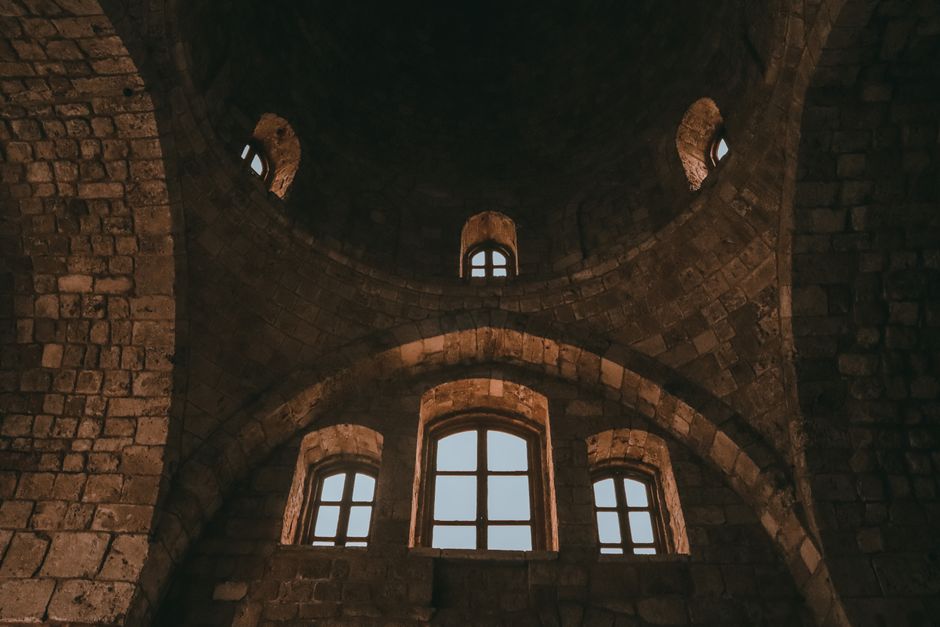
On the remote island of Papa Westray in Scotland's Orkney archipelago, two remarkably preserved stone houses stand as Europe's oldest known standing buildings. Dating back to around 3700 BCE, the Knap of Howar predates both Stonehenge and the Egyptian pyramids. You can still see the stone beds, dressers, and even a hearth, offering an intimate glimpse into daily life over 5,500 years ago, long before written history began.
2. The Quarry Isle's Hidden Language
Isle of Portland, Dorset, England
This rugged isle provided the stone for London's grandest cathedral, yet harbors a forgotten dialect and a secret network of artists.
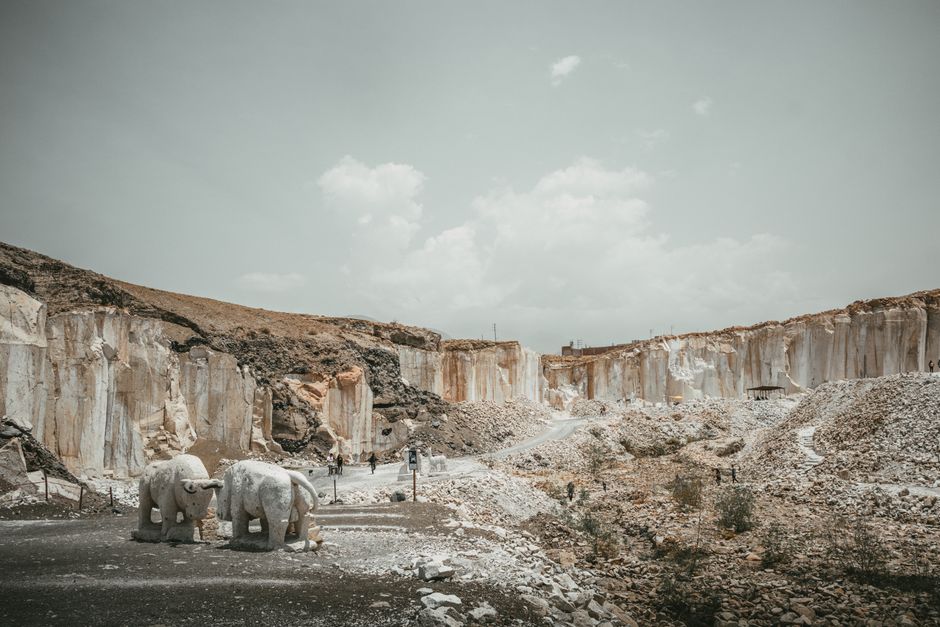
The Isle of Portland, a limestone 'tied island' off the Dorset coast, is famed for its Portland Stone, used in landmarks like St Paul's Cathedral. However, beyond its quarries, the island once boasted a unique local dialect, 'Pompey,' now largely extinct, and maintains a distinct cultural identity. Its abandoned quarries have been transformed into Tout Quarry Sculpture Park, an open-air gallery where artists carve directly into the landscape, creating a hauntingly beautiful fusion of industry and art.
3. A Welsh Italian Dream Village
Portmeirion, Gwynedd, Wales
An entire village in Wales designed to look like a vibrant Italian Riviera town, where guests once played out a real-life spy drama.
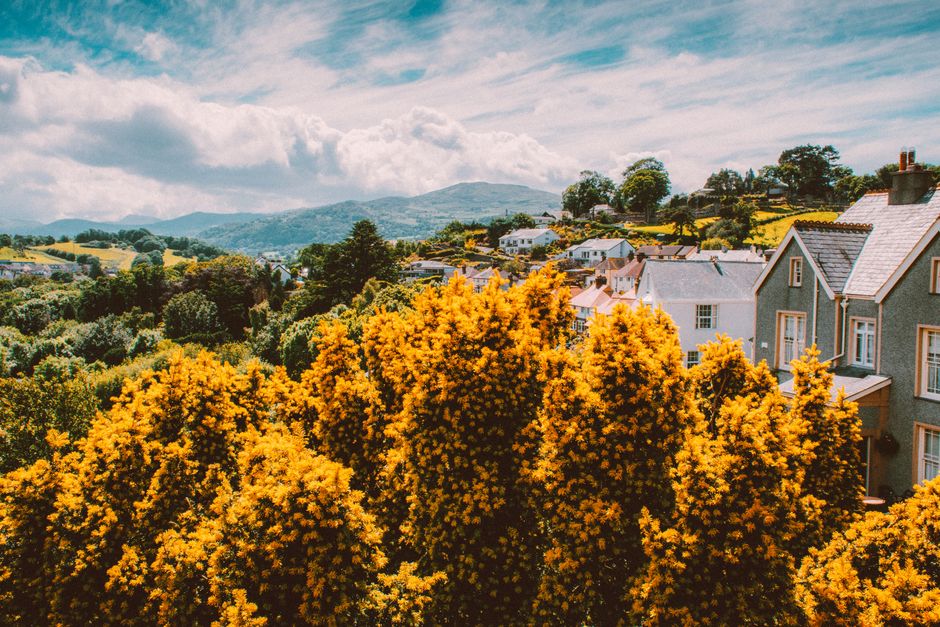
Nestled on a private peninsula in North Wales, Portmeirion is an architectural marvel. Built by Sir Clough Williams-Ellis between 1925 and 1975, this eccentric village was designed to show how a naturally beautiful site could be developed without spoiling it, blending Italianate charm with Welsh landscape. It famously served as the surreal setting for the 1960s cult TV series 'The Prisoner,' where its whimsical architecture became a character in itself, embodying themes of surveillance and escape.
4. The Vanished Island Community
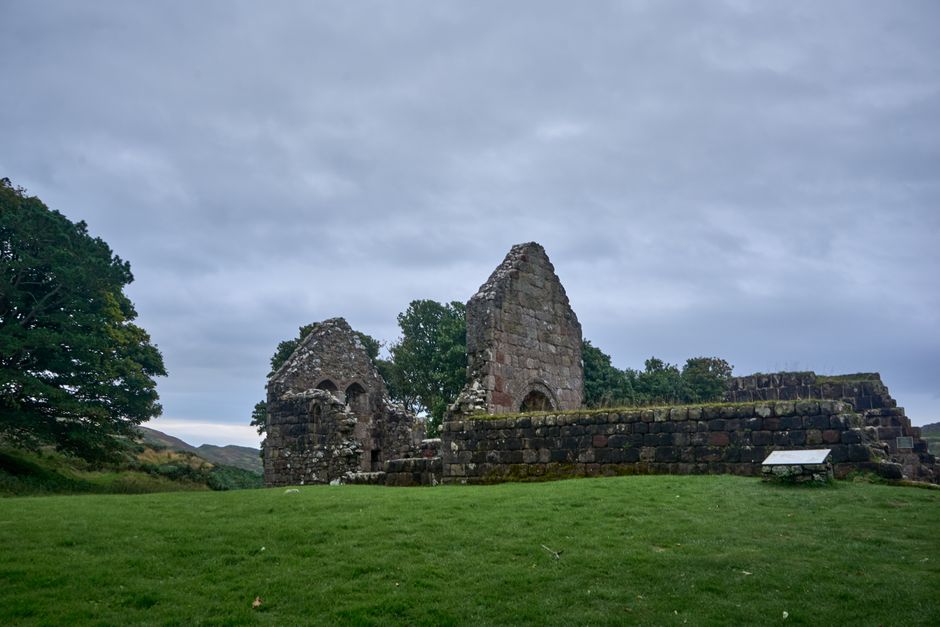
St Kilda, Outer Hebrides, Scotland
This remote Scottish archipelago was home to a self-sufficient community with a unique bird-hunting economy, until their dramatic evacuation.
St Kilda, a UNESCO World Heritage Site in the North Atlantic, is a cluster of volcanic islands once inhabited by Britain's most isolated community. For centuries, the islanders lived a subsistence lifestyle, relying heavily on seabirds for food, feathers, and oil, developing unique climbing skills and a distinct social structure. In 1930, the last 36 residents, unable to sustain their way of life, voluntarily evacuated, leaving behind a hauntingly preserved village that tells a poignant story of human resilience and the harsh realities of extreme isolation.

5. Russia's 'City of the Dead'
Dargavs, North Ossetia-Alania, Russia
High in the Caucasus mountains, an entire village of white stone crypts watches over the living, holding centuries of secrets.
Tucked away in a remote valley in North Ossetia-Alania, Dargavs is a medieval necropolis known as the 'City of the Dead.' Here, a collection of roughly 100 ancient stone crypts, resembling small houses, dot the hillsides. Each structure served as a family vault, housing the remains of generations of Ossetians, some dating back to the 14th century. Local legends whisper of a plague that led to families isolating themselves here, creating a hauntingly beautiful and deeply spiritual landscape.
6. The Nail-Free Churches
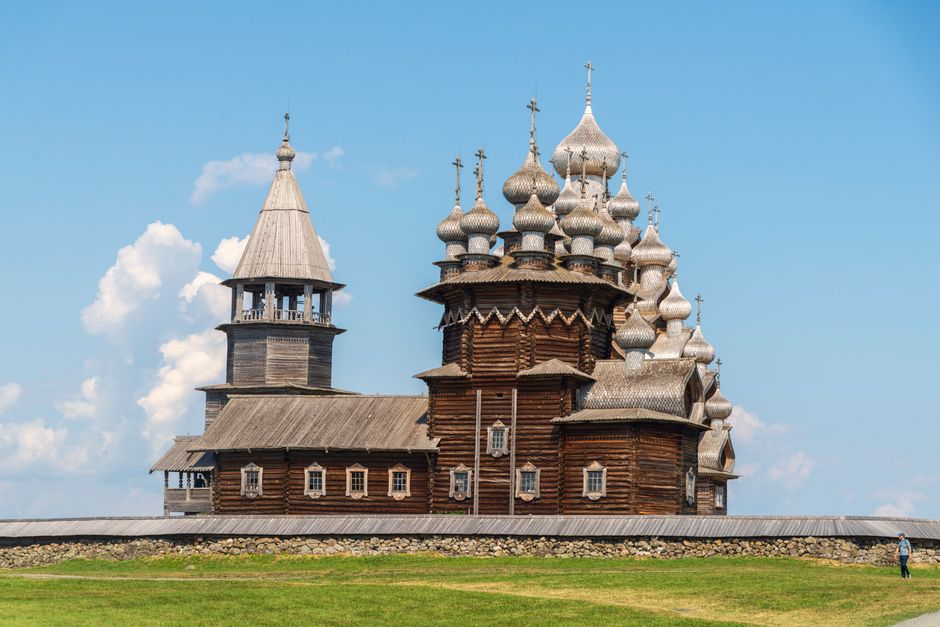
Kizhi Island, Karelia, Russia
On a remote island in Lake Onega stands an open-air museum of wooden architecture, including a church built without a single nail.
Kizhi Island, a UNESCO World Heritage site in Lake Onega, is famous for its collection of wooden churches, chapels, and houses, exemplifying traditional Russian carpentry. The most striking is the 22-domed Church of the Transfiguration, a masterpiece built entirely of wood in the 18th century without a single nail. Legend claims its master builder, after completing the church, threw his axe into the lake, declaring, 'There was not, and never will be, another like it.'
7. Shamanic Heart of Lake Baikal
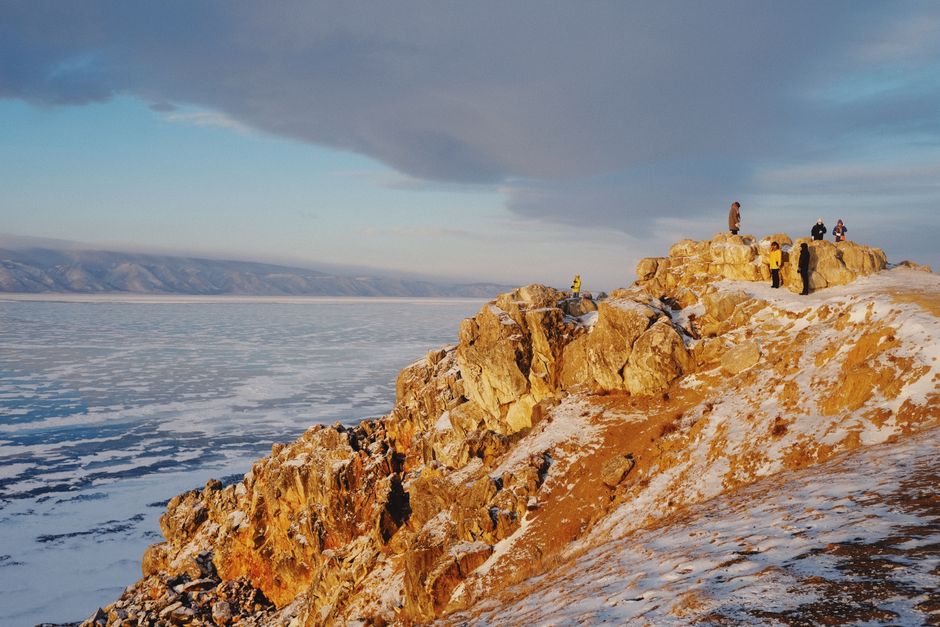
Olkhon Island, Lake Baikal, Russia
The largest island in Lake Baikal, revered as a spiritual center where ancient shamans still perform sacred rituals.
Olkhon Island, the largest island in the world's deepest lake, Baikal, is considered one of the five global centers of shamanism. Its dramatic landscapes of cliffs, taiga forests, and sandy beaches are dotted with sacred sites, including Shaman Rock (Burkhan Cape), a revered natural monument where Buryat shamans have performed ceremonies for centuries. The island radiates a powerful spiritual energy, drawing both pilgrims and travelers seeking connection to ancient traditions and pristine nature.
8. Russia's Scandinavian Relic
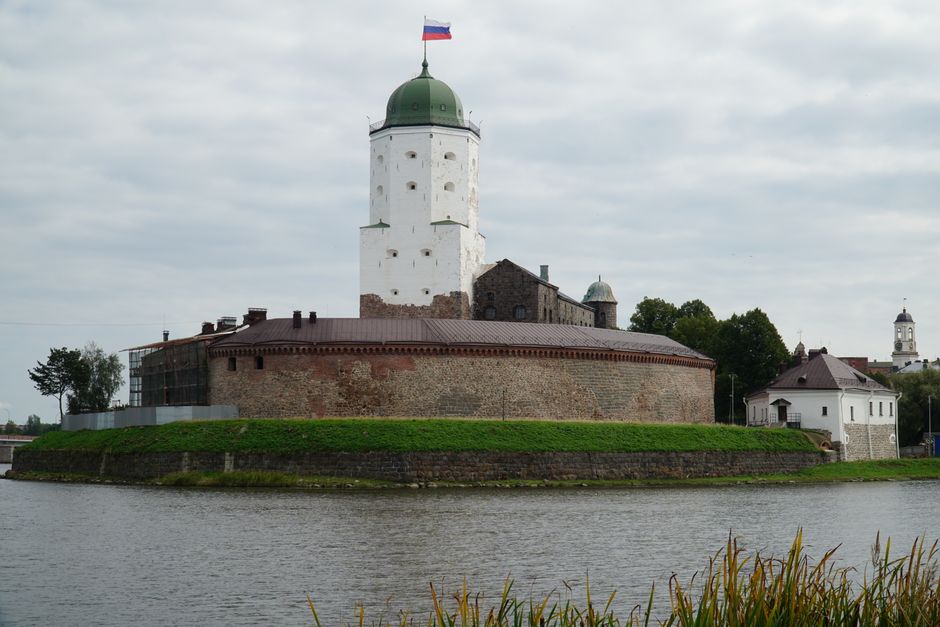
Vyborg, Leningrad Oblast, Russia
This Russian city, once Swedish and then Finnish, boasts the only medieval European castle still standing in Russia.
Vyborg, a port city near the Finnish border, offers a unique blend of cultures, reflecting its history under Swedish, Finnish, and now Russian rule. Its most prominent landmark is Vyborg Castle, founded by the Swedes in 1293 and the only fully preserved medieval European castle on Russian territory. Wandering through its cobbled streets, you'll encounter architecture that feels distinctly Scandinavian, a stark contrast to the typical Russian urban landscape, making it a fascinating cultural crossroads.
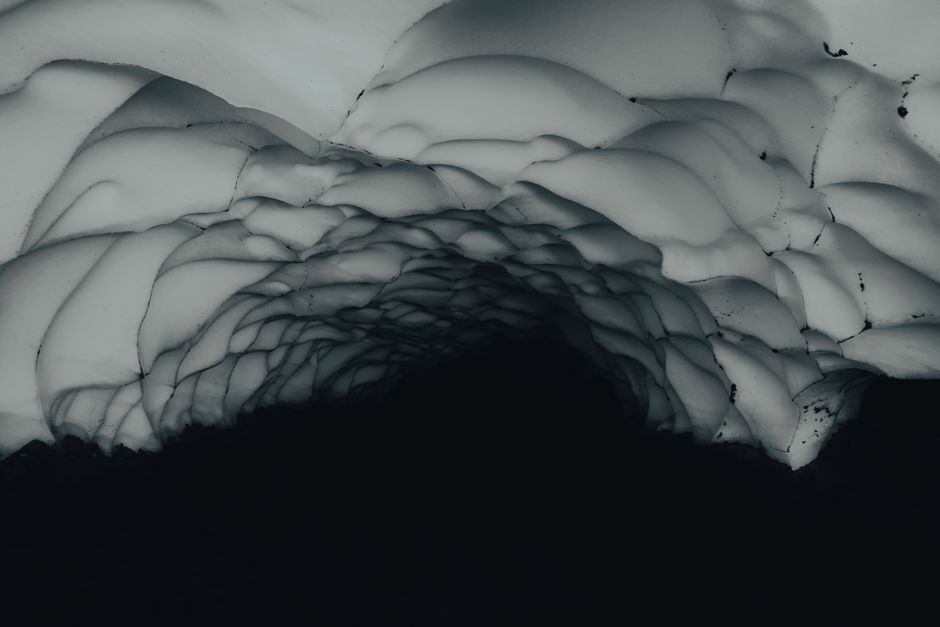
9. The Underground Ice Kingdom
Kungur Ice Cave, Perm Krai, Russia
Beneath the Ural Mountains lies a colossal network of subterranean lakes and frozen grottoes, shaped by millennia of ice.
The Kungur Ice Cave, one of Russia's largest and most famous karst caves, is a breathtaking underground wonderland. Stretching over 5.7 kilometers, with more than 50 grottoes and 70 subterranean lakes, it's celebrated for its spectacular ice formations that persist year-round. Stalactites, stalagmites, and shimmering ice crystals transform the cavern into a fairytale landscape, offering a cool, ethereal escape deep within the Ural Mountains and a glimpse into geological time.
Frequently asked questions
What's the best time to visit these lesser-known spots in Britain?
For most of the UK's less-traveled destinations, spring (April-May) and autumn (September-October) offer pleasant weather, fewer crowds, and stunning natural beauty. Summer can be busy, especially in coastal areas, while winter can be cold and some remote attractions might have limited access.
Is it safe to travel to remote parts of Russia like Dargavs or Olkhon Island?
Generally, yes, but it requires careful planning. Remote regions like Dargavs and Olkhon Island are largely safe for tourists, though infrastructure can be basic. It's always advisable to check current travel advisories, arrange local guides for truly off-grid areas, and ensure you have appropriate insurance and communication methods.
What are the accommodation options like in these unique locations?
Accommodation varies greatly. In places like Portmeirion, you can stay within the village itself. Remote spots like St Kilda are day-trip destinations with no overnight stays, while nearby islands might offer guesthouses. In Russia, you might find homestays, small hotels, or even camping facilities, often providing a more authentic local experience than major cities.
How can AllTours.ai enhance my visit to these hidden gems?
AllTours.ai is designed to bring the stories of these incredible places to life. Simply point your phone camera at a landmark, landscape, or even a detailed architectural feature, and the app will narrate its history, geology, and cultural significance in your preferred language. It's like having a personal expert guide revealing the fascinating layers of each unique spot, making every detail a discovery.
Related guides
Photography via Pexels. AllTours.ai is an AI audio tour guide — point your camera at any landscape and hear its story.